Walmart's Earnings Beat Expectations but Fuel Costs Weigh Down
Written by Emily J. Thompson, Senior Investment Analyst
Updated: 5 days ago
0mins
Source: stocktwits
- Strong Earnings Report: Walmart's Q1 revenue reached $177.8 billion, exceeding Wall Street's expectation of $174.84 billion, showcasing robust consumer demand despite a 7% drop in stock due to rising fuel prices.
- Significant E-commerce Growth: Global e-commerce revenue surged 26% during the quarter, while U.S. comparable sales increased by 4.1% and customer transactions rose by 3%, indicating Walmart's ongoing expansion in digital sales and market adaptability.
- Fuel Cost Impact: Despite strong performance, Walmart executives noted that fuel costs added approximately $175 million in operational expenses during the quarter, raising investor concerns about ongoing inflation and rising shipping costs potentially affecting future profit margins.
- Analyst Rating Upgrade: Freedom Broker analyst Georgy Vashchenko upgraded Walmart's stock rating from 'Sell' to 'Hold' and sharply raised the price target from $87 to $133, implying nearly a 10% upside potential, reflecting confidence in the company's long-term strategy.
Trade with 70% Backtested Accuracy
Stop guessing "Should I Buy WMT?" and start using high-conviction signals backed by rigorous historical data.
Sign up today to access powerful investing tools and make smarter, data-driven decisions.
Analyst Views on WMT
Wall Street analysts forecast WMT stock price to rise
26 Analyst Rating
25 Buy
1 Hold
0 Sell
Strong Buy
Current: 118.570

Low
119.00
Averages
125.75
High
136.00
Current: 118.570
Low
119.00
Averages
125.75
High
136.00
About WMT
Walmart Inc. is a technology-powered omnichannel retailer. The Company is engaged in the operation of retail and wholesale stores and clubs, as well as eCommerce Websites and mobile applications, located throughout the United States (U.S.), Africa, Canada, Central America, Chile, China, India and Mexico. It operates in three reportable segments: Walmart U.S., Walmart International and Sam's Club U.S. The Walmart U.S. segment includes the Company's mass merchandising concept in the U.S., as well as eCommerce, which includes omni-channel initiatives and certain other business offerings such as advertising services. The Walmart International segment consists of the Company's operations outside of the U.S. through its subsidiaries, as well as eCommerce and omni-channel initiatives. The Sam's Club U.S. segment includes the warehouse membership clubs in the U.S., as well as samsclub.com and omni-channel initiatives.
About the author

Emily J. Thompson
Emily J. Thompson, a Chartered Financial Analyst (CFA) with 12 years in investment research, graduated with honors from the Wharton School. Specializing in industrial and technology stocks, she provides in-depth analysis for Intellectia’s earnings and market brief reports.

Walmart's Growth Slows, Stock Faces Pressure

- Sales Growth Slows: Walmart's U.S. comparable-store sales grew by 4.1% in the latest quarter, but operating income only rose by 5% due to rising fuel costs, which would have otherwise led to a 7.5% increase, indicating a struggle for growth under cost pressures.
- AI Investment Yields Results: Walmart's ongoing investments in artificial intelligence and automation have paid off, with its AI shopping assistant Sparky seeing weekly active users double quarter-over-quarter, and these users ordering 35% more than regular customers, showcasing significant advancements in customer experience and operational efficiency.
- Consumer Spending Pressure: CFO John Rainey noted that while high-income customers are spending confidently across categories, lower-income consumers are becoming more budget-conscious, as evidenced by the drop in average gallons filled at fuel stations falling below 10 for the first time since 2022, reflecting increased financial stress among consumers.
- High Valuation Risks: Despite Walmart's stable market performance, its staggering price-to-earnings ratio of 41.5 times and a dividend yield of only 0.8%, lower than the S&P 500's 1.1%, raises concerns for risk-averse investors about the sustainability of its premium valuation amidst slower growth prospects.
See More

Amazon Licenses AI Shopping Technology to Retailers


- Technology Licensing Strategy: Amazon is licensing its internally developed AI shopping technology to other retailers, enabling them to launch customized shopping tools in as little as 60 days, thereby enhancing Amazon's technological influence in the retail sector.
- Customer Engagement: Amazon has signed a partnership with Tapestry-owned luxury brand Kate Spade to utilize the service for launching a gifting assistant, demonstrating market demand and application potential for its technology.
- Competitive Market Landscape: In the AI shopping space, Amazon faces challenges from competitors like OpenAI and Google, which are also rolling out shopping-related AI tools, although some initiatives have stumbled due to technical issues, highlighting market uncertainties.
- Retailer Autonomy: Amazon encourages retailers to develop their own AI tools, emphasizing their deep understanding of products and customers, which allows them to maintain control over the shopping experience and enhances their competitive edge in the market.
See More

Amazon Launches AI Shopping Tool for Retailers


- Technology Licensing Expansion: Amazon is licensing its internally developed Alexa for Shopping technology to retailers, enabling them to launch customized AI shopping tools in as little as 60 days, thereby enhancing customer experience and strengthening market competitiveness.
- Customer Case: Luxury brand Kate Spade has become the first customer to utilize this service, successfully launching a gifting assistant, showcasing Amazon's market appeal and technological prowess in the retail AI space.
- Market Competition Landscape: As competitors like OpenAI and Google also roll out shopping AI tools, Amazon's initiative not only continues its technology commercialization but may also solidify its leadership position in a fiercely competitive market.
- Retailer Autonomy: Amazon encourages retailers to build their own AI tools, emphasizing their deep understanding of products and customers, which allows them to maintain control over the shopping experience, thereby enhancing brand loyalty and customer satisfaction.
See More

Costco's Third Quarter Earnings Preview

- Revenue Growth Expectations: Analysts anticipate Costco's third-quarter revenue to rise by 10.2% to $69.6 billion, reflecting its ongoing competitiveness in the retail sector despite inflationary pressures.
- Membership Model Advantage: Costco's membership model reduces its sensitivity to macroeconomic conditions, with most profits derived from membership fees, attracting a higher-income customer base that strengthens its market position.
- Comparable Sales Growth: For the four weeks ending May 3, comparable sales adjusted for gas prices and foreign exchange rose by 7.8%, surpassing the 6.5% growth in the first 35 weeks, indicating sustained consumer demand for its offerings.
- Valuation Considerations: While Costco's business remains robust, its price-to-earnings ratio of 52 is significantly higher than its peers, prompting investors to carefully consider entry points to mitigate potential stock price corrections.
See More
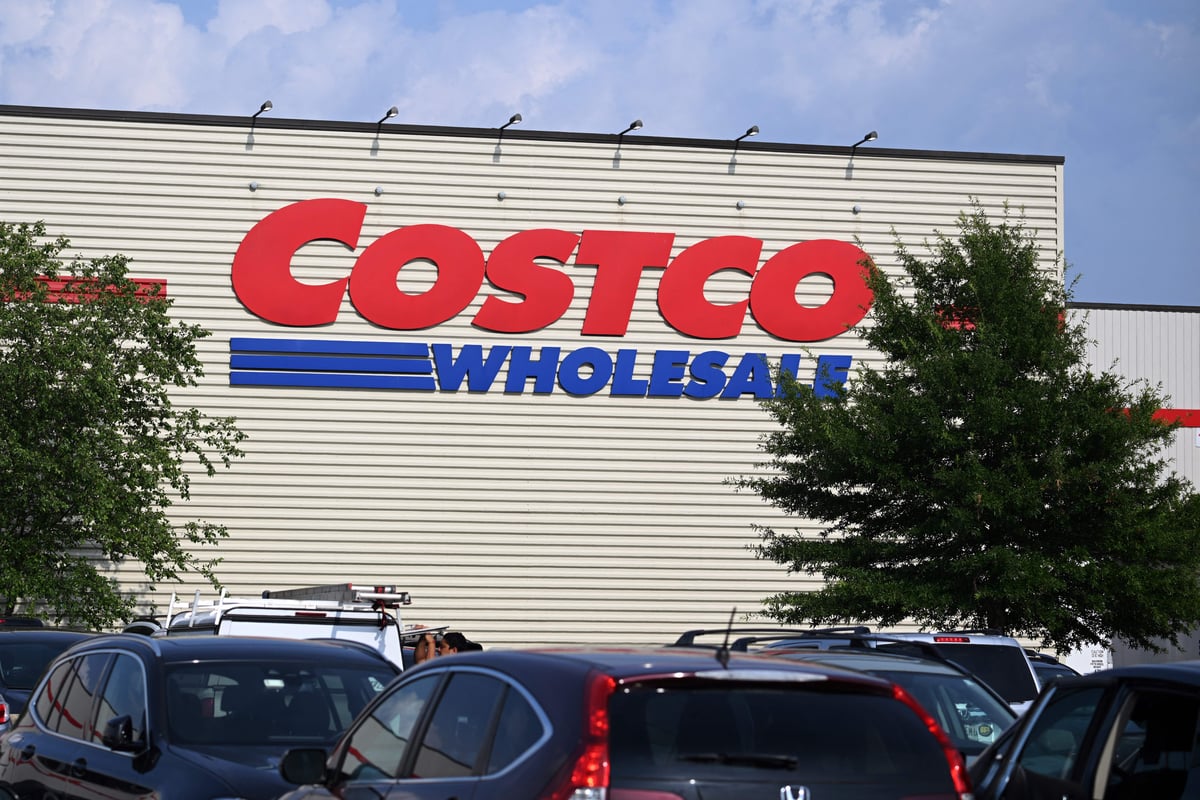
Costco Stock Pullback: A Potential Buying Opportunity
- Accelerated Sales Growth: Costco's net sales rose 9.1% year-over-year in Q2 2026, reaching $68.24 billion, while net income increased nearly 14% to $2.04 billion, indicating strong performance and sustained growth potential in the retail market.
- Robust Membership Revenue: Membership fee income grew 13.6% to $1.36 billion in Q2, and even excluding the impact of a 2024 fee increase, the underlying growth rate was still 7.5%, reflecting the strength of its membership base and customer loyalty.
- Strong Digital Sales: In the latest quarter, digitally enabled sales (online and app-based orders) surged over 22%, significantly outpacing in-store sales and alleviating investor concerns about Costco's competitiveness in the e-commerce space, demonstrating its adaptability to market changes.
- Valuation Challenges: Despite excellent business performance, Costco's price-to-earnings ratio stands at approximately 52, well above its 10-year average of 37, suggesting that the current stock price may reflect overly optimistic expectations, prompting investors to carefully assess entry timing.
See More

Costco Shares Hit Record High Before 8% Drop
- Accelerating Sales Growth: Costco's net sales rose 9.1% to $68.24 billion in Q2 2026, with net income climbing nearly 14% to $2.04 billion, showcasing the company's robust performance amid economic uncertainty and reinforcing its market position.
- Comparable Sales Improvement: Excluding gasoline price fluctuations and foreign exchange impacts, Costco's adjusted comparable sales growth reached 6.7% in the quarter, up from 6.4% in the previous quarter, indicating sustained consumer demand and loyalty towards its offerings.
- Membership Revenue Growth: Membership fee income increased by 13.6% to $1.36 billion in Q2, and even after excluding the impact of a 2024 fee increase, the underlying growth rate was about 7.5%, reflecting the stability and strong appeal of its membership base.
- Valuation Risks Emerge: Despite Costco's strong business performance, its current stock price trades at approximately 52 times earnings, significantly above its 10-year average of 37 times, suggesting that market optimism regarding future growth may be overly high, prompting investors to carefully assess entry points.
See More
Walmart's Growth Slows, Stock Faces Pressure
- Sales Growth Slows: Walmart's U.S. comparable-store sales grew by 4.1% in the latest quarter, but operating income only rose by 5% due to rising fuel costs, which would have otherwise led to a 7.5% increase, indicating a struggle for growth under cost pressures.
- AI Investment Yields Results: Walmart's ongoing investments in artificial intelligence and automation have paid off, with its AI shopping assistant Sparky seeing weekly active users double quarter-over-quarter, and these users ordering 35% more than regular customers, showcasing significant advancements in customer experience and operational efficiency.
- Consumer Spending Pressure: CFO John Rainey noted that while high-income customers are spending confidently across categories, lower-income consumers are becoming more budget-conscious, as evidenced by the drop in average gallons filled at fuel stations falling below 10 for the first time since 2022, reflecting increased financial stress among consumers.
- High Valuation Risks: Despite Walmart's stable market performance, its staggering price-to-earnings ratio of 41.5 times and a dividend yield of only 0.8%, lower than the S&P 500's 1.1%, raises concerns for risk-averse investors about the sustainability of its premium valuation amidst slower growth prospects.
See More
Amazon Licenses AI Shopping Technology to Retailers
- Technology Licensing Strategy: Amazon is licensing its internally developed AI shopping technology to other retailers, enabling them to launch customized shopping tools in as little as 60 days, thereby enhancing Amazon's technological influence in the retail sector.
- Customer Engagement: Amazon has signed a partnership with Tapestry-owned luxury brand Kate Spade to utilize the service for launching a gifting assistant, demonstrating market demand and application potential for its technology.
- Competitive Market Landscape: In the AI shopping space, Amazon faces challenges from competitors like OpenAI and Google, which are also rolling out shopping-related AI tools, although some initiatives have stumbled due to technical issues, highlighting market uncertainties.
- Retailer Autonomy: Amazon encourages retailers to develop their own AI tools, emphasizing their deep understanding of products and customers, which allows them to maintain control over the shopping experience and enhances their competitive edge in the market.
See More
Amazon Launches AI Shopping Tool for Retailers
- Technology Licensing Expansion: Amazon is licensing its internally developed Alexa for Shopping technology to retailers, enabling them to launch customized AI shopping tools in as little as 60 days, thereby enhancing customer experience and strengthening market competitiveness.
- Customer Case: Luxury brand Kate Spade has become the first customer to utilize this service, successfully launching a gifting assistant, showcasing Amazon's market appeal and technological prowess in the retail AI space.
- Market Competition Landscape: As competitors like OpenAI and Google also roll out shopping AI tools, Amazon's initiative not only continues its technology commercialization but may also solidify its leadership position in a fiercely competitive market.
- Retailer Autonomy: Amazon encourages retailers to build their own AI tools, emphasizing their deep understanding of products and customers, which allows them to maintain control over the shopping experience, thereby enhancing brand loyalty and customer satisfaction.
See More
Costco's Third Quarter Earnings Preview
- Revenue Growth Expectations: Analysts anticipate Costco's third-quarter revenue to rise by 10.2% to $69.6 billion, reflecting its ongoing competitiveness in the retail sector despite inflationary pressures.
- Membership Model Advantage: Costco's membership model reduces its sensitivity to macroeconomic conditions, with most profits derived from membership fees, attracting a higher-income customer base that strengthens its market position.
- Comparable Sales Growth: For the four weeks ending May 3, comparable sales adjusted for gas prices and foreign exchange rose by 7.8%, surpassing the 6.5% growth in the first 35 weeks, indicating sustained consumer demand for its offerings.
- Valuation Considerations: While Costco's business remains robust, its price-to-earnings ratio of 52 is significantly higher than its peers, prompting investors to carefully consider entry points to mitigate potential stock price corrections.
See More
Costco Stock Pullback: A Potential Buying Opportunity
- Accelerated Sales Growth: Costco's net sales rose 9.1% year-over-year in Q2 2026, reaching $68.24 billion, while net income increased nearly 14% to $2.04 billion, indicating strong performance and sustained growth potential in the retail market.
- Robust Membership Revenue: Membership fee income grew 13.6% to $1.36 billion in Q2, and even excluding the impact of a 2024 fee increase, the underlying growth rate was still 7.5%, reflecting the strength of its membership base and customer loyalty.
- Strong Digital Sales: In the latest quarter, digitally enabled sales (online and app-based orders) surged over 22%, significantly outpacing in-store sales and alleviating investor concerns about Costco's competitiveness in the e-commerce space, demonstrating its adaptability to market changes.
- Valuation Challenges: Despite excellent business performance, Costco's price-to-earnings ratio stands at approximately 52, well above its 10-year average of 37, suggesting that the current stock price may reflect overly optimistic expectations, prompting investors to carefully assess entry timing.
See More
Costco Shares Hit Record High Before 8% Drop
- Accelerating Sales Growth: Costco's net sales rose 9.1% to $68.24 billion in Q2 2026, with net income climbing nearly 14% to $2.04 billion, showcasing the company's robust performance amid economic uncertainty and reinforcing its market position.
- Comparable Sales Improvement: Excluding gasoline price fluctuations and foreign exchange impacts, Costco's adjusted comparable sales growth reached 6.7% in the quarter, up from 6.4% in the previous quarter, indicating sustained consumer demand and loyalty towards its offerings.
- Membership Revenue Growth: Membership fee income increased by 13.6% to $1.36 billion in Q2, and even after excluding the impact of a 2024 fee increase, the underlying growth rate was about 7.5%, reflecting the stability and strong appeal of its membership base.
- Valuation Risks Emerge: Despite Costco's strong business performance, its current stock price trades at approximately 52 times earnings, significantly above its 10-year average of 37 times, suggesting that market optimism regarding future growth may be overly high, prompting investors to carefully assess entry points.
See More