Volaris Q4 2025 Earnings Call Insights
Written by Emily J. Thompson, Senior Investment Analyst
Updated: Feb 25 2026
0mins
Should l Buy VLRS?
Source: seekingalpha
- Revenue Growth: In Q4 2025, Volaris reported total operating revenues of $882 million, reflecting a 5.6% year-over-year increase, demonstrating the company's resilience amid engine constraints and FX volatility, which bolsters market confidence.
- Cost Control and Profitability: The quarter's EBITDAR was $328 million with a margin of 37.2%, and while the full-year net loss reached $104 million, the company ensured financial health through strict cost control and operational discipline, with expectations for further improvement ahead.
- Strategic Expansion Plans: Volaris projects approximately 7% ASM growth for 2026, with most incremental capacity allocated to international markets, indicating the company's focus on international expansion aimed at enhancing market share and profitability.
- Merger Progress and Regulatory Review: The merger plan with Viva is underway, with regulatory review expected to take up to 12 months, and management remains optimistic, believing that the merger will provide low-cost, low-complexity growth opportunities for all stakeholders.
Trade with 70% Backtested Accuracy
Stop guessing "Should I Buy VLRS?" and start using high-conviction signals backed by rigorous historical data.
Sign up today to access powerful investing tools and make smarter, data-driven decisions.
Analyst Views on VLRS
Wall Street analysts forecast VLRS stock price to rise
6 Analyst Rating
5 Buy
1 Hold
0 Sell
Strong Buy
Current: 7.720

Low
11.00
Averages
11.65
High
12.00
Current: 7.720
Low
11.00
Averages
11.65
High
12.00
About VLRS
Controladora Vuela Compania de Aviacion SAB de CV is a Mexico-based company engaged in the airline passenger transportation sector. The Company operates as an ultra-low-cost carrier (ULCC). Its activities are divided into two geographical regions: Mexico (national operations), as well as the Unites States and Central America (international operations). The Company offers direct, point-to-point flights. The Company serves through secondary, lower cost airports and provides a single class of service. Its fleet includes a number of Airbus aircrafts, such as A319, A320 and A321. The Company operates through Comercializadora Volaris SA de CV, Servicios Corporativos Volaris SA de CV and Servicios Operativos Terrestres Volaris SA de CV, among others.
About the author

Emily J. Thompson
Emily J. Thompson, a Chartered Financial Analyst (CFA) with 12 years in investment research, graduated with honors from the Wharton School. Specializing in industrial and technology stocks, she provides in-depth analysis for Intellectia’s earnings and market brief reports.

Volaris Reports March Operational Growth

- Passenger Growth: Volaris transported 2.7 million passengers in March, reflecting a significant increase compared to the previous year, which underscores the company's strong performance amid recovering market demand and solidifies its position in the Mexican aviation sector.
- International Route Expansion: The RPM for international routes increased by 11.5%, while domestic RPMs declined by 3.9%, indicating that the company's strategy to expand in international markets is yielding results, potentially providing new revenue growth opportunities.
- Capacity Increase: Volaris' ASM capacity grew by 1.5% to 3 million in March, demonstrating the company's proactive measures to meet the rising passenger demand, thereby enhancing its competitive edge in the market.
- Improved Load Factor: The consolidated load factor increased by 0.3 percentage points year-over-year to 84.7%, which not only enhances operational efficiency but may also positively impact future profitability.
See More

Volaris Reports March 2026 Traffic Results
- Passenger Growth: In March 2026, Volaris transported 2.7 million passengers, reflecting a 4.5% year-over-year increase, indicating sustained strong demand across both domestic and international markets, particularly leading into the spring break period.
- Strong International Performance: International revenue passenger miles (RPMs) rose by 11.5%, while domestic RPMs fell by 3.9%, highlighting the success of the company's expansion strategy in international markets despite challenges in the domestic sector.
- Capacity and Load Factor Improvement: Volaris' available seat miles (ASMs) increased by 1.5%, with the load factor rising by 0.3 percentage points to 84.7%, demonstrating the company's effectiveness in optimizing capacity allocation and enhancing overall operational efficiency.
- Cautious Future Outlook: Despite strong demand, Volaris is closely monitoring rising jet fuel prices and plans to implement targeted capacity adjustments and fare increases as necessary to ensure financial health and sustained growth.
See More

Volaris Announces March 2026 Traffic Results with an 85% Load Factor
- Traffic Results: Volaris reports a load factor of 85% for March 2026, indicating strong demand for its services.
- Performance Indicator: The load factor is a key performance metric for airlines, reflecting the percentage of available seating capacity that is filled with passengers.
See More

VLRS Stock 52-Week Highs and Lows Analysis
- Price Fluctuation Analysis: VLRS's 52-week low is $3.4902 per share, while the high is $10.80, with the last trade at $6.96, indicating significant price volatility within this range and reflecting varying market perceptions of the stock.
- Market Trend Observation: The current price of $6.96 is close to the 52-week low, potentially suggesting a cautious investor sentiment regarding VLRS's future performance, necessitating attention to shifts in market sentiment that could impact the stock price.
- Technical Indicator Focus: VLRS's stock price has fallen below its 200-day moving average, which may signal further downside risk in the short term, prompting investors to closely monitor subsequent market developments.
- Investor Sentiment Assessment: Although the current stock price is below the 200-day moving average, it is essential to analyze the overall market environment and the company's fundamentals to determine if there are rebound opportunities.
See More
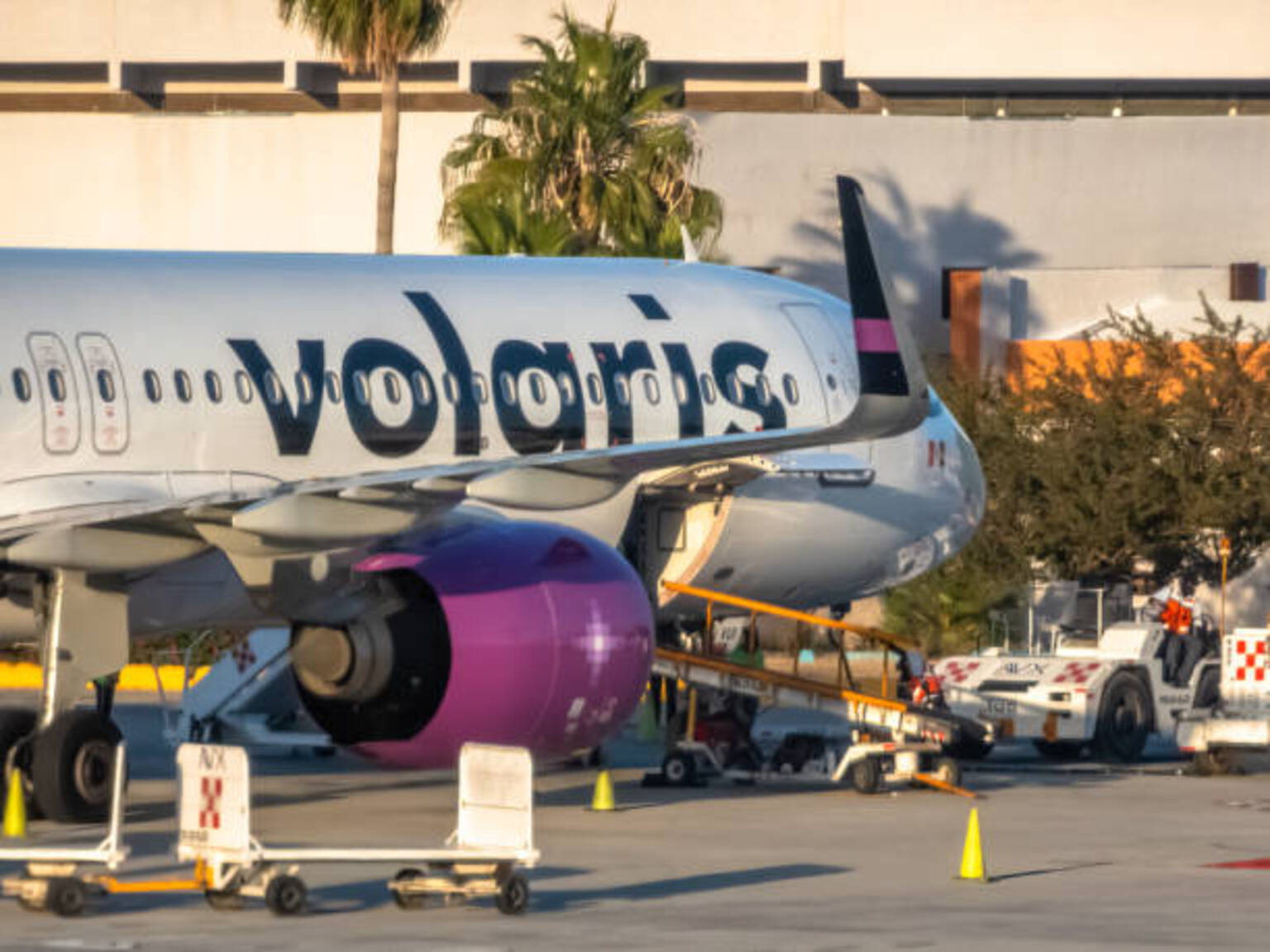
Latin American Airlines Face Stock Declines Amid Oil Price Surge

- Stock Decline: Copa Holdings (CPA) and Volaris (VLRS) have both seen their stock prices drop over 15% since the onset of the Iran conflict and rising oil prices, indicating market concerns about the airline sector.
- Oil Price Impact: Bank of America analysts estimate that changes in oil prices take approximately 15 days for Copa and 30 days for Volaris to affect their results, suggesting that while short-term performance may remain stable, long-term risks persist.
- Price Target Adjustments: BofA has cut its price target for Copa from $212 to $171 and for Volaris from $11.50 to $9.30, reflecting a cautious outlook on future performance amid rising costs.
- Rating Maintenance: Despite the pressure from jet fuel prices, BofA maintains a Buy rating on Copa, citing its attractive valuation at 5.6X the firm's 2027 EV/EBITDA estimates compared to a historical average of 8.0X, indicating potential investment opportunities.
See More
Volaris Announces February 2026 Traffic Results with an 86% Load Factor
- Traffic Results: Volaris reported a load factor of 86% for February 2026, indicating strong demand for its services.
- Performance Indicator: The load factor reflects the percentage of available seating capacity that is filled with passengers, showcasing the airline's operational efficiency.
See More
Volaris Reports March Operational Growth
- Passenger Growth: Volaris transported 2.7 million passengers in March, reflecting a significant increase compared to the previous year, which underscores the company's strong performance amid recovering market demand and solidifies its position in the Mexican aviation sector.
- International Route Expansion: The RPM for international routes increased by 11.5%, while domestic RPMs declined by 3.9%, indicating that the company's strategy to expand in international markets is yielding results, potentially providing new revenue growth opportunities.
- Capacity Increase: Volaris' ASM capacity grew by 1.5% to 3 million in March, demonstrating the company's proactive measures to meet the rising passenger demand, thereby enhancing its competitive edge in the market.
- Improved Load Factor: The consolidated load factor increased by 0.3 percentage points year-over-year to 84.7%, which not only enhances operational efficiency but may also positively impact future profitability.
See More
Volaris Reports March 2026 Traffic Results
- Passenger Growth: In March 2026, Volaris transported 2.7 million passengers, reflecting a 4.5% year-over-year increase, indicating sustained strong demand across both domestic and international markets, particularly leading into the spring break period.
- Strong International Performance: International revenue passenger miles (RPMs) rose by 11.5%, while domestic RPMs fell by 3.9%, highlighting the success of the company's expansion strategy in international markets despite challenges in the domestic sector.
- Capacity and Load Factor Improvement: Volaris' available seat miles (ASMs) increased by 1.5%, with the load factor rising by 0.3 percentage points to 84.7%, demonstrating the company's effectiveness in optimizing capacity allocation and enhancing overall operational efficiency.
- Cautious Future Outlook: Despite strong demand, Volaris is closely monitoring rising jet fuel prices and plans to implement targeted capacity adjustments and fare increases as necessary to ensure financial health and sustained growth.
See More
Volaris Announces March 2026 Traffic Results with an 85% Load Factor
- Traffic Results: Volaris reports a load factor of 85% for March 2026, indicating strong demand for its services.
- Performance Indicator: The load factor is a key performance metric for airlines, reflecting the percentage of available seating capacity that is filled with passengers.
See More
VLRS Stock 52-Week Highs and Lows Analysis
- Price Fluctuation Analysis: VLRS's 52-week low is $3.4902 per share, while the high is $10.80, with the last trade at $6.96, indicating significant price volatility within this range and reflecting varying market perceptions of the stock.
- Market Trend Observation: The current price of $6.96 is close to the 52-week low, potentially suggesting a cautious investor sentiment regarding VLRS's future performance, necessitating attention to shifts in market sentiment that could impact the stock price.
- Technical Indicator Focus: VLRS's stock price has fallen below its 200-day moving average, which may signal further downside risk in the short term, prompting investors to closely monitor subsequent market developments.
- Investor Sentiment Assessment: Although the current stock price is below the 200-day moving average, it is essential to analyze the overall market environment and the company's fundamentals to determine if there are rebound opportunities.
See More
Latin American Airlines Face Stock Declines Amid Oil Price Surge
- Stock Decline: Copa Holdings (CPA) and Volaris (VLRS) have both seen their stock prices drop over 15% since the onset of the Iran conflict and rising oil prices, indicating market concerns about the airline sector.
- Oil Price Impact: Bank of America analysts estimate that changes in oil prices take approximately 15 days for Copa and 30 days for Volaris to affect their results, suggesting that while short-term performance may remain stable, long-term risks persist.
- Price Target Adjustments: BofA has cut its price target for Copa from $212 to $171 and for Volaris from $11.50 to $9.30, reflecting a cautious outlook on future performance amid rising costs.
- Rating Maintenance: Despite the pressure from jet fuel prices, BofA maintains a Buy rating on Copa, citing its attractive valuation at 5.6X the firm's 2027 EV/EBITDA estimates compared to a historical average of 8.0X, indicating potential investment opportunities.
See More
Volaris Announces February 2026 Traffic Results with an 86% Load Factor
- Traffic Results: Volaris reported a load factor of 86% for February 2026, indicating strong demand for its services.
- Performance Indicator: The load factor reflects the percentage of available seating capacity that is filled with passengers, showcasing the airline's operational efficiency.
See More