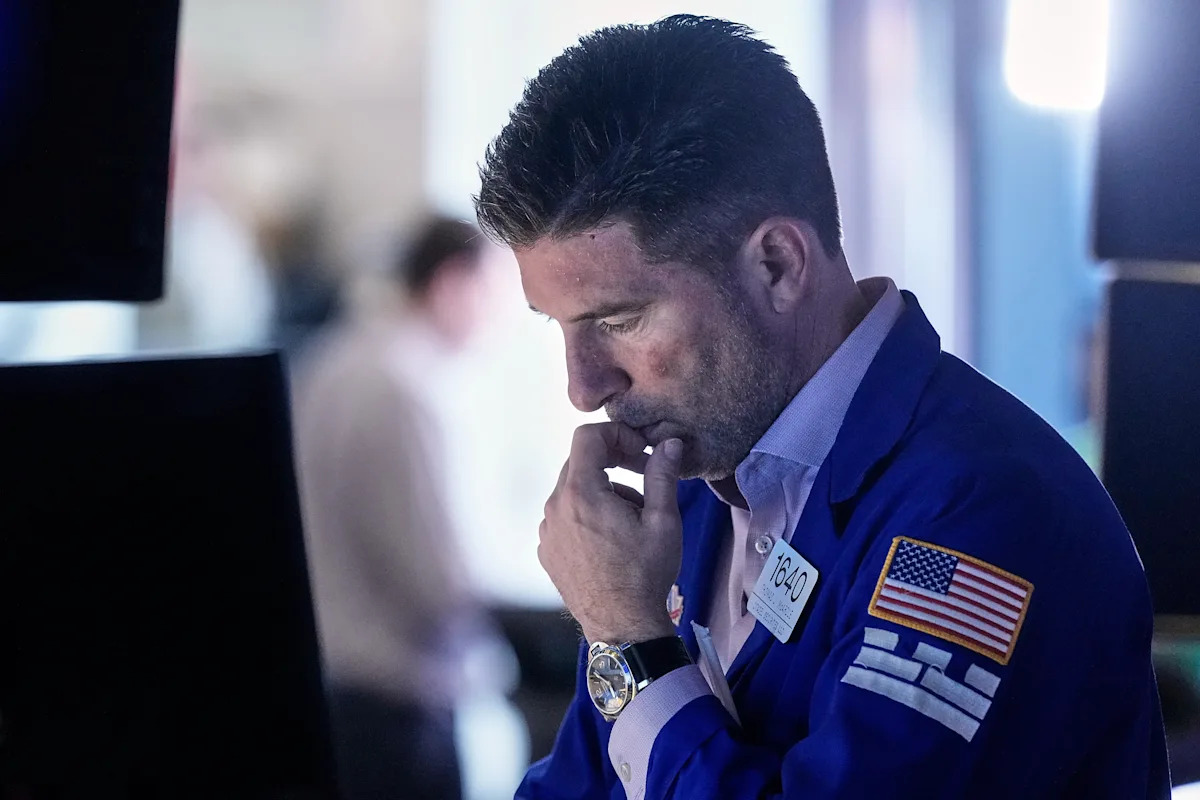
Versant Media Goes Public with $6.8 Billion Market Cap Following Comcast Spin-off
Written by Emily J. Thompson, Senior Investment Analyst
Updated: Jan 05 2026
0mins
Should l Buy VSNT?
Source: Newsfilter
- Public Listing: Versant Media debuted on Nasdaq on Monday with a market capitalization of $6.8 billion, marking its transition to an independent public media company following its spin-off from Comcast, which is expected to enhance its competitive position in the market.
- Stock Price Fluctuation: The stock opened at $55 per share during its initial trading but has since fallen to $46.65 as of last Friday, reflecting market concerns regarding the challenges faced by traditional media companies.
- Financial Performance: In 2024, Versant reported revenues of $7.1 billion, down from $7.4 billion in 2023, indicating pressure on traditional television operations as consumers shift towards streaming services.
- Debt Structure: Versant plans to issue $2.75 billion in new senior secured debt to fund a $2.25 billion cash distribution to Comcast and bolster its balance sheet, with credit ratings agencies assigning a BB rating, placing it in junk territory, yet its low debt levels are viewed as a significant advantage.
Trade with 70% Backtested Accuracy
Stop guessing "Should I Buy VSNT?" and start using high-conviction signals backed by rigorous historical data.
Sign up today to access powerful investing tools and make smarter, data-driven decisions.
Analyst Views on VSNT
About VSNT
Versant Media Group, Inc. is a media company. The Company operates across four core markets: political news and opinion, business news and personal finance, golf and athletics participation and sports and genre entertainment. It serves these markets through a portfolio of brands comprised of renowned networks and complementary digital platforms. The Company produces, licenses and acquires content that it distributes through a variety of outlets, including its networks and digital platforms, delivering value to key constituents: the viewing audience, paying subscribers, advertisers, distributors and licensing counterparties. The Company’s portfolio of brands includes CNBC, MS NOW, USA Network, Golf Channel, Oxygen, E!, SYFY, along with complementary digital assets including Fandango, Rotten Tomatoes, GolfNow and GolfPass. It is also a provider of national premium free over-the-air digital broadcast networks (diginets) and free ad-supported streaming TV (FAST) channels.
About the author

Emily J. Thompson
Emily J. Thompson, a Chartered Financial Analyst (CFA) with 12 years in investment research, graduated with honors from the Wharton School. Specializing in industrial and technology stocks, she provides in-depth analysis for Intellectia’s earnings and market brief reports.

Versant Media Group to Announce Q4 Earnings on March 3

- Earnings Announcement Schedule: Versant Media Group is set to announce its Q4 earnings on March 3 before market open, with consensus EPS estimates at $0.50 and revenue expectations of $1.57 billion, providing investors with crucial insights into the company's financial health.
- Market Position Analysis: Despite being a legacy media player, analysts highlight that Versant's poor business positioning has led to underperformance in its stock price, suggesting investors hold the stock while monitoring future developments.
- Competitive Comparison: Analysts believe Warner Bros. Discovery presents a more attractive investment compared to Versant, as the latter faces significant challenges in market competition that could impact its growth potential moving forward.
- Acquisition Update: Versant Media Group has recently closed the acquisition of Free TV Network, aiming to enhance its content delivery capabilities, although the market remains cautious about the overall outlook for its business.
See More
Versant Media Group Set to Release First Earnings Report as Public Company

- First Earnings Report: Versant Media Group is set to release its inaugural earnings report as a public company on Tuesday, providing Wall Street with its first insight into a company primarily composed of pay-TV networks, despite a revenue decline to $7.1 billion in 2024 from $7.4 billion in 2023, indicating market pressures.
- Stock Performance Decline: Since its January debut, Versant's stock has dropped approximately 25%, with a current market capitalization of around $4.8 billion, reflecting investor concerns regarding the traditional pay-TV business amid the rise of streaming alternatives.
- Revenue Structure Transition: CEO Mark Lazarus indicated that the company aims to transition its business model by 2026, targeting a future where 50% of revenue comes from digital and ad-supported ventures, highlighting a strategic focus on growth opportunities.
- Long-term Partnership Agreements: Versant's long-term agreements with major distributors will extend through 2028 and beyond, providing crucial stability for the company despite upcoming contract renewals, which are expected to be challenging.
See More

Versant Set to Release First Earnings Report as Public Company

- First Earnings Report: Versant is set to release its inaugural earnings report as a public company on Tuesday, providing the market with its first insight into the financial health of a company primarily composed of pay-TV networks, despite a revenue decline to $7.1 billion in 2024 from $7.4 billion in 2023.
- Market Pressures Intensify: The stock has dropped about 25% since its January debut, reflecting market concerns over traditional TV businesses as customers migrate to streaming alternatives, even though over 80% of its revenue still comes from pay-TV distribution.
- Strategic Transition Plans: Versant aims to pivot its business model by 2026, targeting a revenue split of 50% from pay-TV and 50% from digital, platform, and ad-supported ventures, indicating a strong focus on future growth opportunities.
- Long-term Partnership Agreements: Versant's agreements with major distributors extend through 2028 and beyond, providing stability and visibility for the business, even as it faces upcoming renewal negotiations, amidst increasing occurrences of content blackouts in the industry.
See More

Iran Conflict Triggers Market Turmoil


- Iranian Leader Killed: The U.S.-Israeli operation that resulted in the death of Iran's Supreme Leader Ayatollah Khamenei has led to hundreds of Iranian civilian casualties, marking one of the most significant impacts on Iran since 1979, potentially escalating regional conflicts and altering global political dynamics.
- Market Response: Concerns over the conflict have sharply pulled back stock futures in premarket trading, while gold futures advanced as investors sought safe havens, indicating a strong market reaction to the heightened uncertainty surrounding future developments.
- Berkshire Hathaway Earnings Decline: In Warren Buffett's last quarter as CEO, Berkshire Hathaway reported a nearly 30% drop in operating earnings, primarily due to a 54% decline in profits from its insurance underwriting business, although new CEO Greg Abel's shareholder letter received positive feedback from analysts.
- AI Industry Developments: Trump forced U.S. agencies to cease using Anthropic's technology, while OpenAI secured a deal with the Department of Defense, highlighting intensifying competition in the AI sector; however, Anthropic's Claude AI app surged in popularity, suggesting a potential boost in public support for the company.
See More

Iran Conflict Triggers Market Turmoil


- Iran Conflict Escalation: The U.S.-Israeli operation named 'Operation Epic Fury' resulted in the assassination of Iran's Supreme Leader Khamenei, with hundreds of Iranian civilian casualties, likely leading to significant retaliatory actions and increased American military casualties, which could destabilize global markets.
- Market Response: Concerns over the conflict caused stock futures to plummet sharply in premarket trading, while gold futures rose as investors sought safe havens, and Wall Street's fear gauge surged to its highest level since 2026, indicating heightened market anxiety about future developments.
- Berkshire Hathaway Earnings: In Warren Buffett's last quarter as CEO, operating earnings fell nearly 30%, primarily due to a 54% drop in profits from the insurance underwriting business; however, new CEO Greg Abel's shareholder letter received positive feedback from analysts, reflecting a commitment to the company's value-focused philosophy.
- AI Technology Intervention: Trump mandated U.S. agencies to cease using Anthropic's technology, while OpenAI secured a deal with the Department of Defense, despite both companies having similar restrictions; notably, Anthropic's Claude AI app surged to the top of Apple's free apps list, suggesting a favorable public perception following its pushback against the Pentagon.
See More

Netflix Emerges Victorious After Losing Warner Bros. to Paramount

- Warner Bros. Discovery Outcome: Warner Bros. Discovery emerged as the big winner in the bidding war for the media company.
- Netflix's Withdrawal: Netflix withdrew from the competition after Paramount Skydance made a higher bid.
See More
Versant Media Group to Announce Q4 Earnings on March 3
- Earnings Announcement Schedule: Versant Media Group is set to announce its Q4 earnings on March 3 before market open, with consensus EPS estimates at $0.50 and revenue expectations of $1.57 billion, providing investors with crucial insights into the company's financial health.
- Market Position Analysis: Despite being a legacy media player, analysts highlight that Versant's poor business positioning has led to underperformance in its stock price, suggesting investors hold the stock while monitoring future developments.
- Competitive Comparison: Analysts believe Warner Bros. Discovery presents a more attractive investment compared to Versant, as the latter faces significant challenges in market competition that could impact its growth potential moving forward.
- Acquisition Update: Versant Media Group has recently closed the acquisition of Free TV Network, aiming to enhance its content delivery capabilities, although the market remains cautious about the overall outlook for its business.
See More
Versant Media Group Set to Release First Earnings Report as Public Company
- First Earnings Report: Versant Media Group is set to release its inaugural earnings report as a public company on Tuesday, providing Wall Street with its first insight into a company primarily composed of pay-TV networks, despite a revenue decline to $7.1 billion in 2024 from $7.4 billion in 2023, indicating market pressures.
- Stock Performance Decline: Since its January debut, Versant's stock has dropped approximately 25%, with a current market capitalization of around $4.8 billion, reflecting investor concerns regarding the traditional pay-TV business amid the rise of streaming alternatives.
- Revenue Structure Transition: CEO Mark Lazarus indicated that the company aims to transition its business model by 2026, targeting a future where 50% of revenue comes from digital and ad-supported ventures, highlighting a strategic focus on growth opportunities.
- Long-term Partnership Agreements: Versant's long-term agreements with major distributors will extend through 2028 and beyond, providing crucial stability for the company despite upcoming contract renewals, which are expected to be challenging.
See More
Versant Set to Release First Earnings Report as Public Company
- First Earnings Report: Versant is set to release its inaugural earnings report as a public company on Tuesday, providing the market with its first insight into the financial health of a company primarily composed of pay-TV networks, despite a revenue decline to $7.1 billion in 2024 from $7.4 billion in 2023.
- Market Pressures Intensify: The stock has dropped about 25% since its January debut, reflecting market concerns over traditional TV businesses as customers migrate to streaming alternatives, even though over 80% of its revenue still comes from pay-TV distribution.
- Strategic Transition Plans: Versant aims to pivot its business model by 2026, targeting a revenue split of 50% from pay-TV and 50% from digital, platform, and ad-supported ventures, indicating a strong focus on future growth opportunities.
- Long-term Partnership Agreements: Versant's agreements with major distributors extend through 2028 and beyond, providing stability and visibility for the business, even as it faces upcoming renewal negotiations, amidst increasing occurrences of content blackouts in the industry.
See More
Iran Conflict Triggers Market Turmoil
- Iranian Leader Killed: The U.S.-Israeli operation that resulted in the death of Iran's Supreme Leader Ayatollah Khamenei has led to hundreds of Iranian civilian casualties, marking one of the most significant impacts on Iran since 1979, potentially escalating regional conflicts and altering global political dynamics.
- Market Response: Concerns over the conflict have sharply pulled back stock futures in premarket trading, while gold futures advanced as investors sought safe havens, indicating a strong market reaction to the heightened uncertainty surrounding future developments.
- Berkshire Hathaway Earnings Decline: In Warren Buffett's last quarter as CEO, Berkshire Hathaway reported a nearly 30% drop in operating earnings, primarily due to a 54% decline in profits from its insurance underwriting business, although new CEO Greg Abel's shareholder letter received positive feedback from analysts.
- AI Industry Developments: Trump forced U.S. agencies to cease using Anthropic's technology, while OpenAI secured a deal with the Department of Defense, highlighting intensifying competition in the AI sector; however, Anthropic's Claude AI app surged in popularity, suggesting a potential boost in public support for the company.
See More
Iran Conflict Triggers Market Turmoil
- Iran Conflict Escalation: The U.S.-Israeli operation named 'Operation Epic Fury' resulted in the assassination of Iran's Supreme Leader Khamenei, with hundreds of Iranian civilian casualties, likely leading to significant retaliatory actions and increased American military casualties, which could destabilize global markets.
- Market Response: Concerns over the conflict caused stock futures to plummet sharply in premarket trading, while gold futures rose as investors sought safe havens, and Wall Street's fear gauge surged to its highest level since 2026, indicating heightened market anxiety about future developments.
- Berkshire Hathaway Earnings: In Warren Buffett's last quarter as CEO, operating earnings fell nearly 30%, primarily due to a 54% drop in profits from the insurance underwriting business; however, new CEO Greg Abel's shareholder letter received positive feedback from analysts, reflecting a commitment to the company's value-focused philosophy.
- AI Technology Intervention: Trump mandated U.S. agencies to cease using Anthropic's technology, while OpenAI secured a deal with the Department of Defense, despite both companies having similar restrictions; notably, Anthropic's Claude AI app surged to the top of Apple's free apps list, suggesting a favorable public perception following its pushback against the Pentagon.
See More
Netflix Emerges Victorious After Losing Warner Bros. to Paramount
- Warner Bros. Discovery Outcome: Warner Bros. Discovery emerged as the big winner in the bidding war for the media company.
- Netflix's Withdrawal: Netflix withdrew from the competition after Paramount Skydance made a higher bid.
See More