Verizon Stock Surges 20.4% Amid Analyst Upgrades


- Strong Stock Performance: Verizon's stock surged 20.4% in February, demonstrating the positive impact of its robust quarterly results on share price, further solidifying its market position in the telecommunications sector amidst broader market declines.
- Analyst Rating Upgrades: Major financial institutions, including JPMorgan Chase and RBC Capital, raised their price targets for Verizon in early February, reflecting optimistic market expectations for its future growth potential and boosting investor confidence.
- Significant User Growth: Verizon reported an addition of 616,000 net postpaid subscribers in its quarterly report, which analysts believe not only marks a significant achievement for the company but also indicates the sustainability of future customer growth, enhancing its competitive edge in the market.
- Attractive Valuation: Despite the stock's rise since the beginning of the year, Verizon trades at a price-to-earnings ratio of just 10.4 times, with a dividend yield of approximately 5.4%, indicating that it remains an attractive investment option in the current market environment.
Trade with 70% Backtested Accuracy
Analyst Views on VZ

About VZ
About the author


Verizon to Report Q1 2026 Earnings on April 27

- Earnings Release Schedule: Verizon is set to report its Q1 2026 earnings on April 27, 2026, with a webcast starting at 8:30 a.m. ET, which is expected to attract significant attention from investors and analysts.
- Investor Relations Information: Earnings materials, including press releases and financial tables, will be available on Verizon's Investor Relations website at 7:00 a.m. ET, ensuring that investors have timely access to critical information.
- Company Background: Headquartered in New York City, Verizon serves customers worldwide and generated revenues of $138.2 billion in 2025, demonstrating its strong market position in mobility, network connectivity, and security.
- Innovation Focus: Verizon is committed to continuous innovation to meet customer needs, ensuring its competitiveness in a rapidly changing market, particularly in its service to Fortune 500 companies.
Court Blocks T-Mobile's False Advertising Claim Against Verizon

- False Advertising Ruling: Judge Lewis Kaplan ruled that T-Mobile's advertisement claiming consumers could save over $1,000 annually by switching from Verizon's Unlimited Ultimate Plan is false, impacting T-Mobile's marketing strategy and credibility.
- Improper Comparison: Kaplan highlighted that T-Mobile compares Verizon's non-promotional rate of $195 with its promotional rate of $140, which misleads consumers and could hinder T-Mobile's customer acquisition efforts by creating confusion in the market.
- Price Guarantee Scrutiny: The ruling criticized T-Mobile's five-year price guarantee, stating there is no evidence that the claimed savings would last even one year, let alone five, potentially undermining consumer trust in T-Mobile's offerings.
- Market Impact Analysis: This ruling may negatively affect T-Mobile's brand image and market share while providing Verizon with legal protection against misleading advertising, ensuring its customer base remains intact amidst competitive pressures.

U.S. COURT RULING FAVORS VERIZON BY HALTING T-MOBILE'S 'SAVE OVER $1,000' AD CAMPAIGN

Court Ruling: A U.S. judge has blocked T-Mobile's advertising campaign that claimed savings of over $1,000 for Verizon customers.
Impact on Advertising: The ruling affects how mobile carriers can market their services and claims regarding savings.

Three High-Yield Investments Thriving Amid Market Challenges


Market Performance: The S&P 500 is down over 5% in 2026, nearing a 10% decline from its 52-week high, indicating a potential market correction, although some sectors show resilience with meaningful dividend yields.
Energy Sector Insights: XLE, the energy sector fund, has surged approximately 40% this year, driven by high crude oil prices, largely influenced by geopolitical tensions in Iran affecting oil supply.
Verizon's Strong Performance: Verizon Communications has delivered a total return of nearly 25% in 2026, making it one of the best-performing stocks in the communications sector, aided by a strategic shift under new CEO Dan Schulman.
Constellation Brands Recovery: Constellation Brands has seen a return of about 10% in 2026, despite a drop in beer volumes, with analysts optimistic about further upside potential and solid dividend yields.
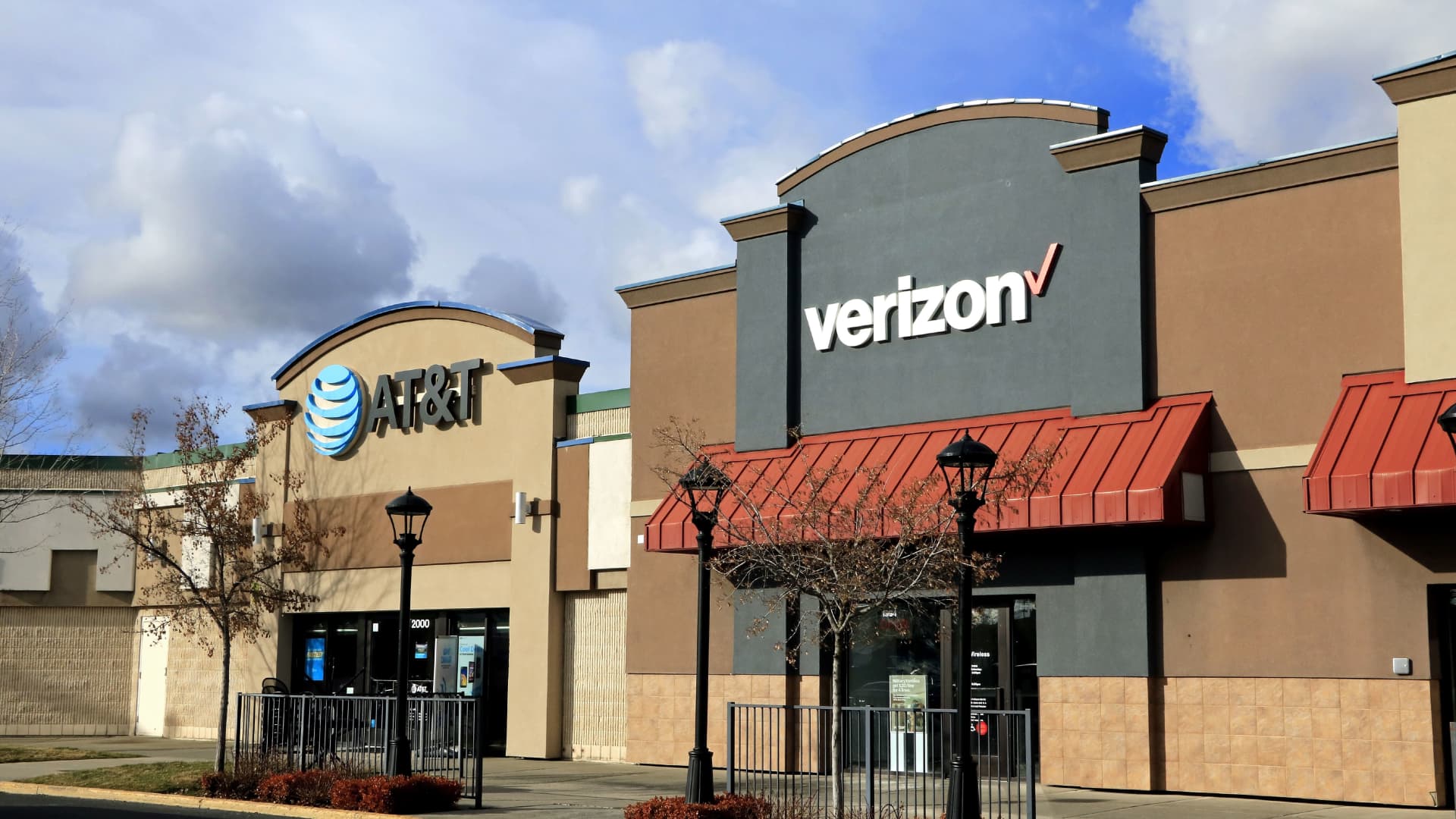
Defensive Investment Opportunities in AT&T and Verizon

- Financial Recovery: AT&T reported a free cash flow of $16.6 billion for 2025, with guidance exceeding $18 billion for 2026, alleviating dividend sustainability concerns, while currently offering a 3.85% yield, indicating improved financial health.
- Significant User Growth: Over the past year, AT&T added 1.5 million phone users and 1 million fiber users, bringing total fiber subscribers to 10.4 million, with a 200 basis point increase in convergence rate to 42%, which will help reduce churn and enhance future free cash flow.
- Verizon's Strong Performance: Verizon achieved a net addition of 551,000 consumer subscribers in its 2025 report, with full-year operating revenue reaching $138.2 billion, up 2.5%, indicating potential recovery in a competitive market.
- Enhanced Shareholder Returns: Verizon's board authorized up to $25 billion in share repurchases over three years and raised its dividend for the 20th consecutive year, now yielding 5.62%, ranking 18th in the S&P 500, demonstrating a commitment to shareholders and financial stability.

AT&T Set to Release Q1 2026 Earnings Report
- Earnings Report Anticipation: AT&T is set to report its Q1 2026 earnings on April 22, following strong Q4 results, with market expectations high for continued growth momentum.
- Increased Competitive Pressure: With Verizon recently reporting impressive subscriber growth, AT&T faces elevated expectations, and investors are eager to see if it can maintain competitiveness and outperform Verizon in Q1.
- Historical Stock Volatility: After its last earnings report, AT&T's stock surged over 25% within weeks, highlighting the significant impact earnings can have on stock prices, although such volatility is not typical for the stock.
- Investment Value Assessment: Despite a 17% increase in share price this year and a 3.8% dividend yield, analysts suggest that a major post-earnings rally is unlikely, urging investors to focus on long-term stability rather than short-term fluctuations.
Verizon to Report Q1 2026 Earnings on April 27
- Earnings Release Schedule: Verizon is set to report its Q1 2026 earnings on April 27, 2026, with a webcast starting at 8:30 a.m. ET, which is expected to attract significant attention from investors and analysts.
- Investor Relations Information: Earnings materials, including press releases and financial tables, will be available on Verizon's Investor Relations website at 7:00 a.m. ET, ensuring that investors have timely access to critical information.
- Company Background: Headquartered in New York City, Verizon serves customers worldwide and generated revenues of $138.2 billion in 2025, demonstrating its strong market position in mobility, network connectivity, and security.
- Innovation Focus: Verizon is committed to continuous innovation to meet customer needs, ensuring its competitiveness in a rapidly changing market, particularly in its service to Fortune 500 companies.
Court Blocks T-Mobile's False Advertising Claim Against Verizon
- False Advertising Ruling: Judge Lewis Kaplan ruled that T-Mobile's advertisement claiming consumers could save over $1,000 annually by switching from Verizon's Unlimited Ultimate Plan is false, impacting T-Mobile's marketing strategy and credibility.
- Improper Comparison: Kaplan highlighted that T-Mobile compares Verizon's non-promotional rate of $195 with its promotional rate of $140, which misleads consumers and could hinder T-Mobile's customer acquisition efforts by creating confusion in the market.
- Price Guarantee Scrutiny: The ruling criticized T-Mobile's five-year price guarantee, stating there is no evidence that the claimed savings would last even one year, let alone five, potentially undermining consumer trust in T-Mobile's offerings.
- Market Impact Analysis: This ruling may negatively affect T-Mobile's brand image and market share while providing Verizon with legal protection against misleading advertising, ensuring its customer base remains intact amidst competitive pressures.
U.S. COURT RULING FAVORS VERIZON BY HALTING T-MOBILE'S 'SAVE OVER $1,000' AD CAMPAIGN
Court Ruling: A U.S. judge has blocked T-Mobile's advertising campaign that claimed savings of over $1,000 for Verizon customers.
Impact on Advertising: The ruling affects how mobile carriers can market their services and claims regarding savings.
Three High-Yield Investments Thriving Amid Market Challenges
Market Performance: The S&P 500 is down over 5% in 2026, nearing a 10% decline from its 52-week high, indicating a potential market correction, although some sectors show resilience with meaningful dividend yields.
Energy Sector Insights: XLE, the energy sector fund, has surged approximately 40% this year, driven by high crude oil prices, largely influenced by geopolitical tensions in Iran affecting oil supply.
Verizon's Strong Performance: Verizon Communications has delivered a total return of nearly 25% in 2026, making it one of the best-performing stocks in the communications sector, aided by a strategic shift under new CEO Dan Schulman.
Constellation Brands Recovery: Constellation Brands has seen a return of about 10% in 2026, despite a drop in beer volumes, with analysts optimistic about further upside potential and solid dividend yields.
Defensive Investment Opportunities in AT&T and Verizon
- Financial Recovery: AT&T reported a free cash flow of $16.6 billion for 2025, with guidance exceeding $18 billion for 2026, alleviating dividend sustainability concerns, while currently offering a 3.85% yield, indicating improved financial health.
- Significant User Growth: Over the past year, AT&T added 1.5 million phone users and 1 million fiber users, bringing total fiber subscribers to 10.4 million, with a 200 basis point increase in convergence rate to 42%, which will help reduce churn and enhance future free cash flow.
- Verizon's Strong Performance: Verizon achieved a net addition of 551,000 consumer subscribers in its 2025 report, with full-year operating revenue reaching $138.2 billion, up 2.5%, indicating potential recovery in a competitive market.
- Enhanced Shareholder Returns: Verizon's board authorized up to $25 billion in share repurchases over three years and raised its dividend for the 20th consecutive year, now yielding 5.62%, ranking 18th in the S&P 500, demonstrating a commitment to shareholders and financial stability.
AT&T Set to Release Q1 2026 Earnings Report
- Earnings Report Anticipation: AT&T is set to report its Q1 2026 earnings on April 22, following strong Q4 results, with market expectations high for continued growth momentum.
- Increased Competitive Pressure: With Verizon recently reporting impressive subscriber growth, AT&T faces elevated expectations, and investors are eager to see if it can maintain competitiveness and outperform Verizon in Q1.
- Historical Stock Volatility: After its last earnings report, AT&T's stock surged over 25% within weeks, highlighting the significant impact earnings can have on stock prices, although such volatility is not typical for the stock.
- Investment Value Assessment: Despite a 17% increase in share price this year and a 3.8% dividend yield, analysts suggest that a major post-earnings rally is unlikely, urging investors to focus on long-term stability rather than short-term fluctuations.