US-Japan Leaders' Meeting Sparks Historical Reflections
Written by Emily J. Thompson, Senior Investment Analyst
Updated: 1 hour ago
0mins

Should l Buy NVDA?
Source: CNBC
- Historical Reference: During a meeting with Japanese Prime Minister Sanae Takaichi, President Trump invoked the Pearl Harbor incident, emphasizing the need for surprise in military actions against Iran, which may undermine the stability of US-Japan relations due to its sensitive nature.
- Ongoing Iran Conflict: As the Iran war enters its fourth week, Israeli Prime Minister Netanyahu indicated that a 'ground component' may be necessary for meaningful regime change, suggesting a potential escalation in the conflict and increasing regional instability.
- Increased Financial Commitment: The US Defense Secretary stated that the Pentagon's budget request of $200 billion for Iran war funding could rise, highlighting America's long-term military commitment in the region, which may have significant implications for future fiscal policies.
- Surging Energy Prices: With the Strait of Hormuz closed, Dubai crude has surged to $166 per barrel, indicating that US and European oil prices are likely to remain high, which will exert pressure on global markets and impact investor confidence and economic recovery efforts.
Trade with 70% Backtested Accuracy
Stop guessing "Should I Buy NVDA?" and start using high-conviction signals backed by rigorous historical data.
Sign up today to access powerful investing tools and make smarter, data-driven decisions.
Analyst Views on NVDA
Wall Street analysts forecast NVDA stock price to rise
41 Analyst Rating
39 Buy
1 Hold
1 Sell
Strong Buy
Current: 180.400

Low
200.00
Averages
264.97
High
352.00
Current: 180.400
Low
200.00
Averages
264.97
High
352.00
About NVDA
NVIDIA Corporation is a full-stack computing infrastructure company. The Company is engaged in accelerated computing to help solve the challenging computational problems. The Company’s segments include Compute & Networking and Graphics. The Compute & Networking segment includes its Data Center accelerated computing platforms and artificial intelligence (AI) solutions and software; networking; automotive platforms and autonomous and electric vehicle solutions; Jetson for robotics and other embedded platforms, and DGX Cloud computing services. The Graphics segment includes GeForce GPUs for gaming and PCs, the GeForce NOW game streaming service and related infrastructure, and solutions for gaming platforms; Quadro/NVIDIA RTX GPUs for enterprise workstation graphics; virtual GPU software for cloud-based visual and virtual computing; automotive platforms for infotainment systems, and Omniverse Enterprise software for building and operating industrial AI and digital twin applications.
About the author

Emily J. Thompson
Emily J. Thompson, a Chartered Financial Analyst (CFA) with 12 years in investment research, graduated with honors from the Wharton School. Specializing in industrial and technology stocks, she provides in-depth analysis for Intellectia’s earnings and market brief reports.

Nvidia's Future Growth Potential Analysis

- Technological Innovation: Nvidia's new Rubin GPU architecture reduces inference token costs by 10 times and requires four times fewer GPUs for AI training, which is expected to drive revenue growth and solidify its market dominance.
- Market Demand: Despite not including sales to China in its Q1 guidance, Nvidia achieved a 73% revenue growth in Q1 FY 2026, with a projected 77% growth for Q2, indicating strong demand for its products.
- Data Center Investment: The big four AI hyperscalers are projected to spend around $650 billion on AI data centers, while Nvidia anticipates global data center capital expenditures reaching $3 trillion to $4 trillion by 2030, signaling significant future market opportunities.
- Stock Valuation: Although Nvidia's stock trades at a forward P/E of 21.8, slightly above the S&P 500's 21.2, the market remains optimistic about its growth prospects, suggesting that investors should seize the current buying opportunity.
See More
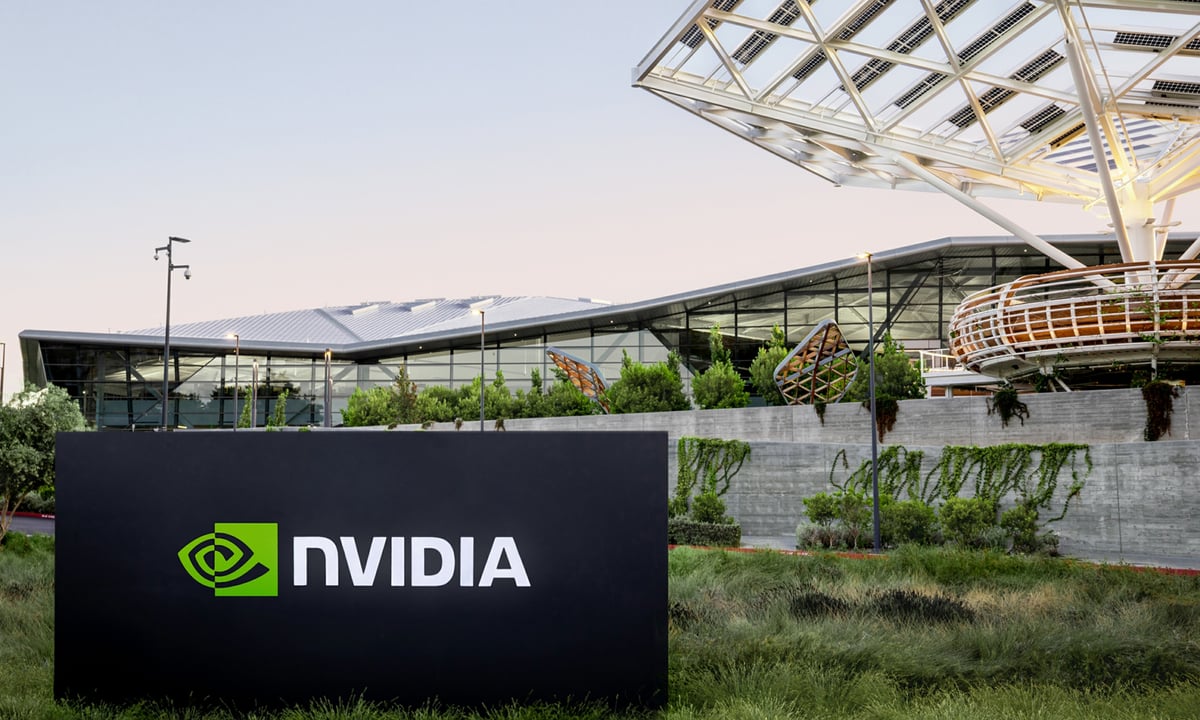
Nvidia's Next-Gen AI Chips Set to Drive Revenue Surge
- Strong Market Demand: Nvidia's GPUs dominate the data center market, with current demand significantly outstripping supply, driving substantial revenue and earnings growth, with total revenue expected to reach $367.7 billion in fiscal 2027, reflecting a 70% growth rate.
- Architectural Advantages: The next-generation AI chips based on the Vera Rubin architecture are set to ship in the second half of the year, offering substantial improvements in performance and cost compared to the existing Blackwell architecture, with a projected 75% reduction in GPUs needed per AI training workload.
- Cost Reduction Effects: The Vera Rubin platform is expected to lower inference token costs by up to 90%, making AI usage more affordable and promoting wider adoption, while also improving profit margins for AI companies, enhancing their capacity for infrastructure investment.
- Significant Stock Potential: Analysts predict Nvidia's stock could rise by 120% to 269% over the next two years, potentially valuing the company between $9.6 trillion and $16.2 trillion, indicating a robust market outlook and investment appeal.
See More

Micron Technology Soars in 2026 as Profit Skyrockets

- Significant Revenue Growth: Micron Technology reported fiscal Q2 revenue of $23.86 billion in 2026, a staggering 196% increase year-over-year, driven by strong demand for high-performance memory and storage devices, particularly in the data center market, solidifying its market leadership.
- Gross Margin Expansion: The company's gross margin surged to 74.4% this quarter, up from 56% in the previous quarter and 36.8% a year ago, indicating successful cost management and pricing strategies that enhance profitability.
- Massive Capital Expenditure Plans: To meet escalating market demands, Micron anticipates capital expenditures exceeding $25 billion in fiscal 2026, which poses significant cash flow pressures and execution risks as the company ramps up new manufacturing facilities.
- Optimistic Market Outlook with High Risks: While the current P/E ratio of about 21 reflects confidence in sustained AI-driven demand, the cyclical nature of the memory market necessitates caution, urging investors to closely monitor AI market trends to ensure demand justifies the company's aggressive investments.
See More
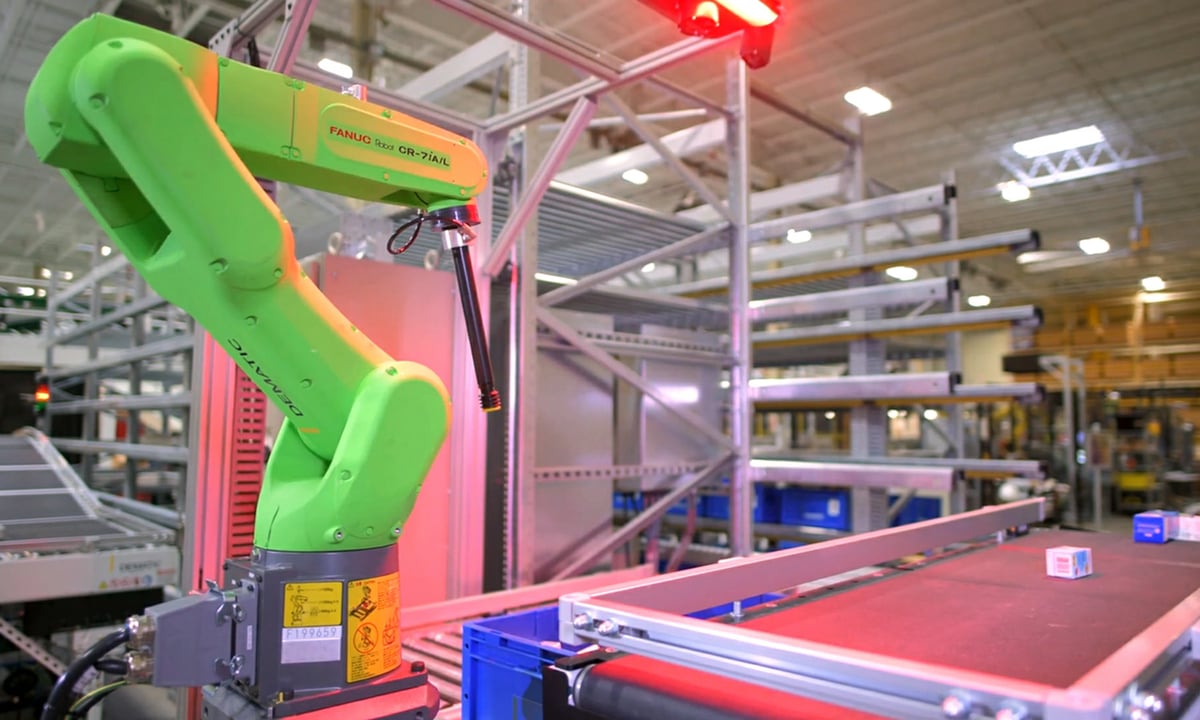
Nvidia: The Giant Potential in the AI Market

- Market Size Forecast: The global AI market is projected to reach $5.3 trillion by 2035, up from $274 billion in 2023, indicating a significant growth trend that will create generational wealth for investors and drive long-term growth for related companies.
- Revenue Growth Momentum: Nvidia achieved nearly $216 billion in revenue for fiscal 2026, a 65% increase year-over-year, with current quarter revenue expectations at $78 billion, suggesting a 77% year-over-year growth, highlighting its acceleration potential despite a massive revenue base.
- Dominance in AI Chip Market: The global AI chip market is expected to grow from $500 billion in 2026 to $1 trillion by 2030, with a compound annual growth rate of nearly 19%, and Nvidia holds a 90% market share, indicating substantial future growth opportunities.
- Full-Stack AI Strategy: Nvidia plans to invest $26 billion in open-weight AI models over the next year, aiming to enhance its control over the AI ecosystem by integrating hardware and software, thereby achieving sustainable long-term growth.
See More

Nvidia: Growth Potential Driven by AI
- Market Leadership: Nvidia holds a dominant 90% market share in the global AI chip market, which is projected to grow from $500 billion in 2026 to $1 trillion by 2030, with a compound annual growth rate of nearly 19%, paving the way for further growth in the company's data center revenue.
- Revenue Growth Outlook: Nvidia achieved nearly $216 billion in revenue for fiscal 2026, a 65% increase year-over-year, and expects current quarter revenue to reach $78 billion, reflecting a 77% year-over-year increase, indicating strong momentum and sustainability in its growth.
- Physical AI Applications: Nvidia's ventures into physical AI have generated $6 billion in revenue, and as partnerships with companies like Dassault and Siemens deepen, this market is expected to provide significant growth opportunities for the company in the future.
- Software Expansion Strategy: Nvidia plans to invest $26 billion in developing open-weight AI models over the next year, aiming to enhance its competitive edge in the AI ecosystem by offering customizable cloud infrastructure, thereby ensuring long-term healthy growth.
See More

US-Japan Leaders' Meeting Sparks Historical Reflections

- Historical Reference: During a meeting with Japanese Prime Minister Sanae Takaichi, President Trump invoked the Pearl Harbor incident, emphasizing the need for surprise in military actions against Iran, which may undermine the stability of US-Japan relations due to its sensitive nature.
- Ongoing Iran Conflict: As the Iran war enters its fourth week, Israeli Prime Minister Netanyahu indicated that a 'ground component' may be necessary for meaningful regime change, suggesting a potential escalation in the conflict and increasing regional instability.
- Increased Financial Commitment: The US Defense Secretary stated that the Pentagon's budget request of $200 billion for Iran war funding could rise, highlighting America's long-term military commitment in the region, which may have significant implications for future fiscal policies.
- Surging Energy Prices: With the Strait of Hormuz closed, Dubai crude has surged to $166 per barrel, indicating that US and European oil prices are likely to remain high, which will exert pressure on global markets and impact investor confidence and economic recovery efforts.
See More
Nvidia's Future Growth Potential Analysis
- Technological Innovation: Nvidia's new Rubin GPU architecture reduces inference token costs by 10 times and requires four times fewer GPUs for AI training, which is expected to drive revenue growth and solidify its market dominance.
- Market Demand: Despite not including sales to China in its Q1 guidance, Nvidia achieved a 73% revenue growth in Q1 FY 2026, with a projected 77% growth for Q2, indicating strong demand for its products.
- Data Center Investment: The big four AI hyperscalers are projected to spend around $650 billion on AI data centers, while Nvidia anticipates global data center capital expenditures reaching $3 trillion to $4 trillion by 2030, signaling significant future market opportunities.
- Stock Valuation: Although Nvidia's stock trades at a forward P/E of 21.8, slightly above the S&P 500's 21.2, the market remains optimistic about its growth prospects, suggesting that investors should seize the current buying opportunity.
See More
Nvidia's Next-Gen AI Chips Set to Drive Revenue Surge
- Strong Market Demand: Nvidia's GPUs dominate the data center market, with current demand significantly outstripping supply, driving substantial revenue and earnings growth, with total revenue expected to reach $367.7 billion in fiscal 2027, reflecting a 70% growth rate.
- Architectural Advantages: The next-generation AI chips based on the Vera Rubin architecture are set to ship in the second half of the year, offering substantial improvements in performance and cost compared to the existing Blackwell architecture, with a projected 75% reduction in GPUs needed per AI training workload.
- Cost Reduction Effects: The Vera Rubin platform is expected to lower inference token costs by up to 90%, making AI usage more affordable and promoting wider adoption, while also improving profit margins for AI companies, enhancing their capacity for infrastructure investment.
- Significant Stock Potential: Analysts predict Nvidia's stock could rise by 120% to 269% over the next two years, potentially valuing the company between $9.6 trillion and $16.2 trillion, indicating a robust market outlook and investment appeal.
See More
Micron Technology Soars in 2026 as Profit Skyrockets
- Significant Revenue Growth: Micron Technology reported fiscal Q2 revenue of $23.86 billion in 2026, a staggering 196% increase year-over-year, driven by strong demand for high-performance memory and storage devices, particularly in the data center market, solidifying its market leadership.
- Gross Margin Expansion: The company's gross margin surged to 74.4% this quarter, up from 56% in the previous quarter and 36.8% a year ago, indicating successful cost management and pricing strategies that enhance profitability.
- Massive Capital Expenditure Plans: To meet escalating market demands, Micron anticipates capital expenditures exceeding $25 billion in fiscal 2026, which poses significant cash flow pressures and execution risks as the company ramps up new manufacturing facilities.
- Optimistic Market Outlook with High Risks: While the current P/E ratio of about 21 reflects confidence in sustained AI-driven demand, the cyclical nature of the memory market necessitates caution, urging investors to closely monitor AI market trends to ensure demand justifies the company's aggressive investments.
See More
Nvidia: The Giant Potential in the AI Market
- Market Size Forecast: The global AI market is projected to reach $5.3 trillion by 2035, up from $274 billion in 2023, indicating a significant growth trend that will create generational wealth for investors and drive long-term growth for related companies.
- Revenue Growth Momentum: Nvidia achieved nearly $216 billion in revenue for fiscal 2026, a 65% increase year-over-year, with current quarter revenue expectations at $78 billion, suggesting a 77% year-over-year growth, highlighting its acceleration potential despite a massive revenue base.
- Dominance in AI Chip Market: The global AI chip market is expected to grow from $500 billion in 2026 to $1 trillion by 2030, with a compound annual growth rate of nearly 19%, and Nvidia holds a 90% market share, indicating substantial future growth opportunities.
- Full-Stack AI Strategy: Nvidia plans to invest $26 billion in open-weight AI models over the next year, aiming to enhance its control over the AI ecosystem by integrating hardware and software, thereby achieving sustainable long-term growth.
See More
Nvidia: Growth Potential Driven by AI
- Market Leadership: Nvidia holds a dominant 90% market share in the global AI chip market, which is projected to grow from $500 billion in 2026 to $1 trillion by 2030, with a compound annual growth rate of nearly 19%, paving the way for further growth in the company's data center revenue.
- Revenue Growth Outlook: Nvidia achieved nearly $216 billion in revenue for fiscal 2026, a 65% increase year-over-year, and expects current quarter revenue to reach $78 billion, reflecting a 77% year-over-year increase, indicating strong momentum and sustainability in its growth.
- Physical AI Applications: Nvidia's ventures into physical AI have generated $6 billion in revenue, and as partnerships with companies like Dassault and Siemens deepen, this market is expected to provide significant growth opportunities for the company in the future.
- Software Expansion Strategy: Nvidia plans to invest $26 billion in developing open-weight AI models over the next year, aiming to enhance its competitive edge in the AI ecosystem by offering customizable cloud infrastructure, thereby ensuring long-term healthy growth.
See More
US-Japan Leaders' Meeting Sparks Historical Reflections
- Historical Reference: During a meeting with Japanese Prime Minister Sanae Takaichi, President Trump invoked the Pearl Harbor incident, emphasizing the need for surprise in military actions against Iran, which may undermine the stability of US-Japan relations due to its sensitive nature.
- Ongoing Iran Conflict: As the Iran war enters its fourth week, Israeli Prime Minister Netanyahu indicated that a 'ground component' may be necessary for meaningful regime change, suggesting a potential escalation in the conflict and increasing regional instability.
- Increased Financial Commitment: The US Defense Secretary stated that the Pentagon's budget request of $200 billion for Iran war funding could rise, highlighting America's long-term military commitment in the region, which may have significant implications for future fiscal policies.
- Surging Energy Prices: With the Strait of Hormuz closed, Dubai crude has surged to $166 per barrel, indicating that US and European oil prices are likely to remain high, which will exert pressure on global markets and impact investor confidence and economic recovery efforts.
See More