U.S.-Iran Ceasefire Boosts Asian Chip Stocks
Written by Emily J. Thompson, Senior Investment Analyst
Updated: 1 hour ago
0mins
Should l Buy NVDA?
Source: Newsfilter
- Chip Stocks Surge: Following the U.S.-Iran conditional ceasefire, major Asian chipmakers saw significant stock gains, with Taiwan Semiconductor Manufacturing Company rising 4.84% and Semiconductor Manufacturing International jumping over 10%, reflecting market optimism about supply chain stability.
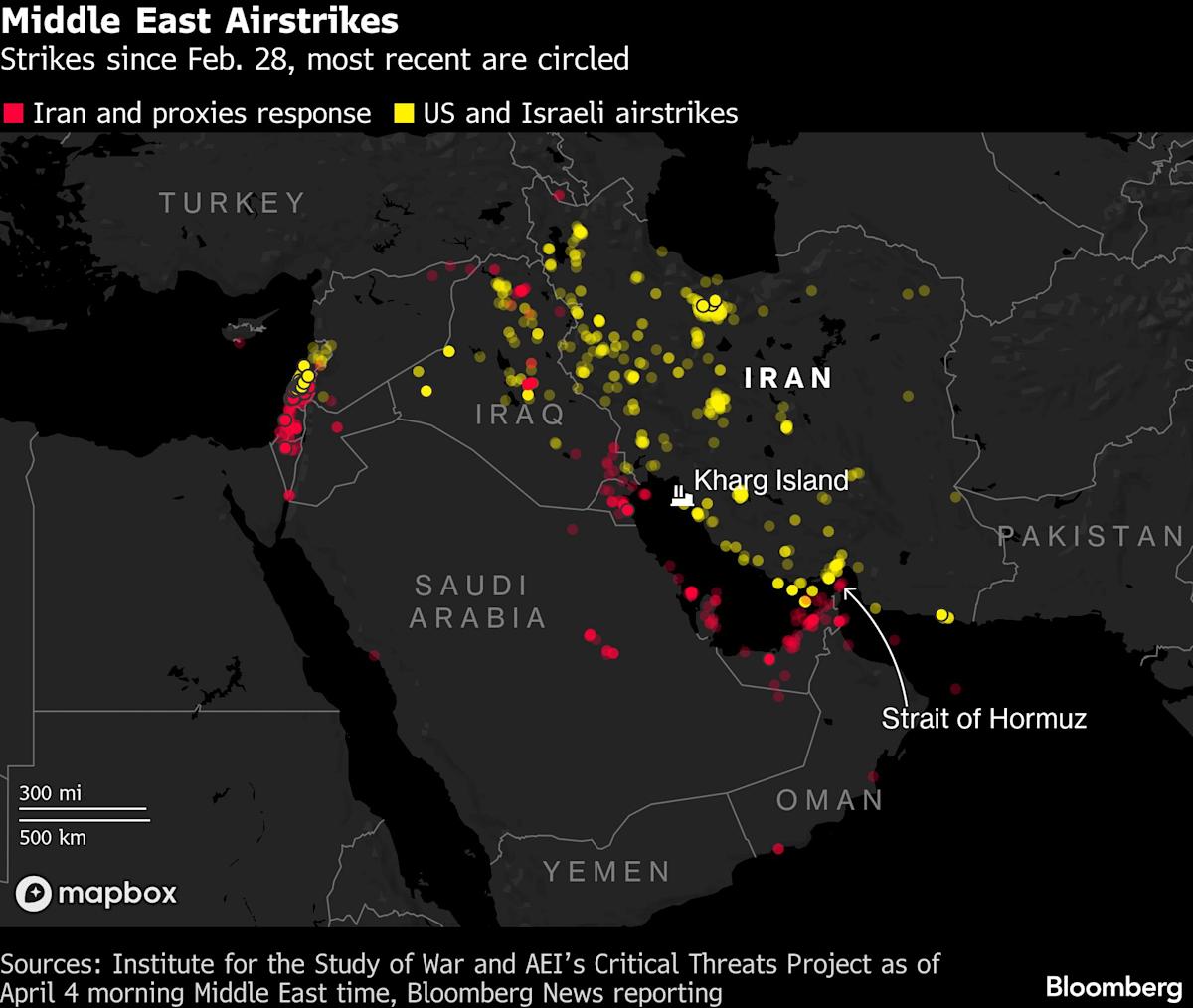
- Supply Chain Concerns Eased: The ceasefire alleviated fears regarding helium supply, a critical gas for chip production and photolithography, particularly as recent conflicts in the Middle East had strained global helium supplies, leading to positive market reactions.
- AI Demand Fuels Profit Growth: Samsung Electronics forecasted an eightfold increase in first-quarter profits driven by surging demand for high-bandwidth memory chips, contributing to its stock rising over 9%, highlighting the strong impact of AI market demand on the semiconductor industry.
- Oil Price Drop Reduces Inflation Pressure: The ceasefire news caused oil prices to plummet, potentially easing inflationary pressures on semiconductor margins; analysts warned that prolonged conflict could deplete helium stockpiles, but the current situation improvement brings hope to the market.
Trade with 70% Backtested Accuracy
Stop guessing "Should I Buy NVDA?" and start using high-conviction signals backed by rigorous historical data.
Sign up today to access powerful investing tools and make smarter, data-driven decisions.
Analyst Views on NVDA
Wall Street analysts forecast NVDA stock price to rise
41 Analyst Rating
39 Buy
1 Hold
1 Sell
Strong Buy
Current: 177.640

Low
200.00
Averages
264.97
High
352.00
Current: 177.640
Low
200.00
Averages
264.97
High
352.00
About NVDA
NVIDIA Corporation is an artificial intelligence (AI) infrastructure company. The Company is engaged in accelerated computing to help solve the challenging computational problems. Its segments include Compute & Networking and Graphics. The Compute & Networking segment includes its Data Center accelerated computing and networking platforms and AI solutions and software, and automotive platforms and autonomous and electric vehicle solutions, including software. The Graphics segment includes GeForce GPUs for gaming and personal computers (PCs), and Quadro/NVIDIA RTX GPUs for enterprise workstation graphics. Its technology stack includes the foundational NVIDIA CUDA development platform that runs on all NVIDIA GPUs, as well as hundreds of domain-specific software libraries, frameworks, algorithms, software development kits (SDKs), and application programming interfaces (APIs). Its platforms address four markets, which include Data Center, Gaming, Professional Visualization, and Automotive.
About the author

Emily J. Thompson
Emily J. Thompson, a Chartered Financial Analyst (CFA) with 12 years in investment research, graduated with honors from the Wharton School. Specializing in industrial and technology stocks, she provides in-depth analysis for Intellectia’s earnings and market brief reports.
Foxconn Reports Strong Q1 Growth Driven by AI Demand

- Significant Revenue Growth: Foxconn's Q1 revenue surged 30% year-over-year to $66.6 billion, driven by strong demand from premier customers like Nvidia and Apple, highlighting the company's pivotal role in the AI supply chain.
- Outstanding March Performance: March saw a remarkable 45.6% year-over-year revenue increase, setting a monthly record high, reflecting robust growth trends across cloud, networking products, and smart consumer electronics, further solidifying Foxconn's market leadership.
- Optimistic Future Outlook: Despite product transition challenges, Foxconn projects quarter-over-quarter and year-over-year growth for Q2, demonstrating sustained confidence in AI infrastructure demand and signaling a positive outlook for the broader supply chain.
- Global Expansion Plans: Foxconn plans to invest $569 million in Wisconsin to meet growing AI infrastructure demands and is set to launch its first supercomputing center in the first half of 2026, enhancing its global manufacturing capabilities.
See More

Nvidia Launches Next-Gen Data Center Chips to Boost Revenue
- Chip Innovation Acceleration: Nvidia's upcoming GB300 chip is set to deliver up to 50 times the performance of the original H100 in certain configurations, showcasing rapid innovation in AI data center chips and expected to drive future revenue growth.
- Market Opportunity Emerges: For the first time in 13 years, Nvidia's stock is trading below the S&P 500 on a forward P/E basis, presenting a once-in-a-decade buying opportunity that attracts investor interest for potential high returns.
- Revenue Growth Expectations: Nvidia's overall revenue is projected to grow by 71% in fiscal 2027, reaching nearly $370 billion, reflecting strong demand for the new Vera Rubin chips and further solidifying its market leadership.
- Profitability Enhancement: Nvidia reported an adjusted EPS of $4.77 for fiscal 2026, with expectations to soar by 74% to $8.29 in fiscal 2027, indicating robust profit potential in the AI infrastructure market.
See More

AI Bubble Risks Intensify Amid Market Valuations

- Historical Bubble Warning: Every game-changing technology has faced a bubble-bursting event; while companies like Nvidia have sustainable profit models, investors must remain cautious of potential AI bubble risks, especially against a backdrop of high market valuations.
- Overvaluation Concerns: Palantir's price-to-sales ratio exceeding 100 indicates bubble signs, and the S&P 500's Shiller P/E ratio above 40 historically precedes significant market declines, suggesting that AI stocks could be among the hardest hit.
- Diminishing Hardware Scarcity: Nvidia has benefited from AI GPU scarcity, but as competitors develop cheaper AI chips, this scarcity will diminish, potentially weakening its pricing power and gross margins.
- Monetary Policy Shift Risks: The Federal Reserve may halt interest rate cuts or even consider hikes, impacting AI stock valuations, particularly as the market has already baked low-rate expectations into stock prices, which could lead to a sharp decline in AI stocks.
See More

Nasdaq-100 Index Enters Correction Territory Amid Market Sell-Off


- Market Correction Impact: The Nasdaq-100 index has dropped approximately 7.8% due to ongoing tensions in the Middle East, having previously fallen as much as 12% a week ago, indicating a bearish market sentiment that investors must navigate cautiously.
- Vanguard ETF Performance: The Vanguard Mega Cap Growth ETF is down 13% from its all-time high and was down 17% last week, but its strong holdings in companies like Nvidia, Apple, and Alphabet may lead to a rebound, making it attractive for long-term investors.
- AI Industry Potential: Nvidia's market capitalization skyrocketed from $360 billion at the start of 2023 to $4.3 trillion, showcasing the immense driving force of AI technology, which is expected to continue enhancing the performance of the Vanguard ETF.
- Investment Return Expectations: The Vanguard Mega Cap Growth ETF has delivered an annual return of 12.8% since its inception in 2007, suggesting that a $250,000 investment could grow to $1 million in 12 years if this rate is maintained, despite potential short-term market fluctuations.
See More

Nvidia Shares Surge as Two-Week Peace Agreement Boosts Market

- Nvidia Stock Performance: Nvidia's stock experienced an increase on Wednesday.
- Market Influence: The rise was attributed to a cease-fire deal between the U.S. and Iran, which contributed to a broader market rally.
See More

Investment Opportunities Amid Market Volatility
- Market Pullback Impact: The S&P 500 index has fallen 5.3% from its all-time high due to ongoing tensions in the Middle East, while the Nasdaq-100 index dropped as much as 12%, indicating that current market instability may present long-term investors with opportunities to acquire high-quality stocks at discounted prices.
- Vanguard ETF Performance: The Vanguard Mega Cap Growth ETF is currently down 13% from its peak, yet the strong performance of its holdings like Nvidia, Apple, and Alphabet could enable it to rebound in the future, further solidifying its market position amidst volatility.
- AI Industry Potential: Nvidia's market capitalization skyrocketed from $360 billion at the start of 2023 to $4.3 trillion, showcasing explosive growth in the AI sector, with revenue expected to soar by 71% to $370 billion this fiscal year, reflecting robust demand for AI technologies.
- Investment Return Outlook: The Vanguard Mega Cap Growth ETF has delivered a compound annual return of 12.8% since its inception in 2007, with an accelerated annual return of 22.1% over the past three years of the AI revolution, suggesting that a $250,000 investment could grow to $1 million in 12 years, highlighting the long-term investment potential driven by AI.
See More
Foxconn Reports Strong Q1 Growth Driven by AI Demand
- Significant Revenue Growth: Foxconn's Q1 revenue surged 30% year-over-year to $66.6 billion, driven by strong demand from premier customers like Nvidia and Apple, highlighting the company's pivotal role in the AI supply chain.
- Outstanding March Performance: March saw a remarkable 45.6% year-over-year revenue increase, setting a monthly record high, reflecting robust growth trends across cloud, networking products, and smart consumer electronics, further solidifying Foxconn's market leadership.
- Optimistic Future Outlook: Despite product transition challenges, Foxconn projects quarter-over-quarter and year-over-year growth for Q2, demonstrating sustained confidence in AI infrastructure demand and signaling a positive outlook for the broader supply chain.
- Global Expansion Plans: Foxconn plans to invest $569 million in Wisconsin to meet growing AI infrastructure demands and is set to launch its first supercomputing center in the first half of 2026, enhancing its global manufacturing capabilities.
See More
Nvidia Launches Next-Gen Data Center Chips to Boost Revenue
- Chip Innovation Acceleration: Nvidia's upcoming GB300 chip is set to deliver up to 50 times the performance of the original H100 in certain configurations, showcasing rapid innovation in AI data center chips and expected to drive future revenue growth.
- Market Opportunity Emerges: For the first time in 13 years, Nvidia's stock is trading below the S&P 500 on a forward P/E basis, presenting a once-in-a-decade buying opportunity that attracts investor interest for potential high returns.
- Revenue Growth Expectations: Nvidia's overall revenue is projected to grow by 71% in fiscal 2027, reaching nearly $370 billion, reflecting strong demand for the new Vera Rubin chips and further solidifying its market leadership.
- Profitability Enhancement: Nvidia reported an adjusted EPS of $4.77 for fiscal 2026, with expectations to soar by 74% to $8.29 in fiscal 2027, indicating robust profit potential in the AI infrastructure market.
See More
AI Bubble Risks Intensify Amid Market Valuations
- Historical Bubble Warning: Every game-changing technology has faced a bubble-bursting event; while companies like Nvidia have sustainable profit models, investors must remain cautious of potential AI bubble risks, especially against a backdrop of high market valuations.
- Overvaluation Concerns: Palantir's price-to-sales ratio exceeding 100 indicates bubble signs, and the S&P 500's Shiller P/E ratio above 40 historically precedes significant market declines, suggesting that AI stocks could be among the hardest hit.
- Diminishing Hardware Scarcity: Nvidia has benefited from AI GPU scarcity, but as competitors develop cheaper AI chips, this scarcity will diminish, potentially weakening its pricing power and gross margins.
- Monetary Policy Shift Risks: The Federal Reserve may halt interest rate cuts or even consider hikes, impacting AI stock valuations, particularly as the market has already baked low-rate expectations into stock prices, which could lead to a sharp decline in AI stocks.
See More
Nasdaq-100 Index Enters Correction Territory Amid Market Sell-Off
- Market Correction Impact: The Nasdaq-100 index has dropped approximately 7.8% due to ongoing tensions in the Middle East, having previously fallen as much as 12% a week ago, indicating a bearish market sentiment that investors must navigate cautiously.
- Vanguard ETF Performance: The Vanguard Mega Cap Growth ETF is down 13% from its all-time high and was down 17% last week, but its strong holdings in companies like Nvidia, Apple, and Alphabet may lead to a rebound, making it attractive for long-term investors.
- AI Industry Potential: Nvidia's market capitalization skyrocketed from $360 billion at the start of 2023 to $4.3 trillion, showcasing the immense driving force of AI technology, which is expected to continue enhancing the performance of the Vanguard ETF.
- Investment Return Expectations: The Vanguard Mega Cap Growth ETF has delivered an annual return of 12.8% since its inception in 2007, suggesting that a $250,000 investment could grow to $1 million in 12 years if this rate is maintained, despite potential short-term market fluctuations.
See More
Nvidia Shares Surge as Two-Week Peace Agreement Boosts Market
- Nvidia Stock Performance: Nvidia's stock experienced an increase on Wednesday.
- Market Influence: The rise was attributed to a cease-fire deal between the U.S. and Iran, which contributed to a broader market rally.
See More
Investment Opportunities Amid Market Volatility
- Market Pullback Impact: The S&P 500 index has fallen 5.3% from its all-time high due to ongoing tensions in the Middle East, while the Nasdaq-100 index dropped as much as 12%, indicating that current market instability may present long-term investors with opportunities to acquire high-quality stocks at discounted prices.
- Vanguard ETF Performance: The Vanguard Mega Cap Growth ETF is currently down 13% from its peak, yet the strong performance of its holdings like Nvidia, Apple, and Alphabet could enable it to rebound in the future, further solidifying its market position amidst volatility.
- AI Industry Potential: Nvidia's market capitalization skyrocketed from $360 billion at the start of 2023 to $4.3 trillion, showcasing explosive growth in the AI sector, with revenue expected to soar by 71% to $370 billion this fiscal year, reflecting robust demand for AI technologies.
- Investment Return Outlook: The Vanguard Mega Cap Growth ETF has delivered a compound annual return of 12.8% since its inception in 2007, with an accelerated annual return of 22.1% over the past three years of the AI revolution, suggesting that a $250,000 investment could grow to $1 million in 12 years, highlighting the long-term investment potential driven by AI.
See More