US-Iran Ceasefire Agreement Boosts Travel Stocks
Written by Emily J. Thompson, Senior Investment Analyst
Updated: 1 hour ago
0mins
Source: seekingalpha
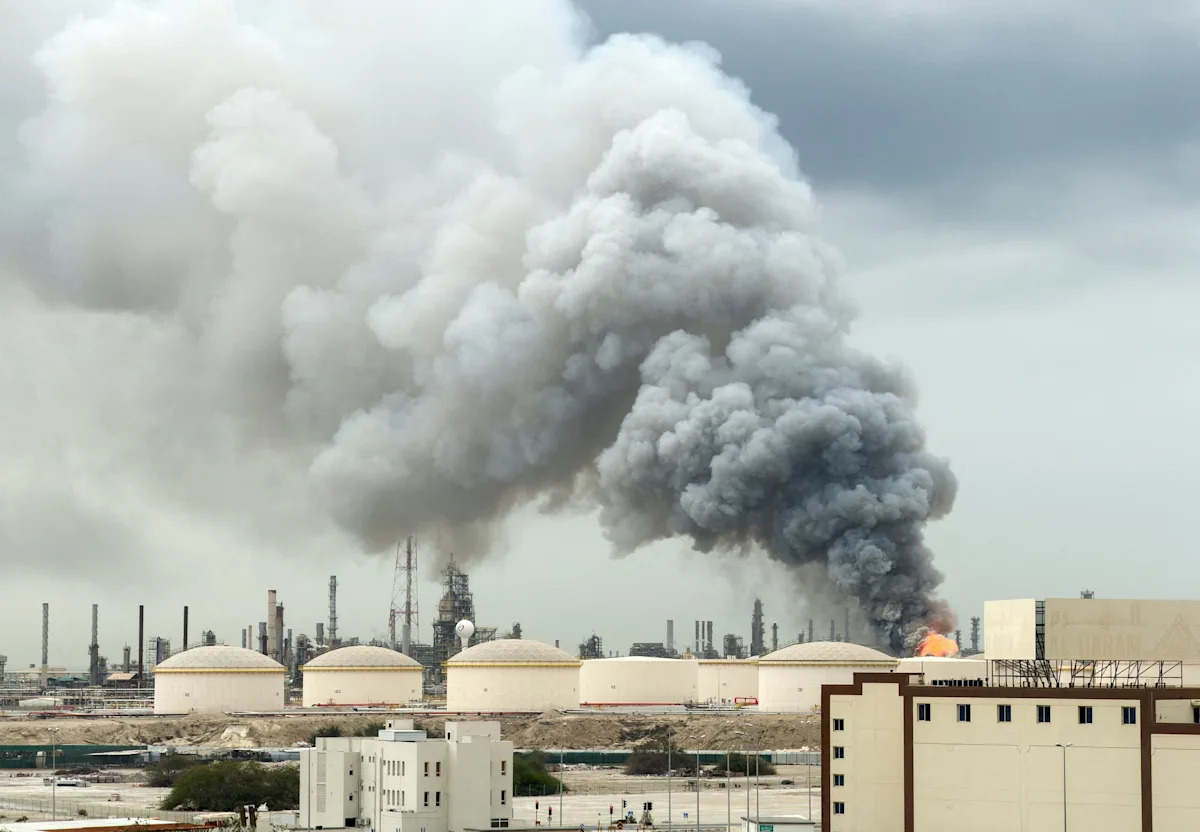
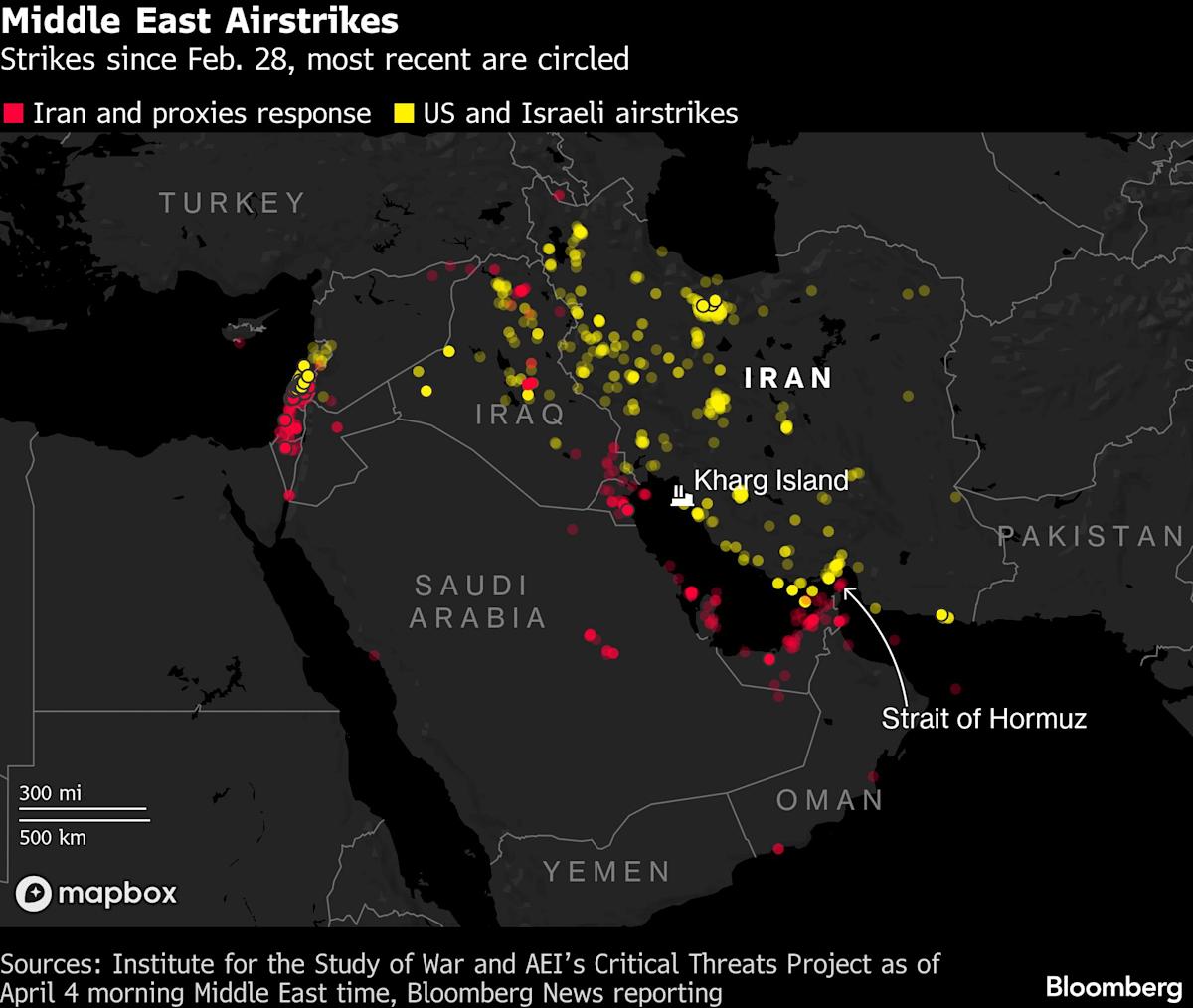
- Ceasefire Agreement: The U.S. and Iran reached a two-week ceasefire mediated by Pakistan, pausing U.S. and Israeli strikes on Iran and ensuring the safe reopening of the Strait of Hormuz, creating favorable conditions for the recovery of the travel sector.
- Travel Stocks Surge: The ceasefire news led to significant gains in cruise line stocks, with Carnival (CCL) up 10.2%, Norwegian Cruise Line (NCLH) up 8.7%, and Royal Caribbean (RCL) up 7.7%, reflecting market optimism about travel recovery.
- Strong Hotel Performance: As oil prices declined from record highs, hotel operators like Hyatt Hotels (H) rose 3.0%, Marriott International (MAR) increased by 4.9%, and InterContinental Hotels Group (IHG) climbed 6.8%, indicating a rebound in travel demand.
- Airbnb and Booking Gains: Airbnb (ABNB) saw a 3.3% increase, while Booking Holdings (BKNG) rose 5.2%, reflecting growing consumer demand for short-term rentals and online travel services, further boosting the overall travel market recovery.
Trade with 70% Backtested Accuracy
Stop guessing "Should I Buy CCL?" and start using high-conviction signals backed by rigorous historical data.
Sign up today to access powerful investing tools and make smarter, data-driven decisions.
Analyst Views on CCL
Wall Street analysts forecast CCL stock price to rise
18 Analyst Rating
14 Buy
4 Hold
0 Sell
Strong Buy
Current: 25.970

Low
33.00
Averages
37.41
High
45.00
Current: 25.970
Low
33.00
Averages
37.41
High
45.00
About CCL
Carnival Corporation is a global cruise and leisure travel company. The Company has a portfolio of cruise lines, including AIDA Cruises, Carnival Cruise Line, Costa Cruises, Cunard, Holland America Line, P&O Cruises (Australia), P&O Cruises (UK), Princess Cruises, and Seabourn. The Company's segment includes NAA cruise operations, Europe cruise operations (Europe), Cruise Support and Tour and Other. Its Cruise Support segment includes its portfolio of port destinations and exclusive islands as well as other services, all of which are operated for the benefit of its cruise brands. In addition to its cruise operations, it owns Holland America Princess Alaska Tours, a tour company in Alaska and the Canadian Yukon, which complements its Alaska cruise operations. Its Tour and Other segment represents the hotel and transportation operations of Holland America Princess Alaska Tours and other operations. Its tour company owns and operates hotels, lodges, glass-domed railcars and motorcoaches.
About the author

Emily J. Thompson
Emily J. Thompson, a Chartered Financial Analyst (CFA) with 12 years in investment research, graduated with honors from the Wharton School. Specializing in industrial and technology stocks, she provides in-depth analysis for Intellectia’s earnings and market brief reports.
Airline Stocks Surge as Oil Prices Drop Following Ceasefire Agreement


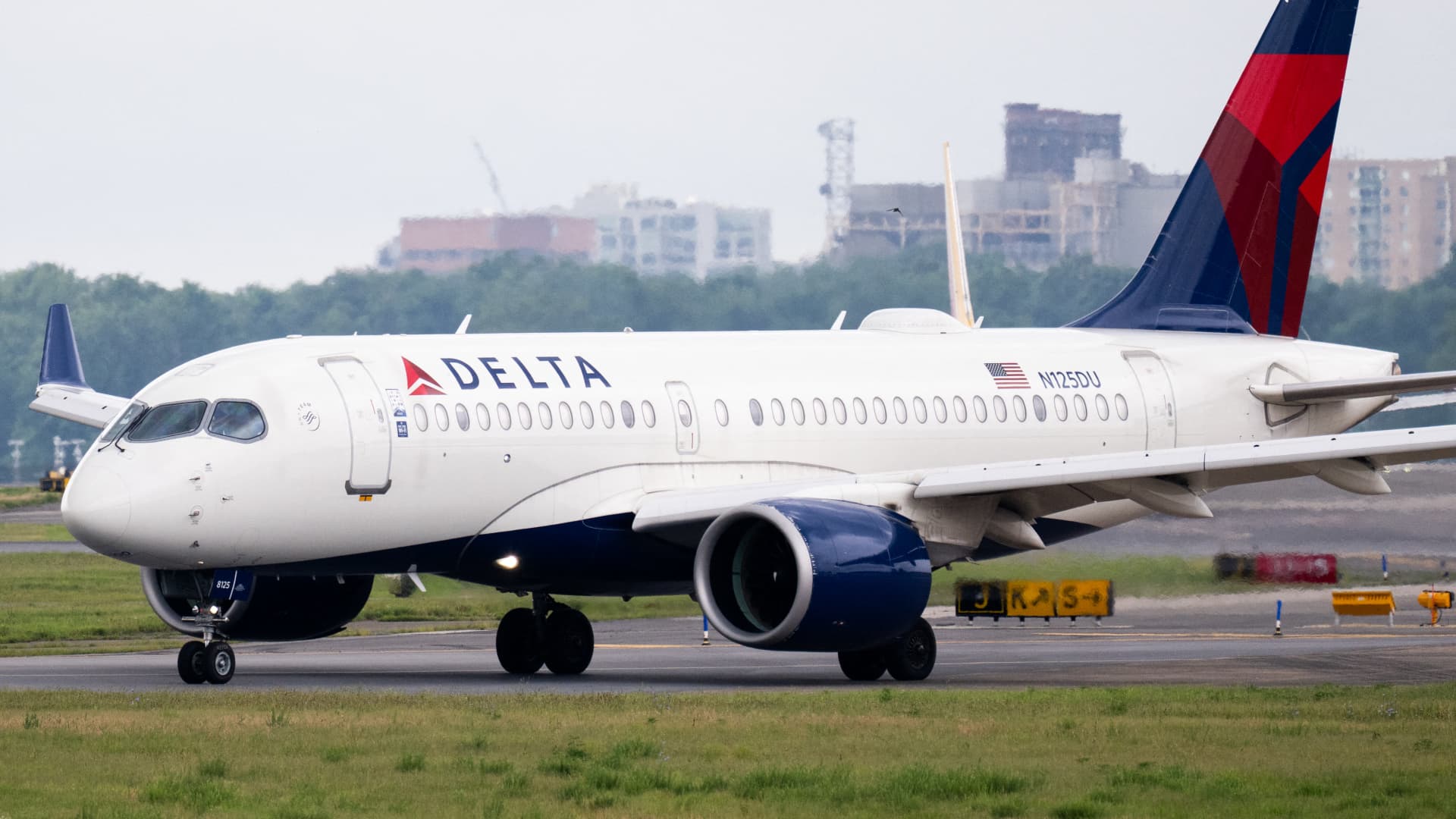
- Delta Air Lines Strong Performance: Delta's shares surged 12% due to significant oil price declines following a U.S. ceasefire agreement, although the airline's second-quarter guidance fell short of analyst expectations, its first-quarter results exceeded forecasts, indicating market resilience.
- Levi Strauss Revenue Growth: Levi Strauss shares rose over 9% after reporting first-quarter revenue and earnings beats, with direct-to-consumer sales making up half of revenue for the first time, boosting confidence in future performance as the company raised its full-year earnings guidance.
- Energy Stocks Decline: Energy stocks fell broadly as oil prices dropped below $100 per barrel, with APA shedding over 9%, and Occidental Petroleum and Diamondback Energy both down about 7%, reflecting growing market concerns over energy demand.
- Travel Stocks Rebound: As oil prices fell, fears of demand destruction eased, leading to a surge in travel stocks, with United Airlines jumping over 10% and Southwest Airlines rising 9%, indicating signs of recovery in the travel sector.
See More
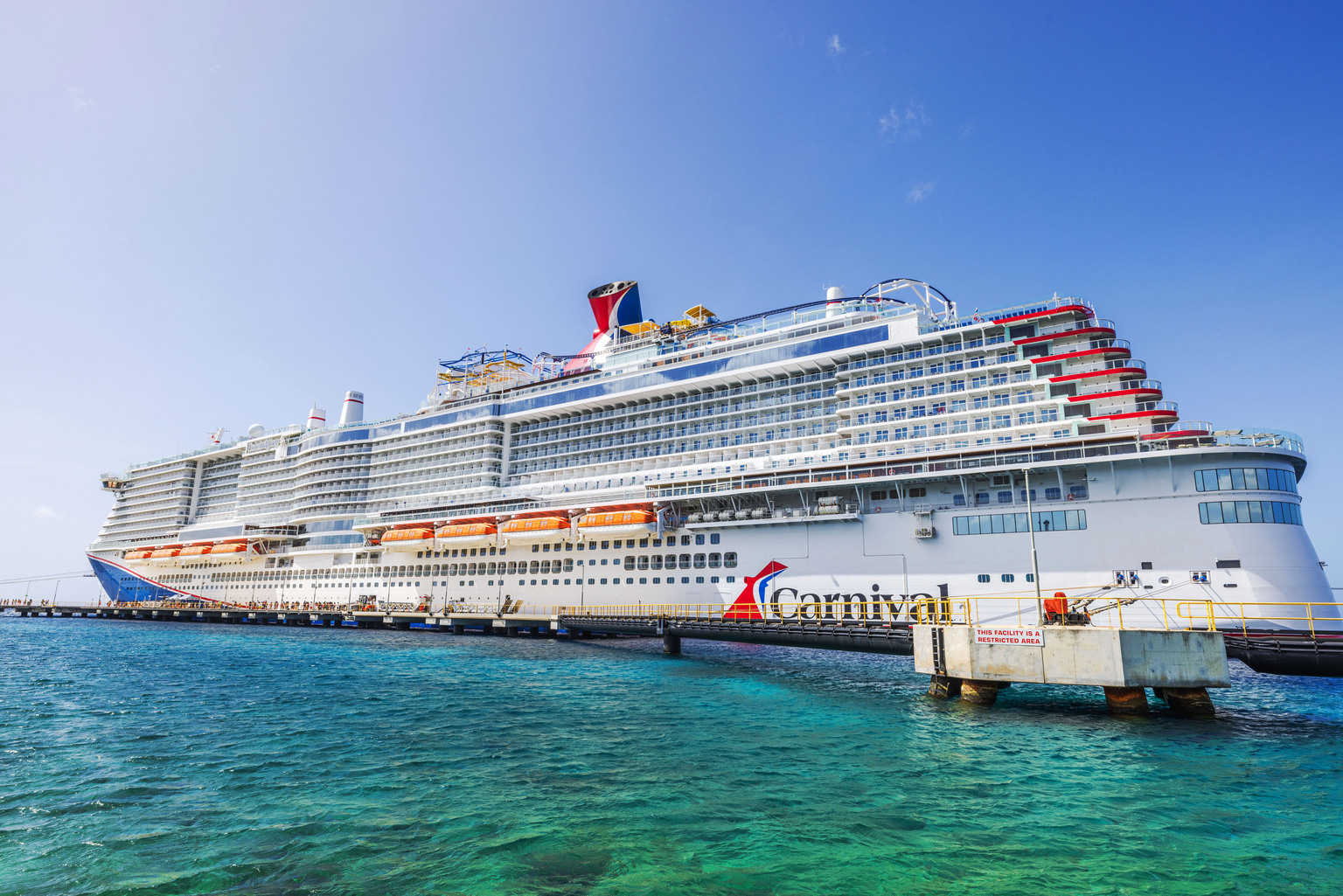
US-Iran Ceasefire Agreement Boosts Travel Stocks

- Ceasefire Agreement: The U.S. and Iran reached a two-week ceasefire mediated by Pakistan, pausing U.S. and Israeli strikes on Iran and ensuring the safe reopening of the Strait of Hormuz, creating favorable conditions for the recovery of the travel sector.
- Travel Stocks Surge: The ceasefire news led to significant gains in cruise line stocks, with Carnival (CCL) up 10.2%, Norwegian Cruise Line (NCLH) up 8.7%, and Royal Caribbean (RCL) up 7.7%, reflecting market optimism about travel recovery.
- Strong Hotel Performance: As oil prices declined from record highs, hotel operators like Hyatt Hotels (H) rose 3.0%, Marriott International (MAR) increased by 4.9%, and InterContinental Hotels Group (IHG) climbed 6.8%, indicating a rebound in travel demand.
- Airbnb and Booking Gains: Airbnb (ABNB) saw a 3.3% increase, while Booking Holdings (BKNG) rose 5.2%, reflecting growing consumer demand for short-term rentals and online travel services, further boosting the overall travel market recovery.
See More

Stock Movers: Delta, Carnival, Nvidia, Micron, United Airlines, APA, Super Micro, and Others


- Market Reaction: Stocks experienced a significant rise on Wednesday.
- Cease-Fire Agreement: The increase in stock prices was attributed to a two-week cease-fire agreement between the U.S. and Iran.
See More

Norwegian Cruise Line Faces Rising Debt Challenges

- Strong Demand Supports Performance: Norwegian Cruise Line has recorded record bookings in recent quarters, maintaining high occupancy rates despite economic uncertainty, indicating robust market demand; however, the ongoing rise in debt levels could jeopardize its financial stability.
- Rising Debt Levels: The company's total debt has reached $14.6 billion against a book value of only $2.2 billion, with interest expenses in 2025 exceeding those of 2024, highlighting significant pressure on its debt repayment capacity that could lead to a financial crisis.
- Fuel Cost Challenges: In 2025, Norwegian spent $676 million on fuel, and a 45% increase in fuel costs would raise this to $980 million, resulting in a projected 72% decline in profits, exacerbating its debt issues.
- Future Uncertainty: Although the company has successfully refinanced about $2 billion to extend some debt maturities, if economic downturns or persistently high fuel prices occur, Norwegian may struggle to fill its new ships, casting doubt on its future prospects.
See More
Norwegian Cruise Line Faces Growing Debt Crisis
- High Debt Levels: Norwegian Cruise Line holds $14.6 billion in total debt against a book value of $2.2 billion, indicating significant financial vulnerability, especially amid rising economic uncertainties that could lead to a financial crisis.
- Increased Interest Expenses: In 2025, Norwegian's interest payments exceeded those of 2024, and although the company refinanced about $2 billion of its debt and extended some maturities, the continuous rise in debt remains a critical issue.
- Rising Fuel Costs: In 2025, Norwegian spent $676 million on fuel, and a 45% increase in fuel costs could raise this to $980 million, potentially leading to a 72% drop in net income, exacerbating its debt challenges.
- Uncertain Future Outlook: While high demand has temporarily supported profitability, if economic downturns or persistently high fuel prices occur, Norwegian may struggle to fill its new ships, leading to increased financial uncertainty moving forward.
See More

Airline and Cruise Stocks Rise in Premarket

- Market Rally: Airline and cruise operator stocks saw an uptick in premarket trading on Wednesday following a US-Iran agreement, indicating a positive sentiment towards industry recovery.
- Investor Confidence Boost: This upward trend reflects growing investor confidence in the future prospects of the airline and cruise sectors, particularly in the context of post-pandemic recovery, which may drive increased travel demand.
- Dynamic Industry Changes: As global travel restrictions gradually ease, airlines and cruise companies are likely to attract more customers, further boosting stock prices and enhancing market competitiveness.
- Economic Recovery Signal: This trend not only highlights the recovery potential of the airline and cruise industries but may also signal an overall economic rebound, drawing more investor attention to related stocks.
See More
Airline Stocks Surge as Oil Prices Drop Following Ceasefire Agreement
- Delta Air Lines Strong Performance: Delta's shares surged 12% due to significant oil price declines following a U.S. ceasefire agreement, although the airline's second-quarter guidance fell short of analyst expectations, its first-quarter results exceeded forecasts, indicating market resilience.
- Levi Strauss Revenue Growth: Levi Strauss shares rose over 9% after reporting first-quarter revenue and earnings beats, with direct-to-consumer sales making up half of revenue for the first time, boosting confidence in future performance as the company raised its full-year earnings guidance.
- Energy Stocks Decline: Energy stocks fell broadly as oil prices dropped below $100 per barrel, with APA shedding over 9%, and Occidental Petroleum and Diamondback Energy both down about 7%, reflecting growing market concerns over energy demand.
- Travel Stocks Rebound: As oil prices fell, fears of demand destruction eased, leading to a surge in travel stocks, with United Airlines jumping over 10% and Southwest Airlines rising 9%, indicating signs of recovery in the travel sector.
See More
US-Iran Ceasefire Agreement Boosts Travel Stocks
- Ceasefire Agreement: The U.S. and Iran reached a two-week ceasefire mediated by Pakistan, pausing U.S. and Israeli strikes on Iran and ensuring the safe reopening of the Strait of Hormuz, creating favorable conditions for the recovery of the travel sector.
- Travel Stocks Surge: The ceasefire news led to significant gains in cruise line stocks, with Carnival (CCL) up 10.2%, Norwegian Cruise Line (NCLH) up 8.7%, and Royal Caribbean (RCL) up 7.7%, reflecting market optimism about travel recovery.
- Strong Hotel Performance: As oil prices declined from record highs, hotel operators like Hyatt Hotels (H) rose 3.0%, Marriott International (MAR) increased by 4.9%, and InterContinental Hotels Group (IHG) climbed 6.8%, indicating a rebound in travel demand.
- Airbnb and Booking Gains: Airbnb (ABNB) saw a 3.3% increase, while Booking Holdings (BKNG) rose 5.2%, reflecting growing consumer demand for short-term rentals and online travel services, further boosting the overall travel market recovery.
See More
Stock Movers: Delta, Carnival, Nvidia, Micron, United Airlines, APA, Super Micro, and Others
- Market Reaction: Stocks experienced a significant rise on Wednesday.
- Cease-Fire Agreement: The increase in stock prices was attributed to a two-week cease-fire agreement between the U.S. and Iran.
See More
Norwegian Cruise Line Faces Rising Debt Challenges
- Strong Demand Supports Performance: Norwegian Cruise Line has recorded record bookings in recent quarters, maintaining high occupancy rates despite economic uncertainty, indicating robust market demand; however, the ongoing rise in debt levels could jeopardize its financial stability.
- Rising Debt Levels: The company's total debt has reached $14.6 billion against a book value of only $2.2 billion, with interest expenses in 2025 exceeding those of 2024, highlighting significant pressure on its debt repayment capacity that could lead to a financial crisis.
- Fuel Cost Challenges: In 2025, Norwegian spent $676 million on fuel, and a 45% increase in fuel costs would raise this to $980 million, resulting in a projected 72% decline in profits, exacerbating its debt issues.
- Future Uncertainty: Although the company has successfully refinanced about $2 billion to extend some debt maturities, if economic downturns or persistently high fuel prices occur, Norwegian may struggle to fill its new ships, casting doubt on its future prospects.
See More
Norwegian Cruise Line Faces Growing Debt Crisis
- High Debt Levels: Norwegian Cruise Line holds $14.6 billion in total debt against a book value of $2.2 billion, indicating significant financial vulnerability, especially amid rising economic uncertainties that could lead to a financial crisis.
- Increased Interest Expenses: In 2025, Norwegian's interest payments exceeded those of 2024, and although the company refinanced about $2 billion of its debt and extended some maturities, the continuous rise in debt remains a critical issue.
- Rising Fuel Costs: In 2025, Norwegian spent $676 million on fuel, and a 45% increase in fuel costs could raise this to $980 million, potentially leading to a 72% drop in net income, exacerbating its debt challenges.
- Uncertain Future Outlook: While high demand has temporarily supported profitability, if economic downturns or persistently high fuel prices occur, Norwegian may struggle to fill its new ships, leading to increased financial uncertainty moving forward.
See More
Airline and Cruise Stocks Rise in Premarket
- Market Rally: Airline and cruise operator stocks saw an uptick in premarket trading on Wednesday following a US-Iran agreement, indicating a positive sentiment towards industry recovery.
- Investor Confidence Boost: This upward trend reflects growing investor confidence in the future prospects of the airline and cruise sectors, particularly in the context of post-pandemic recovery, which may drive increased travel demand.
- Dynamic Industry Changes: As global travel restrictions gradually ease, airlines and cruise companies are likely to attract more customers, further boosting stock prices and enhancing market competitiveness.
- Economic Recovery Signal: This trend not only highlights the recovery potential of the airline and cruise industries but may also signal an overall economic rebound, drawing more investor attention to related stocks.
See More