Greenland Energy Company Advances Oil Exploration Efforts
Written by Emily J. Thompson, Senior Investment Analyst
Updated: 1 hour ago
0mins
Source: Globenewswire
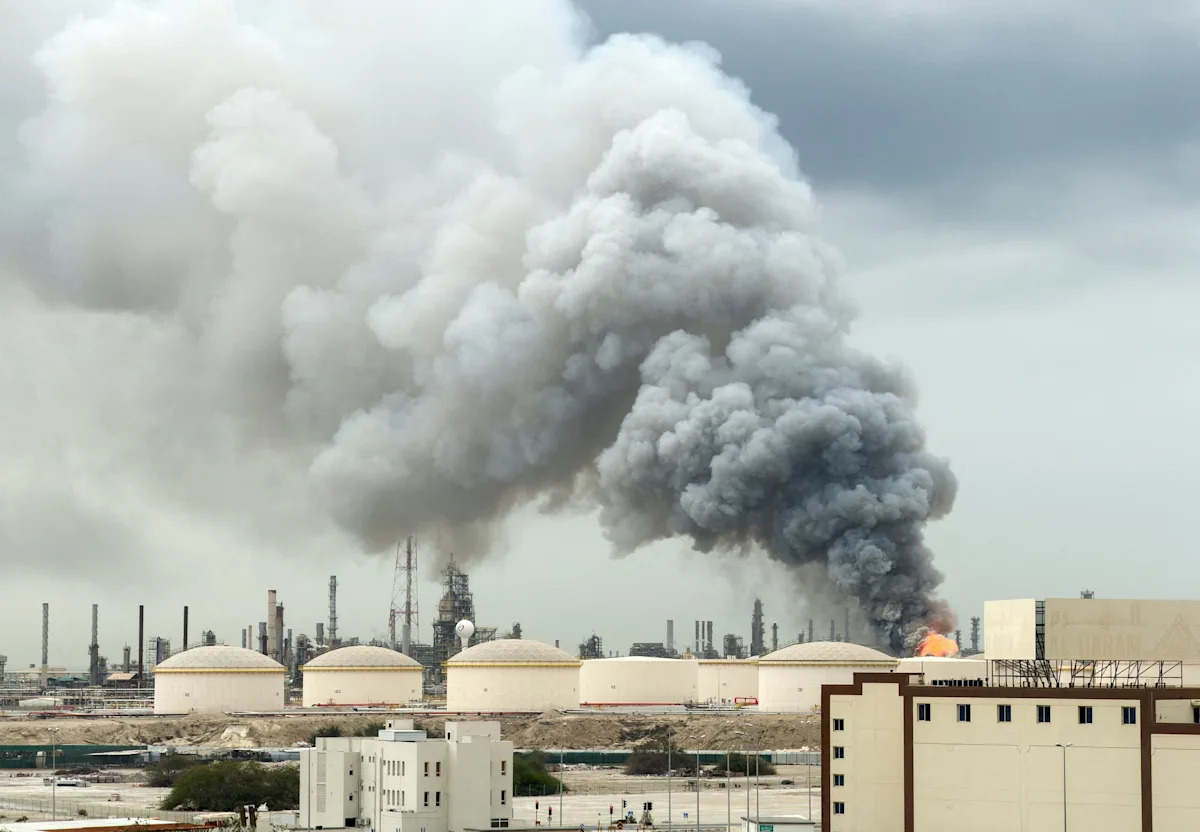
- Urgency of Energy Security: Rising instability in the Middle East has highlighted the fragility of global energy supply chains, prompting Greenland Energy Company to explore the Jameson Land Basin, which is estimated to hold up to 1.3 billion barrels of oil, potentially impacting energy independence for Western economies significantly.
- Significant Exploration Progress: Greenland Energy has secured drilling capacity through a strategic agreement and plans to drill two key wells this year, which, if successful, will grant them rights to 70% of the Jameson Land Basin, greatly enhancing their resource development potential.
- Capital Structure Advantage: The company's enterprise value is estimated between $200 million and $220 million, with a market capitalization of approximately $300 million to $345 million, and its low-debt structure provides flexibility in capital-intensive exploration, attracting investor interest.
- Leadership Team Experience: The appointment of Joe Moglia is expected to provide strategic guidance, particularly in Arctic development and capital market engagement, as his extensive market experience will help the company navigate operational and financial challenges effectively.
Trade with 70% Backtested Accuracy
Stop guessing "Should I Buy BP?" and start using high-conviction signals backed by rigorous historical data.
Sign up today to access powerful investing tools and make smarter, data-driven decisions.
Analyst Views on BP
Wall Street analysts forecast BP stock price to rise
11 Analyst Rating
5 Buy
5 Hold
1 Sell
Moderate Buy
Current: 47.240

Low
6.38
Averages
84.26
High
503.69
Current: 47.240
Low
6.38
Averages
84.26
High
503.69
About BP
BP p.l.c. is a United Kingdom-based integrated energy company. Its segments include Gas & low carbon energy, Oil production & operations, Customers & products, and Other businesses & corporate. The gas & low carbon energy comprises regions with upstream businesses that predominantly produce natural gas, gas marketing and trading activities and its solar, wind and hydrogen businesses. The oil production & operations segment comprises regions with upstream activities that predominantly produce crude oil, including bpx energy. The customers & products segment comprises its customer-focused businesses, which include convenience and retail fuels, electric vehicle (EV) charging, as well as Castrol, aviation and business-to-business (B2B) and midstream. It also includes its products businesses, refining and oil trading, as well as its bioenergy businesses. The other businesses and corporate also comprises the Company's shipping and treasury functions, and corporate activities worldwide.
About the author

Emily J. Thompson
Emily J. Thompson, a Chartered Financial Analyst (CFA) with 12 years in investment research, graduated with honors from the Wharton School. Specializing in industrial and technology stocks, she provides in-depth analysis for Intellectia’s earnings and market brief reports.
Shareholders Urged to Vote Against BP Chairman's Re-election
- Shareholder Voting Advice: Proxy advisor Glass Lewis and investment group Legal & General are recommending shareholders vote against the re-election of BP Chairman Albert Manifold due to the company's decision to block a climate-related resolution, raising significant concerns.
- Transparency Issues: Glass Lewis highlighted that Manifold is ultimately accountable for BP's exclusion of a resolution from climate activist group Follow This, which called for disclosures on the company's strategy under declining oil and gas demand scenarios, indicating a lack of transparency and shareholder communication.
- Impact on Shareholder Trust: Legal & General stated that the exclusion represents a reduction in transparency, making it difficult for shareholders to understand how BP is addressing risks related to the energy transition, which could undermine shareholder trust and support for the company.
- New CEO Challenge: This controversy poses a significant test for Meg O'Neill, who just joined BP as CEO this month, as her ability to address shareholder concerns and the company's future climate strategy will directly impact her effectiveness as a leader.
See More

Greenland Energy Company Advances Oil Exploration Efforts

- Urgency of Energy Security: Rising instability in the Middle East has highlighted the fragility of global energy supply chains, prompting Greenland Energy Company to explore the Jameson Land Basin, which is estimated to hold up to 1.3 billion barrels of oil, potentially impacting energy independence for Western economies significantly.
- Significant Exploration Progress: Greenland Energy has secured drilling capacity through a strategic agreement and plans to drill two key wells this year, which, if successful, will grant them rights to 70% of the Jameson Land Basin, greatly enhancing their resource development potential.
- Capital Structure Advantage: The company's enterprise value is estimated between $200 million and $220 million, with a market capitalization of approximately $300 million to $345 million, and its low-debt structure provides flexibility in capital-intensive exploration, attracting investor interest.
- Leadership Team Experience: The appointment of Joe Moglia is expected to provide strategic guidance, particularly in Arctic development and capital market engagement, as his extensive market experience will help the company navigate operational and financial challenges effectively.
See More

Greenland Energy Company Advances Energy Independence Efforts

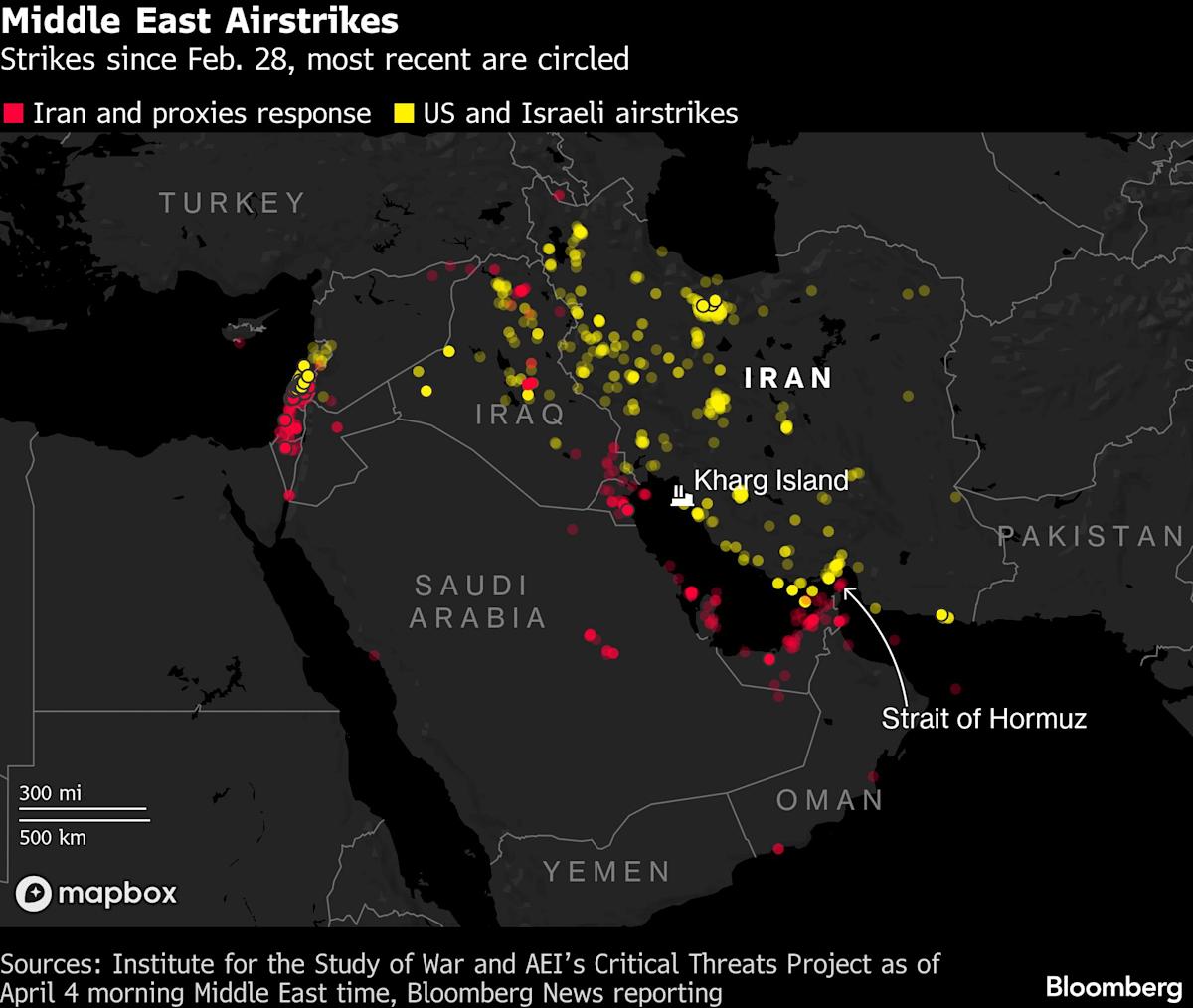
- Geopolitical Tensions Rise: Recent instability in the Middle East highlights the fragility of global energy supply chains, with the Strait of Hormuz, a critical passage for 20% of the world's oil consumption, underscoring the urgency for policymakers to accelerate energy independence efforts.
- Significant Resource Potential: Greenland Energy Company's core asset in the Jameson Land Basin is estimated to hold up to 13 billion barrels of oil, which, if successfully developed, could become a crucial source of oil and gas supply, significantly enhancing energy security for Western economies.
- Strategic Partnerships Enhance Exploration: The company has secured drilling capacity through strategic agreements and plans to drill two key wells this year, which, if successful, will grant it rights to 70% of the Jameson Land Basin, further solidifying its position in the energy market.
- Experienced Leadership Team: The appointment of Joe Moglia as a leader brings extensive capital market experience, providing strategic guidance for Greenland Energy's Arctic development and capital market engagement, thereby enhancing the company's execution capabilities in a competitive energy sector.
See More

Temporary US-Iran Ceasefire Sparks Market Relief Amid Trust Issues

- Ceasefire Agreement: A two-week ceasefire between the US and Iran, facilitated by Pakistan's diplomatic efforts, has been established, temporarily easing tensions, although experts warn that a lack of trust could complicate future peace negotiations.
- Oil Price Fluctuations: Following the ceasefire announcement, oil prices fell below $100 per barrel, remaining above pre-war levels of around $70, which could impact global economic recovery and energy market stability.
- Military Activity Suspension: Iran has stated it will cease defensive military operations if attacks against it stop; however, missile launches continued after the ceasefire took effect, indicating uncertainty in compliance from both sides.
- Positive Market Reaction: The ceasefire sparked a market rally, with investors increasingly optimistic about de-escalation, although analysts caution that the market must remain vigilant regarding the durability of the ceasefire, especially with energy and commodity prices still elevated.
See More

U.S.-Iran Ceasefire Agreement Sparks Positive Market Reaction


- Ceasefire Agreement Reached: President Trump announced a two-week ceasefire with Iran, leading to a positive market reaction as equity markets surged, particularly with Dow futures gaining over 1,000 points, indicating strong investor optimism.
- Oil Prices Plummet: Following the ceasefire announcement, both Brent and WTI crude oil prices fell below $100 per barrel, reflecting market expectations for reduced geopolitical tensions and potentially stabilizing the global energy market.
- Middle Eastern Alerts Triggered: Despite the ceasefire taking effect, several Middle Eastern countries reported missile and drone launches from Iran, prompting air defense systems to activate across the Gulf, highlighting the ongoing complexities and uncertainties in the region.
- Israel's Firm Stance: Israeli Prime Minister Netanyahu stated that the ceasefire would not apply to Lebanon, emphasizing Israel's security interests in the region, which could influence future diplomatic negotiations and regional stability.
See More

European Stocks Surge as U.S.-Iran Ceasefire Deal Boosts Markets
- Market Rally: European stocks are expected to open sharply higher on Wednesday, with the UK's FTSE 100 projected to rise by 3%, Germany's DAX by 5%, France's CAC 40 by 4.5%, and Italy's FTSE MIB by 5.3%, reflecting a positive market response to the easing of geopolitical tensions following the U.S.-Iran ceasefire agreement.
- Oil Price Plunge: Oil prices fell below $100 a barrel after the ceasefire announcement, indicating a reassessment of supply risks and potentially alleviating global inflationary pressures, which could positively impact economic recovery.
- U.S. Futures Surge: U.S. stock futures jumped significantly on the ceasefire news, showcasing investor optimism about future market stability, which may further drive global market recovery.
- Ongoing Tensions: Despite the ceasefire, several Middle Eastern countries continue to report missile and drone attacks from Iran, triggering air defenses across the Gulf, indicating that the situation remains complex and could have lasting effects on market sentiment.
See More
Shareholders Urged to Vote Against BP Chairman's Re-election
- Shareholder Voting Advice: Proxy advisor Glass Lewis and investment group Legal & General are recommending shareholders vote against the re-election of BP Chairman Albert Manifold due to the company's decision to block a climate-related resolution, raising significant concerns.
- Transparency Issues: Glass Lewis highlighted that Manifold is ultimately accountable for BP's exclusion of a resolution from climate activist group Follow This, which called for disclosures on the company's strategy under declining oil and gas demand scenarios, indicating a lack of transparency and shareholder communication.
- Impact on Shareholder Trust: Legal & General stated that the exclusion represents a reduction in transparency, making it difficult for shareholders to understand how BP is addressing risks related to the energy transition, which could undermine shareholder trust and support for the company.
- New CEO Challenge: This controversy poses a significant test for Meg O'Neill, who just joined BP as CEO this month, as her ability to address shareholder concerns and the company's future climate strategy will directly impact her effectiveness as a leader.
See More
Greenland Energy Company Advances Oil Exploration Efforts
- Urgency of Energy Security: Rising instability in the Middle East has highlighted the fragility of global energy supply chains, prompting Greenland Energy Company to explore the Jameson Land Basin, which is estimated to hold up to 1.3 billion barrels of oil, potentially impacting energy independence for Western economies significantly.
- Significant Exploration Progress: Greenland Energy has secured drilling capacity through a strategic agreement and plans to drill two key wells this year, which, if successful, will grant them rights to 70% of the Jameson Land Basin, greatly enhancing their resource development potential.
- Capital Structure Advantage: The company's enterprise value is estimated between $200 million and $220 million, with a market capitalization of approximately $300 million to $345 million, and its low-debt structure provides flexibility in capital-intensive exploration, attracting investor interest.
- Leadership Team Experience: The appointment of Joe Moglia is expected to provide strategic guidance, particularly in Arctic development and capital market engagement, as his extensive market experience will help the company navigate operational and financial challenges effectively.
See More
Greenland Energy Company Advances Energy Independence Efforts
- Geopolitical Tensions Rise: Recent instability in the Middle East highlights the fragility of global energy supply chains, with the Strait of Hormuz, a critical passage for 20% of the world's oil consumption, underscoring the urgency for policymakers to accelerate energy independence efforts.
- Significant Resource Potential: Greenland Energy Company's core asset in the Jameson Land Basin is estimated to hold up to 13 billion barrels of oil, which, if successfully developed, could become a crucial source of oil and gas supply, significantly enhancing energy security for Western economies.
- Strategic Partnerships Enhance Exploration: The company has secured drilling capacity through strategic agreements and plans to drill two key wells this year, which, if successful, will grant it rights to 70% of the Jameson Land Basin, further solidifying its position in the energy market.
- Experienced Leadership Team: The appointment of Joe Moglia as a leader brings extensive capital market experience, providing strategic guidance for Greenland Energy's Arctic development and capital market engagement, thereby enhancing the company's execution capabilities in a competitive energy sector.
See More
Temporary US-Iran Ceasefire Sparks Market Relief Amid Trust Issues
- Ceasefire Agreement: A two-week ceasefire between the US and Iran, facilitated by Pakistan's diplomatic efforts, has been established, temporarily easing tensions, although experts warn that a lack of trust could complicate future peace negotiations.
- Oil Price Fluctuations: Following the ceasefire announcement, oil prices fell below $100 per barrel, remaining above pre-war levels of around $70, which could impact global economic recovery and energy market stability.
- Military Activity Suspension: Iran has stated it will cease defensive military operations if attacks against it stop; however, missile launches continued after the ceasefire took effect, indicating uncertainty in compliance from both sides.
- Positive Market Reaction: The ceasefire sparked a market rally, with investors increasingly optimistic about de-escalation, although analysts caution that the market must remain vigilant regarding the durability of the ceasefire, especially with energy and commodity prices still elevated.
See More
U.S.-Iran Ceasefire Agreement Sparks Positive Market Reaction
- Ceasefire Agreement Reached: President Trump announced a two-week ceasefire with Iran, leading to a positive market reaction as equity markets surged, particularly with Dow futures gaining over 1,000 points, indicating strong investor optimism.
- Oil Prices Plummet: Following the ceasefire announcement, both Brent and WTI crude oil prices fell below $100 per barrel, reflecting market expectations for reduced geopolitical tensions and potentially stabilizing the global energy market.
- Middle Eastern Alerts Triggered: Despite the ceasefire taking effect, several Middle Eastern countries reported missile and drone launches from Iran, prompting air defense systems to activate across the Gulf, highlighting the ongoing complexities and uncertainties in the region.
- Israel's Firm Stance: Israeli Prime Minister Netanyahu stated that the ceasefire would not apply to Lebanon, emphasizing Israel's security interests in the region, which could influence future diplomatic negotiations and regional stability.
See More
European Stocks Surge as U.S.-Iran Ceasefire Deal Boosts Markets
- Market Rally: European stocks are expected to open sharply higher on Wednesday, with the UK's FTSE 100 projected to rise by 3%, Germany's DAX by 5%, France's CAC 40 by 4.5%, and Italy's FTSE MIB by 5.3%, reflecting a positive market response to the easing of geopolitical tensions following the U.S.-Iran ceasefire agreement.
- Oil Price Plunge: Oil prices fell below $100 a barrel after the ceasefire announcement, indicating a reassessment of supply risks and potentially alleviating global inflationary pressures, which could positively impact economic recovery.
- U.S. Futures Surge: U.S. stock futures jumped significantly on the ceasefire news, showcasing investor optimism about future market stability, which may further drive global market recovery.
- Ongoing Tensions: Despite the ceasefire, several Middle Eastern countries continue to report missile and drone attacks from Iran, triggering air defenses across the Gulf, indicating that the situation remains complex and could have lasting effects on market sentiment.
See More