U.S. Transportation Secretary Supports Airline Sector Consolidation
Written by Emily J. Thompson, Senior Investment Analyst
Updated: 1 hour ago
0mins
Should l Buy UAL?
Source: seekingalpha
- Industry Consolidation Signal: U.S. Transportation Secretary Sean Duffy indicated in a CNBC interview that there is room for mergers in the airline sector, suggesting potential shifts in the competitive landscape of the industry.
- JetBlue Stock Surge: On March 25, JetBlue (JBLU) shares soared 13% following market speculation about a potential sale to a rival, reflecting investor optimism regarding possible mergers and attracting more investor interest.
- Merger Advisory Consultations: JetBlue has engaged advisors to assess the implications of a merger with United Airlines (UAL), Alaska Airlines (ALK), or Southwest Airlines (LUV), indicating the company's strategic exploration to enhance its market position.
- Antitrust Challenges: A federal judge blocked JetBlue's attempt to acquire Spirit Airlines (FLYYQ) in January 2024, highlighting the stringent scrutiny from regulators on airline mergers, which may impact future acquisition activities.
Trade with 70% Backtested Accuracy
Stop guessing "Should I Buy UAL?" and start using high-conviction signals backed by rigorous historical data.
Sign up today to access powerful investing tools and make smarter, data-driven decisions.
Analyst Views on UAL
Wall Street analysts forecast UAL stock price to rise
16 Analyst Rating
15 Buy
1 Hold
0 Sell
Strong Buy
Current: 90.970

Low
115.00
Averages
139.07
High
156.00
Current: 90.970
Low
115.00
Averages
139.07
High
156.00
About UAL
United Airlines Holdings, Inc. is a holding company. The Company transports people and cargo throughout North America and to destinations in Asia, Europe, Africa, the Pacific, the Middle East and Latin America. The Company, through United Airlines, Inc., and its regional carriers, operates across six continents, with hubs at Chicago O'Hare International Airport (ORD), Denver International Airport (DEN), George Bush Intercontinental Airport (IAH), Los Angeles International Airport (LAX), Newark Liberty International Airport (EWR), San Francisco International Airport (SFO), Washington Dulles International Airport (IAD) and A.B. Won Pat International Airport (GUM). Its hub and spoke system allow it to transport passengers between a large number of destinations with frequent services. The Company has contractual relationships with various regional carriers to provide regional aircraft service branded as United Express. It provides freight and mail transportation services (Air Cargo).
About the author

Emily J. Thompson
Emily J. Thompson, a Chartered Financial Analyst (CFA) with 12 years in investment research, graduated with honors from the Wharton School. Specializing in industrial and technology stocks, she provides in-depth analysis for Intellectia’s earnings and market brief reports.
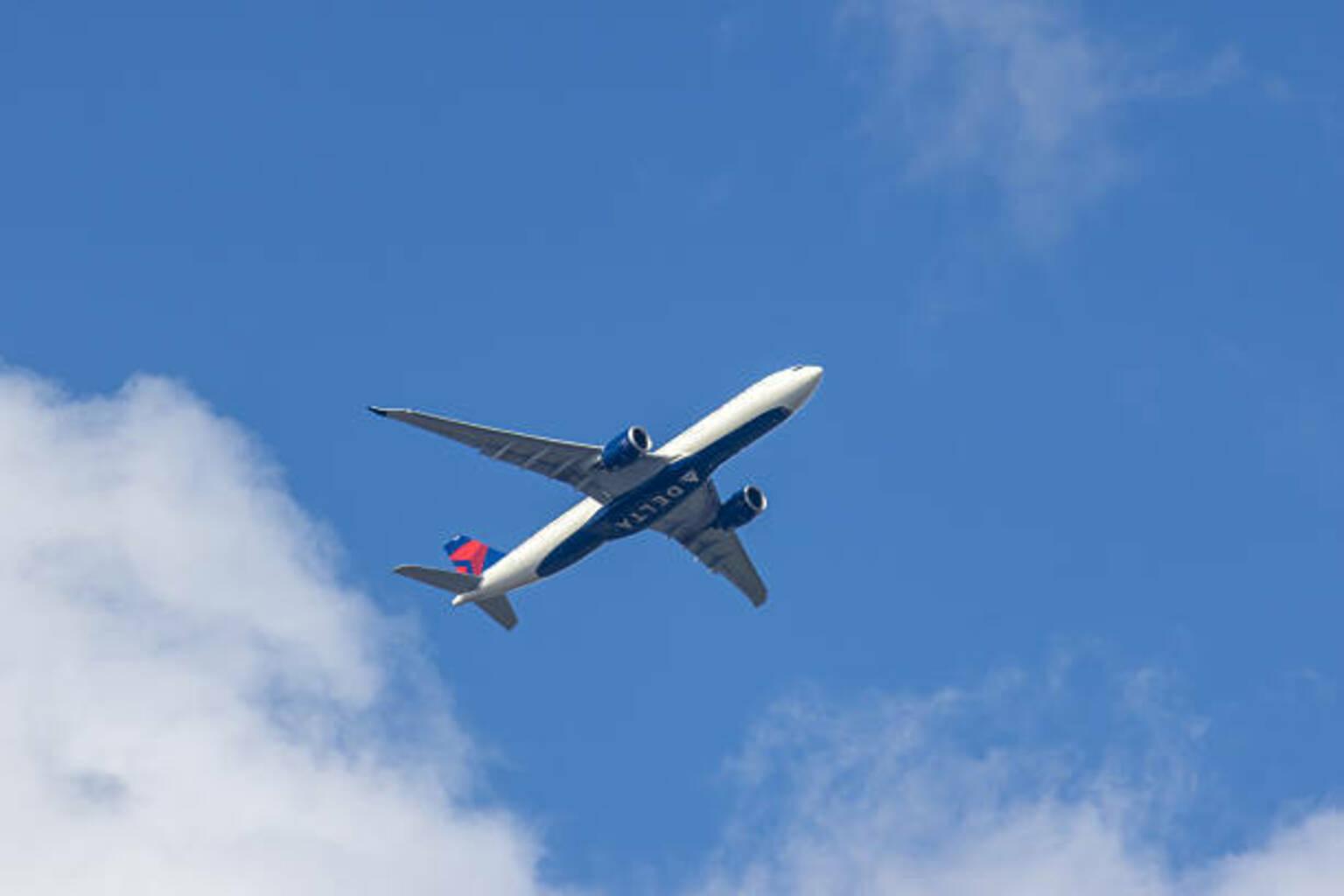
U.S. Transportation Secretary Supports Airline Sector Consolidation


- Industry Consolidation Signal: U.S. Transportation Secretary Sean Duffy indicated in a CNBC interview that there is room for mergers in the airline sector, suggesting potential shifts in the competitive landscape of the industry.
- JetBlue Stock Surge: On March 25, JetBlue (JBLU) shares soared 13% following market speculation about a potential sale to a rival, reflecting investor optimism regarding possible mergers and attracting more investor interest.
- Merger Advisory Consultations: JetBlue has engaged advisors to assess the implications of a merger with United Airlines (UAL), Alaska Airlines (ALK), or Southwest Airlines (LUV), indicating the company's strategic exploration to enhance its market position.
- Antitrust Challenges: A federal judge blocked JetBlue's attempt to acquire Spirit Airlines (FLYYQ) in January 2024, highlighting the stringent scrutiny from regulators on airline mergers, which may impact future acquisition activities.
See More
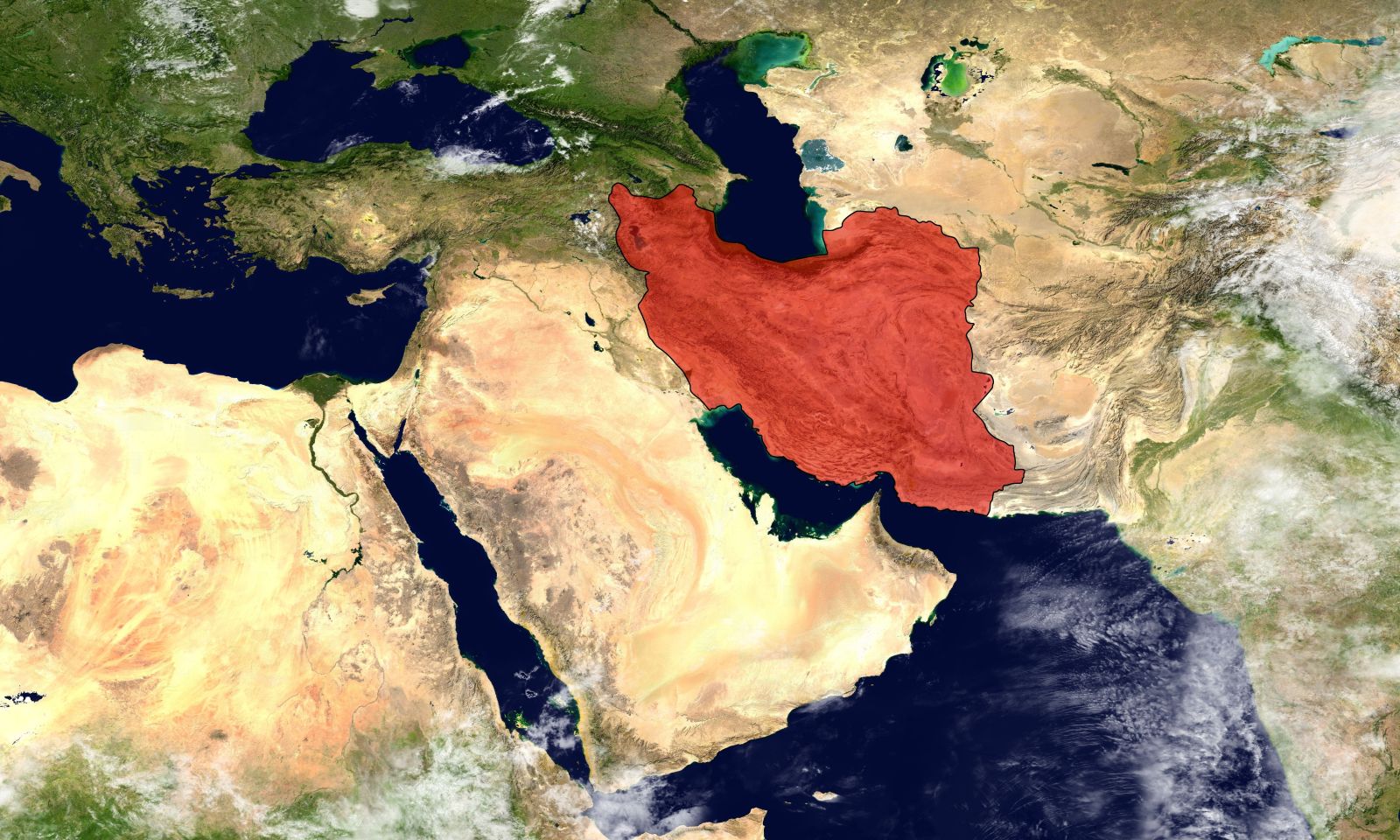
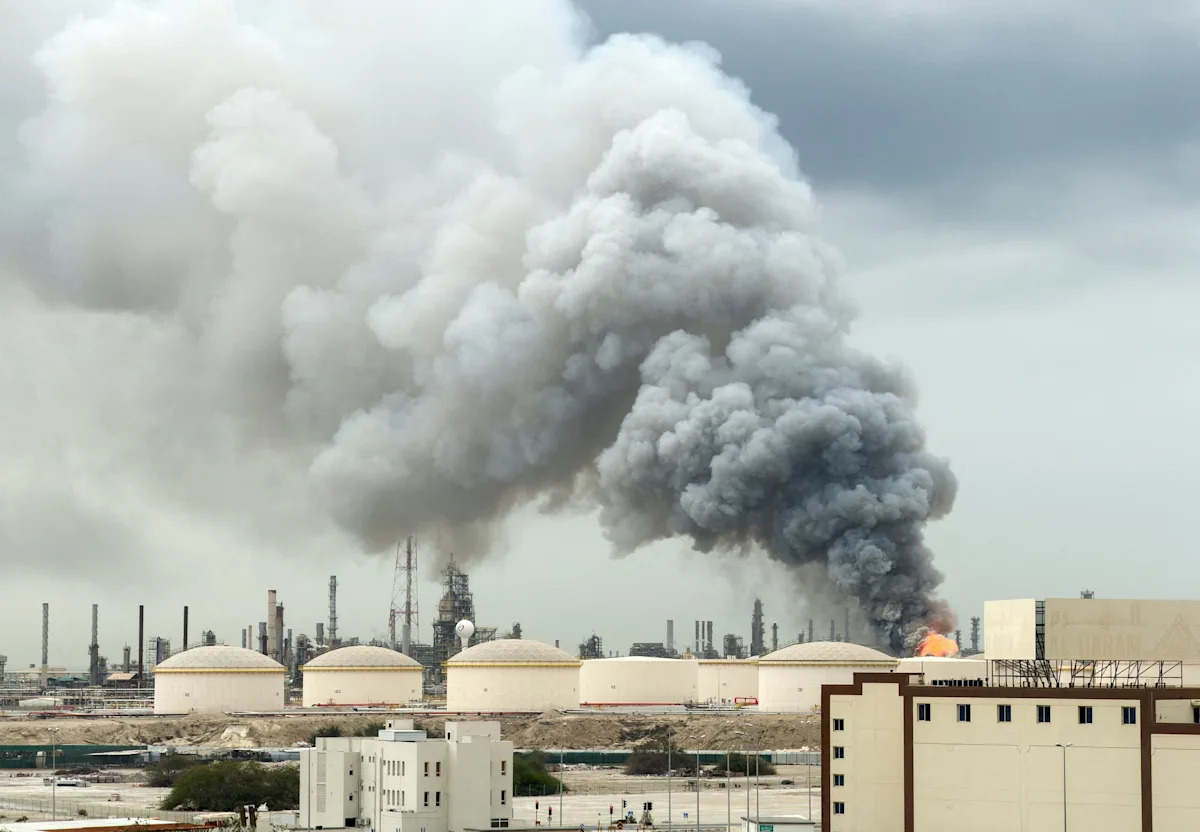
US Stocks Decline as Oil Prices Surge Amid Iran Tensions


- Market Decline: The S&P 500 Index fell by 0.90%, the Dow Jones Industrial Average dropped by 0.76%, and the Nasdaq 100 Index decreased by 1.40%, reflecting investor concerns over geopolitical tensions, particularly the potential escalation of conflict between Iran and the US.
- Oil Price Surge: Crude oil prices rose over 3% to a four-week high as the market watches for Iran's response to a ceasefire deadline tonight, with failure to reach an agreement potentially leading to broader military conflict and impacting global energy supplies.
- Positive Economic Data: Despite the overall market downturn, February's non-defense capital goods new orders increased by 0.6% month-over-month, surpassing expectations of 0.5%, indicating resilience in US capital spending that could support future market stability.
- Bond Market Reaction: The 10-year Treasury note yield rose to 4.357% as rising oil prices boosted inflation expectations, while the market's diminished outlook for a Fed rate hike reflects investor caution regarding future economic policies.
See More

Apple Shares Drop Nearly 4% Amid Engineering Setbacks for Foldable iPhone


- Apple Stock Decline: Apple's shares fell nearly 4% on Tuesday, leading the S&P 500 lower, after Nikkei Asia reported setbacks in the engineering test phase for its planned foldable iPhone, which could adversely affect mass production and product shipments.
- Universal Music Group Surge: Shares of Universal Music Group surged almost 13% after hedge fund investor Bill Ackman's Pershing Square Capital Management offered to acquire the company in a cash and stock deal valued at approximately €55.8 billion ($64.4 billion), significantly boosting market expectations for its future.
- Arm Holdings Downgrade: Arm Holdings' stock dropped over 4% following Morgan Stanley's downgrade from overweight to equal weight, citing that the company's strategic pivot to chips amid the AI boom will take time, and near-term risks like rising R&D costs and DRAM shortages could weigh on the stock.
- Healthcare Stocks Bounce Back: Healthcare stocks rallied as the Center for Medicare & Medicaid Services finalized a payment increase for privately run Medicare Advantage plans, exceeding its initial proposal from January, with UnitedHealth jumping 10% and Humana and CVS Health rising 8% and 7%, respectively.
See More

US Stocks Decline as Oil Prices Surge Amid Iran Tensions
- Market Decline: The S&P 500 index fell by 0.63%, the Dow Jones Industrial Average dropped by 0.66%, and the Nasdaq 100 index decreased by 0.78%, reflecting investor concerns over geopolitical tensions, particularly the escalating situation in Iran that could impact market stability.
- Surge in Oil Prices: Crude oil prices rose over 2% to a four-week high, with the market closely watching diplomatic efforts ahead of President Trump's deadline, as failure to reach a ceasefire could lead to escalated conflict and further inflationary pressures.
- Supportive Economic Data: February's non-defense capital goods new orders increased by 0.6% month-over-month, surpassing expectations of 0.5%, indicating a rebound in capital spending, although overall market sentiment remains influenced by oil prices and geopolitical factors.
- Interest Rate Expectations Shift: The market is pricing in only a 3% chance of a 25 basis point rate hike by the Fed at the April meeting, reflecting cautious investor sentiment regarding economic outlook, especially in light of rising oil prices potentially driving inflation.
See More
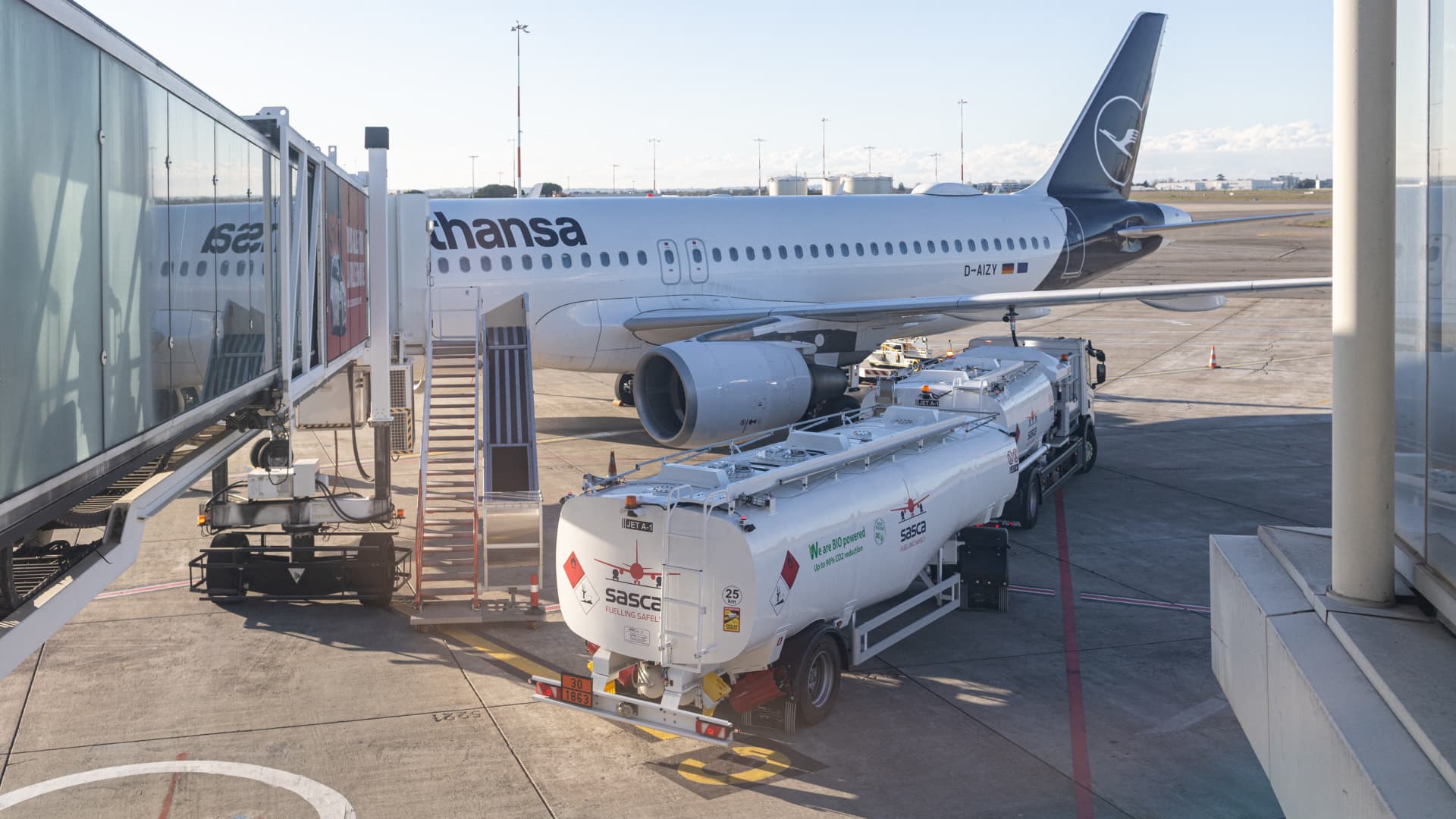
Airlines Face Challenges from Soaring Jet Fuel Prices

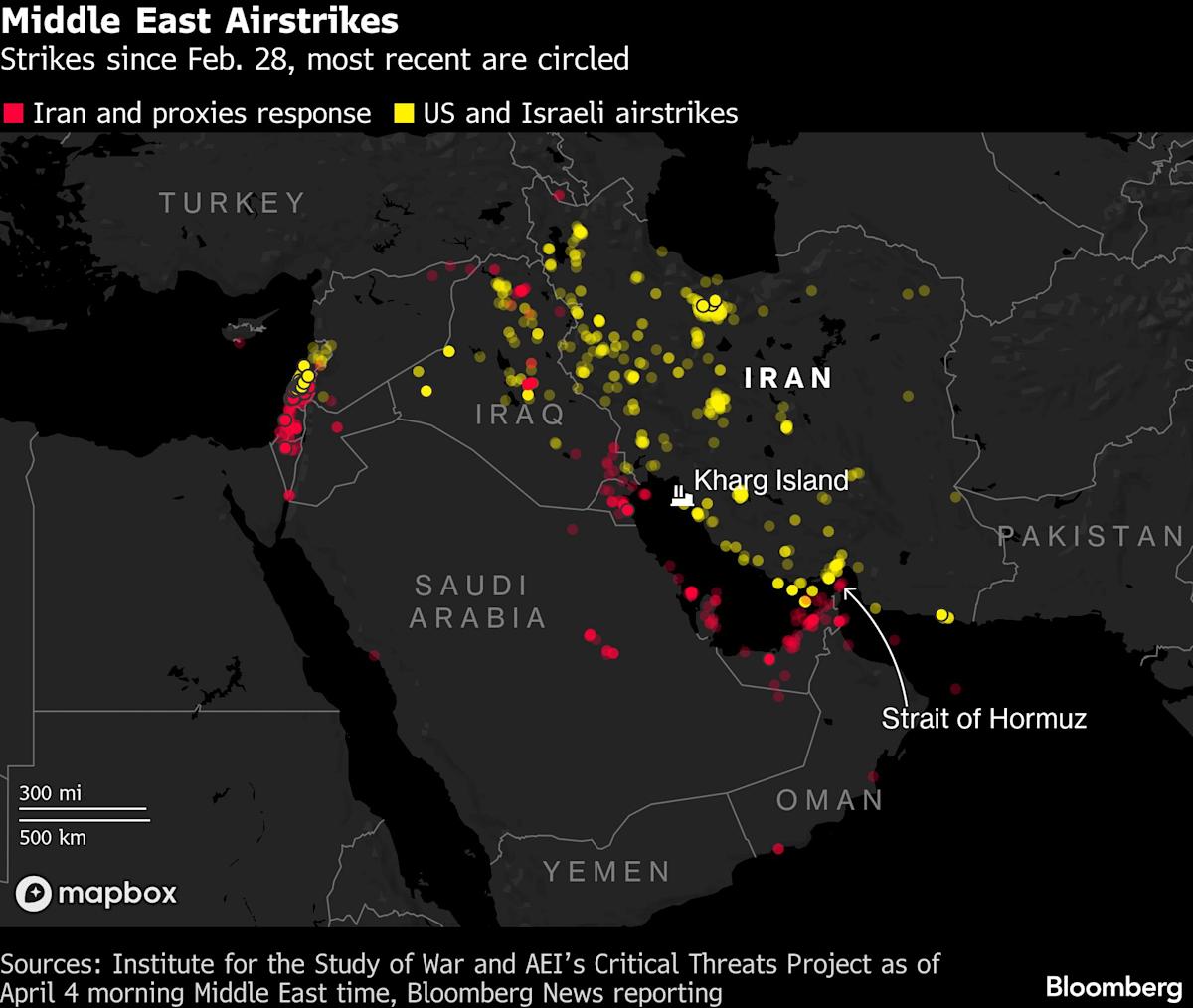
- Surging Fuel Prices: Since the U.S. and Israel's attack on Iran on February 28, jet fuel prices in the U.S. have nearly doubled from $2.50 to $4.88 per gallon, forcing airlines to consider cutting flights due to rising costs and potential demand drops.
- Flight Reduction Plans: Deutsche Lufthansa CEO Carsten Spohr announced that the airline is developing contingency plans, including the possibility of grounding aircraft, in response to the Middle East conflict and the associated risks of fuel shortages and demand declines.
- Domestic Capacity Adjustments: According to a UBS report, U.S. carriers' domestic capacity is expected to grow by 2.1% in Q2, down from the previously anticipated 2.3%, with further capacity cuts likely in the coming weeks as airlines respond to rising fuel prices.
- Ticket Price Increases: Airlines have begun raising airfare and checked baggage fees to offset increased fuel costs, and while demand remains strong, sustained high fuel prices could lead to reduced consumer spending, impacting airline profitability.
See More

Airlines Cut Flights Amid Soaring Jet Fuel Prices
- Flight Reductions: Airlines are cutting flights, particularly international routes, in response to soaring jet fuel prices that have nearly doubled since the U.S. and Israel's attack on Iran on February 28, which is expected to impact summer travel demand.
- Fuel Cost Surge: Jet fuel prices in the U.S. have risen from $2.50 per gallon on February 27 to $4.88 by April 2, forcing airlines to raise fares and additional fees to offset increased fuel costs, further affecting passenger willingness to travel.
- Demand and Supply Challenges: While airlines report strong travel demand, high fuel prices and supply shortages may lead to further capacity cuts in the coming weeks, particularly on the U.S. West Coast where refining capacity is limited, making fuel prices more volatile.
- Uncertain Industry Outlook: Analysts warn that if high oil prices persist, there could be pressure on airline ratings, especially if consumer spending is affected by other economic factors, prompting airlines to closely monitor market dynamics.
See More
U.S. Transportation Secretary Supports Airline Sector Consolidation
- Industry Consolidation Signal: U.S. Transportation Secretary Sean Duffy indicated in a CNBC interview that there is room for mergers in the airline sector, suggesting potential shifts in the competitive landscape of the industry.
- JetBlue Stock Surge: On March 25, JetBlue (JBLU) shares soared 13% following market speculation about a potential sale to a rival, reflecting investor optimism regarding possible mergers and attracting more investor interest.
- Merger Advisory Consultations: JetBlue has engaged advisors to assess the implications of a merger with United Airlines (UAL), Alaska Airlines (ALK), or Southwest Airlines (LUV), indicating the company's strategic exploration to enhance its market position.
- Antitrust Challenges: A federal judge blocked JetBlue's attempt to acquire Spirit Airlines (FLYYQ) in January 2024, highlighting the stringent scrutiny from regulators on airline mergers, which may impact future acquisition activities.
See More
US Stocks Decline as Oil Prices Surge Amid Iran Tensions
- Market Decline: The S&P 500 Index fell by 0.90%, the Dow Jones Industrial Average dropped by 0.76%, and the Nasdaq 100 Index decreased by 1.40%, reflecting investor concerns over geopolitical tensions, particularly the potential escalation of conflict between Iran and the US.
- Oil Price Surge: Crude oil prices rose over 3% to a four-week high as the market watches for Iran's response to a ceasefire deadline tonight, with failure to reach an agreement potentially leading to broader military conflict and impacting global energy supplies.
- Positive Economic Data: Despite the overall market downturn, February's non-defense capital goods new orders increased by 0.6% month-over-month, surpassing expectations of 0.5%, indicating resilience in US capital spending that could support future market stability.
- Bond Market Reaction: The 10-year Treasury note yield rose to 4.357% as rising oil prices boosted inflation expectations, while the market's diminished outlook for a Fed rate hike reflects investor caution regarding future economic policies.
See More
Apple Shares Drop Nearly 4% Amid Engineering Setbacks for Foldable iPhone
- Apple Stock Decline: Apple's shares fell nearly 4% on Tuesday, leading the S&P 500 lower, after Nikkei Asia reported setbacks in the engineering test phase for its planned foldable iPhone, which could adversely affect mass production and product shipments.
- Universal Music Group Surge: Shares of Universal Music Group surged almost 13% after hedge fund investor Bill Ackman's Pershing Square Capital Management offered to acquire the company in a cash and stock deal valued at approximately €55.8 billion ($64.4 billion), significantly boosting market expectations for its future.
- Arm Holdings Downgrade: Arm Holdings' stock dropped over 4% following Morgan Stanley's downgrade from overweight to equal weight, citing that the company's strategic pivot to chips amid the AI boom will take time, and near-term risks like rising R&D costs and DRAM shortages could weigh on the stock.
- Healthcare Stocks Bounce Back: Healthcare stocks rallied as the Center for Medicare & Medicaid Services finalized a payment increase for privately run Medicare Advantage plans, exceeding its initial proposal from January, with UnitedHealth jumping 10% and Humana and CVS Health rising 8% and 7%, respectively.
See More
US Stocks Decline as Oil Prices Surge Amid Iran Tensions
- Market Decline: The S&P 500 index fell by 0.63%, the Dow Jones Industrial Average dropped by 0.66%, and the Nasdaq 100 index decreased by 0.78%, reflecting investor concerns over geopolitical tensions, particularly the escalating situation in Iran that could impact market stability.
- Surge in Oil Prices: Crude oil prices rose over 2% to a four-week high, with the market closely watching diplomatic efforts ahead of President Trump's deadline, as failure to reach a ceasefire could lead to escalated conflict and further inflationary pressures.
- Supportive Economic Data: February's non-defense capital goods new orders increased by 0.6% month-over-month, surpassing expectations of 0.5%, indicating a rebound in capital spending, although overall market sentiment remains influenced by oil prices and geopolitical factors.
- Interest Rate Expectations Shift: The market is pricing in only a 3% chance of a 25 basis point rate hike by the Fed at the April meeting, reflecting cautious investor sentiment regarding economic outlook, especially in light of rising oil prices potentially driving inflation.
See More
Airlines Face Challenges from Soaring Jet Fuel Prices
- Surging Fuel Prices: Since the U.S. and Israel's attack on Iran on February 28, jet fuel prices in the U.S. have nearly doubled from $2.50 to $4.88 per gallon, forcing airlines to consider cutting flights due to rising costs and potential demand drops.
- Flight Reduction Plans: Deutsche Lufthansa CEO Carsten Spohr announced that the airline is developing contingency plans, including the possibility of grounding aircraft, in response to the Middle East conflict and the associated risks of fuel shortages and demand declines.
- Domestic Capacity Adjustments: According to a UBS report, U.S. carriers' domestic capacity is expected to grow by 2.1% in Q2, down from the previously anticipated 2.3%, with further capacity cuts likely in the coming weeks as airlines respond to rising fuel prices.
- Ticket Price Increases: Airlines have begun raising airfare and checked baggage fees to offset increased fuel costs, and while demand remains strong, sustained high fuel prices could lead to reduced consumer spending, impacting airline profitability.
See More
Airlines Cut Flights Amid Soaring Jet Fuel Prices
- Flight Reductions: Airlines are cutting flights, particularly international routes, in response to soaring jet fuel prices that have nearly doubled since the U.S. and Israel's attack on Iran on February 28, which is expected to impact summer travel demand.
- Fuel Cost Surge: Jet fuel prices in the U.S. have risen from $2.50 per gallon on February 27 to $4.88 by April 2, forcing airlines to raise fares and additional fees to offset increased fuel costs, further affecting passenger willingness to travel.
- Demand and Supply Challenges: While airlines report strong travel demand, high fuel prices and supply shortages may lead to further capacity cuts in the coming weeks, particularly on the U.S. West Coast where refining capacity is limited, making fuel prices more volatile.
- Uncertain Industry Outlook: Analysts warn that if high oil prices persist, there could be pressure on airline ratings, especially if consumer spending is affected by other economic factors, prompting airlines to closely monitor market dynamics.
See More