US Stocks Rise on Hopes of Iran Ceasefire Negotiations
Written by Emily J. Thompson, Senior Investment Analyst
Updated: Apr 14 2026
0mins


Source: NASDAQ.COM
- Market Rebound: The S&P 500 index rose by 0.39%, the Dow Jones Industrial Average increased by 0.13%, and the Nasdaq 100 index climbed by 0.76%, reflecting investor optimism regarding potential extensions of the ceasefire between the US and Iran, thereby boosting market confidence.
- Oil Price Decline: WTI crude oil prices fell by over 3% on hopes of US-Iran negotiations, which could alleviate global oil and gas shortages, impacting the earnings outlook for related energy companies.
- Inflation Data Impact: The US March PPI rose by 4.0% year-on-year, below the market expectation of 4.6%, indicating that the impact of high fuel prices on inflation is slowing, which may influence the Federal Reserve's monetary policy decisions.
- Earnings Season Approaches: Q1 earnings for the S&P 500 are projected to increase by 12% year-on-year, but excluding the technology sector, growth is only expected to be around 3%, indicating signs of economic slowdown that could affect investor confidence in the market.
Trade with 70% Backtested Accuracy
Stop guessing "Should I Buy BLK?" and start using high-conviction signals backed by rigorous historical data.
Sign up today to access powerful investing tools and make smarter, data-driven decisions.
Analyst Views on BLK
Wall Street analysts forecast BLK stock price to rise
10 Analyst Rating
8 Buy
2 Hold
0 Sell
Strong Buy
Current: 1046.490

Low
1209
Averages
1354
High
1550
Current: 1046.490
Low
1209
Averages
1354
High
1550
About BLK
BlackRock, Inc. is an investment management company. The Company provides a range of investment management and technology and subscription services to institutional and retail clients. Its diverse platforms of alpha-seeking active, private markets, index and cash management investment strategies across asset classes enable it to tailor investment outcomes and asset allocation solutions for clients. Its product offerings include single- and multi-asset portfolios investing in equities, fixed income, alternatives, and money market instruments. Its products are offered directly and through intermediaries in a range of vehicles, including open-end and closed-end mutual funds, iShares exchange-traded funds, separate accounts, collective investment funds and other pooled investment vehicles. It also offers technology services, including the investment and risk management technology platform, Aladdin, Aladdin Wealth, eFront, and Cachematrix, as well as advisory services and solutions.
About the author

Emily J. Thompson
Emily J. Thompson, a Chartered Financial Analyst (CFA) with 12 years in investment research, graduated with honors from the Wharton School. Specializing in industrial and technology stocks, she provides in-depth analysis for Intellectia’s earnings and market brief reports.

BlackRock Set to Go Ex-Dividend with Stable Growth

- Ex-Dividend Date Approaching: BlackRock will go ex-dividend on June 5, requiring investors to hold shares before this date to receive a dividend of $5.73 per share, ensuring shareholder rights to returns.
- Dividend Payment Overview: Over the past 12 months, BlackRock has paid a total of $22.92 per share, with a current stock price of $1,046.88, resulting in a dividend yield of approximately 2.2%, demonstrating the company's ability to provide stable returns.
- Earnings and Dividend Growth: BlackRock's earnings per share have grown at an annual rate of 4.6% over the last five years, while the average annual dividend growth rate over the past decade is 10%, indicating a commitment to rewarding shareholders alongside earnings growth.
- Dividend Sustainability Analysis: With a payout ratio of 53%, which is common in the industry, BlackRock shows a capacity to maintain dividend payments based on earnings, although future earnings sustainability remains a critical factor to monitor.
See More
Private Credit Defaults Expected to Rise to Record Levels


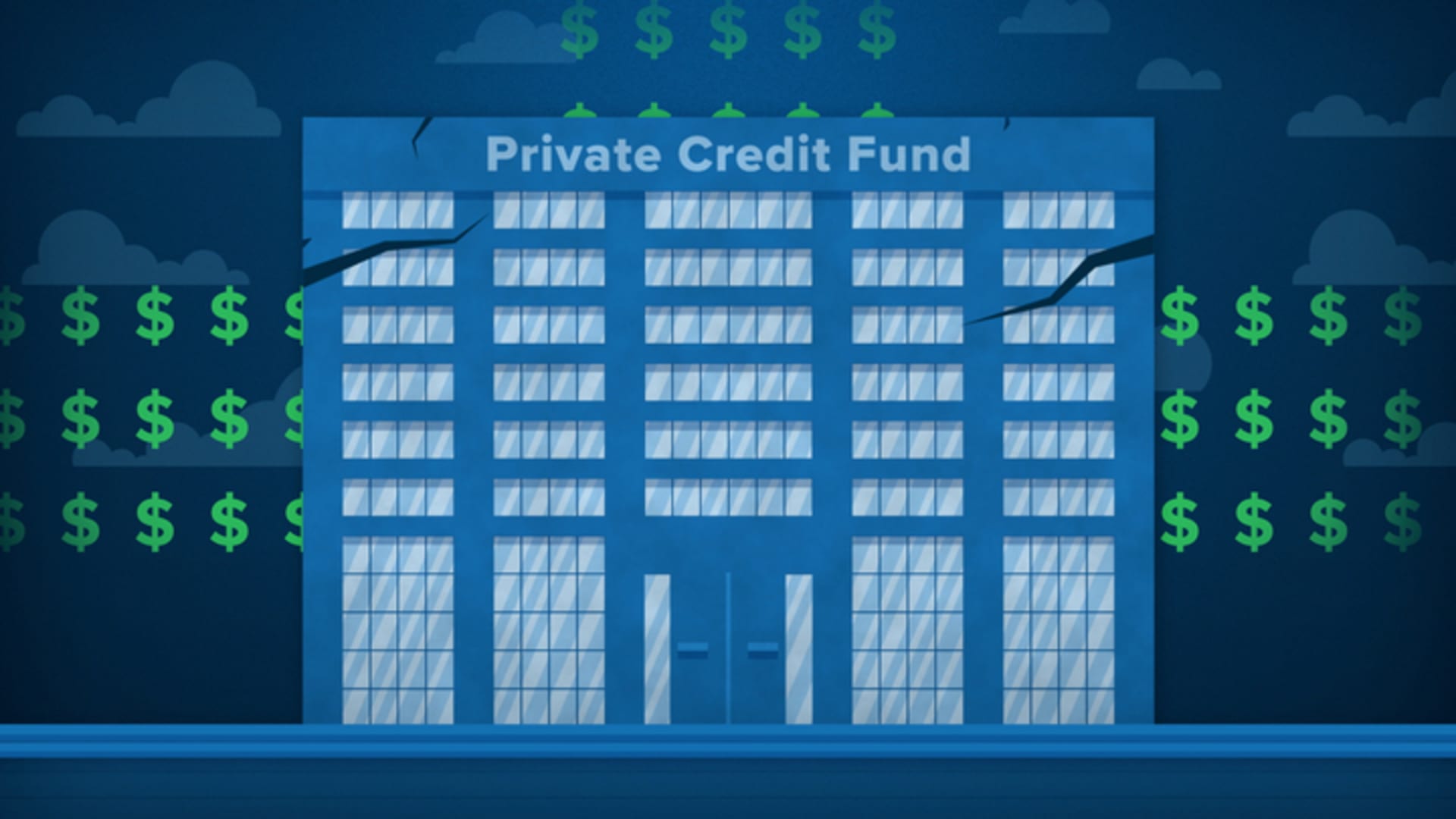
- Rising Default Rates: According to S&P, private credit defaults are expected to increase from 4.4% to 9-10%, primarily driven by the implications of the AI cycle, which may exacerbate risks associated with corporate loans and undermine investor confidence.
- Software Sector Pressure: The software industry accounts for 19% of private credit collateralized loan obligations, and as growth slows and margins compress, the repayment capacity of these loans is expected to be negatively impacted, adding to market uncertainty.
- Liquidity Crisis: With constrained liquidity, investors are beginning to attempt to withdraw funds, particularly with significant withdrawal requests anticipated in June, which could exert further pressure on the market and lead to more default events.
- Pension Fund Risks: While some large state pension funds continue to maintain investments in private credit, their significant risk exposure could have spillover effects on the broader financial markets, especially given that banks have loaned approximately $300 billion to private credit, potentially putting retail investors at risk.
See More

DTCC Selects Stellar for Tokenization of $114 Trillion in Assets

- Tokenization Initiative: The Depository Trust & Clearing Corporation (DTCC) plans to tokenize up to $114 trillion in assets by the first half of 2027, marking a significant advancement in blockchain adoption that could transform traditional financial market operations.
- Multi-Chain Strategy: DTCC's multi-chain strategy aims to connect tokenized stocks, ETFs, and Treasuries, indicating flexibility and foresight in blockchain technology applications, as Stellar is just one part of a broader initiative.
- Positive Market Reaction: Stellar's price surged over 35% within 24 hours of the announcement, reflecting market optimism regarding the collaboration between DTCC and Stellar, potentially signaling a revival in the crypto market.
- Broad Institutional Participation: Over 50 financial firms, including BlackRock, Circle, and Goldman Sachs, are involved in DTCC's tokenization efforts, demonstrating significant institutional recognition and support for blockchain technology, which further drives industry consolidation and development.
See More

CVC Capital Fully Divests Naturgy Stake Worth €4 Billion
- Stake Sale Size: CVC Capital has sold its entire 13.8% stake in Spanish energy company Naturgy through Goldman Sachs, valued at approximately €4 billion ($4.65 billion), indicating a cautious approach to market conditions.
- Market Reaction: This divestment follows BlackRock's sale of its remaining 11.4% stake in Naturgy for €2.79 billion in March, reflecting a trend of large investors gradually exiting the energy sector.
- Investment Strategy Shift: CVC's complete exit may suggest a reassessment of the energy market outlook, particularly in the context of the ongoing global energy transition, potentially impacting its future investment strategies.
- Industry Impact: The withdrawal of major shareholders could put pressure on Naturgy's stock price, prompting investors to monitor subsequent market developments and the company's strategic adjustments.
See More

Analysis of XLF ETF's 52-Week Price Fluctuations

- Price Range Analysis: The XLF ETF's 52-week low is $47.67 per share and the high is $56.515, with the last trade at $51.88, indicating stability and potential investment appeal in the current market environment.
- Technical Analysis Tool: Comparing the latest share price to the 200-day moving average provides valuable insights for investors, helping to assess market trends and potential buy or sell opportunities.
- ETF Unit Trading Mechanism: Exchange-traded funds (ETFs) trade similarly to stocks, where investors are buying and selling 'units' that can be created or destroyed based on investor demand, impacting liquidity and market performance.
- Inflows and Outflows Monitoring: Weekly monitoring of changes in shares outstanding helps identify ETFs experiencing notable inflows (new units created) or outflows (old units destroyed), allowing for assessment of their impact on underlying assets and market dynamics.
See More

BlackRock Limits Withdrawals from Private Credit Fund Amid Market Concerns

- Market Confidence Erosion: BlackRock and Blue Owl Capital's decisions to limit withdrawals from their private credit funds signal increasing concerns on Wall Street regarding the private credit market, which could lead to diminished investor confidence and negatively impact stock performance of related companies.
- JPMorgan's Risk Management: CEO Jamie Dimon asserts that while JPMorgan's $50 billion exposure to private credit is modest compared to its $800 billion market cap, it is crucial to monitor shifts in the credit cycle, as potential losses could affect the bank's overall financial health.
- Market Size Comparison: The private credit market, valued at approximately $1.8 trillion, is comparable to the high-yield bond and leveraged loan markets but significantly smaller than the $13 trillion mortgage and investment-grade bond markets, leading Dimon to conclude that private credit does not pose a systemic risk and that JPMorgan's exposure is relatively small.
- Investor Strategy Adjustment: For investors holding business development companies, closely monitoring developments in the private credit space is essential, as even minor shifts in sentiment could lead to significant stock price fluctuations, suggesting a prudent adjustment of exposure to mitigate risks.
See More
BlackRock Set to Go Ex-Dividend with Stable Growth
- Ex-Dividend Date Approaching: BlackRock will go ex-dividend on June 5, requiring investors to hold shares before this date to receive a dividend of $5.73 per share, ensuring shareholder rights to returns.
- Dividend Payment Overview: Over the past 12 months, BlackRock has paid a total of $22.92 per share, with a current stock price of $1,046.88, resulting in a dividend yield of approximately 2.2%, demonstrating the company's ability to provide stable returns.
- Earnings and Dividend Growth: BlackRock's earnings per share have grown at an annual rate of 4.6% over the last five years, while the average annual dividend growth rate over the past decade is 10%, indicating a commitment to rewarding shareholders alongside earnings growth.
- Dividend Sustainability Analysis: With a payout ratio of 53%, which is common in the industry, BlackRock shows a capacity to maintain dividend payments based on earnings, although future earnings sustainability remains a critical factor to monitor.
See More
Private Credit Defaults Expected to Rise to Record Levels
- Rising Default Rates: According to S&P, private credit defaults are expected to increase from 4.4% to 9-10%, primarily driven by the implications of the AI cycle, which may exacerbate risks associated with corporate loans and undermine investor confidence.
- Software Sector Pressure: The software industry accounts for 19% of private credit collateralized loan obligations, and as growth slows and margins compress, the repayment capacity of these loans is expected to be negatively impacted, adding to market uncertainty.
- Liquidity Crisis: With constrained liquidity, investors are beginning to attempt to withdraw funds, particularly with significant withdrawal requests anticipated in June, which could exert further pressure on the market and lead to more default events.
- Pension Fund Risks: While some large state pension funds continue to maintain investments in private credit, their significant risk exposure could have spillover effects on the broader financial markets, especially given that banks have loaned approximately $300 billion to private credit, potentially putting retail investors at risk.
See More
DTCC Selects Stellar for Tokenization of $114 Trillion in Assets
- Tokenization Initiative: The Depository Trust & Clearing Corporation (DTCC) plans to tokenize up to $114 trillion in assets by the first half of 2027, marking a significant advancement in blockchain adoption that could transform traditional financial market operations.
- Multi-Chain Strategy: DTCC's multi-chain strategy aims to connect tokenized stocks, ETFs, and Treasuries, indicating flexibility and foresight in blockchain technology applications, as Stellar is just one part of a broader initiative.
- Positive Market Reaction: Stellar's price surged over 35% within 24 hours of the announcement, reflecting market optimism regarding the collaboration between DTCC and Stellar, potentially signaling a revival in the crypto market.
- Broad Institutional Participation: Over 50 financial firms, including BlackRock, Circle, and Goldman Sachs, are involved in DTCC's tokenization efforts, demonstrating significant institutional recognition and support for blockchain technology, which further drives industry consolidation and development.
See More
CVC Capital Fully Divests Naturgy Stake Worth €4 Billion
- Stake Sale Size: CVC Capital has sold its entire 13.8% stake in Spanish energy company Naturgy through Goldman Sachs, valued at approximately €4 billion ($4.65 billion), indicating a cautious approach to market conditions.
- Market Reaction: This divestment follows BlackRock's sale of its remaining 11.4% stake in Naturgy for €2.79 billion in March, reflecting a trend of large investors gradually exiting the energy sector.
- Investment Strategy Shift: CVC's complete exit may suggest a reassessment of the energy market outlook, particularly in the context of the ongoing global energy transition, potentially impacting its future investment strategies.
- Industry Impact: The withdrawal of major shareholders could put pressure on Naturgy's stock price, prompting investors to monitor subsequent market developments and the company's strategic adjustments.
See More
Analysis of XLF ETF's 52-Week Price Fluctuations
- Price Range Analysis: The XLF ETF's 52-week low is $47.67 per share and the high is $56.515, with the last trade at $51.88, indicating stability and potential investment appeal in the current market environment.
- Technical Analysis Tool: Comparing the latest share price to the 200-day moving average provides valuable insights for investors, helping to assess market trends and potential buy or sell opportunities.
- ETF Unit Trading Mechanism: Exchange-traded funds (ETFs) trade similarly to stocks, where investors are buying and selling 'units' that can be created or destroyed based on investor demand, impacting liquidity and market performance.
- Inflows and Outflows Monitoring: Weekly monitoring of changes in shares outstanding helps identify ETFs experiencing notable inflows (new units created) or outflows (old units destroyed), allowing for assessment of their impact on underlying assets and market dynamics.
See More
BlackRock Limits Withdrawals from Private Credit Fund Amid Market Concerns
- Market Confidence Erosion: BlackRock and Blue Owl Capital's decisions to limit withdrawals from their private credit funds signal increasing concerns on Wall Street regarding the private credit market, which could lead to diminished investor confidence and negatively impact stock performance of related companies.
- JPMorgan's Risk Management: CEO Jamie Dimon asserts that while JPMorgan's $50 billion exposure to private credit is modest compared to its $800 billion market cap, it is crucial to monitor shifts in the credit cycle, as potential losses could affect the bank's overall financial health.
- Market Size Comparison: The private credit market, valued at approximately $1.8 trillion, is comparable to the high-yield bond and leveraged loan markets but significantly smaller than the $13 trillion mortgage and investment-grade bond markets, leading Dimon to conclude that private credit does not pose a systemic risk and that JPMorgan's exposure is relatively small.
- Investor Strategy Adjustment: For investors holding business development companies, closely monitoring developments in the private credit space is essential, as even minor shifts in sentiment could lead to significant stock price fluctuations, suggesting a prudent adjustment of exposure to mitigate risks.
See More