

US Revises License Review for Advanced Computing, Allowing Nvidia and AMD to Sell to China


New Export Regulations: The U.S. Department of Commerce has updated regulations for exporting certain semiconductors to China and Macau, changing the review process from a presumption of denial to a case-by-case evaluation.
Limitations on Shipments: The new policy restricts aggregate shipments of semiconductor products to China or Macau to 50% of the total products made for the U.S., requiring sellers to implement rigorous Know Your Customer (KYC) procedures.
Impact on Companies: The updated rules apply to Nvidia's H200 chips and similar products, while more advanced chips remain banned from export to China. Nvidia is also working on rolling out its next generation of chips expected to be significantly faster.
Market Reactions: Retail sentiment around Nvidia shares has been bullish, while AMD shares have seen significant gains, reflecting differing market perceptions and performance in the semiconductor industry over the past year.
Trade with 70% Backtested Accuracy
Analyst Views on SMH
About the author

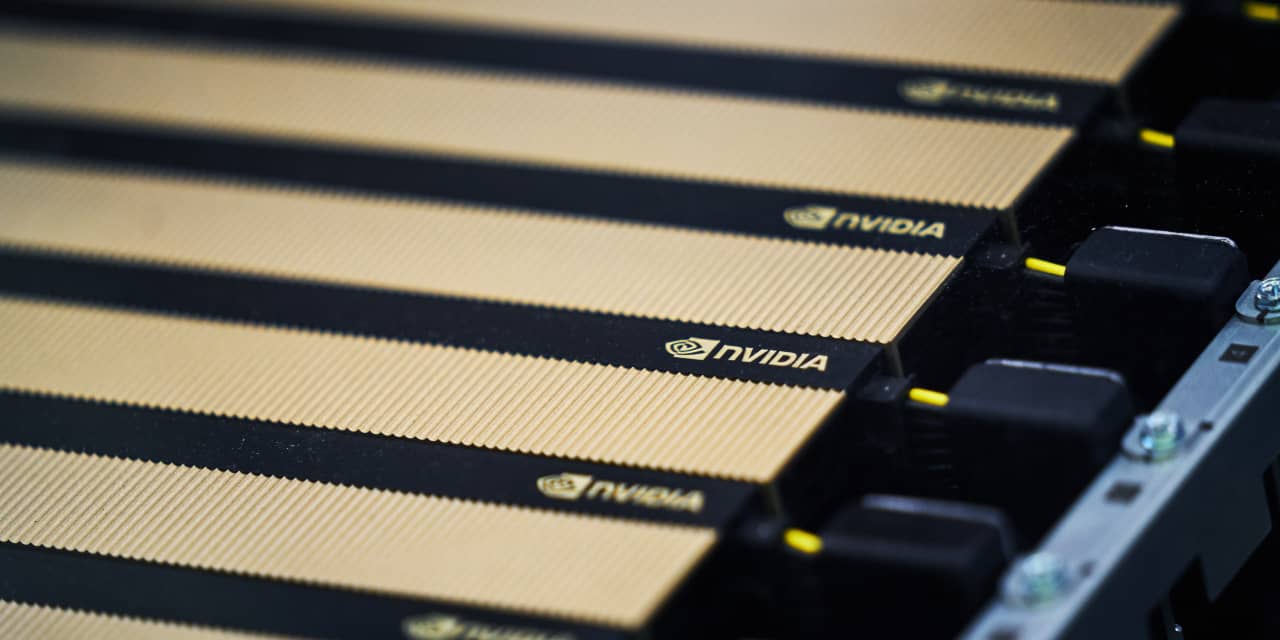
Nvidia Stock's Required Price Movement to Break Free from Its Stagnation


Nvidia Stock Performance: Nvidia's stock experienced a decline for most of Tuesday but managed to end the trading session with a slight increase.
Market Concerns: The fluctuations in Nvidia's stock were influenced by worries regarding the potential escalation of the Iran war.
Trading Range: Despite the slight uptick, Nvidia's stock remains within a nine-month trading range, indicating a lack of significant movement.
Investor Sentiment: The ongoing geopolitical tensions are contributing to uncertainty in the market, affecting investor sentiment towards Nvidia.
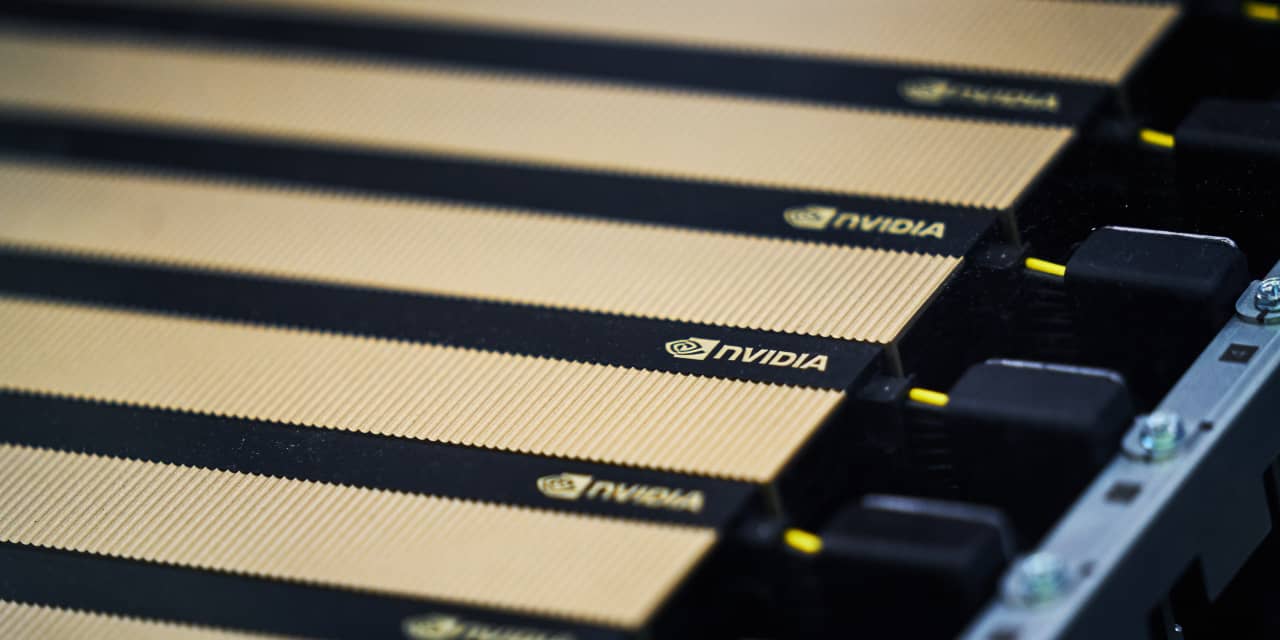
Nvidia Shares Decline Amid Escalating Conflict in Iran


- Nvidia Stock Performance: Nvidia's stock experienced a decline in premarket trading on Tuesday.
- Market Concerns: The drop in stock price is attributed to rising concerns regarding the potential escalation of the Iran war.
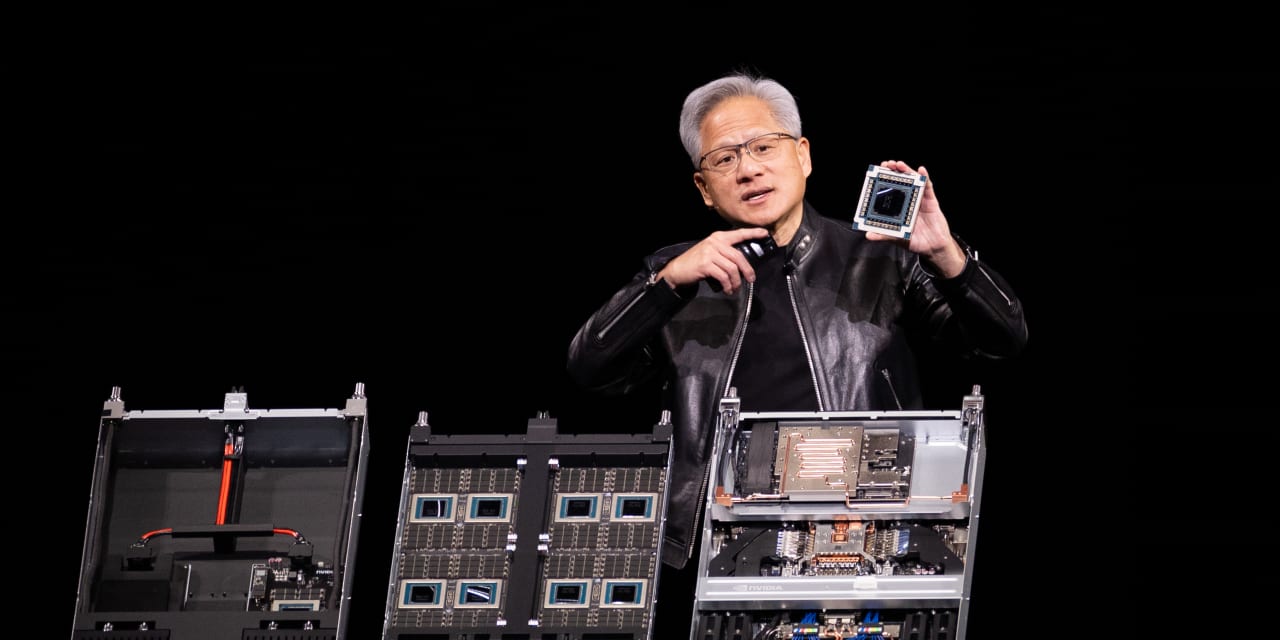
Semiconductor Stocks Are Slowing Down: Insights from Nvidia and Micron Charts.


- Semiconductor Stocks' Role: Semiconductor stocks have been crucial in supporting the technology sector, balancing out weaknesses in other areas.
- Potential Risks: A decline in semiconductor stock performance could jeopardize this support, increasing the risk of a broader market slowdown.
Intel Stock: Factors Behind Today's Share Price Increase

- Stock Performance: Intel's stock experienced a significant increase on Wednesday.
- Market Signals: Investors reacted positively to encouraging signals regarding pricing and demand for Intel's CPUs.

Technology Stocks Begin to Regain Impact: Insights from Alphabet and Micron Charts.

Market Sector Dynamics: A shift in market sector dynamics is occurring, with technology stocks leading the performance among the 11 major groups in the S&P 500 over the past week.
Tech Sector Performance: The technology sector is the only one showing a gain during this period, although it is a modest increase.
Recent Struggles: Despite the recent positive performance, the tech sector has struggled over the past three months, experiencing a decline of more than 5%.
Constructive Start: The recent gain in the tech sector is seen as a constructive start, indicating potential recovery after a challenging period.

Insights from Micron's Stock Chart on the Potential for a Tech Sector Recovery
Market Sector Dynamics: A shift in market sector dynamics may be occurring, with technology stocks showing signs of improvement.
Performance of Technology Stocks: The State Street Technology Select Sector SPDR Fund has been the best-performing sector in the S&P 500 over the past week, despite only a fractional gain.
Recent Struggles: Technology stocks have struggled over the past three months, experiencing a decline of more than 5%.
Positive Outlook: The recent performance of tech stocks is seen as a constructive start, indicating potential recovery after a challenging period.
Nvidia Stock's Required Price Movement to Break Free from Its Stagnation
Nvidia Stock Performance: Nvidia's stock experienced a decline for most of Tuesday but managed to end the trading session with a slight increase.
Market Concerns: The fluctuations in Nvidia's stock were influenced by worries regarding the potential escalation of the Iran war.
Trading Range: Despite the slight uptick, Nvidia's stock remains within a nine-month trading range, indicating a lack of significant movement.
Investor Sentiment: The ongoing geopolitical tensions are contributing to uncertainty in the market, affecting investor sentiment towards Nvidia.
Nvidia Shares Decline Amid Escalating Conflict in Iran
- Nvidia Stock Performance: Nvidia's stock experienced a decline in premarket trading on Tuesday.
- Market Concerns: The drop in stock price is attributed to rising concerns regarding the potential escalation of the Iran war.
Semiconductor Stocks Are Slowing Down: Insights from Nvidia and Micron Charts.
- Semiconductor Stocks' Role: Semiconductor stocks have been crucial in supporting the technology sector, balancing out weaknesses in other areas.
- Potential Risks: A decline in semiconductor stock performance could jeopardize this support, increasing the risk of a broader market slowdown.
Intel Stock: Factors Behind Today's Share Price Increase
- Stock Performance: Intel's stock experienced a significant increase on Wednesday.
- Market Signals: Investors reacted positively to encouraging signals regarding pricing and demand for Intel's CPUs.
Technology Stocks Begin to Regain Impact: Insights from Alphabet and Micron Charts.
Market Sector Dynamics: A shift in market sector dynamics is occurring, with technology stocks leading the performance among the 11 major groups in the S&P 500 over the past week.
Tech Sector Performance: The technology sector is the only one showing a gain during this period, although it is a modest increase.
Recent Struggles: Despite the recent positive performance, the tech sector has struggled over the past three months, experiencing a decline of more than 5%.
Constructive Start: The recent gain in the tech sector is seen as a constructive start, indicating potential recovery after a challenging period.
Insights from Micron's Stock Chart on the Potential for a Tech Sector Recovery
Market Sector Dynamics: A shift in market sector dynamics may be occurring, with technology stocks showing signs of improvement.
Performance of Technology Stocks: The State Street Technology Select Sector SPDR Fund has been the best-performing sector in the S&P 500 over the past week, despite only a fractional gain.
Recent Struggles: Technology stocks have struggled over the past three months, experiencing a decline of more than 5%.
Positive Outlook: The recent performance of tech stocks is seen as a constructive start, indicating potential recovery after a challenging period.





