U.S. Energy Secretary Predicts Decline in Oil and Gas Prices
Written by Emily J. Thompson, Senior Investment Analyst
Updated: Mar 08 2026
0mins


Source: CNBC
- Oil and Gas Price Outlook: U.S. Energy Secretary Chris Wright stated that oil and gas prices are expected to begin falling as the U.S. diminishes Iran's ability to disrupt tanker traffic in the Strait of Hormuz, despite current prices spiking to over $3.46 per gallon due to the ongoing war.
- Supply Chain Recovery: Wright noted that one large tanker has successfully passed through the Strait, indicating initial signs of supply chain recovery, with approximately 100 tankers and cargo ships typically transiting the strait daily, expected to normalize in the coming weeks.
- Market Reaction: U.S. crude oil prices have surged to over $91 per barrel, while global benchmark Brent crude has exceeded $92, reflecting the market's sensitivity to geopolitical risks and impacting investor confidence.
- Long-Term Outlook: Wright emphasized that while short-term supply disruptions are present, this will be a “small price to pay” to achieve a return to normal energy prices, fostering investment and free trade while reducing threats to energy supplies.
Trade with 70% Backtested Accuracy
Stop guessing "Should I Buy CVX?" and start using high-conviction signals backed by rigorous historical data.
Sign up today to access powerful investing tools and make smarter, data-driven decisions.
Analyst Views on CVX
Wall Street analysts forecast CVX stock price to fall
19 Analyst Rating
15 Buy
4 Hold
0 Sell
Strong Buy
Current: 187.550

Low
158.00
Averages
176.95
High
206.00
Current: 187.550
Low
158.00
Averages
176.95
High
206.00
About CVX
Chevron Corporation is an integrated energy company. The Company produces crude oil and natural gas; manufactures transportation fuels, lubricants, petrochemicals and additives; and develops technologies that enhance its business and industry. The Company’s segments include Upstream and Downstream. Upstream operations consist primarily of exploring for, developing, producing and transporting crude oil and natural gas; liquefaction, transportation and regasification associated with LNG; transporting crude oil by major international oil export pipelines; processing, transporting, storage and marketing of natural gas; carbon capture and storage; and a gas-to-liquids plant. Downstream operations consist primarily of the refining of crude oil into petroleum products; marketing crude oil, refined products, and lubricants; manufacturing and marketing of renewable fuels, and transporting of crude oil and refined products by pipeline, marine vessel, motor equipment and rail car.
About the author

Emily J. Thompson
Emily J. Thompson, a Chartered Financial Analyst (CFA) with 12 years in investment research, graduated with honors from the Wharton School. Specializing in industrial and technology stocks, she provides in-depth analysis for Intellectia’s earnings and market brief reports.
Chevron Applies for Argentina's Investment Incentive Program for $13.8B Oil Project

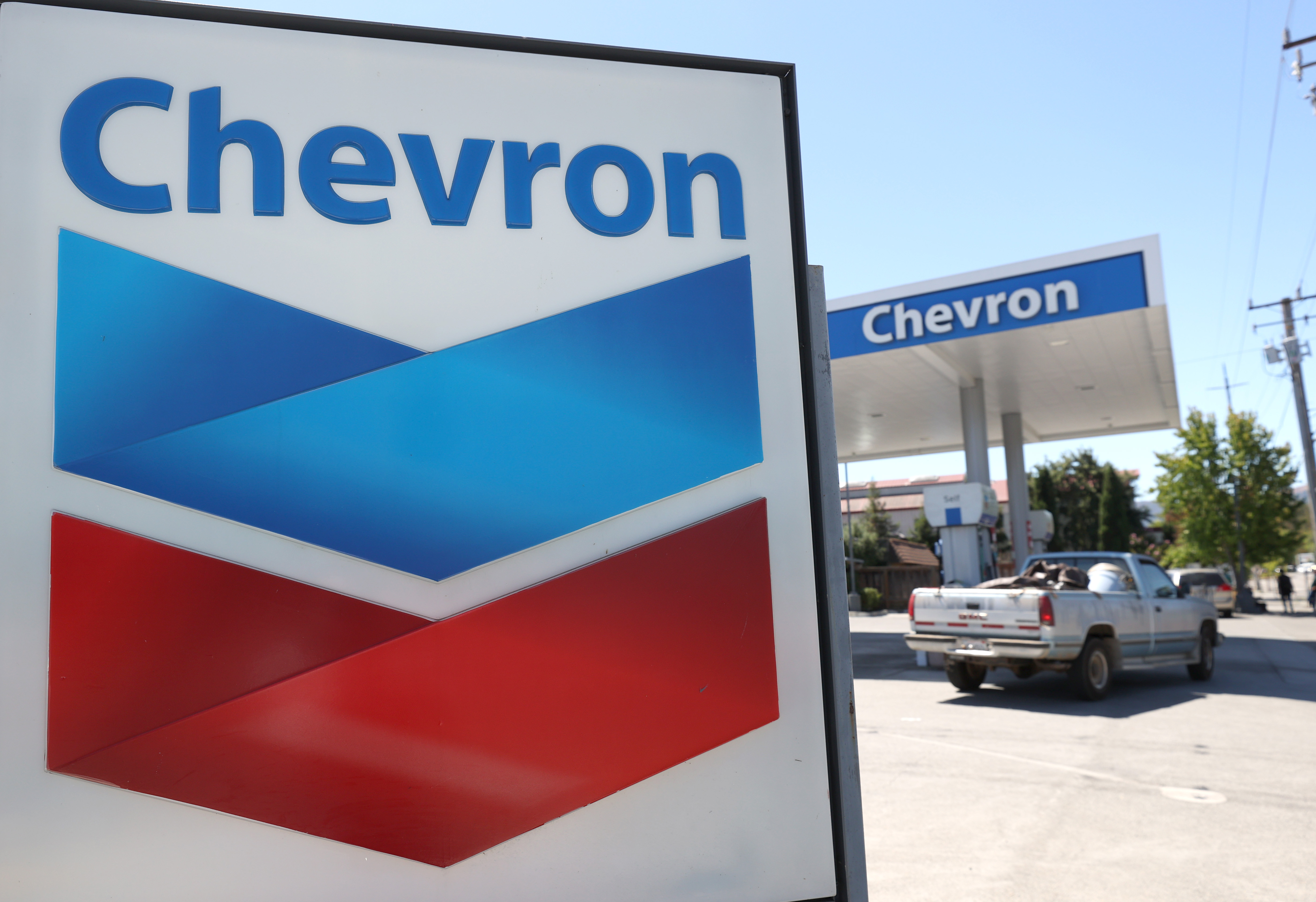
- Major Investment Initiative: Chevron has applied to join Argentina's investment incentive program, planning a $13.8 billion investment in the Vaca Muerta shale play, marking a significant bet on one of the world's largest shale oil and gas reserves, which is expected to provide crucial support for Argentina's economic revival.
- Policy Support Acknowledgment: Chevron commended the Argentine government for meaningful progress in unlocking world-class energy resources, emphasizing the importance of the RIGI framework in providing regulatory predictability and incentivizing long-term investment decisions, reflecting confidence in Argentina's energy sector.
- Foreign Investment Strategy: President Milei's investment incentive regime is viewed as a key tool to attract foreign capital into strategic sectors such as energy, mining, and infrastructure, which is expected to stimulate national economic growth and enhance investor confidence.
- Optimistic Industry Outlook: Chevron's investment is poised to not only drive local economic development but also potentially yield long-term returns for the company, especially against the backdrop of sustained global energy demand, further solidifying its position in the international market.
See More

Iran Conflict Triggers Oil Market Volatility

- Oil Price Volatility: Since the onset of the Iran conflict in late February, oil prices have experienced significant fluctuations, currently exceeding $96 per barrel, representing a 67% increase from early February's $62, highlighting the market's sensitivity to geopolitical uncertainties.
- Investment Opportunity Analysis: Companies like Northern Oil and Gas, which utilize a non-operator model by acquiring minority interests and mineral rights, attract investor interest as they limit capital expenditures while maintaining exposure to production economics without direct well operations.
- Industry Diversity: The oil and gas sector encompasses various sub-industries, including integrated operations, equipment and services, and storage and transportation, each with distinct risk and return profiles, necessitating careful evaluation by investors seeking suitable opportunities.
- Top Stock Performance: According to Seeking Alpha's Quant Ratings, integrated oil majors such as Exxon Mobil and Chevron stand out in the sector, benefiting from diversified operations and geographic exposure, making them focal points for investor attention.
See More
Oil Companies in Venezuela Required to Generate Their Own Power
- Power Self-Sufficiency Requirement: New regulations mandate that oil and gas companies in Venezuela must bring their own power generation facilities to mitigate frequent blackouts, aiming to alleviate the strain on the country's fragile electricity grid.
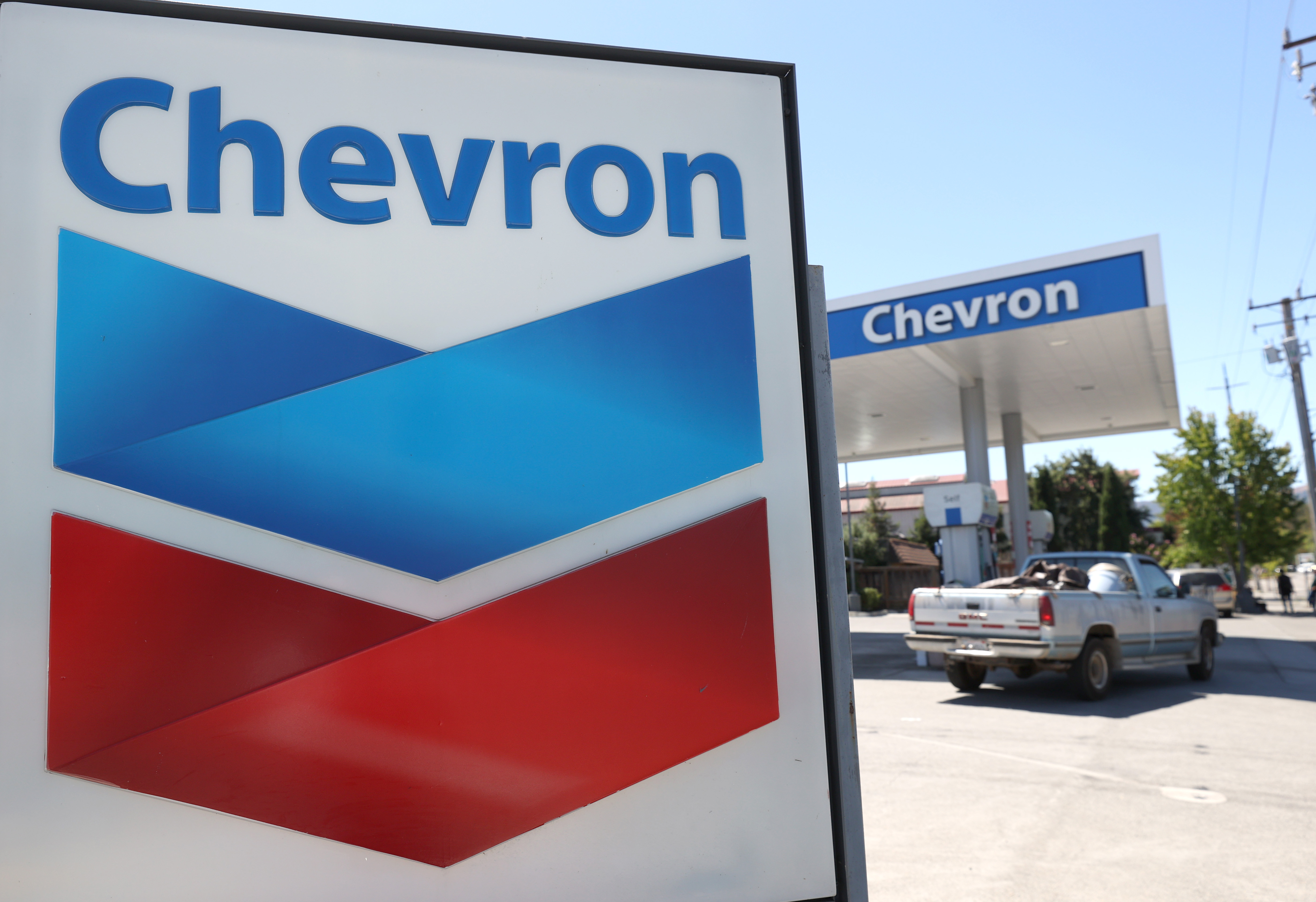
- Production Impact: An electricity failure on April 23 affected Chevron's (CVX) 827 wells in the Orinoco Belt, leading to a production decrease, with over 95% of the wells relying on the national grid for power.
- Current Power Supply Status: Venezuela's hydroelectric plants operate at only 60% capacity, while thermoelectric plants function at a mere 20%, indicating a severe power supply deficit that restricts the expansion of oil-related activities.
- Future Development Challenges: As the grid lacks the capacity to meet increasing demand, any expansion in oil activities hinges on self-generation, which could necessitate further cuts to public electricity supply, creating an impractical scenario.
See More

Middle East Conflict Drives Oil and Gas Prices Higher
- Oil Price Volatility: The breakdown of peace talks in the Middle East has pushed oil prices higher, increasing investor anxiety over supply shortages, which could lead to further price increases in the future.
- Fundamental Imbalance: Energy executives warn that current oil and gas prices do not reflect industry fundamentals, indicating that emotion-driven market fluctuations may expose investors to greater risks, especially when prices eventually decline.
- Diversified Investment Strategy: Investors are advised to focus on diversified energy companies like ExxonMobil and Chevron, which have operations across production, transportation, and refining, providing stable dividend yields amidst price volatility.
- Stability of Midstream Companies: Midstream firms like Enterprise Products Partners and Enbridge charge fees for energy transportation rather than relying on energy prices, allowing them to maintain high transaction volumes even during economic downturns, thus achieving consistent dividend growth suitable for income-seeking investors.
See More

Why Are Oil Prices Persistently Low?

- Iran Conflict Impact: Despite ongoing tensions between Iran and the U.S., market optimism regarding a resolution has kept oil prices below $100, indicating complex investor expectations that could lead to increased volatility in oil prices.
- Declining Chinese Demand: JPMorgan's analyst reported a surprising 9% drop in China's oil demand, equivalent to 1.5 million barrels per day, which may reduce global demand pressure and influence oil price trends.
- Global Supply Surplus: The world is experiencing an oversupply of oil, with Saudi Arabia and the UAE ramping up production, which is expected to further depress prices, especially as the U.S. Strategic Petroleum Reserve is being drawn down at a rate of 8-9 million barrels per week.
- Market Sentiment Shift: Market expectations for oil prices have turned pessimistic, with Trump suggesting that prices will drop sharply, potentially undermining investor confidence in oil companies and affecting their stock performance.
See More

Zacks Analyst Blog Stock Updates

- Chevron's Strong Performance: Chevron's stock has risen 25.6% over the past six months, slightly below the industry's 27.1% gain, benefiting from higher oil prices and quality assets from the Hess acquisition, with production growth guidance of 7%-10% enhancing cash flow and market competitiveness.
- Goldman's Robust Growth: Goldman Sachs shares have increased by 28.3% in the past six months, significantly outperforming the industry's 2.7% growth, with earnings exceeding estimates for four consecutive quarters, as management focuses on sustainable revenue streams and diversifies through private equity market expansion.
- Philip Morris's Successful Transition: Philip Morris's stock has gained 16% over the last six months, surpassing the tobacco industry's 11.8% growth, with Q1 net revenues up 9.1% year-over-year, driven by smoke-free products contributing 43% of total revenues, indicating strong growth potential in this segment.
- Optimistic Market Outlook: Zacks' stock-picking strategies have outperformed the S&P's average gain of 7.7% annually since 2000, with the latest recommendations of seven stocks expected to provide early price pop opportunities, reflecting Zacks' strong analytical capabilities and investment confidence.
See More
Chevron Applies for Argentina's Investment Incentive Program for $13.8B Oil Project
- Major Investment Initiative: Chevron has applied to join Argentina's investment incentive program, planning a $13.8 billion investment in the Vaca Muerta shale play, marking a significant bet on one of the world's largest shale oil and gas reserves, which is expected to provide crucial support for Argentina's economic revival.
- Policy Support Acknowledgment: Chevron commended the Argentine government for meaningful progress in unlocking world-class energy resources, emphasizing the importance of the RIGI framework in providing regulatory predictability and incentivizing long-term investment decisions, reflecting confidence in Argentina's energy sector.
- Foreign Investment Strategy: President Milei's investment incentive regime is viewed as a key tool to attract foreign capital into strategic sectors such as energy, mining, and infrastructure, which is expected to stimulate national economic growth and enhance investor confidence.
- Optimistic Industry Outlook: Chevron's investment is poised to not only drive local economic development but also potentially yield long-term returns for the company, especially against the backdrop of sustained global energy demand, further solidifying its position in the international market.
See More
Iran Conflict Triggers Oil Market Volatility
- Oil Price Volatility: Since the onset of the Iran conflict in late February, oil prices have experienced significant fluctuations, currently exceeding $96 per barrel, representing a 67% increase from early February's $62, highlighting the market's sensitivity to geopolitical uncertainties.
- Investment Opportunity Analysis: Companies like Northern Oil and Gas, which utilize a non-operator model by acquiring minority interests and mineral rights, attract investor interest as they limit capital expenditures while maintaining exposure to production economics without direct well operations.
- Industry Diversity: The oil and gas sector encompasses various sub-industries, including integrated operations, equipment and services, and storage and transportation, each with distinct risk and return profiles, necessitating careful evaluation by investors seeking suitable opportunities.
- Top Stock Performance: According to Seeking Alpha's Quant Ratings, integrated oil majors such as Exxon Mobil and Chevron stand out in the sector, benefiting from diversified operations and geographic exposure, making them focal points for investor attention.
See More
Oil Companies in Venezuela Required to Generate Their Own Power
- Power Self-Sufficiency Requirement: New regulations mandate that oil and gas companies in Venezuela must bring their own power generation facilities to mitigate frequent blackouts, aiming to alleviate the strain on the country's fragile electricity grid.
- Production Impact: An electricity failure on April 23 affected Chevron's (CVX) 827 wells in the Orinoco Belt, leading to a production decrease, with over 95% of the wells relying on the national grid for power.
- Current Power Supply Status: Venezuela's hydroelectric plants operate at only 60% capacity, while thermoelectric plants function at a mere 20%, indicating a severe power supply deficit that restricts the expansion of oil-related activities.
- Future Development Challenges: As the grid lacks the capacity to meet increasing demand, any expansion in oil activities hinges on self-generation, which could necessitate further cuts to public electricity supply, creating an impractical scenario.
See More
Middle East Conflict Drives Oil and Gas Prices Higher
- Oil Price Volatility: The breakdown of peace talks in the Middle East has pushed oil prices higher, increasing investor anxiety over supply shortages, which could lead to further price increases in the future.
- Fundamental Imbalance: Energy executives warn that current oil and gas prices do not reflect industry fundamentals, indicating that emotion-driven market fluctuations may expose investors to greater risks, especially when prices eventually decline.
- Diversified Investment Strategy: Investors are advised to focus on diversified energy companies like ExxonMobil and Chevron, which have operations across production, transportation, and refining, providing stable dividend yields amidst price volatility.
- Stability of Midstream Companies: Midstream firms like Enterprise Products Partners and Enbridge charge fees for energy transportation rather than relying on energy prices, allowing them to maintain high transaction volumes even during economic downturns, thus achieving consistent dividend growth suitable for income-seeking investors.
See More
Why Are Oil Prices Persistently Low?
- Iran Conflict Impact: Despite ongoing tensions between Iran and the U.S., market optimism regarding a resolution has kept oil prices below $100, indicating complex investor expectations that could lead to increased volatility in oil prices.
- Declining Chinese Demand: JPMorgan's analyst reported a surprising 9% drop in China's oil demand, equivalent to 1.5 million barrels per day, which may reduce global demand pressure and influence oil price trends.
- Global Supply Surplus: The world is experiencing an oversupply of oil, with Saudi Arabia and the UAE ramping up production, which is expected to further depress prices, especially as the U.S. Strategic Petroleum Reserve is being drawn down at a rate of 8-9 million barrels per week.
- Market Sentiment Shift: Market expectations for oil prices have turned pessimistic, with Trump suggesting that prices will drop sharply, potentially undermining investor confidence in oil companies and affecting their stock performance.
See More
Zacks Analyst Blog Stock Updates
- Chevron's Strong Performance: Chevron's stock has risen 25.6% over the past six months, slightly below the industry's 27.1% gain, benefiting from higher oil prices and quality assets from the Hess acquisition, with production growth guidance of 7%-10% enhancing cash flow and market competitiveness.
- Goldman's Robust Growth: Goldman Sachs shares have increased by 28.3% in the past six months, significantly outperforming the industry's 2.7% growth, with earnings exceeding estimates for four consecutive quarters, as management focuses on sustainable revenue streams and diversifies through private equity market expansion.
- Philip Morris's Successful Transition: Philip Morris's stock has gained 16% over the last six months, surpassing the tobacco industry's 11.8% growth, with Q1 net revenues up 9.1% year-over-year, driven by smoke-free products contributing 43% of total revenues, indicating strong growth potential in this segment.
- Optimistic Market Outlook: Zacks' stock-picking strategies have outperformed the S&P's average gain of 7.7% annually since 2000, with the latest recommendations of seven stocks expected to provide early price pop opportunities, reflecting Zacks' strong analytical capabilities and investment confidence.
See More