U.S. Bancorp Receives Overweight Rating with Price Target of $64.27
Written by Emily J. Thompson, Senior Investment Analyst
Updated: 1 hour ago
0mins
Should l Buy USB?
Source: Yahoo Finance
- Rating Upgrade: U.S. Bancorp has received an average rating upgrade to overweight, indicating analysts' optimistic outlook on its future performance, which may attract more investor attention.
- Price Target Set: The average price target set by analysts is $64.27, suggesting strong confidence in the stock's potential upside, which could drive upward price movements.
- Market Reaction: The upgrade in rating and price target may bolster investor confidence in U.S. Bancorp, enhancing its market performance and potentially increasing capital inflows.
- Investment Strategy Impact: With the improved rating, investors may reassess their portfolios and increase their holdings in U.S. Bancorp, thereby influencing overall market dynamics.
Trade with 70% Backtested Accuracy
Stop guessing "Should I Buy USB?" and start using high-conviction signals backed by rigorous historical data.
Sign up today to access powerful investing tools and make smarter, data-driven decisions.
Analyst Views on USB
Wall Street analysts forecast USB stock price to rise
20 Analyst Rating
12 Buy
7 Hold
1 Sell
Moderate Buy
Current: 51.300

Low
50.00
Averages
58.87
High
75.00
Current: 51.300
Low
50.00
Averages
58.87
High
75.00
About USB
U.S. Bancorp is a financial services holding company. Its segments are Wealth, Corporate, Commercial and Institutional Banking, Consumer and Business Banking, Payment Services, and Treasury and Corporate Support. It provides a full range of financial services, including lending and depository services, cash management, capital markets, and trust and investment management services. It also engages in credit card services, merchant and ATM processing, mortgage banking, insurance, brokerage and leasing. Its banking subsidiary, U.S. Bank National Association (USBNA), is engaged in the banking business, principally in domestic markets. USBNA provides a range of products and services to individuals, businesses, institutional organizations, governmental entities and other financial institutions. Its non-banking subsidiaries offer investment and insurance products to its customers principally within its domestic markets, and fund administration services to a range of mutual and other funds.
About the author

Emily J. Thompson
Emily J. Thompson, a Chartered Financial Analyst (CFA) with 12 years in investment research, graduated with honors from the Wharton School. Specializing in industrial and technology stocks, she provides in-depth analysis for Intellectia’s earnings and market brief reports.

U.S. Bancorp Receives Overweight Rating with Price Target of $64.27

- Rating Upgrade: U.S. Bancorp has received an average rating upgrade to overweight, indicating analysts' optimistic outlook on its future performance, which may attract more investor attention.
- Price Target Set: The average price target set by analysts is $64.27, suggesting strong confidence in the stock's potential upside, which could drive upward price movements.
- Market Reaction: The upgrade in rating and price target may bolster investor confidence in U.S. Bancorp, enhancing its market performance and potentially increasing capital inflows.
- Investment Strategy Impact: With the improved rating, investors may reassess their portfolios and increase their holdings in U.S. Bancorp, thereby influencing overall market dynamics.
See More

Surge in India's Gold Loan Market Driven by Households' $5 Trillion Reserves
- Gold Loan Surge: Indian households possess over 34,000 tons of gold valued at approximately $5 trillion, driving rapid growth in the gold loan industry, which is becoming a significant part of the retail credit market.
- Doubling Loan Volume: RBI data shows gold loans more than doubled in one year to 4 trillion rupees ($43.3 billion), making it the largest retail loan segment after home and vehicle loans.
- International Investor Interest: Global private equity firm Bain Capital plans to acquire a 41.7% stake in Manappuram Finance, indicating strong confidence and market potential in India's traditional assets from international investors.
- Credit Accessibility: Most non-banking financial companies (NBFCs) can disburse loans within an hour of customer arrival, allowing even borrowers with poor credit scores to access loans at better rates, reflecting the maturity of the financial market.
See More

Banking Veteran Wally Mlynarski Returns as CEO of Elavon
- Leadership Change: Wally Mlynarski has been appointed CEO of Elavon, previously leading merchant services at Bank of America, and his extensive industry experience is expected to drive the company's continued growth in payment solutions.
- Tech-Driven Innovation: Mlynarski emphasizes Elavon's commitment to delivering innovative solutions in a rapidly evolving payment landscape, which is anticipated to enhance customer service and business growth through advanced payment technologies.
- Market Leadership: Elavon processes over $576 billion in transactions annually, serving as a global payments leader with clients that include eight of the top ten global airlines and seven of the largest U.S. hotel brands, showcasing its strong market influence.
- Strategic Vision: Mlynarski's return not only strengthens Elavon's leadership but also aims to propel the company’s innovative payment solutions across various sectors, including airlines, hospitality, healthcare, and retail, further solidifying its market position.
See More
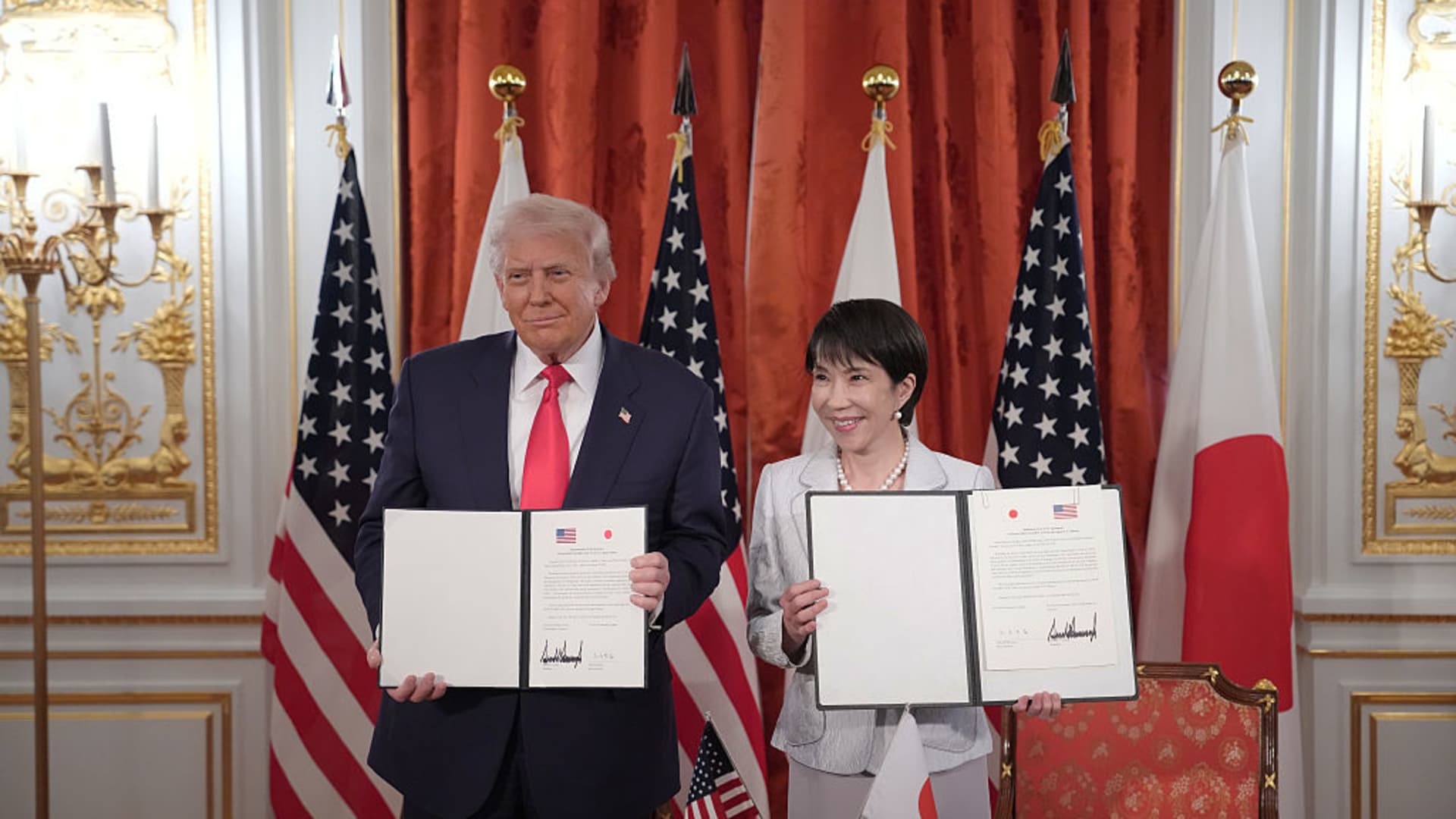
Japan and US Sign Critical Minerals Agreement

- Investment Plans Advance: Japan is set to announce a second round of investments in the U.S. totaling 11 trillion yen (approximately $69.2 billion), which includes the construction of next-generation nuclear reactors and natural gas power plants, aiming to further solidify economic ties and enhance Japan's influence in the global energy market.
- Security Cooperation Discussions: During the meeting with Trump, while the Iran conflict will dominate the agenda, Prime Minister Takaichi will reaffirm the importance of the Japan-U.S. alliance, indicating Japan's commitment to maintaining security in the Indo-Pacific region despite domestic opposition to military involvement.
- Tariff Negotiation Outcomes: If Takaichi can secure assurances that Japan will not face higher tariffs under Trump's implemented mechanisms, it would be seen as a significant victory, helping to protect Japanese exports and strengthen its negotiating position with the U.S.
- Political Capital Considerations: Takaichi must carefully navigate domestic and international pressures when considering the deployment of Japanese Self-Defense Forces to the Middle East, ensuring that she does not jeopardize her political capital while seeking flexibility in diplomatic and logistical support to safeguard national interests.
See More
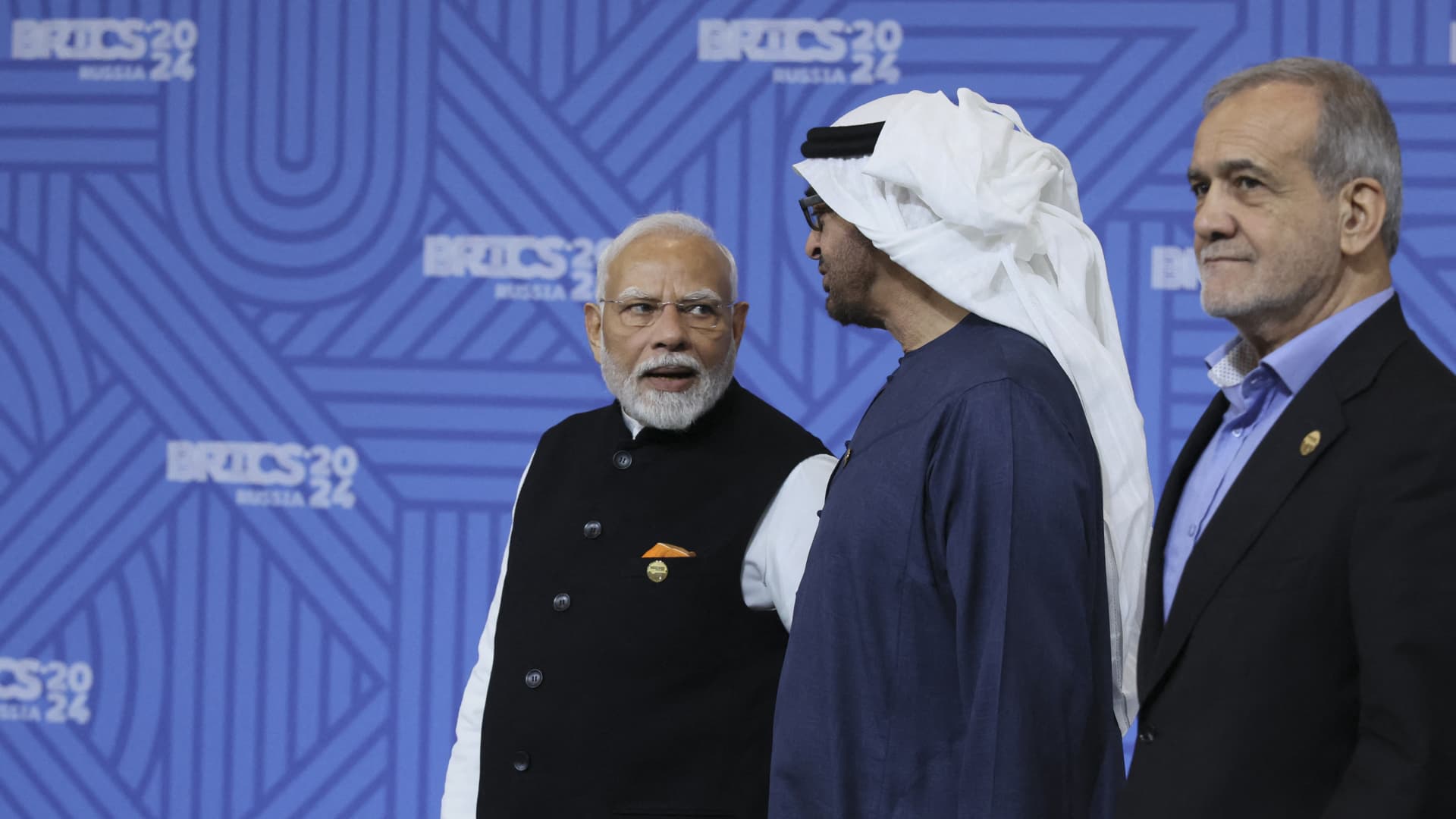
India-Iran Relations Strain Amid U.S. Alignment

- Energy Supply Crisis: As the world's third-largest oil importer, India faces rising energy costs and panic buying due to the closure of the Strait of Hormuz, which significantly threatens its energy security.
- Diplomatic Tensions: India's Foreign Minister stated that the recent transit of two Indian vessels through the Strait does not signify a blanket agreement with Iran, highlighting a lack of trust between the two nations.
- Increased International Pressure: During the BRICS summit hosted by India, Iran urged member states to condemn U.S.-Israeli attacks, placing New Delhi in a diplomatic bind and revealing its awkward position in the U.S.-Israel relationship.
- Reduced Investment: India has cut funding for the Chabahar Port project in Iran due to the U.S. not extending sanctions waivers, further undermining economic cooperation between the two countries.
See More
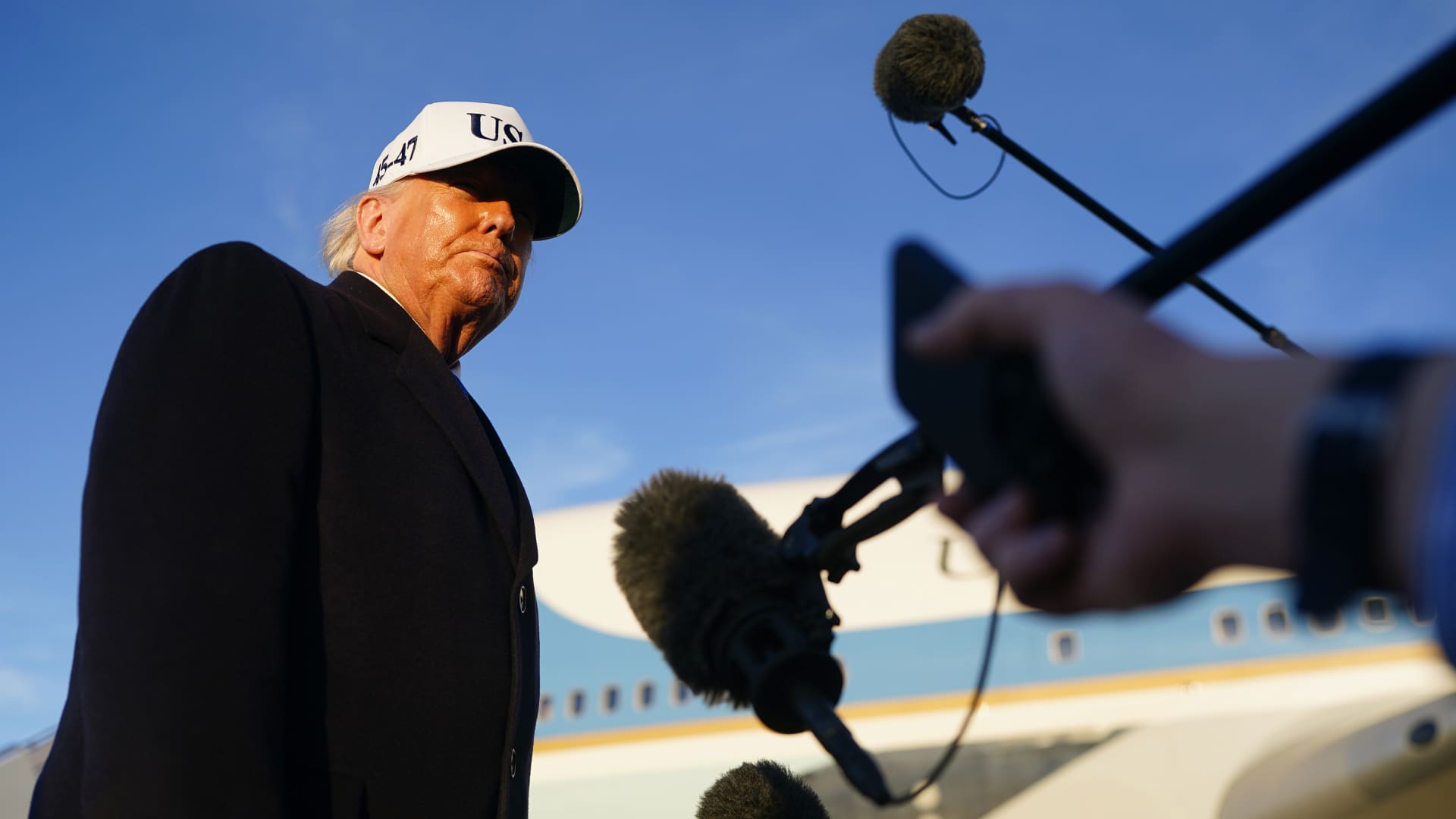
Trump Pressures Allies to Reopen Strait of Hormuz


- Increased Military Pressure: Trump stated in an interview that NATO faces a 'very bad' future if allies do not respond to his call for military assets to help reopen the Strait of Hormuz, indicating a hardline U.S. stance that could escalate regional tensions.
- Call to China: Trump threatened to delay his meeting with Chinese President Xi Jinping, urging China and other nations to participate in a joint effort to ensure safe passage for tankers, a strategy aimed at alleviating tensions in the Strait, though mixed responses could affect international relations.
- Oil Price Volatility: Trump's threats to strike Iran's Kharg Island oil infrastructure have pushed U.S. crude futures above $100 a barrel again, with such price fluctuations likely to negatively impact the global economy, particularly by increasing inflationary pressures.
- Global Economic Impact: Goldman Sachs estimates that the surge in energy prices due to the war in Iran could reduce global GDP by about 0.3% over the next year while pushing headline inflation higher by approximately 0.5% to 0.6%, which will have profound implications for economic policies and market stability worldwide.
See More
U.S. Bancorp Receives Overweight Rating with Price Target of $64.27
- Rating Upgrade: U.S. Bancorp has received an average rating upgrade to overweight, indicating analysts' optimistic outlook on its future performance, which may attract more investor attention.
- Price Target Set: The average price target set by analysts is $64.27, suggesting strong confidence in the stock's potential upside, which could drive upward price movements.
- Market Reaction: The upgrade in rating and price target may bolster investor confidence in U.S. Bancorp, enhancing its market performance and potentially increasing capital inflows.
- Investment Strategy Impact: With the improved rating, investors may reassess their portfolios and increase their holdings in U.S. Bancorp, thereby influencing overall market dynamics.
See More
Surge in India's Gold Loan Market Driven by Households' $5 Trillion Reserves
- Gold Loan Surge: Indian households possess over 34,000 tons of gold valued at approximately $5 trillion, driving rapid growth in the gold loan industry, which is becoming a significant part of the retail credit market.
- Doubling Loan Volume: RBI data shows gold loans more than doubled in one year to 4 trillion rupees ($43.3 billion), making it the largest retail loan segment after home and vehicle loans.
- International Investor Interest: Global private equity firm Bain Capital plans to acquire a 41.7% stake in Manappuram Finance, indicating strong confidence and market potential in India's traditional assets from international investors.
- Credit Accessibility: Most non-banking financial companies (NBFCs) can disburse loans within an hour of customer arrival, allowing even borrowers with poor credit scores to access loans at better rates, reflecting the maturity of the financial market.
See More
Banking Veteran Wally Mlynarski Returns as CEO of Elavon
- Leadership Change: Wally Mlynarski has been appointed CEO of Elavon, previously leading merchant services at Bank of America, and his extensive industry experience is expected to drive the company's continued growth in payment solutions.
- Tech-Driven Innovation: Mlynarski emphasizes Elavon's commitment to delivering innovative solutions in a rapidly evolving payment landscape, which is anticipated to enhance customer service and business growth through advanced payment technologies.
- Market Leadership: Elavon processes over $576 billion in transactions annually, serving as a global payments leader with clients that include eight of the top ten global airlines and seven of the largest U.S. hotel brands, showcasing its strong market influence.
- Strategic Vision: Mlynarski's return not only strengthens Elavon's leadership but also aims to propel the company’s innovative payment solutions across various sectors, including airlines, hospitality, healthcare, and retail, further solidifying its market position.
See More
Japan and US Sign Critical Minerals Agreement
- Investment Plans Advance: Japan is set to announce a second round of investments in the U.S. totaling 11 trillion yen (approximately $69.2 billion), which includes the construction of next-generation nuclear reactors and natural gas power plants, aiming to further solidify economic ties and enhance Japan's influence in the global energy market.
- Security Cooperation Discussions: During the meeting with Trump, while the Iran conflict will dominate the agenda, Prime Minister Takaichi will reaffirm the importance of the Japan-U.S. alliance, indicating Japan's commitment to maintaining security in the Indo-Pacific region despite domestic opposition to military involvement.
- Tariff Negotiation Outcomes: If Takaichi can secure assurances that Japan will not face higher tariffs under Trump's implemented mechanisms, it would be seen as a significant victory, helping to protect Japanese exports and strengthen its negotiating position with the U.S.
- Political Capital Considerations: Takaichi must carefully navigate domestic and international pressures when considering the deployment of Japanese Self-Defense Forces to the Middle East, ensuring that she does not jeopardize her political capital while seeking flexibility in diplomatic and logistical support to safeguard national interests.
See More
India-Iran Relations Strain Amid U.S. Alignment
- Energy Supply Crisis: As the world's third-largest oil importer, India faces rising energy costs and panic buying due to the closure of the Strait of Hormuz, which significantly threatens its energy security.
- Diplomatic Tensions: India's Foreign Minister stated that the recent transit of two Indian vessels through the Strait does not signify a blanket agreement with Iran, highlighting a lack of trust between the two nations.
- Increased International Pressure: During the BRICS summit hosted by India, Iran urged member states to condemn U.S.-Israeli attacks, placing New Delhi in a diplomatic bind and revealing its awkward position in the U.S.-Israel relationship.
- Reduced Investment: India has cut funding for the Chabahar Port project in Iran due to the U.S. not extending sanctions waivers, further undermining economic cooperation between the two countries.
See More
Trump Pressures Allies to Reopen Strait of Hormuz
- Increased Military Pressure: Trump stated in an interview that NATO faces a 'very bad' future if allies do not respond to his call for military assets to help reopen the Strait of Hormuz, indicating a hardline U.S. stance that could escalate regional tensions.
- Call to China: Trump threatened to delay his meeting with Chinese President Xi Jinping, urging China and other nations to participate in a joint effort to ensure safe passage for tankers, a strategy aimed at alleviating tensions in the Strait, though mixed responses could affect international relations.
- Oil Price Volatility: Trump's threats to strike Iran's Kharg Island oil infrastructure have pushed U.S. crude futures above $100 a barrel again, with such price fluctuations likely to negatively impact the global economy, particularly by increasing inflationary pressures.
- Global Economic Impact: Goldman Sachs estimates that the surge in energy prices due to the war in Iran could reduce global GDP by about 0.3% over the next year while pushing headline inflation higher by approximately 0.5% to 0.6%, which will have profound implications for economic policies and market stability worldwide.
See More