U.S. Allows Iranian Tankers Through Strait of Hormuz
Written by Emily J. Thompson, Senior Investment Analyst
Updated: 1 hour ago
0mins
Source: CNBC
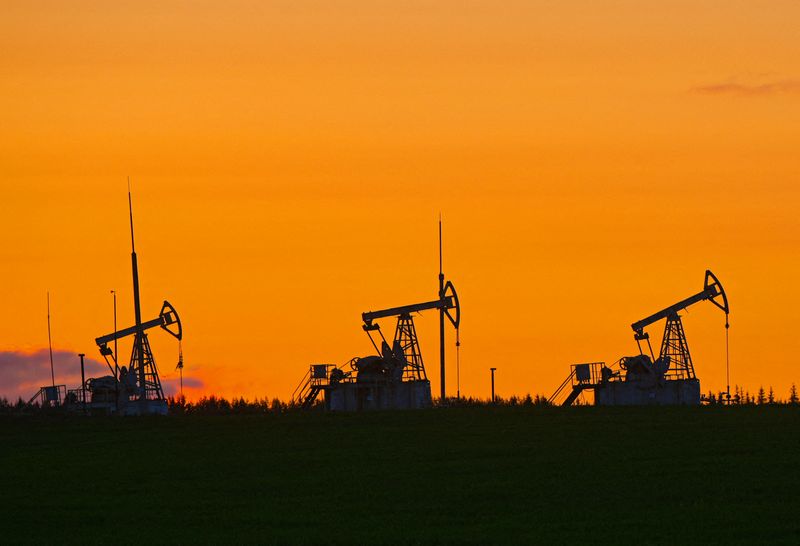
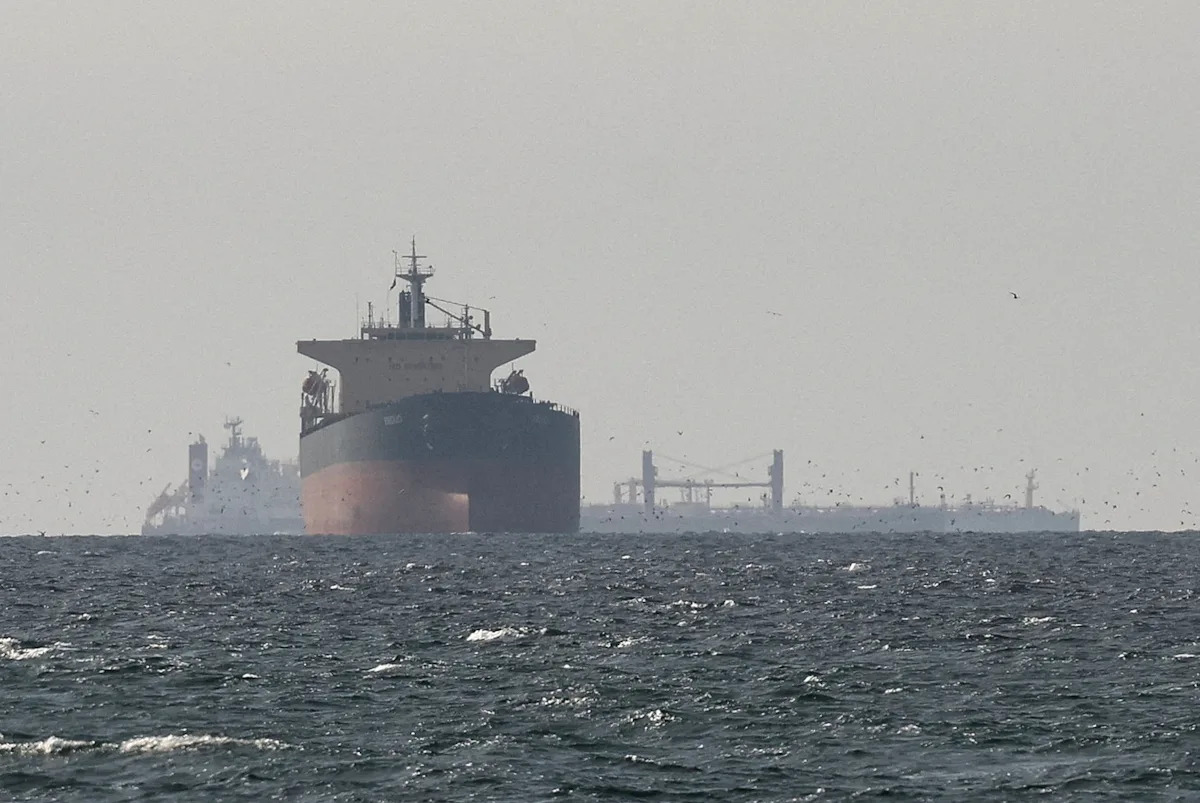
- Tanker Transit Policy: Treasury Secretary Scott Bessent stated that Iranian tankers are allowed to transit the Strait of Hormuz, indicating the U.S. aims to ensure global oil supply despite the significant U.S. Navy presence in the region.
- Iranian Oil Exports: Despite a decline in tanker traffic due to Iranian attacks on commercial vessels, Iran continues to export approximately 1.5 million barrels of oil per day, underscoring its critical role in the global market.
- Oil Price Fluctuations: Oil prices have surged about 40% since the U.S. and Israel attacked Iran, with Brent crude hovering around $102 per barrel on Monday, reflecting the significant impact of the conflict on global oil supplies.
- Market Intervention Rumors: Bessent dismissed rumors regarding potential U.S. intervention in oil futures trading, emphasizing that the government has not taken such actions, indicating that the market will continue to operate independently.
Trade with 70% Backtested Accuracy
Stop guessing "Should I Buy BP?" and start using high-conviction signals backed by rigorous historical data.
Sign up today to access powerful investing tools and make smarter, data-driven decisions.
Analyst Views on BP
Wall Street analysts forecast BP stock price to rise
11 Analyst Rating
5 Buy
5 Hold
1 Sell
Moderate Buy
Current: 42.670

Low
6.38
Averages
84.26
High
503.69
Current: 42.670
Low
6.38
Averages
84.26
High
503.69
About BP
BP p.l.c. is a United Kingdom-based integrated energy company. The Company's segments include Gas & low carbon energy, Oil production & operations, Customers & products, and Other businesses & corporate. Its gas business includes regions with upstream activities that produce natural gas, integrated gas and power, and gas trading. Its low carbon business includes solar, offshore and onshore wind, hydrogen and carbon capture and storage and power trading. Oil production & operations segment comprises regions with upstream activities that predominantly produce crude oil, including bpx energy. Customers & products segment comprises its customer-focused businesses, which include convenience and retail fuels, electric vehicle charging, as well as Castrol, aviation and business to business and midstream. It also includes its products businesses, refining and oil trading, as well as its bioenergy businesses. Other businesses & corporate segment comprises technology and bp ventures.
About the author

Emily J. Thompson
Emily J. Thompson, a Chartered Financial Analyst (CFA) with 12 years in investment research, graduated with honors from the Wharton School. Specializing in industrial and technology stocks, she provides in-depth analysis for Intellectia’s earnings and market brief reports.
BP Receives Approval to Advance Kaskida Project in Gulf of Mexico
- Project Approval: BP has received approval from the Trump administration to advance the Kaskida project, marking the company's first new field development in the Gulf of Mexico since the 2010 Deepwater Horizon disaster, indicating a significant return to deepwater oil and gas operations.
- Production Timeline: The Kaskida project is scheduled to commence crude production in 2029, with the initial phase expected to yield approximately 275 million barrels of oil equivalent from a section of the seafloor, highlighting the project's substantial potential.
- Environmental Concerns: Despite objections from environmental groups warning of another potential Deepwater Horizon-like catastrophe, the U.S. Department of the Interior approved BP's development plan after a year-long review, reflecting the complex balance between energy development and environmental protection.
- Technological Advancements: The Kaskida project showcases decades of technological innovation by BP and the offshore oil and gas industry, demonstrating the company's enhanced capabilities in managing high-pressure and challenging geological conditions, which have previously hindered the field's development.
See More
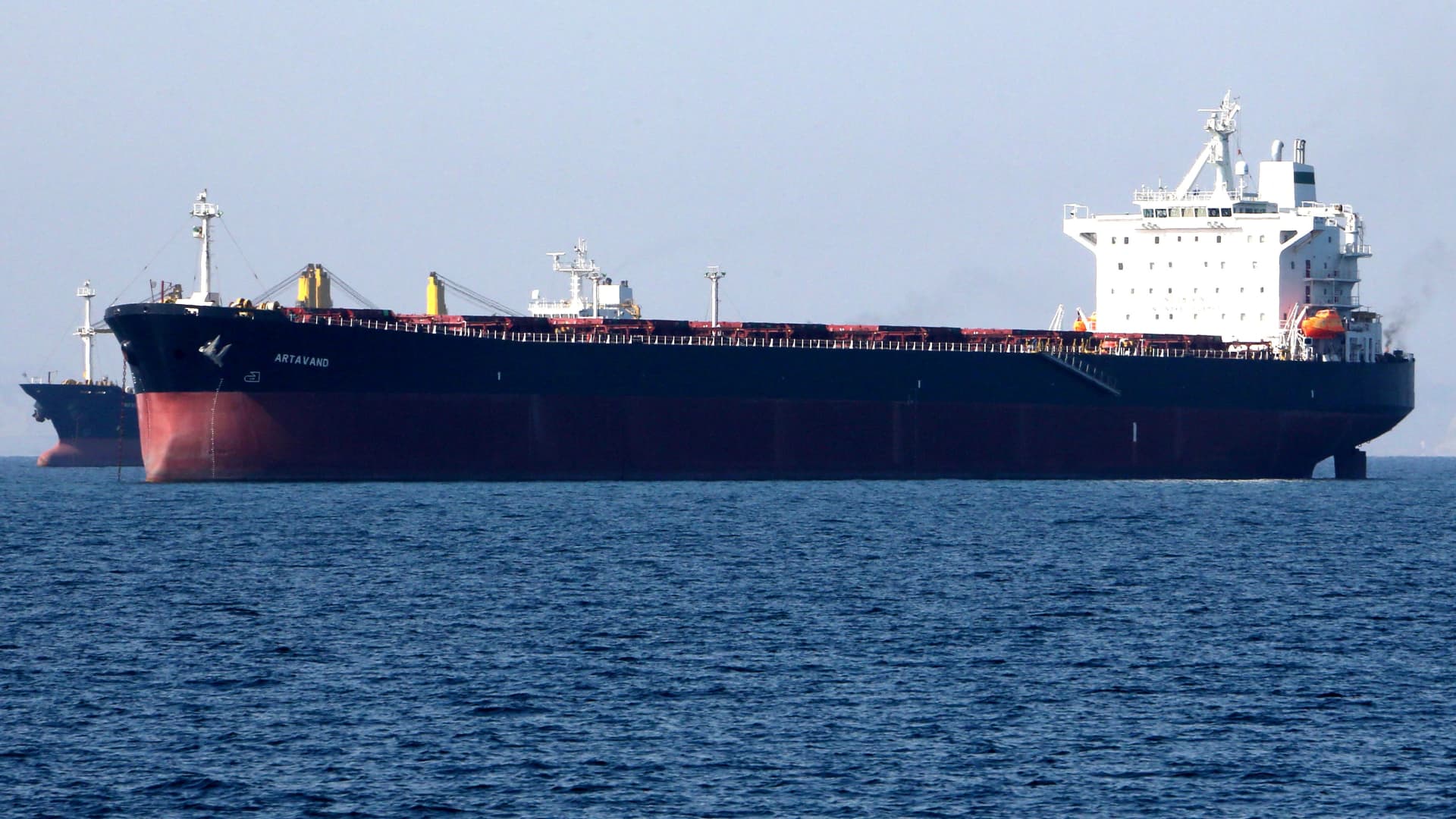
U.S. Allows Iranian Tankers Through Strait of Hormuz

- Tanker Transit Policy: Treasury Secretary Scott Bessent stated that Iranian tankers are allowed to transit the Strait of Hormuz, indicating the U.S. aims to ensure global oil supply despite the significant U.S. Navy presence in the region.
- Iranian Oil Exports: Despite a decline in tanker traffic due to Iranian attacks on commercial vessels, Iran continues to export approximately 1.5 million barrels of oil per day, underscoring its critical role in the global market.
- Oil Price Fluctuations: Oil prices have surged about 40% since the U.S. and Israel attacked Iran, with Brent crude hovering around $102 per barrel on Monday, reflecting the significant impact of the conflict on global oil supplies.
- Market Intervention Rumors: Bessent dismissed rumors regarding potential U.S. intervention in oil futures trading, emphasizing that the government has not taken such actions, indicating that the market will continue to operate independently.
See More
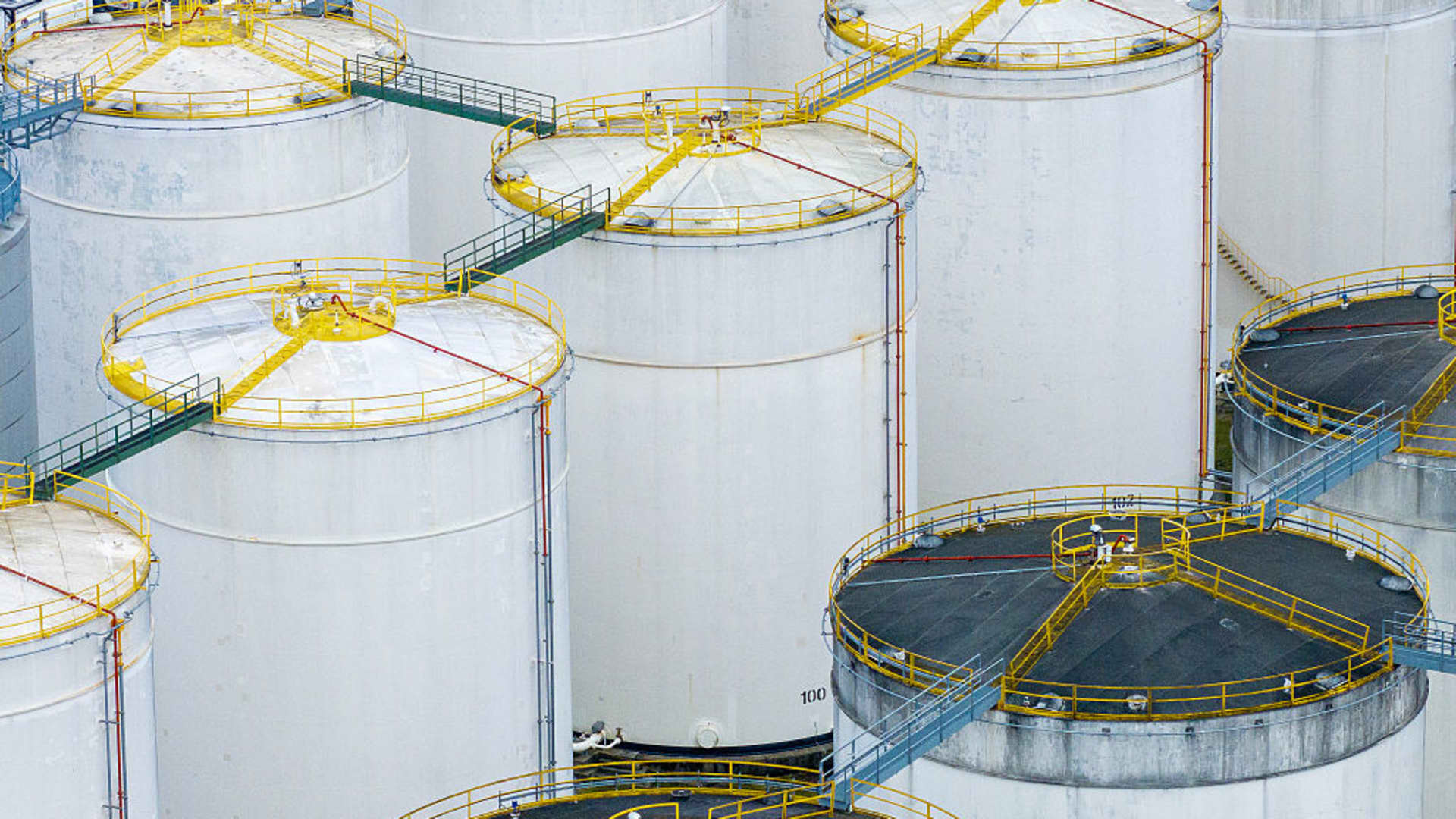
Middle East Crisis Could Push Oil Prices to $200


- Oil Price Forecast: Analysts suggest that oil prices could rise to $200 per barrel as the Middle East crisis continues, particularly with Iran's ongoing blockade of the Strait of Hormuz, where approximately 20% of global oil and gas transit, effectively halting shipping traffic.
- Market Reaction: The Brent crude benchmark has reached $150 per barrel, with analyst Greg Newman noting that the current supply shock could lead to further price increases, as Brent crude futures have surged over 50% in the past month, hitting their highest levels since 2022.
- Economic Impact: The global economy faces serious risks, with Longview Economics' chief market strategist Chris Watling warning that if supply shortages persist, oil prices could soar to $200 or even $250, significantly damaging the global economy and necessitating rapid adjustments to investment risk positions.
- Short-term vs Mid-term Outlook: While some analysts believe the energy market was well-supplied before the conflict, UBS expects Brent crude prices to reach $90 by the end of June, while Goldman Sachs predicts an average price above $100 this month, despite potential for major price spikes in the coming weeks.
See More
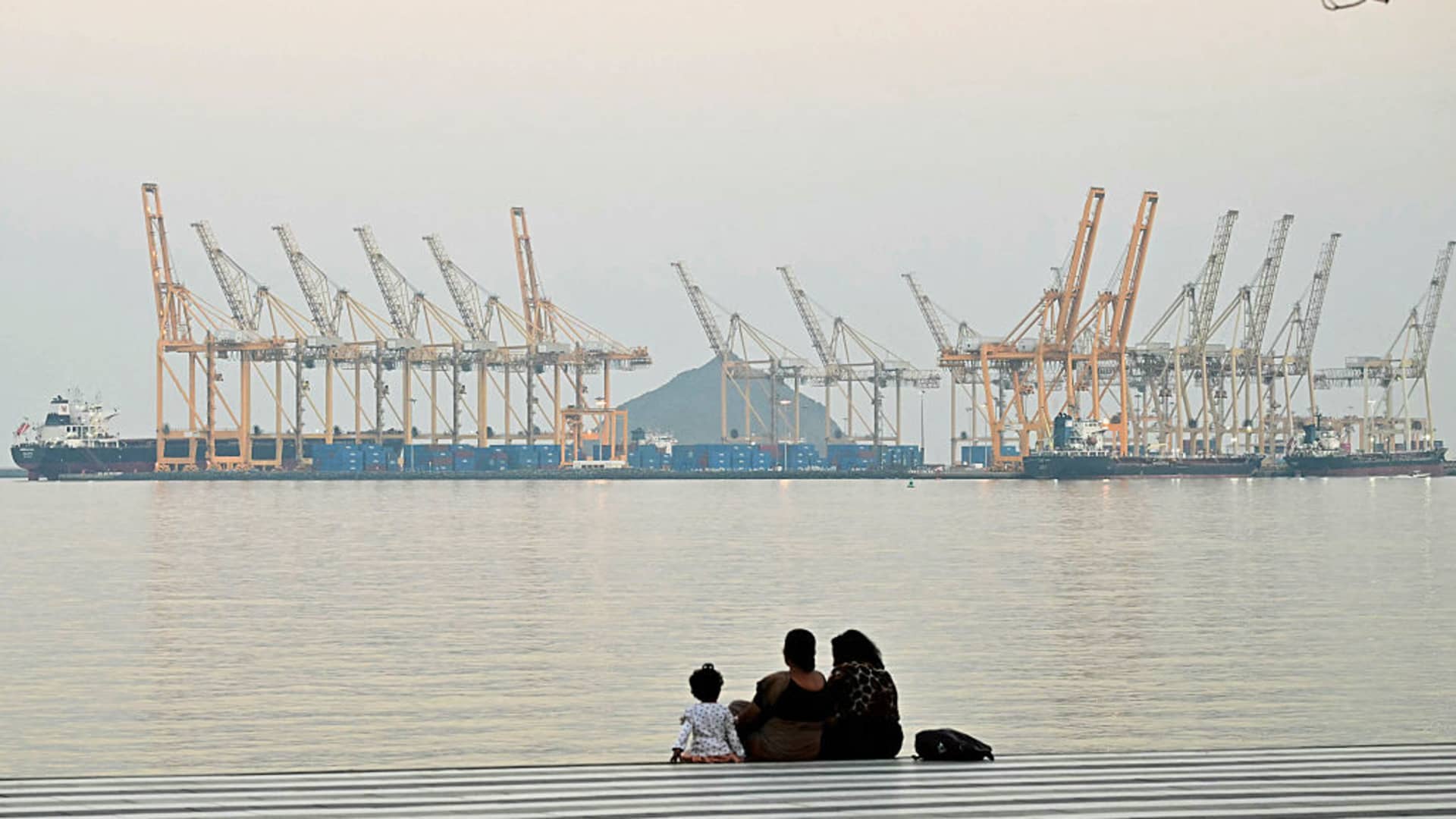
Drone Attack Disrupts UAE's Fujairah Oil Hub Operations

- Drone Attack Incident: A drone attack at the UAE's Fujairah oil hub triggered a large fire, with no injuries reported; however, oil loading operations have been suspended, highlighting the region's vulnerability amid the ongoing Middle East crisis.
- Oil Price Surge: International benchmark Brent crude futures rose by 3% to $106.18 per barrel, while U.S. West Texas Intermediate futures increased by 2% to $100.66 per barrel, reflecting market concerns over supply disruptions due to the attack.
- Shipping Traffic Disruption: Shipping traffic through the strategically vital Strait of Hormuz has virtually halted following U.S. and Israeli strikes against Iran, emphasizing Fujairah's critical role in global energy supply chains and its strategic significance.
- Limited Flight Resumption: Dubai International Airport has resumed a
See More

Global Markets Turbulent Amid Soaring Oil Prices
- Oil Price Surge Impact: Since the end of February, following U.S. and Israeli strikes on Iran, oil prices have surged, with international benchmark Brent crude futures rising 3% to $106.18 per barrel, directly affecting both equity and bond markets.
- Bond Yield Volatility: Typically, government bond yields fall during stock market downturns; however, the current conflict has led to rising yields, with UK five- and ten-year Gilt yields each down 2 basis points, reflecting heightened inflation concerns.
- Rising Inflation Risks: Investment director Luke Hickmore noted that the sharp rise in oil prices is driving up transport costs and living expenses, increasing inflation risks, prompting bond investors to demand higher returns to offset potential purchasing power loss.
- Changing Market Correlation: Investment manager Wayne Nutland stated that bond and equity returns are currently positively correlated due to rising inflation expectations driven by oil price increases, breaking the traditional role of bonds as a 'safe haven'.
See More
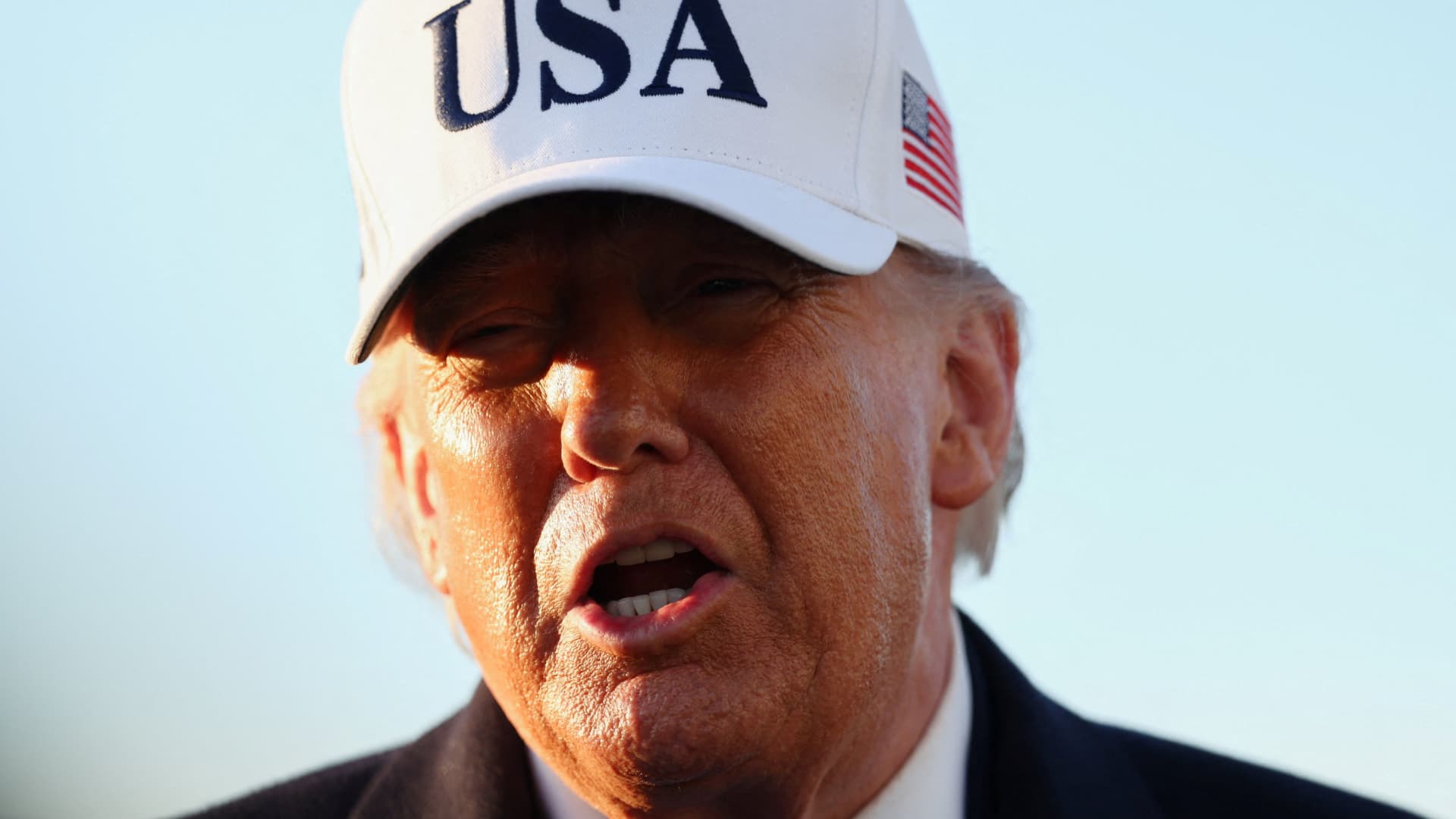
Trump Demands Other Countries Secure Strait of Hormuz


- International Responsibility Sharing: Trump stated aboard Air Force One that countries reliant on the Strait of Hormuz, such as China, should take on the responsibility of securing it, emphasizing the strait's critical importance for their energy supply, which reflects a shift in the U.S. role in international security affairs.
- Energy Dependency Discrepancy: Trump highlighted that approximately 90% of China's crude imports pass through the strait, while the U.S. only relies on 1% to 2%, indicating America's relative independence in the global energy supply chain and raising concerns about China's energy security.
- Ally Relations in Military Action: Trump's comments raised questions about the U.S. relationship with European and Asian allies, as analysts noted that the Trump administration did not consult allies before military actions against Iran, potentially eroding trust among allies.
- Standstill in Strait Traffic: Vessel traffic in the Strait of Hormuz has effectively come to a standstill, with Trump mentioning that the British Prime Minister offered to deploy aircraft carriers, yet no action was taken before the conflict, highlighting the tense and complex nature of international maritime security.
See More
BP Receives Approval to Advance Kaskida Project in Gulf of Mexico
- Project Approval: BP has received approval from the Trump administration to advance the Kaskida project, marking the company's first new field development in the Gulf of Mexico since the 2010 Deepwater Horizon disaster, indicating a significant return to deepwater oil and gas operations.
- Production Timeline: The Kaskida project is scheduled to commence crude production in 2029, with the initial phase expected to yield approximately 275 million barrels of oil equivalent from a section of the seafloor, highlighting the project's substantial potential.
- Environmental Concerns: Despite objections from environmental groups warning of another potential Deepwater Horizon-like catastrophe, the U.S. Department of the Interior approved BP's development plan after a year-long review, reflecting the complex balance between energy development and environmental protection.
- Technological Advancements: The Kaskida project showcases decades of technological innovation by BP and the offshore oil and gas industry, demonstrating the company's enhanced capabilities in managing high-pressure and challenging geological conditions, which have previously hindered the field's development.
See More
U.S. Allows Iranian Tankers Through Strait of Hormuz
- Tanker Transit Policy: Treasury Secretary Scott Bessent stated that Iranian tankers are allowed to transit the Strait of Hormuz, indicating the U.S. aims to ensure global oil supply despite the significant U.S. Navy presence in the region.
- Iranian Oil Exports: Despite a decline in tanker traffic due to Iranian attacks on commercial vessels, Iran continues to export approximately 1.5 million barrels of oil per day, underscoring its critical role in the global market.
- Oil Price Fluctuations: Oil prices have surged about 40% since the U.S. and Israel attacked Iran, with Brent crude hovering around $102 per barrel on Monday, reflecting the significant impact of the conflict on global oil supplies.
- Market Intervention Rumors: Bessent dismissed rumors regarding potential U.S. intervention in oil futures trading, emphasizing that the government has not taken such actions, indicating that the market will continue to operate independently.
See More
Middle East Crisis Could Push Oil Prices to $200
- Oil Price Forecast: Analysts suggest that oil prices could rise to $200 per barrel as the Middle East crisis continues, particularly with Iran's ongoing blockade of the Strait of Hormuz, where approximately 20% of global oil and gas transit, effectively halting shipping traffic.
- Market Reaction: The Brent crude benchmark has reached $150 per barrel, with analyst Greg Newman noting that the current supply shock could lead to further price increases, as Brent crude futures have surged over 50% in the past month, hitting their highest levels since 2022.
- Economic Impact: The global economy faces serious risks, with Longview Economics' chief market strategist Chris Watling warning that if supply shortages persist, oil prices could soar to $200 or even $250, significantly damaging the global economy and necessitating rapid adjustments to investment risk positions.
- Short-term vs Mid-term Outlook: While some analysts believe the energy market was well-supplied before the conflict, UBS expects Brent crude prices to reach $90 by the end of June, while Goldman Sachs predicts an average price above $100 this month, despite potential for major price spikes in the coming weeks.
See More
Drone Attack Disrupts UAE's Fujairah Oil Hub Operations
- Drone Attack Incident: A drone attack at the UAE's Fujairah oil hub triggered a large fire, with no injuries reported; however, oil loading operations have been suspended, highlighting the region's vulnerability amid the ongoing Middle East crisis.
- Oil Price Surge: International benchmark Brent crude futures rose by 3% to $106.18 per barrel, while U.S. West Texas Intermediate futures increased by 2% to $100.66 per barrel, reflecting market concerns over supply disruptions due to the attack.
- Shipping Traffic Disruption: Shipping traffic through the strategically vital Strait of Hormuz has virtually halted following U.S. and Israeli strikes against Iran, emphasizing Fujairah's critical role in global energy supply chains and its strategic significance.
- Limited Flight Resumption: Dubai International Airport has resumed a
See More
Global Markets Turbulent Amid Soaring Oil Prices
- Oil Price Surge Impact: Since the end of February, following U.S. and Israeli strikes on Iran, oil prices have surged, with international benchmark Brent crude futures rising 3% to $106.18 per barrel, directly affecting both equity and bond markets.
- Bond Yield Volatility: Typically, government bond yields fall during stock market downturns; however, the current conflict has led to rising yields, with UK five- and ten-year Gilt yields each down 2 basis points, reflecting heightened inflation concerns.
- Rising Inflation Risks: Investment director Luke Hickmore noted that the sharp rise in oil prices is driving up transport costs and living expenses, increasing inflation risks, prompting bond investors to demand higher returns to offset potential purchasing power loss.
- Changing Market Correlation: Investment manager Wayne Nutland stated that bond and equity returns are currently positively correlated due to rising inflation expectations driven by oil price increases, breaking the traditional role of bonds as a 'safe haven'.
See More
Trump Demands Other Countries Secure Strait of Hormuz
- International Responsibility Sharing: Trump stated aboard Air Force One that countries reliant on the Strait of Hormuz, such as China, should take on the responsibility of securing it, emphasizing the strait's critical importance for their energy supply, which reflects a shift in the U.S. role in international security affairs.
- Energy Dependency Discrepancy: Trump highlighted that approximately 90% of China's crude imports pass through the strait, while the U.S. only relies on 1% to 2%, indicating America's relative independence in the global energy supply chain and raising concerns about China's energy security.
- Ally Relations in Military Action: Trump's comments raised questions about the U.S. relationship with European and Asian allies, as analysts noted that the Trump administration did not consult allies before military actions against Iran, potentially eroding trust among allies.
- Standstill in Strait Traffic: Vessel traffic in the Strait of Hormuz has effectively come to a standstill, with Trump mentioning that the British Prime Minister offered to deploy aircraft carriers, yet no action was taken before the conflict, highlighting the tense and complex nature of international maritime security.
See More