Uranium and utilities stocks set to soar even higher as Big Tech goes nuclear
Written by Emily J. Thompson, Senior Investment Analyst
Updated: Oct 15 2024
0mins


Should l Buy ORCL?
Source: MarketWatch
Nuclear Energy Investment Outlook: The author, a long-time supporter of nuclear energy, believes that uranium stocks still have significant growth potential despite their recent surge of 400%-500% since 2017, compared to the S&P 500's 150% increase.
Tech Companies Embracing Nuclear Power: Major tech companies like Microsoft, Oracle, Amazon, and Google are increasingly committing to nuclear power, highlighted by Microsoft's deal to restart a Three Mile Island reactor in Pennsylvania.
Trade with 70% Backtested Accuracy
Stop guessing "Should I Buy ORCL?" and start using high-conviction signals backed by rigorous historical data.
Sign up today to access powerful investing tools and make smarter, data-driven decisions.
Analyst Views on ORCL
Wall Street analysts forecast ORCL stock price to rise
34 Analyst Rating
25 Buy
9 Hold
0 Sell
Moderate Buy
Current: 147.090

Low
180.00
Averages
309.59
High
400.00
Current: 147.090
Low
180.00
Averages
309.59
High
400.00
About ORCL
Oracle Corporation offers integrated suites of applications plus secure, autonomous infrastructure in the Oracle Cloud. The Company operates through three businesses: cloud and license, hardware and service. Its cloud and license business is engaged in the sale, marketing and delivery of its enterprise applications and infrastructure technologies through cloud and on-premise deployment models including its cloud services and license support offerings, and its cloud license and on-premise license offerings. Its hardware business provides infrastructure technologies including Oracle Engineered Systems, servers, storage, industry-specific hardware, operating systems, virtualization, management and other hardware-related software to support diverse IT environments. Its services business provides services to customers and partners to help maximize the performance of their investments in Oracle applications and infrastructure technologies.
About the author

Emily J. Thompson
Emily J. Thompson, a Chartered Financial Analyst (CFA) with 12 years in investment research, graduated with honors from the Wharton School. Specializing in industrial and technology stocks, she provides in-depth analysis for Intellectia’s earnings and market brief reports.
Oracle AI Agent Studio Updates Enhance Enterprise AI Adoption

- Feature Launch: The new Agentic Applications Builder in Oracle AI Agent Studio allows enterprise users to create outcome-driven AI applications using natural language, significantly reducing the need for traditional coding and accelerating AI adoption across organizations.
- Workflow Orchestration: The newly added workflow orchestration capabilities ensure reliable enterprise-grade execution, enabling customers to coordinate multi-step, multi-agent execution, thereby enhancing efficiency in complex business processes and driving operational effectiveness.
- Content Intelligence Integration: By integrating unstructured data with transactional data, the content intelligence feature helps organizations improve decision-making and unlock greater value, thereby enhancing their competitive edge and decision-making capabilities in the market.
- ROI Monitoring Dashboard: The newly introduced Agent ROI dashboard enables organizations to quantify the business impact of AI initiatives, including time savings, cost reductions, and productivity gains, helping businesses better assess the return on AI investments and drive strategic decisions.
See More

Oracle Corporation Class Action Lawsuit Initiated
- Class Action Initiation: Robbins Geller law firm announces that purchasers of Oracle Corporation (NYSE: ORCL) common stock between June 12 and December 16, 2025, can seek lead plaintiff status in a class action lawsuit alleging violations of the Securities Exchange Act of 1934 by Oracle and its executives.
- Financial Risk Warning: The lawsuit claims that Oracle's AI infrastructure strategy will lead to massive capital expenditures without corresponding near-term revenue growth, increasing risks related to the company's debt and credit rating.
- Stock Price Volatility: On December 10, 2025, Oracle reported financial results showing revenue growth below analyst expectations and capital expenditures significantly above forecasts, resulting in a nearly 11% drop in stock price due to negative free cash flow exceeding $10 billion.
- Funding Withdrawal: On December 17, 2025, the Financial Times reported that Blue Owl Capital, the primary backer for Oracle's largest data center projects, withdrew funding for a $10 billion data center intended for OpenAI, raising further concerns about Oracle's financial commitments and stability.
See More

Tech Stocks Rise on Wednesday Afternoon

- Tech Stock Recovery: On Wednesday afternoon, tech stocks broadly rose, indicating a gradual recovery in market confidence towards the tech sector, likely driven by optimistic investor expectations for future growth potential.
- ETF Performance: The rise of the State Street Technology Select Sector SPDR ETF reflects sustained investor interest in tech stocks, suggesting that market enthusiasm for the tech sector remains strong, potentially attracting more capital inflows.
- Improved Market Sentiment: The increase in tech stocks may be linked to an overall improvement in market sentiment, as investors begin to reassess the long-term value of tech companies after recent volatility, driving stock prices higher.
- Investor Focus on Future: With the rebound in tech stocks, investors may pay closer attention to upcoming earnings reports and market dynamics to seize potential investment opportunities, further propelling positive market trends.
See More

Trump Appoints Business Leaders to Technology Advisory Panel
- Advisory Panel Formation: Trump has appointed prominent business leaders, including Meta CEO Mark Zuckerberg, Oracle Executive Chairman Larry Ellison, and Nvidia CEO Jensen Huang, to form a technology advisory panel aimed at providing guidance on U.S. technological development and ensuring prosperity during the Golden Age of Innovation.
- Focus Areas: The newly established President’s Council of Advisors on Science and Technology (PCAST) will concentrate on the opportunities and challenges that emerging technologies present to the American workforce, striving to enhance the quality of life for all Americans through technological advancements and economic growth.
- Member Composition: PCAST will be co-chaired by David Sacks and Michael Kratsios, with members including AMD CEO Lisa Su and Google co-founder Sergey Brin, and is expected to expand to 24 members in the future to enhance diversity and expertise in the technology sector.
- Future Development Outlook: The White House indicated that PCAST will continue to add members to address the rapid demands of technological advancement, ensuring that the U.S. maintains a competitive edge in the global tech landscape while providing strategic guidance for businesses and innovation.
See More

Trump Forms High-Profile Technology Advisory Council
- Advisory Council Formation: President Trump is assembling a high-profile technology advisory council aimed at guiding policy on artificial intelligence and other emerging technologies, reflecting the government's commitment to technological advancement.
- Industry Leaders Involvement: Tech giants like Meta CEO Mark Zuckerberg, Oracle's Larry Ellison, and Nvidia's Jensen Huang are set to join the council, indicating a strong commitment from industry leaders to enhance the U.S. leadership in AI.
- Leadership Structure Defined: The newly formed President’s Council of Advisors on Science and Technology (PCAST) will be co-chaired by former White House AI advisor David Sacks and former technology advisor Michael Kratsios, ensuring the professionalism and foresight of policy recommendations.
- Potential Policy Impact: The establishment of this council could not only influence the U.S. competitiveness in the global AI landscape but also drive technological innovation and economic growth through industry collaboration, further solidifying America's leadership in technology.
See More
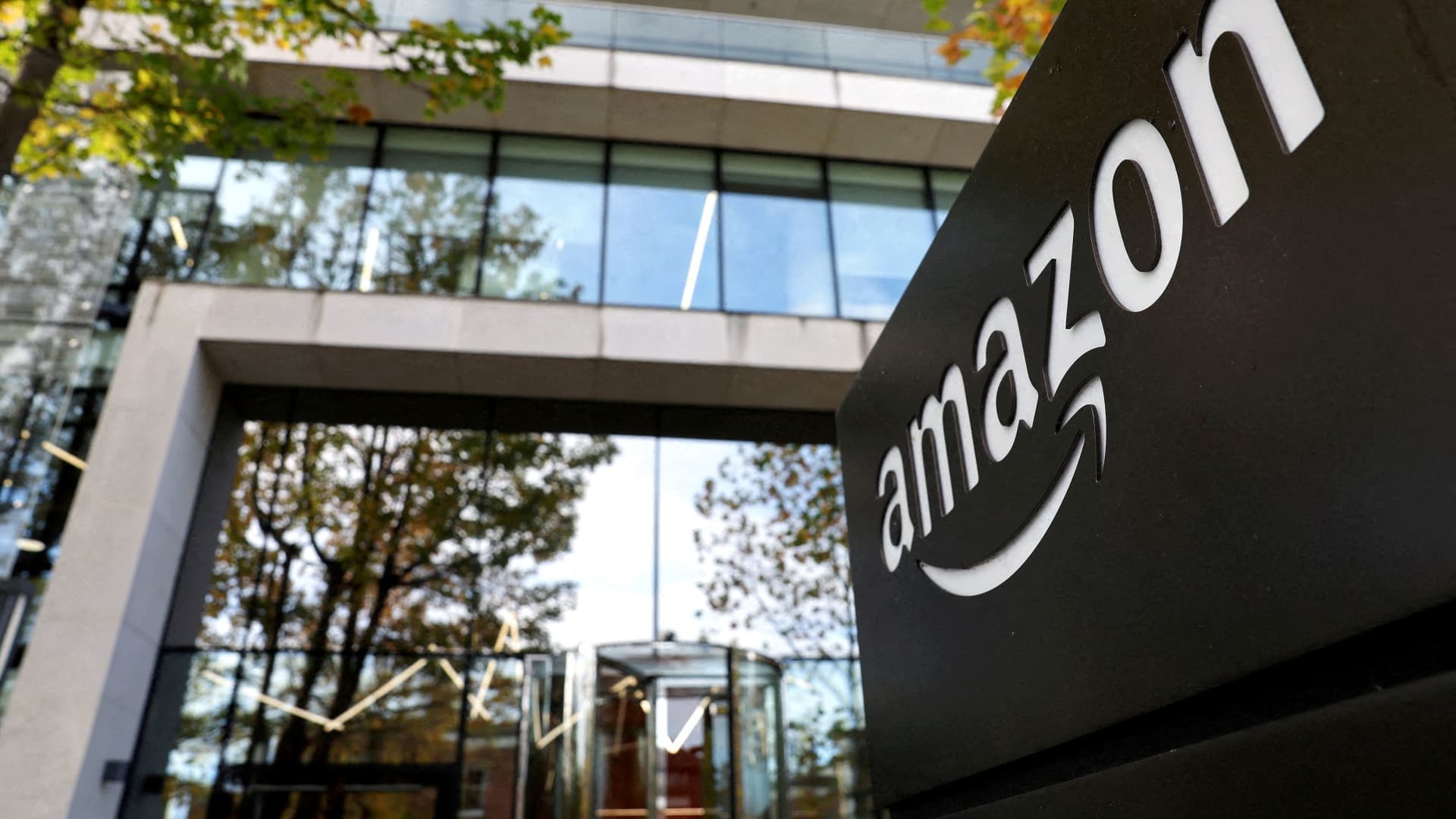
Amazon's AI Investment Outlook Remains Positive

- Price Target Increase: Citi Research raised Amazon's price target from $265 to $285, implying about a 27% upside from Tuesday's close, reflecting confidence in the company's future growth prospects.
- AWS Revenue Projections: Analysts expect Amazon Web Services (AWS) revenue to grow 28% year-over-year in Q1 2026 and accelerate to 37% growth in 2027, primarily driven by partnerships with OpenAI and Anthropic.
- Compute Capacity Expansion: AWS is on track to double its compute capacity by 2027, potentially reaching around 24 gigawatts, which will enhance its competitiveness in the rapidly growing AI market.
- Market Confidence Boost: Despite a 10% decline in Amazon's stock price since the beginning of the year, 65 out of 69 analysts maintain a buy or strong buy rating, indicating strong market recognition of its long-term investment value.
See More
Oracle AI Agent Studio Updates Enhance Enterprise AI Adoption
- Feature Launch: The new Agentic Applications Builder in Oracle AI Agent Studio allows enterprise users to create outcome-driven AI applications using natural language, significantly reducing the need for traditional coding and accelerating AI adoption across organizations.
- Workflow Orchestration: The newly added workflow orchestration capabilities ensure reliable enterprise-grade execution, enabling customers to coordinate multi-step, multi-agent execution, thereby enhancing efficiency in complex business processes and driving operational effectiveness.
- Content Intelligence Integration: By integrating unstructured data with transactional data, the content intelligence feature helps organizations improve decision-making and unlock greater value, thereby enhancing their competitive edge and decision-making capabilities in the market.
- ROI Monitoring Dashboard: The newly introduced Agent ROI dashboard enables organizations to quantify the business impact of AI initiatives, including time savings, cost reductions, and productivity gains, helping businesses better assess the return on AI investments and drive strategic decisions.
See More
Oracle Corporation Class Action Lawsuit Initiated
- Class Action Initiation: Robbins Geller law firm announces that purchasers of Oracle Corporation (NYSE: ORCL) common stock between June 12 and December 16, 2025, can seek lead plaintiff status in a class action lawsuit alleging violations of the Securities Exchange Act of 1934 by Oracle and its executives.
- Financial Risk Warning: The lawsuit claims that Oracle's AI infrastructure strategy will lead to massive capital expenditures without corresponding near-term revenue growth, increasing risks related to the company's debt and credit rating.
- Stock Price Volatility: On December 10, 2025, Oracle reported financial results showing revenue growth below analyst expectations and capital expenditures significantly above forecasts, resulting in a nearly 11% drop in stock price due to negative free cash flow exceeding $10 billion.
- Funding Withdrawal: On December 17, 2025, the Financial Times reported that Blue Owl Capital, the primary backer for Oracle's largest data center projects, withdrew funding for a $10 billion data center intended for OpenAI, raising further concerns about Oracle's financial commitments and stability.
See More
Tech Stocks Rise on Wednesday Afternoon
- Tech Stock Recovery: On Wednesday afternoon, tech stocks broadly rose, indicating a gradual recovery in market confidence towards the tech sector, likely driven by optimistic investor expectations for future growth potential.
- ETF Performance: The rise of the State Street Technology Select Sector SPDR ETF reflects sustained investor interest in tech stocks, suggesting that market enthusiasm for the tech sector remains strong, potentially attracting more capital inflows.
- Improved Market Sentiment: The increase in tech stocks may be linked to an overall improvement in market sentiment, as investors begin to reassess the long-term value of tech companies after recent volatility, driving stock prices higher.
- Investor Focus on Future: With the rebound in tech stocks, investors may pay closer attention to upcoming earnings reports and market dynamics to seize potential investment opportunities, further propelling positive market trends.
See More
Trump Appoints Business Leaders to Technology Advisory Panel
- Advisory Panel Formation: Trump has appointed prominent business leaders, including Meta CEO Mark Zuckerberg, Oracle Executive Chairman Larry Ellison, and Nvidia CEO Jensen Huang, to form a technology advisory panel aimed at providing guidance on U.S. technological development and ensuring prosperity during the Golden Age of Innovation.
- Focus Areas: The newly established President’s Council of Advisors on Science and Technology (PCAST) will concentrate on the opportunities and challenges that emerging technologies present to the American workforce, striving to enhance the quality of life for all Americans through technological advancements and economic growth.
- Member Composition: PCAST will be co-chaired by David Sacks and Michael Kratsios, with members including AMD CEO Lisa Su and Google co-founder Sergey Brin, and is expected to expand to 24 members in the future to enhance diversity and expertise in the technology sector.
- Future Development Outlook: The White House indicated that PCAST will continue to add members to address the rapid demands of technological advancement, ensuring that the U.S. maintains a competitive edge in the global tech landscape while providing strategic guidance for businesses and innovation.
See More
Trump Forms High-Profile Technology Advisory Council
- Advisory Council Formation: President Trump is assembling a high-profile technology advisory council aimed at guiding policy on artificial intelligence and other emerging technologies, reflecting the government's commitment to technological advancement.
- Industry Leaders Involvement: Tech giants like Meta CEO Mark Zuckerberg, Oracle's Larry Ellison, and Nvidia's Jensen Huang are set to join the council, indicating a strong commitment from industry leaders to enhance the U.S. leadership in AI.
- Leadership Structure Defined: The newly formed President’s Council of Advisors on Science and Technology (PCAST) will be co-chaired by former White House AI advisor David Sacks and former technology advisor Michael Kratsios, ensuring the professionalism and foresight of policy recommendations.
- Potential Policy Impact: The establishment of this council could not only influence the U.S. competitiveness in the global AI landscape but also drive technological innovation and economic growth through industry collaboration, further solidifying America's leadership in technology.
See More
Amazon's AI Investment Outlook Remains Positive
- Price Target Increase: Citi Research raised Amazon's price target from $265 to $285, implying about a 27% upside from Tuesday's close, reflecting confidence in the company's future growth prospects.
- AWS Revenue Projections: Analysts expect Amazon Web Services (AWS) revenue to grow 28% year-over-year in Q1 2026 and accelerate to 37% growth in 2027, primarily driven by partnerships with OpenAI and Anthropic.
- Compute Capacity Expansion: AWS is on track to double its compute capacity by 2027, potentially reaching around 24 gigawatts, which will enhance its competitiveness in the rapidly growing AI market.
- Market Confidence Boost: Despite a 10% decline in Amazon's stock price since the beginning of the year, 65 out of 69 analysts maintain a buy or strong buy rating, indicating strong market recognition of its long-term investment value.
See More