Upstage in Talks with AMD to Procure AI Accelerators
Written by Emily J. Thompson, Senior Investment Analyst
Updated: 1 hour ago
0mins
Should l Buy AMD?
Source: seekingalpha
- Procurement Initiative: Korean AI startup Upstage is in discussions with AMD to procure 10,000 of its latest MI355 AI accelerators, aiming to enhance large-scale computing capabilities within the country and boost domestic AI technology competitiveness.
- Diversification Strategy: Upstage CEO Sung Kim noted that while there is a significant presence of Nvidia chips in Korea, the company seeks to diversify its chip portfolio by incorporating AMD products, thereby strengthening its technological capabilities in the AI sector.
- National AI Competition: Upstage is competing in the state-backed “AI Squid Game” tournament, overseen by the Ministry of Science and ICT, to develop Korea's top AI models, with evaluations and eliminations occurring every six months by a panel of judges.
- Market Implications: The winning teams will receive additional Nvidia GPUs, indicating that access to hardware resources will directly impact companies' innovation capabilities and market positioning in the competitive AI landscape.
Trade with 70% Backtested Accuracy
Stop guessing "Should I Buy AMD?" and start using high-conviction signals backed by rigorous historical data.
Sign up today to access powerful investing tools and make smarter, data-driven decisions.
Analyst Views on AMD
Wall Street analysts forecast AMD stock price to rise
33 Analyst Rating
25 Buy
8 Hold
0 Sell
Strong Buy
Current: 205.270

Low
210.00
Averages
289.13
High
377.00
Current: 205.270
Low
210.00
Averages
289.13
High
377.00
About AMD
Advanced Micro Devices, Inc. is a global semiconductor company. The Company is focused on high-performance computing and artificial intelligence (AI). Its segments include Data Center, Client and Gaming, and Embedded. Data Center segment includes AI accelerators, microprocessors (CPUs) for servers, graphics processing units (GPUs), accelerated processing units (APUs), data processing units (DPUs), Field Programmable Gate Arrays (FPGAs), and Adaptive system-on-Chip (SoC) products for data centers. Client and Gaming segment includes CPUs, APUs, chipsets for desktops and notebooks, discrete GPUs, and semi-custom SoC products and development services. Embedded segment includes embedded CPUs, APUs, FPGAs, system on modules (SOMs), and Adaptive SoC products. It markets and sells its products under the AMD trademark. Its products include AMD EPYC, AMD Ryzen, AMD Ryzen PRO, Virtex UltraScale+, among others.
About the author

Emily J. Thompson
Emily J. Thompson, a Chartered Financial Analyst (CFA) with 12 years in investment research, graduated with honors from the Wharton School. Specializing in industrial and technology stocks, she provides in-depth analysis for Intellectia’s earnings and market brief reports.
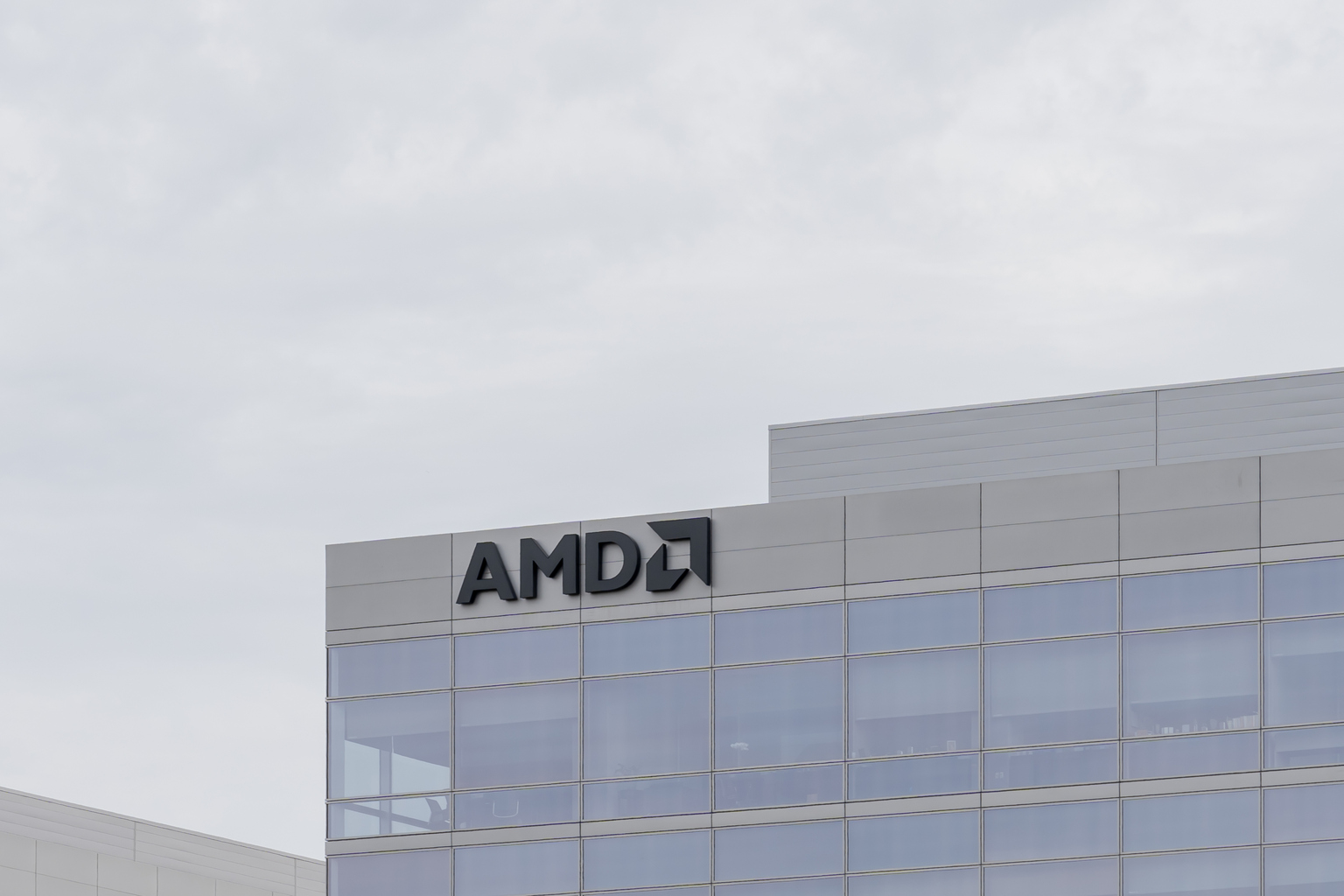
Upstage in Talks with AMD to Procure AI Accelerators

- Procurement Initiative: Korean AI startup Upstage is in discussions with AMD to procure 10,000 of its latest MI355 AI accelerators, aiming to enhance large-scale computing capabilities within the country and boost domestic AI technology competitiveness.
- Diversification Strategy: Upstage CEO Sung Kim noted that while there is a significant presence of Nvidia chips in Korea, the company seeks to diversify its chip portfolio by incorporating AMD products, thereby strengthening its technological capabilities in the AI sector.
- National AI Competition: Upstage is competing in the state-backed “AI Squid Game” tournament, overseen by the Ministry of Science and ICT, to develop Korea's top AI models, with evaluations and eliminations occurring every six months by a panel of judges.
- Market Implications: The winning teams will receive additional Nvidia GPUs, indicating that access to hardware resources will directly impact companies' innovation capabilities and market positioning in the competitive AI landscape.
See More
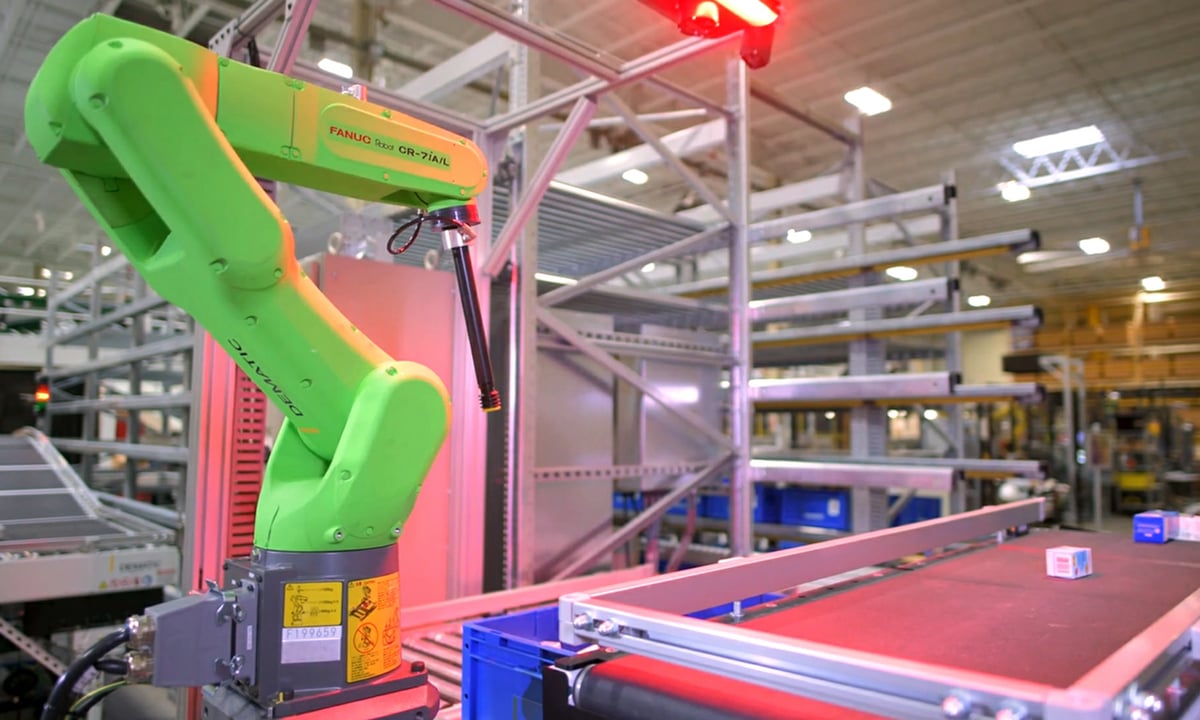
AI Market Outlook Strong, Nvidia and Meta Shine


- Nvidia Financial Performance: Nvidia reported $68.1 billion in revenue for Q4 2026, marking a 73% year-over-year increase, which highlights strong market demand and growth potential, while its gross margin of 75% indicates robust cost control and profitability.
- Future Growth Expectations: CEO Jensen Huang anticipates at least $1 trillion in revenue from data center products by 2027, reflecting Nvidia's leadership in the AI sector and providing investors with confidence in long-term growth prospects.
- Meta's Advertising Success: In Q4 2025, Meta saw a 3.5% increase in ad clicks and an 18% rise in ad impressions, resulting in a record $59.9 billion in revenue, a 24% year-over-year increase, showcasing its success in AI-driven advertising technology.
- Investment Value Analysis: Despite strong performances, Nvidia trades at a forward P/E of 22 and Meta at 21, indicating reasonable valuations for both companies, making them attractive long-term investments, especially as AI technology continues to advance.
See More

Nvidia and Meta's AI Growth Potential
- Nvidia's Impressive Earnings: Nvidia reported $68.1 billion in revenue for Q4 2026, a 73% year-over-year increase, indicating strong market demand and growth potential, with expectations of over $1 trillion in revenue from data center products, further solidifying its market leadership.
- Strong Gross Margins: The company achieved a gross margin of 75% in the same quarter, reflecting effective cost control and indicating robust profitability in the highly competitive semiconductor industry.
- Meta's Ad Business Growth: Meta experienced a 3.5% increase in ad clicks and an 18% rise in ad impressions in Q4 2025, demonstrating the effectiveness of its AI-driven advertising strategy, which is expected to further boost revenue growth.
- Attractive Valuation Levels: Despite Nvidia's large market cap, it trades at a forward P/E of 22, lower than other tech giants, indicating that its stock remains attractive given its future growth potential, while Meta's forward P/E of 21 enhances its investment appeal.
See More
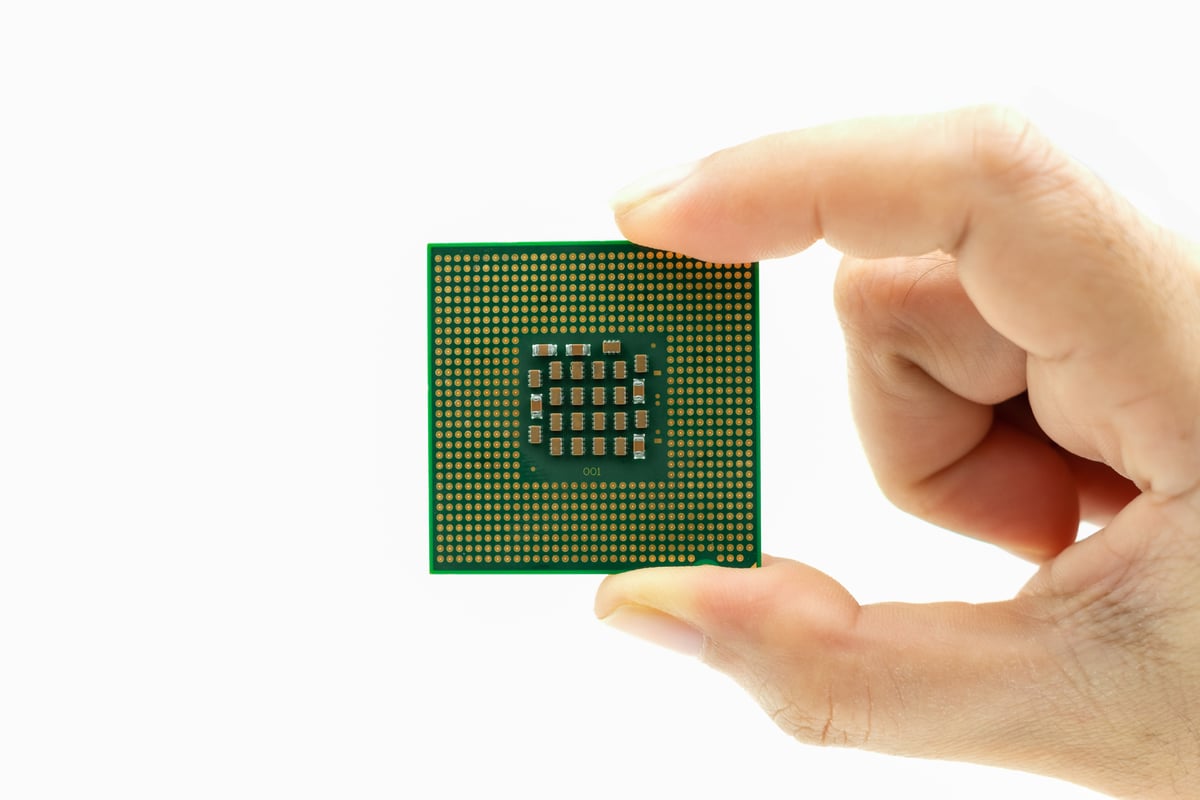
Taiwan Semiconductor: The Dominant Force in the Semiconductor Industry


- Market Share Dominance: As of Q3 2025, Taiwan Semiconductor controls 72% of the pure foundry market, significantly outpacing its nearest competitor, Samsung, at 7%, establishing a near-monopoly that ensures client dependency and market leadership.
- Massive Investment Expansion: Taiwan Semiconductor's initial $12 billion investment in its Arizona factory has ballooned to $165 billion for the construction of three factories, set to be completed by 2030, further solidifying its production capabilities and competitive edge in the market.
- Robust Financial Performance: The company generated $122.4 billion in revenue for 2025, a 35.9% increase year-over-year, with diluted earnings per share rising by 46.4%, reflecting a strong net profit margin of 45% despite high operational costs, showcasing its profitability and market demand.
- Future Growth Outlook: Taiwan Semiconductor anticipates a 30% revenue increase in 2026 compared to 2025 and projects a compound annual growth rate of 25% through 2029, indicating that its leadership in the semiconductor industry is likely to persist, with expectations for long-term stable growth.
See More

Taiwan Semiconductor Controls 72% of Semiconductor Market
- Market Dominance: As of Q3 2025, Taiwan Semiconductor holds a commanding 72% share of the pure foundry market, significantly outpacing its nearest competitor Samsung at 7%, which underscores its absolute dominance in the global semiconductor industry and ensures long-term profitability and market influence.
- Diverse Client Base: Taiwan Semiconductor manufactures chips for all major chip designers, including Apple and Nvidia, which diversifies its revenue streams and stabilizes its market position amid fluctuations, further solidifying its competitive edge.
- Massive Investment Expansion: The initial investment for its Arizona factory was $12 billion, which has ballooned to $165 billion for expansion, with production in the second factory expected by 2028, demonstrating its ongoing commitment to technology and capacity investment that enhances competitive barriers.
- Robust Financial Performance: In 2025, Taiwan Semiconductor generated $122.4 billion in revenue, a 35.9% increase year-over-year, with a net profit margin of 45%, and it anticipates a further 30% revenue growth in 2026, showcasing its strong growth potential and profitability in the semiconductor sector.
See More
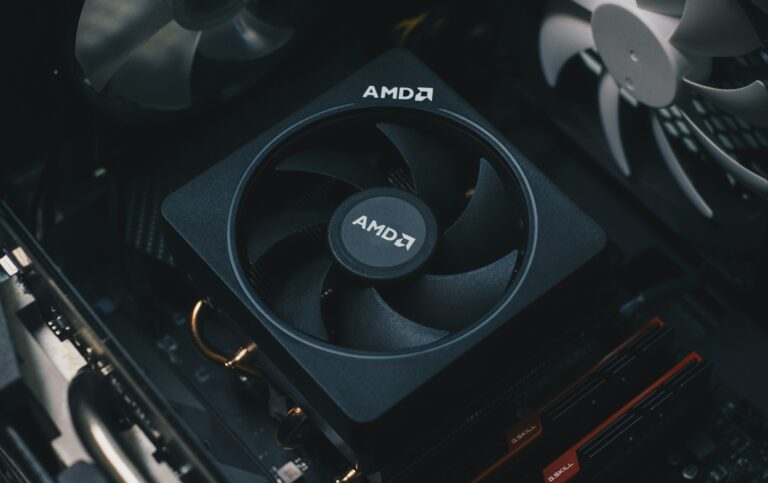
AMD Deepens Partnership with Samsung on AI Memory Chips
- Strategic Partnership: AMD has signed a memorandum of understanding with Samsung Electronics to deepen their collaboration on memory chip supplies for AI infrastructure, which is expected to significantly enhance AMD's competitiveness in the AI computing sector.
- High-Bandwidth Memory Supply: The partnership will focus on supplying Samsung's next-generation high-bandwidth memory for AMD's upcoming Instinct MI455X AI accelerators, aiming to meet the surging demand for AI computing capabilities.
- DDR5 Memory Optimization: The two companies will also work together to optimize DDR5 memory to support the performance enhancement of AMD's sixth-generation EPYC processors, further solidifying AMD's position in the data center market.
- Supply Chain Assurance: AMD CEO Lisa Su is touring South Korea to secure critical memory supplies, aiming to establish long-term supply agreements to address the reshaping of the semiconductor industry driven by AI workloads.
See More
Upstage in Talks with AMD to Procure AI Accelerators
- Procurement Initiative: Korean AI startup Upstage is in discussions with AMD to procure 10,000 of its latest MI355 AI accelerators, aiming to enhance large-scale computing capabilities within the country and boost domestic AI technology competitiveness.
- Diversification Strategy: Upstage CEO Sung Kim noted that while there is a significant presence of Nvidia chips in Korea, the company seeks to diversify its chip portfolio by incorporating AMD products, thereby strengthening its technological capabilities in the AI sector.
- National AI Competition: Upstage is competing in the state-backed “AI Squid Game” tournament, overseen by the Ministry of Science and ICT, to develop Korea's top AI models, with evaluations and eliminations occurring every six months by a panel of judges.
- Market Implications: The winning teams will receive additional Nvidia GPUs, indicating that access to hardware resources will directly impact companies' innovation capabilities and market positioning in the competitive AI landscape.
See More
AI Market Outlook Strong, Nvidia and Meta Shine
- Nvidia Financial Performance: Nvidia reported $68.1 billion in revenue for Q4 2026, marking a 73% year-over-year increase, which highlights strong market demand and growth potential, while its gross margin of 75% indicates robust cost control and profitability.
- Future Growth Expectations: CEO Jensen Huang anticipates at least $1 trillion in revenue from data center products by 2027, reflecting Nvidia's leadership in the AI sector and providing investors with confidence in long-term growth prospects.
- Meta's Advertising Success: In Q4 2025, Meta saw a 3.5% increase in ad clicks and an 18% rise in ad impressions, resulting in a record $59.9 billion in revenue, a 24% year-over-year increase, showcasing its success in AI-driven advertising technology.
- Investment Value Analysis: Despite strong performances, Nvidia trades at a forward P/E of 22 and Meta at 21, indicating reasonable valuations for both companies, making them attractive long-term investments, especially as AI technology continues to advance.
See More
Nvidia and Meta's AI Growth Potential
- Nvidia's Impressive Earnings: Nvidia reported $68.1 billion in revenue for Q4 2026, a 73% year-over-year increase, indicating strong market demand and growth potential, with expectations of over $1 trillion in revenue from data center products, further solidifying its market leadership.
- Strong Gross Margins: The company achieved a gross margin of 75% in the same quarter, reflecting effective cost control and indicating robust profitability in the highly competitive semiconductor industry.
- Meta's Ad Business Growth: Meta experienced a 3.5% increase in ad clicks and an 18% rise in ad impressions in Q4 2025, demonstrating the effectiveness of its AI-driven advertising strategy, which is expected to further boost revenue growth.
- Attractive Valuation Levels: Despite Nvidia's large market cap, it trades at a forward P/E of 22, lower than other tech giants, indicating that its stock remains attractive given its future growth potential, while Meta's forward P/E of 21 enhances its investment appeal.
See More
Taiwan Semiconductor: The Dominant Force in the Semiconductor Industry
- Market Share Dominance: As of Q3 2025, Taiwan Semiconductor controls 72% of the pure foundry market, significantly outpacing its nearest competitor, Samsung, at 7%, establishing a near-monopoly that ensures client dependency and market leadership.
- Massive Investment Expansion: Taiwan Semiconductor's initial $12 billion investment in its Arizona factory has ballooned to $165 billion for the construction of three factories, set to be completed by 2030, further solidifying its production capabilities and competitive edge in the market.
- Robust Financial Performance: The company generated $122.4 billion in revenue for 2025, a 35.9% increase year-over-year, with diluted earnings per share rising by 46.4%, reflecting a strong net profit margin of 45% despite high operational costs, showcasing its profitability and market demand.
- Future Growth Outlook: Taiwan Semiconductor anticipates a 30% revenue increase in 2026 compared to 2025 and projects a compound annual growth rate of 25% through 2029, indicating that its leadership in the semiconductor industry is likely to persist, with expectations for long-term stable growth.
See More
Taiwan Semiconductor Controls 72% of Semiconductor Market
- Market Dominance: As of Q3 2025, Taiwan Semiconductor holds a commanding 72% share of the pure foundry market, significantly outpacing its nearest competitor Samsung at 7%, which underscores its absolute dominance in the global semiconductor industry and ensures long-term profitability and market influence.
- Diverse Client Base: Taiwan Semiconductor manufactures chips for all major chip designers, including Apple and Nvidia, which diversifies its revenue streams and stabilizes its market position amid fluctuations, further solidifying its competitive edge.
- Massive Investment Expansion: The initial investment for its Arizona factory was $12 billion, which has ballooned to $165 billion for expansion, with production in the second factory expected by 2028, demonstrating its ongoing commitment to technology and capacity investment that enhances competitive barriers.
- Robust Financial Performance: In 2025, Taiwan Semiconductor generated $122.4 billion in revenue, a 35.9% increase year-over-year, with a net profit margin of 45%, and it anticipates a further 30% revenue growth in 2026, showcasing its strong growth potential and profitability in the semiconductor sector.
See More
AMD Deepens Partnership with Samsung on AI Memory Chips
- Strategic Partnership: AMD has signed a memorandum of understanding with Samsung Electronics to deepen their collaboration on memory chip supplies for AI infrastructure, which is expected to significantly enhance AMD's competitiveness in the AI computing sector.
- High-Bandwidth Memory Supply: The partnership will focus on supplying Samsung's next-generation high-bandwidth memory for AMD's upcoming Instinct MI455X AI accelerators, aiming to meet the surging demand for AI computing capabilities.
- DDR5 Memory Optimization: The two companies will also work together to optimize DDR5 memory to support the performance enhancement of AMD's sixth-generation EPYC processors, further solidifying AMD's position in the data center market.
- Supply Chain Assurance: AMD CEO Lisa Su is touring South Korea to secure critical memory supplies, aiming to establish long-term supply agreements to address the reshaping of the semiconductor industry driven by AI workloads.
See More