UPS and Happy Returns Expand Return Bar Network to 10,000 Locations
Written by Emily J. Thompson, Senior Investment Analyst
Updated: 2 hours ago
0mins
Should l Buy UPS?
Source: Yahoo Finance
- Network Expansion: UPS and Happy Returns are expanding their return network by adding over 1,700 locations, bringing the total to 10,000 nationwide, significantly enhancing return convenience for consumers and improving the retail customer experience.
- Fast Return Process: Returns now move from shopper drop-off to retailers in an average of 3.6 days, with an overall return transit time of seven days, helping retailers accelerate the return cycle and build customer loyalty.
- Market Leadership: Happy Returns' network is now more than three times the size of the next-largest alternative in the U.S., reinforcing its leadership position in the consolidated return network and boosting retailer confidence and efficiency.
- Seamless Return Experience: The new network allows 79% of the U.S. population to find a return location within five miles, further simplifying the return process for consumers and promoting box-free, label-free returns, enhancing convenience for online shoppers.
Trade with 70% Backtested Accuracy
Stop guessing "Should I Buy UPS?" and start using high-conviction signals backed by rigorous historical data.
Sign up today to access powerful investing tools and make smarter, data-driven decisions.
Analyst Views on UPS
Wall Street analysts forecast UPS stock price to fall
19 Analyst Rating
9 Buy
9 Hold
1 Sell
Moderate Buy
Current: 107.110

Low
80.00
Averages
107.06
High
126.00
Current: 107.110
Low
80.00
Averages
107.06
High
126.00
About UPS
United Parcel Service, Inc. is a global package delivery and logistics provider. Its U.S. Domestic Package segment offers a full spectrum of air and ground package transportation services. Its air portfolio offers time-definite, same-day, next-day, two-day and three-day delivery alternatives as well as air cargo services. Its ground network enables customers to ship using its day-definite ground service. Ground Saver provides residential ground service for customers with non-urgent, lightweight residential shipments. Its International Package segment consists of small package operations in Europe, Middle East and Africa, Canada and Latin America and Asia. It offers a selection of guaranteed day and time-definite international transportation services supported by its brokerage capabilities that facilitate cross-border clearance for international shipments. Its supply chain solutions consist of customized third-party logistics and specialized cold chain transportation solutions.
About the author

Emily J. Thompson
Emily J. Thompson, a Chartered Financial Analyst (CFA) with 12 years in investment research, graduated with honors from the Wharton School. Specializing in industrial and technology stocks, she provides in-depth analysis for Intellectia’s earnings and market brief reports.

UPS and Happy Returns Expand Return Bar Network to 10,000 Locations

- Network Expansion: The partnership between UPS and Happy Returns adds 1,700 new Return Bar® locations, bringing the total to 10,000, significantly enhancing consumer return convenience and expected to drive further growth in online shopping.
- Increased Coverage: The new locations allow 79% of the U.S. population to find a Return Bar® within five miles, up from 76%, indicating significant progress in simplifying the return process and enhancing customer satisfaction.
- Rapid Processing: With AI-powered Return Vision™ technology, return processing time is reduced to 3.6 days, with an average return transit time of seven days, enabling retailers to better manage the increasing volume of returns.
- Market Leadership: Happy Returns' return network is now the largest consolidated return network in the U.S., three times the size of the next competitor, further solidifying its leadership position in the reverse logistics market and enhancing brand competitiveness.
See More
UPS Subsidiary Happy Returns Expands to 10,000 Drop-off Locations

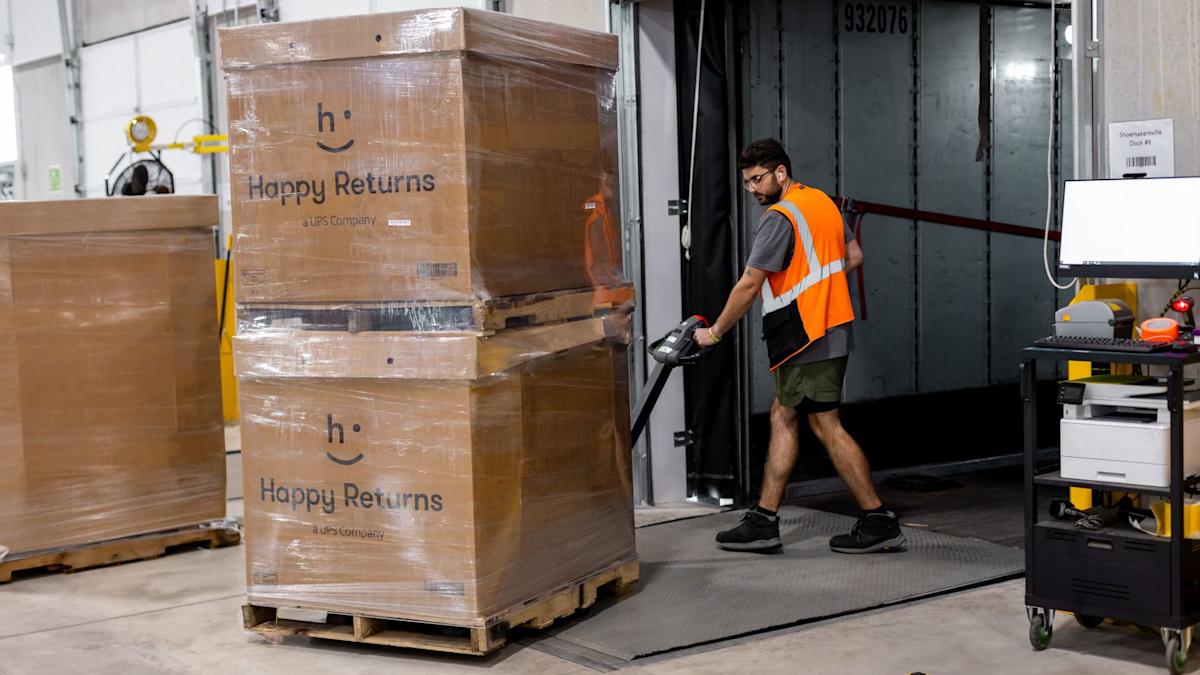
- Network Expansion: Happy Returns announced the addition of 1,700 drop-off locations, bringing its total to 10,000, which now serves 79% of the U.S. population, significantly enhancing consumer return convenience and improving economic outcomes for retailers.
- Return Efficiency Improvement: Leveraging UPS's logistics network, consumer return packages reach retailers in an average of 7 days, with some deliveries completed in as little as 3.6 days, helping retailers accelerate inventory turnover and boost sales efficiency.
- Fraud Prevention Technology: Happy Returns has implemented an AI risk scoring system that identifies potential fraudulent activities at the return request stage, reducing losses for retailers and enhancing the security and reliability of the return process.
- Market Competitive Advantage: By offering boxless and label-free return services, Happy Returns not only improves customer experience but also solidifies its leadership position in the returns consolidation market through partnerships with major retailers.
See More
UPS and Happy Returns Expand Return Bar Network to 10,000 Locations
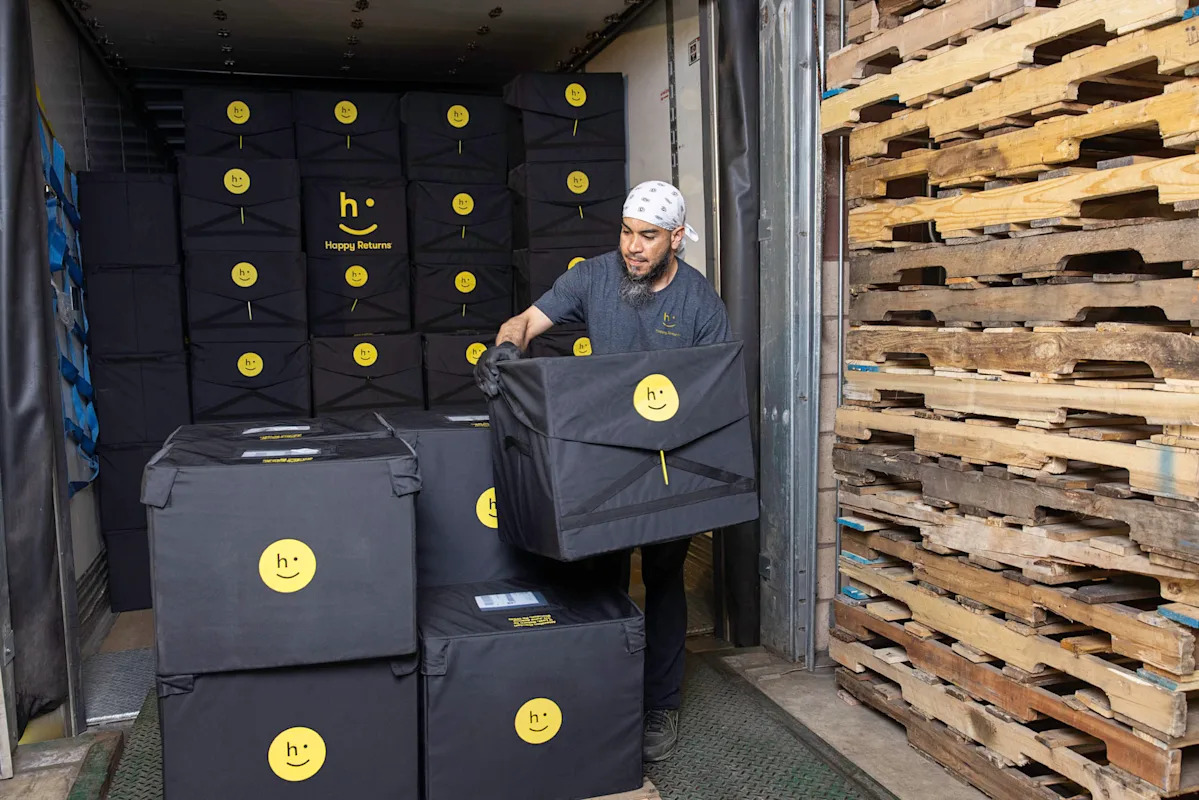
- Network Expansion: UPS and Happy Returns are expanding their return network by adding over 1,700 locations, bringing the total to 10,000 nationwide, significantly enhancing return convenience for consumers and improving the retail customer experience.
- Fast Return Process: Returns now move from shopper drop-off to retailers in an average of 3.6 days, with an overall return transit time of seven days, helping retailers accelerate the return cycle and build customer loyalty.
- Market Leadership: Happy Returns' network is now more than three times the size of the next-largest alternative in the U.S., reinforcing its leadership position in the consolidated return network and boosting retailer confidence and efficiency.
- Seamless Return Experience: The new network allows 79% of the U.S. population to find a return location within five miles, further simplifying the return process for consumers and promoting box-free, label-free returns, enhancing convenience for online shoppers.
See More
UPS and FedEx File for Tariff Refunds Following Supreme Court Ruling
- Tariff Refund Applications: UPS and FedEx have initiated requests for tariff refunds through the government process, which only applies to tariffs collected under the International Emergency Economic Powers Act, highlighting both companies' commitment to customer rights.
- Refund Process Initiation: The U.S. Customs and Border Protection (CBP) opened the refund process on Monday, allowing companies to request refunds, although it may take months for customers to receive their money, indicating the complexity of the process.
- UPS Customer Support: UPS stated it will request tariff refunds on behalf of customers, eliminating the need for them to contact UPS directly, which aims to streamline the customer experience and ensure they can fully exercise their rights.
- FedEx Refund Strategy: FedEx has also begun filing claims with CBP for refunds and has committed to issuing refunds to shippers and consumers promptly once received, demonstrating its support and transparency towards customers.
See More

UPS Anticipates Financial Improvement in H2 2026
- Financial Outlook: UPS anticipates improved financial results in the second half of 2026, primarily due to the nearing completion of its business repositioning efforts, which will start yielding benefits for long-term income potential.
- Dividend Support: The company's 2026 guidance includes $5.4 billion in dividends, the same as in 2025, reflecting management's confidence in sustaining a 6.1% dividend yield, even as overall performance is expected to remain flat compared to 2025.
- Business Transformation: UPS has streamlined its operations through staff reductions, increased technology use, and asset sales, incurring significant upfront costs, but this shift is expected to enhance overall profitability, particularly by moving towards higher-margin customers.
- Market Skepticism: Despite UPS upgrading its business for better future competitiveness, Wall Street remains skeptical about its recent performance, with the stock still 50% below its 2022 peak, although investors can benefit from substantial dividends during this transition period.
See More

UPS Nears Completion of Corporate Overhaul
- Positive Financial Outlook: UPS anticipates improved financial performance in the second half of 2026, primarily due to the completion of its restructuring efforts, which will lay the groundwork for future profit growth, although the first half may still experience weak performance.
- Dividend Stability: The company expects to pay $5.4 billion in dividends in 2026, the same as in 2025, demonstrating management's confidence in maintaining a 6.1% dividend yield, which could attract long-term investors.
- Customer Structure Adjustment: UPS is gradually reducing its reliance on low-margin high-volume customers like Amazon, focusing instead on higher-margin clients in sectors such as healthcare, thereby enhancing overall profitability, even though this may impact short-term revenues.
- Enhanced Market Competitiveness: By streamlining operations through layoffs, technology upgrades, and asset sales, UPS has strengthened its competitive position for the future, and investors entering before the completion of the company's transformation may reap substantial rewards.
See More
UPS and Happy Returns Expand Return Bar Network to 10,000 Locations
- Network Expansion: The partnership between UPS and Happy Returns adds 1,700 new Return Bar® locations, bringing the total to 10,000, significantly enhancing consumer return convenience and expected to drive further growth in online shopping.
- Increased Coverage: The new locations allow 79% of the U.S. population to find a Return Bar® within five miles, up from 76%, indicating significant progress in simplifying the return process and enhancing customer satisfaction.
- Rapid Processing: With AI-powered Return Vision™ technology, return processing time is reduced to 3.6 days, with an average return transit time of seven days, enabling retailers to better manage the increasing volume of returns.
- Market Leadership: Happy Returns' return network is now the largest consolidated return network in the U.S., three times the size of the next competitor, further solidifying its leadership position in the reverse logistics market and enhancing brand competitiveness.
See More
UPS Subsidiary Happy Returns Expands to 10,000 Drop-off Locations
- Network Expansion: Happy Returns announced the addition of 1,700 drop-off locations, bringing its total to 10,000, which now serves 79% of the U.S. population, significantly enhancing consumer return convenience and improving economic outcomes for retailers.
- Return Efficiency Improvement: Leveraging UPS's logistics network, consumer return packages reach retailers in an average of 7 days, with some deliveries completed in as little as 3.6 days, helping retailers accelerate inventory turnover and boost sales efficiency.
- Fraud Prevention Technology: Happy Returns has implemented an AI risk scoring system that identifies potential fraudulent activities at the return request stage, reducing losses for retailers and enhancing the security and reliability of the return process.
- Market Competitive Advantage: By offering boxless and label-free return services, Happy Returns not only improves customer experience but also solidifies its leadership position in the returns consolidation market through partnerships with major retailers.
See More
UPS and Happy Returns Expand Return Bar Network to 10,000 Locations
- Network Expansion: UPS and Happy Returns are expanding their return network by adding over 1,700 locations, bringing the total to 10,000 nationwide, significantly enhancing return convenience for consumers and improving the retail customer experience.
- Fast Return Process: Returns now move from shopper drop-off to retailers in an average of 3.6 days, with an overall return transit time of seven days, helping retailers accelerate the return cycle and build customer loyalty.
- Market Leadership: Happy Returns' network is now more than three times the size of the next-largest alternative in the U.S., reinforcing its leadership position in the consolidated return network and boosting retailer confidence and efficiency.
- Seamless Return Experience: The new network allows 79% of the U.S. population to find a return location within five miles, further simplifying the return process for consumers and promoting box-free, label-free returns, enhancing convenience for online shoppers.
See More
UPS and FedEx File for Tariff Refunds Following Supreme Court Ruling
- Tariff Refund Applications: UPS and FedEx have initiated requests for tariff refunds through the government process, which only applies to tariffs collected under the International Emergency Economic Powers Act, highlighting both companies' commitment to customer rights.
- Refund Process Initiation: The U.S. Customs and Border Protection (CBP) opened the refund process on Monday, allowing companies to request refunds, although it may take months for customers to receive their money, indicating the complexity of the process.
- UPS Customer Support: UPS stated it will request tariff refunds on behalf of customers, eliminating the need for them to contact UPS directly, which aims to streamline the customer experience and ensure they can fully exercise their rights.
- FedEx Refund Strategy: FedEx has also begun filing claims with CBP for refunds and has committed to issuing refunds to shippers and consumers promptly once received, demonstrating its support and transparency towards customers.
See More
UPS Anticipates Financial Improvement in H2 2026
- Financial Outlook: UPS anticipates improved financial results in the second half of 2026, primarily due to the nearing completion of its business repositioning efforts, which will start yielding benefits for long-term income potential.
- Dividend Support: The company's 2026 guidance includes $5.4 billion in dividends, the same as in 2025, reflecting management's confidence in sustaining a 6.1% dividend yield, even as overall performance is expected to remain flat compared to 2025.
- Business Transformation: UPS has streamlined its operations through staff reductions, increased technology use, and asset sales, incurring significant upfront costs, but this shift is expected to enhance overall profitability, particularly by moving towards higher-margin customers.
- Market Skepticism: Despite UPS upgrading its business for better future competitiveness, Wall Street remains skeptical about its recent performance, with the stock still 50% below its 2022 peak, although investors can benefit from substantial dividends during this transition period.
See More
UPS Nears Completion of Corporate Overhaul
- Positive Financial Outlook: UPS anticipates improved financial performance in the second half of 2026, primarily due to the completion of its restructuring efforts, which will lay the groundwork for future profit growth, although the first half may still experience weak performance.
- Dividend Stability: The company expects to pay $5.4 billion in dividends in 2026, the same as in 2025, demonstrating management's confidence in maintaining a 6.1% dividend yield, which could attract long-term investors.
- Customer Structure Adjustment: UPS is gradually reducing its reliance on low-margin high-volume customers like Amazon, focusing instead on higher-margin clients in sectors such as healthcare, thereby enhancing overall profitability, even though this may impact short-term revenues.
- Enhanced Market Competitiveness: By streamlining operations through layoffs, technology upgrades, and asset sales, UPS has strengthened its competitive position for the future, and investors entering before the completion of the company's transformation may reap substantial rewards.
See More