UnitedHealth Faces Challenges in BALANCE Model Participation

Asked on UnitedHealth's (UNH) earnings call about the company's plans to participate in the BALANCE Model for GLP-1s and its anticipation of whether the industry thresholds for participation will be met, Bobby Hunter, UnitedHealth's chief of government programs, stated in part: "As it relates to your question about the BALANCE Model, we've been in good active dialogue with both CMS and CMMI on that front. We'd like to find a path to yes there on coverage over time, but there are some notable challenges and outstanding questions with the currently planned structure. We're still working through that process internally, and we look forward to continuing the dialogue with CMS. We've provided some specific recommendations that we believe would serve all stakeholders really well." Medicare insurers had until April 20 to tell the government whether they would participate in the plan to add coverage for weight-loss drugs from Eli Lilly (LLY) and Novo Nordisk (NVO) in 2027 and if the Centers for Medicare and Medicaid Services doesn't get most insurers to sign up, the program can't go forward, the agency has said. Shares of Eli Lilly and Novo Nordisk are trading lower on Tuesday morning by 3% and 2%, respectively.
Trade with 70% Backtested Accuracy
Analyst Views on UNH

About UNH
About the author

UnitedHealth Stock Pulls Back, Yet Holds Long-Term Potential

- Stock Pullback: UnitedHealth (UNH) snapped a six-session winning streak, closing down 0.59% at $398.8, despite a 9.6% gain over the past seven sessions, indicating short-term volatility in its stock performance.
- Earnings Beat: The company reported first-quarter revenue of $111.7 billion, up 2% year-over-year and above estimates, while adjusted earnings per share of $7.23 exceeded expectations by $0.63, reflecting strong profitability.
- Optimistic Outlook: UnitedHealth raised its full-year 2026 adjusted EPS outlook to over $18.25 from prior guidance of above $17.75, demonstrating confidence in future growth, particularly through premium repricing and AI-driven cost savings.
- Market Analysis: Despite concerns over elevated medical loss ratios and reimbursement uncertainties, 22 Wall Street analysts rated the stock as a Buy, indicating strong market confidence, especially after the company exited unprofitable Medicare Advantage markets, losing about 1 million members.
Berkshire's 13-F Filing Under New CEO Reveals Strategic Investment Shifts


- Stable Apple Holdings: Berkshire maintained its stake in Apple at approximately 228 million shares, which, while below the historical peak of over 900 million shares, still represents 22% of its equity portfolio, reflecting confidence in Apple's long-term value.
- Significant Google Investment: Berkshire's share count in Alphabet surged from about 17.85 million to roughly 58 million, pushing the position's value to nearly $17 billion, indicating CEO Abel's strong confidence and willingness to invest in tech stocks.
- Exploration of New Investment Areas: The new $2.65 billion stake in Delta Air Lines and a minor position in Macy's signal Abel's readiness to enter sectors previously avoided by Buffett, further diversifying the investment portfolio.
- Aggressive Sell-offs: Berkshire exited positions in Amazon, Visa, Mastercard, and others, while slashing its stake in Constellation Brands by 95%, indicating Abel's intent to reshape the investment strategy and reinforce his personal style.
Berkshire Hathaway's Major Portfolio Overhaul Under Greg Abel


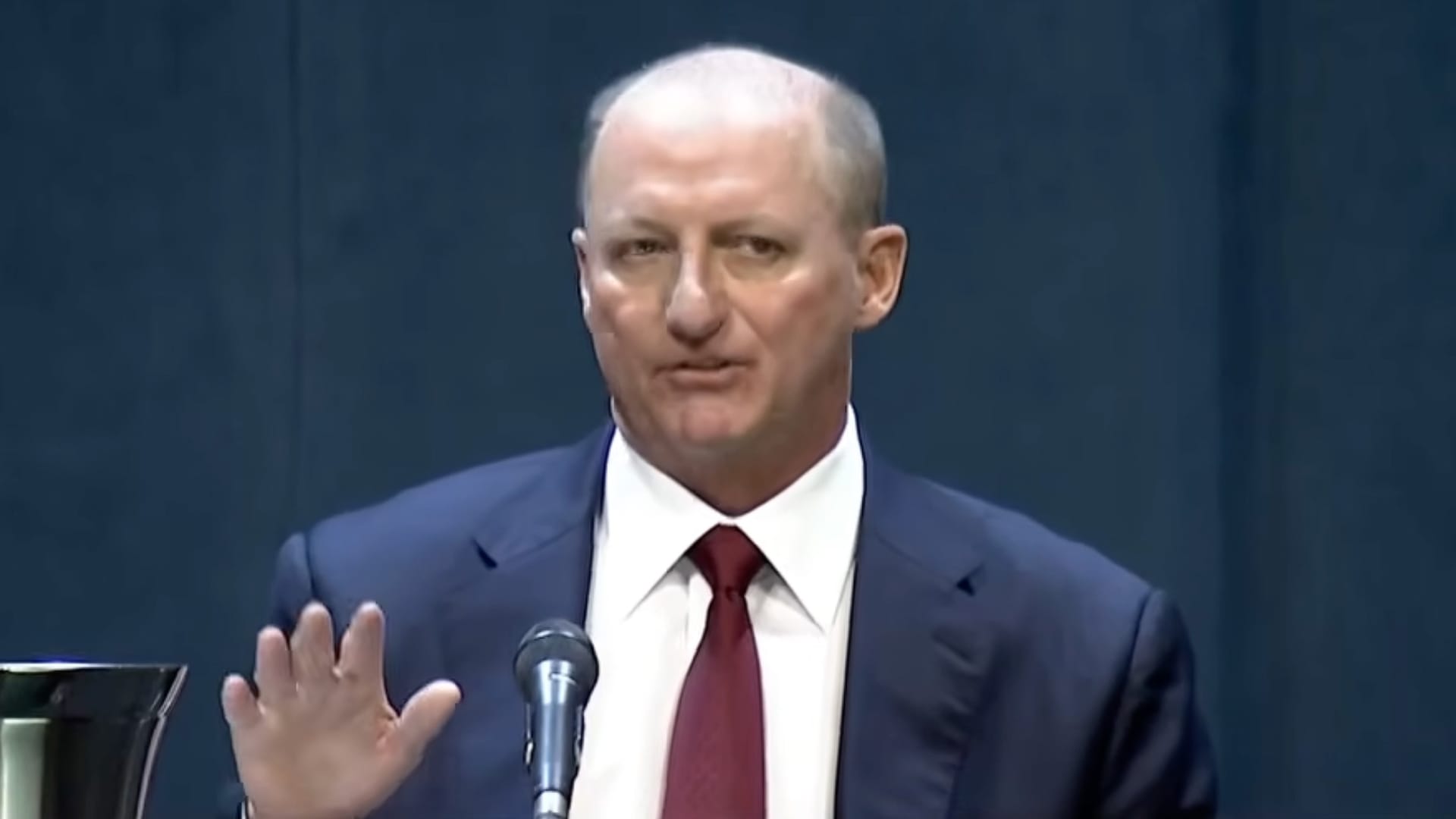
- Portfolio Restructuring: Under Greg Abel's leadership, Berkshire Hathaway's equity portfolio underwent significant changes in the first three months, adding Delta Air Lines and Macy's, indicating a renewed focus on the airline and retail sectors.
- Massive Alphabet Stake Increase: Berkshire increased its stake in Google's parent company Alphabet by 224% in Q1, making it the company's seventh-largest holding with a market value of $16.6 billion, and the stock has rallied 38% since, showcasing the success of this decision.
- Reduction in Holdings: Abel dramatically cut the number of companies in the portfolio, selling off major stakes including Amazon and Visa, with Amazon's shares reduced from 10 million to 2.3 million, reflecting a significant strategic shift in investment focus.
- Return to Delta Airlines: Berkshire purchased 39.8 million shares of Delta Air Lines in Q1, currently valued at $2.8 billion, marking the company's first return to airline stocks since 2020, demonstrating confidence in the recovery of the airline industry.
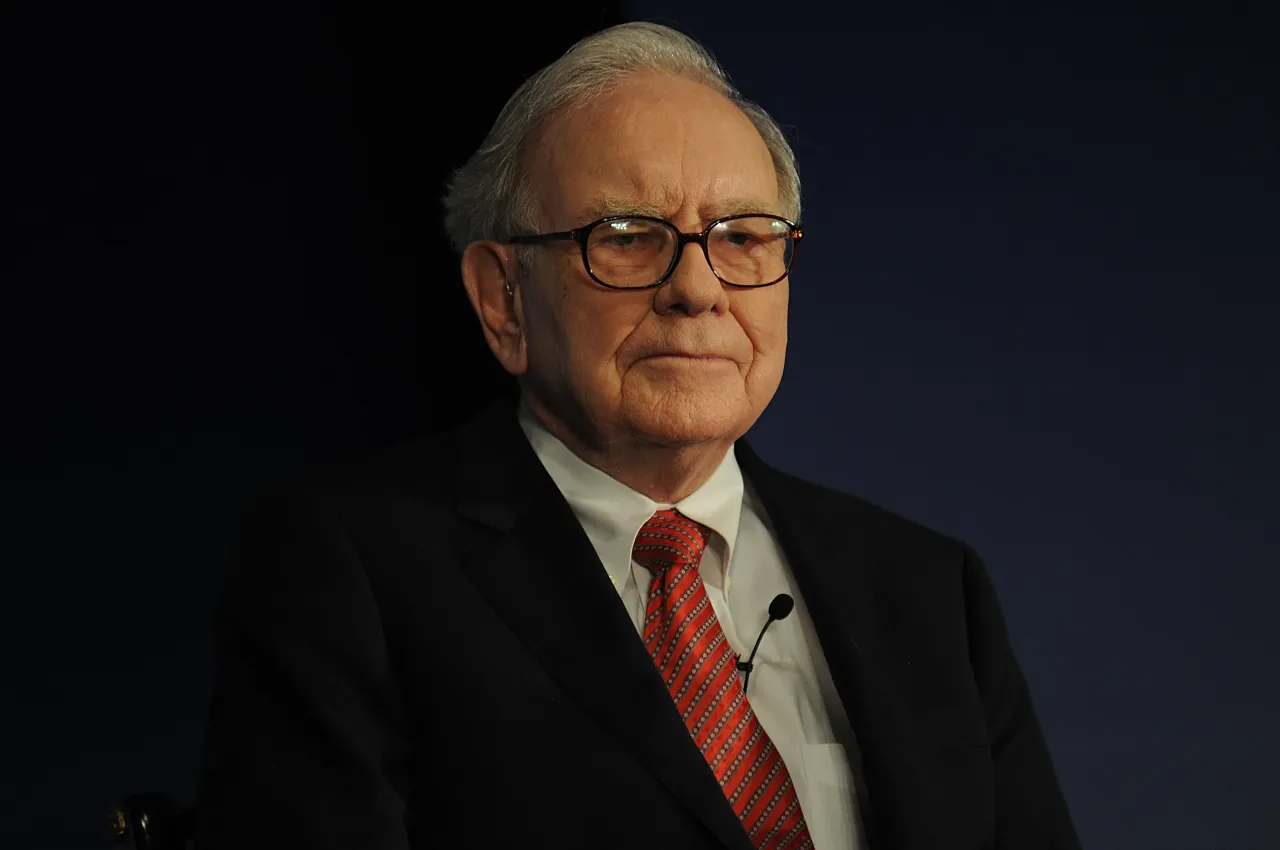
Berkshire Restructures Portfolio, Increases Stakes in Google and Delta

- Portfolio Restructuring: In Q1 2026, Berkshire Hathaway fully exited its position in UnitedHealth Group (UNH), marking the first portfolio shuffle under new CEO Greg Abel, indicating a strategic shift in the company's investment approach.
- Increased Google Holdings: Berkshire established a new $1 billion stake in Alphabet Class C shares (GOOG) and tripled its Class A shares (GOOGL) to approximately $15 billion, reflecting the company's continued confidence in tech stocks, which may drive long-term growth.
- New Investments and Reductions: The firm initiated a $2.6 billion position in Delta Air Lines (DAL) while trimming stakes in several core holdings, including Bank of America and Chevron, showcasing its confidence in the airline sector and caution towards traditional financial stocks.
- Positive Market Reaction: While shares of V, MA, and AMZN slipped marginally after hours, DAL and Macy's (M) saw increases of 3% and 6%, respectively, reflecting a positive market response to Berkshire's new investment strategy, particularly in the airline and retail sectors.

Berkshire Hathaway Reenters Airline Sector with Delta Stake

- Delta Stake Acquisition: Berkshire Hathaway has acquired a stake in Delta Air Lines worth over $2.6 billion, making it the company's 14th largest holding, marking a return to the airline sector after exiting during the pandemic, indicating confidence in the industry's recovery.
- Portfolio Rebalancing: In the first quarter, Berkshire trimmed its stake in Chevron while significantly increasing its investment in Alphabet, now the seventh largest holding, reflecting a strategic shift towards technology stocks.
- Stock Sales: The conglomerate sold several stocks last quarter, including Mastercard and Visa, likely to unwind positions tied to departed investment manager Todd Combs, showcasing a strategic adjustment following management changes.
- Increased Cash Reserves: Buffett acknowledged the current investment environment is not ideal, with Berkshire's cash reserves nearing $400 billion, indicating challenges in finding suitable investment opportunities.
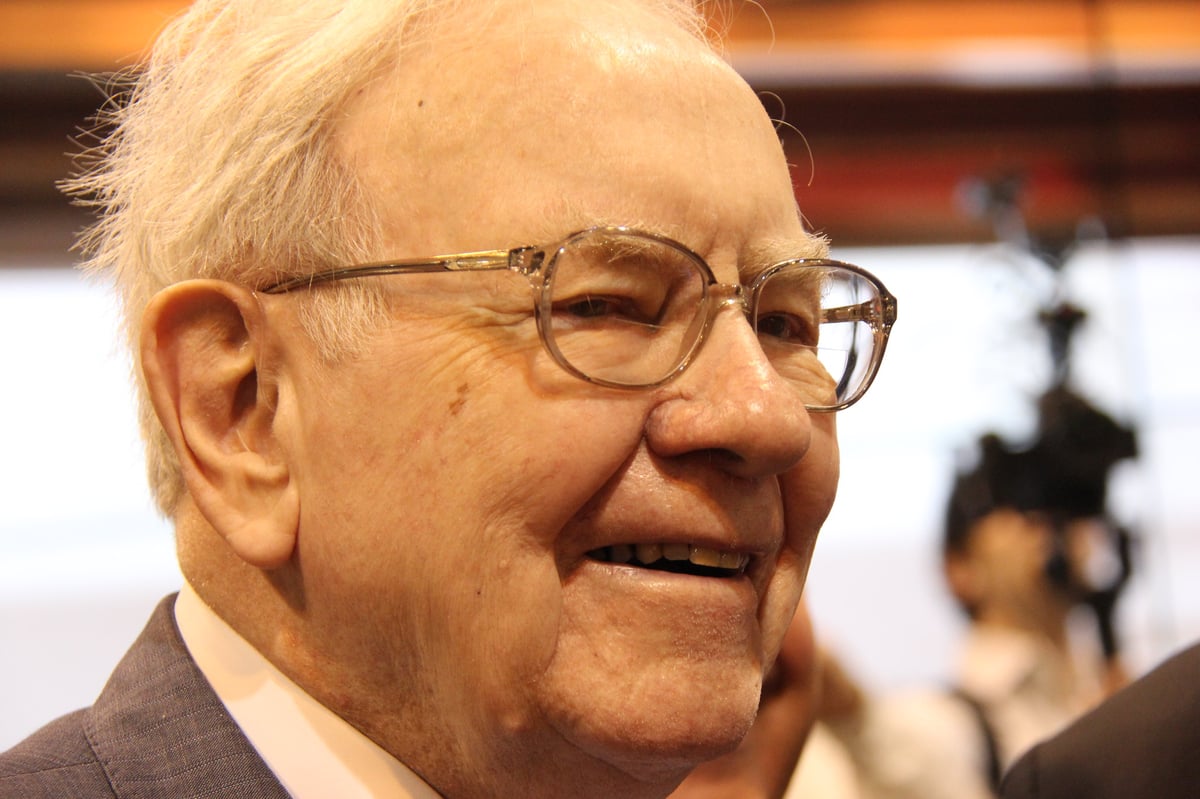
Buffett Retires, Abel Takes Control of Berkshire Hathaway

- Leadership Transition: Warren Buffett retired on December 31, handing over the reins to Greg Abel as CEO of Berkshire Hathaway, marking a new era for the company where Abel's leadership style and investment strategies will significantly impact future growth.
- Portfolio Overhaul: Abel completely exited 16 positions, including Amazon and Domino's Pizza, during Q1, demonstrating a bold restructuring of the portfolio, particularly the reduction in Amazon, which reflects a reassessment of value investments.
- Increased Stake in Alphabet: Abel tripled Berkshire's stake in Alphabet to approximately $23 billion by purchasing over 36 million Class A shares and 3.5 million Class C shares, indicating confidence in tech stocks and a focus on future growth potential.
- Cloud Computing Growth: Google Cloud achieved a 63% year-over-year growth rate in Q1, showcasing Abel's investment strategy that not only targets traditional industries but also actively invests in high-growth tech sectors, reflecting a shift in Berkshire's investment direction.
UnitedHealth Stock Pulls Back, Yet Holds Long-Term Potential
- Stock Pullback: UnitedHealth (UNH) snapped a six-session winning streak, closing down 0.59% at $398.8, despite a 9.6% gain over the past seven sessions, indicating short-term volatility in its stock performance.
- Earnings Beat: The company reported first-quarter revenue of $111.7 billion, up 2% year-over-year and above estimates, while adjusted earnings per share of $7.23 exceeded expectations by $0.63, reflecting strong profitability.
- Optimistic Outlook: UnitedHealth raised its full-year 2026 adjusted EPS outlook to over $18.25 from prior guidance of above $17.75, demonstrating confidence in future growth, particularly through premium repricing and AI-driven cost savings.
- Market Analysis: Despite concerns over elevated medical loss ratios and reimbursement uncertainties, 22 Wall Street analysts rated the stock as a Buy, indicating strong market confidence, especially after the company exited unprofitable Medicare Advantage markets, losing about 1 million members.
Berkshire's 13-F Filing Under New CEO Reveals Strategic Investment Shifts
- Stable Apple Holdings: Berkshire maintained its stake in Apple at approximately 228 million shares, which, while below the historical peak of over 900 million shares, still represents 22% of its equity portfolio, reflecting confidence in Apple's long-term value.
- Significant Google Investment: Berkshire's share count in Alphabet surged from about 17.85 million to roughly 58 million, pushing the position's value to nearly $17 billion, indicating CEO Abel's strong confidence and willingness to invest in tech stocks.
- Exploration of New Investment Areas: The new $2.65 billion stake in Delta Air Lines and a minor position in Macy's signal Abel's readiness to enter sectors previously avoided by Buffett, further diversifying the investment portfolio.
- Aggressive Sell-offs: Berkshire exited positions in Amazon, Visa, Mastercard, and others, while slashing its stake in Constellation Brands by 95%, indicating Abel's intent to reshape the investment strategy and reinforce his personal style.
Berkshire Hathaway's Major Portfolio Overhaul Under Greg Abel
- Portfolio Restructuring: Under Greg Abel's leadership, Berkshire Hathaway's equity portfolio underwent significant changes in the first three months, adding Delta Air Lines and Macy's, indicating a renewed focus on the airline and retail sectors.
- Massive Alphabet Stake Increase: Berkshire increased its stake in Google's parent company Alphabet by 224% in Q1, making it the company's seventh-largest holding with a market value of $16.6 billion, and the stock has rallied 38% since, showcasing the success of this decision.
- Reduction in Holdings: Abel dramatically cut the number of companies in the portfolio, selling off major stakes including Amazon and Visa, with Amazon's shares reduced from 10 million to 2.3 million, reflecting a significant strategic shift in investment focus.
- Return to Delta Airlines: Berkshire purchased 39.8 million shares of Delta Air Lines in Q1, currently valued at $2.8 billion, marking the company's first return to airline stocks since 2020, demonstrating confidence in the recovery of the airline industry.
Berkshire Restructures Portfolio, Increases Stakes in Google and Delta
- Portfolio Restructuring: In Q1 2026, Berkshire Hathaway fully exited its position in UnitedHealth Group (UNH), marking the first portfolio shuffle under new CEO Greg Abel, indicating a strategic shift in the company's investment approach.
- Increased Google Holdings: Berkshire established a new $1 billion stake in Alphabet Class C shares (GOOG) and tripled its Class A shares (GOOGL) to approximately $15 billion, reflecting the company's continued confidence in tech stocks, which may drive long-term growth.
- New Investments and Reductions: The firm initiated a $2.6 billion position in Delta Air Lines (DAL) while trimming stakes in several core holdings, including Bank of America and Chevron, showcasing its confidence in the airline sector and caution towards traditional financial stocks.
- Positive Market Reaction: While shares of V, MA, and AMZN slipped marginally after hours, DAL and Macy's (M) saw increases of 3% and 6%, respectively, reflecting a positive market response to Berkshire's new investment strategy, particularly in the airline and retail sectors.
Berkshire Hathaway Reenters Airline Sector with Delta Stake
- Delta Stake Acquisition: Berkshire Hathaway has acquired a stake in Delta Air Lines worth over $2.6 billion, making it the company's 14th largest holding, marking a return to the airline sector after exiting during the pandemic, indicating confidence in the industry's recovery.
- Portfolio Rebalancing: In the first quarter, Berkshire trimmed its stake in Chevron while significantly increasing its investment in Alphabet, now the seventh largest holding, reflecting a strategic shift towards technology stocks.
- Stock Sales: The conglomerate sold several stocks last quarter, including Mastercard and Visa, likely to unwind positions tied to departed investment manager Todd Combs, showcasing a strategic adjustment following management changes.
- Increased Cash Reserves: Buffett acknowledged the current investment environment is not ideal, with Berkshire's cash reserves nearing $400 billion, indicating challenges in finding suitable investment opportunities.
Buffett Retires, Abel Takes Control of Berkshire Hathaway
- Leadership Transition: Warren Buffett retired on December 31, handing over the reins to Greg Abel as CEO of Berkshire Hathaway, marking a new era for the company where Abel's leadership style and investment strategies will significantly impact future growth.
- Portfolio Overhaul: Abel completely exited 16 positions, including Amazon and Domino's Pizza, during Q1, demonstrating a bold restructuring of the portfolio, particularly the reduction in Amazon, which reflects a reassessment of value investments.
- Increased Stake in Alphabet: Abel tripled Berkshire's stake in Alphabet to approximately $23 billion by purchasing over 36 million Class A shares and 3.5 million Class C shares, indicating confidence in tech stocks and a focus on future growth potential.
- Cloud Computing Growth: Google Cloud achieved a 63% year-over-year growth rate in Q1, showcasing Abel's investment strategy that not only targets traditional industries but also actively invests in high-growth tech sectors, reflecting a shift in Berkshire's investment direction.