United States Antimony Forms Joint Venture with Americas Gold and Silver

United States Antimony (UAMY) announce a new Joint Venture together with Americas Gold and Silver Corporation (USAS) to construct a new state-of-the-art hydromet processing facility on lands being contributed to the JV located immediately adjacent to Americas active silver, copper, and antimony mines. The ownership of the JV is 51% Americas and 49% US Antimony, with US Antimony serving as the managing member. All major decisions will be decided by a newly formed committee of equal representation from both JV partners. The primary goal of this new relationship is greater control over the processing necessary for the three primary critical minerals being mined by Americas now and into the future. The common goal is to generate greater overall recoveries at a significantly lower cost to all parties, which in-turn improves profitability for the JV. This new project becomes the first-of-its-kind commercial-scale hydromet processing center located in North America, where UAMY has an exclusive license for this technology. The property in Idaho where the new hydromet facility will be constructed already has obtained all the necessary primary permits, with the exception of the construction permits. This accomplishment by Americas significantly improves our timeline by allowing for immediate construction plans which are now underway. The most significant permits obtained are as follows: IDEQ Idaho Pollutant Discharge Elimination System which is essentially the Discharge permit; IDEQ Stormwater to operate the tailings facility; and IDWR Dam Safety Certificate to operate the tailings facility.
Trade with 70% Backtested Accuracy
Analyst Views on UAMY

About UAMY
About the author

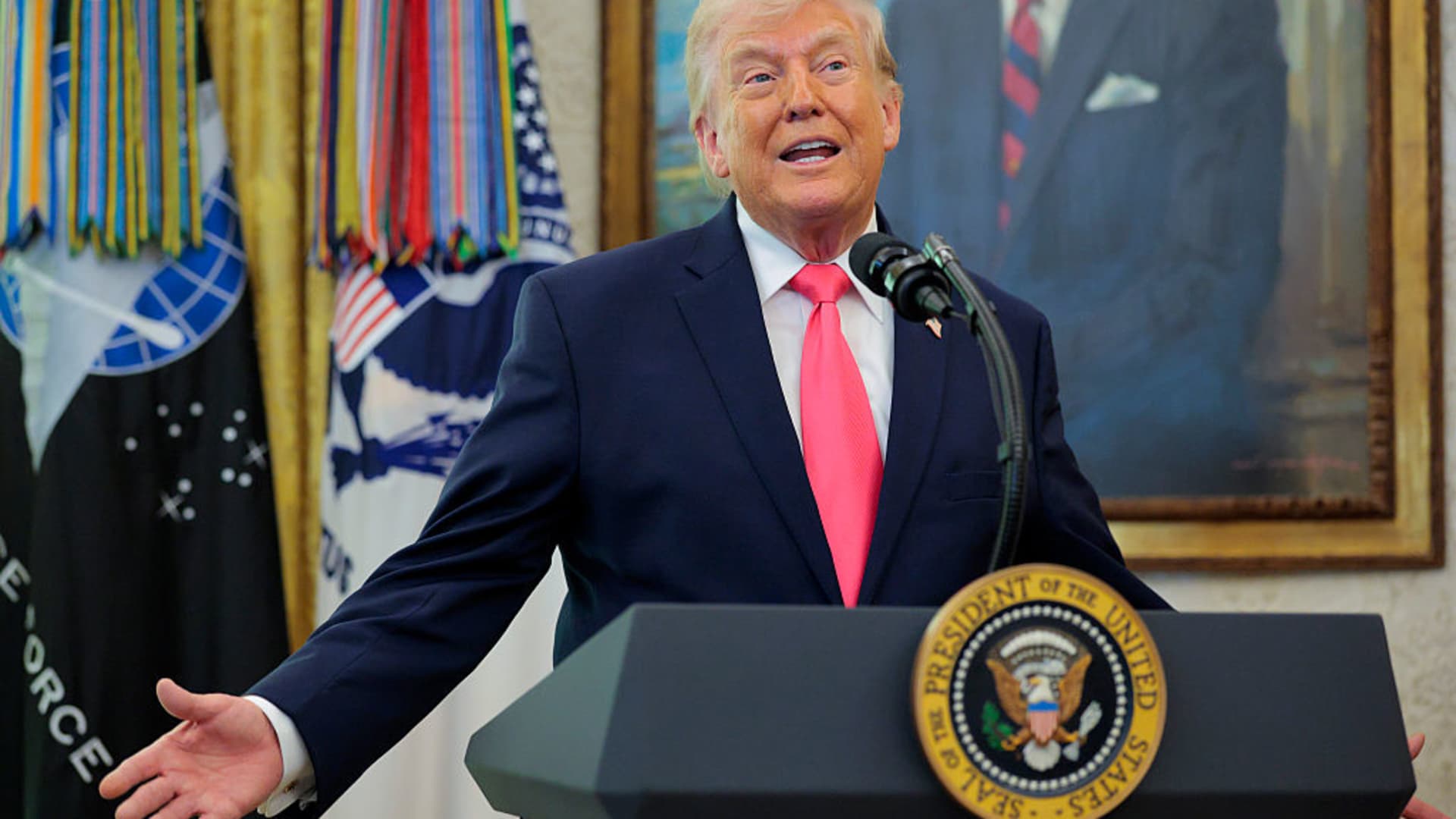
Trump Warns Iran to Reach Peace Deal Soon

- Trump's Strong Warning: President Trump warned Iran on social media to take peace negotiations seriously or face severe consequences, indicating a significant shift in the U.S. stance towards Iran amid ongoing tensions.
- Unclear Negotiation Status: While the U.S. claims peace talks are underway, Iranian Foreign Minister stated there has been no direct communication with Washington, highlighting contradictions and distrust that could exacerbate the situation further.
- Military Deployment Escalation: The U.S. is reportedly preparing to send thousands more troops to the region for potential military action, suggesting a readiness to act swiftly if negotiations fail, reflecting heightened vigilance regarding the conflict.
- Gulf Nations' Response: Gulf countries, including Saudi Arabia and the UAE, condemned Iran's attacks and issued a joint statement indicating readiness to take self-defense measures, showcasing regional dissatisfaction with Iran and potential military tensions.
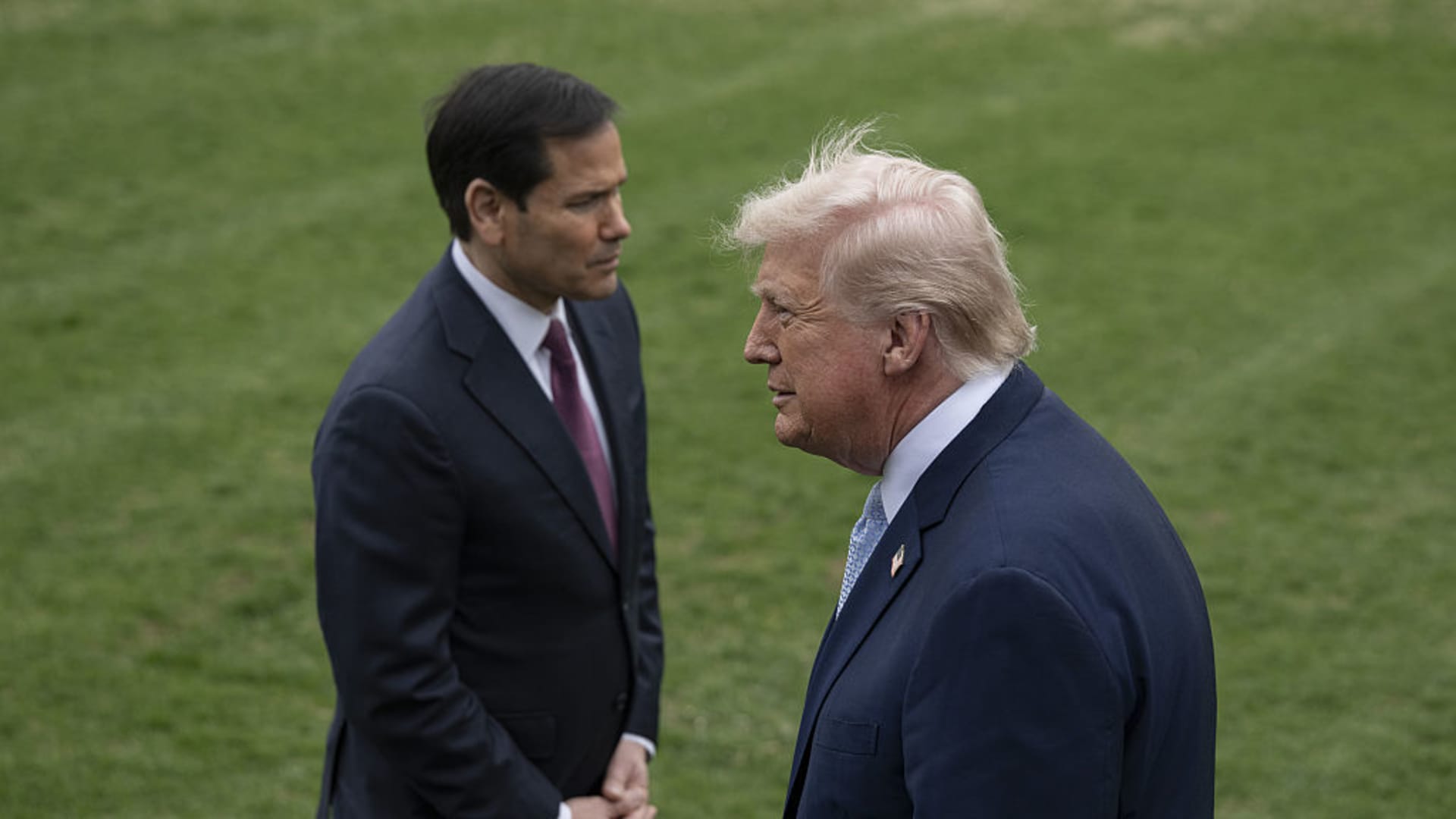
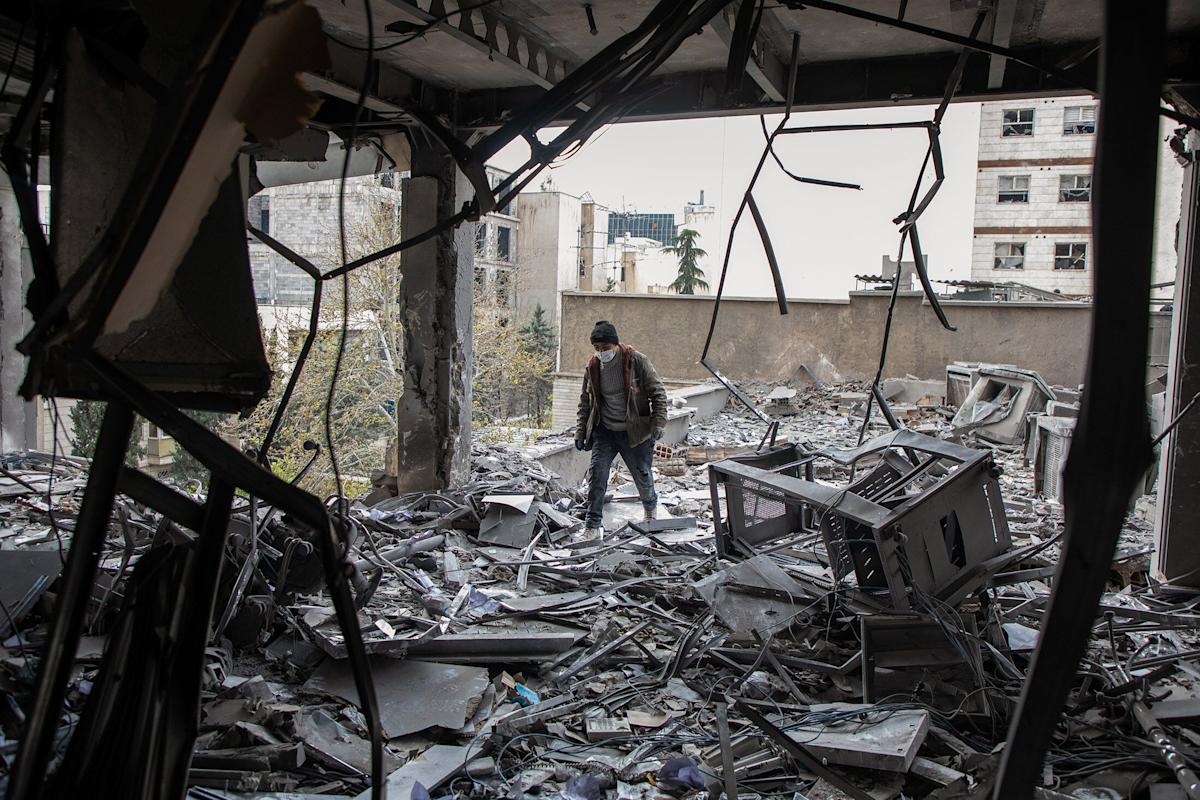
US Reinforces Military Presence in Middle East to Pressure Iran

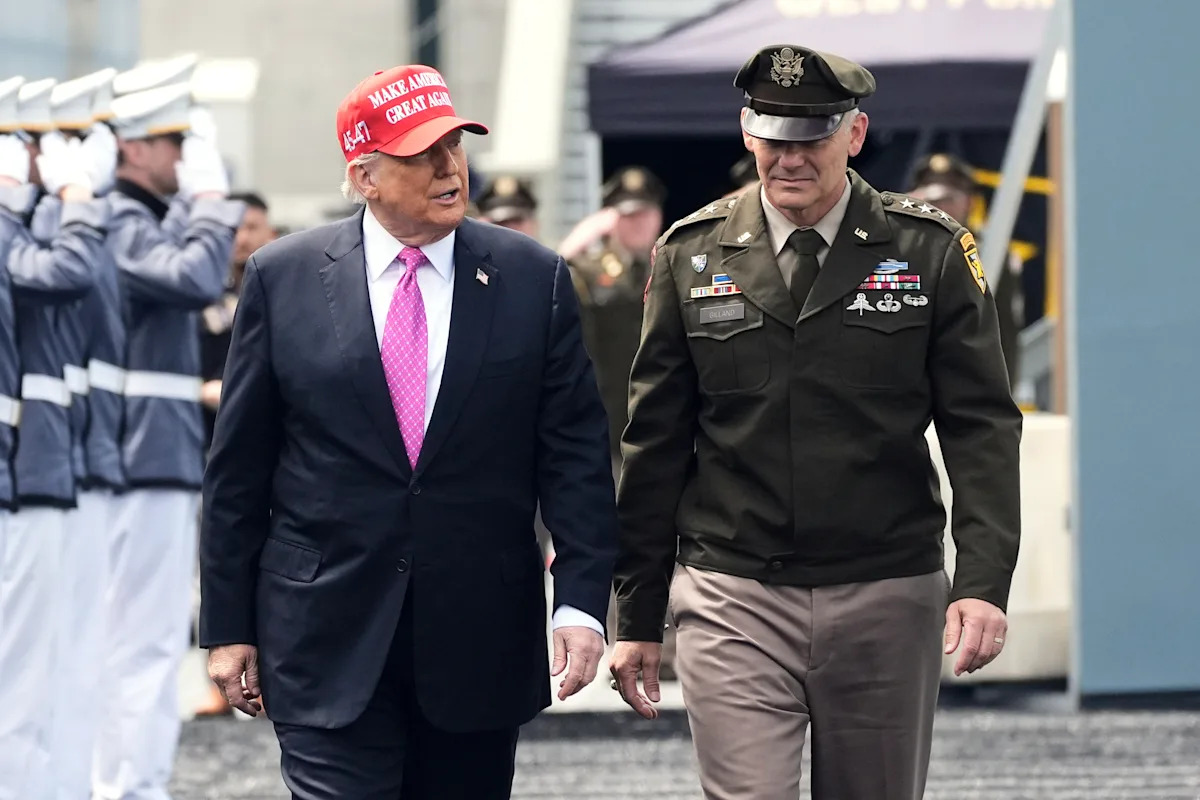
- Military Buildup Context: The U.S. plans to send thousands of additional soldiers to the Middle East, building on an existing presence of tens of thousands, indicating the Trump administration's hardline stance aimed at coercing Iran back to the negotiating table through military deterrence.
- Peace Plan Details: The U.S. has circulated a 15-point peace plan demanding Iran's complete termination of its nuclear program and restrictions on its missile capabilities, while Iran insists on war reparations and recognition of its sovereignty over the Strait of Hormuz, highlighting significant gaps in their positions.
- Geopolitical Risks: The military reinforcements may escalate tensions with Iran, as analysts warn that while they provide Trump with more leverage in negotiations, they could also provoke a harsher response from Tehran, complicating the diplomatic landscape further.
- Economic Impact Warning: Experts caution that the ongoing Iran war could have lasting effects on the global economy, particularly through disruptions in LNG and fertilizer supply chains, which may lead to elevated food inflation and political repercussions across multiple countries.

Insider of United States Antimony (UAMY.US) Plans to Sell $3.92 Million in Common Stock via Form 144
- Stock Sale Announcement: Gary C. Evans intends to sell 400,000 shares of his company's common stock on March 25.
- Market Value: The total market value of the shares being sold is approximately $3.92 million.
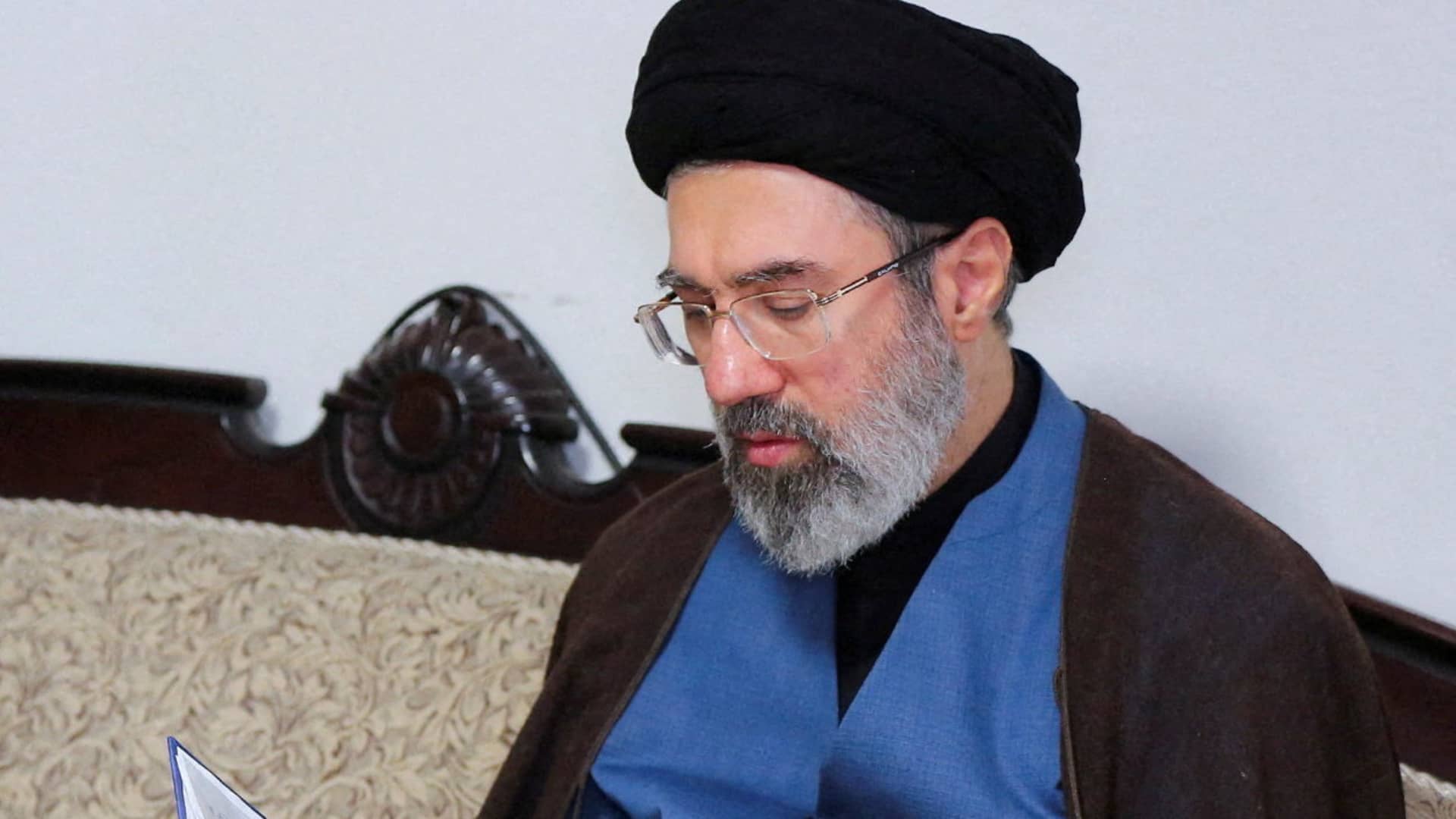
Iran Demands Recognition of Sovereignty Over Strait of Hormuz
- Iran Rejects Ceasefire Proposal: Iran has rejected the U.S. ceasefire offer and laid out a five-point counterproposal, including control over the Strait of Hormuz, complicating U.S. negotiation positions and impacting regional security dynamics.
- War Reparations Demand: Iran's insistence on halting 'aggression and assassinations' and clearly defined war reparations highlights its focus on the consequences of the conflict, which could affect future international relations and economic recovery efforts.
- Strategic Goals Realization: Iran has stated that it will only consider ending the conflict once its strategic goals are achieved, indicating a hardline stance in negotiations that may lead to further escalation of tensions.
- Possibility of Indirect Negotiations: Despite reports of increased U.S. efforts to facilitate a ceasefire and initiate indirect talks, Iran remains firm in its refusal to accept a ceasefire, complicating dialogue and potentially hindering future peace processes.
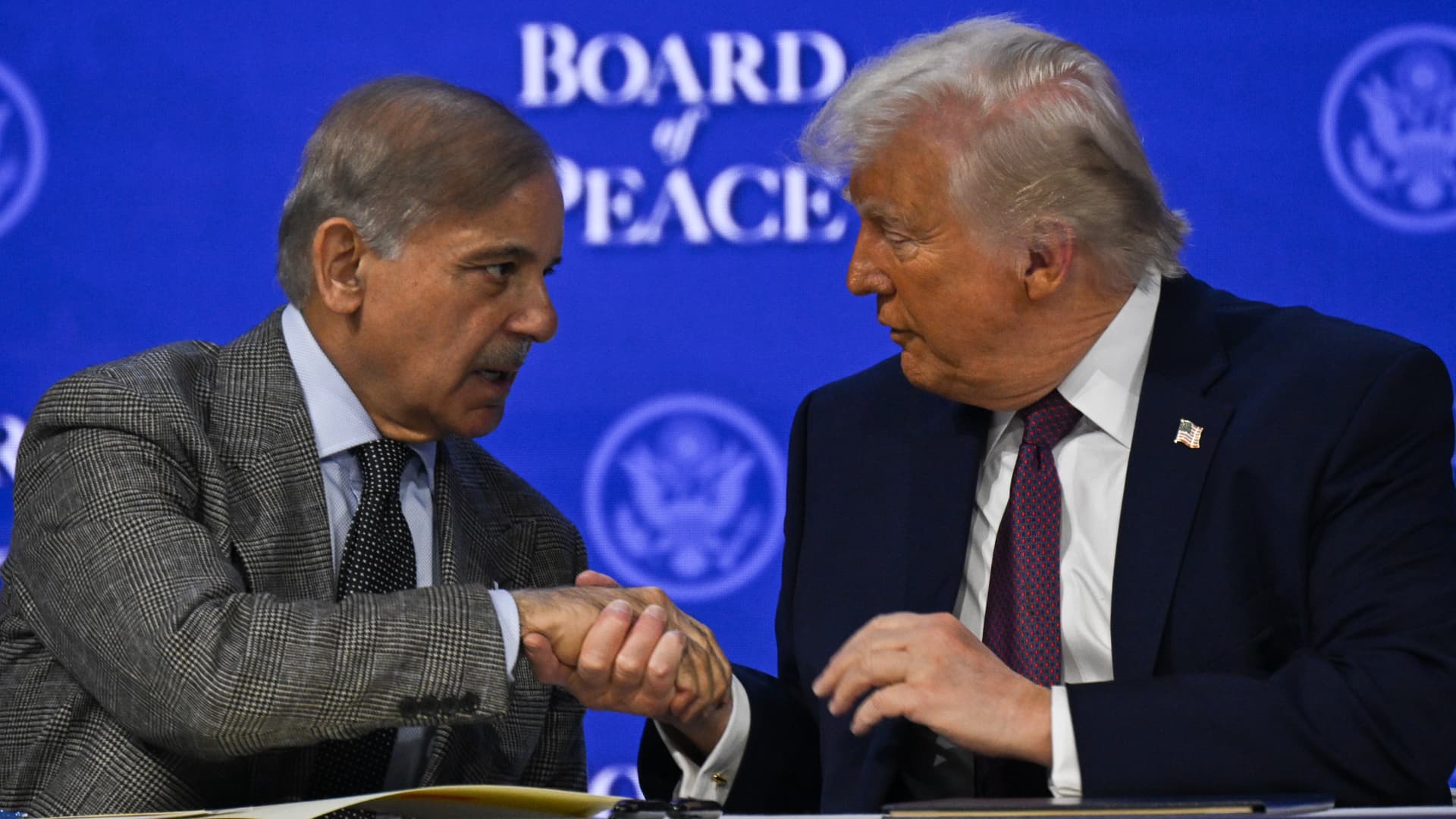
Pakistan Proposes to Host US-Iran Peace Talks
- Pakistan's Mediating Role: Prime Minister Shehbaz Sharif of Pakistan announced the country's readiness to host peace talks between the U.S. and Iran, aiming for a comprehensive resolution to the ongoing conflict, which is crucial for promoting peace and stability in the Middle East.
- Trump's Firm Stance: President Trump claimed on social media that despite contradictory reports regarding negotiations with Iran, U.S. negotiators had engaged in 'very strong talks' recently, leading him to postpone an ultimatum for Iran, indicating a potential shift in diplomatic strategy.
- Diplomatic Efforts by Regional Leaders: Reports suggest that countries like Pakistan, Egypt, and Turkey are acting as intermediaries in the U.S.-Iran talks, highlighting the proactive role of regional nations in facilitating peace, although Saudi Crown Prince Mohammed bin Salman is reportedly urging Trump to maintain a confrontational approach towards Iran.
- Market Reaction: Trump's announcement resulted in a rally in U.S. stocks, reflecting market optimism regarding potential peace negotiations, despite Iranian officials denying any ongoing discussions, indicating the complexity and uncertainty of the situation.

Global Commodities Market Structural Realignment

- Copper Supply Shortage Forecast: J.P. Morgan projects a significant refined copper deficit of 330,000 metric tonnes in 2026, driven by historic underinvestment and mine disruptions, which could lead to rising copper prices and impact profitability for related companies.
- Critical Minerals Ministerial: The U.S. State Department gathered 54 nations for the Critical Minerals Ministerial, committing over $10 billion to secure scalable supply chains and signing eleven new bilateral agreements with key producing countries, highlighting the global emphasis on critical mineral resources.
- GoldHaven Resource Expansion: GoldHaven has expanded its Magno project in British Columbia with three newly acquired mineral claims totaling over 37,200 hectares, containing tungsten, molybdenum, and copper-zinc deposits, indicating its potential and strategic positioning in the critical minerals sector.
- United States Antimony Revenue Growth: The company reported a revenue of $39.26 million for 2025, up 163% year-over-year, primarily due to soaring antimony prices following China's export controls, with a 2026 revenue guidance of $125 million, underscoring its critical role in mineral supply chains.
Trump Warns Iran to Reach Peace Deal Soon
- Trump's Strong Warning: President Trump warned Iran on social media to take peace negotiations seriously or face severe consequences, indicating a significant shift in the U.S. stance towards Iran amid ongoing tensions.
- Unclear Negotiation Status: While the U.S. claims peace talks are underway, Iranian Foreign Minister stated there has been no direct communication with Washington, highlighting contradictions and distrust that could exacerbate the situation further.
- Military Deployment Escalation: The U.S. is reportedly preparing to send thousands more troops to the region for potential military action, suggesting a readiness to act swiftly if negotiations fail, reflecting heightened vigilance regarding the conflict.
- Gulf Nations' Response: Gulf countries, including Saudi Arabia and the UAE, condemned Iran's attacks and issued a joint statement indicating readiness to take self-defense measures, showcasing regional dissatisfaction with Iran and potential military tensions.
US Reinforces Military Presence in Middle East to Pressure Iran
- Military Buildup Context: The U.S. plans to send thousands of additional soldiers to the Middle East, building on an existing presence of tens of thousands, indicating the Trump administration's hardline stance aimed at coercing Iran back to the negotiating table through military deterrence.
- Peace Plan Details: The U.S. has circulated a 15-point peace plan demanding Iran's complete termination of its nuclear program and restrictions on its missile capabilities, while Iran insists on war reparations and recognition of its sovereignty over the Strait of Hormuz, highlighting significant gaps in their positions.
- Geopolitical Risks: The military reinforcements may escalate tensions with Iran, as analysts warn that while they provide Trump with more leverage in negotiations, they could also provoke a harsher response from Tehran, complicating the diplomatic landscape further.
- Economic Impact Warning: Experts caution that the ongoing Iran war could have lasting effects on the global economy, particularly through disruptions in LNG and fertilizer supply chains, which may lead to elevated food inflation and political repercussions across multiple countries.
Insider of United States Antimony (UAMY.US) Plans to Sell $3.92 Million in Common Stock via Form 144
- Stock Sale Announcement: Gary C. Evans intends to sell 400,000 shares of his company's common stock on March 25.
- Market Value: The total market value of the shares being sold is approximately $3.92 million.
Iran Demands Recognition of Sovereignty Over Strait of Hormuz
- Iran Rejects Ceasefire Proposal: Iran has rejected the U.S. ceasefire offer and laid out a five-point counterproposal, including control over the Strait of Hormuz, complicating U.S. negotiation positions and impacting regional security dynamics.
- War Reparations Demand: Iran's insistence on halting 'aggression and assassinations' and clearly defined war reparations highlights its focus on the consequences of the conflict, which could affect future international relations and economic recovery efforts.
- Strategic Goals Realization: Iran has stated that it will only consider ending the conflict once its strategic goals are achieved, indicating a hardline stance in negotiations that may lead to further escalation of tensions.
- Possibility of Indirect Negotiations: Despite reports of increased U.S. efforts to facilitate a ceasefire and initiate indirect talks, Iran remains firm in its refusal to accept a ceasefire, complicating dialogue and potentially hindering future peace processes.
Pakistan Proposes to Host US-Iran Peace Talks
- Pakistan's Mediating Role: Prime Minister Shehbaz Sharif of Pakistan announced the country's readiness to host peace talks between the U.S. and Iran, aiming for a comprehensive resolution to the ongoing conflict, which is crucial for promoting peace and stability in the Middle East.
- Trump's Firm Stance: President Trump claimed on social media that despite contradictory reports regarding negotiations with Iran, U.S. negotiators had engaged in 'very strong talks' recently, leading him to postpone an ultimatum for Iran, indicating a potential shift in diplomatic strategy.
- Diplomatic Efforts by Regional Leaders: Reports suggest that countries like Pakistan, Egypt, and Turkey are acting as intermediaries in the U.S.-Iran talks, highlighting the proactive role of regional nations in facilitating peace, although Saudi Crown Prince Mohammed bin Salman is reportedly urging Trump to maintain a confrontational approach towards Iran.
- Market Reaction: Trump's announcement resulted in a rally in U.S. stocks, reflecting market optimism regarding potential peace negotiations, despite Iranian officials denying any ongoing discussions, indicating the complexity and uncertainty of the situation.
Global Commodities Market Structural Realignment
- Copper Supply Shortage Forecast: J.P. Morgan projects a significant refined copper deficit of 330,000 metric tonnes in 2026, driven by historic underinvestment and mine disruptions, which could lead to rising copper prices and impact profitability for related companies.
- Critical Minerals Ministerial: The U.S. State Department gathered 54 nations for the Critical Minerals Ministerial, committing over $10 billion to secure scalable supply chains and signing eleven new bilateral agreements with key producing countries, highlighting the global emphasis on critical mineral resources.
- GoldHaven Resource Expansion: GoldHaven has expanded its Magno project in British Columbia with three newly acquired mineral claims totaling over 37,200 hectares, containing tungsten, molybdenum, and copper-zinc deposits, indicating its potential and strategic positioning in the critical minerals sector.
- United States Antimony Revenue Growth: The company reported a revenue of $39.26 million for 2025, up 163% year-over-year, primarily due to soaring antimony prices following China's export controls, with a 2026 revenue guidance of $125 million, underscoring its critical role in mineral supply chains.