Anthropic's Model Expands Cybersecurity Capabilities Amid AI Concerns
Written by Emily J. Thompson, Senior Investment Analyst
Updated: 1 hour ago
0mins
Should l Buy CRWD?
Source: seekingalpha
- Model Capability Expansion: Anthropic's Claude Mythosleak demonstrates an expansion of frontier models in cybersecurity, while Jefferies analysts contend that identity, network, and endpoint security vendors remain relatively insulated from AI disruption, suggesting that market concerns over AI may be overstated.
- Budget Risk Assessment: Jefferies analysts highlight that while advancements in large language models (LLMs) could detract from cybersecurity budget spending, prior surveys indicate that the risk of budget reallocation is relatively muted, reflecting sustained demand for cybersecurity solutions.
- Emerging Partnerships: Anthropic's documents indicate that the model is a precursor to a wave of models capable of exploiting vulnerabilities, and its early release to cybersecurity firms suggests a partnership rather than competition, which is a positive signal for overall cybersecurity demand.
- Positive Market Response: During Monday's market action, CrowdStrike rose 4.5%, SentinelOne increased 2.7%, Palo Alto Networks jumped about 7%, and Fortinet edged up 3%, indicating growing market confidence in cybersecurity stocks.
Trade with 70% Backtested Accuracy
Stop guessing "Should I Buy CRWD?" and start using high-conviction signals backed by rigorous historical data.
Sign up today to access powerful investing tools and make smarter, data-driven decisions.
Analyst Views on CRWD
Wall Street analysts forecast CRWD stock price to rise
34 Analyst Rating
23 Buy
11 Hold
0 Sell
Moderate Buy
Current: 369.580

Low
353.00
Averages
559.71
High
640.00
Current: 369.580
Low
353.00
Averages
559.71
High
640.00
About CRWD
CrowdStrike Holdings, Inc. is a global cybersecurity company that provides cloud-delivered protection of endpoints, cloud workloads, identity and data. Its Falcon platform is designed for cybersecurity consolidation, purpose-built to stop breaches. The platforms collect and integrate data from across the enterprise, including endpoints, cloud workloads, identities, and third-party sources. It offers 29 cloud modules on its Falcon platform via a software as a service (SaaS) subscription-based model that spans multiple large markets, including corporate endpoint and cloud workload security, managed security services, security and vulnerability management, information technology (IT) operations management, identity protection, next-generation security information and event management (SIEM) and log management, threat intelligence services, data protection, SaaS security posture management, automation and response (SOAR) and artificial intelligence powered workflow automation, and others.
About the author

Emily J. Thompson
Emily J. Thompson, a Chartered Financial Analyst (CFA) with 12 years in investment research, graduated with honors from the Wharton School. Specializing in industrial and technology stocks, she provides in-depth analysis for Intellectia’s earnings and market brief reports.
Mixed U.S. Stock Indices Amid Rising Oil Prices


- Mixed Stock Performance: The S&P 500 Index fell by 0.29%, while the Dow Jones Industrial Average rose by 0.26%, and the Nasdaq 100 Index decreased by 0.67%, indicating a complex market reaction to Federal Reserve policies and international tensions.
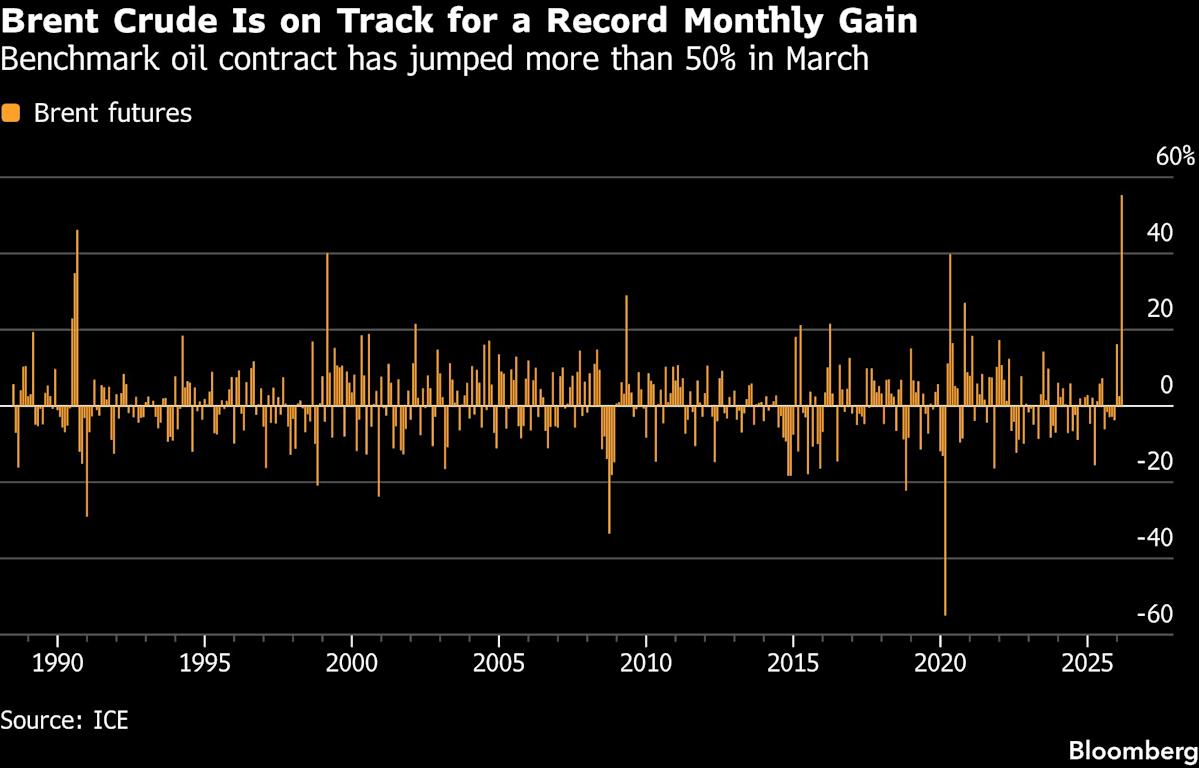
- Rising Oil Prices: Crude oil prices surged over 2% to a three-week high due to disruptions in oil and gas flows through the Strait of Hormuz caused by the Iran conflict, which could negatively impact global economic growth.
- Weak Manufacturing Activity: The Dallas Fed manufacturing activity index dropped from -0.4 to -0.2, falling short of the expected increase to 2.0, suggesting challenges in economic recovery that may influence future policy decisions.
- Escalating International Tensions: U.S. and Israeli military actions against Iran have intensified, with 3,500 sailors and Marines deployed to the Middle East, potentially leading to further volatility in energy markets and impacting global supply chains.
See More

Market Volatility and TJX Dividend Increase

- Market Volatility: The S&P 500 struggled to maintain gains at the start of the holiday-shortened trading week, initially rising after President Trump's comments on the Iran war but subsequently falling, with the tech-heavy Nasdaq leading the decline, indicating market uncertainty.
- Oil Price Impact: U.S. West Texas Intermediate crude oil prices rose over 3% to above $100 per barrel; however, despite this typically leading to higher bond yields, the 10-year Treasury yield fell about 10 basis points to 4.32%, reflecting a cautious market response to short-term energy cost spikes.
- TJX Dividend and Buyback: TJX Companies announced a 14% increase in its quarterly dividend to $0.48 per share and plans to repurchase approximately $2.5 billion to $2.75 billion of stock in the current fiscal year, signaling confidence in future earnings and cash flow growth, despite a modest dividend yield of 1.2%.
- Strong Long-term Performance: TJX shares have risen 298% over the past decade, with a total return of 358% when including reinvested dividends, demonstrating the company's consistent execution and off-price model's effectiveness in attracting value-seeking shoppers.
See More
Palo Alto CEO's First Share Purchase Boosts Market Confidence


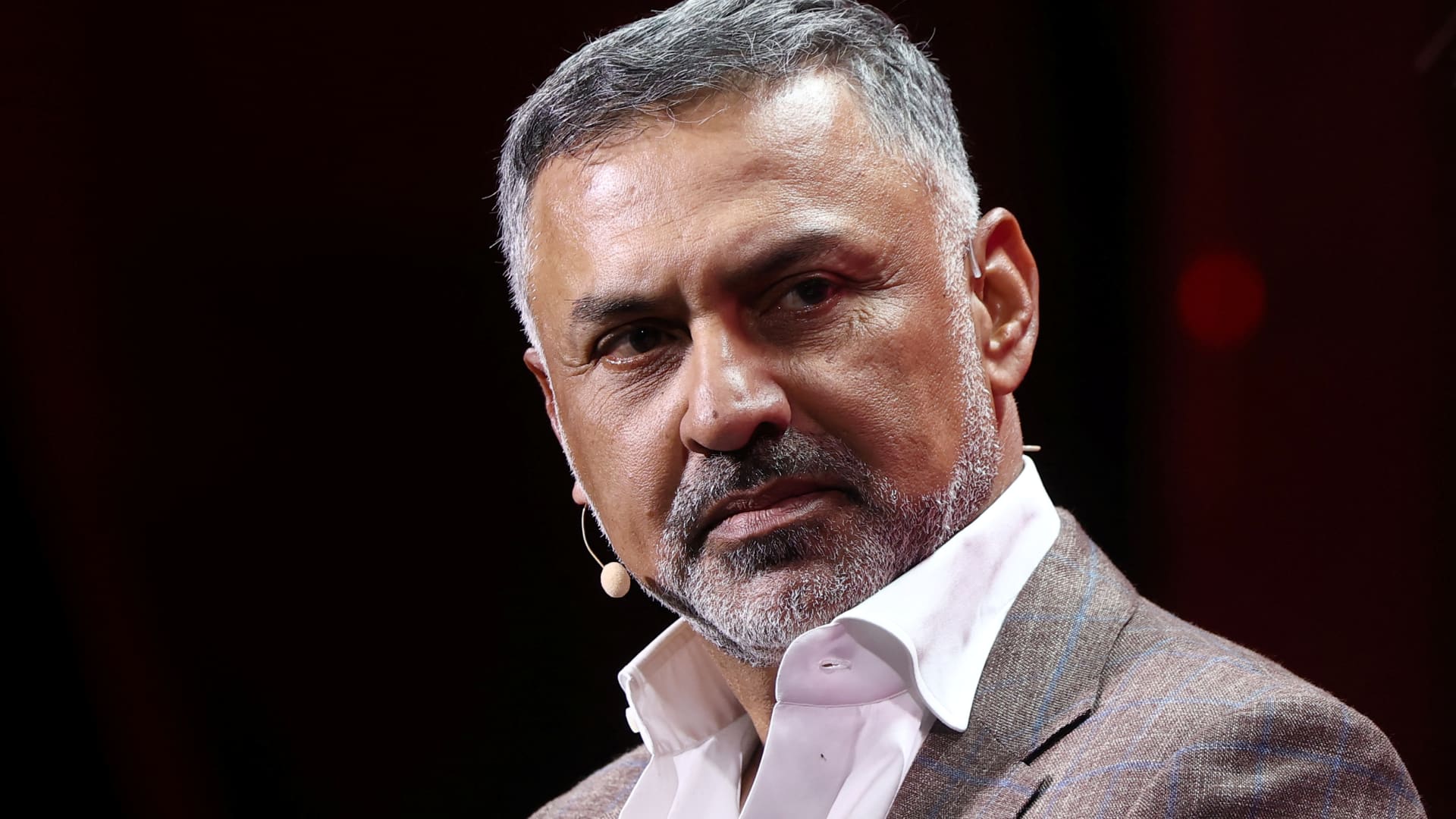
- Executive Purchase Signal: Palo Alto Networks CEO Nikesh Arora disclosed his first share purchase since November 2019, acquiring 68,085 shares for approximately $10 million, which was interpreted by the market as a positive signal for the struggling cybersecurity sector, resulting in a 6% increase in the company's stock price.
- Positive Market Reaction: Despite a 15% decline in Palo Alto's stock this year, Arora's purchase boosted investor confidence, leading to a 3% rise in shares of related companies such as Okta, CrowdStrike, and Netskope.
- AI Tool Impact: With Anthropic's introduction of new tools, the cybersecurity industry faces disruption risks from AI technologies; Arora urged industry collaboration in a blog post to address this
See More

Palo Alto Networks CEO Makes First Share Purchase Since 2019

- First Share Purchase: Palo Alto Networks CEO Nikesh Arora disclosed his first stock purchase since November 2019, totaling approximately $10 million for 68,085 shares, which Wall Street interpreted as a positive sign for the struggling cybersecurity sector, resulting in a 6% increase in the company's stock price.
- Sector Pressure: Cybersecurity stocks have plummeted over recent months due to concerns surrounding the rise of AI tools, with Palo Alto's shares down 15% year-to-date, highlighting the significant challenges faced by the industry amid fears of disruption.
- Call for AI Collaboration: In a blog post, Arora emphasized the need for AI labs and cybersecurity firms to collaborate in order to tackle increasingly sophisticated hacking threats, stating that this is the industry's
See More

Anthropic's Model Expands Cybersecurity Capabilities Amid AI Concerns

- Model Capability Expansion: Anthropic's Claude Mythosleak demonstrates an expansion of frontier models in cybersecurity, while Jefferies analysts contend that identity, network, and endpoint security vendors remain relatively insulated from AI disruption, suggesting that market concerns over AI may be overstated.
- Budget Risk Assessment: Jefferies analysts highlight that while advancements in large language models (LLMs) could detract from cybersecurity budget spending, prior surveys indicate that the risk of budget reallocation is relatively muted, reflecting sustained demand for cybersecurity solutions.
- Emerging Partnerships: Anthropic's documents indicate that the model is a precursor to a wave of models capable of exploiting vulnerabilities, and its early release to cybersecurity firms suggests a partnership rather than competition, which is a positive signal for overall cybersecurity demand.
- Positive Market Response: During Monday's market action, CrowdStrike rose 4.5%, SentinelOne increased 2.7%, Palo Alto Networks jumped about 7%, and Fortinet edged up 3%, indicating growing market confidence in cybersecurity stocks.
See More

US Stocks Rise as Oil Prices Hit Three-Week High
- Market Gains: The S&P 500 Index rose by 0.58%, the Dow Jones Industrial Average increased by 0.91%, and the Nasdaq 100 Index climbed by 0.30%, reflecting a positive market sentiment amid expectations that the Fed may keep interest rates unchanged.
- Declining Bond Yields: The 10-year Treasury note yield fell by 10 basis points to 4.33%, driven by concerns that the ongoing war in the Middle East could lead to a fuel shortage, potentially hindering global economic growth and influencing the Fed's future rate decisions.
- Rising Oil Prices: Crude oil prices surged over 2% to a three-week high due to Iranian attacks on shipping, raising fears that the closure of the Strait of Hormuz could disrupt global oil and gas supplies, which may lead to significant price increases.
- Manufacturing Activity Decline: The Dallas Fed's manufacturing activity survey dropped by 0.4 to -0.2, falling short of the expected increase to 2.0, indicating signs of economic slowdown that could impact future investment decisions.
See More
Mixed U.S. Stock Indices Amid Rising Oil Prices
- Mixed Stock Performance: The S&P 500 Index fell by 0.29%, while the Dow Jones Industrial Average rose by 0.26%, and the Nasdaq 100 Index decreased by 0.67%, indicating a complex market reaction to Federal Reserve policies and international tensions.
- Rising Oil Prices: Crude oil prices surged over 2% to a three-week high due to disruptions in oil and gas flows through the Strait of Hormuz caused by the Iran conflict, which could negatively impact global economic growth.
- Weak Manufacturing Activity: The Dallas Fed manufacturing activity index dropped from -0.4 to -0.2, falling short of the expected increase to 2.0, suggesting challenges in economic recovery that may influence future policy decisions.
- Escalating International Tensions: U.S. and Israeli military actions against Iran have intensified, with 3,500 sailors and Marines deployed to the Middle East, potentially leading to further volatility in energy markets and impacting global supply chains.
See More
Market Volatility and TJX Dividend Increase
- Market Volatility: The S&P 500 struggled to maintain gains at the start of the holiday-shortened trading week, initially rising after President Trump's comments on the Iran war but subsequently falling, with the tech-heavy Nasdaq leading the decline, indicating market uncertainty.
- Oil Price Impact: U.S. West Texas Intermediate crude oil prices rose over 3% to above $100 per barrel; however, despite this typically leading to higher bond yields, the 10-year Treasury yield fell about 10 basis points to 4.32%, reflecting a cautious market response to short-term energy cost spikes.
- TJX Dividend and Buyback: TJX Companies announced a 14% increase in its quarterly dividend to $0.48 per share and plans to repurchase approximately $2.5 billion to $2.75 billion of stock in the current fiscal year, signaling confidence in future earnings and cash flow growth, despite a modest dividend yield of 1.2%.
- Strong Long-term Performance: TJX shares have risen 298% over the past decade, with a total return of 358% when including reinvested dividends, demonstrating the company's consistent execution and off-price model's effectiveness in attracting value-seeking shoppers.
See More
Palo Alto CEO's First Share Purchase Boosts Market Confidence
- Executive Purchase Signal: Palo Alto Networks CEO Nikesh Arora disclosed his first share purchase since November 2019, acquiring 68,085 shares for approximately $10 million, which was interpreted by the market as a positive signal for the struggling cybersecurity sector, resulting in a 6% increase in the company's stock price.
- Positive Market Reaction: Despite a 15% decline in Palo Alto's stock this year, Arora's purchase boosted investor confidence, leading to a 3% rise in shares of related companies such as Okta, CrowdStrike, and Netskope.
- AI Tool Impact: With Anthropic's introduction of new tools, the cybersecurity industry faces disruption risks from AI technologies; Arora urged industry collaboration in a blog post to address this
See More
Palo Alto Networks CEO Makes First Share Purchase Since 2019
- First Share Purchase: Palo Alto Networks CEO Nikesh Arora disclosed his first stock purchase since November 2019, totaling approximately $10 million for 68,085 shares, which Wall Street interpreted as a positive sign for the struggling cybersecurity sector, resulting in a 6% increase in the company's stock price.
- Sector Pressure: Cybersecurity stocks have plummeted over recent months due to concerns surrounding the rise of AI tools, with Palo Alto's shares down 15% year-to-date, highlighting the significant challenges faced by the industry amid fears of disruption.
- Call for AI Collaboration: In a blog post, Arora emphasized the need for AI labs and cybersecurity firms to collaborate in order to tackle increasingly sophisticated hacking threats, stating that this is the industry's
See More
Anthropic's Model Expands Cybersecurity Capabilities Amid AI Concerns
- Model Capability Expansion: Anthropic's Claude Mythosleak demonstrates an expansion of frontier models in cybersecurity, while Jefferies analysts contend that identity, network, and endpoint security vendors remain relatively insulated from AI disruption, suggesting that market concerns over AI may be overstated.
- Budget Risk Assessment: Jefferies analysts highlight that while advancements in large language models (LLMs) could detract from cybersecurity budget spending, prior surveys indicate that the risk of budget reallocation is relatively muted, reflecting sustained demand for cybersecurity solutions.
- Emerging Partnerships: Anthropic's documents indicate that the model is a precursor to a wave of models capable of exploiting vulnerabilities, and its early release to cybersecurity firms suggests a partnership rather than competition, which is a positive signal for overall cybersecurity demand.
- Positive Market Response: During Monday's market action, CrowdStrike rose 4.5%, SentinelOne increased 2.7%, Palo Alto Networks jumped about 7%, and Fortinet edged up 3%, indicating growing market confidence in cybersecurity stocks.
See More
US Stocks Rise as Oil Prices Hit Three-Week High
- Market Gains: The S&P 500 Index rose by 0.58%, the Dow Jones Industrial Average increased by 0.91%, and the Nasdaq 100 Index climbed by 0.30%, reflecting a positive market sentiment amid expectations that the Fed may keep interest rates unchanged.
- Declining Bond Yields: The 10-year Treasury note yield fell by 10 basis points to 4.33%, driven by concerns that the ongoing war in the Middle East could lead to a fuel shortage, potentially hindering global economic growth and influencing the Fed's future rate decisions.
- Rising Oil Prices: Crude oil prices surged over 2% to a three-week high due to Iranian attacks on shipping, raising fears that the closure of the Strait of Hormuz could disrupt global oil and gas supplies, which may lead to significant price increases.
- Manufacturing Activity Decline: The Dallas Fed's manufacturing activity survey dropped by 0.4 to -0.2, falling short of the expected increase to 2.0, indicating signs of economic slowdown that could impact future investment decisions.
See More