United Airlines Invests in Denver Facility
Written by Emily J. Thompson, Senior Investment Analyst
Updated: Mar 24 2026
0mins
Should l Buy UAL?
Source: CNBC
- New Cabin Design: United Airlines has unveiled a new cabin design that reduces standard coach seating while increasing premium seating options, which is expected to enhance overall profit margins, particularly given the strong demand in the premium market.
- Fare Discrepancy: For instance, a flight from Newark to San Francisco has a fare of $423 in standard coach, while the top-tier Polaris class costs $5,556, highlighting the profit potential of premium seating.
- New Aircraft Introduction: United plans to introduce the A321neo 'Coastliner' with 20 Polaris seats, set to debut this summer, further strengthening its competitive position in the premium market.
- Market Trend: Airlines are increasingly dedicating more space to premium seating, and United's strategy aligns with this industry trend, aiming to meet the growing demand for high-end travel and drive revenue growth.
Trade with 70% Backtested Accuracy
Stop guessing "Should I Buy UAL?" and start using high-conviction signals backed by rigorous historical data.
Sign up today to access powerful investing tools and make smarter, data-driven decisions.
Analyst Views on UAL
Wall Street analysts forecast UAL stock price to rise
16 Analyst Rating
15 Buy
1 Hold
0 Sell
Strong Buy
Current: 94.270

Low
115.00
Averages
139.07
High
156.00
Current: 94.270
Low
115.00
Averages
139.07
High
156.00
About UAL
United Airlines Holdings, Inc. is a holding company. The Company transports people and cargo throughout North America and to destinations in Asia, Europe, Africa, the Pacific, the Middle East and Latin America. The Company, through United Airlines, Inc., and its regional carriers, operates across over six continents, with hubs at Chicago O'Hare International Airport (ORD), Denver International Airport (DEN), George Bush Intercontinental Airport (IAH), Los Angeles International Airport (LAX), Newark Liberty International Airport (EWR), San Francisco International Airport (SFO), Washington Dulles International Airport (IAD) and A.B. Won Pat International Airport (GUM). Its hub and spoke system allow it to transport passengers between a large number of destinations with frequent services. The Company has contractual relationships with various regional carriers to provide regional aircraft service branded as United Express. It provides freight and mail transportation services (Air Cargo).
About the author

Emily J. Thompson
Emily J. Thompson, a Chartered Financial Analyst (CFA) with 12 years in investment research, graduated with honors from the Wharton School. Specializing in industrial and technology stocks, she provides in-depth analysis for Intellectia’s earnings and market brief reports.
Nasdaq Matches 12-Day Winning Streak, Highest Since 2009


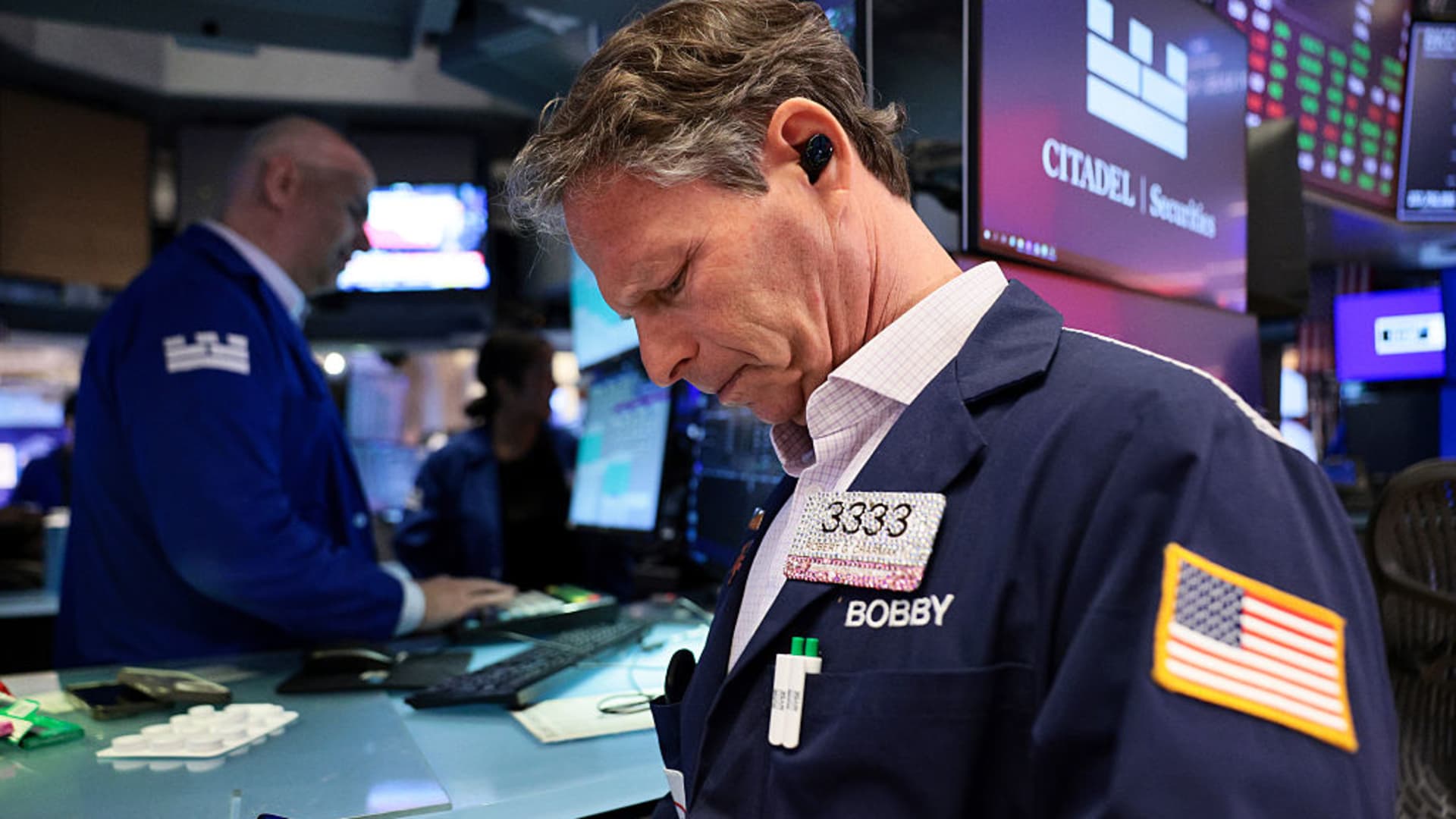
- Nasdaq Performance: The Nasdaq index has surged 15% over the past 12 trading days, marking the longest winning streak since 2009, indicating a strong market recovery and renewed investor confidence.
- Major Index Rebounds: During the same period, the Dow Jones Industrial Average rose 7.5% and the S&P 500 increased by 12.5%, with both tech and communication services sectors up 13%, reflecting a preference for technology stocks in the market.
- Regional Bank Dynamics: Fifth Third Bancorp has risen 0.7% over the last three months but remains 11% below its 52-week high; Regions Financial is up 0.5%, also 11% below its 52-week peak, highlighting pressures faced by regional banks.
- Netflix Earnings Reaction: Despite Netflix exceeding expectations in its quarterly report and seeing a 15% year-to-date increase, its stock fell 9% in after-hours trading due to investor dissatisfaction with future guidance, reflecting caution regarding future growth.
See More

Market Capitalization Comparison: Tapestry vs. United Airlines

- Market Cap Comparison: Tapestry Inc (TPR) has a market capitalization of $30.65 billion, slightly ahead of United Airlines Holdings Inc (UAL) at $30.60 billion, indicating a close valuation that reflects stable investor confidence in both companies.
- Investor Misconceptions: Many novice investors mistakenly assess company value solely based on stock price; however, market capitalization provides a more accurate basis for comparison, enabling investors to better evaluate the true worth of different companies and avoid misjudgments.
- Market Positioning Impact: Market capitalization not only affects a company's ranking among peers but also determines which mutual funds and ETFs may invest in these stocks, as funds focused on large-cap stocks typically target companies valued over $10 billion, influencing capital inflows.
- Stock Performance: At Thursday's close, TPR's stock fell approximately 0.5%, while UAL remained flat, indicating differing market reactions to these stocks that could influence investor decisions and market sentiment.
See More
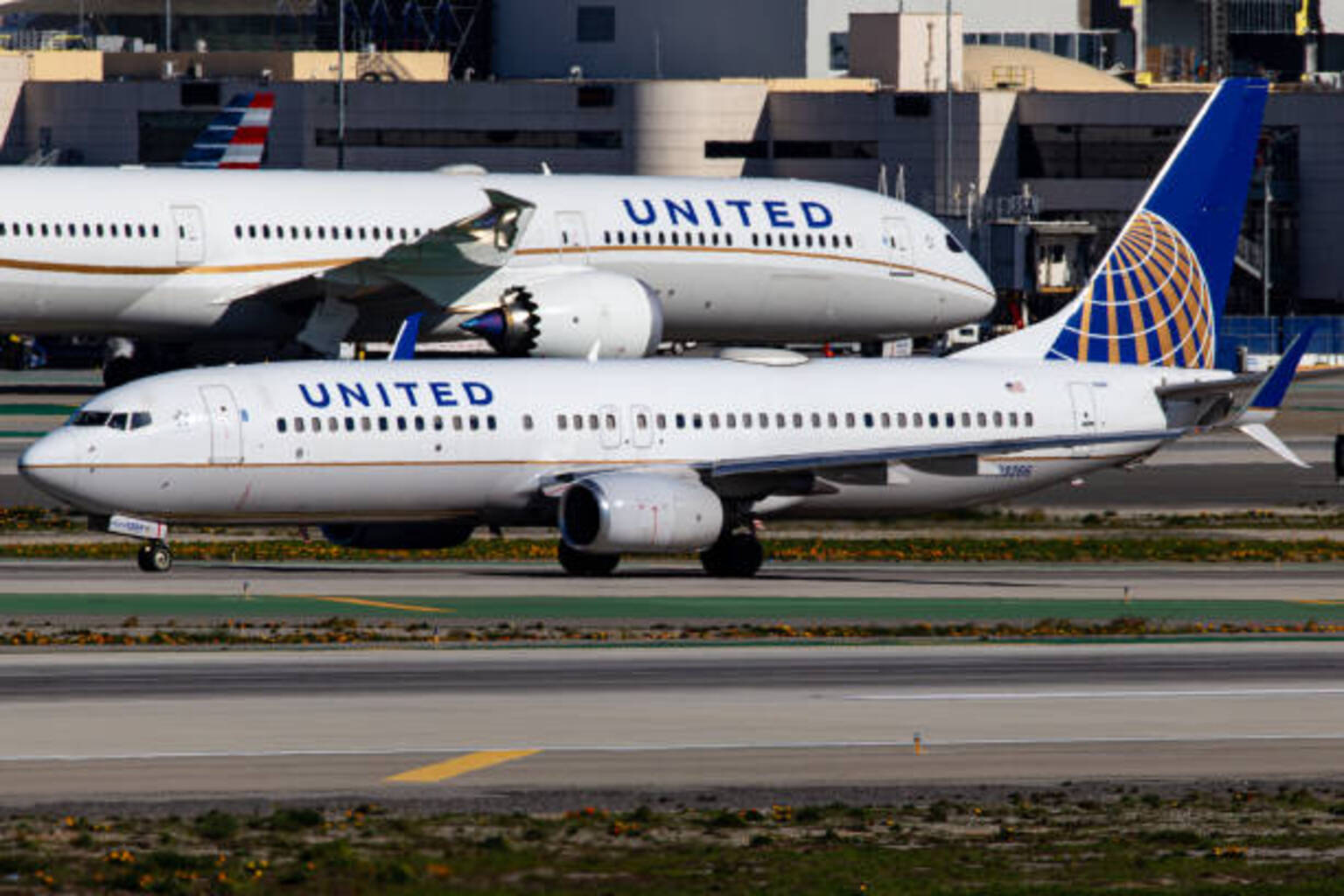
Congressman Urges Airlines to Lower Fares

- Fuel Cost and Pricing: Congressman Ritchie Torres highlighted the need for airline ticket prices to be closely tied to global fuel costs, urging airlines to lower fares when fuel prices decline to ensure economic fairness for consumers.
- Call for Public Commitment: In a letter to the CEOs of Delta, United, Southwest, and JetBlue, Torres emphasized that the American public deserves fair pricing in air travel and called for airlines to publicly commit to lowering fares when fuel costs decrease.
- Airlines' Responses: While JetBlue, Southwest, and Delta have not commented on Torres' remarks, United Airlines declined to respond, indicating a cautious approach to fare adjustments that may affect public trust in their pricing strategies.
- Market Fairness Concerns: Torres stressed that airline pricing models should reflect not only market conditions but also economic justice, highlighting consumer concerns and expectations regarding air travel costs, which could drive competitive pricing within the industry.
See More

Airlines Raise Fares Amid Surge in Fuel Costs Following U.S.-Israel Actions

- Surge in Fuel Costs: Airlines have raised ticket prices, fuel surcharges, and baggage fees in response to a surge in fuel costs since the U.S. and Israel's actions against Iran on February 28, with jet fuel prices reaching an average of $4.88 per gallon on April 2, marking a 95% increase since then.
- Lawmakers Urge Price Cuts: U.S. Rep. Ritchie Torres has called on major U.S. airlines to lower fares when fuel prices decline, emphasizing that airline pricing should be responsive to global fuel costs to ensure economic fairness for consumers.
- Airlines' Strategic Responses: Delta Airlines anticipates a $2 billion headwind from fuel this quarter and plans to significantly scale back capacity, which could lead to higher fares if demand remains strong, highlighting the delicate balance between capacity and pricing.
- High-End Consumer Demand: Despite rising fuel prices, airlines report strong demand, with Delta CEO Ed Bastian noting that high-end consumers are becoming less sensitive to economic headlines and continue to invest in travel experiences, which is driving recovery in the airline industry.
See More
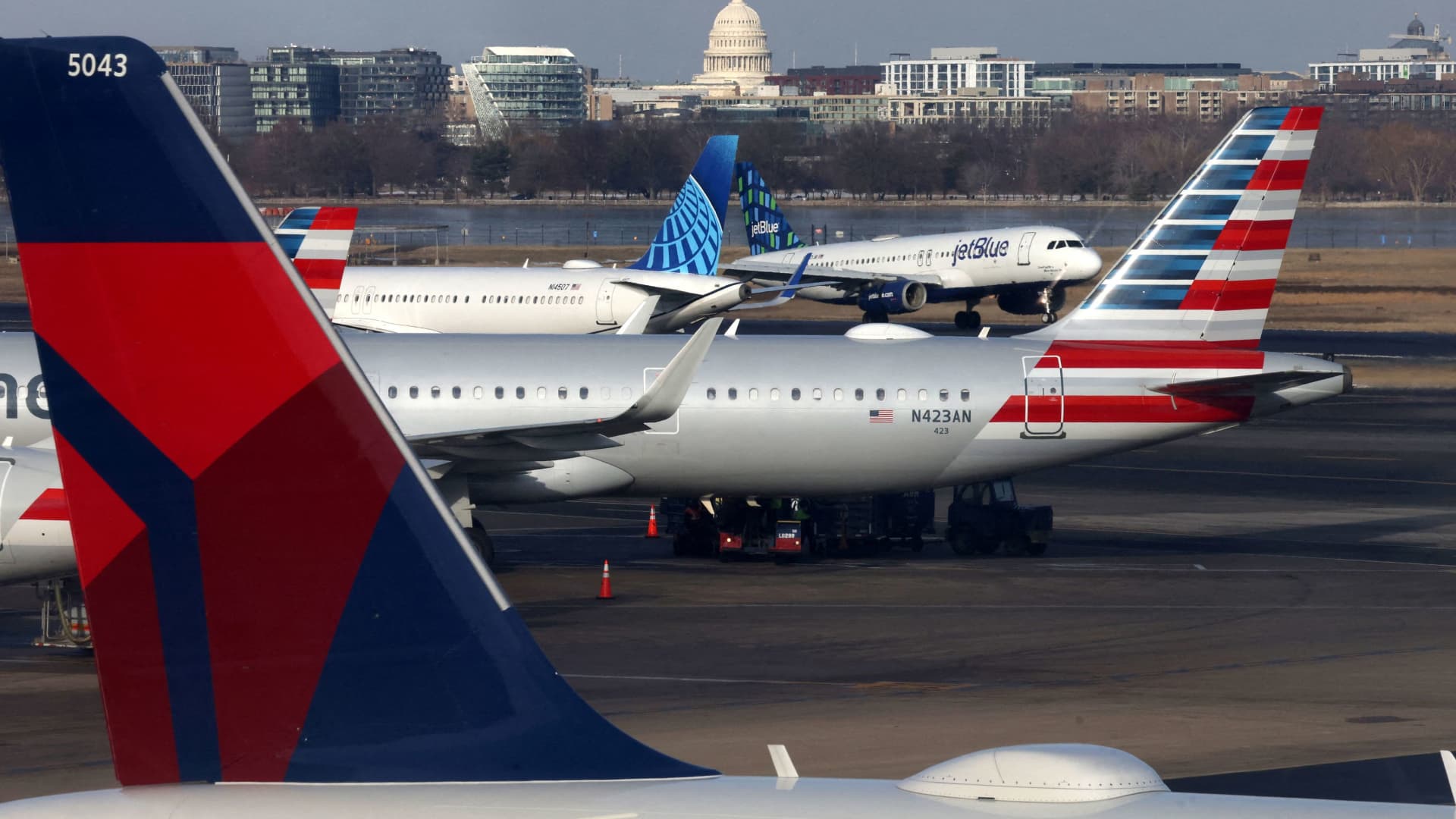
US Lawmaker Urges Airlines to Lower Prices Amid Fuel Cost Decline
- Fuel Cost Surge: As of April 2, jet fuel prices reached an average of $4.88 per gallon in major US cities, marking a 95% increase since February 28, prompting airlines to raise surcharges and fares, thereby impacting consumer travel costs significantly.
- Lawmaker's Price Reduction Call: US Representative Ritchie Torres has urged the CEOs of major airlines to commit to lowering ticket prices when fuel costs decline, emphasizing that airline pricing should be closely tied to global fuel costs to ensure economic fairness for consumers.
- Airlines' Response Strategies: Delta Airlines reported a $2 billion headwind from fuel costs this quarter and plans to
See More
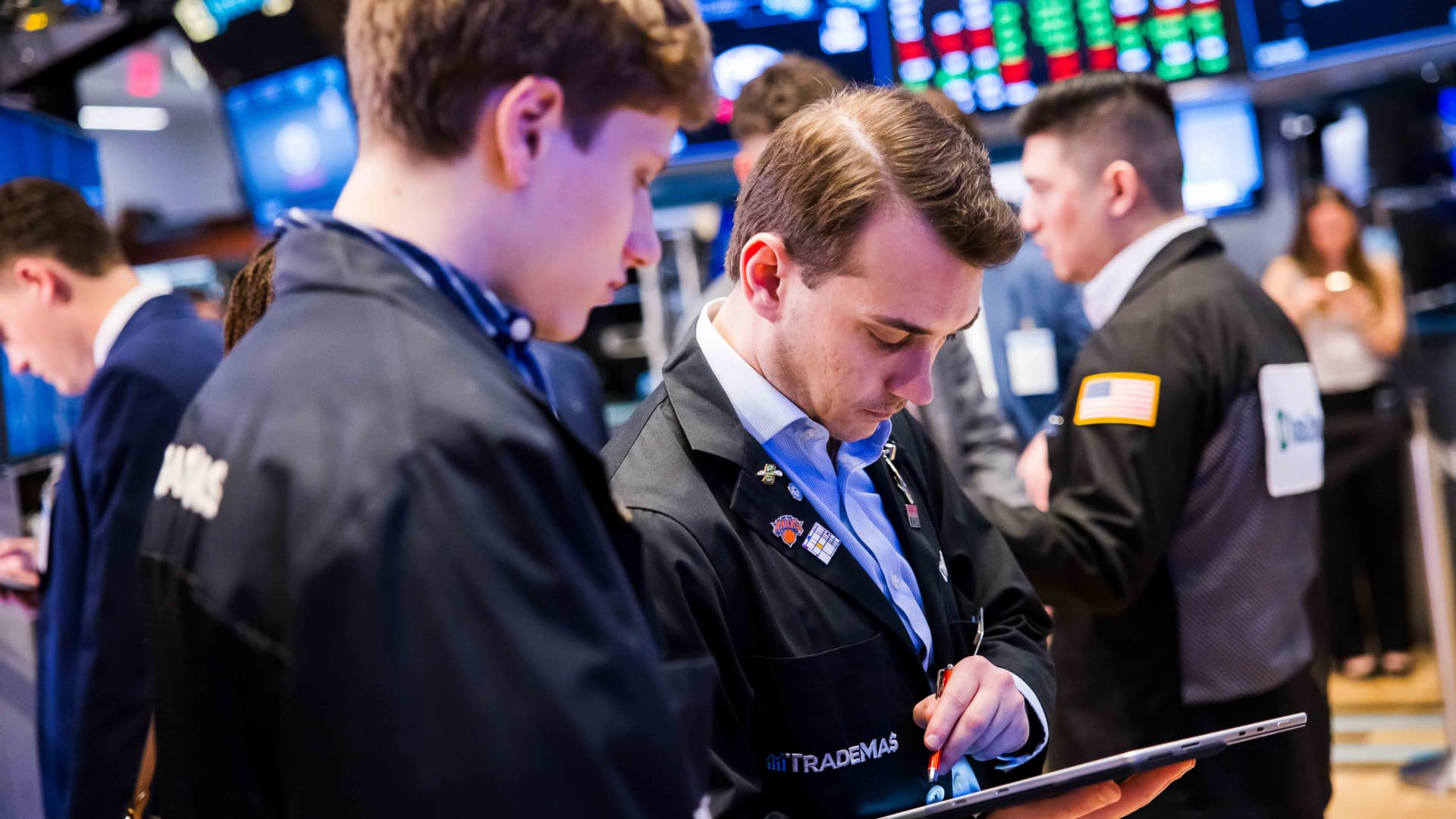
Global Equities Reach Record Highs Amid Truce Talks

- Market Surge: Global equities have surged, with the S&P 500 rising 0.80% and the Nasdaq Composite gaining 1.59%, both reaching record highs amid optimism surrounding the first direct talks between Israel and Lebanon in over 30 years, indicating strong investor confidence in market prospects.
- Japan's Performance: The Nikkei 225 index hit a new high, driven by a broader rally in Asian markets, particularly in technology and consumer cyclical stocks, reflecting investor confidence in the region's economic recovery.
- China's Economic Growth: China's GDP grew by 5% in the first quarter, exceeding economists' forecast of 4.8%, as reported by the National Bureau of Statistics, showcasing the resilience of the Chinese economy despite potential global demand shocks from the Iran conflict.
- World Bank Caution: The World Bank president cautioned in an interview that economic disruptions related to conflicts could last for months, even if the current fragile ceasefire holds, posing a potential threat to global economic recovery.
See More
Nasdaq Matches 12-Day Winning Streak, Highest Since 2009
- Nasdaq Performance: The Nasdaq index has surged 15% over the past 12 trading days, marking the longest winning streak since 2009, indicating a strong market recovery and renewed investor confidence.
- Major Index Rebounds: During the same period, the Dow Jones Industrial Average rose 7.5% and the S&P 500 increased by 12.5%, with both tech and communication services sectors up 13%, reflecting a preference for technology stocks in the market.
- Regional Bank Dynamics: Fifth Third Bancorp has risen 0.7% over the last three months but remains 11% below its 52-week high; Regions Financial is up 0.5%, also 11% below its 52-week peak, highlighting pressures faced by regional banks.
- Netflix Earnings Reaction: Despite Netflix exceeding expectations in its quarterly report and seeing a 15% year-to-date increase, its stock fell 9% in after-hours trading due to investor dissatisfaction with future guidance, reflecting caution regarding future growth.
See More
Market Capitalization Comparison: Tapestry vs. United Airlines
- Market Cap Comparison: Tapestry Inc (TPR) has a market capitalization of $30.65 billion, slightly ahead of United Airlines Holdings Inc (UAL) at $30.60 billion, indicating a close valuation that reflects stable investor confidence in both companies.
- Investor Misconceptions: Many novice investors mistakenly assess company value solely based on stock price; however, market capitalization provides a more accurate basis for comparison, enabling investors to better evaluate the true worth of different companies and avoid misjudgments.
- Market Positioning Impact: Market capitalization not only affects a company's ranking among peers but also determines which mutual funds and ETFs may invest in these stocks, as funds focused on large-cap stocks typically target companies valued over $10 billion, influencing capital inflows.
- Stock Performance: At Thursday's close, TPR's stock fell approximately 0.5%, while UAL remained flat, indicating differing market reactions to these stocks that could influence investor decisions and market sentiment.
See More
Congressman Urges Airlines to Lower Fares
- Fuel Cost and Pricing: Congressman Ritchie Torres highlighted the need for airline ticket prices to be closely tied to global fuel costs, urging airlines to lower fares when fuel prices decline to ensure economic fairness for consumers.
- Call for Public Commitment: In a letter to the CEOs of Delta, United, Southwest, and JetBlue, Torres emphasized that the American public deserves fair pricing in air travel and called for airlines to publicly commit to lowering fares when fuel costs decrease.
- Airlines' Responses: While JetBlue, Southwest, and Delta have not commented on Torres' remarks, United Airlines declined to respond, indicating a cautious approach to fare adjustments that may affect public trust in their pricing strategies.
- Market Fairness Concerns: Torres stressed that airline pricing models should reflect not only market conditions but also economic justice, highlighting consumer concerns and expectations regarding air travel costs, which could drive competitive pricing within the industry.
See More
Airlines Raise Fares Amid Surge in Fuel Costs Following U.S.-Israel Actions
- Surge in Fuel Costs: Airlines have raised ticket prices, fuel surcharges, and baggage fees in response to a surge in fuel costs since the U.S. and Israel's actions against Iran on February 28, with jet fuel prices reaching an average of $4.88 per gallon on April 2, marking a 95% increase since then.
- Lawmakers Urge Price Cuts: U.S. Rep. Ritchie Torres has called on major U.S. airlines to lower fares when fuel prices decline, emphasizing that airline pricing should be responsive to global fuel costs to ensure economic fairness for consumers.
- Airlines' Strategic Responses: Delta Airlines anticipates a $2 billion headwind from fuel this quarter and plans to significantly scale back capacity, which could lead to higher fares if demand remains strong, highlighting the delicate balance between capacity and pricing.
- High-End Consumer Demand: Despite rising fuel prices, airlines report strong demand, with Delta CEO Ed Bastian noting that high-end consumers are becoming less sensitive to economic headlines and continue to invest in travel experiences, which is driving recovery in the airline industry.
See More
US Lawmaker Urges Airlines to Lower Prices Amid Fuel Cost Decline
- Fuel Cost Surge: As of April 2, jet fuel prices reached an average of $4.88 per gallon in major US cities, marking a 95% increase since February 28, prompting airlines to raise surcharges and fares, thereby impacting consumer travel costs significantly.
- Lawmaker's Price Reduction Call: US Representative Ritchie Torres has urged the CEOs of major airlines to commit to lowering ticket prices when fuel costs decline, emphasizing that airline pricing should be closely tied to global fuel costs to ensure economic fairness for consumers.
- Airlines' Response Strategies: Delta Airlines reported a $2 billion headwind from fuel costs this quarter and plans to
See More
Global Equities Reach Record Highs Amid Truce Talks
- Market Surge: Global equities have surged, with the S&P 500 rising 0.80% and the Nasdaq Composite gaining 1.59%, both reaching record highs amid optimism surrounding the first direct talks between Israel and Lebanon in over 30 years, indicating strong investor confidence in market prospects.
- Japan's Performance: The Nikkei 225 index hit a new high, driven by a broader rally in Asian markets, particularly in technology and consumer cyclical stocks, reflecting investor confidence in the region's economic recovery.
- China's Economic Growth: China's GDP grew by 5% in the first quarter, exceeding economists' forecast of 4.8%, as reported by the National Bureau of Statistics, showcasing the resilience of the Chinese economy despite potential global demand shocks from the Iran conflict.
- World Bank Caution: The World Bank president cautioned in an interview that economic disruptions related to conflicts could last for months, even if the current fragile ceasefire holds, posing a potential threat to global economic recovery.
See More