Unilever in Talks to Sell Food Business to McCormick
Written by Emily J. Thompson, Senior Investment Analyst
Updated: 2 days ago
0mins
Source: seekingalpha
- Shareholder Equity Protection: Unilever's discussions with McCormick may include a provision allowing Unilever shareholders to obtain at least 50% ownership in the new entity, ensuring maximum shareholder benefits post-restructuring.
- Transaction Structure Advantage: The deal is structured as a Reverse Morris Trust (RMT), a common reorganization strategy that not only avoids capital gains taxes but also enhances the flexibility and efficiency of selling a subsidiary to a third party.
- Business Valuation Context: Unilever's food business is valued between $32 billion and $35.8 billion, while McCormick's enterprise value stands at $18 billion, highlighting Unilever's strong position in the food market and its potential market appeal.
- Positive Market Reaction: With negotiations progressing quickly, shares of Unilever and McCormick rose by 0.20% and 3% respectively, reflecting investor optimism regarding the deal, which could further enhance the market performance of both companies.
Trade with 70% Backtested Accuracy
Stop guessing "Should I Buy UL?" and start using high-conviction signals backed by rigorous historical data.
Sign up today to access powerful investing tools and make smarter, data-driven decisions.
Analyst Views on UL
Wall Street analysts forecast UL stock price to rise
3 Analyst Rating
2 Buy
1 Hold
0 Sell
Moderate Buy
Current: 59.810

Low
60.10
Averages
68.37
High
74.00
Current: 59.810
Low
60.10
Averages
68.37
High
74.00
About UL
Unilever PLC is a United Kingdom-based global consumer goods business. The Company's segments include Beauty & Wellbeing, Personal Care, Home Care and Foods. The Beauty & Wellbeing segment primarily sells hair care (shampoo, conditioner, styling), skin care (face, hand and body moisturizers) and includes Prestige Beauty and Wellbeing. The Personal Care segment primarily sells skin cleansing (soap, shower), deodorant and oral care (toothpaste, toothbrush, mouthwash) products. The Home Care segment primarily sells fabric care (washing powders and liquids, rinse conditioners) and a range of home and hygiene cleaning products. The Foods segment primarily sells cooking aids and mini-meals (soups, bouillons, seasonings), condiments (mayonnaise, ketchup) and Unilever Food Solutions. The Company's beauty & wellbeing brands include CLEAR, Dermalogica, Liquid I.V., Dove and TRESemme. The Company's home care brands include Cif, Comfort, Domestos, OMO, Radiant, Sunlight and Surf.
About the author

Emily J. Thompson
Emily J. Thompson, a Chartered Financial Analyst (CFA) with 12 years in investment research, graduated with honors from the Wharton School. Specializing in industrial and technology stocks, she provides in-depth analysis for Intellectia’s earnings and market brief reports.
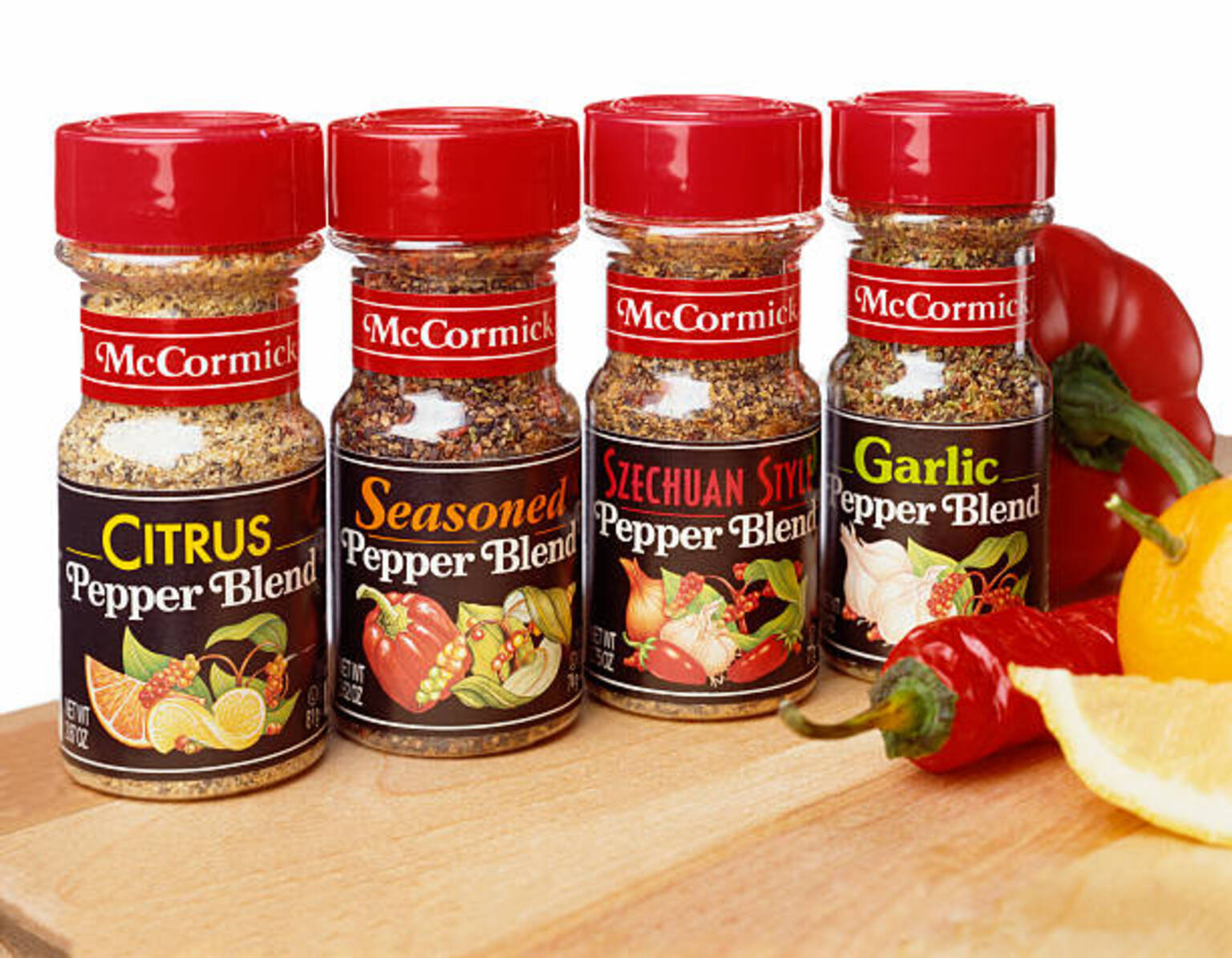
Unilever in Talks to Sell Food Business to McCormick
- Shareholder Equity Protection: Unilever's discussions with McCormick may include a provision allowing Unilever shareholders to obtain at least 50% ownership in the new entity, ensuring maximum shareholder benefits post-restructuring.
- Transaction Structure Advantage: The deal is structured as a Reverse Morris Trust (RMT), a common reorganization strategy that not only avoids capital gains taxes but also enhances the flexibility and efficiency of selling a subsidiary to a third party.
- Business Valuation Context: Unilever's food business is valued between $32 billion and $35.8 billion, while McCormick's enterprise value stands at $18 billion, highlighting Unilever's strong position in the food market and its potential market appeal.
- Positive Market Reaction: With negotiations progressing quickly, shares of Unilever and McCormick rose by 0.20% and 3% respectively, reflecting investor optimism regarding the deal, which could further enhance the market performance of both companies.
See More

Sources Indicate Unilever Shareholders Set to Acquire Majority Stake in Possible McCormick Food Transaction
- Unilever's Stake: Unilever shareholders are set to hold a majority stake in a potential deal involving McCormick Foods.
- Sources Indicate: Reports suggest that this deal is being considered, although details remain limited.
See More
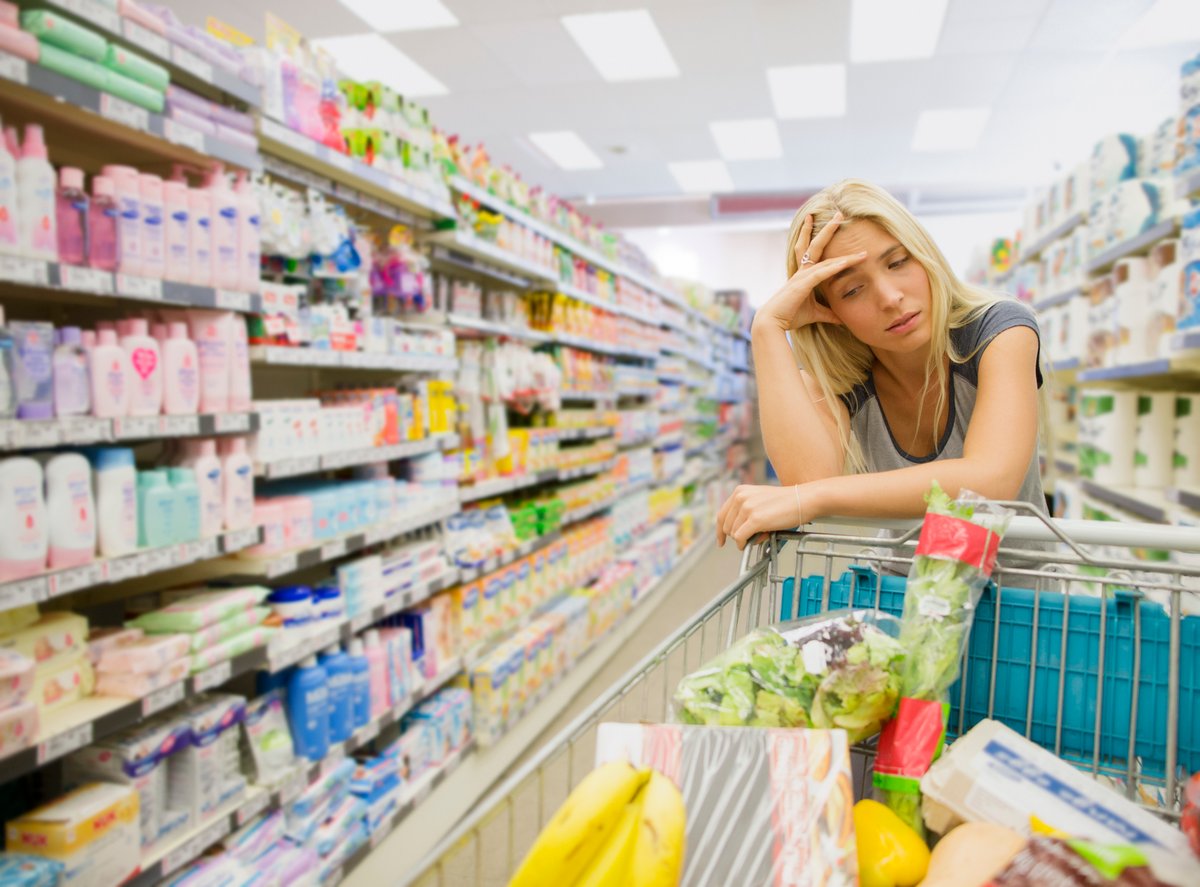
Impact of Strait of Hormuz Closure on Consumer Goods
- Fertilizer Supply Crisis: One-third of the world's fertilizer trade passes through the Strait of Hormuz, and a closure would raise costs for farmers, subsequently increasing food prices and impacting consumer spending, which could weaken margins for consumer goods companies like Campbell's (CPB).
- Plastic Shortage Risk: With 85% of polyethylene exports coming from the Middle East, a closure of the Strait would lead to a shortage of plastic packaging, affecting supply for companies like Procter & Gamble (PG) and Unilever (UL), potentially resulting in stockouts and lost sales.
- Shipping Costs Surge: Rerouting ships due to the closure will extend delivery times, dramatically increasing shipping costs, which puts pressure on consumer goods companies' margins, forcing them to either raise prices or absorb costs, both of which could negatively impact demand and quarterly results.
- Inflation Intensifies: Rising fuel costs will trigger widespread inflation, potentially prompting the Federal Reserve to raise interest rates again, increasing borrowing costs and negatively affecting the financial health of consumer goods companies and consumers alike.
See More

Closure of Strait of Hormuz to Drive Up Food Prices
- Fertilizer Shortage Impact: The closure of the Strait of Hormuz affects one-third of global fertilizer trade, leading to increased costs for farmers and subsequently higher food prices, directly impacting consumer living costs.
- Plastic Supply Chain Crisis: With 85% of polyethylene exports from the Middle East passing through the Strait, shortages will affect the supply of all plastic containers, putting significant cost pressure and margin erosion on consumer goods companies like Procter & Gamble and Unilever.
- Shipping Delay Costs: Rerouting ships will extend delivery times by weeks, dramatically increasing shipping costs due to fuel, insurance, and freight rate hikes, placing immense financial pressure on consumer goods companies already operating on thin margins.
- Inflation Risk Escalation: Rising fuel prices will drive up costs across the supply chain, potentially triggering broader inflation, which could lead the Federal Reserve to raise interest rates again, creating dual pressure on consumer goods companies and consumers alike.
See More

Consumer Stocks Decline Late Friday Afternoon
- Weak Consumer Stock Performance: Consumer stocks broadly declined on Friday afternoon, reflecting market concerns over economic outlook, particularly amid rising inflation and interest rates, which negatively impacted investor sentiment.
- Market Reaction: The poor performance of the State Street Consumer Staples Select Sector SPDR indicates a weakening confidence in the consumer goods sector as investors grapple with uncertainties regarding future consumer spending.
- Industry Impact: The decline in the consumer goods sector may affect earnings expectations for related companies, especially as economic slowdowns could lead to increased sales pressure for businesses.
- Investor Strategy Adjustment: In light of the weak performance of consumer stocks, investors may reassess their portfolios and shift towards more defensive assets to mitigate potential market volatility.
See More

McCormick Targets Unilever's Food Division in $37 Billion Deal

- Acquisition Talks: McCormick is in negotiations to acquire Unilever's food division, potentially valued at $37 billion, marking the final step in Unilever's decade-long transformation aimed at focusing on high-margin beauty and personal care sectors.
- Strategic Restructuring: By divesting its food segment, Unilever is exiting slower-growth categories like mayonnaise and Pot Noodle, thereby enhancing its valuation multiples for investors and demonstrating confidence in a 'pure-play' beauty portfolio.
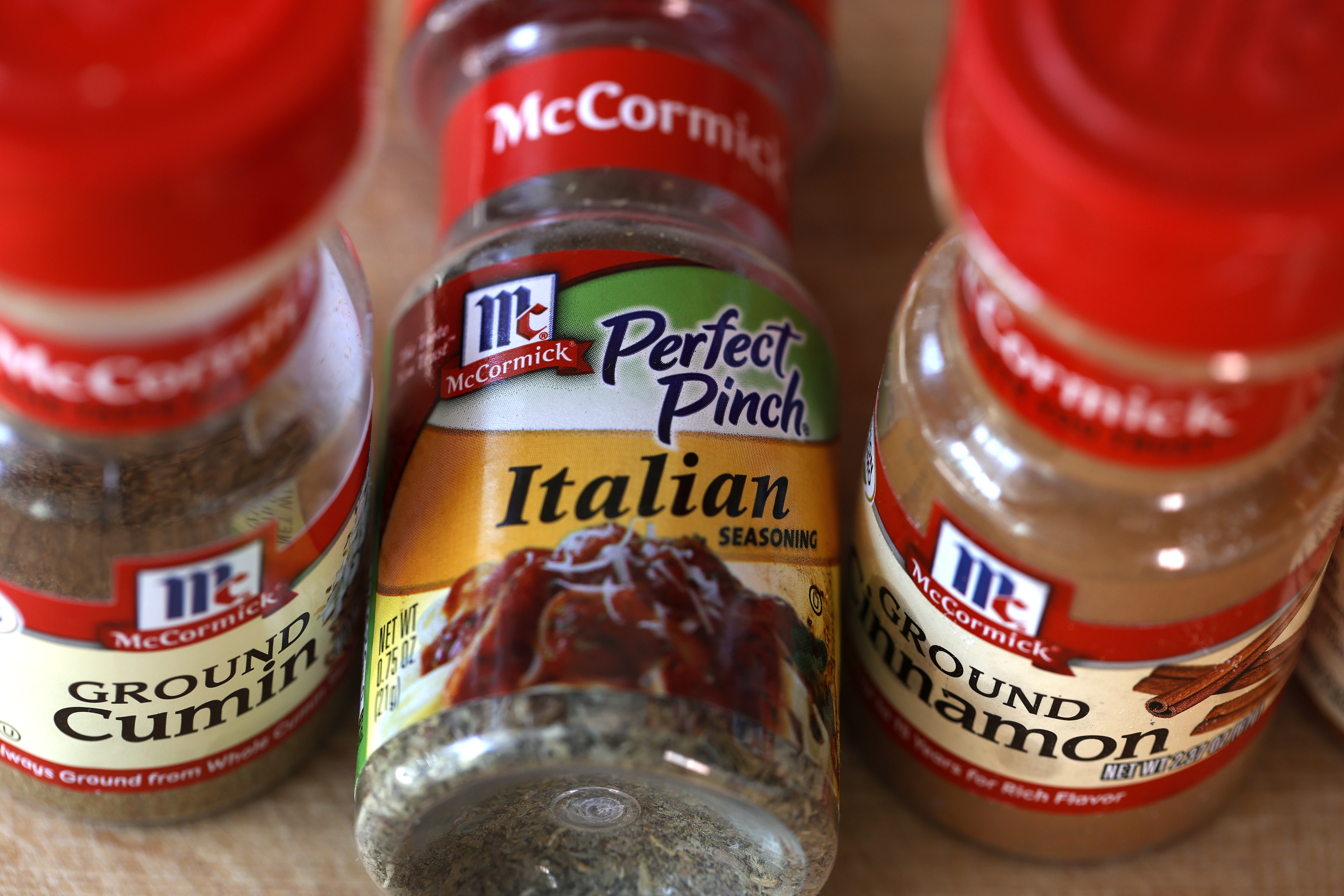
- Market Leadership: This acquisition will enable McCormick to rapidly become a global leader in the seasoning market by pairing its market-leading spices with some of the world's most recognizable condiment brands, thereby strengthening its competitive position in the 'center of the aisle'.
- Financial Impact: Analysts suggest the divested food unit carries an enterprise value of approximately 9.5 times EBITDA, providing Unilever with a substantial cash influx to fuel further acquisitions in the premium skincare and wellness sectors.
See More
Unilever in Talks to Sell Food Business to McCormick
- Shareholder Equity Protection: Unilever's discussions with McCormick may include a provision allowing Unilever shareholders to obtain at least 50% ownership in the new entity, ensuring maximum shareholder benefits post-restructuring.
- Transaction Structure Advantage: The deal is structured as a Reverse Morris Trust (RMT), a common reorganization strategy that not only avoids capital gains taxes but also enhances the flexibility and efficiency of selling a subsidiary to a third party.
- Business Valuation Context: Unilever's food business is valued between $32 billion and $35.8 billion, while McCormick's enterprise value stands at $18 billion, highlighting Unilever's strong position in the food market and its potential market appeal.
- Positive Market Reaction: With negotiations progressing quickly, shares of Unilever and McCormick rose by 0.20% and 3% respectively, reflecting investor optimism regarding the deal, which could further enhance the market performance of both companies.
See More
Sources Indicate Unilever Shareholders Set to Acquire Majority Stake in Possible McCormick Food Transaction
- Unilever's Stake: Unilever shareholders are set to hold a majority stake in a potential deal involving McCormick Foods.
- Sources Indicate: Reports suggest that this deal is being considered, although details remain limited.
See More
Impact of Strait of Hormuz Closure on Consumer Goods
- Fertilizer Supply Crisis: One-third of the world's fertilizer trade passes through the Strait of Hormuz, and a closure would raise costs for farmers, subsequently increasing food prices and impacting consumer spending, which could weaken margins for consumer goods companies like Campbell's (CPB).
- Plastic Shortage Risk: With 85% of polyethylene exports coming from the Middle East, a closure of the Strait would lead to a shortage of plastic packaging, affecting supply for companies like Procter & Gamble (PG) and Unilever (UL), potentially resulting in stockouts and lost sales.
- Shipping Costs Surge: Rerouting ships due to the closure will extend delivery times, dramatically increasing shipping costs, which puts pressure on consumer goods companies' margins, forcing them to either raise prices or absorb costs, both of which could negatively impact demand and quarterly results.
- Inflation Intensifies: Rising fuel costs will trigger widespread inflation, potentially prompting the Federal Reserve to raise interest rates again, increasing borrowing costs and negatively affecting the financial health of consumer goods companies and consumers alike.
See More
Closure of Strait of Hormuz to Drive Up Food Prices
- Fertilizer Shortage Impact: The closure of the Strait of Hormuz affects one-third of global fertilizer trade, leading to increased costs for farmers and subsequently higher food prices, directly impacting consumer living costs.
- Plastic Supply Chain Crisis: With 85% of polyethylene exports from the Middle East passing through the Strait, shortages will affect the supply of all plastic containers, putting significant cost pressure and margin erosion on consumer goods companies like Procter & Gamble and Unilever.
- Shipping Delay Costs: Rerouting ships will extend delivery times by weeks, dramatically increasing shipping costs due to fuel, insurance, and freight rate hikes, placing immense financial pressure on consumer goods companies already operating on thin margins.
- Inflation Risk Escalation: Rising fuel prices will drive up costs across the supply chain, potentially triggering broader inflation, which could lead the Federal Reserve to raise interest rates again, creating dual pressure on consumer goods companies and consumers alike.
See More
Consumer Stocks Decline Late Friday Afternoon
- Weak Consumer Stock Performance: Consumer stocks broadly declined on Friday afternoon, reflecting market concerns over economic outlook, particularly amid rising inflation and interest rates, which negatively impacted investor sentiment.
- Market Reaction: The poor performance of the State Street Consumer Staples Select Sector SPDR indicates a weakening confidence in the consumer goods sector as investors grapple with uncertainties regarding future consumer spending.
- Industry Impact: The decline in the consumer goods sector may affect earnings expectations for related companies, especially as economic slowdowns could lead to increased sales pressure for businesses.
- Investor Strategy Adjustment: In light of the weak performance of consumer stocks, investors may reassess their portfolios and shift towards more defensive assets to mitigate potential market volatility.
See More
McCormick Targets Unilever's Food Division in $37 Billion Deal
- Acquisition Talks: McCormick is in negotiations to acquire Unilever's food division, potentially valued at $37 billion, marking the final step in Unilever's decade-long transformation aimed at focusing on high-margin beauty and personal care sectors.
- Strategic Restructuring: By divesting its food segment, Unilever is exiting slower-growth categories like mayonnaise and Pot Noodle, thereby enhancing its valuation multiples for investors and demonstrating confidence in a 'pure-play' beauty portfolio.
- Market Leadership: This acquisition will enable McCormick to rapidly become a global leader in the seasoning market by pairing its market-leading spices with some of the world's most recognizable condiment brands, thereby strengthening its competitive position in the 'center of the aisle'.
- Financial Impact: Analysts suggest the divested food unit carries an enterprise value of approximately 9.5 times EBITDA, providing Unilever with a substantial cash influx to fuel further acquisitions in the premium skincare and wellness sectors.
See More