McCormick's Challenges in Acquiring Unilever's Food Division
Written by Emily J. Thompson, Senior Investment Analyst
Updated: 1 hour ago
0mins
Source: seekingalpha
- Intensifying Market Competition: Rising prices have pushed consumers towards cheaper store brands or healthier alternatives, placing McCormick (MKC) under increasing competitive pressure, particularly against established players like General Mills (GIS) and Campbell's (CPB).
- Acquisition Strategy Exploration: McCormick is considering acquiring Unilever's (UL) food division, which includes brands like Hellmann's and Knorr, a move that would significantly expand its global market share, though it comes with risks as its shares have sharply declined amid growth and profitability concerns.
- High Integration Risks: Acquiring a large, globally complex business poses significant integration challenges for McCormick, likely requiring substantial investment and restructuring, as historical data shows that large mergers in the consumer goods sector often fail to deliver expected growth and can lead to asset write-downs.
- Pricing and Management Critical: If the acquisition is priced carefully and managed well, McCormick could transform into a global leader in flavor brands; however, mismanagement could result in another costly misstep in an industry known for disappointing mega mergers, impacting its long-term growth prospects.
Trade with 70% Backtested Accuracy
Stop guessing "Should I Buy MKC?" and start using high-conviction signals backed by rigorous historical data.
Sign up today to access powerful investing tools and make smarter, data-driven decisions.
Analyst Views on MKC
Wall Street analysts forecast MKC stock price to rise
3 Analyst Rating
3 Buy
0 Hold
0 Sell
Strong Buy
Current: 51.580

Low
75.00
Averages
83.67
High
89.00
Current: 51.580
Low
75.00
Averages
83.67
High
89.00
About MKC
McCormick & Company, Incorporated manufactures, markets, and distributes herbs, spices, seasonings, condiments and flavors to the entire food and beverage industry, including retailers, food manufacturers and foodservice businesses. It operates through two segments: consumer and flavor solutions. The consumer segment sells to retail channels, including grocery, mass merchandise, warehouse clubs, discount and drug stores, and e-commerce under the McCormick brand and a variety of brands around the world, including French's, Frank's RedHot, Lawry’s, Zatarain’s, Simply Asia, Thai Kitchen, Ducros, Vahine, Cholula, Schwartz, Club House, Kamis, DaQiao, La Drogheria, Stubb's, OLD BAY, Gourmet Garden, and others. In its flavor solutions segment, it provides a range of products to multinational food manufacturers and foodservice customers. The foodservice customers are supplied with branded, packaged products both directly by the Company and indirectly through distributors.
About the author

Emily J. Thompson
Emily J. Thompson, a Chartered Financial Analyst (CFA) with 12 years in investment research, graduated with honors from the Wharton School. Specializing in industrial and technology stocks, she provides in-depth analysis for Intellectia’s earnings and market brief reports.
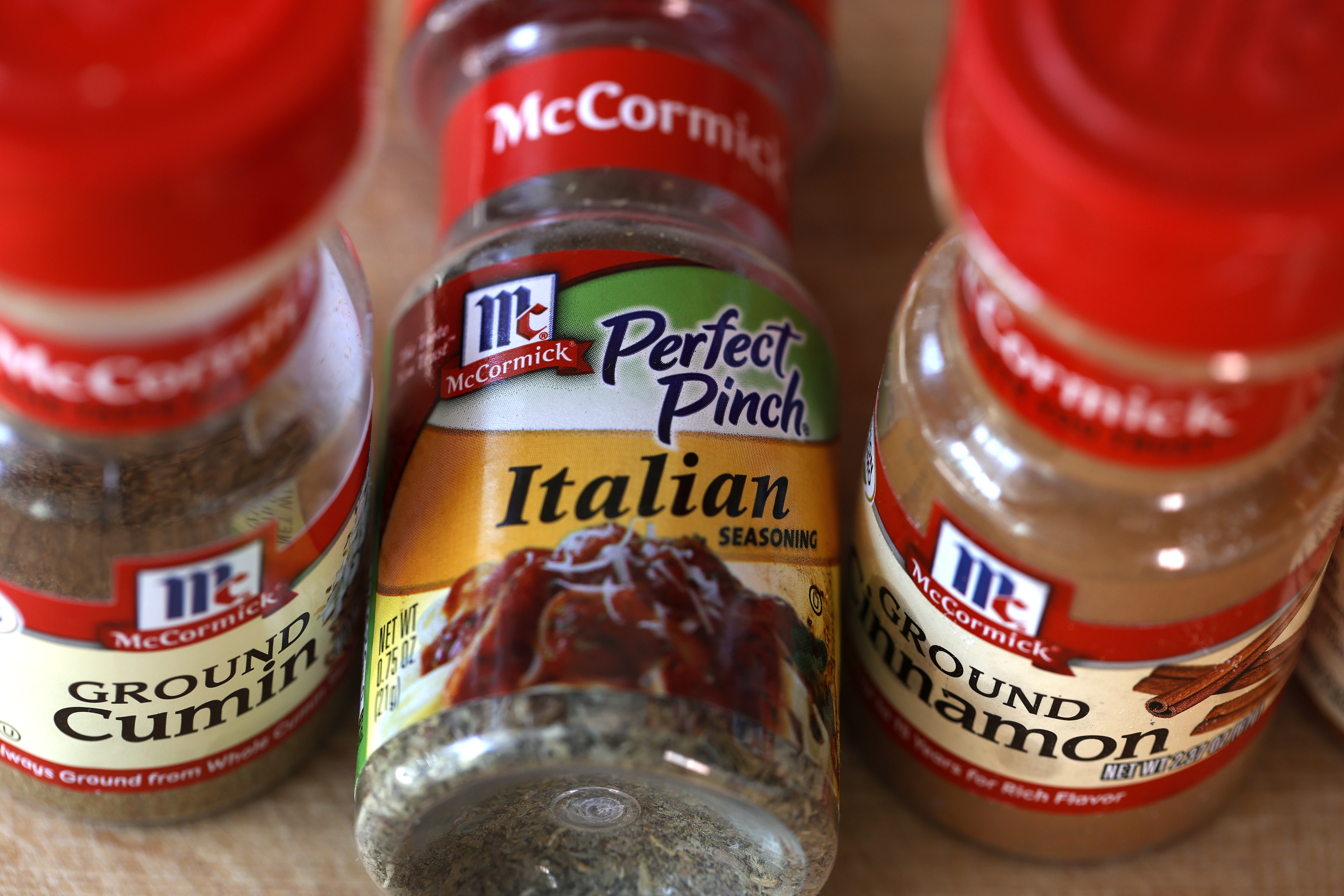
McCormick's Challenges in Acquiring Unilever's Food Division
- Intensifying Market Competition: Rising prices have pushed consumers towards cheaper store brands or healthier alternatives, placing McCormick (MKC) under increasing competitive pressure, particularly against established players like General Mills (GIS) and Campbell's (CPB).
- Acquisition Strategy Exploration: McCormick is considering acquiring Unilever's (UL) food division, which includes brands like Hellmann's and Knorr, a move that would significantly expand its global market share, though it comes with risks as its shares have sharply declined amid growth and profitability concerns.
- High Integration Risks: Acquiring a large, globally complex business poses significant integration challenges for McCormick, likely requiring substantial investment and restructuring, as historical data shows that large mergers in the consumer goods sector often fail to deliver expected growth and can lead to asset write-downs.
- Pricing and Management Critical: If the acquisition is priced carefully and managed well, McCormick could transform into a global leader in flavor brands; however, mismanagement could result in another costly misstep in an industry known for disappointing mega mergers, impacting its long-term growth prospects.
See More
Market Volatility Driven by Iran Conflict and Jobs Data Ahead

- Jobs Data Focus: Investors are poised to scrutinize the upcoming nonfarm payroll report, with expectations of 60,000 jobs added in March; failure to meet this target could heighten concerns over stagflation, complicating the Fed's monetary policy decisions.
- Consumer Confidence Survey: The consumer confidence index set to be released on Tuesday, along with Wednesday's retail sales report expected to show a 0.5% month-over-month increase, may reflect consumer spending resilience amid economic uncertainty, potentially boosting market sentiment.
- Nike Earnings Expectations: Nike's earnings report on Tuesday night is anticipated with caution, as the market reacts to a disappointing 17% revenue decline in China, despite a 9% sales increase in North America, leaving investors wary about the company's profitability recovery.
- Overall Market Risks: Beyond the Middle East conflict, the rapid adoption of artificial intelligence is also pressuring the market, with investor jitters over AI's potential negative impacts likely leading to further volatility in tech stocks, affecting overall market performance.
See More

Rising Oil Prices Pressure Stock Market Performance


- Oil Prices Surge: The ongoing rise in oil prices due to the Iran war has pressured the stock market, with the Nasdaq down 2.15%, the Dow Jones Industrial Average falling 1.73%, and the S&P 500 declining 1.67%, marking the fifth consecutive week of losses and reflecting a pessimistic outlook among investors.
- Shift in Investor Preference: As tech stocks struggle, investors are increasingly favoring oil and consumer goods stocks; Cramer noted that despite the poor performance of tech stocks like Nvidia, oil stocks remain strong, indicating sustained confidence in the energy sector.
- Market Outlook Ahead: Cramer highlighted that the upcoming week will be driven by developments in the Iran war, particularly the tense situation in the Strait of Hormuz, which could lead to further increases in oil prices and exacerbate downward pressure on stocks.
- Economic Data Impact: The forthcoming jobs report and earnings from Conagra Brands will provide crucial signals about economic health, with Cramer suggesting that weak economic data could prompt the Federal Reserve to consider rate cuts, thereby influencing market sentiment.
See More

S&P 500 Faces Correction Risk as Iran War Escalates
- Correction Risk Intensifies: As the Iran war stretches into its fifth week, the S&P 500 is just over 8% from its all-time high, facing a correction risk of more than 10%, indicating a sharp deterioration in market sentiment that could further undermine investor confidence.
- Increased Volatility: The S&P 500's breakdown below its 200-day moving average suggests further downside ahead, with the VIX averaging 26 when below that support, indicating that the market will experience heightened volatility, impacting investment strategies.
- Shifting Earnings Expectations: While strong corporate earnings growth and easier fiscal policy still support a market recovery, investor concerns over the prolonged Iran conflict have made the stock market outlook more uncertain, prompting some strategists to turn bearish.
- Employment Data Impact: The upcoming March nonfarm payroll report is expected to show an increase of 57,000 jobs, yet the market must remain vigilant regarding the resilience of the labor market to address potential economic slowdown risks.
See More
Unilever in Talks to Sell Food Business to McCormick
- Shareholder Equity Protection: Unilever's discussions with McCormick may include a provision allowing Unilever shareholders to obtain at least 50% ownership in the new entity, ensuring maximum shareholder benefits post-restructuring.
- Transaction Structure Advantage: The deal is structured as a Reverse Morris Trust (RMT), a common reorganization strategy that not only avoids capital gains taxes but also enhances the flexibility and efficiency of selling a subsidiary to a third party.
- Business Valuation Context: Unilever's food business is valued between $32 billion and $35.8 billion, while McCormick's enterprise value stands at $18 billion, highlighting Unilever's strong position in the food market and its potential market appeal.
- Positive Market Reaction: With negotiations progressing quickly, shares of Unilever and McCormick rose by 0.20% and 3% respectively, reflecting investor optimism regarding the deal, which could further enhance the market performance of both companies.
See More

Sources Indicate Unilever Shareholders Set to Acquire Majority Stake in Possible McCormick Food Transaction
- Unilever's Stake: Unilever shareholders are set to hold a majority stake in a potential deal involving McCormick Foods.
- Sources Indicate: Reports suggest that this deal is being considered, although details remain limited.
See More
McCormick's Challenges in Acquiring Unilever's Food Division
- Intensifying Market Competition: Rising prices have pushed consumers towards cheaper store brands or healthier alternatives, placing McCormick (MKC) under increasing competitive pressure, particularly against established players like General Mills (GIS) and Campbell's (CPB).
- Acquisition Strategy Exploration: McCormick is considering acquiring Unilever's (UL) food division, which includes brands like Hellmann's and Knorr, a move that would significantly expand its global market share, though it comes with risks as its shares have sharply declined amid growth and profitability concerns.
- High Integration Risks: Acquiring a large, globally complex business poses significant integration challenges for McCormick, likely requiring substantial investment and restructuring, as historical data shows that large mergers in the consumer goods sector often fail to deliver expected growth and can lead to asset write-downs.
- Pricing and Management Critical: If the acquisition is priced carefully and managed well, McCormick could transform into a global leader in flavor brands; however, mismanagement could result in another costly misstep in an industry known for disappointing mega mergers, impacting its long-term growth prospects.
See More
Market Volatility Driven by Iran Conflict and Jobs Data Ahead
- Jobs Data Focus: Investors are poised to scrutinize the upcoming nonfarm payroll report, with expectations of 60,000 jobs added in March; failure to meet this target could heighten concerns over stagflation, complicating the Fed's monetary policy decisions.
- Consumer Confidence Survey: The consumer confidence index set to be released on Tuesday, along with Wednesday's retail sales report expected to show a 0.5% month-over-month increase, may reflect consumer spending resilience amid economic uncertainty, potentially boosting market sentiment.
- Nike Earnings Expectations: Nike's earnings report on Tuesday night is anticipated with caution, as the market reacts to a disappointing 17% revenue decline in China, despite a 9% sales increase in North America, leaving investors wary about the company's profitability recovery.
- Overall Market Risks: Beyond the Middle East conflict, the rapid adoption of artificial intelligence is also pressuring the market, with investor jitters over AI's potential negative impacts likely leading to further volatility in tech stocks, affecting overall market performance.
See More
Rising Oil Prices Pressure Stock Market Performance
- Oil Prices Surge: The ongoing rise in oil prices due to the Iran war has pressured the stock market, with the Nasdaq down 2.15%, the Dow Jones Industrial Average falling 1.73%, and the S&P 500 declining 1.67%, marking the fifth consecutive week of losses and reflecting a pessimistic outlook among investors.
- Shift in Investor Preference: As tech stocks struggle, investors are increasingly favoring oil and consumer goods stocks; Cramer noted that despite the poor performance of tech stocks like Nvidia, oil stocks remain strong, indicating sustained confidence in the energy sector.
- Market Outlook Ahead: Cramer highlighted that the upcoming week will be driven by developments in the Iran war, particularly the tense situation in the Strait of Hormuz, which could lead to further increases in oil prices and exacerbate downward pressure on stocks.
- Economic Data Impact: The forthcoming jobs report and earnings from Conagra Brands will provide crucial signals about economic health, with Cramer suggesting that weak economic data could prompt the Federal Reserve to consider rate cuts, thereby influencing market sentiment.
See More
S&P 500 Faces Correction Risk as Iran War Escalates
- Correction Risk Intensifies: As the Iran war stretches into its fifth week, the S&P 500 is just over 8% from its all-time high, facing a correction risk of more than 10%, indicating a sharp deterioration in market sentiment that could further undermine investor confidence.
- Increased Volatility: The S&P 500's breakdown below its 200-day moving average suggests further downside ahead, with the VIX averaging 26 when below that support, indicating that the market will experience heightened volatility, impacting investment strategies.
- Shifting Earnings Expectations: While strong corporate earnings growth and easier fiscal policy still support a market recovery, investor concerns over the prolonged Iran conflict have made the stock market outlook more uncertain, prompting some strategists to turn bearish.
- Employment Data Impact: The upcoming March nonfarm payroll report is expected to show an increase of 57,000 jobs, yet the market must remain vigilant regarding the resilience of the labor market to address potential economic slowdown risks.
See More
Unilever in Talks to Sell Food Business to McCormick
- Shareholder Equity Protection: Unilever's discussions with McCormick may include a provision allowing Unilever shareholders to obtain at least 50% ownership in the new entity, ensuring maximum shareholder benefits post-restructuring.
- Transaction Structure Advantage: The deal is structured as a Reverse Morris Trust (RMT), a common reorganization strategy that not only avoids capital gains taxes but also enhances the flexibility and efficiency of selling a subsidiary to a third party.
- Business Valuation Context: Unilever's food business is valued between $32 billion and $35.8 billion, while McCormick's enterprise value stands at $18 billion, highlighting Unilever's strong position in the food market and its potential market appeal.
- Positive Market Reaction: With negotiations progressing quickly, shares of Unilever and McCormick rose by 0.20% and 3% respectively, reflecting investor optimism regarding the deal, which could further enhance the market performance of both companies.
See More
Sources Indicate Unilever Shareholders Set to Acquire Majority Stake in Possible McCormick Food Transaction
- Unilever's Stake: Unilever shareholders are set to hold a majority stake in a potential deal involving McCormick Foods.
- Sources Indicate: Reports suggest that this deal is being considered, although details remain limited.
See More