Uber Expands Hope Rides Program to Florida
Written by Emily J. Thompson, Senior Investment Analyst
Updated: 1 day ago
0mins
Should l Buy UBER?
Source: Newsfilter
- Program Expansion: Uber and Alliance for HOPE International announced the expansion of the Hope Rides program to Florida, increasing service centers from 18 to 30 in 2026, which is expected to significantly enhance support for survivors of domestic violence.
- Service Impact: Since its launch in 2025, Hope Rides has provided over 2,000 rides to survivors across 12 states, facilitating access to Family Justice Centers and reducing missed appointments, thereby increasing survivor engagement and safety.
- Removing Transportation Barriers: The Hope Rides initiative aims to eliminate transportation barriers for survivors seeking support, enabling them to access legal aid and social services, which promotes their recovery and safety.
- Safety Measures: Uber has implemented various safety technologies, such as women preference matching and emergency assistance features, ensuring that passengers can rely on trustworthy support during crises, further enhancing its image as a community resource.
Trade with 70% Backtested Accuracy
Stop guessing "Should I Buy UBER?" and start using high-conviction signals backed by rigorous historical data.
Sign up today to access powerful investing tools and make smarter, data-driven decisions.
Analyst Views on UBER
Wall Street analysts forecast UBER stock price to rise
32 Analyst Rating
28 Buy
3 Hold
1 Sell
Strong Buy
Current: 72.340

Low
72.00
Averages
107.10
High
150.00
Current: 72.340
Low
72.00
Averages
107.10
High
150.00
About UBER
Uber Technologies, Inc. operates a technology platform that uses network and technology to power movement from point A to point B. It develops and operates technology applications supporting a variety of offerings on its platform (platform(s)). Its segments include Mobility, Delivery and Freight. Mobility products connect consumers with drivers who provide rides in a variety of vehicles, such as cars, auto rickshaws, motorbikes, minibuses, or taxis. Delivery offerings allow consumers to search for and discover local restaurants, order a meal, and either pick-up at the restaurant or have the meal delivered. In certain markets, the Delivery segment provides offerings for grocery, alcohol, and convenience store delivery as well as select other goods. The Freight segment connects carriers with shippers on its platform, and gives carriers upfront, pricing and the ability to book a shipment. The Freight segment also includes transportation management and other logistics service offerings.
About the author

Emily J. Thompson
Emily J. Thompson, a Chartered Financial Analyst (CFA) with 12 years in investment research, graduated with honors from the Wharton School. Specializing in industrial and technology stocks, she provides in-depth analysis for Intellectia’s earnings and market brief reports.
Uber Commits Over $10B to Autonomous Vehicle Strategy

- Massive Investment: Uber has committed over $10 billion to the autonomous vehicle sector, including $2.5 billion in equity stakes and $7.5 billion for future robotaxi fleets, demonstrating its determination to compete in the rapidly evolving robotaxi market.
- Market Expansion Plans: The company aims to roll out robotaxi services in at least 28 cities by 2028, a strategy that not only enhances its market coverage but could significantly increase revenue streams in the coming years.
- Strategic Partnerships: Uber has partnered with key players such as Baidu, Rivian, and Lucid, which will help accelerate technology development and market deployment, thereby strengthening Uber's position within the autonomous ecosystem.
- Intensifying Industry Competition: With competitors like Waymo and Tesla rapidly advancing in driverless services, Uber's investment reflects a growing urgency to adapt to industry changes, aiming to maintain its leadership in the ride-hailing market.
See More

SpaceX Plans Historic IPO with $1.75 Trillion Valuation Target


- IPO Filing: SpaceX submitted its IPO paperwork to the SEC in early April, marking a significant step towards public market entry, although financial statements remain confidential.
- Profit and Loss Discrepancy: While Reuters reported an $8 billion profit on $16 billion revenue for 2025, The Information indicated a $5 billion loss on $18 billion revenue, creating uncertainty that could affect investor confidence.
- Valuation Target and Market Impact: Seeking a $1.75 trillion valuation for its IPO, SpaceX could become the largest IPO in history and quickly rank among the top ten public companies globally; however, historical data suggests that large IPO stocks often underperform in the long term.
- Cautious Investor Sentiment: Although SpaceX shares may surge on their first trading day, historical trends indicate that many large IPOs perform poorly in the following year, leading investors to adopt a wait-and-see approach for better buying opportunities.
See More

SpaceX Plans Historic IPO with $1.75 Trillion Valuation
- IPO Roadshow Scheduled: SpaceX is set to host its IPO roadshow in early June, aiming for a summer listing that could establish it as the largest IPO in history with an initial valuation of $1.75 trillion, reflecting the company's strong confidence in capital markets.
- Financial Performance Discrepancies: While SpaceX reported $16 billion in revenue and an $8 billion profit for 2025, conflicting financial data from different sources indicates uncertainty in profitability, which may affect investor confidence.
- Historical Performance Warning: Historical data shows that stocks with large IPO valuations typically perform poorly post-listing, with average returns of -13% over three months and -12% over one year, potentially leading prospective investors to adopt a cautious stance on SpaceX's long-term performance.
- Market Reaction Expectations: Although SpaceX's IPO is highly anticipated and may see a surge in stock price on its debut, the historically low long-term returns of large IPO stocks suggest that investors should remain on the sidelines and look for optimal buying opportunities amid market fluctuations.
See More
Uber Announces $10 Billion Investment in Robotaxi Sector

- Strategic Shift: Uber has announced a $10 billion investment in the robotaxi sector, including over $7.5 billion for fleet purchases, aiming to transition from its traditional gig economy model to better position itself against future market disruptions through partnerships with companies like Waymo and Nvidia.
- Equity Investments: The company plans to invest over $2.5 billion in equity stakes in various autonomous vehicle developers over the coming years, enhancing its position in the autonomous driving ecosystem while preventing competitors like Waymo and Tesla from bypassing its platform entirely.
- Market Expansion: Through its partnership with Nvidia, Uber aims to deploy Nvidia software-driven robotaxis across 28 cities by 2028, a move that not only boosts its competitive edge but also lays the groundwork for future revenue growth in the autonomous vehicle market.
- Increased Commitment: Uber has raised its investment in Lucid to $500 million and increased its commitment to purchase Lucid vehicles for its robotaxi service to 35,000 units, up from the previously announced 20,000 units, demonstrating its strategic focus on the electric vehicle market and future mobility solutions.
See More
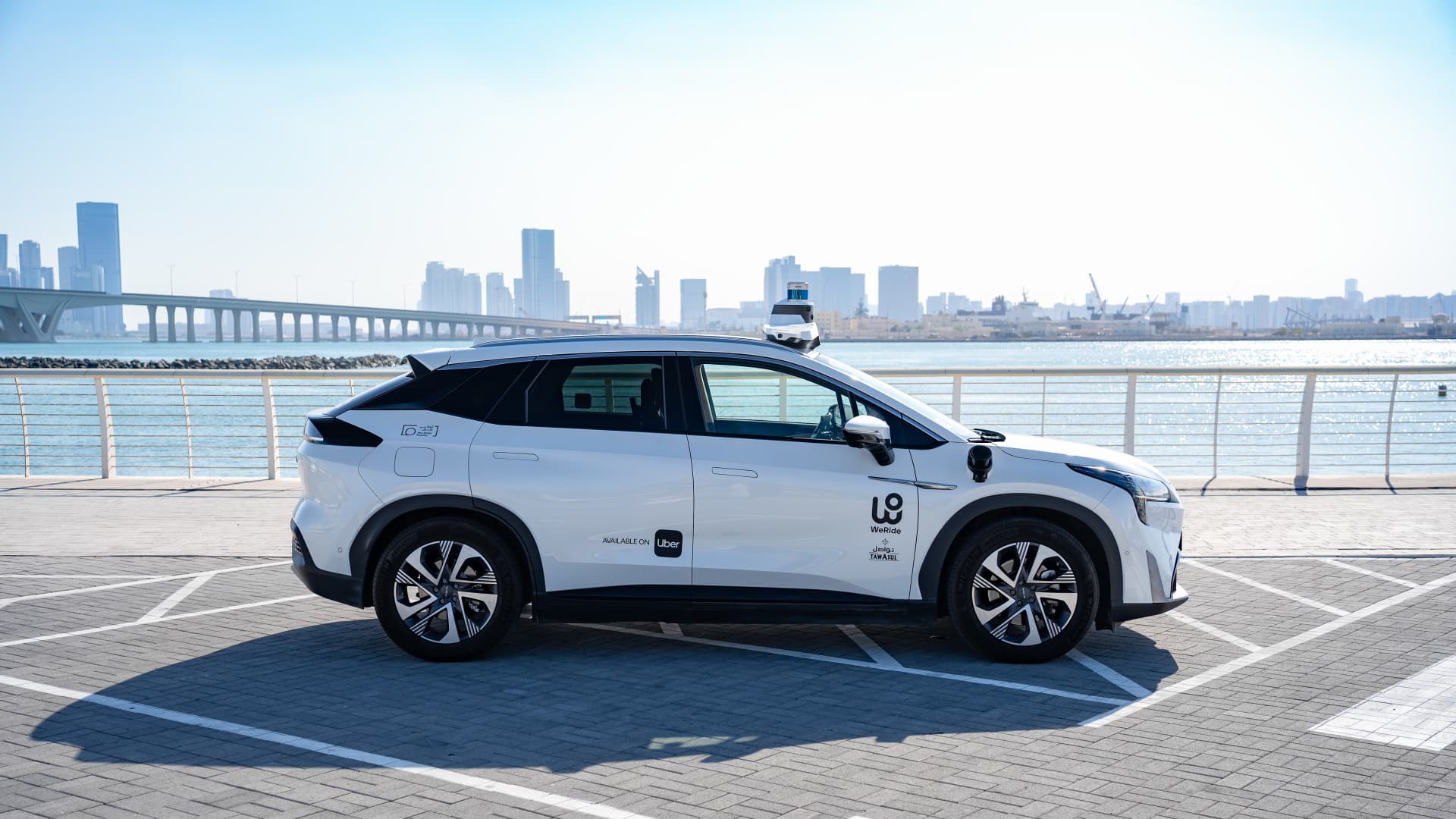
Didi Launches First Robotaxi Test in UAE


- International Expansion Plans: Didi plans to initiate its first overseas robotaxi test in the UAE later this year, marking a significant step in its global strategy aimed at enhancing international competitiveness.
- Market Collaboration Dynamics: Didi's growing collaboration with local governments and businesses in Abu Dhabi, particularly following a meeting with the Crown Prince, underscores the increasing influence of Chinese firms in the Middle Eastern market.
- Competitive Landscape Analysis: In addition to Didi, Guangzhou-based WeRide and Pony.ai are also actively expanding in the UAE, with WeRide launching a fully driverless fare-charging robotaxi service in Dubai, indicating intensifying competition among Chinese robotaxi companies on the global stage.
- Future Development Prospects: With the rapid growth of the Middle Eastern market, over 1,000 robotaxis are expected to be operational in Dubai over the next few years, which will not only drive innovation in local transportation services but also provide new growth opportunities for Chinese companies in the international market.
See More

Chinese Robotaxi Companies Expand into Middle East
- Market Expansion Plans: At least three Chinese robotaxi companies are accelerating their entry into the Middle East market despite the ongoing Iran war, indicating their confidence and strategic positioning in international markets.
- Didi Testing Plans: Didi plans to conduct its first overseas robotaxi test in the UAE later this year, marking a significant step in its global expansion strategy.
- WeRide Service Launch: Guangzhou-based WeRide has launched a fully driverless, fare-charging robotaxi service in Dubai's Jumeirah and Umm Suqeim districts, allowing riders to book through Uber's app, showcasing its successful entry into the international market.
- Pony.ai and Baidu Progress: Pony.ai and Baidu's Apollo Go are also actively pursuing commercial operations in Dubai, with Pony.ai having received testing permission from the local transport authority, while Apollo Go plans to roll out over 1,000 robotaxis in the coming years, demonstrating the competitiveness of Chinese firms in the global autonomous driving sector.
See More
Uber Commits Over $10B to Autonomous Vehicle Strategy
- Massive Investment: Uber has committed over $10 billion to the autonomous vehicle sector, including $2.5 billion in equity stakes and $7.5 billion for future robotaxi fleets, demonstrating its determination to compete in the rapidly evolving robotaxi market.
- Market Expansion Plans: The company aims to roll out robotaxi services in at least 28 cities by 2028, a strategy that not only enhances its market coverage but could significantly increase revenue streams in the coming years.
- Strategic Partnerships: Uber has partnered with key players such as Baidu, Rivian, and Lucid, which will help accelerate technology development and market deployment, thereby strengthening Uber's position within the autonomous ecosystem.
- Intensifying Industry Competition: With competitors like Waymo and Tesla rapidly advancing in driverless services, Uber's investment reflects a growing urgency to adapt to industry changes, aiming to maintain its leadership in the ride-hailing market.
See More
SpaceX Plans Historic IPO with $1.75 Trillion Valuation Target
- IPO Filing: SpaceX submitted its IPO paperwork to the SEC in early April, marking a significant step towards public market entry, although financial statements remain confidential.
- Profit and Loss Discrepancy: While Reuters reported an $8 billion profit on $16 billion revenue for 2025, The Information indicated a $5 billion loss on $18 billion revenue, creating uncertainty that could affect investor confidence.
- Valuation Target and Market Impact: Seeking a $1.75 trillion valuation for its IPO, SpaceX could become the largest IPO in history and quickly rank among the top ten public companies globally; however, historical data suggests that large IPO stocks often underperform in the long term.
- Cautious Investor Sentiment: Although SpaceX shares may surge on their first trading day, historical trends indicate that many large IPOs perform poorly in the following year, leading investors to adopt a wait-and-see approach for better buying opportunities.
See More
SpaceX Plans Historic IPO with $1.75 Trillion Valuation
- IPO Roadshow Scheduled: SpaceX is set to host its IPO roadshow in early June, aiming for a summer listing that could establish it as the largest IPO in history with an initial valuation of $1.75 trillion, reflecting the company's strong confidence in capital markets.
- Financial Performance Discrepancies: While SpaceX reported $16 billion in revenue and an $8 billion profit for 2025, conflicting financial data from different sources indicates uncertainty in profitability, which may affect investor confidence.
- Historical Performance Warning: Historical data shows that stocks with large IPO valuations typically perform poorly post-listing, with average returns of -13% over three months and -12% over one year, potentially leading prospective investors to adopt a cautious stance on SpaceX's long-term performance.
- Market Reaction Expectations: Although SpaceX's IPO is highly anticipated and may see a surge in stock price on its debut, the historically low long-term returns of large IPO stocks suggest that investors should remain on the sidelines and look for optimal buying opportunities amid market fluctuations.
See More
Uber Announces $10 Billion Investment in Robotaxi Sector
- Strategic Shift: Uber has announced a $10 billion investment in the robotaxi sector, including over $7.5 billion for fleet purchases, aiming to transition from its traditional gig economy model to better position itself against future market disruptions through partnerships with companies like Waymo and Nvidia.
- Equity Investments: The company plans to invest over $2.5 billion in equity stakes in various autonomous vehicle developers over the coming years, enhancing its position in the autonomous driving ecosystem while preventing competitors like Waymo and Tesla from bypassing its platform entirely.
- Market Expansion: Through its partnership with Nvidia, Uber aims to deploy Nvidia software-driven robotaxis across 28 cities by 2028, a move that not only boosts its competitive edge but also lays the groundwork for future revenue growth in the autonomous vehicle market.
- Increased Commitment: Uber has raised its investment in Lucid to $500 million and increased its commitment to purchase Lucid vehicles for its robotaxi service to 35,000 units, up from the previously announced 20,000 units, demonstrating its strategic focus on the electric vehicle market and future mobility solutions.
See More
Didi Launches First Robotaxi Test in UAE
- International Expansion Plans: Didi plans to initiate its first overseas robotaxi test in the UAE later this year, marking a significant step in its global strategy aimed at enhancing international competitiveness.
- Market Collaboration Dynamics: Didi's growing collaboration with local governments and businesses in Abu Dhabi, particularly following a meeting with the Crown Prince, underscores the increasing influence of Chinese firms in the Middle Eastern market.
- Competitive Landscape Analysis: In addition to Didi, Guangzhou-based WeRide and Pony.ai are also actively expanding in the UAE, with WeRide launching a fully driverless fare-charging robotaxi service in Dubai, indicating intensifying competition among Chinese robotaxi companies on the global stage.
- Future Development Prospects: With the rapid growth of the Middle Eastern market, over 1,000 robotaxis are expected to be operational in Dubai over the next few years, which will not only drive innovation in local transportation services but also provide new growth opportunities for Chinese companies in the international market.
See More
Chinese Robotaxi Companies Expand into Middle East
- Market Expansion Plans: At least three Chinese robotaxi companies are accelerating their entry into the Middle East market despite the ongoing Iran war, indicating their confidence and strategic positioning in international markets.
- Didi Testing Plans: Didi plans to conduct its first overseas robotaxi test in the UAE later this year, marking a significant step in its global expansion strategy.
- WeRide Service Launch: Guangzhou-based WeRide has launched a fully driverless, fare-charging robotaxi service in Dubai's Jumeirah and Umm Suqeim districts, allowing riders to book through Uber's app, showcasing its successful entry into the international market.
- Pony.ai and Baidu Progress: Pony.ai and Baidu's Apollo Go are also actively pursuing commercial operations in Dubai, with Pony.ai having received testing permission from the local transport authority, while Apollo Go plans to roll out over 1,000 robotaxis in the coming years, demonstrating the competitiveness of Chinese firms in the global autonomous driving sector.
See More