UBER EATS Introduces On-Demand and Scheduled Delivery for ACE HARDWARE
Written by Emily J. Thompson, Senior Investment Analyst
Updated: 2 days ago
0mins
Should l Buy UBER?
Source: moomoo
Uber's New Offering: Uber has launched a new service called "Uber Ace," which allows users to access hardware on demand.
Delivery Options: The service includes both on-demand and scheduled delivery options through Uber Eats, enhancing convenience for customers.
Trade with 70% Backtested Accuracy
Stop guessing "Should I Buy UBER?" and start using high-conviction signals backed by rigorous historical data.
Sign up today to access powerful investing tools and make smarter, data-driven decisions.
Analyst Views on UBER
Wall Street analysts forecast UBER stock price to rise
32 Analyst Rating
28 Buy
3 Hold
1 Sell
Strong Buy
Current: 72.380

Low
72.00
Averages
107.10
High
150.00
Current: 72.380
Low
72.00
Averages
107.10
High
150.00
About UBER
Uber Technologies, Inc. operates a technology platform that uses network and technology to power movement from point A to point B. It develops and operates technology applications supporting a variety of offerings on its platform (platform(s)). Its segments include Mobility, Delivery and Freight. Mobility products connect consumers with drivers who provide rides in a variety of vehicles, such as cars, auto rickshaws, motorbikes, minibuses, or taxis. Delivery offerings allow consumers to search for and discover local restaurants, order a meal, and either pick-up at the restaurant or have the meal delivered. In certain markets, the Delivery segment provides offerings for grocery, alcohol, and convenience store delivery as well as select other goods. The Freight segment connects carriers with shippers on its platform, and gives carriers upfront, pricing and the ability to book a shipment. The Freight segment also includes transportation management and other logistics service offerings.
About the author

Emily J. Thompson
Emily J. Thompson, a Chartered Financial Analyst (CFA) with 12 years in investment research, graduated with honors from the Wharton School. Specializing in industrial and technology stocks, she provides in-depth analysis for Intellectia’s earnings and market brief reports.
Potential Catalysts for Rivian's Stock Rebound


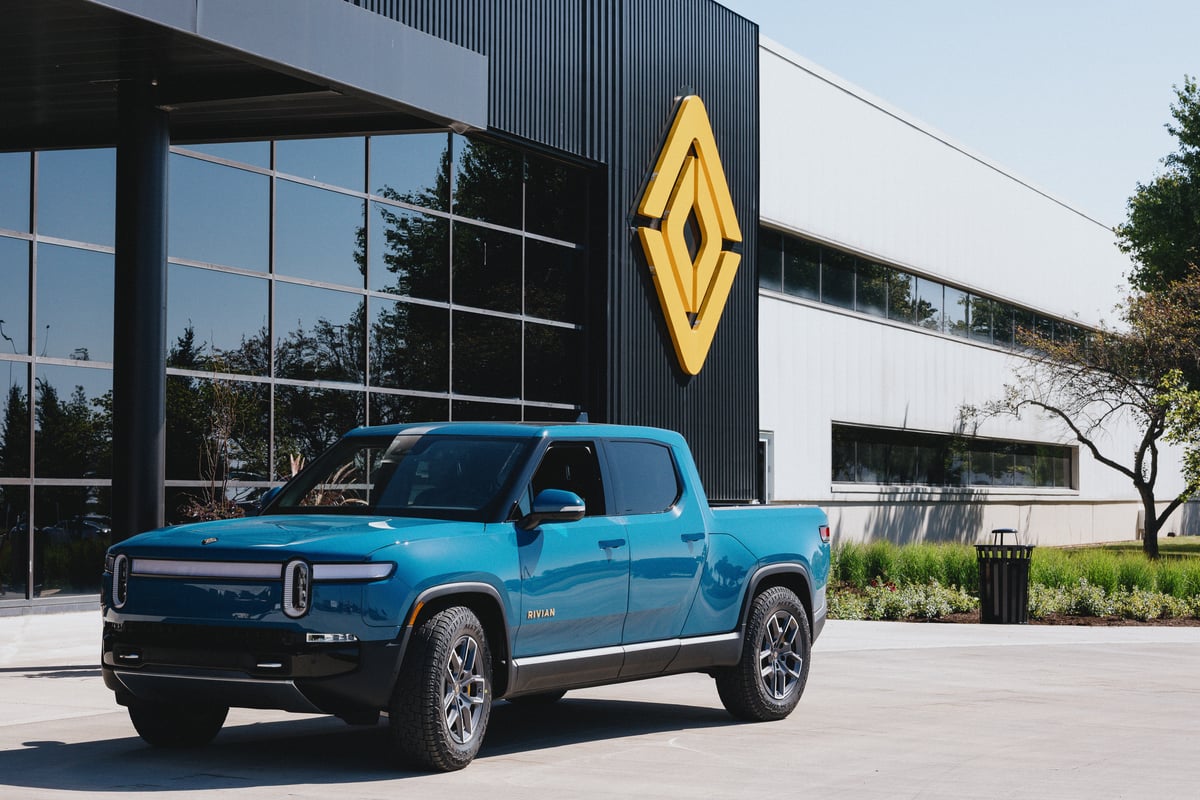
- Production Review: Rivian produced 24,337 vehicles in 2022, with expectations to increase to 57,232 in 2023, although production is projected to decline to 49,476 and 42,284 in 2024 and 2025 due to supply chain constraints and intensified competition, impacting investor confidence.
- New Model Launch: The launch of the new R2 SUV in March, priced $30,000-$40,000 lower than the R1T and R1S, is expected to significantly expand market reach and improve margins due to its simplified design and fewer electronic control units.
- Investor Confidence Rebound: Uber's recent $1.25 billion investment in Rivian and plans to deploy up to 10,000 fully autonomous R2 robotaxis from 2028 to 2031 provide strong support for Rivian's future growth prospects.
- Insider Buying: Rivian insiders have purchased more than twice as many shares as they sold in the past three months, and this positive insider sentiment, combined with low valuation and multiple potential partnerships, makes Rivian a compelling stock to buy ahead of its next earnings report.
See More
Rivian's Market Prospects in the EV Sector
- Improving Financials: Rivian's revenue increased by 8% year-over-year to $5.4 billion last year, demonstrating resilience and potential growth despite challenges from the expiration of U.S. EV government tax incentives, indicating a positive trend in its financial performance.
- New Model Launch: The company plans to start deliveries of its R2 model in the second quarter, with expectations to deliver between 62,000 and 67,000 units by 2026, representing a nearly 53% increase compared to the previous fiscal year, directly competing with Tesla's popular Model Y and enhancing market share.
- Strategic Partnerships: Rivian's agreement with Uber involves the purchase of 10,000 fully autonomous R2 models, with an option for 40,000 more by 2030, providing up to $1.25 billion in investment, although achieving full autonomy remains a significant technological hurdle that requires further R&D.
- Competitive Pressures: While Rivian is seeing growth in service revenue, it faces intense competition from Tesla's established models, and the company does not expect to achieve adjusted EBITDA profitability until 2027, increasing uncertainty and risk for investors.
See More

Rivian's EV Strategy and Financial Outlook
- Improving Financials: Rivian's revenue increased by 8% year-over-year to $5.4 billion last year, demonstrating resilience and potential growth despite challenges from the expiration of U.S. EV government tax incentives, indicating a strong market position.
- New Model Launch: The company plans to start customer deliveries of the R2 model in the second quarter, which will compete directly with Tesla's best-selling Model Y, potentially boosting Rivian's market share in the midsize SUV EV segment.
- Strategic Partnership: Rivian has secured a deal with Uber to purchase 10,000 fully autonomous R2 models, with an option for 40,000 more by 2030, providing up to $1.25 billion in investment, although achieving full autonomy remains a significant technological hurdle.
- Profitability Outlook: Rivian has postponed its goal of achieving adjusted EBITDA profitability by 2027 to invest in R&D for full autonomy, which may lead to stock price volatility, but successfully meeting these goals could provide a substantial competitive edge in the market.
See More
PONY and Uber Launch Europe's First Robotaxi Service in Croatia


- Market Expansion Plan: PONY and Uber have launched Europe's first commercial robotaxi service in Zagreb, Croatia, covering approximately 90 square kilometers, including the city center and Zagreb Airport, which is expected to significantly enhance local transportation efficiency and drive the company's global expansion strategy.
- Operational Time Schedule: The robotaxis will operate daily from 7:00 a.m. to 9:00 p.m. Central European Time, with plans to gradually expand coverage, aiming to meet the growing demand for transportation and improve user experience.
- Singapore Service Launch: PONY has received regulatory approval to launch its autonomous robotaxi service in Singapore, initially operating along a 12-kilometer route in northeast Punggol, which is expected to save commuters about 15 minutes, further enhancing its competitive edge in the market.
- Global Fleet Target: PONY expects to operate a total of 3,000 vehicles globally by the end of the year, leveraging its successful experience in China to demonstrate the maturity of its technology and business model, thereby laying the groundwork for accelerated commercialization in international markets.
See More
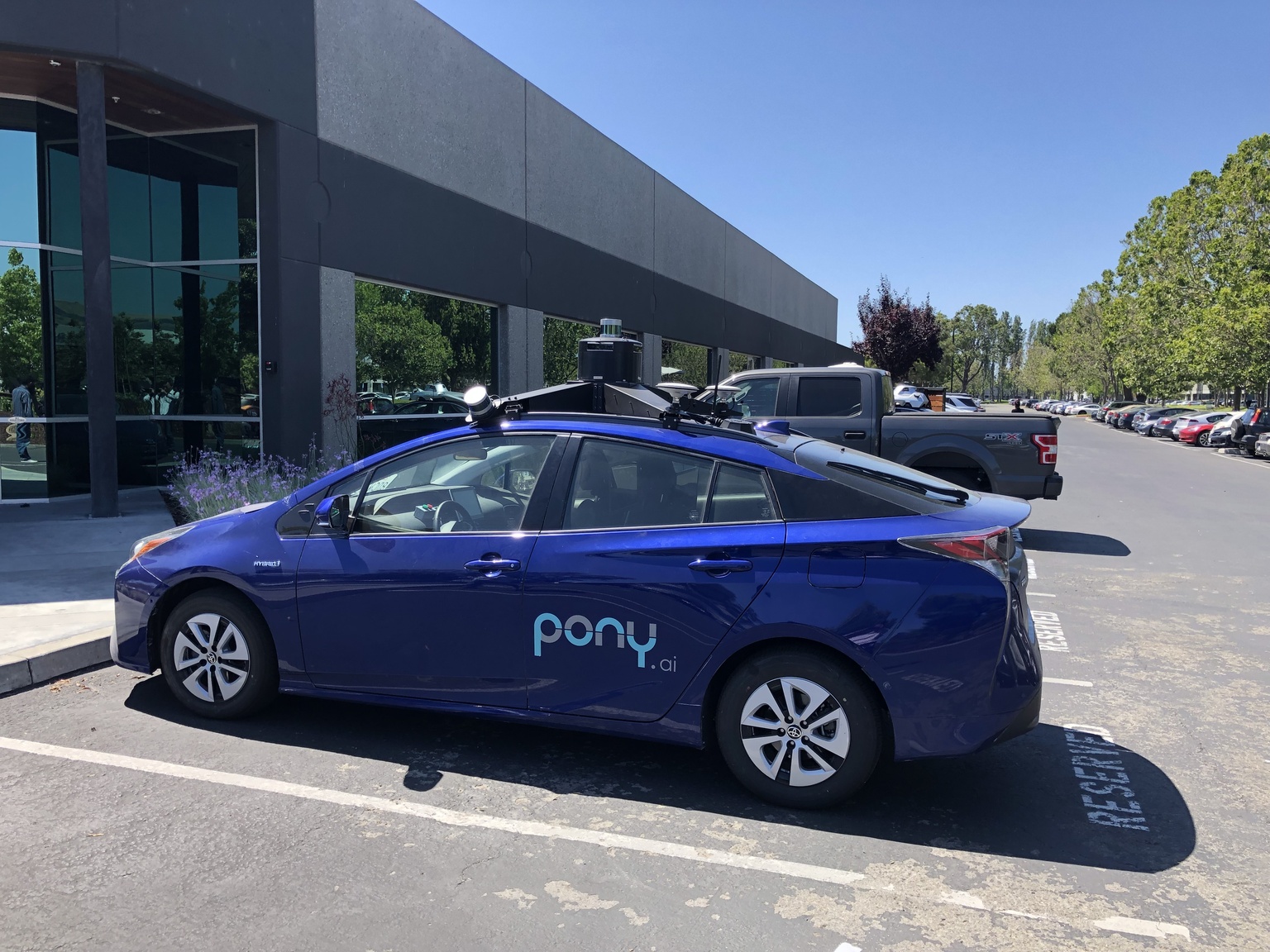
Pony AI Launches Europe's First Commercial Robotaxi Service in Zagreb
- Service Launch: Pony AI's robotaxi program, in partnership with Verne and Uber, officially begins commercial operations in Zagreb, Croatia, marking Europe's first commercial robotaxi service and a significant advancement for autonomous driving technology in the European market.
- App Integration: Users can now book and pay for Pony.ai-powered robotaxi rides through the Verne app, with plans to expand availability through the Uber app, which will further broaden the user base and enhance market penetration.
- Coverage Area: The service initially spans approximately 90 square kilometers across the wider Zagreb city center, including Zagreb Airport, with plans for gradual expansion throughout the city, presenting greater market opportunities and revenue potential for the company.
- Partnership Dynamics: The launch comes just two weeks after the announcement of the partnership between Pony.ai, Verne, and Uber, demonstrating the rapid progress of the three parties in the autonomous driving sector, which is expected to drive future technological innovations and market competitiveness.
See More

Impact of AI on Demand Aggregator Platforms


- AI as a Tailwind: Analysts suggest that demand aggregator platforms like Expedia and Instacart could benefit from AI technology, as AI can enhance user experience through deep data analysis, potentially increasing conversion and retention rates.
- Positive Market Reaction: Following comments from Jeffrey's analyst John Cantone, Instacart's stock saw a slight uptick, indicating market recognition of AI's potential and possibly presenting new opportunities for investors.
- Investor Concerns Persist: Despite the optimistic outlook, Matt Frankel highlighted that AI could threaten traditional intermediary platforms' market share, especially with the rise of agentic AI, which may allow users to book directly through AI tools, undermining aggregator roles.
- Uncertain Future Outlook: While AI presents new growth opportunities for demand aggregator platforms, the market remains cautious about its long-term impact, particularly as the technology is not yet fully matured, necessitating investor attention to potential risks and rewards.
See More
Potential Catalysts for Rivian's Stock Rebound
- Production Review: Rivian produced 24,337 vehicles in 2022, with expectations to increase to 57,232 in 2023, although production is projected to decline to 49,476 and 42,284 in 2024 and 2025 due to supply chain constraints and intensified competition, impacting investor confidence.
- New Model Launch: The launch of the new R2 SUV in March, priced $30,000-$40,000 lower than the R1T and R1S, is expected to significantly expand market reach and improve margins due to its simplified design and fewer electronic control units.
- Investor Confidence Rebound: Uber's recent $1.25 billion investment in Rivian and plans to deploy up to 10,000 fully autonomous R2 robotaxis from 2028 to 2031 provide strong support for Rivian's future growth prospects.
- Insider Buying: Rivian insiders have purchased more than twice as many shares as they sold in the past three months, and this positive insider sentiment, combined with low valuation and multiple potential partnerships, makes Rivian a compelling stock to buy ahead of its next earnings report.
See More
Rivian's Market Prospects in the EV Sector
- Improving Financials: Rivian's revenue increased by 8% year-over-year to $5.4 billion last year, demonstrating resilience and potential growth despite challenges from the expiration of U.S. EV government tax incentives, indicating a positive trend in its financial performance.
- New Model Launch: The company plans to start deliveries of its R2 model in the second quarter, with expectations to deliver between 62,000 and 67,000 units by 2026, representing a nearly 53% increase compared to the previous fiscal year, directly competing with Tesla's popular Model Y and enhancing market share.
- Strategic Partnerships: Rivian's agreement with Uber involves the purchase of 10,000 fully autonomous R2 models, with an option for 40,000 more by 2030, providing up to $1.25 billion in investment, although achieving full autonomy remains a significant technological hurdle that requires further R&D.
- Competitive Pressures: While Rivian is seeing growth in service revenue, it faces intense competition from Tesla's established models, and the company does not expect to achieve adjusted EBITDA profitability until 2027, increasing uncertainty and risk for investors.
See More
Rivian's EV Strategy and Financial Outlook
- Improving Financials: Rivian's revenue increased by 8% year-over-year to $5.4 billion last year, demonstrating resilience and potential growth despite challenges from the expiration of U.S. EV government tax incentives, indicating a strong market position.
- New Model Launch: The company plans to start customer deliveries of the R2 model in the second quarter, which will compete directly with Tesla's best-selling Model Y, potentially boosting Rivian's market share in the midsize SUV EV segment.
- Strategic Partnership: Rivian has secured a deal with Uber to purchase 10,000 fully autonomous R2 models, with an option for 40,000 more by 2030, providing up to $1.25 billion in investment, although achieving full autonomy remains a significant technological hurdle.
- Profitability Outlook: Rivian has postponed its goal of achieving adjusted EBITDA profitability by 2027 to invest in R&D for full autonomy, which may lead to stock price volatility, but successfully meeting these goals could provide a substantial competitive edge in the market.
See More
PONY and Uber Launch Europe's First Robotaxi Service in Croatia
- Market Expansion Plan: PONY and Uber have launched Europe's first commercial robotaxi service in Zagreb, Croatia, covering approximately 90 square kilometers, including the city center and Zagreb Airport, which is expected to significantly enhance local transportation efficiency and drive the company's global expansion strategy.
- Operational Time Schedule: The robotaxis will operate daily from 7:00 a.m. to 9:00 p.m. Central European Time, with plans to gradually expand coverage, aiming to meet the growing demand for transportation and improve user experience.
- Singapore Service Launch: PONY has received regulatory approval to launch its autonomous robotaxi service in Singapore, initially operating along a 12-kilometer route in northeast Punggol, which is expected to save commuters about 15 minutes, further enhancing its competitive edge in the market.
- Global Fleet Target: PONY expects to operate a total of 3,000 vehicles globally by the end of the year, leveraging its successful experience in China to demonstrate the maturity of its technology and business model, thereby laying the groundwork for accelerated commercialization in international markets.
See More
Pony AI Launches Europe's First Commercial Robotaxi Service in Zagreb
- Service Launch: Pony AI's robotaxi program, in partnership with Verne and Uber, officially begins commercial operations in Zagreb, Croatia, marking Europe's first commercial robotaxi service and a significant advancement for autonomous driving technology in the European market.
- App Integration: Users can now book and pay for Pony.ai-powered robotaxi rides through the Verne app, with plans to expand availability through the Uber app, which will further broaden the user base and enhance market penetration.
- Coverage Area: The service initially spans approximately 90 square kilometers across the wider Zagreb city center, including Zagreb Airport, with plans for gradual expansion throughout the city, presenting greater market opportunities and revenue potential for the company.
- Partnership Dynamics: The launch comes just two weeks after the announcement of the partnership between Pony.ai, Verne, and Uber, demonstrating the rapid progress of the three parties in the autonomous driving sector, which is expected to drive future technological innovations and market competitiveness.
See More
Impact of AI on Demand Aggregator Platforms
- AI as a Tailwind: Analysts suggest that demand aggregator platforms like Expedia and Instacart could benefit from AI technology, as AI can enhance user experience through deep data analysis, potentially increasing conversion and retention rates.
- Positive Market Reaction: Following comments from Jeffrey's analyst John Cantone, Instacart's stock saw a slight uptick, indicating market recognition of AI's potential and possibly presenting new opportunities for investors.
- Investor Concerns Persist: Despite the optimistic outlook, Matt Frankel highlighted that AI could threaten traditional intermediary platforms' market share, especially with the rise of agentic AI, which may allow users to book directly through AI tools, undermining aggregator roles.
- Uncertain Future Outlook: While AI presents new growth opportunities for demand aggregator platforms, the market remains cautious about its long-term impact, particularly as the technology is not yet fully matured, necessitating investor attention to potential risks and rewards.
See More