Uber and Airbnb Revenue Growth Comparison
Written by Emily J. Thompson, Senior Investment Analyst
Updated: 1 day ago
0mins

Should l Buy UBER?
Source: Fool
- Uber Revenue Growth: Uber achieved an annual revenue of $52 billion in 2025, reflecting a year-over-year growth of approximately 20%, which underscores its strong momentum in ridesharing and retail delivery, further solidifying its market leadership.
- Airbnb Revenue Performance: Airbnb's annual revenue reached $12.3 billion in 2025, and although its growth rate is around 10%, the widening revenue gap compared to Uber indicates increasing competitive pressures in the industry.
- Valuation Discrepancy: Uber's price-to-sales ratio stands at 2.9x and its price-to-earnings ratio at 15.3x, making it more attractive compared to Airbnb's 6.6x and 32.3x ratios, which may draw interest from value-seeking investors.
- Market Outlook Analysis: With Uber launching commercial robotaxis globally and acquiring multiple retail delivery portfolios, its future growth potential appears substantial, while Airbnb may need to adjust its market strategies to address the challenges of slowing revenue growth.
Trade with 70% Backtested Accuracy
Stop guessing "Should I Buy UBER?" and start using high-conviction signals backed by rigorous historical data.
Sign up today to access powerful investing tools and make smarter, data-driven decisions.
Analyst Views on UBER
Wall Street analysts forecast UBER stock price to rise
32 Analyst Rating
28 Buy
3 Hold
1 Sell
Strong Buy
Current: 72.340

Low
72.00
Averages
107.10
High
150.00
Current: 72.340
Low
72.00
Averages
107.10
High
150.00
About UBER
Uber Technologies, Inc. operates a technology platform that uses network and technology to power movement from point A to point B. It develops and operates technology applications supporting a variety of offerings on its platform (platform(s)). Its segments include Mobility, Delivery and Freight. Mobility products connect consumers with drivers who provide rides in a variety of vehicles, such as cars, auto rickshaws, motorbikes, minibuses, or taxis. Delivery offerings allow consumers to search for and discover local restaurants, order a meal, and either pick-up at the restaurant or have the meal delivered. In certain markets, the Delivery segment provides offerings for grocery, alcohol, and convenience store delivery as well as select other goods. The Freight segment connects carriers with shippers on its platform, and gives carriers upfront, pricing and the ability to book a shipment. The Freight segment also includes transportation management and other logistics service offerings.
About the author

Emily J. Thompson
Emily J. Thompson, a Chartered Financial Analyst (CFA) with 12 years in investment research, graduated with honors from the Wharton School. Specializing in industrial and technology stocks, she provides in-depth analysis for Intellectia’s earnings and market brief reports.
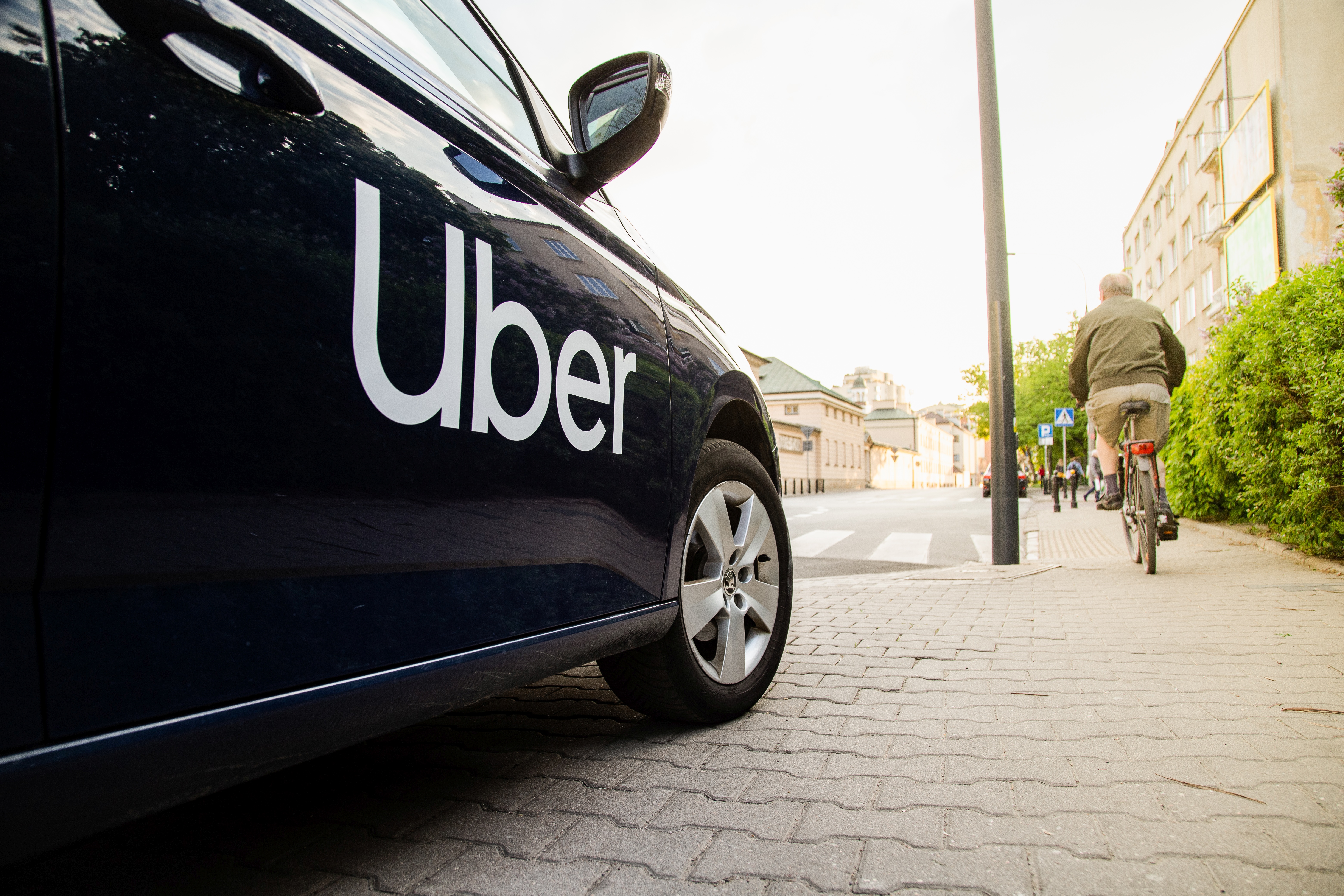
Uber Commits Over $10B to Autonomous Vehicle Strategy

- Massive Investment: Uber has committed over $10 billion to the autonomous vehicle sector, including $2.5 billion in equity stakes and $7.5 billion for future robotaxi fleets, demonstrating its determination to compete in the rapidly evolving robotaxi market.
- Market Expansion Plans: The company aims to roll out robotaxi services in at least 28 cities by 2028, a strategy that not only enhances its market coverage but could significantly increase revenue streams in the coming years.
- Strategic Partnerships: Uber has partnered with key players such as Baidu, Rivian, and Lucid, which will help accelerate technology development and market deployment, thereby strengthening Uber's position within the autonomous ecosystem.
- Intensifying Industry Competition: With competitors like Waymo and Tesla rapidly advancing in driverless services, Uber's investment reflects a growing urgency to adapt to industry changes, aiming to maintain its leadership in the ride-hailing market.
See More
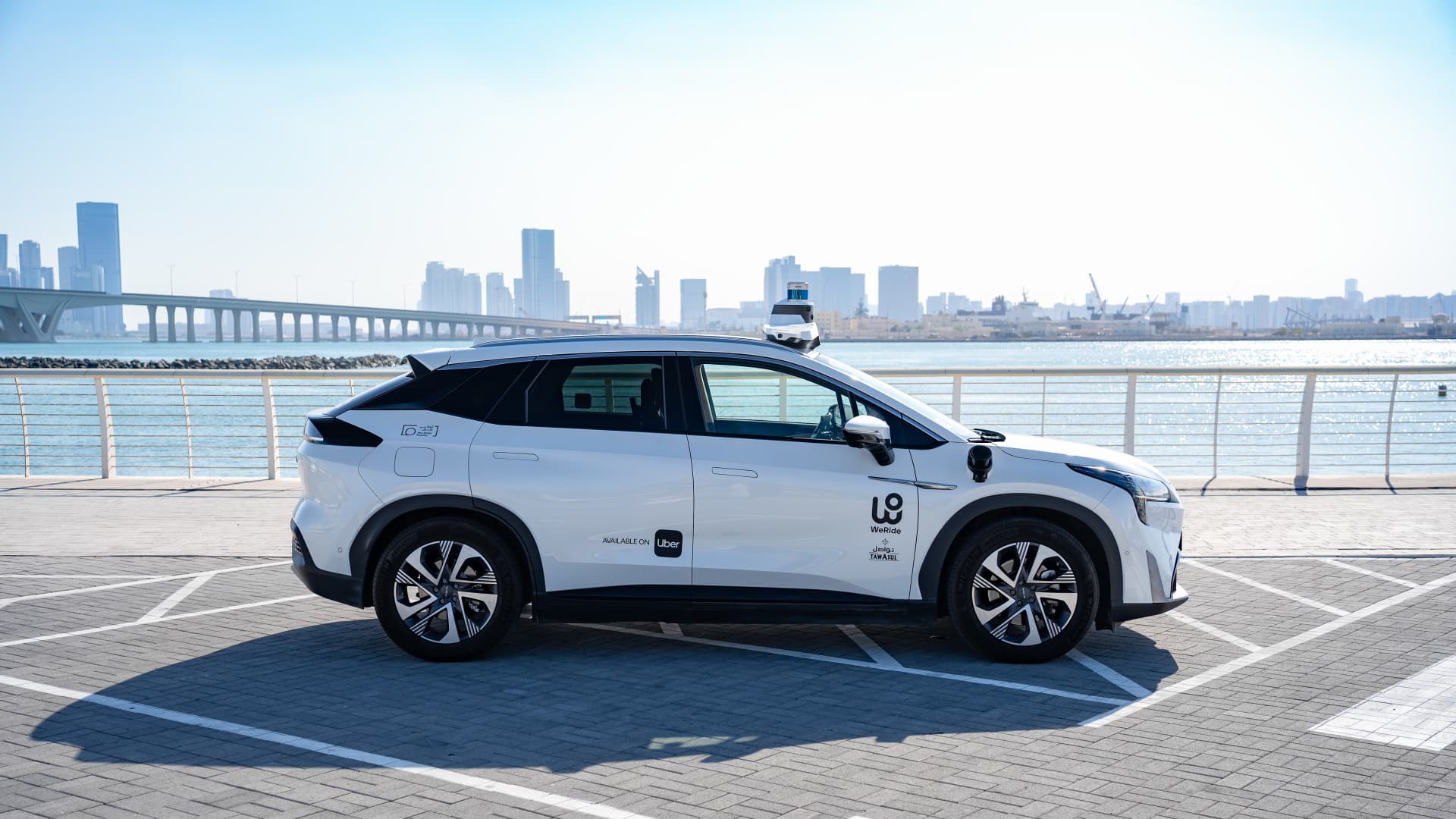
Didi Launches First Robotaxi Test in UAE


- International Expansion Plans: Didi plans to initiate its first overseas robotaxi test in the UAE later this year, marking a significant step in its global strategy aimed at enhancing international competitiveness.
- Market Collaboration Dynamics: Didi's growing collaboration with local governments and businesses in Abu Dhabi, particularly following a meeting with the Crown Prince, underscores the increasing influence of Chinese firms in the Middle Eastern market.
- Competitive Landscape Analysis: In addition to Didi, Guangzhou-based WeRide and Pony.ai are also actively expanding in the UAE, with WeRide launching a fully driverless fare-charging robotaxi service in Dubai, indicating intensifying competition among Chinese robotaxi companies on the global stage.
- Future Development Prospects: With the rapid growth of the Middle Eastern market, over 1,000 robotaxis are expected to be operational in Dubai over the next few years, which will not only drive innovation in local transportation services but also provide new growth opportunities for Chinese companies in the international market.
See More

Chinese Robotaxi Companies Expand into Middle East
- Market Expansion Plans: At least three Chinese robotaxi companies are accelerating their entry into the Middle East market despite the ongoing Iran war, indicating their confidence and strategic positioning in international markets.
- Didi Testing Plans: Didi plans to conduct its first overseas robotaxi test in the UAE later this year, marking a significant step in its global expansion strategy.
- WeRide Service Launch: Guangzhou-based WeRide has launched a fully driverless, fare-charging robotaxi service in Dubai's Jumeirah and Umm Suqeim districts, allowing riders to book through Uber's app, showcasing its successful entry into the international market.
- Pony.ai and Baidu Progress: Pony.ai and Baidu's Apollo Go are also actively pursuing commercial operations in Dubai, with Pony.ai having received testing permission from the local transport authority, while Apollo Go plans to roll out over 1,000 robotaxis in the coming years, demonstrating the competitiveness of Chinese firms in the global autonomous driving sector.
See More
Market Update: Cramer Sees Upside in Uber and Vistra

- Cramer Bullish on Uber: Despite Uber's stock being down 28.5% from its September high, it has risen 3.5% in the last two days, indicating market confidence in its future growth and potentially attracting more investor interest.
- Vistra Stock Undervalued: Cramer highlighted that Vistra is trading at around 19 times earnings, calling it a “steal,” and although the stock is down 25% from its September high, it has gained 6% in just two days, reflecting market recognition of its value.
- Booking Holdings Potential: Cramer believes that many negatives for Booking Holdings are already priced in, with a current P/E ratio of 17, and anticipates a significant price increase once the war ends; the stock has risen 4.4% in two days, presenting a potential return opportunity for investors.
- Southwest Airlines Turnaround Story: Cramer describes Southwest Airlines as a “terrific turnaround story,” noting that while the stock is down 25% from its February high, it has increased by 4.3% in two days and could be a potential takeover target, indicating future growth potential.
See More
Lucid Group's Q1 Revenue Misses Expectations, Shares Drop
- Revenue Warning: Lucid Group pre-announced Q1 revenue between $280 million and $284 million, significantly below Wall Street's $433.8 million estimate, resulting in a 5% drop in share price, indicating market disappointment with its performance.
- Capital Raising Plan: In documents filed on April 14, the company revealed plans to raise over $1 billion through various financing methods, including investments from Uber and Saudi Arabia's Public Investment Fund, as well as a $300 million stock offering, aimed at enhancing financial stability.
- Widening Operating Loss: Lucid expects an operating loss between $985 million and just over $1 billion for Q1, closely matching last quarter's $1.06 billion loss and significantly higher than the $692 million loss in the same quarter last year, reflecting challenges in cost control and market demand.
- Delivery and Production Discrepancy: Although Lucid produced 5,500 vehicles in Q1, it only delivered 3,093, possibly due to unmet delivery deadlines or insufficient sales, highlighting competitive pressures in the market, with full earnings report set for May 5.
See More
Three Stocks with Huge Growth Potential


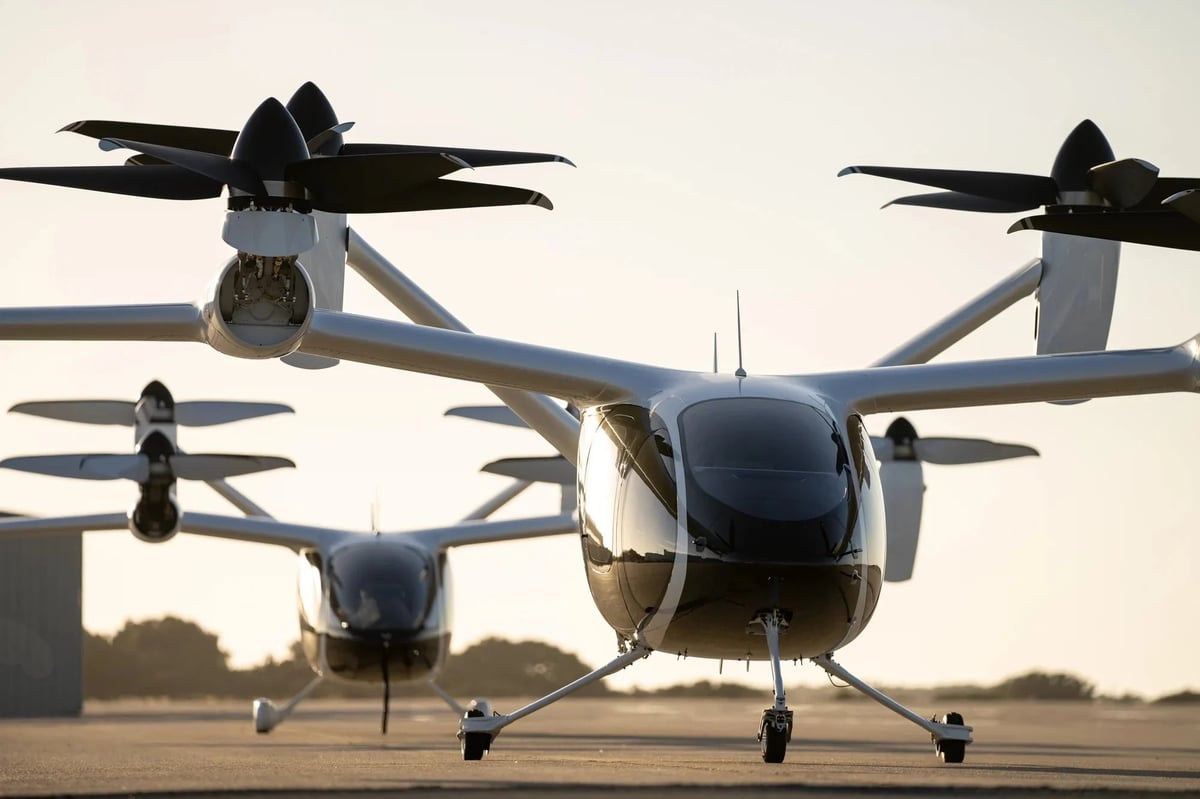
- Joby Aviation's Market Outlook: Joby Aviation's S4 eVTOL aircraft is projected to generate $53 million in revenue by 2025, soaring to $459 million by 2028; despite lacking commercial flight approvals in the U.S. and Dubai, its unique tilt-rotor design positions it competitively in the global eVTOL market.
- BYD's Vertical Integration Advantage: As China's largest automaker, BYD ceased gas vehicle production in 2022 to focus on battery electric and plug-in hybrid vehicles, with revenue and net income expected to grow at CAGRs of 13% and 24% from 2025 to 2028, showcasing its strong expansion potential in the global EV market.
- Rocket Lab's Long-Term Development: Rocket Lab has successfully launched its Electron rocket 85 times and plans to introduce the Neutron rocket by the end of 2026, with revenue expected to grow at a 37% CAGR from 2025 to 2028, indicating a promising future as the low-earth orbit satellite market expands.
- Macro Economic Challenges and Opportunities: Despite macroeconomic pressures from inflation, rising interest rates, and geopolitical conflicts affecting investor sentiment, these three stocks still present significant buying opportunities for long-term holders, particularly for investors seeking growth potential amid market volatility.
See More
Uber Commits Over $10B to Autonomous Vehicle Strategy
- Massive Investment: Uber has committed over $10 billion to the autonomous vehicle sector, including $2.5 billion in equity stakes and $7.5 billion for future robotaxi fleets, demonstrating its determination to compete in the rapidly evolving robotaxi market.
- Market Expansion Plans: The company aims to roll out robotaxi services in at least 28 cities by 2028, a strategy that not only enhances its market coverage but could significantly increase revenue streams in the coming years.
- Strategic Partnerships: Uber has partnered with key players such as Baidu, Rivian, and Lucid, which will help accelerate technology development and market deployment, thereby strengthening Uber's position within the autonomous ecosystem.
- Intensifying Industry Competition: With competitors like Waymo and Tesla rapidly advancing in driverless services, Uber's investment reflects a growing urgency to adapt to industry changes, aiming to maintain its leadership in the ride-hailing market.
See More
Didi Launches First Robotaxi Test in UAE
- International Expansion Plans: Didi plans to initiate its first overseas robotaxi test in the UAE later this year, marking a significant step in its global strategy aimed at enhancing international competitiveness.
- Market Collaboration Dynamics: Didi's growing collaboration with local governments and businesses in Abu Dhabi, particularly following a meeting with the Crown Prince, underscores the increasing influence of Chinese firms in the Middle Eastern market.
- Competitive Landscape Analysis: In addition to Didi, Guangzhou-based WeRide and Pony.ai are also actively expanding in the UAE, with WeRide launching a fully driverless fare-charging robotaxi service in Dubai, indicating intensifying competition among Chinese robotaxi companies on the global stage.
- Future Development Prospects: With the rapid growth of the Middle Eastern market, over 1,000 robotaxis are expected to be operational in Dubai over the next few years, which will not only drive innovation in local transportation services but also provide new growth opportunities for Chinese companies in the international market.
See More
Chinese Robotaxi Companies Expand into Middle East
- Market Expansion Plans: At least three Chinese robotaxi companies are accelerating their entry into the Middle East market despite the ongoing Iran war, indicating their confidence and strategic positioning in international markets.
- Didi Testing Plans: Didi plans to conduct its first overseas robotaxi test in the UAE later this year, marking a significant step in its global expansion strategy.
- WeRide Service Launch: Guangzhou-based WeRide has launched a fully driverless, fare-charging robotaxi service in Dubai's Jumeirah and Umm Suqeim districts, allowing riders to book through Uber's app, showcasing its successful entry into the international market.
- Pony.ai and Baidu Progress: Pony.ai and Baidu's Apollo Go are also actively pursuing commercial operations in Dubai, with Pony.ai having received testing permission from the local transport authority, while Apollo Go plans to roll out over 1,000 robotaxis in the coming years, demonstrating the competitiveness of Chinese firms in the global autonomous driving sector.
See More
Market Update: Cramer Sees Upside in Uber and Vistra
- Cramer Bullish on Uber: Despite Uber's stock being down 28.5% from its September high, it has risen 3.5% in the last two days, indicating market confidence in its future growth and potentially attracting more investor interest.
- Vistra Stock Undervalued: Cramer highlighted that Vistra is trading at around 19 times earnings, calling it a “steal,” and although the stock is down 25% from its September high, it has gained 6% in just two days, reflecting market recognition of its value.
- Booking Holdings Potential: Cramer believes that many negatives for Booking Holdings are already priced in, with a current P/E ratio of 17, and anticipates a significant price increase once the war ends; the stock has risen 4.4% in two days, presenting a potential return opportunity for investors.
- Southwest Airlines Turnaround Story: Cramer describes Southwest Airlines as a “terrific turnaround story,” noting that while the stock is down 25% from its February high, it has increased by 4.3% in two days and could be a potential takeover target, indicating future growth potential.
See More
Lucid Group's Q1 Revenue Misses Expectations, Shares Drop
- Revenue Warning: Lucid Group pre-announced Q1 revenue between $280 million and $284 million, significantly below Wall Street's $433.8 million estimate, resulting in a 5% drop in share price, indicating market disappointment with its performance.
- Capital Raising Plan: In documents filed on April 14, the company revealed plans to raise over $1 billion through various financing methods, including investments from Uber and Saudi Arabia's Public Investment Fund, as well as a $300 million stock offering, aimed at enhancing financial stability.
- Widening Operating Loss: Lucid expects an operating loss between $985 million and just over $1 billion for Q1, closely matching last quarter's $1.06 billion loss and significantly higher than the $692 million loss in the same quarter last year, reflecting challenges in cost control and market demand.
- Delivery and Production Discrepancy: Although Lucid produced 5,500 vehicles in Q1, it only delivered 3,093, possibly due to unmet delivery deadlines or insufficient sales, highlighting competitive pressures in the market, with full earnings report set for May 5.
See More
Three Stocks with Huge Growth Potential
- Joby Aviation's Market Outlook: Joby Aviation's S4 eVTOL aircraft is projected to generate $53 million in revenue by 2025, soaring to $459 million by 2028; despite lacking commercial flight approvals in the U.S. and Dubai, its unique tilt-rotor design positions it competitively in the global eVTOL market.
- BYD's Vertical Integration Advantage: As China's largest automaker, BYD ceased gas vehicle production in 2022 to focus on battery electric and plug-in hybrid vehicles, with revenue and net income expected to grow at CAGRs of 13% and 24% from 2025 to 2028, showcasing its strong expansion potential in the global EV market.
- Rocket Lab's Long-Term Development: Rocket Lab has successfully launched its Electron rocket 85 times and plans to introduce the Neutron rocket by the end of 2026, with revenue expected to grow at a 37% CAGR from 2025 to 2028, indicating a promising future as the low-earth orbit satellite market expands.
- Macro Economic Challenges and Opportunities: Despite macroeconomic pressures from inflation, rising interest rates, and geopolitical conflicts affecting investor sentiment, these three stocks still present significant buying opportunities for long-term holders, particularly for investors seeking growth potential amid market volatility.
See More