Two Harbors Announces Merger with CrossCountry Mortgage, Terminates UWM Deal
- Merger Agreement Change: Two Harbors Investment has announced a new merger agreement with CrossCountry Mortgage, terminating its previous agreement with UWM Holdings, demonstrating the company's flexibility and adaptability in acquisition strategies.
- Stock Price Fluctuation: Following the announcement of the new agreement, Two Harbors' stock price fell 2.89% to $11.07 in pre-market trading on Friday, while UWM Holdings' stock rose 0.57% to $3.55, reflecting differing market reactions to the new merger agreement.
- Acquisition Terms: Under the new agreement, CrossCountry will acquire all outstanding shares of Two Harbors common stock for $10.80 per share in cash, which is a decrease from the previous valuation of $11.94 by UWM but offers a more direct cash payment.
- Preferred Stock Redemption: Upon completion of the transaction, holders of Two Harbors' series A, B, and C preferred stock will have their shares redeemed at $25.00 per share, ensuring that preferred shareholders' rights are protected in the transaction.
Trade with 70% Backtested Accuracy
Analyst Views on TWO

About TWO
About the author


UWMC's Acquisition of Two Harbors Terminated

- Acquisition Termination: UWMC announced the termination of its acquisition agreement with Two Harbors Investment after the latter signed a new merger agreement with CrossCountry Mortgage, indicating that Two Harbors' management decisions do not reflect the best interests of their shareholders.
- Management Controversy: UWMC highlighted that the same management team at Two Harbors, which had to settle a $375 million lawsuit last summer, is making controversial decisions again, suggesting that their choices may be driven more by ego than sound judgment.
- Strategic Intent: UWMC's original strategy was to acquire Two Harbors' servicing book rather than its operations, asserting that there are no operational efficiencies to gain since its own operations are already best in class.
- Competitive Bidding: Two Harbors opted for CrossCountry Mortgage's superior offer of $10.80 per share over UWMC's $10.70 proposal, reflecting the intense competition in the market and the emphasis on maximizing shareholder value.

US Stocks Plunge as Oil Prices Surge Amid Iran Conflict


- Market Decline: The S&P 500 index fell by 1.67%, marking a 7-month low, while the Nasdaq 100 and Dow Jones Industrial Average dropped by 1.93% and 1.73%, respectively, indicating heightened concerns over economic slowdown.
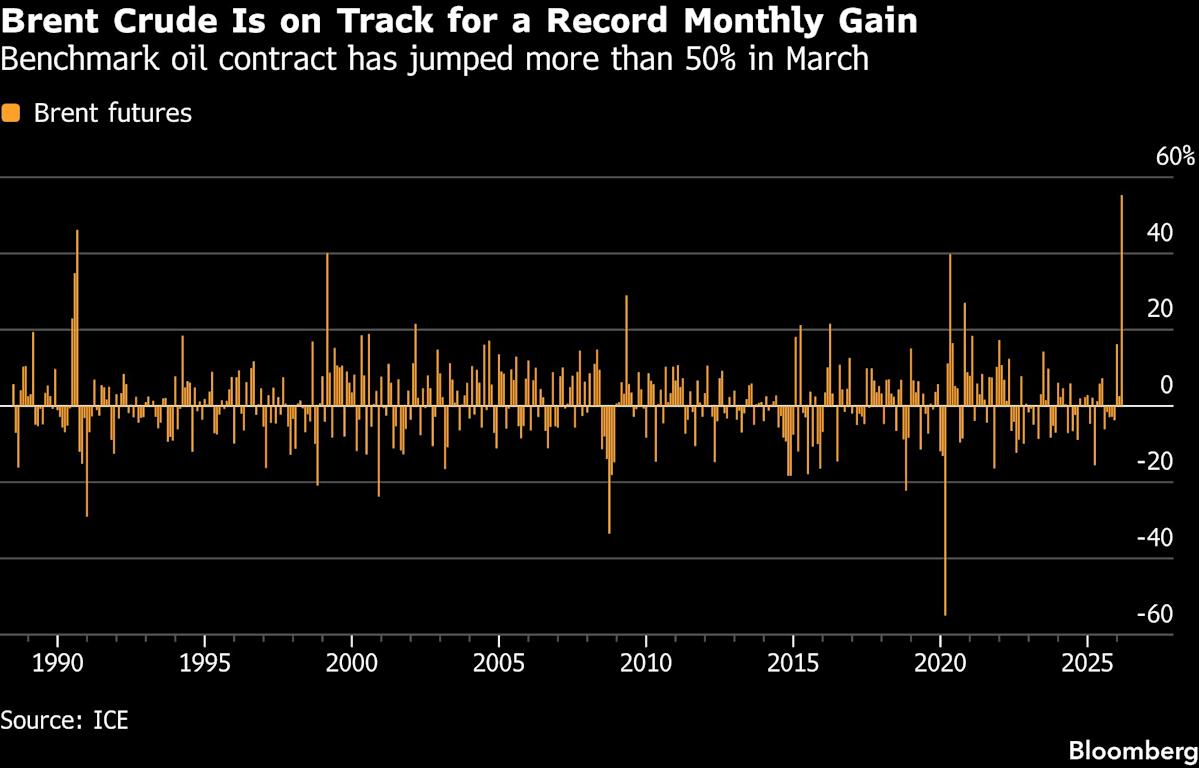
- Oil Price Surge: WTI crude oil prices surged over 5% due to fears surrounding the Iran conflict, which not only exacerbates inflation expectations but may also compel the Federal Reserve to tighten monetary policy, impacting overall economic growth.
- Consumer Sentiment Drop: The University of Michigan's consumer sentiment index was revised down to 53.3 from 55.5, below the expected 54.0, reflecting a pessimistic outlook among consumers regarding future economic conditions, potentially suppressing consumer spending.
- Escalating US-China Trade Tensions: China launched investigations into US trade practices targeting restrictions on Chinese goods, which could further disrupt global supply chains and increase market uncertainty.

UWM HOLDINGS CORP: TWO HARBORS MANAGEMENT AND BOARD'S DECISIONS FAIL TO SERVE SHAREHOLDER INTERESTS
Management Actions: The management and board of Two Harbors Investment Corp. have taken actions that do not align with the best interests of their shareholders.
Shareholder Concerns: There are significant concerns regarding the decisions made by the management and board, indicating a potential disconnect from shareholder priorities.
UWMC Addresses Two Harbors Acquisition Agreement
Response to Two Harbors Acquisition: UWM has issued a statement regarding the acquisition of Two Harbors Investment Corp, addressing the implications and their stance on the deal.
Market Reactions: The announcement has led to varied reactions in the market, with analysts weighing in on the potential impact of the acquisition on both companies involved.
Strategic Considerations: UWM outlines its strategic considerations in light of the acquisition, emphasizing its commitment to maintaining competitive advantages in the industry.
Future Outlook: The company discusses its future outlook post-acquisition, indicating plans for growth and adaptation in response to the changing market landscape.

US Stocks Decline as Oil Prices Surge Amid Iran Conflict
- Market Sentiment Declines: The S&P 500 and Nasdaq 100 fell by 0.79% and 1.12%, respectively, reaching 6.75-month lows, reflecting investor concerns about the global economic outlook amid escalating tensions in Iran.
- Rising Inflation Expectations: The University of Michigan's consumer sentiment index was revised down to 53.3 from 55.5, below expectations, while 1-year inflation expectations increased to 3.8%, indicating market fears of rising prices that could prompt the Fed to tighten monetary policy.
- Surging Energy Prices: Crude oil prices rose over 3% due to disruptions in global oil supply caused by the Iran conflict, with the IEA warning that the war could cut global oil supply by 8 million barrels per day, exacerbating inflationary pressures.
- US-China Trade Tensions: China launched investigations into US trade practices in retaliation for similar probes by the Trump administration, potentially impacting global supply chains and increasing market uncertainty, further undermining investor confidence.

Global Markets Decline Amid Iran War Risks
- Market Decline: The S&P 500 index fell by 0.74% and the Nasdaq 100 dropped by 0.94%, reflecting investor concerns over the prolonged Iran war, which may impact future investment decisions and market stability.
- Surging Energy Prices: The International Energy Agency warns that the ongoing conflict could disrupt global oil supply by 8 million barrels per day, potentially pushing crude prices above the 2008 record high of nearly $150 per barrel, thereby exacerbating inflationary pressures.
- Rising Bond Yields: The 10-year U.S. Treasury yield reached an 8.25-month high of 4.48%, indicating heightened expectations for future interest rate hikes, which could compel the Federal Reserve to adopt a tighter monetary policy to combat persistent inflation.
- Escalating U.S.-China Trade Tensions: China has launched investigations into U.S. trade practices, targeting restrictions on Chinese goods, which may further escalate trade frictions and disrupt global supply chain stability.
UWMC's Acquisition of Two Harbors Terminated
- Acquisition Termination: UWMC announced the termination of its acquisition agreement with Two Harbors Investment after the latter signed a new merger agreement with CrossCountry Mortgage, indicating that Two Harbors' management decisions do not reflect the best interests of their shareholders.
- Management Controversy: UWMC highlighted that the same management team at Two Harbors, which had to settle a $375 million lawsuit last summer, is making controversial decisions again, suggesting that their choices may be driven more by ego than sound judgment.
- Strategic Intent: UWMC's original strategy was to acquire Two Harbors' servicing book rather than its operations, asserting that there are no operational efficiencies to gain since its own operations are already best in class.
- Competitive Bidding: Two Harbors opted for CrossCountry Mortgage's superior offer of $10.80 per share over UWMC's $10.70 proposal, reflecting the intense competition in the market and the emphasis on maximizing shareholder value.
US Stocks Plunge as Oil Prices Surge Amid Iran Conflict
- Market Decline: The S&P 500 index fell by 1.67%, marking a 7-month low, while the Nasdaq 100 and Dow Jones Industrial Average dropped by 1.93% and 1.73%, respectively, indicating heightened concerns over economic slowdown.
- Oil Price Surge: WTI crude oil prices surged over 5% due to fears surrounding the Iran conflict, which not only exacerbates inflation expectations but may also compel the Federal Reserve to tighten monetary policy, impacting overall economic growth.
- Consumer Sentiment Drop: The University of Michigan's consumer sentiment index was revised down to 53.3 from 55.5, below the expected 54.0, reflecting a pessimistic outlook among consumers regarding future economic conditions, potentially suppressing consumer spending.
- Escalating US-China Trade Tensions: China launched investigations into US trade practices targeting restrictions on Chinese goods, which could further disrupt global supply chains and increase market uncertainty.
UWM HOLDINGS CORP: TWO HARBORS MANAGEMENT AND BOARD'S DECISIONS FAIL TO SERVE SHAREHOLDER INTERESTS
Management Actions: The management and board of Two Harbors Investment Corp. have taken actions that do not align with the best interests of their shareholders.
Shareholder Concerns: There are significant concerns regarding the decisions made by the management and board, indicating a potential disconnect from shareholder priorities.
UWMC Addresses Two Harbors Acquisition Agreement
Response to Two Harbors Acquisition: UWM has issued a statement regarding the acquisition of Two Harbors Investment Corp, addressing the implications and their stance on the deal.
Market Reactions: The announcement has led to varied reactions in the market, with analysts weighing in on the potential impact of the acquisition on both companies involved.
Strategic Considerations: UWM outlines its strategic considerations in light of the acquisition, emphasizing its commitment to maintaining competitive advantages in the industry.
Future Outlook: The company discusses its future outlook post-acquisition, indicating plans for growth and adaptation in response to the changing market landscape.
US Stocks Decline as Oil Prices Surge Amid Iran Conflict
- Market Sentiment Declines: The S&P 500 and Nasdaq 100 fell by 0.79% and 1.12%, respectively, reaching 6.75-month lows, reflecting investor concerns about the global economic outlook amid escalating tensions in Iran.
- Rising Inflation Expectations: The University of Michigan's consumer sentiment index was revised down to 53.3 from 55.5, below expectations, while 1-year inflation expectations increased to 3.8%, indicating market fears of rising prices that could prompt the Fed to tighten monetary policy.
- Surging Energy Prices: Crude oil prices rose over 3% due to disruptions in global oil supply caused by the Iran conflict, with the IEA warning that the war could cut global oil supply by 8 million barrels per day, exacerbating inflationary pressures.
- US-China Trade Tensions: China launched investigations into US trade practices in retaliation for similar probes by the Trump administration, potentially impacting global supply chains and increasing market uncertainty, further undermining investor confidence.
Global Markets Decline Amid Iran War Risks
- Market Decline: The S&P 500 index fell by 0.74% and the Nasdaq 100 dropped by 0.94%, reflecting investor concerns over the prolonged Iran war, which may impact future investment decisions and market stability.
- Surging Energy Prices: The International Energy Agency warns that the ongoing conflict could disrupt global oil supply by 8 million barrels per day, potentially pushing crude prices above the 2008 record high of nearly $150 per barrel, thereby exacerbating inflationary pressures.
- Rising Bond Yields: The 10-year U.S. Treasury yield reached an 8.25-month high of 4.48%, indicating heightened expectations for future interest rate hikes, which could compel the Federal Reserve to adopt a tighter monetary policy to combat persistent inflation.
- Escalating U.S.-China Trade Tensions: China has launched investigations into U.S. trade practices, targeting restrictions on Chinese goods, which may further escalate trade frictions and disrupt global supply chain stability.