Turkcell and Google Sign $1 Billion Agreement for Cloud and AI Infrastructure

Partnership Announcement: Turkcell has entered a strategic multi-year partnership with Google Cloud to launch a new cloud region in Türkiye, enhancing digital infrastructure and capabilities in the region.
Investment and Innovation: Turkcell plans to invest $1 billion in data centers and cloud technologies, aiming to accelerate digital transformation and foster AI-driven innovation for local enterprises.
Service Enhancements: The new cloud region will provide high-performance services such as data analytics and cybersecurity, improving efficiency and innovation for local organizations.
Financial Performance: Turkcell reported a third-quarter EPS increase to 6 cents and sales growth to $1.459 billion, reflecting positive financial momentum despite market fluctuations.
Trade with 70% Backtested Accuracy
Analyst Views on GOOGL

About GOOGL
About the author


Anthropic's Claude App Surges to No. 2 in U.S. Rankings Amid Controversy

- App Ranking Surge: Anthropic's Claude app surged to No. 2 in the U.S. Apple free app rankings on Friday, just behind ChatGPT, indicating rapid growth and increasing user acceptance in the competitive AI market.
- Defense Department Scrutiny: Defense Secretary Pete Hegseth requested that Anthropic be labeled as a supply-chain risk to national security, which could limit its use among defense contractors, reflecting the government's cautious approach to AI technologies.
- Intensifying Market Competition: Despite the rise in popularity of the Claude app, OpenAI's ChatGPT remains at the top, highlighting the fierce competition in the market, necessitating Anthropic to enhance its technological edge to capture more market share.
- User Growth Potential: The Claude app ranked 131st on January 30, but quickly climbed into the top 50 throughout February, suggesting a growing appeal among users that could positively impact future revenue growth.
Nvidia Reports Blowout Earnings but Stock Declines


- Strong Earnings Report: Nvidia's Q4 sales reached $68.12 billion, reflecting a 73% year-over-year increase, with an EPS of $1.62, up 82% year-over-year; however, the stock has declined over 6% post-report, indicating market concerns about the sustainability of the AI boom.
- Customer Dependency Risk: Currently, 90% of Nvidia's revenue comes from data centers, heavily reliant on five major cloud providers including Amazon and Alphabet, raising investor concerns about significant impacts if any of these customers slow their orders.
- Increased Competition: With competitors like AMD rising and hyperscalers such as Amazon and Alphabet developing their own AI accelerators, concerns about Nvidia's future growth and margins have intensified, despite its dominant position in the AI sector.
- Optimistic Guidance: Nvidia's Q1 revenue guidance for fiscal 2027 is set at $78 billion, exceeding analyst expectations of $72.8 billion, with projected year-over-year growth of 73%, and EPS estimates for the next two years indicating a 60% and 20% increase, respectively, showcasing strong growth potential.
Waymo's New Robotaxi Market Prospects

- Sensor Count Reduction: Waymo's new Ojai Robotaxi features a sixth-generation AV suite with over 13 cameras, 4 LiDAR units, and 6 radar sensors, resulting in a 42% reduction in sensor count compared to the previous fifth-generation technology, which will lower production costs and enhance market competitiveness.
- Cost Control Strategy: The Ojai Robotaxi is estimated to cost between $150,000 and $200,000, while the introduction of the sixth-generation model will enable Waymo to scale faster and profitably at a lower price point, showcasing the company's strategic decision-making in the electric vehicle market.
- Model Transition: Waymo plans to transition its Robotaxi to the Hyundai Ioniq 5 EV, expected to cost over $50,000 per unit, aligning with the retail price of around $35,000 in the U.S., indicating Waymo's positioning in high-volume fleet and autonomous-ready versions.
- Market Competition Analysis: Despite facing competition from Tesla, Waymo aims to enhance its Robotaxi market share through better marketing and execution, demonstrating its potential and strategic response in the high-end electric vehicle market.

Streaming Prices Are Set to Rise Due to Mergers.

Industry Changes: The streaming industry is undergoing significant transformations as companies merge and adapt their services.
Price Increases: Consumers can expect to see price hikes as streaming services adjust their pricing strategies.
Access Simplification: Companies are working to simplify access to their platforms, potentially improving user experience.
Consumer Preparedness: Viewers should stay informed and be ready for these upcoming changes in the streaming landscape.
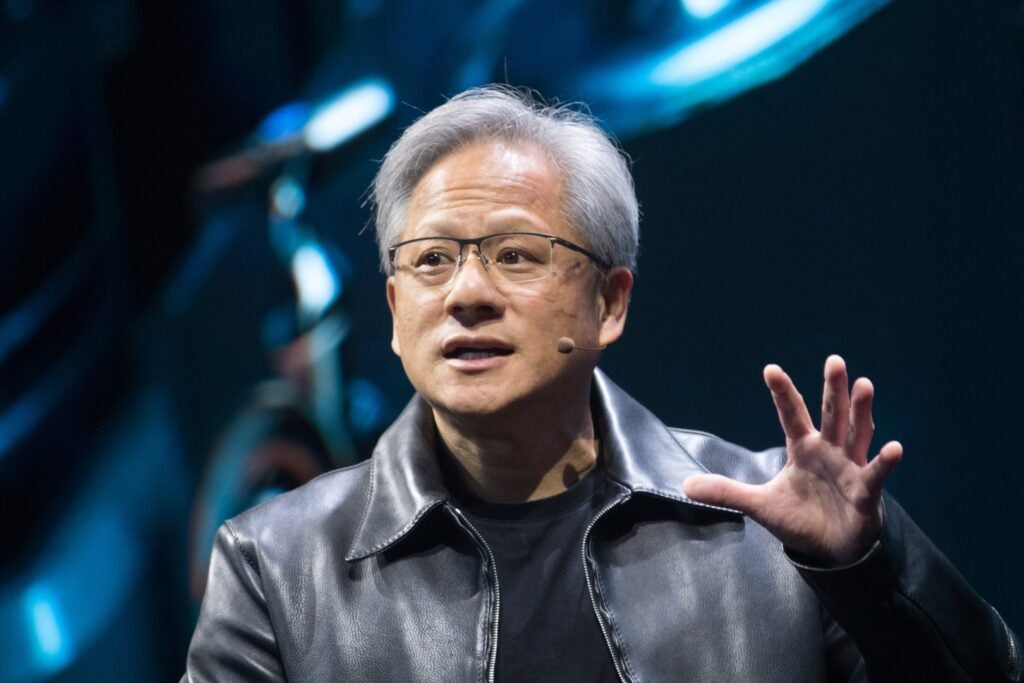
Analysis of AI Stock Investment Strategies

- Software Market Outlook: HSBC analyst Stephen Bersey indicates that 2026 will mark the kickoff for monetization in AI software, with expectations that software will capture the largest long-term share of value in AI, reflecting the growing demand for highly reliable software in enterprises.
- Microsoft's Strong Performance: Microsoft's productivity and business process software sales rose 16% to $34 billion in the most recent quarter, with Office 365 users reaching 400 million, demonstrating its sustained dominance in the enterprise software market despite competition from Google.
- Google's AI Progress: Google's Gemini chatbot has reached 750 million monthly active users, and the company secured a multibillion-dollar deal to serve as the underlying AI model for future versions of Apple's Siri, driving cloud revenue up 48% to $17.7 billion in the latest quarter.
- Hardware Investment Potential: Nvidia reported a 75% surge in data center revenue to $62.3 billion for Q4 fiscal 2026, with first-quarter total revenue guidance up 77%, while AMD's $100 billion deal with Meta further solidifies the investment potential in the hardware market, indicating significant growth opportunities remain in AI hardware.
Investment Strategy Analysis for AI Software and Hardware
- AI Investment Trends: HSBC analyst Stephen Bersey highlights that 2026 will mark the kickoff for monetization in AI software, predicting that software will capture the largest long-term value in the AI market, suggesting investors should diversify across both software and hardware stocks to navigate market uncertainties.
- Microsoft vs. Google Competition: Despite Google Workspace offering free tools, Microsoft's enterprise software sales rose 16% to $34 billion in the latest quarter, demonstrating its strong competitive position in enterprise software and reflecting the ongoing demand for highly reliable software among businesses.
- Nvidia Financial Highlights: Nvidia's recent Q4 fiscal 2026 report revealed a 75% surge in data center revenue to $62.3 billion, with adjusted earnings per share increasing by 82% to $1.62, surpassing Wall Street expectations, indicating that further growth is likely ahead.
- Hardware Investment Outlook: AMD's deal with Meta Platforms, valued at over $100 billion for 6 gigawatts of data center processors, underscores the accelerating investment in AI hardware, with data center spending projected to reach between $3 trillion and $4 trillion by 2030, showcasing the long-term potential of the hardware market.
Anthropic's Claude App Surges to No. 2 in U.S. Rankings Amid Controversy
- App Ranking Surge: Anthropic's Claude app surged to No. 2 in the U.S. Apple free app rankings on Friday, just behind ChatGPT, indicating rapid growth and increasing user acceptance in the competitive AI market.
- Defense Department Scrutiny: Defense Secretary Pete Hegseth requested that Anthropic be labeled as a supply-chain risk to national security, which could limit its use among defense contractors, reflecting the government's cautious approach to AI technologies.
- Intensifying Market Competition: Despite the rise in popularity of the Claude app, OpenAI's ChatGPT remains at the top, highlighting the fierce competition in the market, necessitating Anthropic to enhance its technological edge to capture more market share.
- User Growth Potential: The Claude app ranked 131st on January 30, but quickly climbed into the top 50 throughout February, suggesting a growing appeal among users that could positively impact future revenue growth.
Nvidia Reports Blowout Earnings but Stock Declines
- Strong Earnings Report: Nvidia's Q4 sales reached $68.12 billion, reflecting a 73% year-over-year increase, with an EPS of $1.62, up 82% year-over-year; however, the stock has declined over 6% post-report, indicating market concerns about the sustainability of the AI boom.
- Customer Dependency Risk: Currently, 90% of Nvidia's revenue comes from data centers, heavily reliant on five major cloud providers including Amazon and Alphabet, raising investor concerns about significant impacts if any of these customers slow their orders.
- Increased Competition: With competitors like AMD rising and hyperscalers such as Amazon and Alphabet developing their own AI accelerators, concerns about Nvidia's future growth and margins have intensified, despite its dominant position in the AI sector.
- Optimistic Guidance: Nvidia's Q1 revenue guidance for fiscal 2027 is set at $78 billion, exceeding analyst expectations of $72.8 billion, with projected year-over-year growth of 73%, and EPS estimates for the next two years indicating a 60% and 20% increase, respectively, showcasing strong growth potential.
Waymo's New Robotaxi Market Prospects
- Sensor Count Reduction: Waymo's new Ojai Robotaxi features a sixth-generation AV suite with over 13 cameras, 4 LiDAR units, and 6 radar sensors, resulting in a 42% reduction in sensor count compared to the previous fifth-generation technology, which will lower production costs and enhance market competitiveness.
- Cost Control Strategy: The Ojai Robotaxi is estimated to cost between $150,000 and $200,000, while the introduction of the sixth-generation model will enable Waymo to scale faster and profitably at a lower price point, showcasing the company's strategic decision-making in the electric vehicle market.
- Model Transition: Waymo plans to transition its Robotaxi to the Hyundai Ioniq 5 EV, expected to cost over $50,000 per unit, aligning with the retail price of around $35,000 in the U.S., indicating Waymo's positioning in high-volume fleet and autonomous-ready versions.
- Market Competition Analysis: Despite facing competition from Tesla, Waymo aims to enhance its Robotaxi market share through better marketing and execution, demonstrating its potential and strategic response in the high-end electric vehicle market.
Streaming Prices Are Set to Rise Due to Mergers.
Industry Changes: The streaming industry is undergoing significant transformations as companies merge and adapt their services.
Price Increases: Consumers can expect to see price hikes as streaming services adjust their pricing strategies.
Access Simplification: Companies are working to simplify access to their platforms, potentially improving user experience.
Consumer Preparedness: Viewers should stay informed and be ready for these upcoming changes in the streaming landscape.
Analysis of AI Stock Investment Strategies
- Software Market Outlook: HSBC analyst Stephen Bersey indicates that 2026 will mark the kickoff for monetization in AI software, with expectations that software will capture the largest long-term share of value in AI, reflecting the growing demand for highly reliable software in enterprises.
- Microsoft's Strong Performance: Microsoft's productivity and business process software sales rose 16% to $34 billion in the most recent quarter, with Office 365 users reaching 400 million, demonstrating its sustained dominance in the enterprise software market despite competition from Google.
- Google's AI Progress: Google's Gemini chatbot has reached 750 million monthly active users, and the company secured a multibillion-dollar deal to serve as the underlying AI model for future versions of Apple's Siri, driving cloud revenue up 48% to $17.7 billion in the latest quarter.
- Hardware Investment Potential: Nvidia reported a 75% surge in data center revenue to $62.3 billion for Q4 fiscal 2026, with first-quarter total revenue guidance up 77%, while AMD's $100 billion deal with Meta further solidifies the investment potential in the hardware market, indicating significant growth opportunities remain in AI hardware.
Investment Strategy Analysis for AI Software and Hardware
- AI Investment Trends: HSBC analyst Stephen Bersey highlights that 2026 will mark the kickoff for monetization in AI software, predicting that software will capture the largest long-term value in the AI market, suggesting investors should diversify across both software and hardware stocks to navigate market uncertainties.
- Microsoft vs. Google Competition: Despite Google Workspace offering free tools, Microsoft's enterprise software sales rose 16% to $34 billion in the latest quarter, demonstrating its strong competitive position in enterprise software and reflecting the ongoing demand for highly reliable software among businesses.
- Nvidia Financial Highlights: Nvidia's recent Q4 fiscal 2026 report revealed a 75% surge in data center revenue to $62.3 billion, with adjusted earnings per share increasing by 82% to $1.62, surpassing Wall Street expectations, indicating that further growth is likely ahead.
- Hardware Investment Outlook: AMD's deal with Meta Platforms, valued at over $100 billion for 6 gigawatts of data center processors, underscores the accelerating investment in AI hardware, with data center spending projected to reach between $3 trillion and $4 trillion by 2030, showcasing the long-term potential of the hardware market.