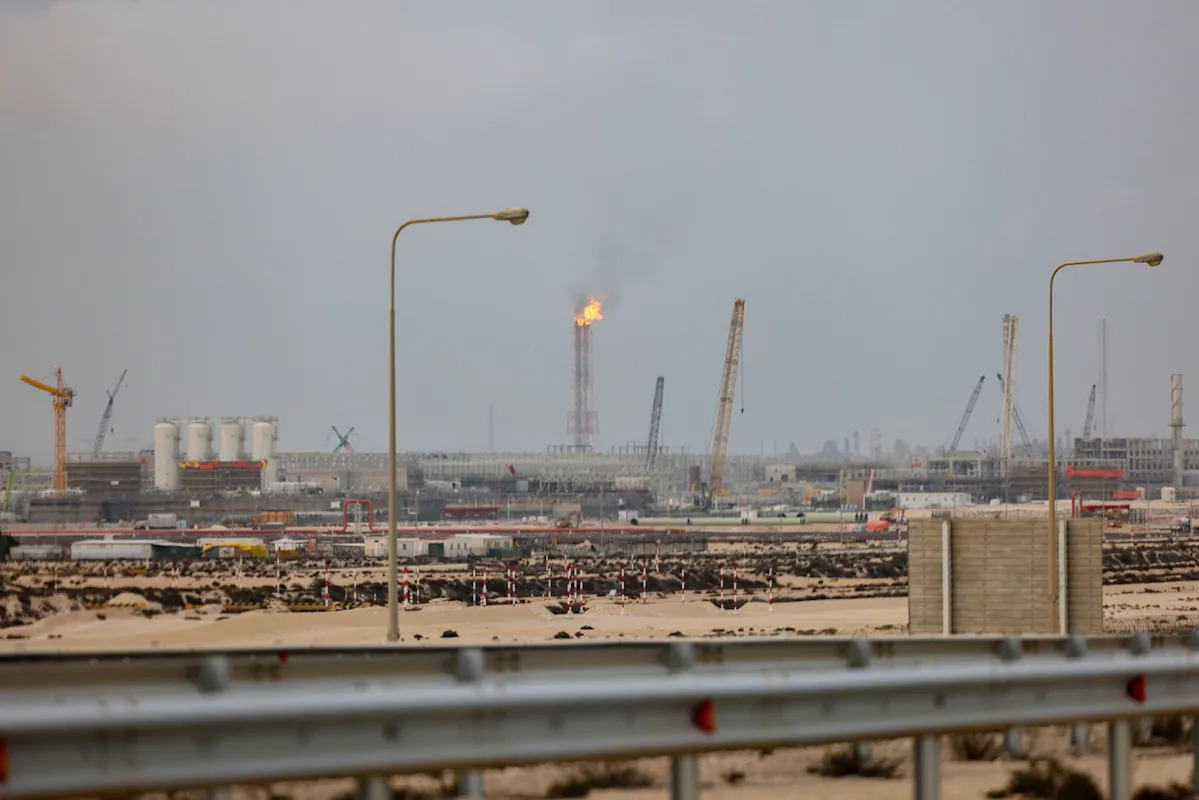
TUI Shares Slip on Slower Growth Expectations
Written by Emily J. Thompson, Senior Investment Analyst
Updated: Dec 11 2024
0mins

Should l Buy JEF?
Source: WSJ
TUI's Profit and Growth Guidance: TUI reported a significant profit increase for fiscal 2024 due to strong demand, but shares fell as the company projected lower growth rates for the current fiscal year.
Fiscal 2025 Targets: The German travel operator aims for a revenue increase of 5% to 10% and underlying earnings growth of 7% to 10% for fiscal 2025.
Trade with 70% Backtested Accuracy
Stop guessing "Should I Buy JEF?" and start using high-conviction signals backed by rigorous historical data.
Sign up today to access powerful investing tools and make smarter, data-driven decisions.
Analyst Views on JEF
Wall Street analysts forecast JEF stock price to rise
5 Analyst Rating
4 Buy
1 Hold
0 Sell
Strong Buy
Current: 38.210

Low
55.00
Averages
72.79
High
97.00
Current: 38.210
Low
55.00
Averages
72.79
High
97.00
About JEF
Jefferies Financial Group Inc. is a global, full-service investment banking and capital markets company. The Company provides financial advisory, equity underwriting and debt underwriting services. Its business segments include Investment Banking and Capital Markets and Asset Management. The Investment Banking and Capital Markets segment includes its securities, commodities, futures, and foreign exchange capital markets activities and its investment banking business, which provides underwriting and financial advisory services to clients across various industry sectors in the Americas, Europe and the Middle East, and Asia-Pacific. The Asset Management segment provides alternative investment management services to investors in the United States and overseas and generates investment income from capital invested in and managed by the Company or its affiliated asset managers. It provides mergers and acquisition, debt advisory and restructuring and private capital advisory services.
About the author

Emily J. Thompson
Emily J. Thompson, a Chartered Financial Analyst (CFA) with 12 years in investment research, graduated with honors from the Wharton School. Specializing in industrial and technology stocks, she provides in-depth analysis for Intellectia’s earnings and market brief reports.

Macy's Faces Uncertainty with Cautious 2026 Outlook


- Sales Forecast Adjustment: Jefferies raised Macy's fourth-quarter 'owned' comparable sales estimate from -2.2% to -0.5%, indicating improved execution despite a sequential slowdown, reflecting ongoing weak consumer sentiment that impacts future performance.
- Earnings Expectations: Analysts project Macy's earnings per share (EPS) at $1.55, slightly above the consensus of $1.53, demonstrating resilience in a challenging environment, yet management's forward guidance is likely to be conservative due to macro uncertainties.
- Macro Environment Impact: Jefferies anticipates Macy's will provide a wide guidance range for fiscal year 2026 to account for the diminishing 'revenge spending' cycle, indicating low visibility for future performance, which may affect investor confidence.
- Internal Leverage Dependence: Macy's increasingly relies on its high-margin Bloomingdale’s brand to offset potential weaknesses in its core business, and while store remodels may offer underappreciated upside, prevailing negative sentiment in the retail sector continues to pressure the stock.
See More
Market Continues Decline, Energy Sector Shows Strength


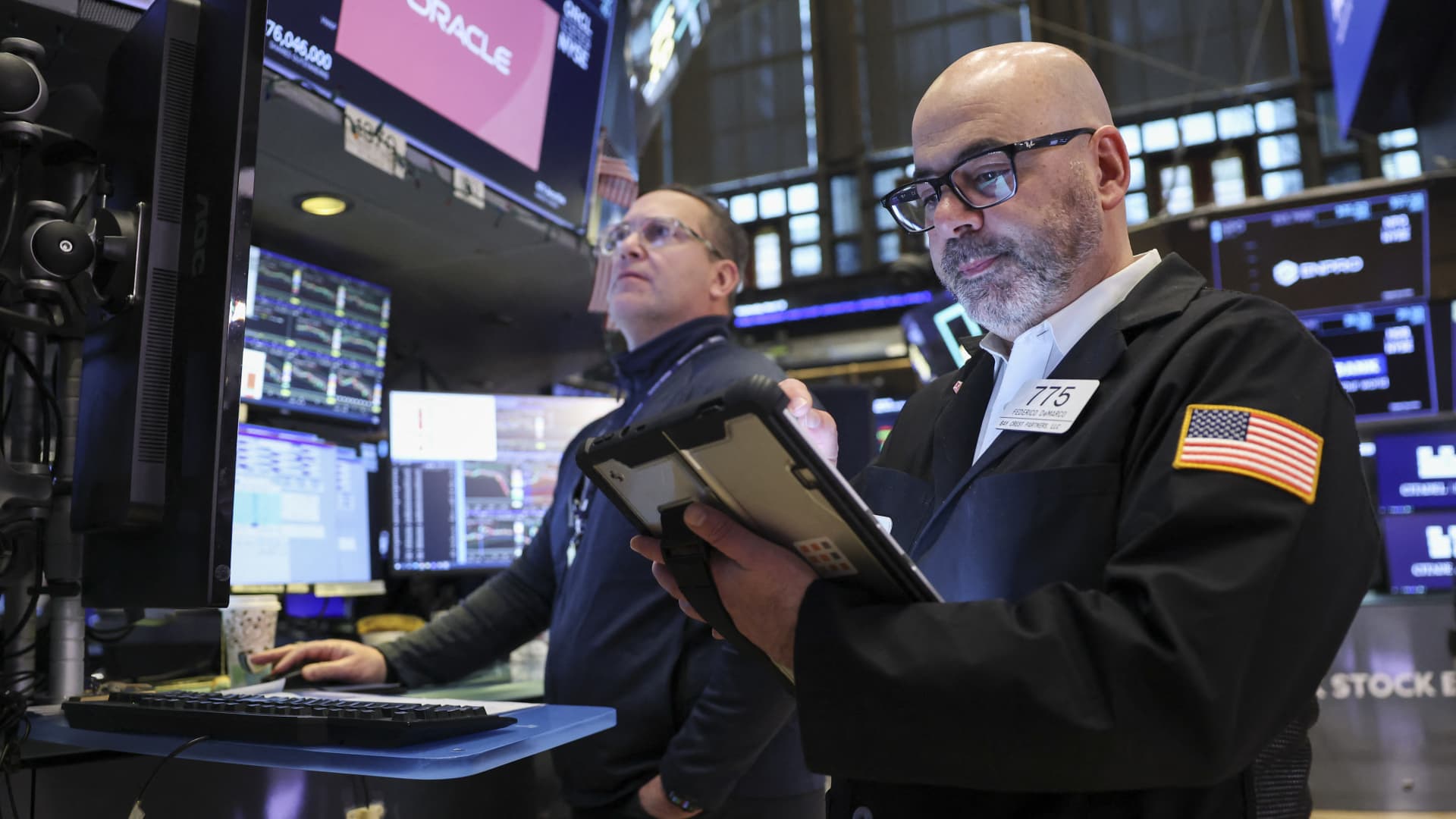
- Market Weakness: The S&P 500 is on track for its fourth consecutive week of losses, pulling back approximately 6% from its closing high on January 27 and down over 4% year-to-date, indicating a decline in market confidence and investor sentiment.
- Energy Sector Strength: Despite the overall market downturn, the energy sector gained about 4% this week, extending its year-to-date increase to 33%, highlighting the sector's resilience and growth potential amid inflationary pressures.
- Rising Bond Yields: The yield on the 10-Year Treasury surged roughly 10 basis points to 4.38%, marking its highest level since last July, as expectations for interest rate hikes before the year's end intensify, potentially exerting further pressure on the stock market.
- Optimistic Outlook for Honeywell: Although Honeywell's stock declined this week with the CEO indicating first-quarter revenue will be light, the company maintains a positive full-year guidance and plans to host an investor day for its aerospace division in June, which is expected to boost stock performance as the spin-off date approaches.
See More
Significant Stock Movements for Multiple Companies

- SolarEdge Stock Surge: SolarEdge Technologies saw a 14% increase in stock price after Jefferies upgraded its rating from underperform to hold, with analysts noting that the escalating Middle East conflict is likely to trigger a repeat of the European energy security dynamics that previously boosted its business during the Russia-Ukraine war.
- Insperity Shareholder Purchase: Insperity's shares rallied nearly 11% after Chairman and CEO Paul Sarvadi disclosed the purchase of 205,000 shares this week, reflecting confidence in the company's future and potentially attracting more investor interest.
- OneOK Rating Upgrade: OneOK's stock gained almost 4% as Jefferies upgraded its rating to buy and raised its price target to $98 per share, with analysts highlighting the Iranian conflict as a catalyst for reassessing crude oil structural dynamics, suggesting a more positive outlook.
- York Space Systems Revenue Beat: York Space Systems' shares surged 22% after reporting full-year revenue of $386.2 million, exceeding analyst expectations of $383.5 million, indicating strong performance in the aerospace and defense sector that may draw increased investor attention.
See More

Bitcoin Faces Investor Confidence Crisis Amid Price Decline
- Price Decline Affects Confidence: Bitcoin's price has fallen over 40% in the past 12 months, leading to a significant drop in investor confidence, as evidenced by the Crypto Fear & Greed Index hitting an all-time low of 5, indicating extreme fear that could impact future investment decisions.
- Strong Gold Performance: In contrast, gold prices have surged past $5,100 per ounce, driven by central bank purchases and uncertainties surrounding the U.S.-Iran conflict, demonstrating investors' preference for traditional safe-haven assets, which further diminishes Bitcoin's appeal.
- Quantum Computing Threat: While concerns exist about quantum computers potentially cracking Bitcoin's cryptography, there are currently no powerful enough quantum computers to achieve this, with estimates suggesting it could take 5 to 15 years to reach the necessary computational power, providing a buffer period for Bitcoin's security.
- Core Value Remains: The investment thesis for Bitcoin is still based on its scarcity, with only 21 million coins ever to exist, and approximately 20% of Bitcoin estimated to be permanently lost; the upcoming halving event in 2028 will further enhance its scarcity, supporting the potential for long-term price appreciation.
See More
Key Wall Street Rating Updates on Friday


- Nvidia Rating Reaffirmed: Wolfe maintains Nvidia as an outperform, stating that with the stock priced at just 13x their bull case EPS, it is too cheap to ignore, potentially attracting more investor interest.
- Arm Upgrade: HSBC upgrades Arm from reduce to buy, highlighting its strong positioning in the AI sector, suggesting that its transition to a major AI server CPU player presents a significant undervaluation opportunity for investors.
- Apple App Store Revenue Slowdown: Morgan Stanley reiterates Apple as overweight, noting that App Store revenue growth decelerated to 6% YoY in Q1 2023, falling short of the expected 8%, indicating market caution regarding Apple's future growth prospects.
- Oneok Upgrade: Jefferies upgrades Oneok from hold to buy, citing tangible upside potential in the current market environment, particularly as geopolitical tensions in the Middle East raise crude oil price risks.
See More

Bitcoin Faces Crisis Yet Again, But Resilience Remains
- Market Panic Intensifies: Bitcoin's price has plummeted over 40% from its peak of $126,000 in October 2025, while gold has surged to $5,100 per ounce due to central bank buying, indicating a significant loss of investor confidence in Bitcoin, which may lead to further capital outflows from the crypto market.
- Quantum Computing Threat: Although quantum computers could potentially compromise Bitcoin's cryptographic security in the future, there are currently no powerful enough quantum computers to achieve this, with estimates suggesting it could take 5 to 15 years, providing developers ample time to address this potential threat.
- Core Value Drivers: Despite the prevailing market fear, Bitcoin's scarcity remains its core value driver, with the upcoming halving of mining rewards in 2028 expected to further limit the circulating supply of Bitcoin, potentially driving prices higher in the long term.
- Developer Mitigation Efforts: Bitcoin developers are evaluating the BIP-360 proposal aimed at updating the blockchain to enhance resistance against quantum attacks, indicating that the Bitcoin community is proactively addressing future technological challenges to bolster its long-term viability.
See More
Macy's Faces Uncertainty with Cautious 2026 Outlook
- Sales Forecast Adjustment: Jefferies raised Macy's fourth-quarter 'owned' comparable sales estimate from -2.2% to -0.5%, indicating improved execution despite a sequential slowdown, reflecting ongoing weak consumer sentiment that impacts future performance.
- Earnings Expectations: Analysts project Macy's earnings per share (EPS) at $1.55, slightly above the consensus of $1.53, demonstrating resilience in a challenging environment, yet management's forward guidance is likely to be conservative due to macro uncertainties.
- Macro Environment Impact: Jefferies anticipates Macy's will provide a wide guidance range for fiscal year 2026 to account for the diminishing 'revenge spending' cycle, indicating low visibility for future performance, which may affect investor confidence.
- Internal Leverage Dependence: Macy's increasingly relies on its high-margin Bloomingdale’s brand to offset potential weaknesses in its core business, and while store remodels may offer underappreciated upside, prevailing negative sentiment in the retail sector continues to pressure the stock.
See More
Market Continues Decline, Energy Sector Shows Strength
- Market Weakness: The S&P 500 is on track for its fourth consecutive week of losses, pulling back approximately 6% from its closing high on January 27 and down over 4% year-to-date, indicating a decline in market confidence and investor sentiment.
- Energy Sector Strength: Despite the overall market downturn, the energy sector gained about 4% this week, extending its year-to-date increase to 33%, highlighting the sector's resilience and growth potential amid inflationary pressures.
- Rising Bond Yields: The yield on the 10-Year Treasury surged roughly 10 basis points to 4.38%, marking its highest level since last July, as expectations for interest rate hikes before the year's end intensify, potentially exerting further pressure on the stock market.
- Optimistic Outlook for Honeywell: Although Honeywell's stock declined this week with the CEO indicating first-quarter revenue will be light, the company maintains a positive full-year guidance and plans to host an investor day for its aerospace division in June, which is expected to boost stock performance as the spin-off date approaches.
See More
Significant Stock Movements for Multiple Companies
- SolarEdge Stock Surge: SolarEdge Technologies saw a 14% increase in stock price after Jefferies upgraded its rating from underperform to hold, with analysts noting that the escalating Middle East conflict is likely to trigger a repeat of the European energy security dynamics that previously boosted its business during the Russia-Ukraine war.
- Insperity Shareholder Purchase: Insperity's shares rallied nearly 11% after Chairman and CEO Paul Sarvadi disclosed the purchase of 205,000 shares this week, reflecting confidence in the company's future and potentially attracting more investor interest.
- OneOK Rating Upgrade: OneOK's stock gained almost 4% as Jefferies upgraded its rating to buy and raised its price target to $98 per share, with analysts highlighting the Iranian conflict as a catalyst for reassessing crude oil structural dynamics, suggesting a more positive outlook.
- York Space Systems Revenue Beat: York Space Systems' shares surged 22% after reporting full-year revenue of $386.2 million, exceeding analyst expectations of $383.5 million, indicating strong performance in the aerospace and defense sector that may draw increased investor attention.
See More
Bitcoin Faces Investor Confidence Crisis Amid Price Decline
- Price Decline Affects Confidence: Bitcoin's price has fallen over 40% in the past 12 months, leading to a significant drop in investor confidence, as evidenced by the Crypto Fear & Greed Index hitting an all-time low of 5, indicating extreme fear that could impact future investment decisions.
- Strong Gold Performance: In contrast, gold prices have surged past $5,100 per ounce, driven by central bank purchases and uncertainties surrounding the U.S.-Iran conflict, demonstrating investors' preference for traditional safe-haven assets, which further diminishes Bitcoin's appeal.
- Quantum Computing Threat: While concerns exist about quantum computers potentially cracking Bitcoin's cryptography, there are currently no powerful enough quantum computers to achieve this, with estimates suggesting it could take 5 to 15 years to reach the necessary computational power, providing a buffer period for Bitcoin's security.
- Core Value Remains: The investment thesis for Bitcoin is still based on its scarcity, with only 21 million coins ever to exist, and approximately 20% of Bitcoin estimated to be permanently lost; the upcoming halving event in 2028 will further enhance its scarcity, supporting the potential for long-term price appreciation.
See More
Key Wall Street Rating Updates on Friday
- Nvidia Rating Reaffirmed: Wolfe maintains Nvidia as an outperform, stating that with the stock priced at just 13x their bull case EPS, it is too cheap to ignore, potentially attracting more investor interest.
- Arm Upgrade: HSBC upgrades Arm from reduce to buy, highlighting its strong positioning in the AI sector, suggesting that its transition to a major AI server CPU player presents a significant undervaluation opportunity for investors.
- Apple App Store Revenue Slowdown: Morgan Stanley reiterates Apple as overweight, noting that App Store revenue growth decelerated to 6% YoY in Q1 2023, falling short of the expected 8%, indicating market caution regarding Apple's future growth prospects.
- Oneok Upgrade: Jefferies upgrades Oneok from hold to buy, citing tangible upside potential in the current market environment, particularly as geopolitical tensions in the Middle East raise crude oil price risks.
See More
Bitcoin Faces Crisis Yet Again, But Resilience Remains
- Market Panic Intensifies: Bitcoin's price has plummeted over 40% from its peak of $126,000 in October 2025, while gold has surged to $5,100 per ounce due to central bank buying, indicating a significant loss of investor confidence in Bitcoin, which may lead to further capital outflows from the crypto market.
- Quantum Computing Threat: Although quantum computers could potentially compromise Bitcoin's cryptographic security in the future, there are currently no powerful enough quantum computers to achieve this, with estimates suggesting it could take 5 to 15 years, providing developers ample time to address this potential threat.
- Core Value Drivers: Despite the prevailing market fear, Bitcoin's scarcity remains its core value driver, with the upcoming halving of mining rewards in 2028 expected to further limit the circulating supply of Bitcoin, potentially driving prices higher in the long term.
- Developer Mitigation Efforts: Bitcoin developers are evaluating the BIP-360 proposal aimed at updating the blockchain to enhance resistance against quantum attacks, indicating that the Bitcoin community is proactively addressing future technological challenges to bolster its long-term viability.
See More