Trump's Drug Pricing Policy Affects European Market Launches
- Launch Decline: According to GlobalData, the number of pharmaceutical launches in Europe has decreased by 35% in the first ten months following the implementation of the International Reference Pricing policy, indicating that Trump's Most Favored Nation pricing policy may lead drugmakers to delay or withdraw products, thereby impacting market competitiveness.
- Increased Withdrawals: In the ten months following Trump's executive order, the number of brands with at least one pack withdrawn from the European market rose by 43%, suggesting that drugmakers may face a dilemma between maintaining access in lower-priced EU markets and ensuring U.S. pricing integrity.
- Policy Impact Assessment: While other factors could contribute to changes in drug launches and withdrawals, GlobalData notes that this trend may serve as an early signal of the impact that the introduction of International Reference Pricing in the U.S. may have on European markets, raising concerns about patient access and affordability.
- Case Study: For instance, Amgen recently withdrew its cholesterol therapy Repatha from the Danish market, reflecting the strategic considerations drugmakers must navigate in response to pricing policies, which could influence their market positioning in Europe.
Trade with 70% Backtested Accuracy
Analyst Views on PFE

About PFE
About the author

FDA Poised to Allow Pharmacies to Sell Injectable Peptides


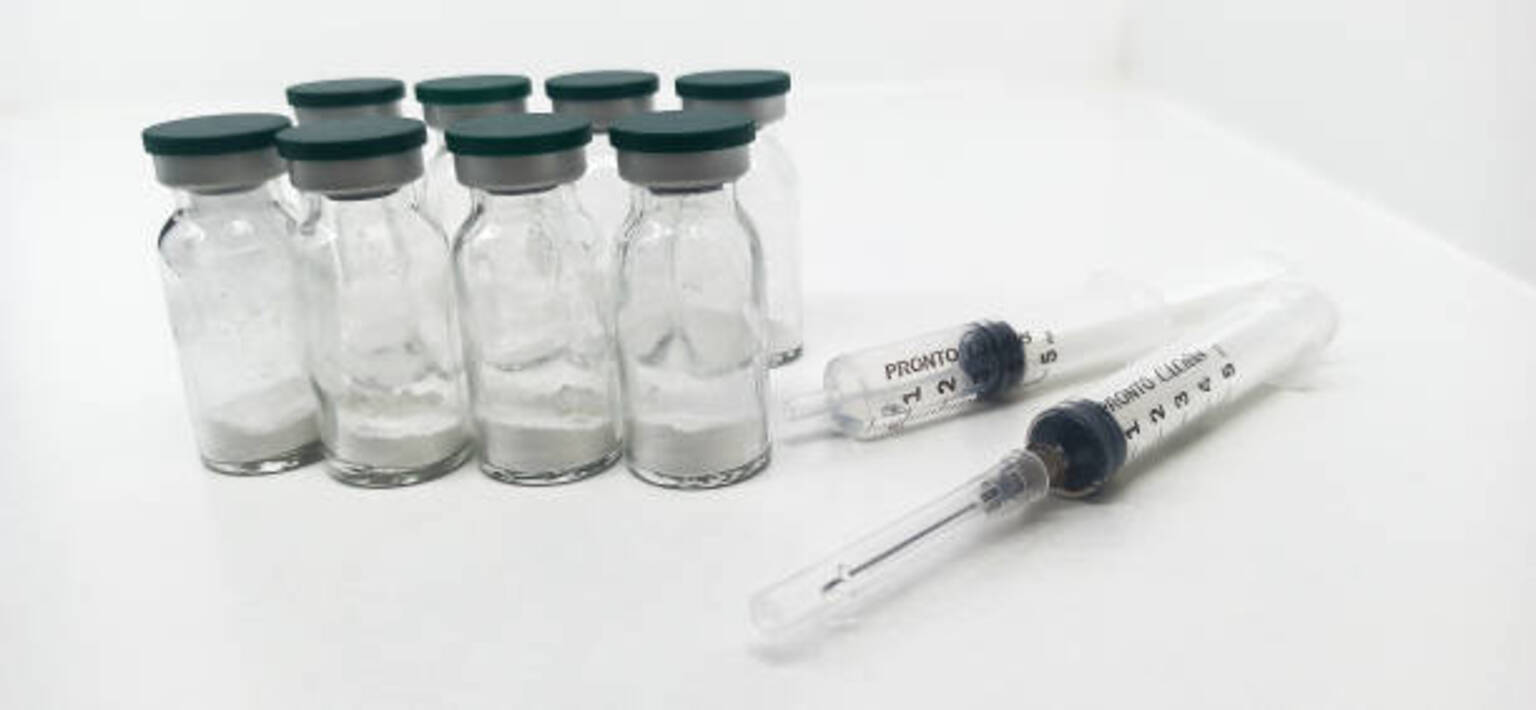
- Policy Shift Outlook: The FDA is likely to permit compounding pharmacies to sell injectable peptides again, a move that would be a victory for HHS Secretary Robert F. Kennedy Jr., despite opposition from many senior FDA officials regarding the safety of these products.
- Safety Risk Alerts: The FDA's updated list of banned peptides includes cesium chloride and chloral hydrate, with the former linked to irregular heartbeat and the latter associated with dosing errors and oversedation, highlighting significant safety concerns surrounding these substances.
- Regulatory Review Meeting: The FDA plans to schedule a meeting of its Pharmacy Compounding Advisory Committee to discuss medical evidence for the peptides and vote on whether to allow pharmacies to resume production, indicating a serious regulatory focus on product safety.
- Market Condition Analysis: Scott Brunner, CEO of the Alliance for Pharmacy Compounding, expressed concerns that consumers are likely purchasing unproven illicit products or research-grade items, as there are no pharmaceutical-grade versions available from FDA-registered manufacturers, illustrating the chaotic state of the market and lack of effective oversight.

Trump's Drug Pricing Policy Affects European Market Launches

- Launch Decline: According to GlobalData, the number of pharmaceutical launches in Europe has decreased by 35% in the first ten months following the implementation of the International Reference Pricing policy, indicating that Trump's Most Favored Nation pricing policy may lead drugmakers to delay or withdraw products, thereby impacting market competitiveness.
- Increased Withdrawals: In the ten months following Trump's executive order, the number of brands with at least one pack withdrawn from the European market rose by 43%, suggesting that drugmakers may face a dilemma between maintaining access in lower-priced EU markets and ensuring U.S. pricing integrity.
- Policy Impact Assessment: While other factors could contribute to changes in drug launches and withdrawals, GlobalData notes that this trend may serve as an early signal of the impact that the introduction of International Reference Pricing in the U.S. may have on European markets, raising concerns about patient access and affordability.
- Case Study: For instance, Amgen recently withdrew its cholesterol therapy Repatha from the Danish market, reflecting the strategic considerations drugmakers must navigate in response to pricing policies, which could influence their market positioning in Europe.

Analysis of DVY ETF's 52-Week Price Fluctuations

- Price Range Analysis: The DVY ETF has a 52-week low of $115.94 and a high of $158.915, with the latest trade at $150.71, indicating relative stability in the current market that may attract investor interest.
- Technical Analysis Tool: Comparing the latest share price to the 200-day moving average can provide valuable insights for investors, helping them assess market trends and potential buying opportunities.
- ETF Trading Mechanism: Exchange-traded funds (ETFs) trade like stocks, where investors buy and sell 'units' that can be created or destroyed based on demand, impacting the fund's liquidity and market performance.
- Inflows and Outflows Monitoring: Weekly monitoring of changes in shares outstanding for ETFs experiencing significant inflows or outflows can provide investors with critical information regarding market sentiment and potential investment opportunities.
Pharma Stocks Pfizer and GSK Provide Safe Investment Options Amid Market Uncertainty: Charts


Pharmaceutical Stocks in Focus: Investors are increasingly interested in pharmaceutical stocks as a stable investment option amid market uncertainty.
Market Volatility Impact: The sector is gaining attention due to its steady demand and resilient earnings, which are less affected by economic fluctuations.
Eli Lilly's AI Investment: Implications for Its Stock Performance.
Eli Lilly's AI Integration: Eli Lilly is positioning itself as a leader in the healthcare industry's integration of artificial intelligence, indicating it has been proactive in this area.
Industry Response: The healthcare sector is currently working to adopt AI technologies, highlighting a broader trend towards innovation in medical practices.
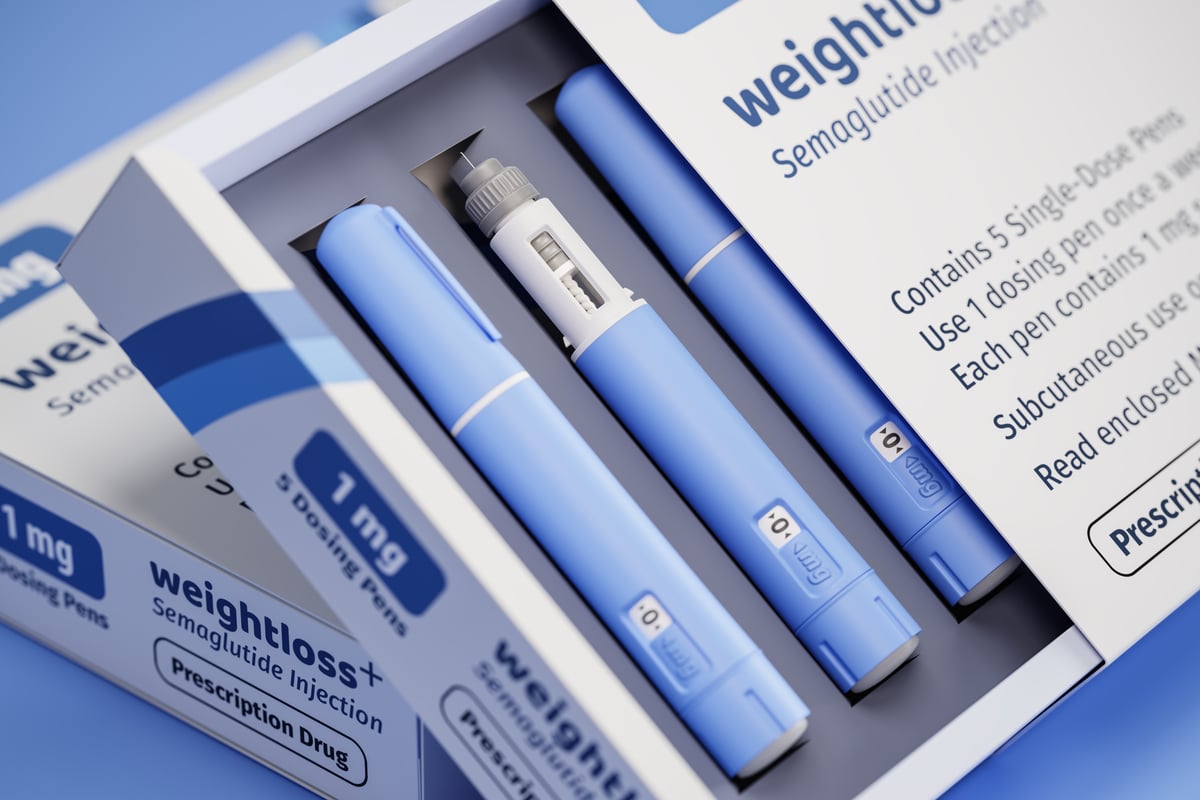
Pfizer Quickly Shifts Strategy After GLP-1 Drug Setback
- Drug Development Setback: Pfizer was forced to abandon its internally developed GLP-1 weight loss drug in April 2025, facing pressure from upcoming patent expirations, which negatively impacted investor confidence as it fell behind competitors like Novo Nordisk and Eli Lilly in this emerging drug niche.
- Strong Market Demand: Despite Pfizer's setback, the demand for GLP-1 drugs remains robust, with Eli Lilly's Mounjaro and Zepbound achieving revenue growth of 99% and 175% respectively in 2025, highlighting the significant potential in this market segment.
- Rapid Strategic Shift: Following the abandonment of its own drug, Pfizer quickly acquired a company with a promising GLP-1 candidate, closing the deal in November 2025, demonstrating its agility and adaptability in drug development.
- Long-Term Investment Potential: Although Pfizer's market value has dropped about 50% from its 2021 highs, its $150 billion market cap and a 6.2% dividend yield continue to attract long-term investors, with management committed to maintaining the dividend, reflecting confidence in the company's future prospects.
FDA Poised to Allow Pharmacies to Sell Injectable Peptides
- Policy Shift Outlook: The FDA is likely to permit compounding pharmacies to sell injectable peptides again, a move that would be a victory for HHS Secretary Robert F. Kennedy Jr., despite opposition from many senior FDA officials regarding the safety of these products.
- Safety Risk Alerts: The FDA's updated list of banned peptides includes cesium chloride and chloral hydrate, with the former linked to irregular heartbeat and the latter associated with dosing errors and oversedation, highlighting significant safety concerns surrounding these substances.
- Regulatory Review Meeting: The FDA plans to schedule a meeting of its Pharmacy Compounding Advisory Committee to discuss medical evidence for the peptides and vote on whether to allow pharmacies to resume production, indicating a serious regulatory focus on product safety.
- Market Condition Analysis: Scott Brunner, CEO of the Alliance for Pharmacy Compounding, expressed concerns that consumers are likely purchasing unproven illicit products or research-grade items, as there are no pharmaceutical-grade versions available from FDA-registered manufacturers, illustrating the chaotic state of the market and lack of effective oversight.
Trump's Drug Pricing Policy Affects European Market Launches
- Launch Decline: According to GlobalData, the number of pharmaceutical launches in Europe has decreased by 35% in the first ten months following the implementation of the International Reference Pricing policy, indicating that Trump's Most Favored Nation pricing policy may lead drugmakers to delay or withdraw products, thereby impacting market competitiveness.
- Increased Withdrawals: In the ten months following Trump's executive order, the number of brands with at least one pack withdrawn from the European market rose by 43%, suggesting that drugmakers may face a dilemma between maintaining access in lower-priced EU markets and ensuring U.S. pricing integrity.
- Policy Impact Assessment: While other factors could contribute to changes in drug launches and withdrawals, GlobalData notes that this trend may serve as an early signal of the impact that the introduction of International Reference Pricing in the U.S. may have on European markets, raising concerns about patient access and affordability.
- Case Study: For instance, Amgen recently withdrew its cholesterol therapy Repatha from the Danish market, reflecting the strategic considerations drugmakers must navigate in response to pricing policies, which could influence their market positioning in Europe.
Analysis of DVY ETF's 52-Week Price Fluctuations
- Price Range Analysis: The DVY ETF has a 52-week low of $115.94 and a high of $158.915, with the latest trade at $150.71, indicating relative stability in the current market that may attract investor interest.
- Technical Analysis Tool: Comparing the latest share price to the 200-day moving average can provide valuable insights for investors, helping them assess market trends and potential buying opportunities.
- ETF Trading Mechanism: Exchange-traded funds (ETFs) trade like stocks, where investors buy and sell 'units' that can be created or destroyed based on demand, impacting the fund's liquidity and market performance.
- Inflows and Outflows Monitoring: Weekly monitoring of changes in shares outstanding for ETFs experiencing significant inflows or outflows can provide investors with critical information regarding market sentiment and potential investment opportunities.
Pharma Stocks Pfizer and GSK Provide Safe Investment Options Amid Market Uncertainty: Charts
Pharmaceutical Stocks in Focus: Investors are increasingly interested in pharmaceutical stocks as a stable investment option amid market uncertainty.
Market Volatility Impact: The sector is gaining attention due to its steady demand and resilient earnings, which are less affected by economic fluctuations.
Eli Lilly's AI Investment: Implications for Its Stock Performance.
Eli Lilly's AI Integration: Eli Lilly is positioning itself as a leader in the healthcare industry's integration of artificial intelligence, indicating it has been proactive in this area.
Industry Response: The healthcare sector is currently working to adopt AI technologies, highlighting a broader trend towards innovation in medical practices.
Pfizer Quickly Shifts Strategy After GLP-1 Drug Setback
- Drug Development Setback: Pfizer was forced to abandon its internally developed GLP-1 weight loss drug in April 2025, facing pressure from upcoming patent expirations, which negatively impacted investor confidence as it fell behind competitors like Novo Nordisk and Eli Lilly in this emerging drug niche.
- Strong Market Demand: Despite Pfizer's setback, the demand for GLP-1 drugs remains robust, with Eli Lilly's Mounjaro and Zepbound achieving revenue growth of 99% and 175% respectively in 2025, highlighting the significant potential in this market segment.
- Rapid Strategic Shift: Following the abandonment of its own drug, Pfizer quickly acquired a company with a promising GLP-1 candidate, closing the deal in November 2025, demonstrating its agility and adaptability in drug development.
- Long-Term Investment Potential: Although Pfizer's market value has dropped about 50% from its 2021 highs, its $150 billion market cap and a 6.2% dividend yield continue to attract long-term investors, with management committed to maintaining the dividend, reflecting confidence in the company's future prospects.