Trump Tariff Refunds Could Reach Historic Highs
Written by Emily J. Thompson, Senior Investment Analyst
Updated: 1 hour ago
0mins
Should l Buy AAPL?
Source: seekingalpha
- Refund Scale: Following the U.S. Supreme Court's ruling invalidating Trump's use of the International Emergency Economic Powers Act for tariffs without Congressional approval, importers have begun filing for refunds, which could total around $166 billion if all requests are granted, potentially marking one of the largest trade-related repayments in U.S. history.
- Major Companies' Expectations: Levi Strauss anticipates around $80 million in refunds, while Gap's CFO indicated the company is working to clarify its eligibility for refunds; GM has even based its fiscal outlook on the possibility of receiving up to $500 million in refunds, highlighting the significant interest from major corporations in this policy.
- Trump's Stance: Trump stated he would “remember” U.S. companies that do not seek refunds, despite the Supreme Court ruling them illegal, which could influence corporate decisions, particularly for those closely aligned with his administration.
- Apple's Strategy: Apple plans to apply for tariff refunds, with CEO Tim Cook indicating that any received funds will be reinvested into U.S. innovation and advanced manufacturing, as the company increases its investment in the U.S. to $600 billion, reflecting its strategic adaptation to the current policy landscape.
Trade with 70% Backtested Accuracy
Stop guessing "Should I Buy AAPL?" and start using high-conviction signals backed by rigorous historical data.
Sign up today to access powerful investing tools and make smarter, data-driven decisions.
Analyst Views on AAPL
Wall Street analysts forecast AAPL stock price to rise
27 Analyst Rating
17 Buy
9 Hold
1 Sell
Moderate Buy
Current: 271.350

Low
239.00
Averages
306.89
High
350.00
Current: 271.350
Low
239.00
Averages
306.89
High
350.00
About AAPL
Apple Inc. designs, manufactures and markets smartphones, personal computers, tablets, wearables and accessories, and sells a variety of related services. Its product categories include iPhone, Mac, iPad, Wearables, Home and Accessories. Its services include advertising, AppleCare, cloud services, digital content, and payment services. The Company operates various platforms, including the App Store, that allow customers to discover and download applications and digital content, such as books, music, video, games and podcasts. It also offers digital content through subscription-based services, including Apple Arcade, Apple Fitness+, Apple Music, Apple News+, and Apple TV+. Its wearables include smartwatches, wireless headphones, and spatial computers. Its products include iPhone 16 Pro, iPhone 16, iPhone 15, iPhone 14, iPhone SE, MacBook Air, MacBook Pro, iMac, Mac mini, Mac Studio, Mac Pro, iPad Pro, iPad Air, AirPods, AirPods Pro, AirPods Max, Apple TV, Apple Vision Pro and others.
About the author

Emily J. Thompson
Emily J. Thompson, a Chartered Financial Analyst (CFA) with 12 years in investment research, graduated with honors from the Wharton School. Specializing in industrial and technology stocks, she provides in-depth analysis for Intellectia’s earnings and market brief reports.

Apple Shares Surge 4% After Record March Quarter Earnings

- Strong Earnings: Apple reported a record March quarter with revenue of $111.2 billion, marking a 17% year-over-year increase and significantly exceeding the $109.46 billion consensus, indicating robust market demand and product popularity.
- ETF Impact: The impressive earnings provided a direct tailwind for several tech-focused ETFs, particularly the Fidelity MSCI Information Technology Index ETF (FTEC), which has a year-to-date performance of 9.63%, reflecting investor confidence in Apple.
- Market Performance: Following Apple, the Vanguard Information Technology Index Fund ETF (VGT) and iShares US Technology ETF (IYW) also performed well, with year-to-date returns of 9.51% and 9.23%, respectively, showcasing the overall strength of tech stocks.
- Underperforming ETF: Despite the strong performance of most ETFs, the Roundhill AAPL WeeklyPay ETF (AAPW) has seen a year-to-date loss of 10.01% and carries a Sell rating, indicating market concerns about its future prospects.
See More
APPLE STOCK RISES 3% IN AFTER-HOURS TRADING FOLLOWING QUARTERLY CALL
Apple's Stock Performance: Apple's shares increased by 3% during the extended trading hours following their quarterly earnings call.
Quarterly Earnings Call Insights: The earnings call provided insights into Apple's financial performance and future outlook, contributing to the rise in stock value.
See More
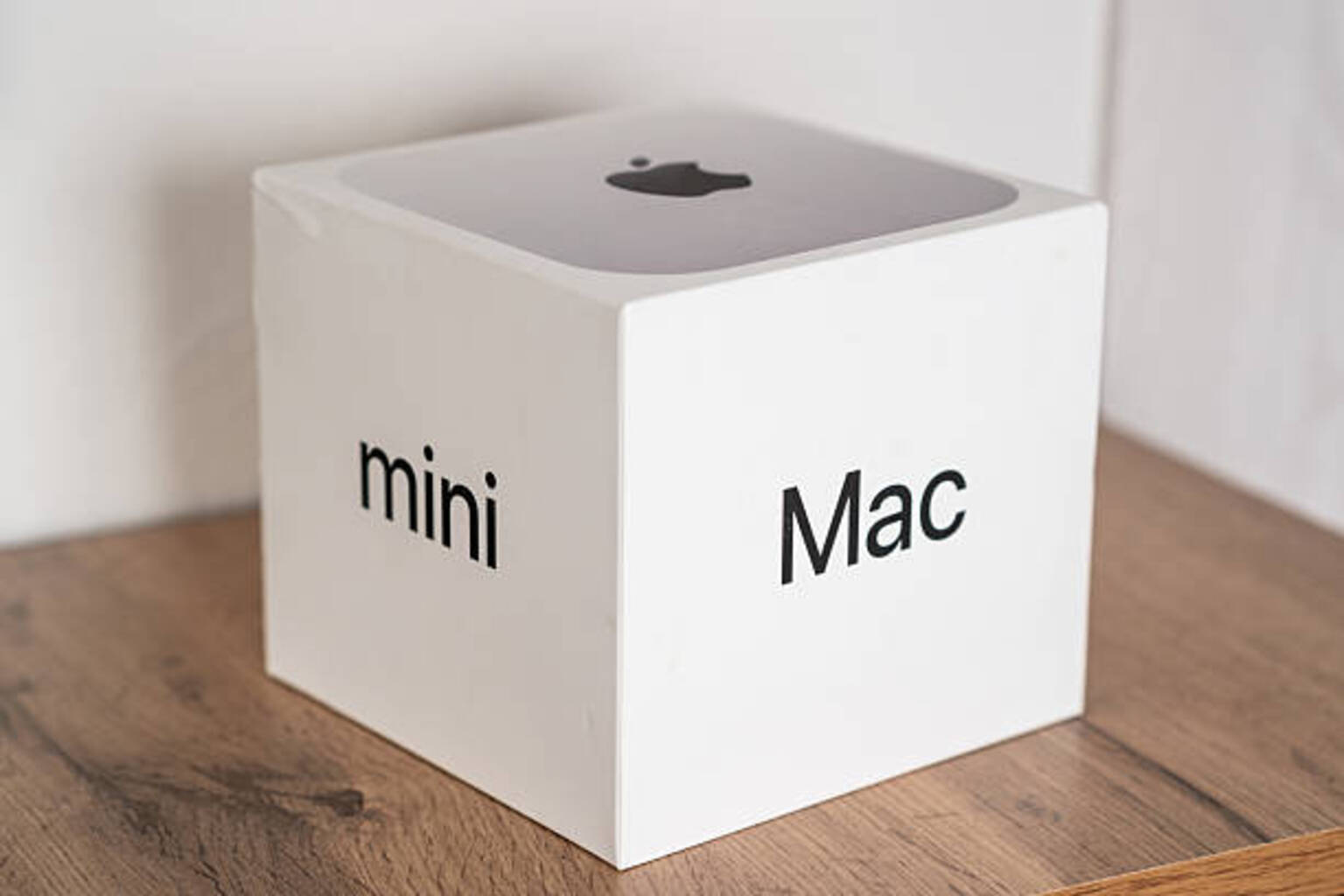
Apple Discontinues 256GB M4 Mac mini Offering
- Price Adjustment: Apple has discontinued the 256GB storage option for the M4 Mac mini, raising the starting price from $599 to $799, reflecting changes in market demand and supply chain pressures.
- Supply-Demand Imbalance: CEO Tim Cook stated that demand for the Mac mini and Mac Studio has exceeded expectations, predicting it will take several months to achieve supply-demand balance, primarily constrained by the availability of advanced nodes.
- U.S. Production Plans: Apple plans to begin producing the Mac mini in the U.S. later this year as part of its $600 billion commitment, expanding its factory operations in Houston with a new facility to support production.
- International Market Performance: The Mac mini has not only performed well in the U.S. but also became the top-selling desktop in China during the March quarter, demonstrating its global popularity and market potential.
See More

Apple, Amazon, Netflix: Top Picks for Long-Term Investment

- Apple's Ecosystem Advantage: Apple has built a formidable ecosystem of interconnected devices that enhances user experience, fostering loyalty and positioning the company to maintain market leadership with a market cap of $4 trillion.
- Amazon's Market Leadership: Amazon has become the largest company in the world by sales, planning to invest $200 billion in capital expenditures in 2023; despite concerns over AI spending, its strong performance in e-commerce and cloud computing will continue to attract long-term investors.
- Netflix's Adaptability: Facing competition, Netflix has adapted its model by offering various subscription options, achieving a 16% year-over-year revenue increase in Q1 and a 31.5% operating margin, solidifying its leading position in the streaming industry.
- Long-Term Wealth Creation Potential: All three companies demonstrate strong growth potential and market adaptability, allowing investors to create generational wealth by holding these stocks, ensuring future financial stability.
See More

S&P 500 Hits Record Highs, AI Stocks Shine


- S&P 500 Performance: The S&P 500 is on track to close at another record high after its best month since November 2020, indicating strong market confidence in economic recovery as of Friday.
- AI Stock Surge: AI-related stocks like Arm, Broadcom, and Alphabet saw significant gains in April, with Arm surging nearly 40% and others rising over 30%, reflecting sustained investor enthusiasm and strong demand for AI technologies.
- Impact of Rising Memory Prices: Companies like Meta and Microsoft have raised their capital expenditure guidance due to surging memory prices, with Microsoft projecting $190 billion in capex for 2026, of which $25 billion is attributed to rising component costs, highlighting the tightness in the memory market.
- Multi-Year Supply Agreements: SanDisk has signed five multi-year supply agreements valued at over $11 billion, ensuring stable demand for its customers and indicating strong bargaining power for memory manufacturers, which could impact future sales and margins.
See More
Trump Tariff Refunds Could Reach Historic Highs
- Refund Scale: Following the U.S. Supreme Court's ruling invalidating Trump's use of the International Emergency Economic Powers Act for tariffs without Congressional approval, importers have begun filing for refunds, which could total around $166 billion if all requests are granted, potentially marking one of the largest trade-related repayments in U.S. history.
- Major Companies' Expectations: Levi Strauss anticipates around $80 million in refunds, while Gap's CFO indicated the company is working to clarify its eligibility for refunds; GM has even based its fiscal outlook on the possibility of receiving up to $500 million in refunds, highlighting the significant interest from major corporations in this policy.
- Trump's Stance: Trump stated he would “remember” U.S. companies that do not seek refunds, despite the Supreme Court ruling them illegal, which could influence corporate decisions, particularly for those closely aligned with his administration.
- Apple's Strategy: Apple plans to apply for tariff refunds, with CEO Tim Cook indicating that any received funds will be reinvested into U.S. innovation and advanced manufacturing, as the company increases its investment in the U.S. to $600 billion, reflecting its strategic adaptation to the current policy landscape.
See More
Apple Shares Surge 4% After Record March Quarter Earnings
- Strong Earnings: Apple reported a record March quarter with revenue of $111.2 billion, marking a 17% year-over-year increase and significantly exceeding the $109.46 billion consensus, indicating robust market demand and product popularity.
- ETF Impact: The impressive earnings provided a direct tailwind for several tech-focused ETFs, particularly the Fidelity MSCI Information Technology Index ETF (FTEC), which has a year-to-date performance of 9.63%, reflecting investor confidence in Apple.
- Market Performance: Following Apple, the Vanguard Information Technology Index Fund ETF (VGT) and iShares US Technology ETF (IYW) also performed well, with year-to-date returns of 9.51% and 9.23%, respectively, showcasing the overall strength of tech stocks.
- Underperforming ETF: Despite the strong performance of most ETFs, the Roundhill AAPL WeeklyPay ETF (AAPW) has seen a year-to-date loss of 10.01% and carries a Sell rating, indicating market concerns about its future prospects.
See More
APPLE STOCK RISES 3% IN AFTER-HOURS TRADING FOLLOWING QUARTERLY CALL
Apple's Stock Performance: Apple's shares increased by 3% during the extended trading hours following their quarterly earnings call.
Quarterly Earnings Call Insights: The earnings call provided insights into Apple's financial performance and future outlook, contributing to the rise in stock value.
See More
Apple Discontinues 256GB M4 Mac mini Offering
- Price Adjustment: Apple has discontinued the 256GB storage option for the M4 Mac mini, raising the starting price from $599 to $799, reflecting changes in market demand and supply chain pressures.
- Supply-Demand Imbalance: CEO Tim Cook stated that demand for the Mac mini and Mac Studio has exceeded expectations, predicting it will take several months to achieve supply-demand balance, primarily constrained by the availability of advanced nodes.
- U.S. Production Plans: Apple plans to begin producing the Mac mini in the U.S. later this year as part of its $600 billion commitment, expanding its factory operations in Houston with a new facility to support production.
- International Market Performance: The Mac mini has not only performed well in the U.S. but also became the top-selling desktop in China during the March quarter, demonstrating its global popularity and market potential.
See More
Apple, Amazon, Netflix: Top Picks for Long-Term Investment
- Apple's Ecosystem Advantage: Apple has built a formidable ecosystem of interconnected devices that enhances user experience, fostering loyalty and positioning the company to maintain market leadership with a market cap of $4 trillion.
- Amazon's Market Leadership: Amazon has become the largest company in the world by sales, planning to invest $200 billion in capital expenditures in 2023; despite concerns over AI spending, its strong performance in e-commerce and cloud computing will continue to attract long-term investors.
- Netflix's Adaptability: Facing competition, Netflix has adapted its model by offering various subscription options, achieving a 16% year-over-year revenue increase in Q1 and a 31.5% operating margin, solidifying its leading position in the streaming industry.
- Long-Term Wealth Creation Potential: All three companies demonstrate strong growth potential and market adaptability, allowing investors to create generational wealth by holding these stocks, ensuring future financial stability.
See More
S&P 500 Hits Record Highs, AI Stocks Shine
- S&P 500 Performance: The S&P 500 is on track to close at another record high after its best month since November 2020, indicating strong market confidence in economic recovery as of Friday.
- AI Stock Surge: AI-related stocks like Arm, Broadcom, and Alphabet saw significant gains in April, with Arm surging nearly 40% and others rising over 30%, reflecting sustained investor enthusiasm and strong demand for AI technologies.
- Impact of Rising Memory Prices: Companies like Meta and Microsoft have raised their capital expenditure guidance due to surging memory prices, with Microsoft projecting $190 billion in capex for 2026, of which $25 billion is attributed to rising component costs, highlighting the tightness in the memory market.
- Multi-Year Supply Agreements: SanDisk has signed five multi-year supply agreements valued at over $11 billion, ensuring stable demand for its customers and indicating strong bargaining power for memory manufacturers, which could impact future sales and margins.
See More
Trump Tariff Refunds Could Reach Historic Highs
- Refund Scale: Following the U.S. Supreme Court's ruling invalidating Trump's use of the International Emergency Economic Powers Act for tariffs without Congressional approval, importers have begun filing for refunds, which could total around $166 billion if all requests are granted, potentially marking one of the largest trade-related repayments in U.S. history.
- Major Companies' Expectations: Levi Strauss anticipates around $80 million in refunds, while Gap's CFO indicated the company is working to clarify its eligibility for refunds; GM has even based its fiscal outlook on the possibility of receiving up to $500 million in refunds, highlighting the significant interest from major corporations in this policy.
- Trump's Stance: Trump stated he would “remember” U.S. companies that do not seek refunds, despite the Supreme Court ruling them illegal, which could influence corporate decisions, particularly for those closely aligned with his administration.
- Apple's Strategy: Apple plans to apply for tariff refunds, with CEO Tim Cook indicating that any received funds will be reinvested into U.S. innovation and advanced manufacturing, as the company increases its investment in the U.S. to $600 billion, reflecting its strategic adaptation to the current policy landscape.
See More