Trump Sets Deadline for Iran to Reopen Strait of Hormuz
Written by Emily J. Thompson, Senior Investment Analyst
Updated: 1 hour ago
0mins
Source: Fool
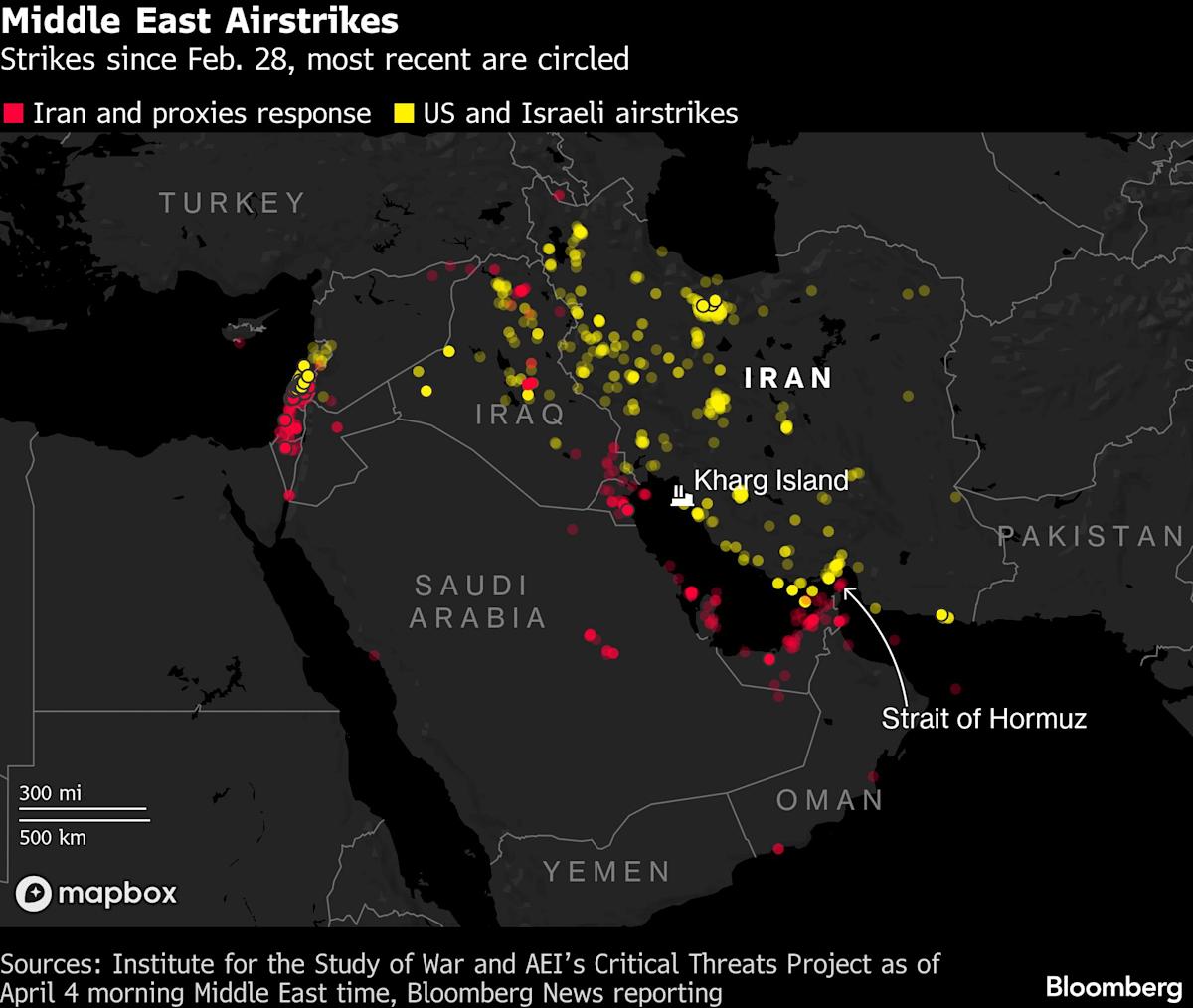
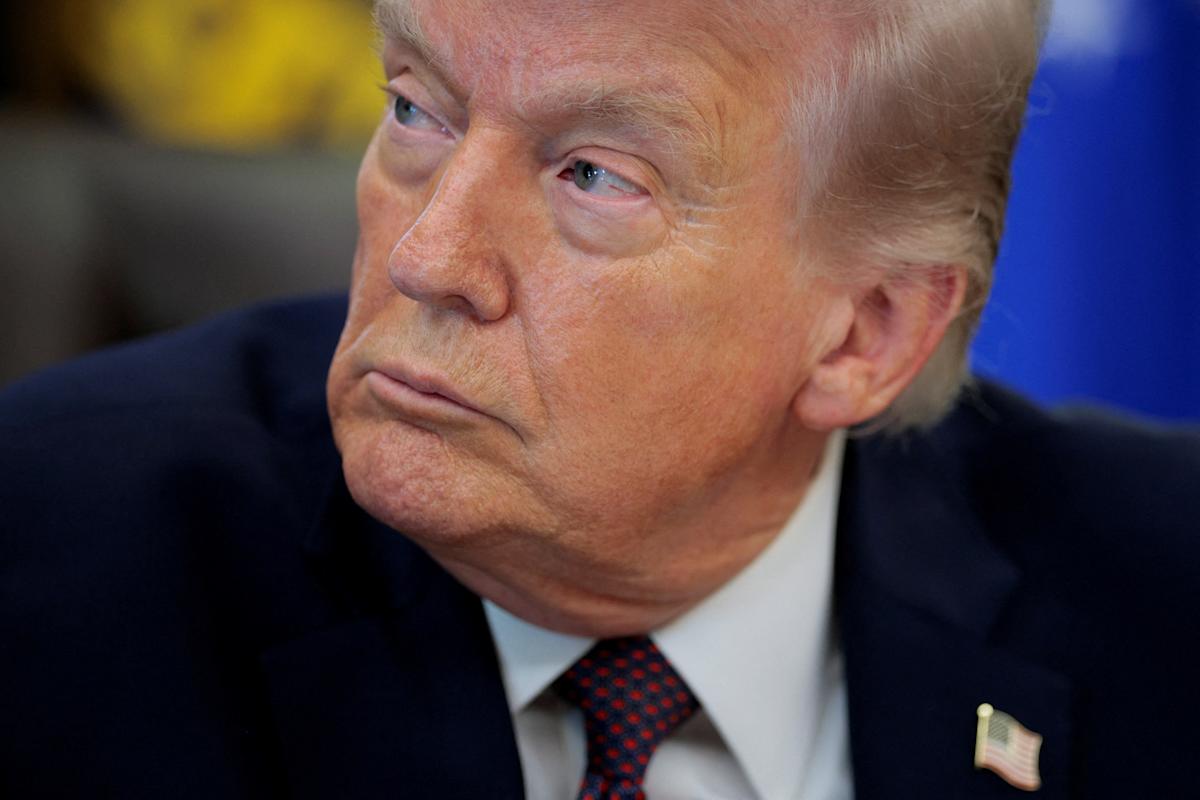
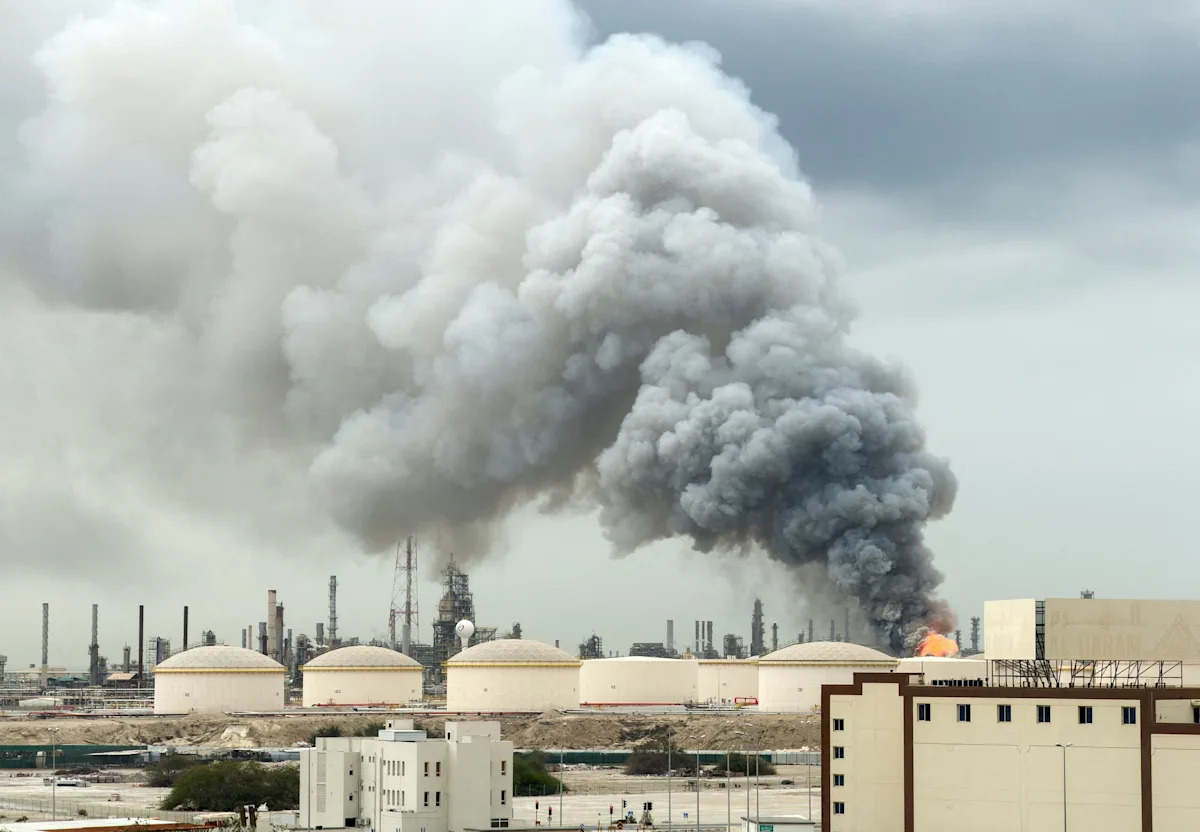
- Deadline Set: President Trump has set a deadline for Iran to reopen the Strait of Hormuz by April 7 at 8 PM ET, threatening U.S. and Israeli attacks on Iranian infrastructure if a ceasefire deal is not reached, which could escalate conflicts affecting Middle Eastern energy infrastructure.
- Muted Oil Price Reaction: Despite a significant surge in oil prices last week following Trump's aggressive stance, both Brent and WTI crude oil prices dipped slightly to around $110 per barrel on Monday morning, indicating market caution ahead of potential conflict.
- Weak Oil Stock Performance: Oil stocks like Chevron and ExxonMobil have seen declines of over 5% in the past week, despite rising crude prices, reflecting profit-taking and market expectations of a ceasefire agreement before the deadline.
- Uncertain Market Outlook: Should Iran fail to agree to a deal, U.S. attacks on key oil export hubs could provoke Iranian retaliation, with analysts warning that a prolonged closure of the Strait of Hormuz could push oil prices to $150 per barrel, significantly impacting oil stock valuations.
Trade with 70% Backtested Accuracy
Stop guessing "Should I Buy CVX?" and start using high-conviction signals backed by rigorous historical data.
Sign up today to access powerful investing tools and make smarter, data-driven decisions.
Analyst Views on CVX
Wall Street analysts forecast CVX stock price to fall
19 Analyst Rating
15 Buy
4 Hold
0 Sell
Strong Buy
Current: 198.970

Low
158.00
Averages
176.95
High
206.00
Current: 198.970
Low
158.00
Averages
176.95
High
206.00
About CVX
Chevron Corporation is an integrated energy company. The Company produces crude oil and natural gas; manufactures transportation fuels, lubricants, petrochemicals and additives; and develops technologies that enhance its business and industry. The Company’s segments include Upstream and Downstream. Upstream operations consist primarily of exploring for, developing, producing and transporting crude oil and natural gas; liquefaction, transportation and regasification associated with LNG; transporting crude oil by major international oil export pipelines; processing, transporting, storage and marketing of natural gas; carbon capture and storage; and a gas-to-liquids plant. Downstream operations consist primarily of the refining of crude oil into petroleum products; marketing crude oil, refined products, and lubricants; manufacturing and marketing of renewable fuels, and transporting of crude oil and refined products by pipeline, marine vessel, motor equipment and rail car.
About the author

Emily J. Thompson
Emily J. Thompson, a Chartered Financial Analyst (CFA) with 12 years in investment research, graduated with honors from the Wharton School. Specializing in industrial and technology stocks, she provides in-depth analysis for Intellectia’s earnings and market brief reports.
WTI Crude Oil Surge and Market Implications


- Geopolitical Uncertainty: The steep rise in WTI crude oil prices amid renewed geopolitical uncertainty has left investors on edge, potentially leading to increased market volatility and impacting stock performance.
- Technical Signal Analysis: The monthly MACD buy signal for WTI crude oil in February marks the end of an extended downtrend from 2022 highs, suggesting that crude oil prices may continue to rise in the coming months, presenting new investment opportunities for market participants.
- Historical Performance Review: Historical data indicates that crude oil up-cycles often coincide with weaker equity markets, as the S&P 500 has struggled to maintain upward momentum following peaks in crude oil prices, entering corrective or bear market phases, necessitating caution among investors.
- Market Outlook: While the breakout in WTI crude does not imply an inevitable decline in stocks, the S&P 500 is likely to experience more choppy and corrective action in the months ahead, prompting investors to closely monitor market dynamics to adjust their strategies accordingly.
See More
Analysis of Shipping Status in the Strait of Hormuz
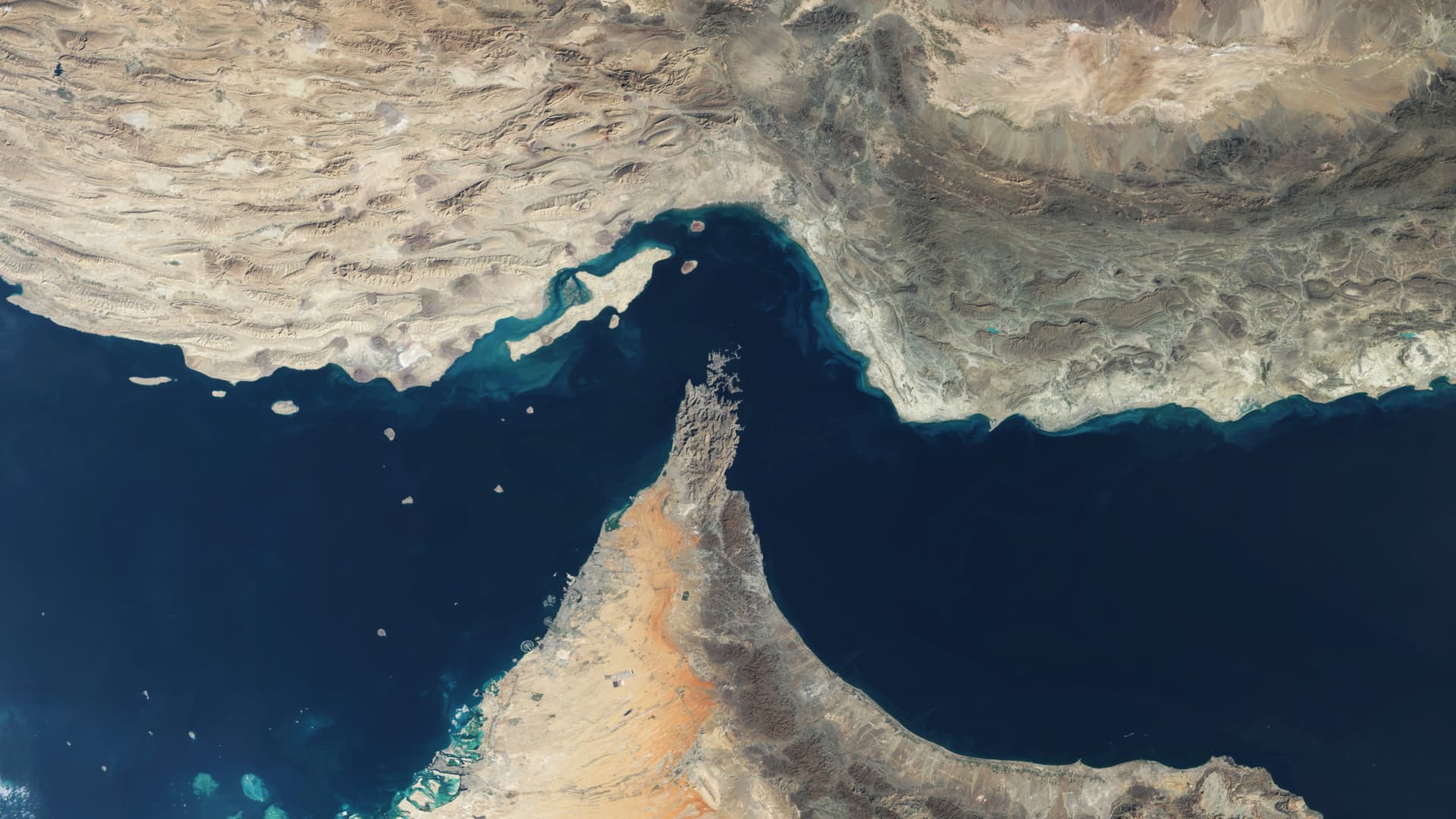
- Shipping Activity Observation: Citrini Research dispatched an analyst to Oman's Musandam Peninsula to directly observe shipping activities in the Strait of Hormuz, finding that approximately 15 vessels are still transiting daily despite escalating tensions, indicating that the waterway is not completely shut.
- AIS Data Limitations: The analyst noted that many ships have turned off their AIS devices, leading to actual shipping volumes being higher than reported data, with an increase in vessels passing through the Qeshm channel recently, suggesting a gradual recovery in shipping flow.
- Selective Passage by Iran: Interviews with local fishermen and officials indicate that Iran is selectively allowing ships to pass, creating a
See More
Trump Sets Deadline for Iran to Reopen Strait of Hormuz

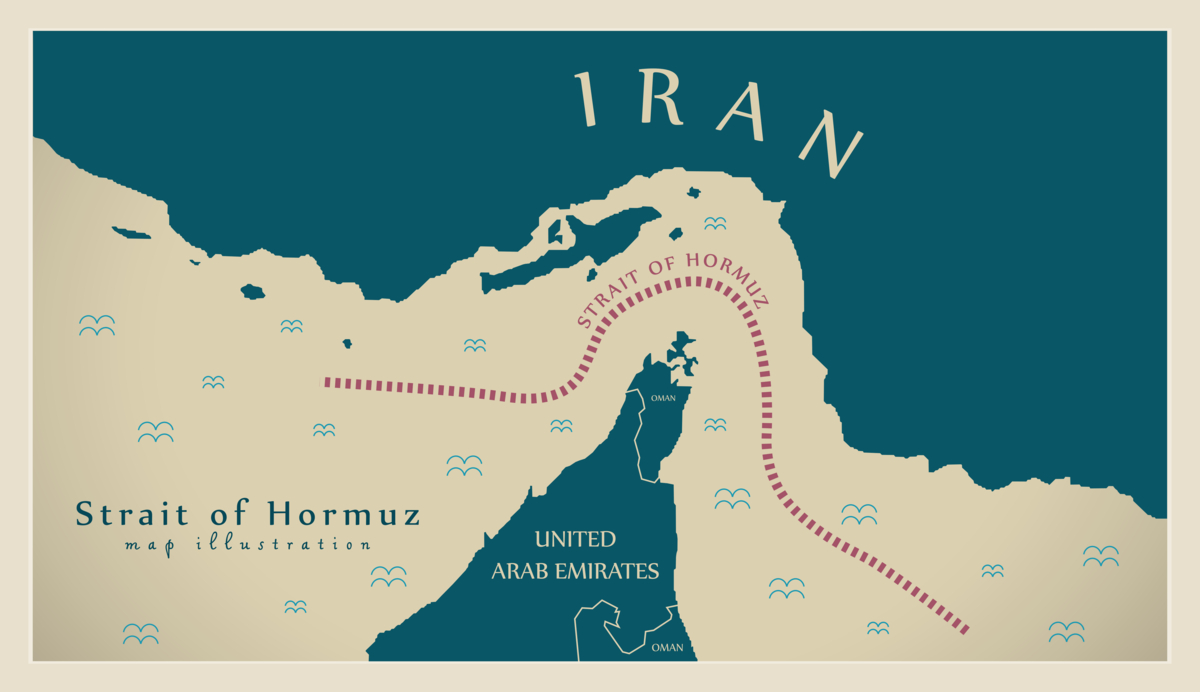
- Deadline Set: President Trump has set a deadline for Iran to reopen the Strait of Hormuz by April 7 at 8 PM ET, threatening U.S. and Israeli attacks on Iranian infrastructure if a ceasefire deal is not reached, which could escalate conflicts affecting Middle Eastern energy infrastructure.
- Muted Oil Price Reaction: Despite a significant surge in oil prices last week following Trump's aggressive stance, both Brent and WTI crude oil prices dipped slightly to around $110 per barrel on Monday morning, indicating market caution ahead of potential conflict.
- Weak Oil Stock Performance: Oil stocks like Chevron and ExxonMobil have seen declines of over 5% in the past week, despite rising crude prices, reflecting profit-taking and market expectations of a ceasefire agreement before the deadline.
- Uncertain Market Outlook: Should Iran fail to agree to a deal, U.S. attacks on key oil export hubs could provoke Iranian retaliation, with analysts warning that a prolonged closure of the Strait of Hormuz could push oil prices to $150 per barrel, significantly impacting oil stock valuations.
See More

Trump Sets Deadline for Reopening Strait of Hormuz Amid Oil Price Stability
- Muted Oil Price Reaction: Oil prices have remained stable around $110 per barrel despite President Trump's deadline for Iran to reopen the Strait of Hormuz by April 7, indicating market caution regarding future developments.
- Weak Oil Stock Performance: For instance, Chevron's (CVX) stock fell about 1% on Monday morning and has dropped over 5% in the past week, even as Brent rose 3.5%, suggesting a lack of optimism in the market's outlook.
- Market Expectations Impact: The oil futures market anticipates that if Iran agrees to a ceasefire, Brent could decline to $90 per barrel by August and below $80 by December, which has led to oil stocks not rising in tandem with crude prices.
- Potential Conflict Risks: Should Iran reject the deal, the U.S. may launch attacks on its infrastructure, with analysts warning that a prolonged closure of the Strait of Hormuz could push oil prices to $150 per barrel, significantly boosting oil stocks.
See More
Chevron Resumes Normal Operations at Leviathan Gas Field Off Israel
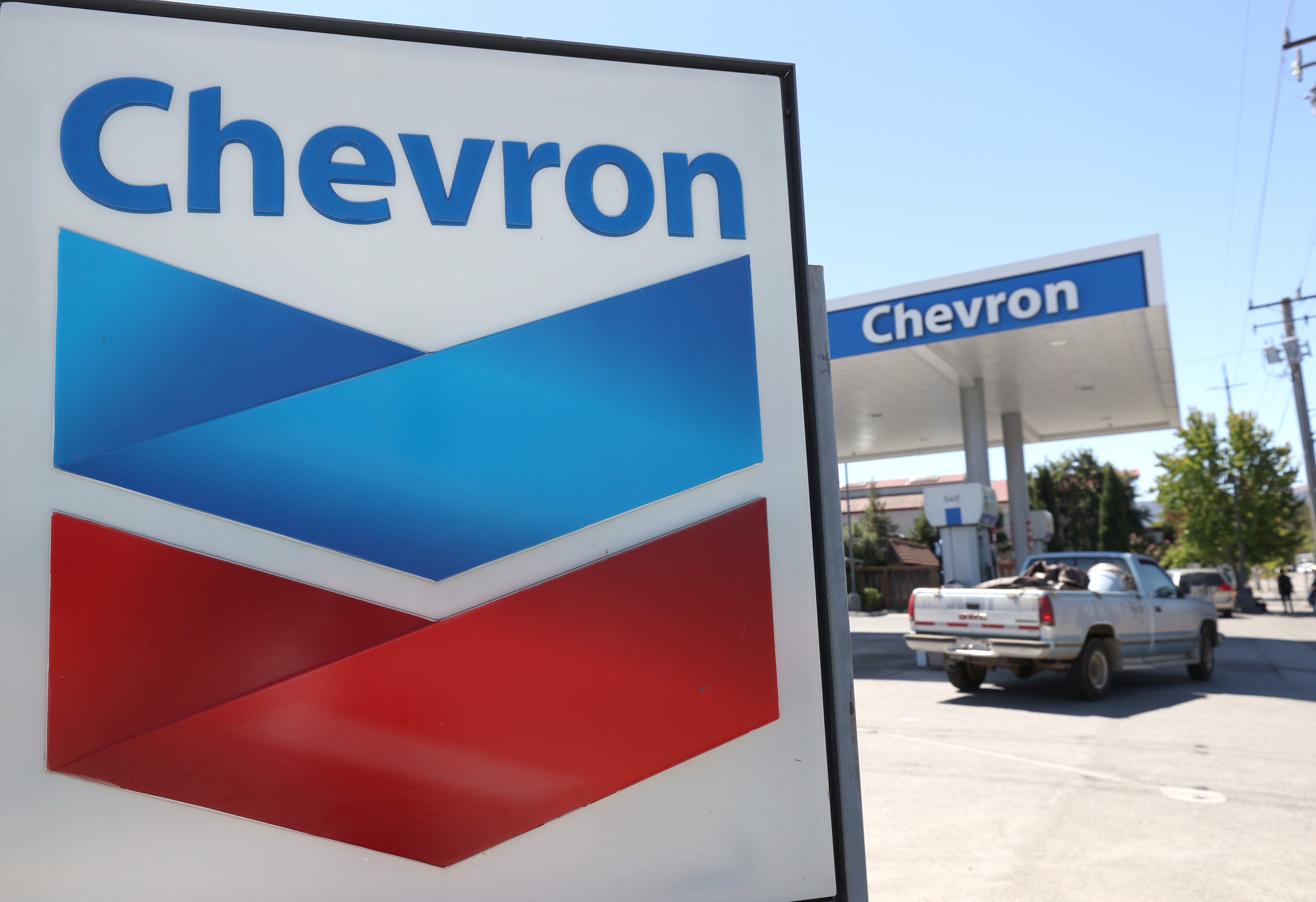
- Resumption of Operations: Chevron has resumed normal operations at the Leviathan gas field after a 33-day suspension ordered by Israel's energy ministry due to the outbreak of the Middle East war, demonstrating the company's resilience in crisis situations.
- Impact Analysis: This resumption will help alleviate Egypt's reliance on LNG imports, as the Leviathan field supplies gas via pipeline, selling 8.1 billion cubic meters in the first nine months of 2025, with Egypt accounting for over half of that volume.
- Market Dynamics: During the war, Chevron's Tamar gas field remains the only rig operating offshore Israel, ensuring stable energy supply in the region and reflecting Chevron's strategic importance amid complex geopolitical circumstances.
- Future Outlook: With the Leviathan field back in operation, Chevron is poised to further strengthen its position in the Middle Eastern energy market, potentially driving future investment and collaboration opportunities, particularly in stabilizing gas supply chains.
See More

Three Stocks to Consider for Strong Income on April 6
- Chevron Performance: Chevron Corporation (CVX) has seen a 26% increase in the Zacks Consensus Estimate for its current year earnings over the past 60 days, indicating a significant enhancement in profitability that is likely to strengthen its market competitiveness.
- Crescent Energy Growth: Crescent Energy Company (CRGY) has experienced a 42.1% rise in the Zacks Consensus Estimate for its current year earnings during the same period, showcasing its strong performance in the oil and gas exploration sector, which may attract more investor interest.
- BCB Bancorp Earnings Outlook: BCB Bancorp, Inc. (BCBP) has seen a 15.3% increase in the Zacks Consensus Estimate for its current year earnings over the past 60 days, reflecting robust growth potential as a bank holding company that could enhance shareholder returns.
- High Dividend Yields: All three companies are ranked #1 by Zacks as strong buy stocks, with dividend yields of 3.6% for Chevron, Crescent Energy, and BCB Bancorp, all exceeding their respective industry averages, demonstrating their ability to attract income-focused investors.
See More
WTI Crude Oil Surge and Market Implications
- Geopolitical Uncertainty: The steep rise in WTI crude oil prices amid renewed geopolitical uncertainty has left investors on edge, potentially leading to increased market volatility and impacting stock performance.
- Technical Signal Analysis: The monthly MACD buy signal for WTI crude oil in February marks the end of an extended downtrend from 2022 highs, suggesting that crude oil prices may continue to rise in the coming months, presenting new investment opportunities for market participants.
- Historical Performance Review: Historical data indicates that crude oil up-cycles often coincide with weaker equity markets, as the S&P 500 has struggled to maintain upward momentum following peaks in crude oil prices, entering corrective or bear market phases, necessitating caution among investors.
- Market Outlook: While the breakout in WTI crude does not imply an inevitable decline in stocks, the S&P 500 is likely to experience more choppy and corrective action in the months ahead, prompting investors to closely monitor market dynamics to adjust their strategies accordingly.
See More
Analysis of Shipping Status in the Strait of Hormuz
- Shipping Activity Observation: Citrini Research dispatched an analyst to Oman's Musandam Peninsula to directly observe shipping activities in the Strait of Hormuz, finding that approximately 15 vessels are still transiting daily despite escalating tensions, indicating that the waterway is not completely shut.
- AIS Data Limitations: The analyst noted that many ships have turned off their AIS devices, leading to actual shipping volumes being higher than reported data, with an increase in vessels passing through the Qeshm channel recently, suggesting a gradual recovery in shipping flow.
- Selective Passage by Iran: Interviews with local fishermen and officials indicate that Iran is selectively allowing ships to pass, creating a
See More
Trump Sets Deadline for Iran to Reopen Strait of Hormuz
- Deadline Set: President Trump has set a deadline for Iran to reopen the Strait of Hormuz by April 7 at 8 PM ET, threatening U.S. and Israeli attacks on Iranian infrastructure if a ceasefire deal is not reached, which could escalate conflicts affecting Middle Eastern energy infrastructure.
- Muted Oil Price Reaction: Despite a significant surge in oil prices last week following Trump's aggressive stance, both Brent and WTI crude oil prices dipped slightly to around $110 per barrel on Monday morning, indicating market caution ahead of potential conflict.
- Weak Oil Stock Performance: Oil stocks like Chevron and ExxonMobil have seen declines of over 5% in the past week, despite rising crude prices, reflecting profit-taking and market expectations of a ceasefire agreement before the deadline.
- Uncertain Market Outlook: Should Iran fail to agree to a deal, U.S. attacks on key oil export hubs could provoke Iranian retaliation, with analysts warning that a prolonged closure of the Strait of Hormuz could push oil prices to $150 per barrel, significantly impacting oil stock valuations.
See More
Trump Sets Deadline for Reopening Strait of Hormuz Amid Oil Price Stability
- Muted Oil Price Reaction: Oil prices have remained stable around $110 per barrel despite President Trump's deadline for Iran to reopen the Strait of Hormuz by April 7, indicating market caution regarding future developments.
- Weak Oil Stock Performance: For instance, Chevron's (CVX) stock fell about 1% on Monday morning and has dropped over 5% in the past week, even as Brent rose 3.5%, suggesting a lack of optimism in the market's outlook.
- Market Expectations Impact: The oil futures market anticipates that if Iran agrees to a ceasefire, Brent could decline to $90 per barrel by August and below $80 by December, which has led to oil stocks not rising in tandem with crude prices.
- Potential Conflict Risks: Should Iran reject the deal, the U.S. may launch attacks on its infrastructure, with analysts warning that a prolonged closure of the Strait of Hormuz could push oil prices to $150 per barrel, significantly boosting oil stocks.
See More
Chevron Resumes Normal Operations at Leviathan Gas Field Off Israel
- Resumption of Operations: Chevron has resumed normal operations at the Leviathan gas field after a 33-day suspension ordered by Israel's energy ministry due to the outbreak of the Middle East war, demonstrating the company's resilience in crisis situations.
- Impact Analysis: This resumption will help alleviate Egypt's reliance on LNG imports, as the Leviathan field supplies gas via pipeline, selling 8.1 billion cubic meters in the first nine months of 2025, with Egypt accounting for over half of that volume.
- Market Dynamics: During the war, Chevron's Tamar gas field remains the only rig operating offshore Israel, ensuring stable energy supply in the region and reflecting Chevron's strategic importance amid complex geopolitical circumstances.
- Future Outlook: With the Leviathan field back in operation, Chevron is poised to further strengthen its position in the Middle Eastern energy market, potentially driving future investment and collaboration opportunities, particularly in stabilizing gas supply chains.
See More
Three Stocks to Consider for Strong Income on April 6
- Chevron Performance: Chevron Corporation (CVX) has seen a 26% increase in the Zacks Consensus Estimate for its current year earnings over the past 60 days, indicating a significant enhancement in profitability that is likely to strengthen its market competitiveness.
- Crescent Energy Growth: Crescent Energy Company (CRGY) has experienced a 42.1% rise in the Zacks Consensus Estimate for its current year earnings during the same period, showcasing its strong performance in the oil and gas exploration sector, which may attract more investor interest.
- BCB Bancorp Earnings Outlook: BCB Bancorp, Inc. (BCBP) has seen a 15.3% increase in the Zacks Consensus Estimate for its current year earnings over the past 60 days, reflecting robust growth potential as a bank holding company that could enhance shareholder returns.
- High Dividend Yields: All three companies are ranked #1 by Zacks as strong buy stocks, with dividend yields of 3.6% for Chevron, Crescent Energy, and BCB Bancorp, all exceeding their respective industry averages, demonstrating their ability to attract income-focused investors.
See More