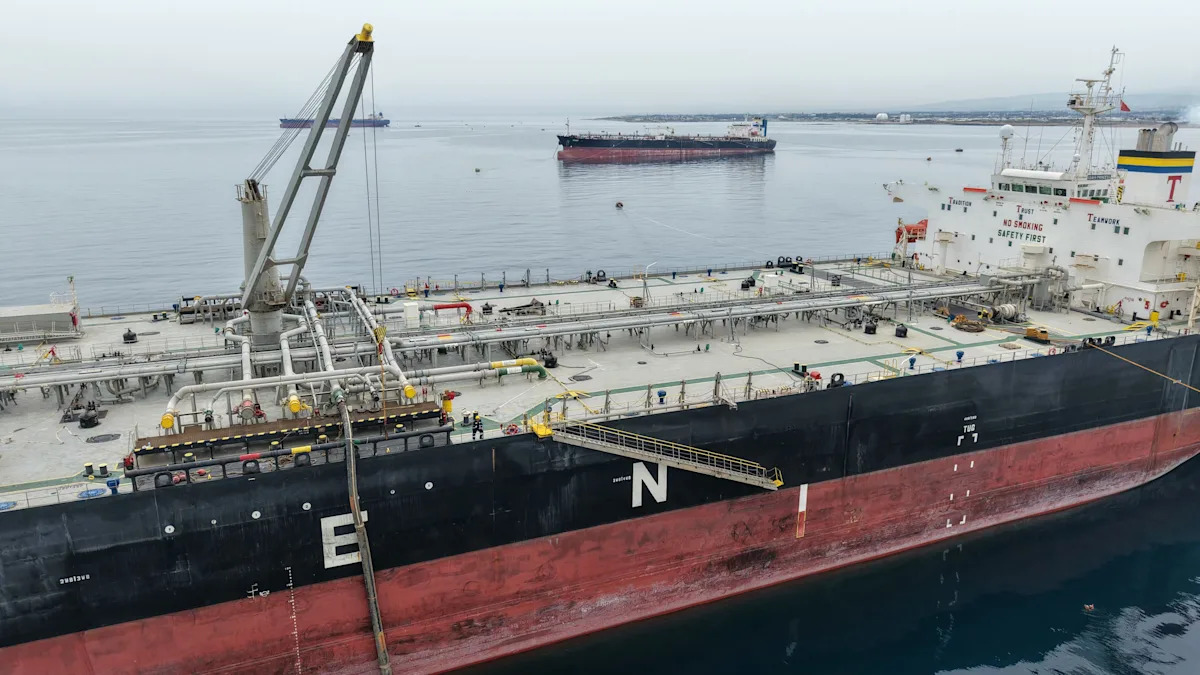
Trump Claims $92 Oil is 'Only High' as Prices Plummet
Written by Emily J. Thompson, Senior Investment Analyst
Updated: 7 hours ago
0mins

Source: Yahoo Finance
- Oil Price Fluctuation: Trump expressed surprise at oil being only $92 a barrel, which is 27% above pre-war levels, indicating market uncertainty about future price movements and potential volatility.
- Strait of Hormuz Open: Iran's foreign minister announced the Strait of Hormuz was 'completely open,' leading to a more than 9% drop in oil prices within hours, with WTI crude falling to $83.85 and Brent to $90.38, highlighting market sensitivity to supply restoration.
- Supply-Demand Tightness: Analysts warned that despite the Strait's reopening, oil markets are tightening, estimating around 13 million barrels per day of supply disruption, indicating that even with short-term price drops, long-term supply-demand imbalances remain a risk.
- Future Price Forecast: The EIA projected that even after the resumption of oil flows through Hormuz, prices would likely stay elevated due to the time required to sort out backed-up tanker routes and trade flows, reflecting the complexity of future oil price trajectories.
Trade with 70% Backtested Accuracy
Stop guessing "Should I Buy XOM?" and start using high-conviction signals backed by rigorous historical data.
Sign up today to access powerful investing tools and make smarter, data-driven decisions.
Analyst Views on XOM
Wall Street analysts forecast XOM stock price to fall
19 Analyst Rating
12 Buy
7 Hold
0 Sell
Moderate Buy
Current: 151.980

Low
114.00
Averages
132.17
High
158.00
Current: 151.980
Low
114.00
Averages
132.17
High
158.00
About XOM
Exxon Mobil Corporation is an energy provider and chemical manufacturer. The Company’s principal business involves exploration for, and production of, crude oil and natural gas; the manufacture, trade, transport and sale of crude oil, natural gas, petroleum products, petrochemicals and a wide variety of specialty products; and pursuit of lower-emission and other new business opportunities, including carbon capture and storage, hydrogen, lower-emission fuels, Proxxima systems, carbon materials, and lithium. Its Upstream segment explores for and produces crude oil and natural gas. The Energy Products, Chemical Products, and Specialty Products segments manufacture and sell petroleum products and petrochemicals. Energy Products segment includes fuels, aromatics, and catalysts and licensing. Chemical Products segment consists of olefins, polyolefins, and intermediates. Specialty Products segment includes finished lubricants, basestocks and waxes, synthetics, and elastomers and resins.
About the author

Emily J. Thompson
Emily J. Thompson, a Chartered Financial Analyst (CFA) with 12 years in investment research, graduated with honors from the Wharton School. Specializing in industrial and technology stocks, she provides in-depth analysis for Intellectia’s earnings and market brief reports.
Exxon Mobil to Release Q1 2026 Financial Results

- Earnings Release Schedule: Exxon Mobil is set to announce its Q1 2026 financial results on May 1, 2026, with a press release available at 5:30 a.m. CT via Business Wire, providing investors with the latest financial insights.
- Executive Conference Call: CEO Darren Woods and other executives will review the financial results during a conference call at 8:30 a.m. CT, which is expected to attract significant attention from investors and analysts, thereby enhancing market transparency.
- Call Access Information: Investors can join the call by dialing 800-918-2066 (toll-free) or 646-307-1342 (local), referencing passcode 2207273 to ensure smooth communication and interaction during the session.
- Replay and Supplementary Data: After the call, a replay and supplementary financial data will be made available on Exxon Mobil's investor website, facilitating access to crucial information for investors who could not participate live, thus improving information accessibility.
See More
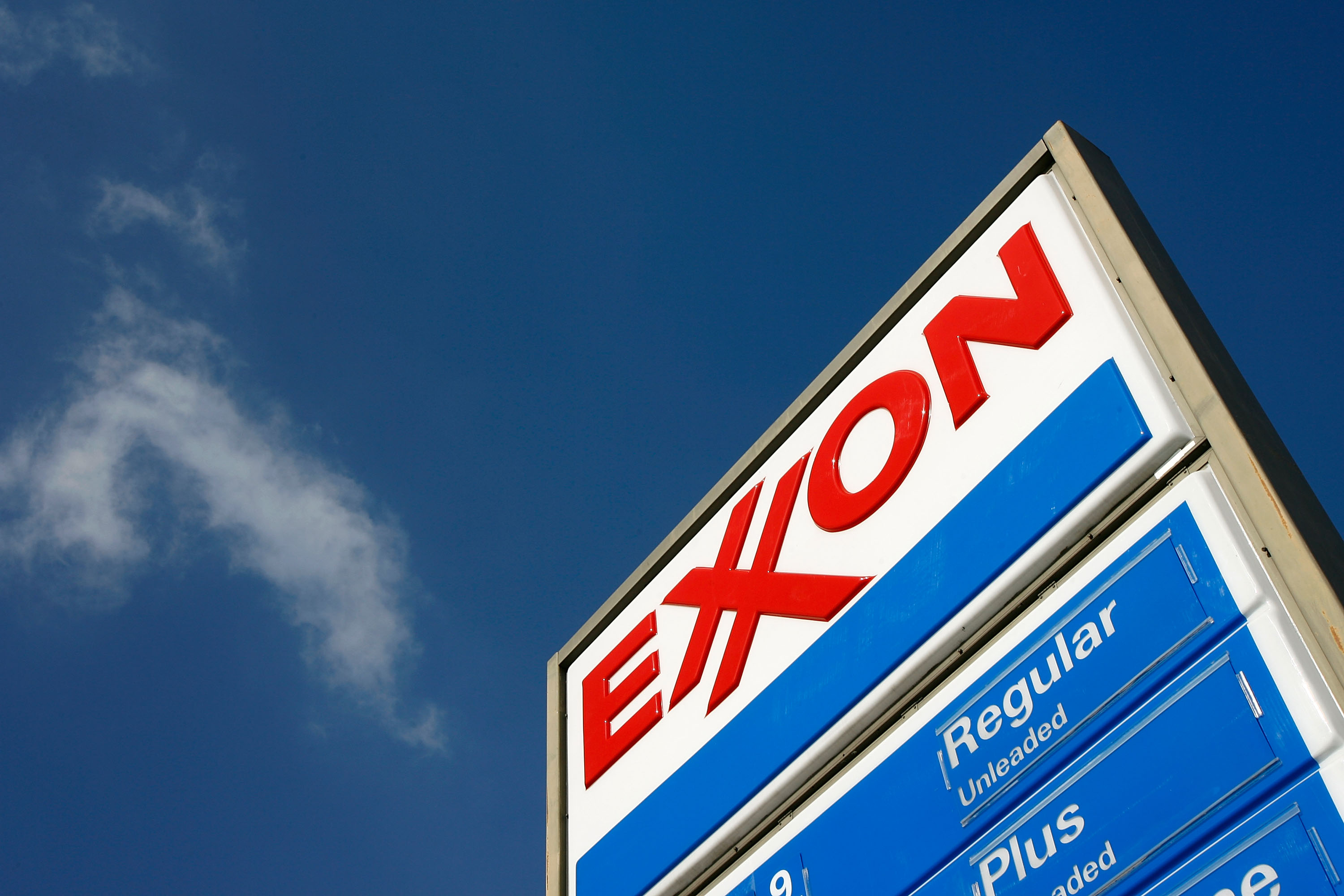
Exxon Mobil Withdraws LNG Sale Offer from Golden Pass Plant
- Withdrawal of Sale Offer: Exxon Mobil has withdrawn its offer to sell two initial cargoes of LNG from its Golden Pass export plant in Texas, a move that could negatively impact short-term revenue expectations, although no reason was provided for this decision.
- Low Capacity Utilization: Since starting production last month, Golden Pass has been operating at only one-third of its nameplate capacity, liquefying approximately 287M cf of natural gas on Thursday, indicating significant challenges and uncertainties in the project's startup phase.
- Delays and Cost Overruns: The Golden Pass project has faced multiple delays and cost overruns since construction began in 2019, including the bankruptcy of its original lead contractor, which may undermine investor confidence and affect the project's long-term viability.
- Equity Structure Analysis: With a total investment of $10 billion, QatarEnergy holds a 70% stake in the project while Exxon Mobil owns the remaining 30%, which limits Exxon's risk exposure and potential returns from this venture.
See More

Strait of Hormuz Energy Transit Restrictions Reimposed

- Hope for Transit Resumption Fades: Following Iranian Foreign Minister Abbas Araghchi's announcement of the Strait being 'completely open', several tankers attempted to transit but were intercepted by Iranian naval forces, indicating a sharp deterioration in the situation.
- Global Energy Supply Disrupted: The strait carries about one-fifth of global LNG supplies, and Iran's sudden reversal forced multiple LNG tankers loaded in Qatar to turn back or idle, severely impacting energy supply chains.
- Market Uncertainty Intensifies: U.S. President Trump reaffirmed that the naval blockade on Iranian ports would remain, which Iran viewed as a breach of the truce, further exacerbating market volatility and uncertainty.
- High-Risk Status Persists: Insurance providers remain cautious due to ongoing threats of attacks, mines, and interceptions, maintaining the 'high-risk' status of the strait and leaving global energy markets in a state of profound uncertainty.
See More
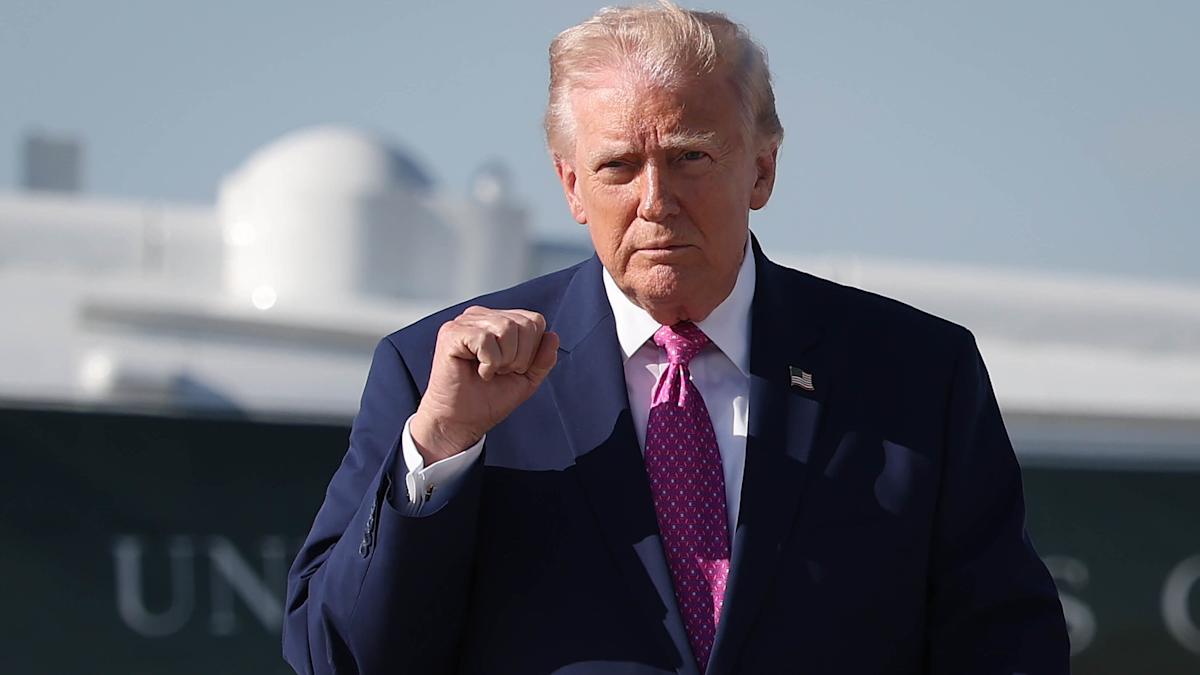
Trump Claims $92 Oil is 'Only High' as Prices Plummet
- Oil Price Fluctuation: Trump expressed surprise at oil being only $92 a barrel, which is 27% above pre-war levels, indicating market uncertainty about future price movements and potential volatility.
- Strait of Hormuz Open: Iran's foreign minister announced the Strait of Hormuz was 'completely open,' leading to a more than 9% drop in oil prices within hours, with WTI crude falling to $83.85 and Brent to $90.38, highlighting market sensitivity to supply restoration.
- Supply-Demand Tightness: Analysts warned that despite the Strait's reopening, oil markets are tightening, estimating around 13 million barrels per day of supply disruption, indicating that even with short-term price drops, long-term supply-demand imbalances remain a risk.
- Future Price Forecast: The EIA projected that even after the resumption of oil flows through Hormuz, prices would likely stay elevated due to the time required to sort out backed-up tanker routes and trade flows, reflecting the complexity of future oil price trajectories.
See More

Global Helium Shortage Crisis Intensifies

- Helium Supply Disruption: QatarEnergy declared force majeure on March 2 at its Ras Laffan facility, which produces 30% to 38% of the world's helium, due to damage from Iranian drone strikes, with repairs expected to take three to five years, leading to a significant crisis in the semiconductor industry.
- Semiconductor Industry Risks: Helium is irreplaceable in semiconductor manufacturing, particularly during the etching process, and any disruption in the supply chain could result in decreased chip yields, with industry associations warning that the current supply crisis will exacerbate shortages and impact future production capabilities.
- Transport Bottlenecks: Approximately 200 specialized cryogenic shipping containers, valued at about $1 million each, are stranded in Qatar or in transit, and even if traffic through the Strait of Hormuz resumes, these containers will need to be repositioned and refilled before Asian chip foundries can receive new supplies.
- Market Reactions: Companies like Micron Technology are directly impacted due to their reliance on helium for DRAM and high-bandwidth memory chip production, with production slowdowns expected to worsen current shortages, while firms like ExxonMobil may benefit from soaring helium prices, which have risen from $500 to between $1,000 and $1,200.
See More

Qatar's Helium Supply Shortage Has Far-Reaching Impacts
- Infrastructure Damage: Qatar's helium extraction infrastructure has been severely damaged due to Iranian drone and missile strikes, leading to a global helium supply shortage with repair timelines extending three to five years, directly impacting critical semiconductor production processes.
- Supply Chain Crisis: Qatar accounts for approximately 30% to 38% of the world's helium supply, and the force majeure declaration at its Ras Laffan facility has halted operations, causing chip manufacturers to face raw material shortages that could lead to reduced chip yields and increased market prices.
- Price Surge: Following the shutdown of Ras Laffan, spot helium prices surged from around $500 per thousand cubic feet to between $1,000 and $1,200, benefiting major suppliers like ExxonMobil while companies like Micron Technology face increased pressure due to helium dependency.
- Industry Impact: As helium supply tightens, companies like Micron, Seagate, and Western Digital have reported price increases of 20% to 30% on their 2026 production allocations, exacerbating the crisis in the tech sector and affecting overall market stability.
See More
Exxon Mobil to Release Q1 2026 Financial Results
- Earnings Release Schedule: Exxon Mobil is set to announce its Q1 2026 financial results on May 1, 2026, with a press release available at 5:30 a.m. CT via Business Wire, providing investors with the latest financial insights.
- Executive Conference Call: CEO Darren Woods and other executives will review the financial results during a conference call at 8:30 a.m. CT, which is expected to attract significant attention from investors and analysts, thereby enhancing market transparency.
- Call Access Information: Investors can join the call by dialing 800-918-2066 (toll-free) or 646-307-1342 (local), referencing passcode 2207273 to ensure smooth communication and interaction during the session.
- Replay and Supplementary Data: After the call, a replay and supplementary financial data will be made available on Exxon Mobil's investor website, facilitating access to crucial information for investors who could not participate live, thus improving information accessibility.
See More
Exxon Mobil Withdraws LNG Sale Offer from Golden Pass Plant
- Withdrawal of Sale Offer: Exxon Mobil has withdrawn its offer to sell two initial cargoes of LNG from its Golden Pass export plant in Texas, a move that could negatively impact short-term revenue expectations, although no reason was provided for this decision.
- Low Capacity Utilization: Since starting production last month, Golden Pass has been operating at only one-third of its nameplate capacity, liquefying approximately 287M cf of natural gas on Thursday, indicating significant challenges and uncertainties in the project's startup phase.
- Delays and Cost Overruns: The Golden Pass project has faced multiple delays and cost overruns since construction began in 2019, including the bankruptcy of its original lead contractor, which may undermine investor confidence and affect the project's long-term viability.
- Equity Structure Analysis: With a total investment of $10 billion, QatarEnergy holds a 70% stake in the project while Exxon Mobil owns the remaining 30%, which limits Exxon's risk exposure and potential returns from this venture.
See More
Strait of Hormuz Energy Transit Restrictions Reimposed
- Hope for Transit Resumption Fades: Following Iranian Foreign Minister Abbas Araghchi's announcement of the Strait being 'completely open', several tankers attempted to transit but were intercepted by Iranian naval forces, indicating a sharp deterioration in the situation.
- Global Energy Supply Disrupted: The strait carries about one-fifth of global LNG supplies, and Iran's sudden reversal forced multiple LNG tankers loaded in Qatar to turn back or idle, severely impacting energy supply chains.
- Market Uncertainty Intensifies: U.S. President Trump reaffirmed that the naval blockade on Iranian ports would remain, which Iran viewed as a breach of the truce, further exacerbating market volatility and uncertainty.
- High-Risk Status Persists: Insurance providers remain cautious due to ongoing threats of attacks, mines, and interceptions, maintaining the 'high-risk' status of the strait and leaving global energy markets in a state of profound uncertainty.
See More
Trump Claims $92 Oil is 'Only High' as Prices Plummet
- Oil Price Fluctuation: Trump expressed surprise at oil being only $92 a barrel, which is 27% above pre-war levels, indicating market uncertainty about future price movements and potential volatility.
- Strait of Hormuz Open: Iran's foreign minister announced the Strait of Hormuz was 'completely open,' leading to a more than 9% drop in oil prices within hours, with WTI crude falling to $83.85 and Brent to $90.38, highlighting market sensitivity to supply restoration.
- Supply-Demand Tightness: Analysts warned that despite the Strait's reopening, oil markets are tightening, estimating around 13 million barrels per day of supply disruption, indicating that even with short-term price drops, long-term supply-demand imbalances remain a risk.
- Future Price Forecast: The EIA projected that even after the resumption of oil flows through Hormuz, prices would likely stay elevated due to the time required to sort out backed-up tanker routes and trade flows, reflecting the complexity of future oil price trajectories.
See More
Global Helium Shortage Crisis Intensifies
- Helium Supply Disruption: QatarEnergy declared force majeure on March 2 at its Ras Laffan facility, which produces 30% to 38% of the world's helium, due to damage from Iranian drone strikes, with repairs expected to take three to five years, leading to a significant crisis in the semiconductor industry.
- Semiconductor Industry Risks: Helium is irreplaceable in semiconductor manufacturing, particularly during the etching process, and any disruption in the supply chain could result in decreased chip yields, with industry associations warning that the current supply crisis will exacerbate shortages and impact future production capabilities.
- Transport Bottlenecks: Approximately 200 specialized cryogenic shipping containers, valued at about $1 million each, are stranded in Qatar or in transit, and even if traffic through the Strait of Hormuz resumes, these containers will need to be repositioned and refilled before Asian chip foundries can receive new supplies.
- Market Reactions: Companies like Micron Technology are directly impacted due to their reliance on helium for DRAM and high-bandwidth memory chip production, with production slowdowns expected to worsen current shortages, while firms like ExxonMobil may benefit from soaring helium prices, which have risen from $500 to between $1,000 and $1,200.
See More
Qatar's Helium Supply Shortage Has Far-Reaching Impacts
- Infrastructure Damage: Qatar's helium extraction infrastructure has been severely damaged due to Iranian drone and missile strikes, leading to a global helium supply shortage with repair timelines extending three to five years, directly impacting critical semiconductor production processes.
- Supply Chain Crisis: Qatar accounts for approximately 30% to 38% of the world's helium supply, and the force majeure declaration at its Ras Laffan facility has halted operations, causing chip manufacturers to face raw material shortages that could lead to reduced chip yields and increased market prices.
- Price Surge: Following the shutdown of Ras Laffan, spot helium prices surged from around $500 per thousand cubic feet to between $1,000 and $1,200, benefiting major suppliers like ExxonMobil while companies like Micron Technology face increased pressure due to helium dependency.
- Industry Impact: As helium supply tightens, companies like Micron, Seagate, and Western Digital have reported price increases of 20% to 30% on their 2026 production allocations, exacerbating the crisis in the tech sector and affecting overall market stability.
See More