Trump Announces Israel-Lebanon Ceasefire, Stocks Surge
Written by Emily J. Thompson, Senior Investment Analyst
Updated: Apr 17 2026
0mins

Source: CNBC
- Ceasefire Agreement: Trump announced a 10-day ceasefire between Israel and Lebanon, leading to a significant stock market rally with the S&P 500 reaching an all-time high, reflecting market optimism regarding geopolitical stability.
- Strong Tech Performance: The Nasdaq Composite recorded its 12th consecutive day of gains, marking its longest winning streak since 2009, indicating strong investor confidence in tech stocks, particularly amid a surge in quantum computing investments.
- Netflix Earnings Beat: Netflix's first-quarter earnings report exceeded expectations due to a $2.8 billion breakup fee, although shares fell about 10% in premarket trading, highlighting market concerns over leadership changes.
- AI Transformation Trend: Myseum announced a pivot towards AI personalization, with shares jumping approximately 130% in Thursday's session, echoing Allbirds' shift to AI, despite historical evidence suggesting such trades often struggle to maintain momentum.
Trade with 70% Backtested Accuracy
Stop guessing "Should I Buy TSM?" and start using high-conviction signals backed by rigorous historical data.
Sign up today to access powerful investing tools and make smarter, data-driven decisions.
Analyst Views on TSM
Wall Street analysts forecast TSM stock price to fall
8 Analyst Rating
7 Buy
1 Hold
0 Sell
Strong Buy
Current: 451.790

Low
63.24
Averages
313.46
High
390.00
Current: 451.790
Low
63.24
Averages
313.46
High
390.00
About TSM
Taiwan Semiconductor Manufacturing Co Ltd is a Taiwan-based integrated circuit foundry service provider. The Company is primarily engaged in integrated circuit manufacturing services. It offers advanced process technologies, specialised process solutions, advanced photomask and silicon stacking, and packaging-related technologies, while supporting a comprehensive design ecosystem. The Company's products serve diverse electronic sectors including artificial intelligence, high-performance computing, wired and wireless communications, automotive and industrial equipment, personal computing, information applications, consumer electronics, smart internet of things, and wearable devices.
About the author

Emily J. Thompson
Emily J. Thompson, a Chartered Financial Analyst (CFA) with 12 years in investment research, graduated with honors from the Wharton School. Specializing in industrial and technology stocks, she provides in-depth analysis for Intellectia’s earnings and market brief reports.
TSMC's Dominance in the AI Market

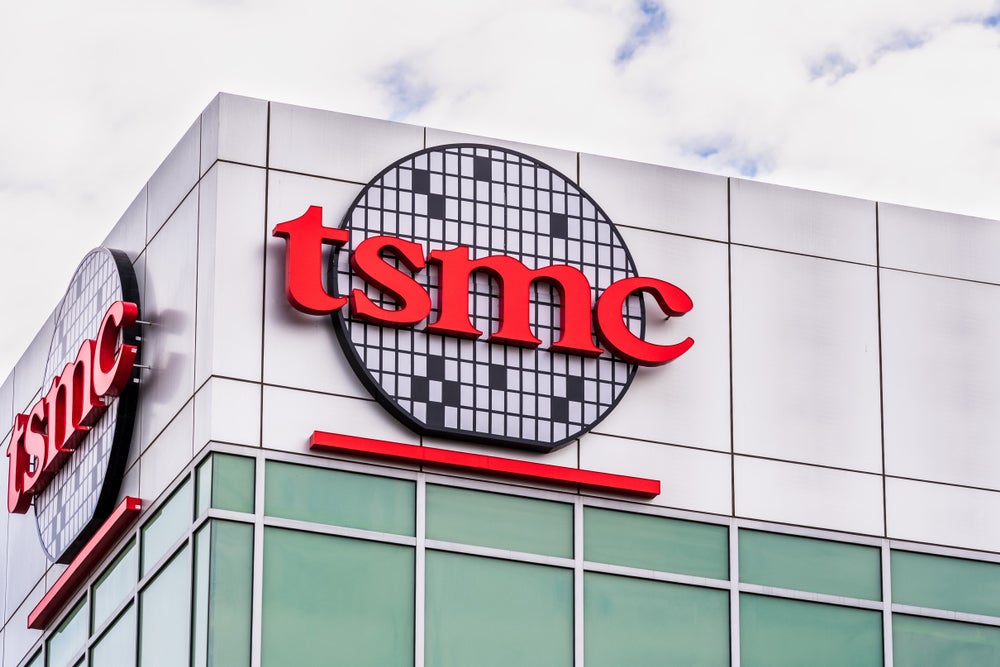
- Strong Stock Performance: TSMC's stock has surged nearly 50% this year, and despite a sell-off on July 1, it is only about 7% off its all-time high, demonstrating resilience in the AI stock sector and reflecting market confidence in its future growth.
- Rising Industry Spending: Nvidia projects that capital expenditures for AI hyperscale data centers will reach $1 trillion by 2027, up from $650 billion in 2026, which will significantly boost demand for TSMC's services as the leading chip foundry, reinforcing its importance in the industry.
- Market Dominance: TSMC generates 72% of the world's chip foundry revenue, and its dominant position in logic chip manufacturing makes it a critical player in the AI build-out, ensuring its central role in future technological advancements.
- Valuation Justification: Although TSMC's price-to-earnings ratio stands at 28, reflecting its recognized importance and premium valuation, this is not excessively high considering its robust growth track record, indicating it remains a quality long-term investment.
See More

Nvidia Stock May Rally After Recent Decline


- Stock Decline: Nvidia's stock has fallen approximately 17% since peaking in May, raising investor concerns about a potential rally, particularly with catalysts expected in July.
- Surge in Data Center Spending: The big four AI hyperscalers are projected to spend around $650 billion on data center capital expenditures this year, with next year's spending exceeding $1 trillion, which will directly boost Nvidia's sales and reinforce its market dominance.
- Earnings Expectations: In July, the four AI giants will report earnings, with Microsoft's capital expenditure guidance being crucial; a significant increase could provide strong support for Nvidia's stock, helping it return to all-time highs.
- Strong Earnings Outlook: If Taiwan Semiconductor Manufacturing Company, Nvidia's primary logic chip fabricator, reports robust growth in AI semiconductor sales, it will further validate Nvidia's performance, and despite Nvidia's earnings report due in late August, strong quarterly results are anticipated.
See More

Potential Catalysts for Nvidia's Stock Rebound
- Data Center Spending Surge: The big four AI hyperscalers are expected to spend around $650 billion on data center capital expenditures this year, with projections exceeding $1 trillion next year, which will significantly boost Nvidia's revenue and reinforce its market leadership.
- Earnings Report Catalysts: In July, the four major AI hyperscalers will report earnings, with Microsoft's report expected to provide fiscal year 2027 capital expenditure guidance; a substantial increase could further confirm Nvidia's bullish outlook and help propel its stock back to all-time highs.
- Strong Semiconductor Sales: Taiwan Semiconductor Manufacturing Company, Nvidia's primary logic chip fabricator, is anticipated to report robust growth in AI semiconductor sales, which would provide strong support for Nvidia's performance and enhance market confidence in its future prospects.
- Attractive Valuation: Nvidia currently trades at a forward P/E ratio of 21.7, comparable to that of the S&P 500, making it an appealing investment opportunity, and analysts suggest that now is a wise time for investors to increase their holdings in Nvidia stock.
See More
Goldman Sachs Cautious on TSMC's GCS Progress
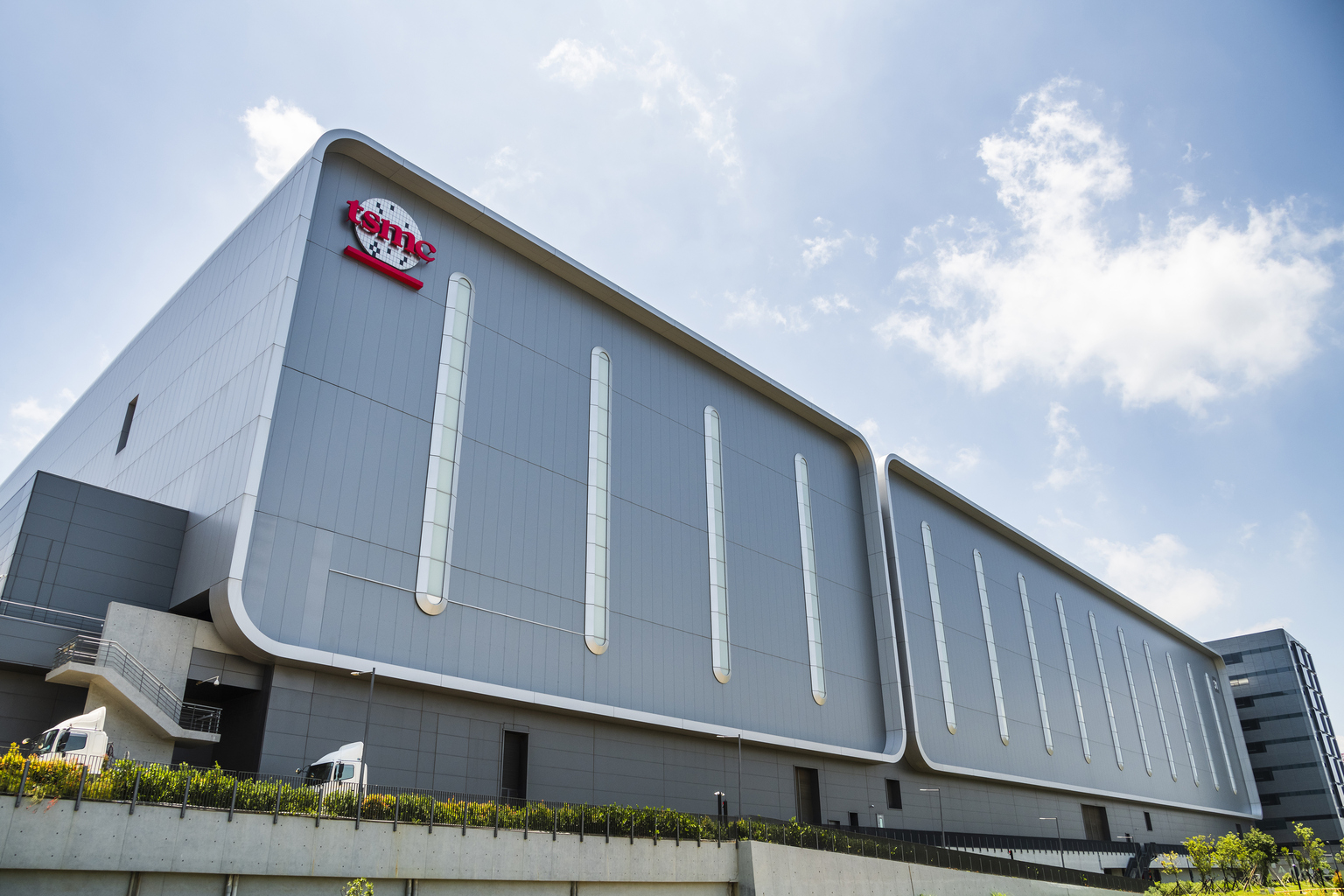
- Goldman Sachs Analysis: Goldman Sachs maintains a cautious stance on Taiwan Semiconductor Manufacturing's (TSMC) glass core substrate (GCS) progress while upgrading T-glass cloth maker Nittobo to Buy, indicating recognition of Nittobo's market position and support for its growth.
- Market Potential Assessment: Nittobo holds a majority share in the T-glass cloth market, while TSMC is developing GCS as an alternative technology; analyst Kuo notes that the market underestimates the importance of GCS in the coming years, with its costs significantly higher than existing ABF substrates.
- Technological Collaboration Outlook: TSMC has partnered with Ibiden and Innolux to develop GCS, with Kuo emphasizing that the three-layer design structure is critical within CoPoS technology, which will have profound implications for TSMC's technological capabilities in the future.
- Industry Adoption Expectations: Although commercial-scale production of GCS is not expected until after 2030, analysts believe that existing glass cloth will continue to be utilized in the short term, with Nittobo benefiting from larger package substrate sizes and increased core thicknesses, enhancing its market share.
See More

Three Tech Giants Leading the AI Market


- Micron's Strong Growth: Micron Technology's stock has soared over 1,500% in the past three years, with Q3 revenue jumping 345% to $41.5 billion, and profits surging to an EPS of $24.67, demonstrating robust demand and pricing power in the AI market.
- Google's AI Strategy: Alphabet's Gemini chatbot has over 900 million users, driving Google Cloud sales up 63% to $20 billion in Q1 2026, showcasing its rapid adaptation and revenue growth potential in the AI sector.
- TSMC's Market Dominance: Taiwan Semiconductor holds a 73% market share in global processors, with Q1 sales increasing 41% to $36 billion, and its total addressable market expected to reach $1.5 trillion by 2030, highlighting its significance in AI chip manufacturing.
- Future Outlook: With Micron, Alphabet, and TSMC's leading positions and rapid growth in AI, these three companies are poised to deliver market-beating returns in the coming years, attracting investor interest.
See More

Tech Giants Poised for AI Market Success
- Micron's Revenue Surge: Micron Technology reported a staggering $41.5 billion in revenue for Q3 FY2026, a 345% increase year-over-year, driven by soaring demand for its memory processors, which is expected to enhance its competitive edge in the AI market.
- Alphabet's AI Revenue Growth: Alphabet's Gemini chatbot has surpassed 900 million users, contributing to a 63% increase in Google Cloud sales to $20 billion in Q1 2026, showcasing its rapid adaptability and revenue potential in the AI sector.
- TSMC's Market Leadership: Taiwan Semiconductor holds a 73% market share in global processors and 90% in AI chip manufacturing, with projections indicating a total addressable market of $1.5 trillion by 2030, further solidifying its leadership position in the industry.
- Optimistic AI Investment Outlook: With Micron, Alphabet, and TSMC experiencing rapid growth in the AI sector, analysts are generally bullish on these companies' future performance, predicting they will outperform the S&P 500 and deliver substantial investment returns in the coming years.
See More
TSMC's Dominance in the AI Market
- Strong Stock Performance: TSMC's stock has surged nearly 50% this year, and despite a sell-off on July 1, it is only about 7% off its all-time high, demonstrating resilience in the AI stock sector and reflecting market confidence in its future growth.
- Rising Industry Spending: Nvidia projects that capital expenditures for AI hyperscale data centers will reach $1 trillion by 2027, up from $650 billion in 2026, which will significantly boost demand for TSMC's services as the leading chip foundry, reinforcing its importance in the industry.
- Market Dominance: TSMC generates 72% of the world's chip foundry revenue, and its dominant position in logic chip manufacturing makes it a critical player in the AI build-out, ensuring its central role in future technological advancements.
- Valuation Justification: Although TSMC's price-to-earnings ratio stands at 28, reflecting its recognized importance and premium valuation, this is not excessively high considering its robust growth track record, indicating it remains a quality long-term investment.
See More
Nvidia Stock May Rally After Recent Decline
- Stock Decline: Nvidia's stock has fallen approximately 17% since peaking in May, raising investor concerns about a potential rally, particularly with catalysts expected in July.
- Surge in Data Center Spending: The big four AI hyperscalers are projected to spend around $650 billion on data center capital expenditures this year, with next year's spending exceeding $1 trillion, which will directly boost Nvidia's sales and reinforce its market dominance.
- Earnings Expectations: In July, the four AI giants will report earnings, with Microsoft's capital expenditure guidance being crucial; a significant increase could provide strong support for Nvidia's stock, helping it return to all-time highs.
- Strong Earnings Outlook: If Taiwan Semiconductor Manufacturing Company, Nvidia's primary logic chip fabricator, reports robust growth in AI semiconductor sales, it will further validate Nvidia's performance, and despite Nvidia's earnings report due in late August, strong quarterly results are anticipated.
See More
Potential Catalysts for Nvidia's Stock Rebound
- Data Center Spending Surge: The big four AI hyperscalers are expected to spend around $650 billion on data center capital expenditures this year, with projections exceeding $1 trillion next year, which will significantly boost Nvidia's revenue and reinforce its market leadership.
- Earnings Report Catalysts: In July, the four major AI hyperscalers will report earnings, with Microsoft's report expected to provide fiscal year 2027 capital expenditure guidance; a substantial increase could further confirm Nvidia's bullish outlook and help propel its stock back to all-time highs.
- Strong Semiconductor Sales: Taiwan Semiconductor Manufacturing Company, Nvidia's primary logic chip fabricator, is anticipated to report robust growth in AI semiconductor sales, which would provide strong support for Nvidia's performance and enhance market confidence in its future prospects.
- Attractive Valuation: Nvidia currently trades at a forward P/E ratio of 21.7, comparable to that of the S&P 500, making it an appealing investment opportunity, and analysts suggest that now is a wise time for investors to increase their holdings in Nvidia stock.
See More
Goldman Sachs Cautious on TSMC's GCS Progress
- Goldman Sachs Analysis: Goldman Sachs maintains a cautious stance on Taiwan Semiconductor Manufacturing's (TSMC) glass core substrate (GCS) progress while upgrading T-glass cloth maker Nittobo to Buy, indicating recognition of Nittobo's market position and support for its growth.
- Market Potential Assessment: Nittobo holds a majority share in the T-glass cloth market, while TSMC is developing GCS as an alternative technology; analyst Kuo notes that the market underestimates the importance of GCS in the coming years, with its costs significantly higher than existing ABF substrates.
- Technological Collaboration Outlook: TSMC has partnered with Ibiden and Innolux to develop GCS, with Kuo emphasizing that the three-layer design structure is critical within CoPoS technology, which will have profound implications for TSMC's technological capabilities in the future.
- Industry Adoption Expectations: Although commercial-scale production of GCS is not expected until after 2030, analysts believe that existing glass cloth will continue to be utilized in the short term, with Nittobo benefiting from larger package substrate sizes and increased core thicknesses, enhancing its market share.
See More
Three Tech Giants Leading the AI Market
- Micron's Strong Growth: Micron Technology's stock has soared over 1,500% in the past three years, with Q3 revenue jumping 345% to $41.5 billion, and profits surging to an EPS of $24.67, demonstrating robust demand and pricing power in the AI market.
- Google's AI Strategy: Alphabet's Gemini chatbot has over 900 million users, driving Google Cloud sales up 63% to $20 billion in Q1 2026, showcasing its rapid adaptation and revenue growth potential in the AI sector.
- TSMC's Market Dominance: Taiwan Semiconductor holds a 73% market share in global processors, with Q1 sales increasing 41% to $36 billion, and its total addressable market expected to reach $1.5 trillion by 2030, highlighting its significance in AI chip manufacturing.
- Future Outlook: With Micron, Alphabet, and TSMC's leading positions and rapid growth in AI, these three companies are poised to deliver market-beating returns in the coming years, attracting investor interest.
See More
Tech Giants Poised for AI Market Success
- Micron's Revenue Surge: Micron Technology reported a staggering $41.5 billion in revenue for Q3 FY2026, a 345% increase year-over-year, driven by soaring demand for its memory processors, which is expected to enhance its competitive edge in the AI market.
- Alphabet's AI Revenue Growth: Alphabet's Gemini chatbot has surpassed 900 million users, contributing to a 63% increase in Google Cloud sales to $20 billion in Q1 2026, showcasing its rapid adaptability and revenue potential in the AI sector.
- TSMC's Market Leadership: Taiwan Semiconductor holds a 73% market share in global processors and 90% in AI chip manufacturing, with projections indicating a total addressable market of $1.5 trillion by 2030, further solidifying its leadership position in the industry.
- Optimistic AI Investment Outlook: With Micron, Alphabet, and TSMC experiencing rapid growth in the AI sector, analysts are generally bullish on these companies' future performance, predicting they will outperform the S&P 500 and deliver substantial investment returns in the coming years.
See More