Trump Administration's New Biofuel Blending Requirements
Written by Emily J. Thompson, Senior Investment Analyst
Updated: Feb 26 2026
0mins


Source: seekingalpha
- New Biofuel Regulations: The Trump administration has mandated that large oil refineries must reallocate at least 50% of the biofuel blending obligations waived under the Small Refinery Exemption program, which could negatively impact larger refiners by increasing their costs and affecting profitability.
- Impact on Biofuel Industry: This decision is expected to boost demand for biofuels, particularly for blending credits, potentially creating new growth opportunities for the biofuel sector, despite concerns from larger refiners about increased obligations.
- EPA's Involvement: Officials from the Environmental Protection Agency have indicated that the reallocation of waived volumes for 2023-2025 will be at least 50%, with the possibility of a higher percentage, reflecting the government's commitment to biofuel policies.
- Future Policy Expectations: The EPA has submitted proposed biofuel blending quotas for 2026 and 2027 to the White House, with a final rule anticipated by the end of March, which will have significant implications for the future biofuel market.
Trade with 70% Backtested Accuracy
Stop guessing "Should I Buy VLO?" and start using high-conviction signals backed by rigorous historical data.
Sign up today to access powerful investing tools and make smarter, data-driven decisions.
Analyst Views on VLO
Wall Street analysts forecast VLO stock price to fall
17 Analyst Rating
11 Buy
6 Hold
0 Sell
Moderate Buy
Current: 241.460

Low
149.00
Averages
186.56
High
223.00
Current: 241.460
Low
149.00
Averages
186.56
High
223.00
About VLO
Valero Energy Corporation, through its subsidiaries, is a multinational manufacturer and marketer of petroleum-based and low-carbon liquid transportation fuels and petrochemical products. The Company sells its products primarily in the United States, Canada, the United Kingdom, Ireland and Latin America. Its segments include Refining, Renewable Diesel, and Ethanol. The Refining segment includes the operations of its petroleum refineries, the associated activities to market its refined petroleum products, and the logistics assets that support its refining operations. The Renewable Diesel segment represents the operations of Diamond Green Diesel (DGD), and the associated activities to market renewable diesel, renewable naphtha, and neat SAF. The Ethanol segment includes the operations of its ethanol plants and the associated activities to market its ethanol and co-products. It owns 15 petroleum refineries located in the United States, Canada and the United Kingdom.
About the author

Emily J. Thompson
Emily J. Thompson, a Chartered Financial Analyst (CFA) with 12 years in investment research, graduated with honors from the Wharton School. Specializing in industrial and technology stocks, she provides in-depth analysis for Intellectia’s earnings and market brief reports.
U.S. Crude Oil Contract Hits Historic Premium


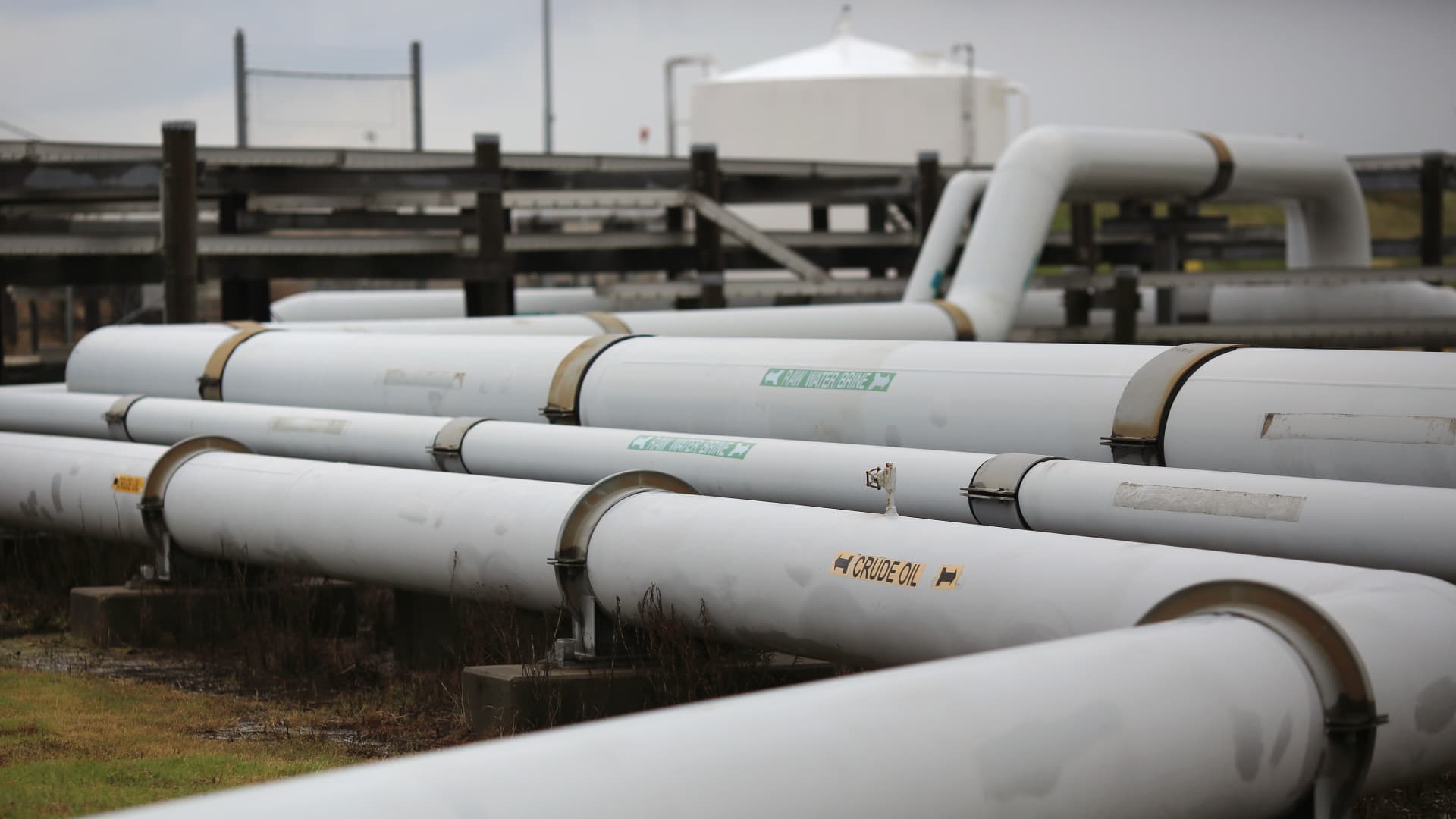
- Historic Premium: The nearest U.S. crude oil delivery contract traded at a historic premium, with May West Texas Intermediate prices rising over 11% to close at $111.54 per barrel, more than $13 above the June price, indicating market expectations of tight future supply.
- Price Volatility Impact: Following President Trump's declaration of military action against Iran, oil prices experienced significant volatility, closing at $100.12 per barrel on Wednesday before rebounding sharply, reflecting investor disappointment over the lack of a quick resolution to the conflict.
- Brent Oil Surge: The spot price for Brent crude soared to $141.36 per barrel, the highest since the 2008 financial crisis, indicating strong market demand and tight physical supply due to the disruption caused by Iran's closure of the Strait of Hormuz.
- Market Sentiment Shift: The market's reaction to Trump's speech revealed a shift in investor sentiment, with many shorts covering positions after the address, leading to a rise in May contract prices and reflecting an optimistic outlook for future oil prices.
See More
Trump's Speech Triggers Surge in Oil Prices
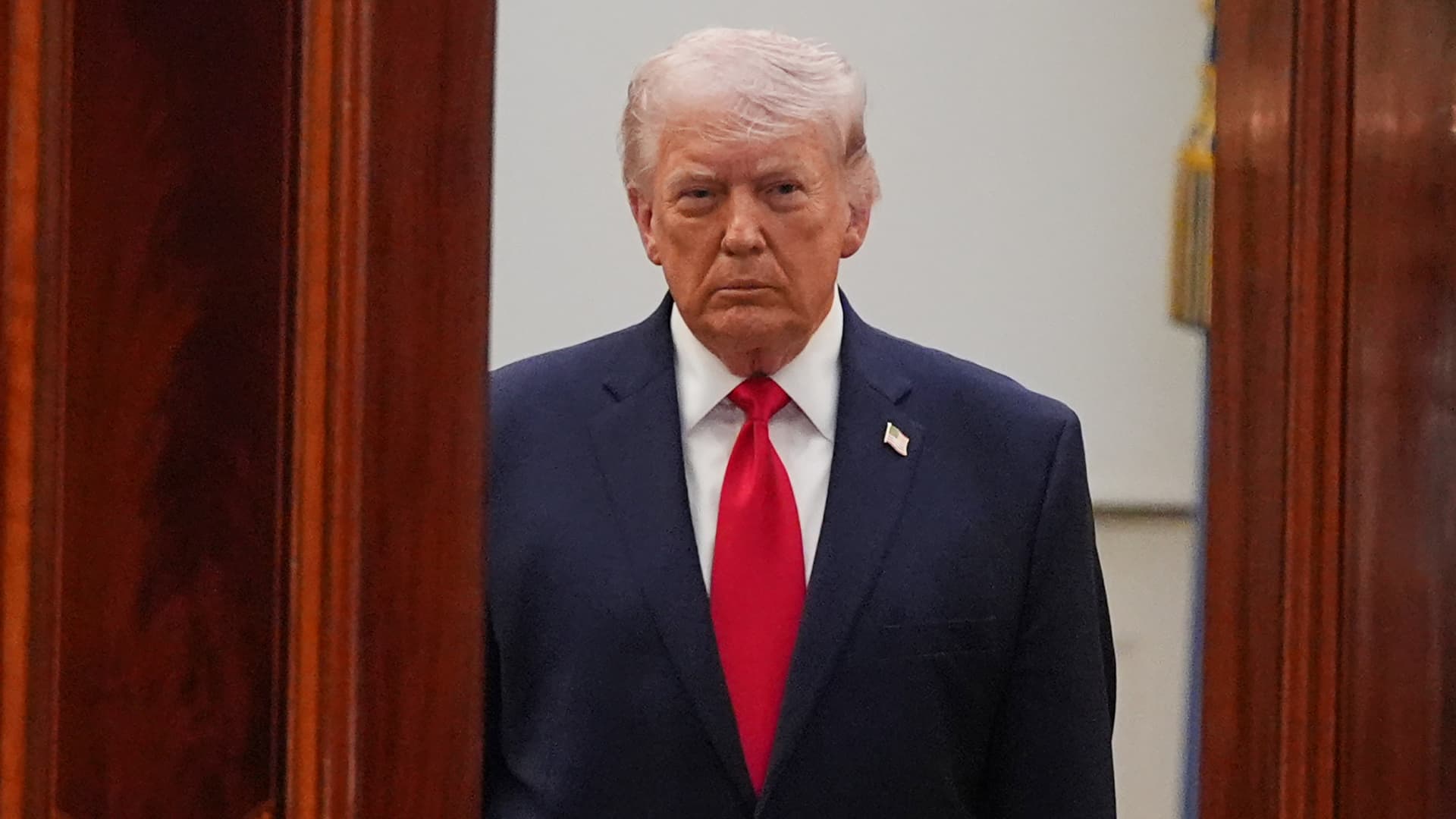
- Prolonged Conflict Impact: Trump's speech indicated that the war with Iran will continue for weeks, with nearly 1 billion barrels of oil expected to be lost by the end of the month, including 600 million barrels of crude and 350 million barrels of refined products, exacerbating deep disruptions to global energy supplies and causing oil prices to surge over 10%.
- Market Reaction: Brent crude prices jumped more than 6% to exceed $107 following Trump's remarks, as the market rapidly priced in expectations of a prolonged conflict, with buyers in Houston willing to pay nearly $120, reflecting concerns over future supply tightness.
- Inventory Pressure: With the ongoing war, a total loss of 630 million barrels of oil and products is forecasted by the end of June, leading to inventory pressures that could see onshore stocks drop to multi-year lows as early as August, intensifying physical tightness in the global market.
- Fuel Shortage Warning: Shell's CEO warned that fuel shortages will first hit South Asia, followed by Southeast Asia and Europe, with U.S. retail gasoline prices expected to surge to $4.25 to $4.45 per gallon in the next two weeks, while diesel prices could rise to $5.80 to $6.05.
See More

US Stocks Plummet as Oil Prices Surge


- Oil Price Surge: Crude oil prices soared over 13% as President Trump took a tougher stance on Iran, reaching a 3.5-week high, which not only heightened inflation fears but also pushed bond yields higher, with the 10-year T-note yield rising by 2 basis points to 4.34%.
- Unemployment Claims Drop: Weekly initial unemployment claims unexpectedly fell by 9,000 to 202,000, indicating a stronger labor market than the anticipated increase to 212,000, which could provide support for the stock market amid rising inflation concerns.
- Global Market Decline: Overseas stock markets are lower, with the Euro Stoxx 50 down 2.25%, China's Shanghai Composite down 0.74%, and Japan's Nikkei 225 sharply falling 2.38% from a two-week high, reflecting global economic uncertainty and investor caution.
- Airline Stocks Plummet: Airline stocks are sharply lower as crude oil prices surged over 10%, raising fuel costs; United Airlines and American Airlines Group both fell more than 6%, highlighting the direct impact of rising oil prices on airline profitability.
See More

Analysis of XLE ETF Trading Dynamics


- 52-Week Price Range: The XLE ETF has a 52-week low of $37.245 and a high of $63.46, with the latest trade at $59.83, indicating a relatively strong performance in the current market environment.
- Technical Analysis Tool: Comparing the latest share price to the 200-day moving average provides investors with valuable insights for technical analysis, aiding in the assessment of market trends and potential buy or sell opportunities.
- ETF Unit Trading Mechanism: ETFs trade similarly to stocks, where investors are buying and selling 'units' that can be created or destroyed based on investor demand, impacting the ETF's liquidity and market performance.
- Inflows and Outflows Monitoring: Weekly monitoring of changes in shares outstanding helps identify ETFs experiencing notable inflows (new units created) or outflows (old units destroyed), allowing for an assessment of their impact on underlying assets and market trends.
See More

Trump Claims Iran War Will End Soon Amid Oil Price Surge
- Oil Price Surge: Since the U.S. and Israel launched strikes on Iran on February 28, global benchmark Brent crude oil prices have surged over 60% in March, marking the largest monthly gain since the 1980s, indicating the war's profound impact on the global energy market.
- Demand Destruction Risk: High oil prices could lead to significant declines in fuel demand in the U.S. and emerging markets, with analysts warning that prolonged low Middle Eastern oil exports may push consumers towards electric or more fuel-efficient vehicles, thereby affecting overall market demand.
- Market Reaction: Following Trump's speech claiming the war would end in 2-3 weeks, oil prices spiked, with Brent crude rising over 6.5% to around $107.79 per barrel, reflecting market concerns over future supply.
- Government Interventions: Countries like Germany and Australia have implemented measures to curb rising fuel prices, with Germany limiting daily price hikes at gas stations and Australia launching a national fuel security plan, highlighting governments' focus on potential energy crises.
See More

Asia-Pacific Markets Decline as Oil Prices Surge
- Oil Price Surge Impact: Following Trump's address on the Iran war, oil prices surged, with U.S. crude futures rising 6% to $106.39 and global benchmark Brent increasing 6.7% to $107.97, leading to widespread declines in Asia-Pacific markets.
- Korean Market Plunge: The KOSPI index in South Korea dropped 4.47% to close at 5,234.05, making it the worst-performing market in the region despite opening over 1% higher.
- Japanese Market Reaction: Japan's Nikkei 225 fell 2.38% to 52,463.27 after Trump's speech, indicating the market's sensitivity to geopolitical tensions.
- U.S. Futures Decline: U.S. stock futures fell broadly, with S&P 500 and Nasdaq-100 futures down over 1%, and Dow futures dropping 439 points, reflecting investor anxiety about future market conditions.
See More
U.S. Crude Oil Contract Hits Historic Premium
- Historic Premium: The nearest U.S. crude oil delivery contract traded at a historic premium, with May West Texas Intermediate prices rising over 11% to close at $111.54 per barrel, more than $13 above the June price, indicating market expectations of tight future supply.
- Price Volatility Impact: Following President Trump's declaration of military action against Iran, oil prices experienced significant volatility, closing at $100.12 per barrel on Wednesday before rebounding sharply, reflecting investor disappointment over the lack of a quick resolution to the conflict.
- Brent Oil Surge: The spot price for Brent crude soared to $141.36 per barrel, the highest since the 2008 financial crisis, indicating strong market demand and tight physical supply due to the disruption caused by Iran's closure of the Strait of Hormuz.
- Market Sentiment Shift: The market's reaction to Trump's speech revealed a shift in investor sentiment, with many shorts covering positions after the address, leading to a rise in May contract prices and reflecting an optimistic outlook for future oil prices.
See More
Trump's Speech Triggers Surge in Oil Prices
- Prolonged Conflict Impact: Trump's speech indicated that the war with Iran will continue for weeks, with nearly 1 billion barrels of oil expected to be lost by the end of the month, including 600 million barrels of crude and 350 million barrels of refined products, exacerbating deep disruptions to global energy supplies and causing oil prices to surge over 10%.
- Market Reaction: Brent crude prices jumped more than 6% to exceed $107 following Trump's remarks, as the market rapidly priced in expectations of a prolonged conflict, with buyers in Houston willing to pay nearly $120, reflecting concerns over future supply tightness.
- Inventory Pressure: With the ongoing war, a total loss of 630 million barrels of oil and products is forecasted by the end of June, leading to inventory pressures that could see onshore stocks drop to multi-year lows as early as August, intensifying physical tightness in the global market.
- Fuel Shortage Warning: Shell's CEO warned that fuel shortages will first hit South Asia, followed by Southeast Asia and Europe, with U.S. retail gasoline prices expected to surge to $4.25 to $4.45 per gallon in the next two weeks, while diesel prices could rise to $5.80 to $6.05.
See More
US Stocks Plummet as Oil Prices Surge
- Oil Price Surge: Crude oil prices soared over 13% as President Trump took a tougher stance on Iran, reaching a 3.5-week high, which not only heightened inflation fears but also pushed bond yields higher, with the 10-year T-note yield rising by 2 basis points to 4.34%.
- Unemployment Claims Drop: Weekly initial unemployment claims unexpectedly fell by 9,000 to 202,000, indicating a stronger labor market than the anticipated increase to 212,000, which could provide support for the stock market amid rising inflation concerns.
- Global Market Decline: Overseas stock markets are lower, with the Euro Stoxx 50 down 2.25%, China's Shanghai Composite down 0.74%, and Japan's Nikkei 225 sharply falling 2.38% from a two-week high, reflecting global economic uncertainty and investor caution.
- Airline Stocks Plummet: Airline stocks are sharply lower as crude oil prices surged over 10%, raising fuel costs; United Airlines and American Airlines Group both fell more than 6%, highlighting the direct impact of rising oil prices on airline profitability.
See More
Analysis of XLE ETF Trading Dynamics
- 52-Week Price Range: The XLE ETF has a 52-week low of $37.245 and a high of $63.46, with the latest trade at $59.83, indicating a relatively strong performance in the current market environment.
- Technical Analysis Tool: Comparing the latest share price to the 200-day moving average provides investors with valuable insights for technical analysis, aiding in the assessment of market trends and potential buy or sell opportunities.
- ETF Unit Trading Mechanism: ETFs trade similarly to stocks, where investors are buying and selling 'units' that can be created or destroyed based on investor demand, impacting the ETF's liquidity and market performance.
- Inflows and Outflows Monitoring: Weekly monitoring of changes in shares outstanding helps identify ETFs experiencing notable inflows (new units created) or outflows (old units destroyed), allowing for an assessment of their impact on underlying assets and market trends.
See More
Trump Claims Iran War Will End Soon Amid Oil Price Surge
- Oil Price Surge: Since the U.S. and Israel launched strikes on Iran on February 28, global benchmark Brent crude oil prices have surged over 60% in March, marking the largest monthly gain since the 1980s, indicating the war's profound impact on the global energy market.
- Demand Destruction Risk: High oil prices could lead to significant declines in fuel demand in the U.S. and emerging markets, with analysts warning that prolonged low Middle Eastern oil exports may push consumers towards electric or more fuel-efficient vehicles, thereby affecting overall market demand.
- Market Reaction: Following Trump's speech claiming the war would end in 2-3 weeks, oil prices spiked, with Brent crude rising over 6.5% to around $107.79 per barrel, reflecting market concerns over future supply.
- Government Interventions: Countries like Germany and Australia have implemented measures to curb rising fuel prices, with Germany limiting daily price hikes at gas stations and Australia launching a national fuel security plan, highlighting governments' focus on potential energy crises.
See More
Asia-Pacific Markets Decline as Oil Prices Surge
- Oil Price Surge Impact: Following Trump's address on the Iran war, oil prices surged, with U.S. crude futures rising 6% to $106.39 and global benchmark Brent increasing 6.7% to $107.97, leading to widespread declines in Asia-Pacific markets.
- Korean Market Plunge: The KOSPI index in South Korea dropped 4.47% to close at 5,234.05, making it the worst-performing market in the region despite opening over 1% higher.
- Japanese Market Reaction: Japan's Nikkei 225 fell 2.38% to 52,463.27 after Trump's speech, indicating the market's sensitivity to geopolitical tensions.
- U.S. Futures Decline: U.S. stock futures fell broadly, with S&P 500 and Nasdaq-100 futures down over 1%, and Dow futures dropping 439 points, reflecting investor anxiety about future market conditions.
See More