Trillion-Dollar Opportunity in Robotaxis
Written by Emily J. Thompson, Senior Investment Analyst
Updated: 1 hour ago
0mins

Should l Buy NVDA?
Source: NASDAQ.COM
- Massive Market Potential: The robotaxi market in the U.S. is estimated to represent a trillion-dollar opportunity, with Nvidia and Amazon positioned as major winners, as Nvidia's autonomous driving hardware and software are utilized by every major company in the sector, highlighting its central role in the industry.
- Rapid Development of Zoox: Amazon's Zoox has provided over 350,000 autonomous rides in Las Vegas and San Francisco, with plans to expand into Austin and Miami, indicating that it could become a significant revenue stream for Amazon over the next decade.
- Robust Technology Ecosystem: Nvidia's graphics processing units and software ecosystem lead the industry in accelerating AI workloads, with projections that robotaxis could generate hundreds of billions in revenue for the company over the next decade, showcasing its growth potential.
- Competitive Market Landscape: Morgan Stanley forecasts that by 2032, Zoox will account for 12% of the autonomous ride market, ranking fourth behind Alphabet's Waymo, Tesla, and Uber, underscoring its significance in the future market dynamics.
Trade with 70% Backtested Accuracy
Stop guessing "Should I Buy NVDA?" and start using high-conviction signals backed by rigorous historical data.
Sign up today to access powerful investing tools and make smarter, data-driven decisions.
Analyst Views on NVDA
Wall Street analysts forecast NVDA stock price to rise
41 Analyst Rating
39 Buy
1 Hold
1 Sell
Strong Buy
Current: 165.170

Low
200.00
Averages
264.97
High
352.00
Current: 165.170
Low
200.00
Averages
264.97
High
352.00
About NVDA
NVIDIA Corporation is an artificial intelligence (AI) infrastructure company. The Company is engaged in accelerated computing to help solve the challenging computational problems. Its segments include Compute & Networking and Graphics. The Compute & Networking segment includes its Data Center accelerated computing and networking platforms and AI solutions and software, and automotive platforms and autonomous and electric vehicle solutions, including software. The Graphics segment includes GeForce GPUs for gaming and personal computers (PCs), and Quadro/NVIDIA RTX GPUs for enterprise workstation graphics. Its technology stack includes the foundational NVIDIA CUDA development platform that runs on all NVIDIA GPUs, as well as hundreds of domain-specific software libraries, frameworks, algorithms, software development kits (SDKs), and application programming interfaces (APIs). Its platforms address four markets, which include Data Center, Gaming, Professional Visualization, and Automotive.
About the author

Emily J. Thompson
Emily J. Thompson, a Chartered Financial Analyst (CFA) with 12 years in investment research, graduated with honors from the Wharton School. Specializing in industrial and technology stocks, she provides in-depth analysis for Intellectia’s earnings and market brief reports.

Nvidia Reports 65% Revenue Growth in Fiscal 2026

- Significant Revenue Growth: Nvidia reported a revenue of $215.9 billion for fiscal 2026, reflecting a 65% year-over-year increase, despite a 10.2% decline in stock price so far in 2026, indicating market concerns about the sustainability of AI infrastructure spending.
- Robust AI Demand Outlook: CEO Jensen Huang announced at the GTC AI Conference that demand for AI systems is projected to reach at least $1 trillion in 2026 and 2027, a substantial increase from the previous estimate of $500 billion, highlighting the long-term trend in AI infrastructure development.
- Diversified Customer Base: Nvidia's business is composed of 60% from hyperscalers and 40% from enterprises, sovereign AI projects, startups, and emerging applications, ensuring that the company is not overly reliant on any single industry, thereby mitigating market risks.
- Continuous Product Innovation: Nvidia is actively launching new products, with ongoing deployments of Hopper systems and ramping up Blackwell systems, while future platforms like Rubin and Feynman are already in development, enhancing the company's competitive edge in the market.
See More
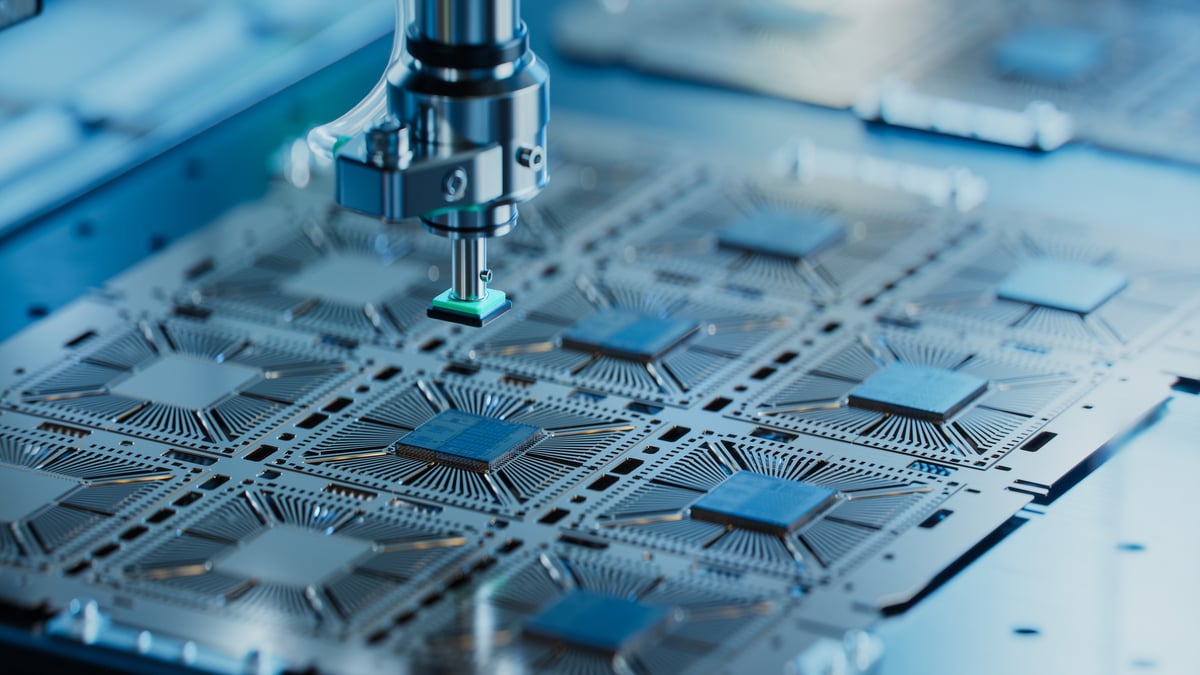
Investors Remain Bullish on Artificial Intelligence Stocks
- Investor Confidence: According to recent research by The Motley Fool, 59% of investors surveyed on March 3, 2026, hold AI stocks, indicating strong investor confidence in AI despite the tech sector's slump.
- Youth Engagement: The survey reveals that Gen Z and millennials have the highest AI stock ownership rates at 67% and 66%, respectively, highlighting the younger generation's keen interest and willingness to invest in future technologies.
- Major Investment Plans: Leading tech giants like Alphabet, Amazon, Meta, and Microsoft are projected to spend between $600 billion and $700 billion on AI data centers by 2026, reflecting their commitment to the AI sector and confidence in future growth.
- Nvidia's Success Story: Nvidia's stock has surged 1,190% over the past five years, exemplifying a successful investment in AI infrastructure, which encourages investors to consider opportunities in this rapidly evolving field.
See More

Shift in China's AI Chip Market Dynamics

- Market Share Shift: By 2025, Chinese GPU and AI chip makers captured 41% of the AI accelerator server market, significantly narrowing Nvidia's once-dominant position, indicating the rapid rise of local companies in market competition.
- Shipment Data: Total shipments of AI accelerator cards by Nvidia, AMD, and Chinese chipmakers reached approximately 4 million units in 2025, with Nvidia shipping nearly 2.2 million cards for a 55% market share, reflecting a decline from its previous dominance amid increasing competition.
- Local Vendor Performance: Huawei led among Chinese vendors with approximately 812,000 AI chips shipped, accounting for nearly half of all local branded shipments, showcasing its strong influence in the domestic market.
- Policy Incentives: In 2025, Beijing unveiled a new wave of AI infrastructure spending, with local governments boosting intelligent computing centers, many of which carried implicit directives to “buy Chinese,” further promoting the use of domestic chips.
See More

Big Tech Continues Billions in AI Data Center Investments

- AI Infrastructure Investment Surge: Statista projects that AI infrastructure investment will reach $902 billion by 2029, a significant increase from $334 billion in 2025, indicating sustained demand and enthusiasm for AI technologies in the market.
- Nvidia's Market Dominance: Nvidia's data center business accounted for over 90% of its revenue last quarter, growing 75% year-over-year, with an impressive $120 billion net income on $215 billion total revenue, solidifying its core position in AI infrastructure.
- Iren's Power Assurance: Iren has secured over 4.5 gigawatts of power supply and focuses on designing, building, and operating data centers, expecting to achieve an annualized revenue run rate of $3.4 billion by 2026, showcasing its strong capability to meet tech giants' demands.
- Long-Term Investment Potential: Despite significant stock price increases for both Nvidia and Iren, analysts expect Nvidia's earnings to grow by 38% annually over the next five years, while Iren's market valuation still has room for upside, indicating both companies remain attractive in the AI boom.
See More

AI Infrastructure Spending to Reach $902 Billion by 2029
- Market Growth Forecast: Statista projects that AI infrastructure spending will reach $902 billion by 2029, a significant increase from $334 billion in 2025, indicating strong demand and investment potential in AI technologies.
- Nvidia's Market Dominance: Nvidia's data center business accounted for over 90% of its revenue last quarter, growing 75% year-over-year, highlighting its critical role and high margins in the AI infrastructure landscape.
- Iren's Strategic Advantage: Iren has secured over 4.5 gigawatts of power and signed a $9.7 billion contract with Microsoft, expecting to generate $3.4 billion in annualized revenue by 2026, showcasing its strong execution capabilities and market opportunities in data center construction.
- Long-Term Investment Outlook: While Nvidia's valuation reflects strong growth, its projected earnings growth of 38% over the next five years, combined with Iren's untapped market potential, suggests both companies remain compelling investment opportunities amid the AI boom.
See More
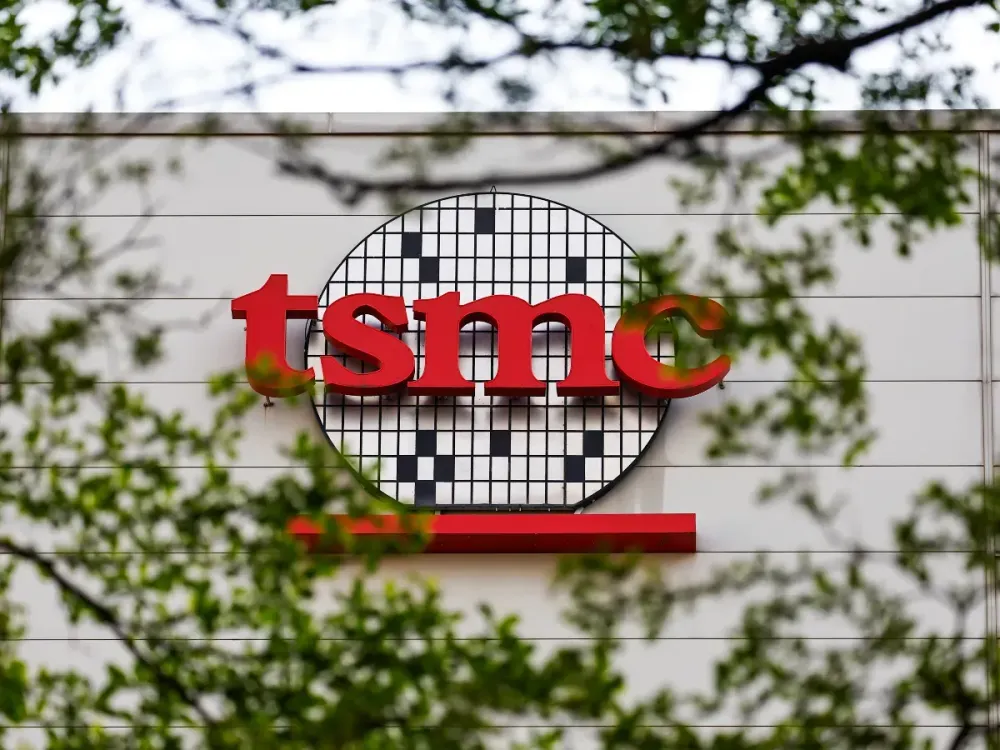
Trump's Remarks Boost Chip Stocks Amid Market Optimism

- Market Optimism: President Trump's statement that the Iran war could end in 'two to three weeks' sparked optimism across the market, leading major chip stocks like Nvidia, Intel, and AMD to rise approximately 0.5% in premarket trading on Wednesday.
- TSMC Expansion Plans: Taiwan Semiconductor Manufacturing Company (TSMC) plans to begin mass production of 3 nm chips at its second Japanese fab in 2028, targeting a monthly output of 15,000 12-inch wafers, marking a significant technological advancement and enhancing its competitive position.
- Broad Market Gains: The optimism surrounding Trump's remarks and the opening of a new quarter led to widespread gains in the stock market, with TSMC climbing 1.2% in premarket trading, reflecting positive sentiment regarding a potential resolution to the U.S.-Iran conflict.
- Retail Sentiment Shift: As of April 1, retail sentiment for TSMC on Stocktwits shifted from 'bearish' to 'neutral', with investors posting about increasing their positions, indicating a growing confidence in the company's future performance.
See More
Nvidia Reports 65% Revenue Growth in Fiscal 2026
- Significant Revenue Growth: Nvidia reported a revenue of $215.9 billion for fiscal 2026, reflecting a 65% year-over-year increase, despite a 10.2% decline in stock price so far in 2026, indicating market concerns about the sustainability of AI infrastructure spending.
- Robust AI Demand Outlook: CEO Jensen Huang announced at the GTC AI Conference that demand for AI systems is projected to reach at least $1 trillion in 2026 and 2027, a substantial increase from the previous estimate of $500 billion, highlighting the long-term trend in AI infrastructure development.
- Diversified Customer Base: Nvidia's business is composed of 60% from hyperscalers and 40% from enterprises, sovereign AI projects, startups, and emerging applications, ensuring that the company is not overly reliant on any single industry, thereby mitigating market risks.
- Continuous Product Innovation: Nvidia is actively launching new products, with ongoing deployments of Hopper systems and ramping up Blackwell systems, while future platforms like Rubin and Feynman are already in development, enhancing the company's competitive edge in the market.
See More
Investors Remain Bullish on Artificial Intelligence Stocks
- Investor Confidence: According to recent research by The Motley Fool, 59% of investors surveyed on March 3, 2026, hold AI stocks, indicating strong investor confidence in AI despite the tech sector's slump.
- Youth Engagement: The survey reveals that Gen Z and millennials have the highest AI stock ownership rates at 67% and 66%, respectively, highlighting the younger generation's keen interest and willingness to invest in future technologies.
- Major Investment Plans: Leading tech giants like Alphabet, Amazon, Meta, and Microsoft are projected to spend between $600 billion and $700 billion on AI data centers by 2026, reflecting their commitment to the AI sector and confidence in future growth.
- Nvidia's Success Story: Nvidia's stock has surged 1,190% over the past five years, exemplifying a successful investment in AI infrastructure, which encourages investors to consider opportunities in this rapidly evolving field.
See More
Shift in China's AI Chip Market Dynamics
- Market Share Shift: By 2025, Chinese GPU and AI chip makers captured 41% of the AI accelerator server market, significantly narrowing Nvidia's once-dominant position, indicating the rapid rise of local companies in market competition.
- Shipment Data: Total shipments of AI accelerator cards by Nvidia, AMD, and Chinese chipmakers reached approximately 4 million units in 2025, with Nvidia shipping nearly 2.2 million cards for a 55% market share, reflecting a decline from its previous dominance amid increasing competition.
- Local Vendor Performance: Huawei led among Chinese vendors with approximately 812,000 AI chips shipped, accounting for nearly half of all local branded shipments, showcasing its strong influence in the domestic market.
- Policy Incentives: In 2025, Beijing unveiled a new wave of AI infrastructure spending, with local governments boosting intelligent computing centers, many of which carried implicit directives to “buy Chinese,” further promoting the use of domestic chips.
See More
Big Tech Continues Billions in AI Data Center Investments
- AI Infrastructure Investment Surge: Statista projects that AI infrastructure investment will reach $902 billion by 2029, a significant increase from $334 billion in 2025, indicating sustained demand and enthusiasm for AI technologies in the market.
- Nvidia's Market Dominance: Nvidia's data center business accounted for over 90% of its revenue last quarter, growing 75% year-over-year, with an impressive $120 billion net income on $215 billion total revenue, solidifying its core position in AI infrastructure.
- Iren's Power Assurance: Iren has secured over 4.5 gigawatts of power supply and focuses on designing, building, and operating data centers, expecting to achieve an annualized revenue run rate of $3.4 billion by 2026, showcasing its strong capability to meet tech giants' demands.
- Long-Term Investment Potential: Despite significant stock price increases for both Nvidia and Iren, analysts expect Nvidia's earnings to grow by 38% annually over the next five years, while Iren's market valuation still has room for upside, indicating both companies remain attractive in the AI boom.
See More
AI Infrastructure Spending to Reach $902 Billion by 2029
- Market Growth Forecast: Statista projects that AI infrastructure spending will reach $902 billion by 2029, a significant increase from $334 billion in 2025, indicating strong demand and investment potential in AI technologies.
- Nvidia's Market Dominance: Nvidia's data center business accounted for over 90% of its revenue last quarter, growing 75% year-over-year, highlighting its critical role and high margins in the AI infrastructure landscape.
- Iren's Strategic Advantage: Iren has secured over 4.5 gigawatts of power and signed a $9.7 billion contract with Microsoft, expecting to generate $3.4 billion in annualized revenue by 2026, showcasing its strong execution capabilities and market opportunities in data center construction.
- Long-Term Investment Outlook: While Nvidia's valuation reflects strong growth, its projected earnings growth of 38% over the next five years, combined with Iren's untapped market potential, suggests both companies remain compelling investment opportunities amid the AI boom.
See More
Trump's Remarks Boost Chip Stocks Amid Market Optimism
- Market Optimism: President Trump's statement that the Iran war could end in 'two to three weeks' sparked optimism across the market, leading major chip stocks like Nvidia, Intel, and AMD to rise approximately 0.5% in premarket trading on Wednesday.
- TSMC Expansion Plans: Taiwan Semiconductor Manufacturing Company (TSMC) plans to begin mass production of 3 nm chips at its second Japanese fab in 2028, targeting a monthly output of 15,000 12-inch wafers, marking a significant technological advancement and enhancing its competitive position.
- Broad Market Gains: The optimism surrounding Trump's remarks and the opening of a new quarter led to widespread gains in the stock market, with TSMC climbing 1.2% in premarket trading, reflecting positive sentiment regarding a potential resolution to the U.S.-Iran conflict.
- Retail Sentiment Shift: As of April 1, retail sentiment for TSMC on Stocktwits shifted from 'bearish' to 'neutral', with investors posting about increasing their positions, indicating a growing confidence in the company's future performance.
See More