Treasury Yields Decline Broadly as Fed Comments Ease Rate Hike Fears
Written by Emily J. Thompson, Senior Investment Analyst
Updated: 1 hour ago
0mins
Should l Buy CME?
Source: CNBC
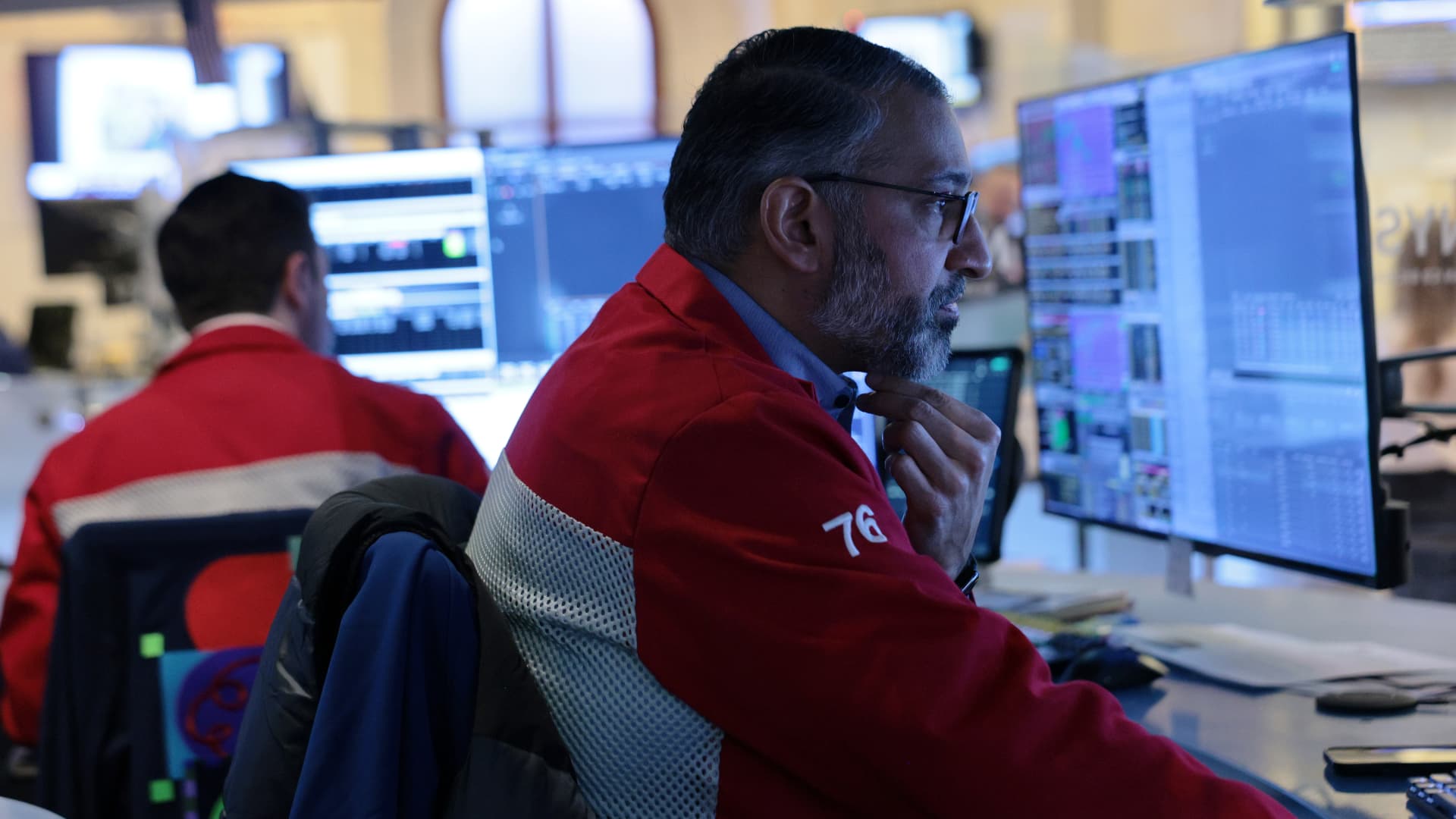
- Treasury Yield Decline: The benchmark 10-year Treasury yield fell by 10 basis points to 4.334%, while the 30-year yield dropped over 8 basis points to 4.899%, and the 2-year yield decreased by more than 9 basis points to 3.822%, indicating a reduction in market concerns over rate hikes.
- Fed Chair's Remarks: Fed Chair Jerome Powell stated that inflation expectations appear well anchored in the short term, although future policy adjustments may be necessary, which has lowered rate hike expectations for this year in the market.
- Geopolitical Impact: The surge in oil prices due to the U.S.-Iran conflict has raised concerns that the Fed might need to increase rates to combat inflation; however, Powell's comments have temporarily eased these tensions in the market.
- Focus on Employment Data: Investors are awaiting upcoming employment reports, including the Job Openings and Labor Turnover Survey (JOLTS) on Tuesday and the nonfarm payrolls report on Friday, which will provide insights into the economic impact of the ongoing conflict.
Trade with 70% Backtested Accuracy
Stop guessing "Should I Buy CME?" and start using high-conviction signals backed by rigorous historical data.
Sign up today to access powerful investing tools and make smarter, data-driven decisions.
Analyst Views on CME
Wall Street analysts forecast CME stock price to fall
10 Analyst Rating
4 Buy
4 Hold
2 Sell
Hold
Current: 293.780

Low
209.00
Averages
285.90
High
320.00
Current: 293.780
Low
209.00
Averages
285.90
High
320.00
About CME
CME Group Inc. provides a derivatives marketplace. The Company enables clients to trade futures, options, cash and over the counter (OTC) markets, optimize portfolios, and analyze data. It exchanges offer a range of global benchmark products across all major asset classes based on interest rates, equity indexes, foreign exchange (FX), energy, agricultural products and metals. It offers futures and options on futures trading through the CME Globex platform, fixed income trading via BrokerTec and FX trading on the EBS platform. In addition, it operates central counterparty clearing provider, CME Clearing. Its products provide a means for hedging, speculation and asset allocation related to the risks associated with, among other things, interest rate sensitive instruments, and changes in the prices of agricultural, energy and metal commodities. It provides clearing and settlement services for a range of exchange-traded futures and options on futures contracts and OTC derivatives.
About the author

Emily J. Thompson
Emily J. Thompson, a Chartered Financial Analyst (CFA) with 12 years in investment research, graduated with honors from the Wharton School. Specializing in industrial and technology stocks, she provides in-depth analysis for Intellectia’s earnings and market brief reports.
Treasury Yields Decline Broadly as Fed Comments Ease Rate Hike Fears

- Treasury Yield Decline: The benchmark 10-year Treasury yield fell by 10 basis points to 4.334%, while the 30-year yield dropped over 8 basis points to 4.899%, and the 2-year yield decreased by more than 9 basis points to 3.822%, indicating a reduction in market concerns over rate hikes.
- Fed Chair's Remarks: Fed Chair Jerome Powell stated that inflation expectations appear well anchored in the short term, although future policy adjustments may be necessary, which has lowered rate hike expectations for this year in the market.
- Geopolitical Impact: The surge in oil prices due to the U.S.-Iran conflict has raised concerns that the Fed might need to increase rates to combat inflation; however, Powell's comments have temporarily eased these tensions in the market.
- Focus on Employment Data: Investors are awaiting upcoming employment reports, including the Job Openings and Labor Turnover Survey (JOLTS) on Tuesday and the nonfarm payrolls report on Friday, which will provide insights into the economic impact of the ongoing conflict.
See More
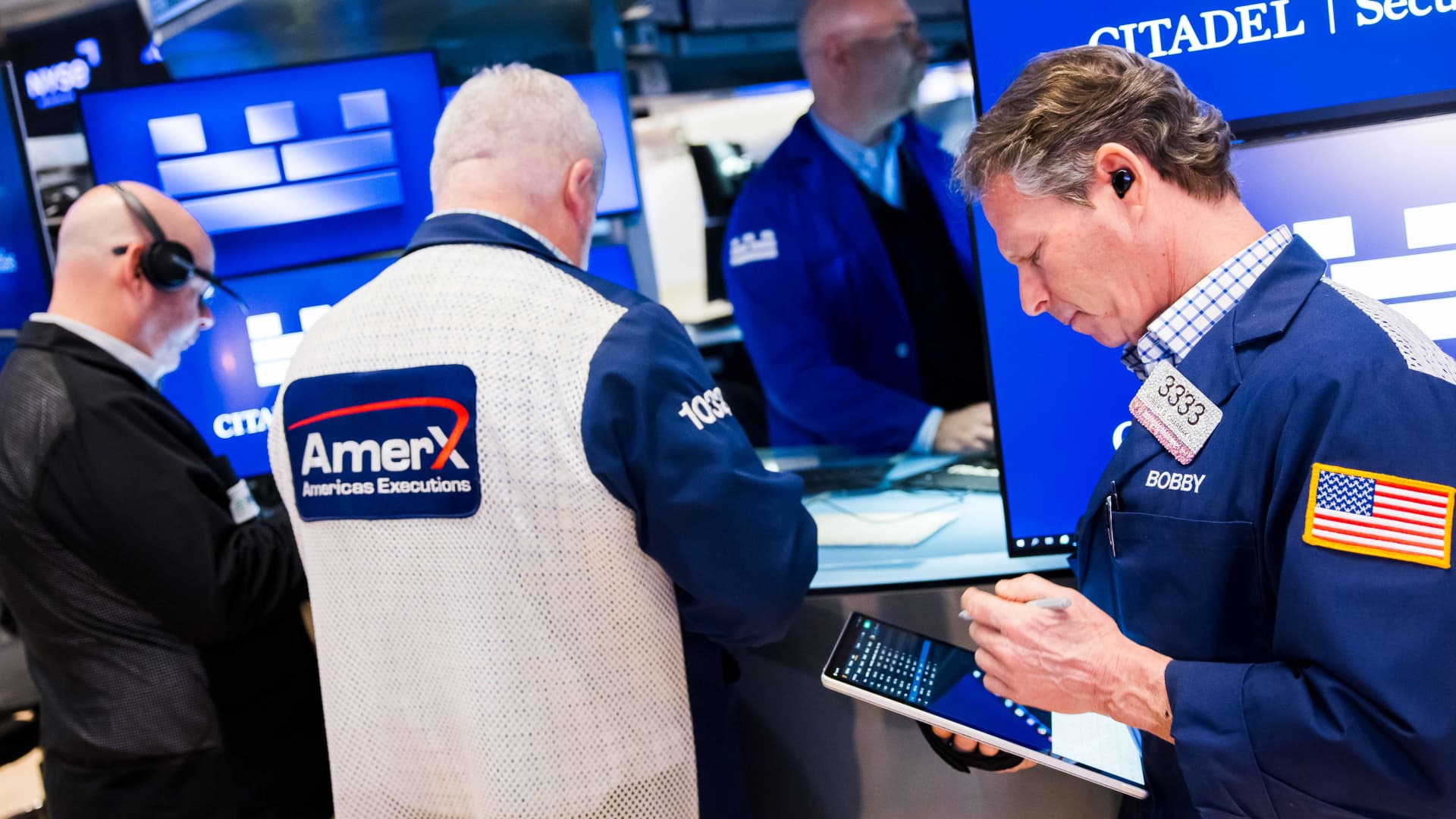
Markets Misinterpret Fed's Rate Hike Signals Amid Oil Price Surge
- Market Expectation Volatility: Investors have rapidly shifted their expectations regarding U.S. interest rates, with the CME Group's FedWatch tool indicating that futures markets implied over a 50% chance of a rate hike by the end of 2026 on Friday, which fell to about 14% by Monday morning, reflecting an overreaction to rate hike signals.
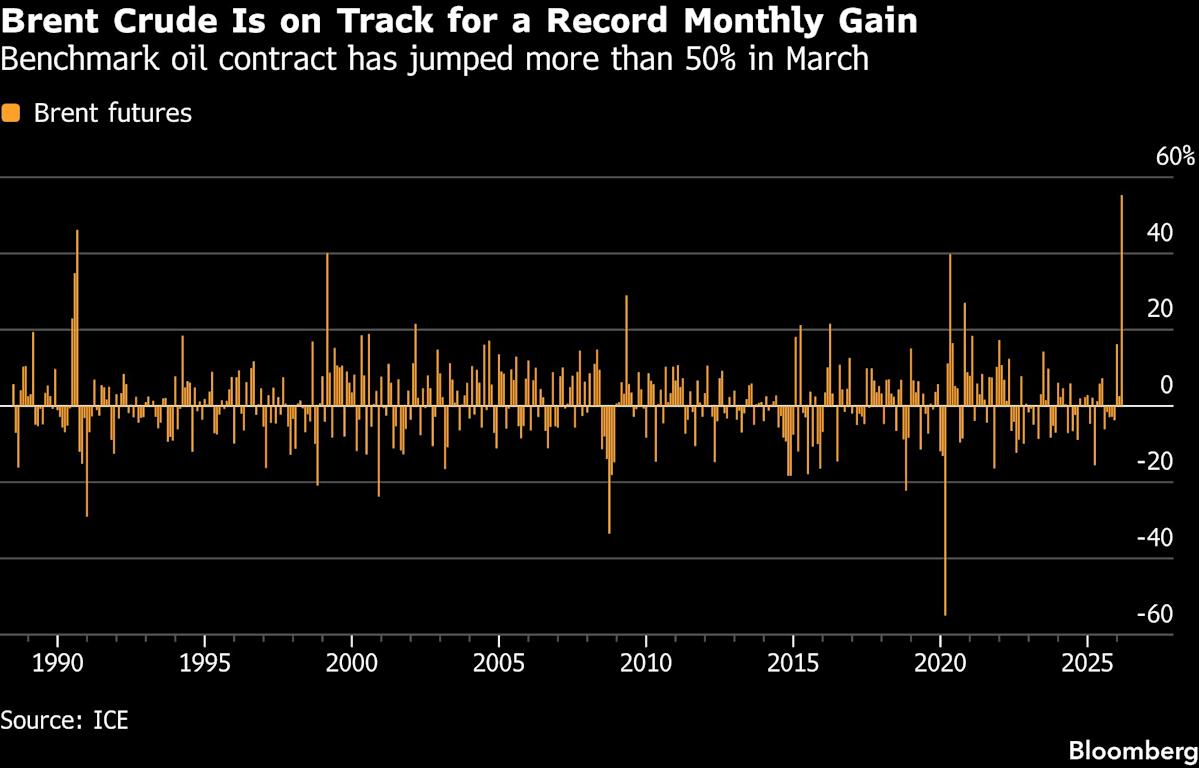
- Impact of Surging Oil Prices: Global Brent crude prices have surged above $115 per barrel due to the ongoing Iran war, exacerbating inflation concerns and prompting investors to question whether the Fed might tighten monetary policy again despite signs of slowing growth.
- Historical Lessons: Goldman Sachs highlights the cautionary tale of the 1990 oil shock, where markets initially anticipated a hawkish Fed response but ultimately saw rate cuts as economic conditions worsened, suggesting that current market pricing may be misaligned with historical precedents.
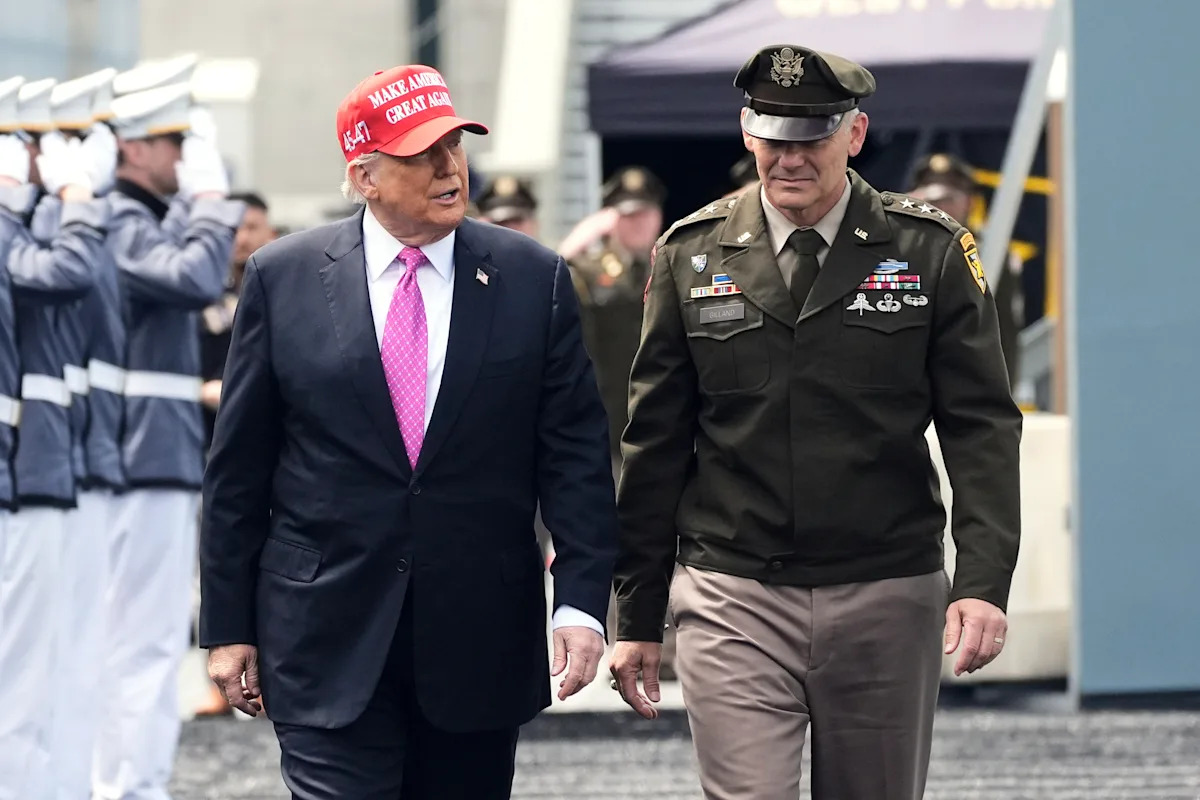
- Political Factors at Play: President Trump indicated that an end to the conflict with Iran may be near, although he warned that if a peace deal is not reached soon, the U.S. would attack key Iranian energy infrastructure, which could further influence oil price movements.
See More

Zacks Research Daily: Major Stock Analyses

- Palantir's Strong Performance: Palantir's shares have surged 71.9% over the past year, significantly outperforming the Internet Software industry at -6.8%, driven by a robust AI strategy that enhances service capabilities for government and commercial clients, although the lack of dividends may deter income-focused investors.
- Linde's Consistent Growth: Linde's shares increased by 4.0% over the past year, outperforming the Chemical Specialty industry at 0.8%, supported by a stable project pipeline and strong capital discipline, yet a weak outlook for Europe and falling helium prices could pressure future growth.
- Arista's Resilient Performance: Arista's shares have outperformed the Internet Software industry over the past six months, despite intense competition in cloud networking, with innovative products and steady customer additions driving revenue growth, though rising costs and supply chain constraints pose risks.
- Comstock's Strong Execution: Comstock's shares have soared 225.7% over the past two years, far exceeding the Building Products industry at -29.3%, benefiting from strong execution in transit-oriented projects and strategic acquisitions that enhance brand value and income, although rising labor costs and weak cash flow may pressure margins.
See More
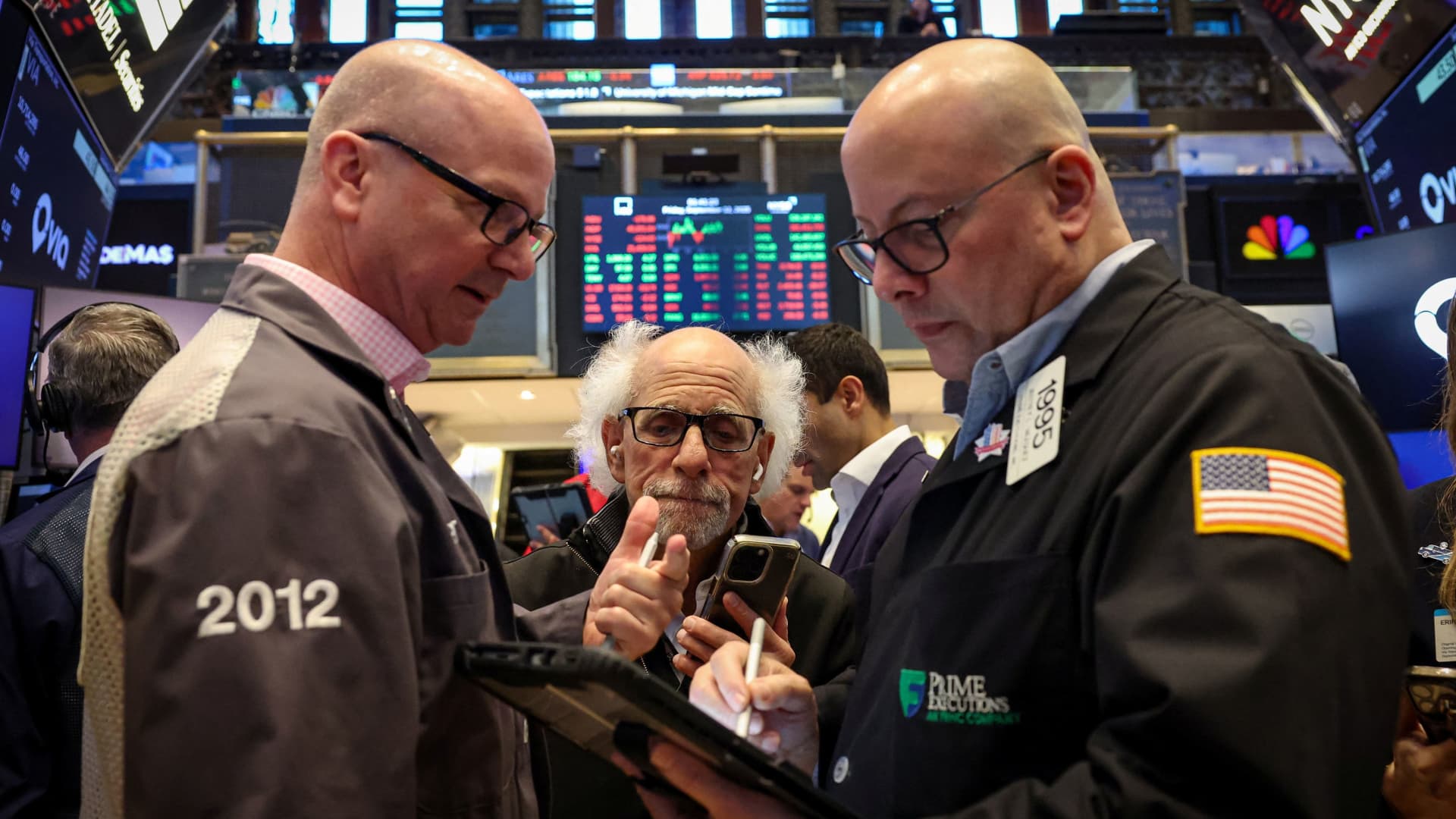
Trump Extends Iran Energy Attack Deadline, Market Reaction Mixed
- Market Reaction Weakens: Trump's extension of the deadline to attack Iranian energy infrastructure to April 6 initially boosted stock futures as oil prices fell, but investor anxiety about the situation kept the market under pressure.
- Geopolitical Risks Escalate: Iran's foreign minister stated that Tehran does not intend to negotiate with the U.S., and the Pentagon is considering sending an additional 10,000 troops to the Middle East, raising concerns about further conflict escalation and impacting investor confidence.
- Economic Growth Outlook Downgraded: The Atlanta Federal Reserve's GDPNow tracker shows first-quarter growth expectations have been revised down from 3.1% to 2%, reflecting investor worries about the war's impact on the U.S. and global economy.
- Inflation Concerns Rise: With rising energy prices, the CME Group's FedWatch tool indicates a 52% probability of a rate hike by year-end, intensifying fears regarding the economic outlook and the potential for stagflation.
See More
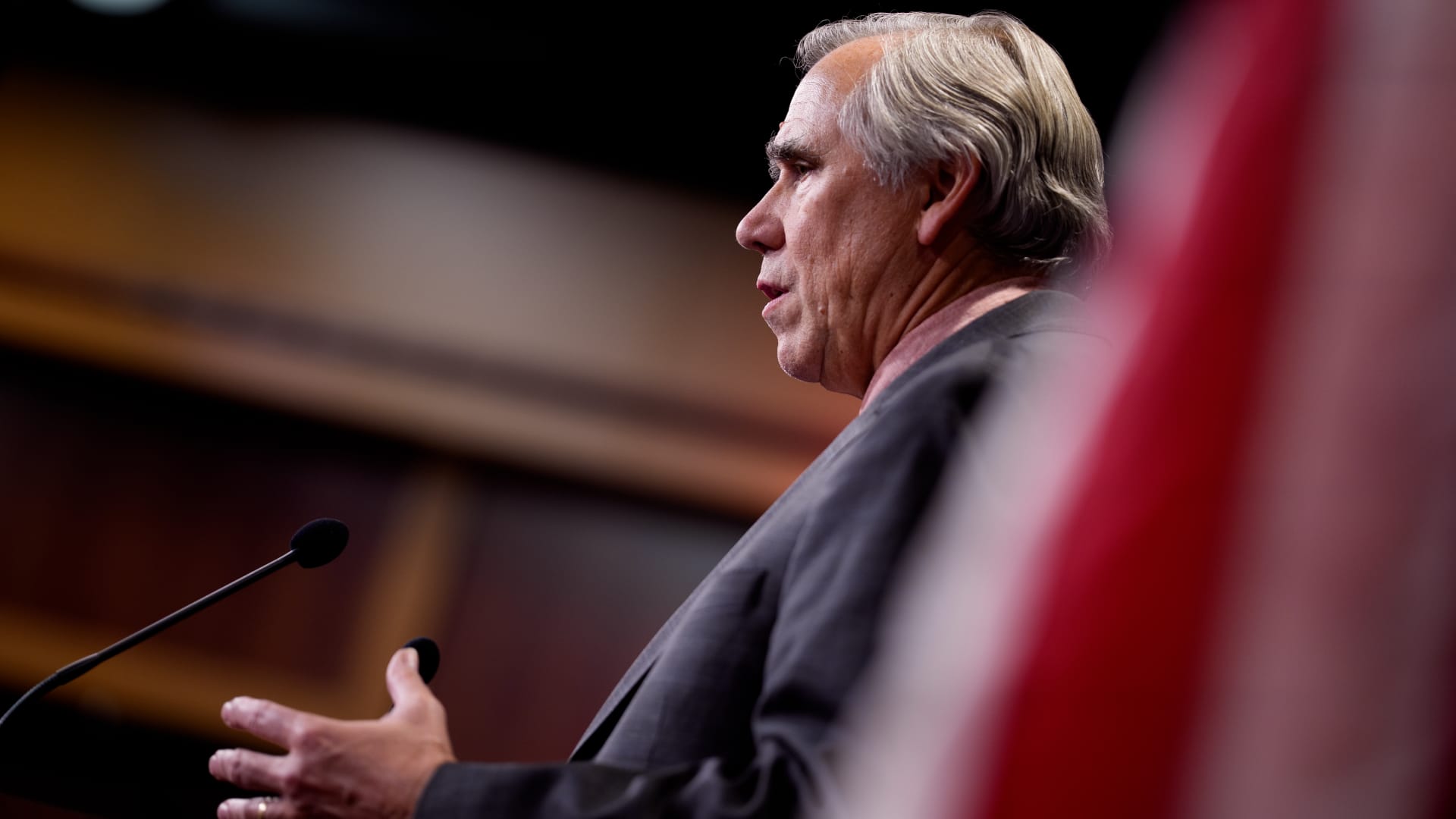
Legislation Introduced to Ban Election Prediction Market Bets


- Legislative Proposal: Senators Jeff Merkley and Elizabeth Warren, along with Rep. Jamie Raskin, have introduced the STOP Corrupt Bets Act, aimed at banning prediction market bets on elections, government actions, and sports, highlighting increasing scrutiny on these platforms.
- Corruption Risks: Merkley emphasized that allowing individuals to place well-timed bets on congressional bills or military actions creates ripe conditions for corruption and undermines public trust, potentially affecting the integrity of democratic institutions.
- Market Regulation: The new bill imposes broader restrictions on prediction markets than previous measures, clarifying that these markets contradict the intent of federal trading laws and returning regulatory power over gambling to the states, addressing existing legal loopholes.
- Industry Response: Prediction market platform Kalshi criticized the legislation, claiming it is driven by casino interests threatened by competition, reflecting strong opposition within the industry and concerns about the future of prediction markets.
See More

Senators Push to Ban Sports Prediction Markets Amid Insider Trading Concerns

- Legislative Proposal: Senators Adam Schiff and John Curtis introduced the Prediction Markets are Gambling Act, aiming to transfer regulatory control of sports betting and casino-style games to states rather than federal agencies, which could significantly alter the existing market structure.
- Insufficient Self-Regulation: Despite Kalshi and Polymarket announcing new rules to restrict relevant individuals from betting on their platforms, Schiff argues that these measures are inadequate, emphasizing the need for stricter oversight to prevent insider trading and market manipulation.
- Market Risk Warning: Schiff cautioned that current regulations fail to effectively address the potential risks of insider trading, particularly with the application of blockchain technology, which could lead to unregulated gambling activities that undermine market fairness.
- Economic Impact Analysis: Research from the Federal Reserve Bank of New York indicates that while only about 3% of the population engages in sports betting post-legalization, overall credit delinquency rises by 0.3 percentage points, highlighting the potential negative impact of widespread gambling on household financial stability.
See More
Treasury Yields Decline Broadly as Fed Comments Ease Rate Hike Fears
- Treasury Yield Decline: The benchmark 10-year Treasury yield fell by 10 basis points to 4.334%, while the 30-year yield dropped over 8 basis points to 4.899%, and the 2-year yield decreased by more than 9 basis points to 3.822%, indicating a reduction in market concerns over rate hikes.
- Fed Chair's Remarks: Fed Chair Jerome Powell stated that inflation expectations appear well anchored in the short term, although future policy adjustments may be necessary, which has lowered rate hike expectations for this year in the market.
- Geopolitical Impact: The surge in oil prices due to the U.S.-Iran conflict has raised concerns that the Fed might need to increase rates to combat inflation; however, Powell's comments have temporarily eased these tensions in the market.
- Focus on Employment Data: Investors are awaiting upcoming employment reports, including the Job Openings and Labor Turnover Survey (JOLTS) on Tuesday and the nonfarm payrolls report on Friday, which will provide insights into the economic impact of the ongoing conflict.
See More
Markets Misinterpret Fed's Rate Hike Signals Amid Oil Price Surge
- Market Expectation Volatility: Investors have rapidly shifted their expectations regarding U.S. interest rates, with the CME Group's FedWatch tool indicating that futures markets implied over a 50% chance of a rate hike by the end of 2026 on Friday, which fell to about 14% by Monday morning, reflecting an overreaction to rate hike signals.
- Impact of Surging Oil Prices: Global Brent crude prices have surged above $115 per barrel due to the ongoing Iran war, exacerbating inflation concerns and prompting investors to question whether the Fed might tighten monetary policy again despite signs of slowing growth.
- Historical Lessons: Goldman Sachs highlights the cautionary tale of the 1990 oil shock, where markets initially anticipated a hawkish Fed response but ultimately saw rate cuts as economic conditions worsened, suggesting that current market pricing may be misaligned with historical precedents.
- Political Factors at Play: President Trump indicated that an end to the conflict with Iran may be near, although he warned that if a peace deal is not reached soon, the U.S. would attack key Iranian energy infrastructure, which could further influence oil price movements.
See More
Zacks Research Daily: Major Stock Analyses
- Palantir's Strong Performance: Palantir's shares have surged 71.9% over the past year, significantly outperforming the Internet Software industry at -6.8%, driven by a robust AI strategy that enhances service capabilities for government and commercial clients, although the lack of dividends may deter income-focused investors.
- Linde's Consistent Growth: Linde's shares increased by 4.0% over the past year, outperforming the Chemical Specialty industry at 0.8%, supported by a stable project pipeline and strong capital discipline, yet a weak outlook for Europe and falling helium prices could pressure future growth.
- Arista's Resilient Performance: Arista's shares have outperformed the Internet Software industry over the past six months, despite intense competition in cloud networking, with innovative products and steady customer additions driving revenue growth, though rising costs and supply chain constraints pose risks.
- Comstock's Strong Execution: Comstock's shares have soared 225.7% over the past two years, far exceeding the Building Products industry at -29.3%, benefiting from strong execution in transit-oriented projects and strategic acquisitions that enhance brand value and income, although rising labor costs and weak cash flow may pressure margins.
See More
Trump Extends Iran Energy Attack Deadline, Market Reaction Mixed
- Market Reaction Weakens: Trump's extension of the deadline to attack Iranian energy infrastructure to April 6 initially boosted stock futures as oil prices fell, but investor anxiety about the situation kept the market under pressure.
- Geopolitical Risks Escalate: Iran's foreign minister stated that Tehran does not intend to negotiate with the U.S., and the Pentagon is considering sending an additional 10,000 troops to the Middle East, raising concerns about further conflict escalation and impacting investor confidence.
- Economic Growth Outlook Downgraded: The Atlanta Federal Reserve's GDPNow tracker shows first-quarter growth expectations have been revised down from 3.1% to 2%, reflecting investor worries about the war's impact on the U.S. and global economy.
- Inflation Concerns Rise: With rising energy prices, the CME Group's FedWatch tool indicates a 52% probability of a rate hike by year-end, intensifying fears regarding the economic outlook and the potential for stagflation.
See More
Legislation Introduced to Ban Election Prediction Market Bets
- Legislative Proposal: Senators Jeff Merkley and Elizabeth Warren, along with Rep. Jamie Raskin, have introduced the STOP Corrupt Bets Act, aimed at banning prediction market bets on elections, government actions, and sports, highlighting increasing scrutiny on these platforms.
- Corruption Risks: Merkley emphasized that allowing individuals to place well-timed bets on congressional bills or military actions creates ripe conditions for corruption and undermines public trust, potentially affecting the integrity of democratic institutions.
- Market Regulation: The new bill imposes broader restrictions on prediction markets than previous measures, clarifying that these markets contradict the intent of federal trading laws and returning regulatory power over gambling to the states, addressing existing legal loopholes.
- Industry Response: Prediction market platform Kalshi criticized the legislation, claiming it is driven by casino interests threatened by competition, reflecting strong opposition within the industry and concerns about the future of prediction markets.
See More
Senators Push to Ban Sports Prediction Markets Amid Insider Trading Concerns
- Legislative Proposal: Senators Adam Schiff and John Curtis introduced the Prediction Markets are Gambling Act, aiming to transfer regulatory control of sports betting and casino-style games to states rather than federal agencies, which could significantly alter the existing market structure.
- Insufficient Self-Regulation: Despite Kalshi and Polymarket announcing new rules to restrict relevant individuals from betting on their platforms, Schiff argues that these measures are inadequate, emphasizing the need for stricter oversight to prevent insider trading and market manipulation.
- Market Risk Warning: Schiff cautioned that current regulations fail to effectively address the potential risks of insider trading, particularly with the application of blockchain technology, which could lead to unregulated gambling activities that undermine market fairness.
- Economic Impact Analysis: Research from the Federal Reserve Bank of New York indicates that while only about 3% of the population engages in sports betting post-legalization, overall credit delinquency rises by 0.3 percentage points, highlighting the potential negative impact of widespread gambling on household financial stability.
See More