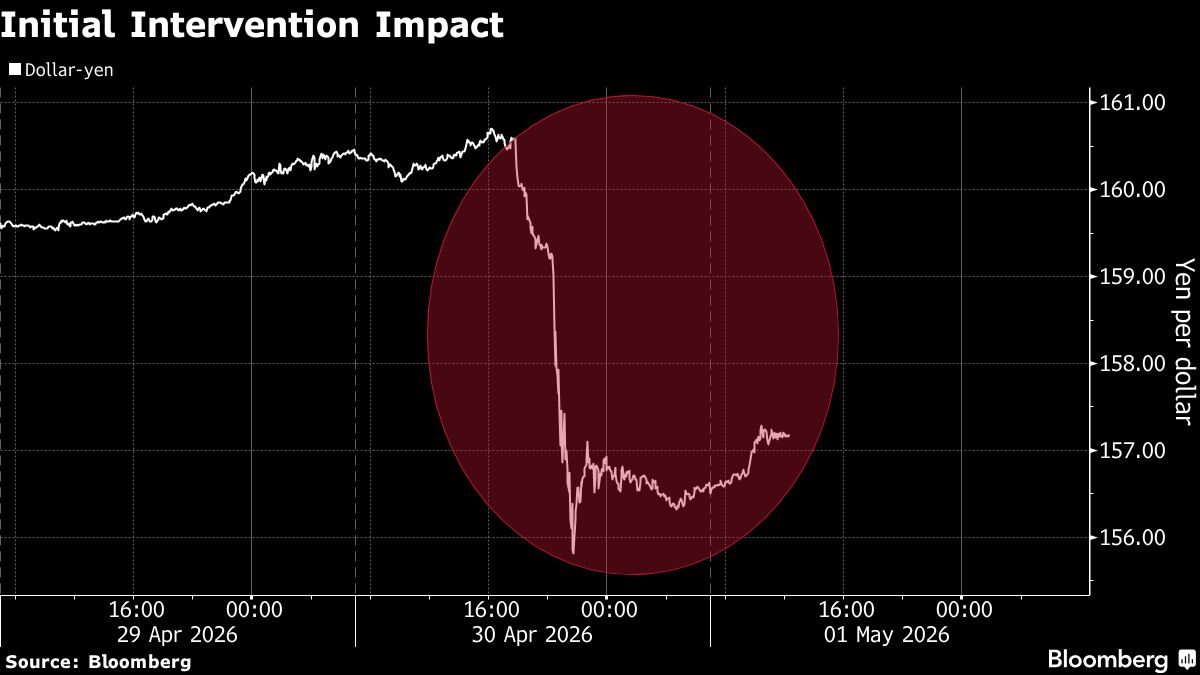
Toyota Gains Edge Over BYD in Japan's EV Market
Written by Emily J. Thompson, Senior Investment Analyst
Updated: Apr 07 2026
0mins
Should l Buy TM?
Source: seekingalpha
- Government Subsidy Advantage: Toyota's competitive edge in Japan's EV market has significantly improved due to government subsidies for its models increasing to ¥1.3 million ($8,188), compared to BYD's ¥350,000–¥450,000 ($2,204–$2,834), providing a nearly $6,000 advantage that enhances consumer purchasing willingness.
- Sales Comparison: Although BYD led in 2024 with 2,223 units sold, Toyota sold over 2,000 bZ4X units in February 2026, marking its fourth consecutive month as the top-selling domestic EV brand, indicating rapid growth in market share.
- Market Dynamics Shift: The strong sales of Toyota's updated bZ4X SUV, combined with supportive government policies, have provided a significant pricing advantage in the competitive EV market, further solidifying its market position.
- Future Outlook: Toyota's success relies not only on current subsidy policies but also reflects its strategic investments and innovation capabilities in the EV sector, signaling potential for further international expansion in the future.
Trade with 70% Backtested Accuracy
Stop guessing "Should I Buy TM?" and start using high-conviction signals backed by rigorous historical data.
Sign up today to access powerful investing tools and make smarter, data-driven decisions.
Analyst Views on TM
About TM
Toyota Motor Corp is a Japan-based company mainly engaged in the automotive business, as well as financial services and other businesses. It operates through three business segments. The Automotive segment designs, manufactures, and sells automobiles, including sedans, minivans, compact cars, sport utility vehicles (SUVs), and trucks, as well as related parts and accessories. The Financial Services segment provides financing and vehicle leasing services to complement the sales of automobiles and other products manufactured by itself and its affiliates. The Other segment engages in information and communications services. It also oversees manufacturing and sales companies, conducts public relations and research activities, oversees financial companies, and develops various mobility products, primarily software.
About the author

Emily J. Thompson
Emily J. Thompson, a Chartered Financial Analyst (CFA) with 12 years in investment research, graduated with honors from the Wharton School. Specializing in industrial and technology stocks, she provides in-depth analysis for Intellectia’s earnings and market brief reports.
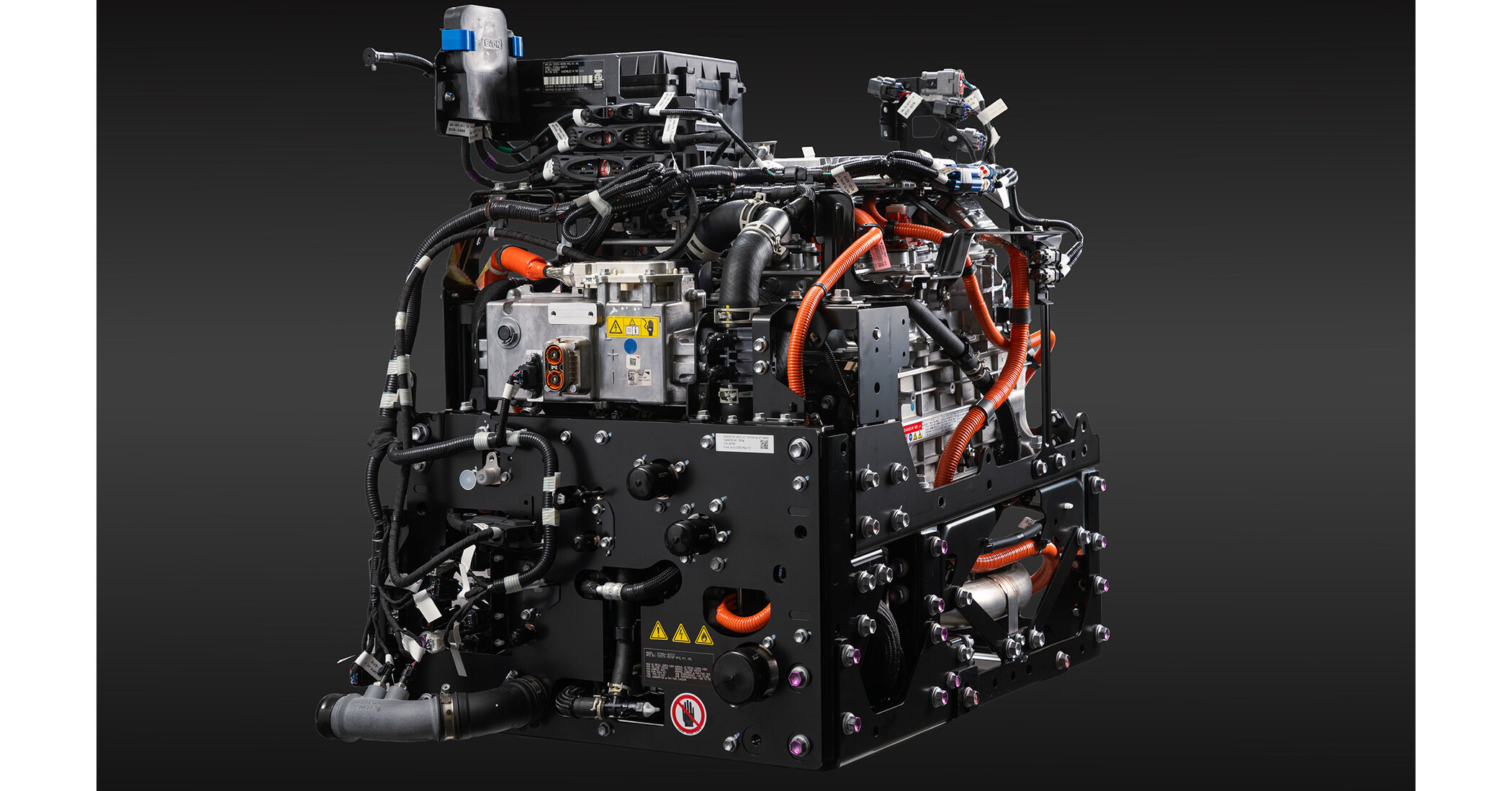
Toyota Hydrogen Solutions Achieves Key Certifications for Fuel Cells

- Certification Milestone: Toyota Hydrogen Solutions' fuel cells have achieved ANSI/CSA FC 1 and FC 6 certifications, marking a significant advancement in compliance and safety for fixed generators in North America, thereby enhancing their commercial expansion potential.
- Environmental Benefits: Hydrogen fuel cells offer a more eco-friendly alternative compared to traditional internal combustion generators, capable of alleviating grid overload and reinforcing critical infrastructure reliability, such as hospitals, highlighting their importance in sustainable development.
- Market Application Prospects: Toyota's fuel cells are not only applicable to fixed generators but also extend to port equipment and commercial transport, expected to enhance market competitiveness by reducing carbon emissions and noise pollution.
- Strategic Partnership: Toyota's collaboration with Rehlko aims to supply hydrogen fuel cells for 1MW generators, further solidifying its leadership in energy resilience and providing reliable solutions for organizations looking to reduce carbon emissions.
See More

Apple Beats Earnings Estimates, Shares Rise Over 3%

- Apple's Strong Performance: Apple exceeded earnings expectations in its latest report, with both revenue and profit growth driving shares up over 3% in after-hours trading, despite iPhone sales falling short, indicating strong demand for its services segment.
- Energy Stocks Surge: Following the outbreak of the Iran war, Chevron and Exxon Mobil saw their shares rise by 9.3% and 9.1%, respectively, reflecting market confidence in the energy sector amid heightened global energy tensions.
- Berkshire Hathaway's Decline: Berkshire Hathaway's A shares have dropped over 5% year-to-date and 11% over the year, raising concerns among investors about its long-term growth prospects, with the current share price at $711,900.
- Weakness in Auto Sector: Major automakers have experienced significant stock declines over the past three months, with Toyota, Ford, and General Motors down 15%, 13%, and 8.5%, respectively, reflecting a pessimistic outlook for recovery in the automotive industry.
See More

India's IT Sector Faces Employment Crisis Amid AI Disruption

- Deepening Employment Crisis: Bernstein warns that the rise of AI may lead to a reduction in high-quality jobs in India's IT sector, affecting the income and consumption capacity of 10 to 15 million employees in IT services and outsourcing, thereby threatening the foundation of national economic growth.
- Shifting Hiring Trends: Net hiring by India's top five IT companies dropped by around 7,000 in FY26, with TCS planning to hire only 25,000 fresh graduates compared to an average of 40,000 over the past three years, indicating a diminishing reliance on large-scale recruitment in the industry.
- Skills Gap Challenge: While the Indian government emphasizes
See More

Joby Aviation Leads eVTOL Commercial Operations in Dubai

- Intensifying Market Competition: Joby Aviation is set to launch commercial eVTOL operations in Dubai in partnership with Uber, marking the beginning of a new era in eVTOL travel despite regional conflict risks, highlighting the sector's potential and attractiveness.
- Diverse Business Models: Joby is pursuing a vertically integrated Transportation-as-a-Service (TaaS) model, combining its own technology with Uber's transportation services, leading the FAA certification race ahead of rivals Archer and Vertical, showcasing its competitive edge.
- Emerging Investment Opportunities: Although eVTOL stocks have sharply declined this year, the long-term potential is evident, with Joby viewed as having the highest upside potential due to its first-mover advantage and TaaS model, attracting investor interest.
- Beta's Market Outlook: Beta Technologies is projected to end 2026 with $971 million in net cash and no need for funding until 2030, making it an attractive option for eVTOL investors due to its reliance on the cargo market and collaboration with Embraer.
See More

Joby Aviation Aims to Lead eVTOL Launches in Dubai
- Market Leadership: Joby Aviation, in partnership with Uber, plans to launch commercial electric vertical takeoff and landing (eVTOL) operations in Dubai in 2023, positioning itself as the frontrunner among Western companies, and despite regional conflicts posing risks, this initiative symbolizes the dawn of a new era in eVTOL travel.
- Competitive Landscape: Joby's rival, Archer Aviation, aims to launch its eVTOL services in Abu Dhabi in 2026; however, Joby is leading the FAA certification race with its ambitious vertically integrated transportation-as-a-service (TaaS) model, highlighting its business model's potential and ambition.
- Technological Investment: Joby is developing its own technology in collaboration with key investor Toyota while establishing a transportation services company through its partnership with Uber, showcasing its strategic positioning in the eVTOL market, even as it faces intense competition from Boeing's Wisk.
- Industry Outlook: Although eVTOL stocks have experienced significant volatility this year, Joby demonstrates considerable long-term growth potential due to its TaaS model and first-mover advantage, yet its future growth plans may require additional funding to sustain momentum.
See More
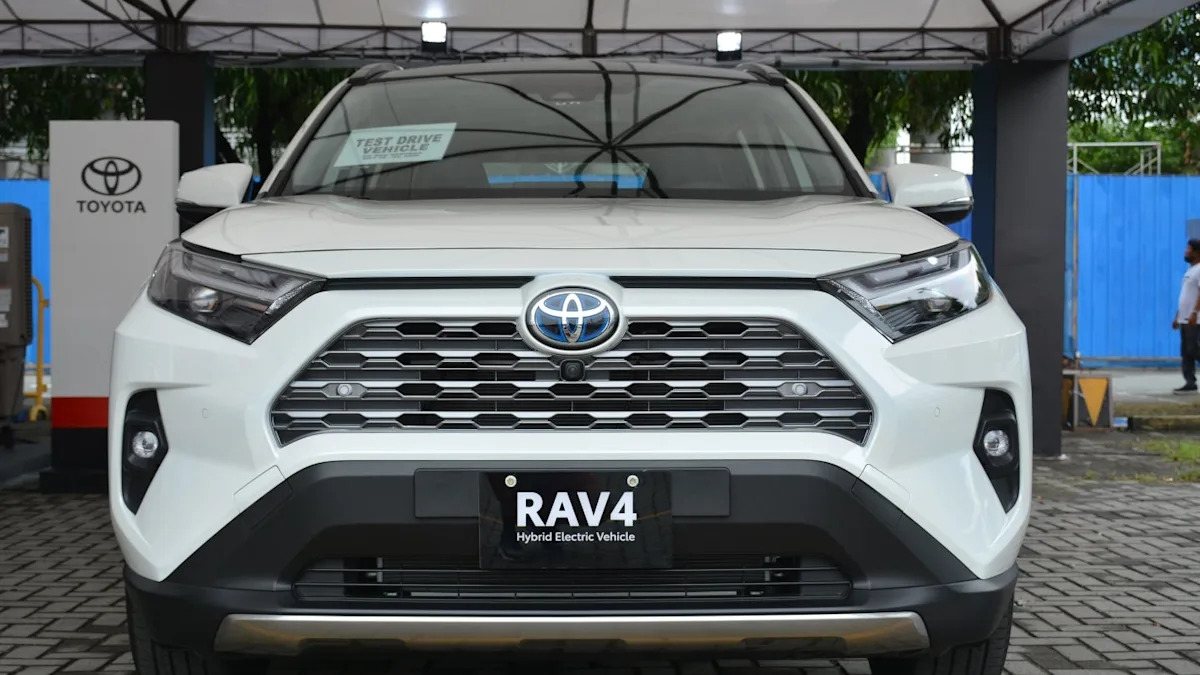
Toyota Reports Second Consecutive Monthly Drop in Global Sales
- Global Sales Decline: Toyota's global sales fell 7.3% year-on-year in March to 897,871 vehicles, primarily impacted by the RAV4 model changeover and softer demand in the Middle East, indicating increased competitive pressure in the market.
- Japanese Market Impact: Sales in Japan decreased by 7.8% to 142,225 units, influenced by the planned removal of the environmental performance-based vehicle tax, reflecting how policy changes directly affect consumer purchasing decisions.
- Electric Vehicle Sales Growth: Despite the overall sales decline, Toyota's electrified vehicle sales rose 7.6% year-on-year to 511,007 units, demonstrating the company's positive progress in electrification, particularly in the North American market.
- Regional Sales Disparities: The Indian market showed strong performance with a 26.6% increase to 36,458 units, while the Middle East saw a steep 32.3% drop, highlighting significant differences in market demand across regions that impact Toyota's global strategic positioning.
See More
Toyota Hydrogen Solutions Achieves Key Certifications for Fuel Cells
- Certification Milestone: Toyota Hydrogen Solutions' fuel cells have achieved ANSI/CSA FC 1 and FC 6 certifications, marking a significant advancement in compliance and safety for fixed generators in North America, thereby enhancing their commercial expansion potential.
- Environmental Benefits: Hydrogen fuel cells offer a more eco-friendly alternative compared to traditional internal combustion generators, capable of alleviating grid overload and reinforcing critical infrastructure reliability, such as hospitals, highlighting their importance in sustainable development.
- Market Application Prospects: Toyota's fuel cells are not only applicable to fixed generators but also extend to port equipment and commercial transport, expected to enhance market competitiveness by reducing carbon emissions and noise pollution.
- Strategic Partnership: Toyota's collaboration with Rehlko aims to supply hydrogen fuel cells for 1MW generators, further solidifying its leadership in energy resilience and providing reliable solutions for organizations looking to reduce carbon emissions.
See More
Apple Beats Earnings Estimates, Shares Rise Over 3%
- Apple's Strong Performance: Apple exceeded earnings expectations in its latest report, with both revenue and profit growth driving shares up over 3% in after-hours trading, despite iPhone sales falling short, indicating strong demand for its services segment.
- Energy Stocks Surge: Following the outbreak of the Iran war, Chevron and Exxon Mobil saw their shares rise by 9.3% and 9.1%, respectively, reflecting market confidence in the energy sector amid heightened global energy tensions.
- Berkshire Hathaway's Decline: Berkshire Hathaway's A shares have dropped over 5% year-to-date and 11% over the year, raising concerns among investors about its long-term growth prospects, with the current share price at $711,900.
- Weakness in Auto Sector: Major automakers have experienced significant stock declines over the past three months, with Toyota, Ford, and General Motors down 15%, 13%, and 8.5%, respectively, reflecting a pessimistic outlook for recovery in the automotive industry.
See More
India's IT Sector Faces Employment Crisis Amid AI Disruption
- Deepening Employment Crisis: Bernstein warns that the rise of AI may lead to a reduction in high-quality jobs in India's IT sector, affecting the income and consumption capacity of 10 to 15 million employees in IT services and outsourcing, thereby threatening the foundation of national economic growth.
- Shifting Hiring Trends: Net hiring by India's top five IT companies dropped by around 7,000 in FY26, with TCS planning to hire only 25,000 fresh graduates compared to an average of 40,000 over the past three years, indicating a diminishing reliance on large-scale recruitment in the industry.
- Skills Gap Challenge: While the Indian government emphasizes
See More
Joby Aviation Leads eVTOL Commercial Operations in Dubai
- Intensifying Market Competition: Joby Aviation is set to launch commercial eVTOL operations in Dubai in partnership with Uber, marking the beginning of a new era in eVTOL travel despite regional conflict risks, highlighting the sector's potential and attractiveness.
- Diverse Business Models: Joby is pursuing a vertically integrated Transportation-as-a-Service (TaaS) model, combining its own technology with Uber's transportation services, leading the FAA certification race ahead of rivals Archer and Vertical, showcasing its competitive edge.
- Emerging Investment Opportunities: Although eVTOL stocks have sharply declined this year, the long-term potential is evident, with Joby viewed as having the highest upside potential due to its first-mover advantage and TaaS model, attracting investor interest.
- Beta's Market Outlook: Beta Technologies is projected to end 2026 with $971 million in net cash and no need for funding until 2030, making it an attractive option for eVTOL investors due to its reliance on the cargo market and collaboration with Embraer.
See More
Joby Aviation Aims to Lead eVTOL Launches in Dubai
- Market Leadership: Joby Aviation, in partnership with Uber, plans to launch commercial electric vertical takeoff and landing (eVTOL) operations in Dubai in 2023, positioning itself as the frontrunner among Western companies, and despite regional conflicts posing risks, this initiative symbolizes the dawn of a new era in eVTOL travel.
- Competitive Landscape: Joby's rival, Archer Aviation, aims to launch its eVTOL services in Abu Dhabi in 2026; however, Joby is leading the FAA certification race with its ambitious vertically integrated transportation-as-a-service (TaaS) model, highlighting its business model's potential and ambition.
- Technological Investment: Joby is developing its own technology in collaboration with key investor Toyota while establishing a transportation services company through its partnership with Uber, showcasing its strategic positioning in the eVTOL market, even as it faces intense competition from Boeing's Wisk.
- Industry Outlook: Although eVTOL stocks have experienced significant volatility this year, Joby demonstrates considerable long-term growth potential due to its TaaS model and first-mover advantage, yet its future growth plans may require additional funding to sustain momentum.
See More
Toyota Reports Second Consecutive Monthly Drop in Global Sales
- Global Sales Decline: Toyota's global sales fell 7.3% year-on-year in March to 897,871 vehicles, primarily impacted by the RAV4 model changeover and softer demand in the Middle East, indicating increased competitive pressure in the market.
- Japanese Market Impact: Sales in Japan decreased by 7.8% to 142,225 units, influenced by the planned removal of the environmental performance-based vehicle tax, reflecting how policy changes directly affect consumer purchasing decisions.
- Electric Vehicle Sales Growth: Despite the overall sales decline, Toyota's electrified vehicle sales rose 7.6% year-on-year to 511,007 units, demonstrating the company's positive progress in electrification, particularly in the North American market.
- Regional Sales Disparities: The Indian market showed strong performance with a 26.6% increase to 36,458 units, while the Middle East saw a steep 32.3% drop, highlighting significant differences in market demand across regions that impact Toyota's global strategic positioning.
See More