Toyota Boosts Hybrid Production with $912 Million Investment Creating 252 New U.S. Manufacturing Jobs
Toyota's Investment in U.S. Manufacturing: Toyota is investing $912 million across five states (West Virginia, Kentucky, Mississippi, Tennessee, and Missouri) to expand hybrid vehicle production, creating 252 new jobs as part of a broader $10 billion commitment over five years.
State-Specific Developments: The investment includes significant expansions in each state, such as new production lines for hybrid engines in West Virginia and Kentucky, the introduction of hybrid-electric Corollas in Mississippi, and increased production capacity in Tennessee and Missouri.
Commitment to Local Economies: Local governors and congressional representatives expressed strong support for Toyota's investments, highlighting the positive impact on job creation and economic growth in their respective states.
Focus on Future Workforce: In addition to manufacturing investments, Toyota is launching a $110 million initiative to enhance STEM education for PreK-12 students, aiming to prepare the future workforce for careers in advanced manufacturing.
Trade with 70% Backtested Accuracy
Analyst Views on TM
About TM
About the author


Toyota Motor Corporation Stock Decline Analysis

- Stock Fluctuation: Toyota Motor Corporation closed at $206.73, down 1.52% from the previous session, outperforming the S&P 500's decline of 1.67%, indicating relative resilience in a volatile market.
- Monthly Performance: Over the past month, Toyota's shares have dropped 13.47%, significantly worse than the Auto-Tires-Trucks sector's 9.96% loss and the S&P 500's 6.15% decline, reflecting market concerns about its future performance.
- Earnings Expectations: The Zacks Consensus Estimates project annual earnings of $17.92 per share and revenue of $308.85 billion, representing declines of 24.1% and 2.05% from last year, highlighting pressure on profitability.
- Rating and Valuation: Currently, Toyota holds a Zacks Rank of #2 (Buy) with a forward P/E ratio of 11.72, slightly above the industry average of 11.49, suggesting cautious optimism regarding its future growth potential.
Toyota Reports Slight Drop in February Sales Amidst EV Competition
- Sales Decline: Toyota's global sales in February reached 806,905 units, reflecting a 2.3% year-on-year drop, primarily due to intensified EV competition in China and weak demand in Japan, indicating a challenging market environment.
- Challenges in China: Sales of Toyota and Lexus brands in China fell by 13.9%, while production decreased by 11.5%, mainly attributed to the timing of this year's Lunar New Year holiday affecting operational days, leading to reduced sales figures.
- Intensifying Market Competition: The company noted that the year-on-year sales decline highlights the increasingly competitive market landscape, particularly in the EV sector, where Toyota faces pressure from emerging rivals, impacting its market share.
- Uncertain Future Outlook: Although February sales figures do not yet reflect the impact of the Iran conflict, the company must navigate the evolving market dynamics to maintain its competitiveness in the global automotive sector.
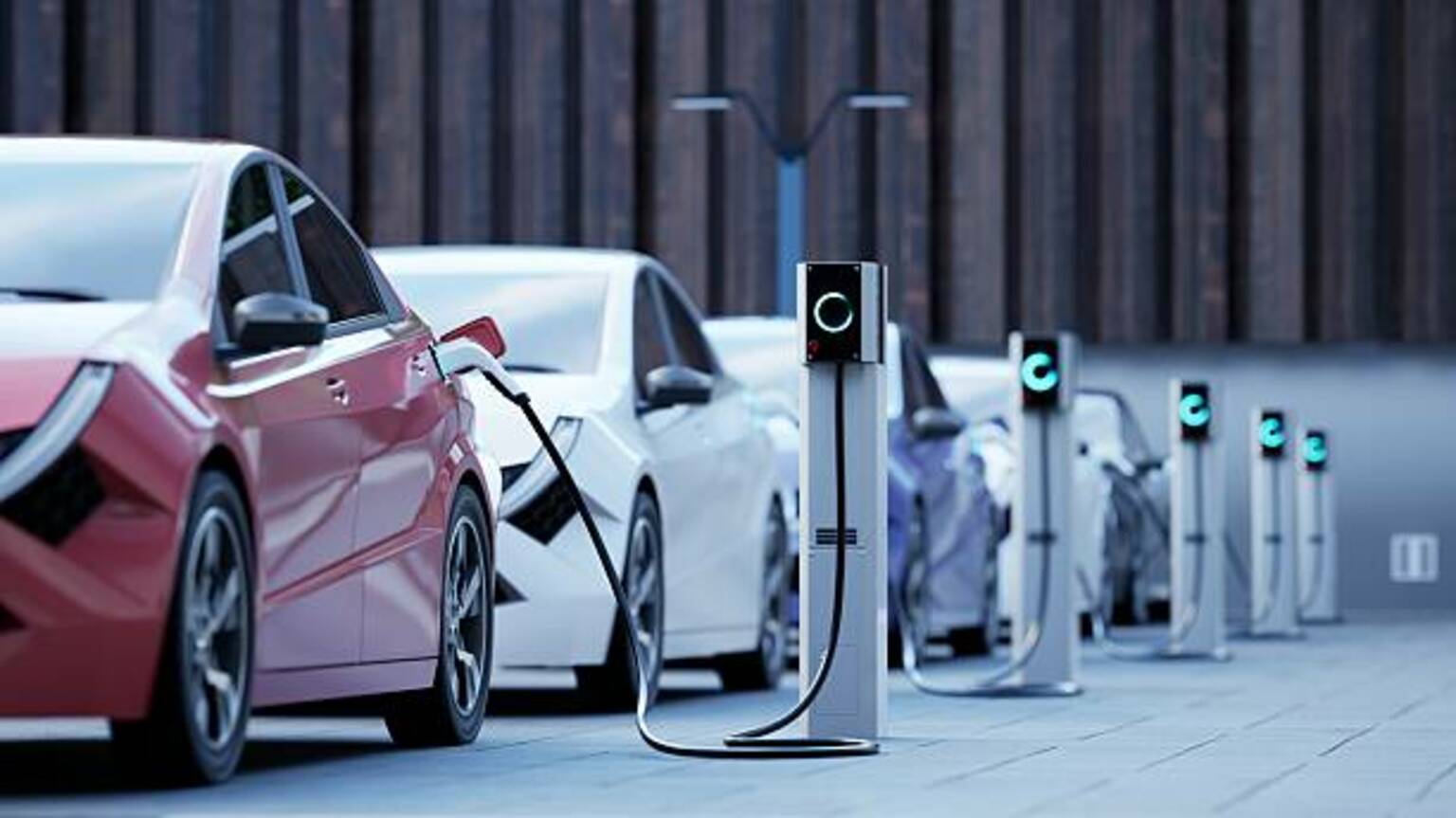
Finnish Startup Develops Solid-State Battery for EVs
- Technological Breakthrough: Finnish startup Donut Lab claims its solid-state battery technology offers higher energy density, ultra-fast charging, and longer lifespan, which could significantly enhance electric vehicle performance; if true, it would transform charging and range capabilities.
- Market Skepticism: Despite the attention garnered by Donut Lab's technology, industry leaders express doubts about the firm's ability to outpace established players that have invested years in similar research, suggesting that bold battery claims often prove difficult to deliver at scale.
- Intensifying Competition: Companies like Contemporary Amperex Technology Co. Limited are also pursuing similar advancements, with some reporting even higher energy density targets, highlighting the fierce competition in battery technology.
- Mass Production Challenges: While solid-state batteries are seen as a promising future solution, the transition from prototypes to mass production remains a significant hurdle, as existing lithium iron phosphate batteries already meet many consumer needs at lower costs and with improving performance.
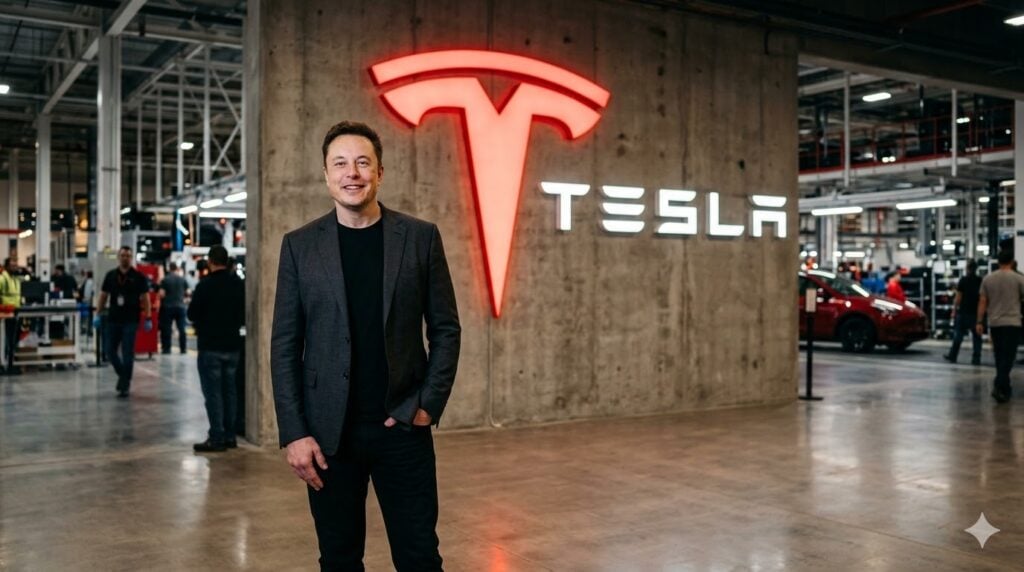
Tesla's Brand Image Declines Amid High Recognition

- Brand Recognition vs. Trust Gap: Tesla, despite its high recognition in the EV sector, has a brand positivity score of -4, significantly lower than Toyota and Honda's scores of +20 and +16, indicating a critical lack of brand trust that could impact future sales and market share.
- Consumer Perception of FSD: When considering Tesla's Full Self-Driving technology, consumers are influenced not only by the technology itself but also by Elon Musk, with negative sentiment accounting for 14%, highlighting the close relationship between brand image and the leader's personal reputation.
- Safety Concerns and Opposition: Among feedback on FSD, 33% of consumers expressed safety concerns, while 17% indicated general dislike for Tesla, suggesting that these sentiments could affect potential customers' purchasing decisions and increase competitive pressure in the market.
- Risk of Brand Trust: As brand trust continues to lag while visibility remains high, Tesla faces increasing brand risk that could exacerbate its position in the EV market, particularly in an increasingly competitive landscape.
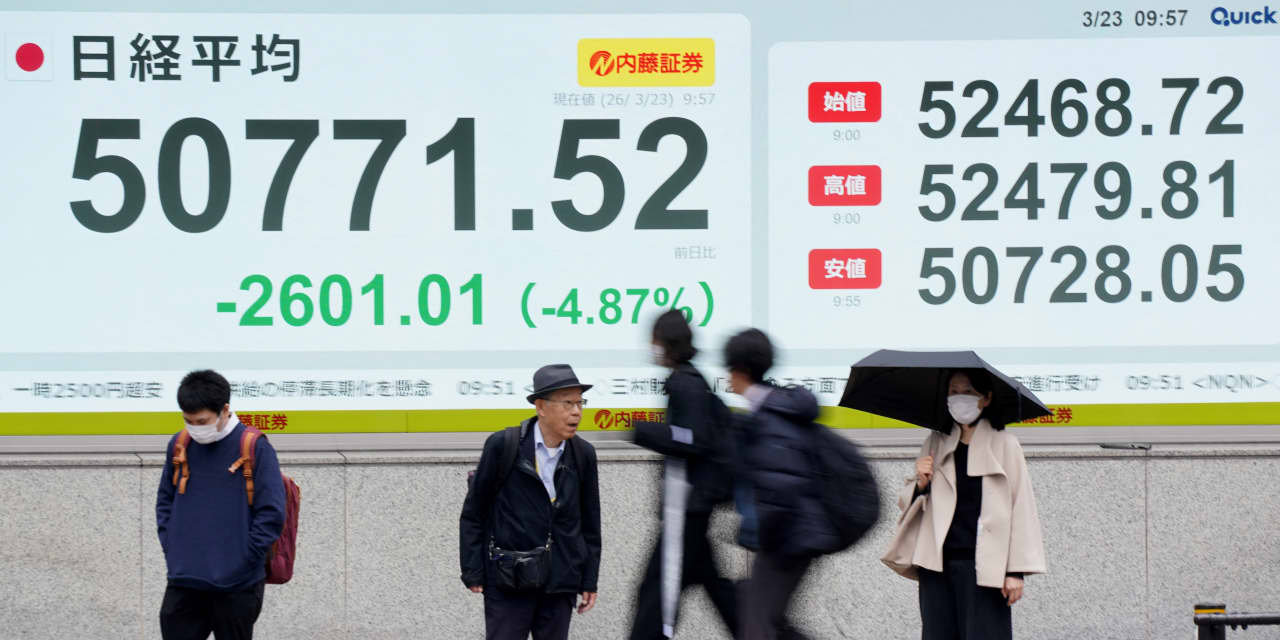
Toyota and Mitsubishi Financial Set to Surge: Reasons to Invest in Japanese Stocks.

- Investment Appeal: Japan is becoming an attractive destination for investment due to improving business conditions.
- Focus on Profits: Companies are increasingly prioritizing profits and returning cash to shareholders through dividends and buybacks.
- Impact of Currency: A weaker yen is contributing to enhanced earnings for exporters.
- Overall Economic Outlook: The combination of these factors is creating a more favorable environment for investors in Japan.
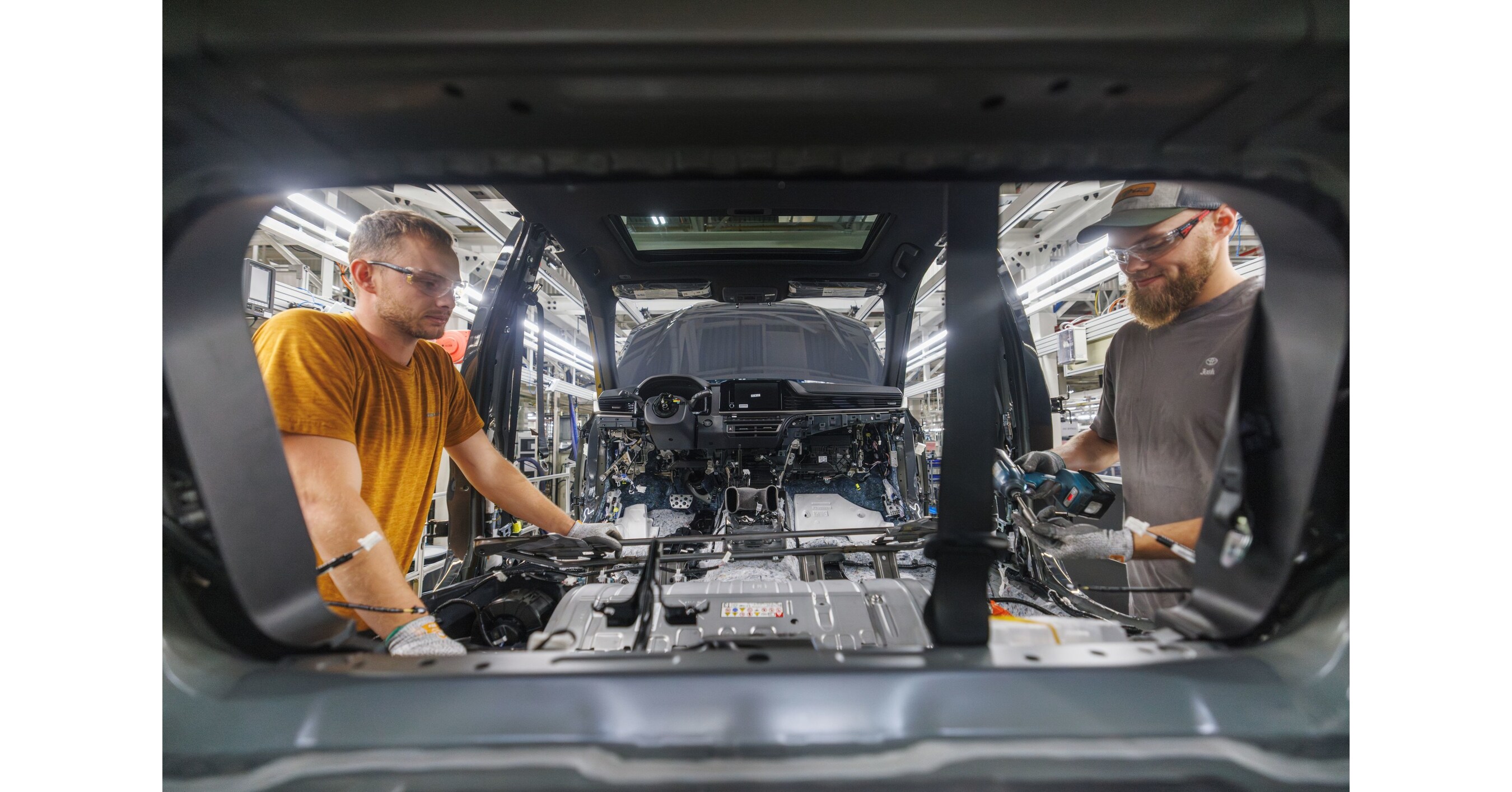
Toyota Invests $1 Billion in Kentucky and Indiana Operations
- Major Investment Announcement: Toyota has announced a $1 billion investment in its Kentucky and Indiana operations to meet the growing customer demand and offer a more diverse product range, marking the company's long-term commitment to the U.S. market.
- Historic Milestone Celebration: The Kentucky plant celebrates its 40th anniversary, having produced over 14 million vehicles since its opening, solidifying its position as Toyota's largest manufacturing facility globally and reinforcing its leadership in U.S. manufacturing.
- Community Engagement and Workforce Training: Toyota also announced new grants worth millions of dollars aimed at enhancing workforce training and community engagement, reflecting the company's ongoing investment in its employees and future workforce to ensure customer satisfaction and safety.
- Ongoing Market Commitment: Five of Toyota's manufacturing centers in the U.S. are celebrating significant anniversaries this year, showcasing the company's deep roots in the U.S. market and confidence in future growth, further driving its strategic development.
Toyota Motor Corporation Stock Decline Analysis
- Stock Fluctuation: Toyota Motor Corporation closed at $206.73, down 1.52% from the previous session, outperforming the S&P 500's decline of 1.67%, indicating relative resilience in a volatile market.
- Monthly Performance: Over the past month, Toyota's shares have dropped 13.47%, significantly worse than the Auto-Tires-Trucks sector's 9.96% loss and the S&P 500's 6.15% decline, reflecting market concerns about its future performance.
- Earnings Expectations: The Zacks Consensus Estimates project annual earnings of $17.92 per share and revenue of $308.85 billion, representing declines of 24.1% and 2.05% from last year, highlighting pressure on profitability.
- Rating and Valuation: Currently, Toyota holds a Zacks Rank of #2 (Buy) with a forward P/E ratio of 11.72, slightly above the industry average of 11.49, suggesting cautious optimism regarding its future growth potential.
Toyota Reports Slight Drop in February Sales Amidst EV Competition
- Sales Decline: Toyota's global sales in February reached 806,905 units, reflecting a 2.3% year-on-year drop, primarily due to intensified EV competition in China and weak demand in Japan, indicating a challenging market environment.
- Challenges in China: Sales of Toyota and Lexus brands in China fell by 13.9%, while production decreased by 11.5%, mainly attributed to the timing of this year's Lunar New Year holiday affecting operational days, leading to reduced sales figures.
- Intensifying Market Competition: The company noted that the year-on-year sales decline highlights the increasingly competitive market landscape, particularly in the EV sector, where Toyota faces pressure from emerging rivals, impacting its market share.
- Uncertain Future Outlook: Although February sales figures do not yet reflect the impact of the Iran conflict, the company must navigate the evolving market dynamics to maintain its competitiveness in the global automotive sector.
Finnish Startup Develops Solid-State Battery for EVs
- Technological Breakthrough: Finnish startup Donut Lab claims its solid-state battery technology offers higher energy density, ultra-fast charging, and longer lifespan, which could significantly enhance electric vehicle performance; if true, it would transform charging and range capabilities.
- Market Skepticism: Despite the attention garnered by Donut Lab's technology, industry leaders express doubts about the firm's ability to outpace established players that have invested years in similar research, suggesting that bold battery claims often prove difficult to deliver at scale.
- Intensifying Competition: Companies like Contemporary Amperex Technology Co. Limited are also pursuing similar advancements, with some reporting even higher energy density targets, highlighting the fierce competition in battery technology.
- Mass Production Challenges: While solid-state batteries are seen as a promising future solution, the transition from prototypes to mass production remains a significant hurdle, as existing lithium iron phosphate batteries already meet many consumer needs at lower costs and with improving performance.
Tesla's Brand Image Declines Amid High Recognition
- Brand Recognition vs. Trust Gap: Tesla, despite its high recognition in the EV sector, has a brand positivity score of -4, significantly lower than Toyota and Honda's scores of +20 and +16, indicating a critical lack of brand trust that could impact future sales and market share.
- Consumer Perception of FSD: When considering Tesla's Full Self-Driving technology, consumers are influenced not only by the technology itself but also by Elon Musk, with negative sentiment accounting for 14%, highlighting the close relationship between brand image and the leader's personal reputation.
- Safety Concerns and Opposition: Among feedback on FSD, 33% of consumers expressed safety concerns, while 17% indicated general dislike for Tesla, suggesting that these sentiments could affect potential customers' purchasing decisions and increase competitive pressure in the market.
- Risk of Brand Trust: As brand trust continues to lag while visibility remains high, Tesla faces increasing brand risk that could exacerbate its position in the EV market, particularly in an increasingly competitive landscape.
Toyota and Mitsubishi Financial Set to Surge: Reasons to Invest in Japanese Stocks.
- Investment Appeal: Japan is becoming an attractive destination for investment due to improving business conditions.
- Focus on Profits: Companies are increasingly prioritizing profits and returning cash to shareholders through dividends and buybacks.
- Impact of Currency: A weaker yen is contributing to enhanced earnings for exporters.
- Overall Economic Outlook: The combination of these factors is creating a more favorable environment for investors in Japan.
Toyota Invests $1 Billion in Kentucky and Indiana Operations
- Major Investment Announcement: Toyota has announced a $1 billion investment in its Kentucky and Indiana operations to meet the growing customer demand and offer a more diverse product range, marking the company's long-term commitment to the U.S. market.
- Historic Milestone Celebration: The Kentucky plant celebrates its 40th anniversary, having produced over 14 million vehicles since its opening, solidifying its position as Toyota's largest manufacturing facility globally and reinforcing its leadership in U.S. manufacturing.
- Community Engagement and Workforce Training: Toyota also announced new grants worth millions of dollars aimed at enhancing workforce training and community engagement, reflecting the company's ongoing investment in its employees and future workforce to ensure customer satisfaction and safety.
- Ongoing Market Commitment: Five of Toyota's manufacturing centers in the U.S. are celebrating significant anniversaries this year, showcasing the company's deep roots in the U.S. market and confidence in future growth, further driving its strategic development.