Top Performing Mega Cap Stocks of 2023
Written by Emily J. Thompson, Senior Investment Analyst
Updated: 2 days ago
0mins

Source: seekingalpha
- Market Leaders: Sandisk Corporation (SNDK) leads with a remarkable YTD performance of 509.67%, indicating strong growth potential amidst market volatility, likely attracting increased investor interest.
- Semiconductor Strength: Intel Corporation (INTC) and Micron Technology, Inc. (MU) follow closely with YTD gains of 225.99% and 181.57%, respectively, reflecting the semiconductor sector's critical role in technological innovation and demand growth, thereby solidifying their market positions.
- Diverse Industry Performance: Heavy equipment manufacturers like Caterpillar Inc. (CAT) and GE Vernova Inc. (GEV) also feature on the list, achieving YTD gains of 57.51% and 62.58%, respectively, indicating potential in these sectors during economic recovery.
- Attractive High Beta Stocks: These high beta stocks not only receive the highest Quant ratings but also appeal to investors seeking high returns, further driving market attention towards technology and heavy equipment sectors.
Trade with 70% Backtested Accuracy
Stop guessing "Should I Buy MU?" and start using high-conviction signals backed by rigorous historical data.
Sign up today to access powerful investing tools and make smarter, data-driven decisions.
Analyst Views on MU
Wall Street analysts forecast MU stock price to fall
26 Analyst Rating
24 Buy
2 Hold
0 Sell
Strong Buy
Current: 776.010

Low
235.00
Averages
336.12
High
500.00
Current: 776.010
Low
235.00
Averages
336.12
High
500.00
About MU
Micron Technology, Inc. provides memory and storage solutions. The Company delivers a portfolio of high-performance dynamic random-access memory (DRAM), NAND, and NOR memory and storage products through its Micron and Crucial brands. The Company's products enable advancing in artificial intelligence (AI) and compute-intensive applications. Its segments include Cloud Memory Business Unit (CMBU), Core Data Center Business Unit (CDBU), Mobile and Client Business Unit (MCBU) and Automotive and Embedded Business Unit (AEBU). CMBU is focused on memory solutions for large hyperscale cloud customers, and high bandwidth memory (HBM) for all data center customers. CDBU is focused on memory solutions for mid-tier cloud, enterprise, and OEM data center customers and storage solutions for all data center customers. MCBU is focused on memory and storage solutions for mobile and client segments. AEBU is focused on memory and storage solutions for the automotive, industrial, and consumer segments.
About the author

Emily J. Thompson
Emily J. Thompson, a Chartered Financial Analyst (CFA) with 12 years in investment research, graduated with honors from the Wharton School. Specializing in industrial and technology stocks, she provides in-depth analysis for Intellectia’s earnings and market brief reports.

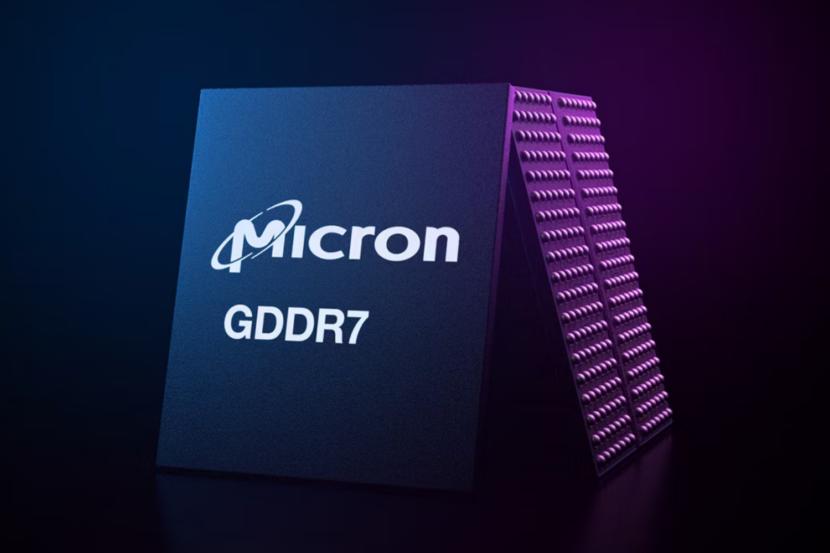
Micron Technology Approaches $1 Trillion Market Value Club

- Market Value Milestone: Micron Technology, currently valued at approximately $900 billion, is just a 10% stock price increase away from joining the $1 trillion market value club, with its recent strong stock performance suggesting this milestone could be reached within days.
- Rapid Revenue Growth: Micron's quarterly revenue surged from $13.6 billion two quarters ago to $23.9 billion last quarter, with management projecting $33.5 billion for the next quarter, reflecting robust demand and pricing power in the memory chip market.
- Memory Shortage Situation: A global shortage of memory chips, particularly driven by surging demand from AI data centers, has led to skyrocketing prices, further enhancing profit margins for Micron and its competitors.
- Optimistic Future Outlook: Management indicated that current production capacity can only meet half to two-thirds of total demand, with the data center memory market expected to grow from $35 billion in 2025 to $100 billion in 2028, highlighting Micron's significant growth potential.
See More
Insider Trading Activities Across Major Firms

- Micron Executive Sell-off: Micron Technology director Steven Gomo sold 2,000 shares at approximately $787 each between May 11 and 15, generating $1.57 million and reducing his direct holdings by 10.45% to 17,139 shares, indicating a cautious outlook on the company's future prospects.
- Citigroup Director Reduction: Citigroup director John Dugan disposed of 2,117 shares at $125.30 each during the same period, raising $265,260 and trimming his stake by 4.53% to 44,598 shares, reflecting concerns over market volatility.
- CVS Executive Major Sell-off: CVS Health EVP Tilak Mandadi sold 69,551 shares at $89.58 each for a total of $6.23 million, reducing his stake by 87.28% to 10,133 shares, suggesting uncertainty regarding the company's future growth.
- Twilio Director Large Sell-off: Twilio director Andrew Stafman sold 675,000 shares at $193.54 each, totaling $130 million and cutting his holdings by 29.24% to 1.63 million shares, indicating a bearish short-term view on the company's stock price.
See More

Cerebras Systems IPO Soars, Reaches $95 Billion Market Cap


- Strong IPO Performance: Cerebras Systems saw its shares surge nearly 70% during its IPO, elevating its market cap to approximately $95 billion, marking the largest IPO of the year and the biggest for a U.S. tech company since Uber in 2019.
- Market Environment Challenges: Despite Cerebras' success providing hope for the tech IPO market, the impending listings of high-valued AI companies like SpaceX and OpenAI make it difficult for other firms to capture investor attention, leading to diminished interest in non-AI companies.
- Industry Dynamics Shift: The IPO of Cerebras offers investors a chance to engage in the AI boom, particularly against the backdrop of a nearly dormant tech IPO market over the past four years, indicating a resurgence in demand for pure-play tech stocks.
- Future Outlook: With the upcoming IPOs of companies like SpaceX, Cerebras' success may encourage more high-value startups to consider going public, although the market still requires more data points to confirm investor receptivity.
See More

Cerebras IPO Sparks Market Focus on SpaceX and AI Giants
- Cerebras IPO Performance: Cerebras shares surged nearly 70% on debut, reaching a market cap of approximately $95 billion, marking the largest IPO of the year and highlighting the intense investor interest in AI companies while underscoring the challenges faced by non-AI firms in attracting attention.
- Market Dynamics Shift: With companies like SpaceX, OpenAI, and Anthropic preparing for IPOs, there is a potential $3 trillion in IPOs expected over the next year, making other companies appear relatively small, especially against the backdrop of the AI boom.
- Investor Sentiment Change: Since early 2022, rising inflation and interest rates have dampened investor enthusiasm for emerging tech companies, with U.S. venture-backed exit values last year falling to less than one-third of the peak in 2021, resulting in almost no tech IPOs this year.
- AI Industry Outlook: Cerebras' success provides investors with an entry point into the AI market, especially following its $20 billion deal with OpenAI, indicating a rapid growth in demand for AI infrastructure and driving increased attention and investment across the sector.
See More
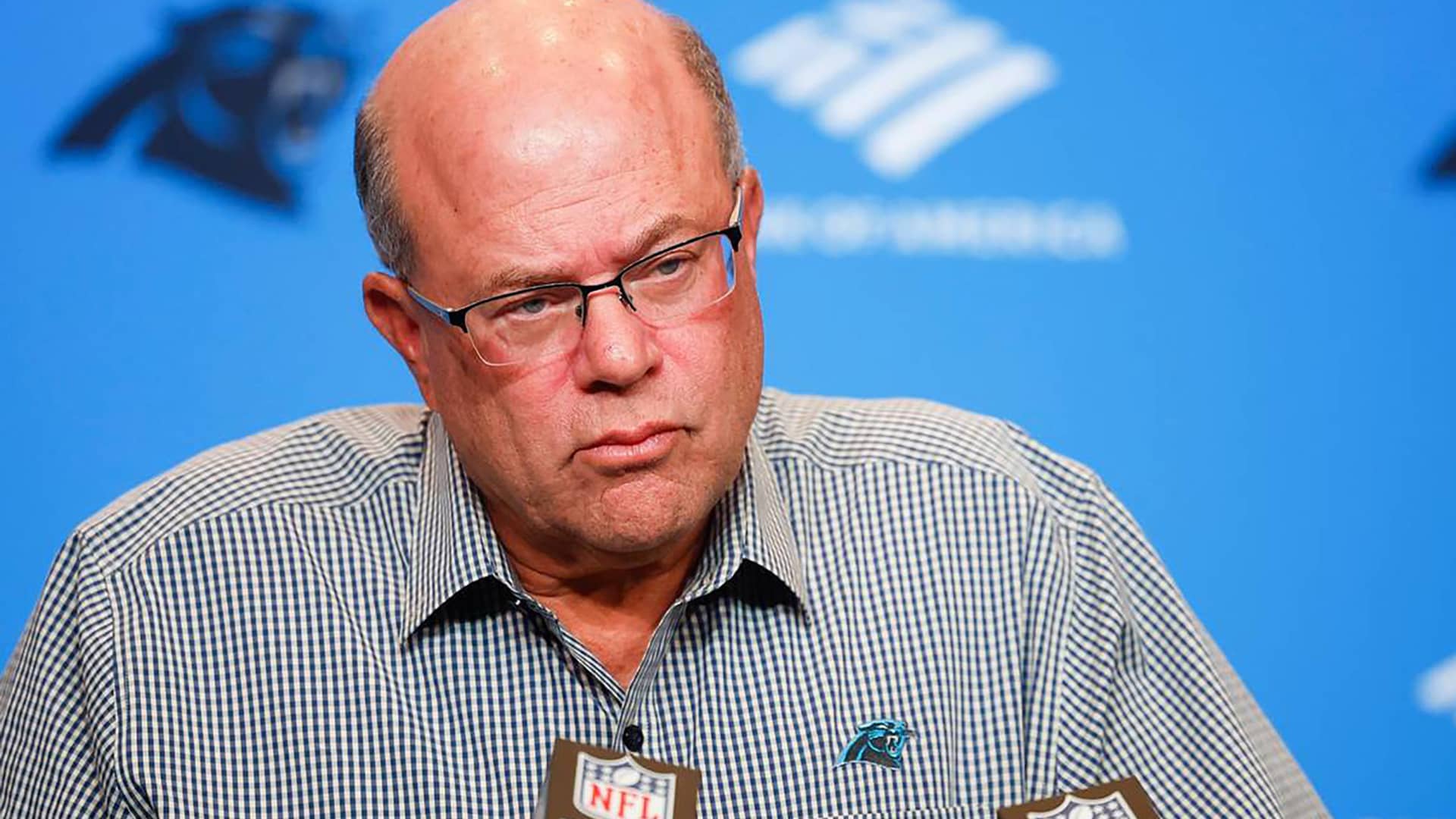
David Tepper Increases Tech Stock Investments


- Amazon Stake Increase: By the end of March, Appaloosa Management increased its Amazon stake by 98%, making it the largest disclosed holding valued at approximately $900 million, indicating strong confidence in e-commerce and cloud computing sectors.
- Uber and Vistra Boost: The hedge fund raised its Uber stake by 242% and increased its Vistra Energy holding by 114%, reflecting an optimistic outlook on the recovery of the mobility and energy markets.
- New Investment in Sandisk: Appaloosa disclosed a new position in Sandisk valued at roughly $179 million at the end of March, highlighting its focus on storage solutions and the growing demand from data centers.
- Reduction in Several Holdings: Despite increasing stakes in several tech stocks, Appaloosa reduced its positions in Alibaba, Alphabet, and Nvidia by 33%, 3%, and 13% respectively, demonstrating a cautious approach amid market volatility.
See More
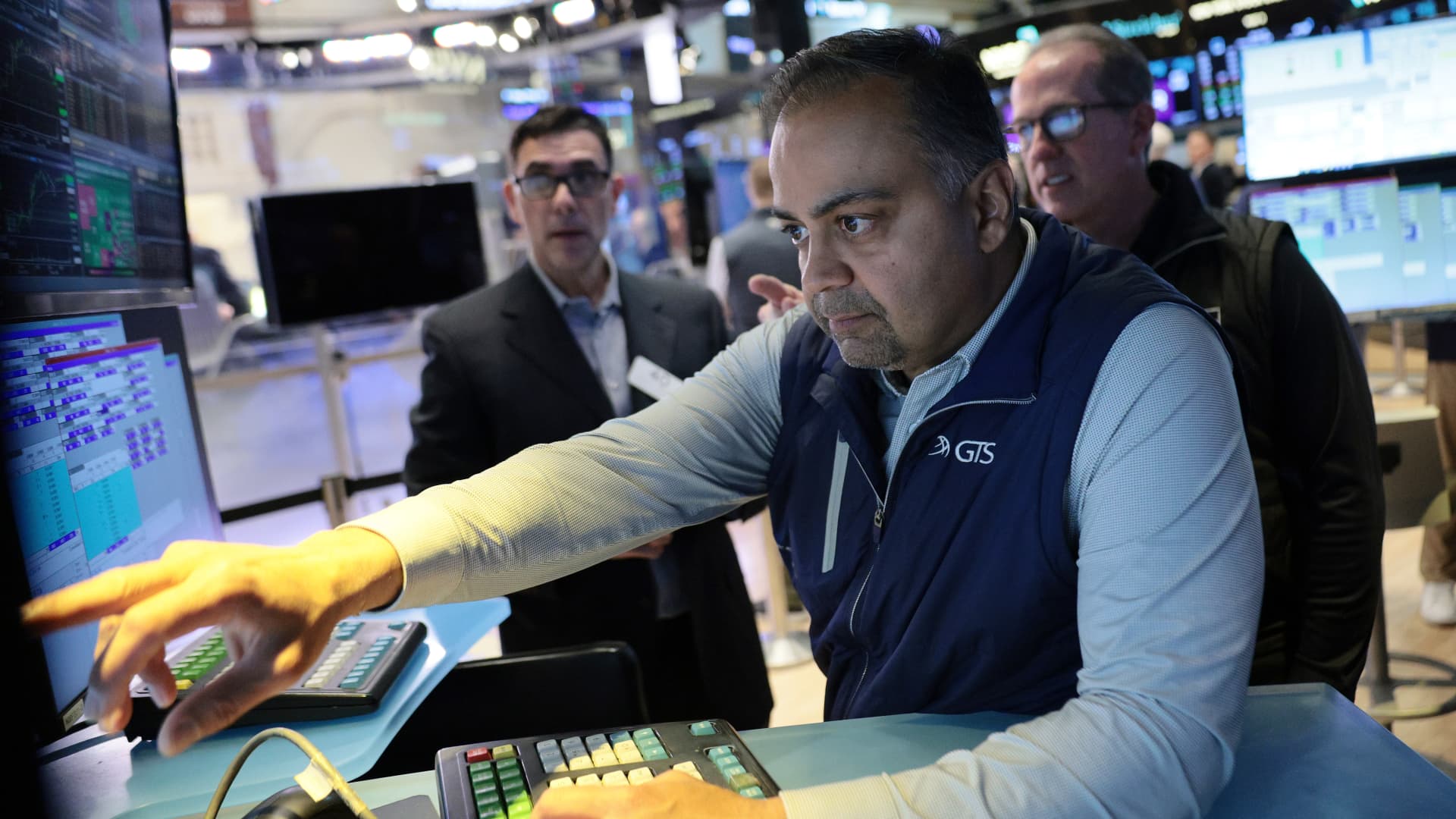
Can the AI Rally Sustain Amid Inflation Fears?


- Market Performance Review: The S&P 500 has surged approximately 19% since its March low, surpassing 7,500 for the first time this week, reflecting a revival in enthusiasm for artificial intelligence, yet the absence of cyclical sectors raises concerns.
- Internal and External Pressures: Despite a 3% rise in the S&P 500 this month, it remains nearly flat on an equal-weight basis, with the financial sector being the worst performer year-to-date, down over 6%, indicating potential impacts of high inflation on the economy.
- Nvidia Earnings Outlook: Nvidia is set to report earnings, with high expectations that CEO Jensen Huang will once again deliver a beat, although its market cap nearing $6 trillion marks a historic high, its valuation appears relatively attractive compared to peers.
- Retail Market Dynamics: Retailers like Walmart and Target are about to release earnings, and the low consumer sentiment may affect sales performance, particularly for lower-income consumers under pressure from rising oil prices, with Walmart's low-price strategy potentially giving it a competitive edge.
See More
Micron Technology Approaches $1 Trillion Market Value Club
- Market Value Milestone: Micron Technology, currently valued at approximately $900 billion, is just a 10% stock price increase away from joining the $1 trillion market value club, with its recent strong stock performance suggesting this milestone could be reached within days.
- Rapid Revenue Growth: Micron's quarterly revenue surged from $13.6 billion two quarters ago to $23.9 billion last quarter, with management projecting $33.5 billion for the next quarter, reflecting robust demand and pricing power in the memory chip market.
- Memory Shortage Situation: A global shortage of memory chips, particularly driven by surging demand from AI data centers, has led to skyrocketing prices, further enhancing profit margins for Micron and its competitors.
- Optimistic Future Outlook: Management indicated that current production capacity can only meet half to two-thirds of total demand, with the data center memory market expected to grow from $35 billion in 2025 to $100 billion in 2028, highlighting Micron's significant growth potential.
See More
Insider Trading Activities Across Major Firms
- Micron Executive Sell-off: Micron Technology director Steven Gomo sold 2,000 shares at approximately $787 each between May 11 and 15, generating $1.57 million and reducing his direct holdings by 10.45% to 17,139 shares, indicating a cautious outlook on the company's future prospects.
- Citigroup Director Reduction: Citigroup director John Dugan disposed of 2,117 shares at $125.30 each during the same period, raising $265,260 and trimming his stake by 4.53% to 44,598 shares, reflecting concerns over market volatility.
- CVS Executive Major Sell-off: CVS Health EVP Tilak Mandadi sold 69,551 shares at $89.58 each for a total of $6.23 million, reducing his stake by 87.28% to 10,133 shares, suggesting uncertainty regarding the company's future growth.
- Twilio Director Large Sell-off: Twilio director Andrew Stafman sold 675,000 shares at $193.54 each, totaling $130 million and cutting his holdings by 29.24% to 1.63 million shares, indicating a bearish short-term view on the company's stock price.
See More
Cerebras Systems IPO Soars, Reaches $95 Billion Market Cap
- Strong IPO Performance: Cerebras Systems saw its shares surge nearly 70% during its IPO, elevating its market cap to approximately $95 billion, marking the largest IPO of the year and the biggest for a U.S. tech company since Uber in 2019.
- Market Environment Challenges: Despite Cerebras' success providing hope for the tech IPO market, the impending listings of high-valued AI companies like SpaceX and OpenAI make it difficult for other firms to capture investor attention, leading to diminished interest in non-AI companies.
- Industry Dynamics Shift: The IPO of Cerebras offers investors a chance to engage in the AI boom, particularly against the backdrop of a nearly dormant tech IPO market over the past four years, indicating a resurgence in demand for pure-play tech stocks.
- Future Outlook: With the upcoming IPOs of companies like SpaceX, Cerebras' success may encourage more high-value startups to consider going public, although the market still requires more data points to confirm investor receptivity.
See More
Cerebras IPO Sparks Market Focus on SpaceX and AI Giants
- Cerebras IPO Performance: Cerebras shares surged nearly 70% on debut, reaching a market cap of approximately $95 billion, marking the largest IPO of the year and highlighting the intense investor interest in AI companies while underscoring the challenges faced by non-AI firms in attracting attention.
- Market Dynamics Shift: With companies like SpaceX, OpenAI, and Anthropic preparing for IPOs, there is a potential $3 trillion in IPOs expected over the next year, making other companies appear relatively small, especially against the backdrop of the AI boom.
- Investor Sentiment Change: Since early 2022, rising inflation and interest rates have dampened investor enthusiasm for emerging tech companies, with U.S. venture-backed exit values last year falling to less than one-third of the peak in 2021, resulting in almost no tech IPOs this year.
- AI Industry Outlook: Cerebras' success provides investors with an entry point into the AI market, especially following its $20 billion deal with OpenAI, indicating a rapid growth in demand for AI infrastructure and driving increased attention and investment across the sector.
See More
David Tepper Increases Tech Stock Investments
- Amazon Stake Increase: By the end of March, Appaloosa Management increased its Amazon stake by 98%, making it the largest disclosed holding valued at approximately $900 million, indicating strong confidence in e-commerce and cloud computing sectors.
- Uber and Vistra Boost: The hedge fund raised its Uber stake by 242% and increased its Vistra Energy holding by 114%, reflecting an optimistic outlook on the recovery of the mobility and energy markets.
- New Investment in Sandisk: Appaloosa disclosed a new position in Sandisk valued at roughly $179 million at the end of March, highlighting its focus on storage solutions and the growing demand from data centers.
- Reduction in Several Holdings: Despite increasing stakes in several tech stocks, Appaloosa reduced its positions in Alibaba, Alphabet, and Nvidia by 33%, 3%, and 13% respectively, demonstrating a cautious approach amid market volatility.
See More
Can the AI Rally Sustain Amid Inflation Fears?
- Market Performance Review: The S&P 500 has surged approximately 19% since its March low, surpassing 7,500 for the first time this week, reflecting a revival in enthusiasm for artificial intelligence, yet the absence of cyclical sectors raises concerns.
- Internal and External Pressures: Despite a 3% rise in the S&P 500 this month, it remains nearly flat on an equal-weight basis, with the financial sector being the worst performer year-to-date, down over 6%, indicating potential impacts of high inflation on the economy.
- Nvidia Earnings Outlook: Nvidia is set to report earnings, with high expectations that CEO Jensen Huang will once again deliver a beat, although its market cap nearing $6 trillion marks a historic high, its valuation appears relatively attractive compared to peers.
- Retail Market Dynamics: Retailers like Walmart and Target are about to release earnings, and the low consumer sentiment may affect sales performance, particularly for lower-income consumers under pressure from rising oil prices, with Walmart's low-price strategy potentially giving it a competitive edge.
See More