TMC The Metals Company Faces Regulatory Bottleneck
Written by Emily J. Thompson, Senior Investment Analyst
Updated: Apr 12 2026
0mins


Should l Buy TMC?
Source: Yahoo Finance
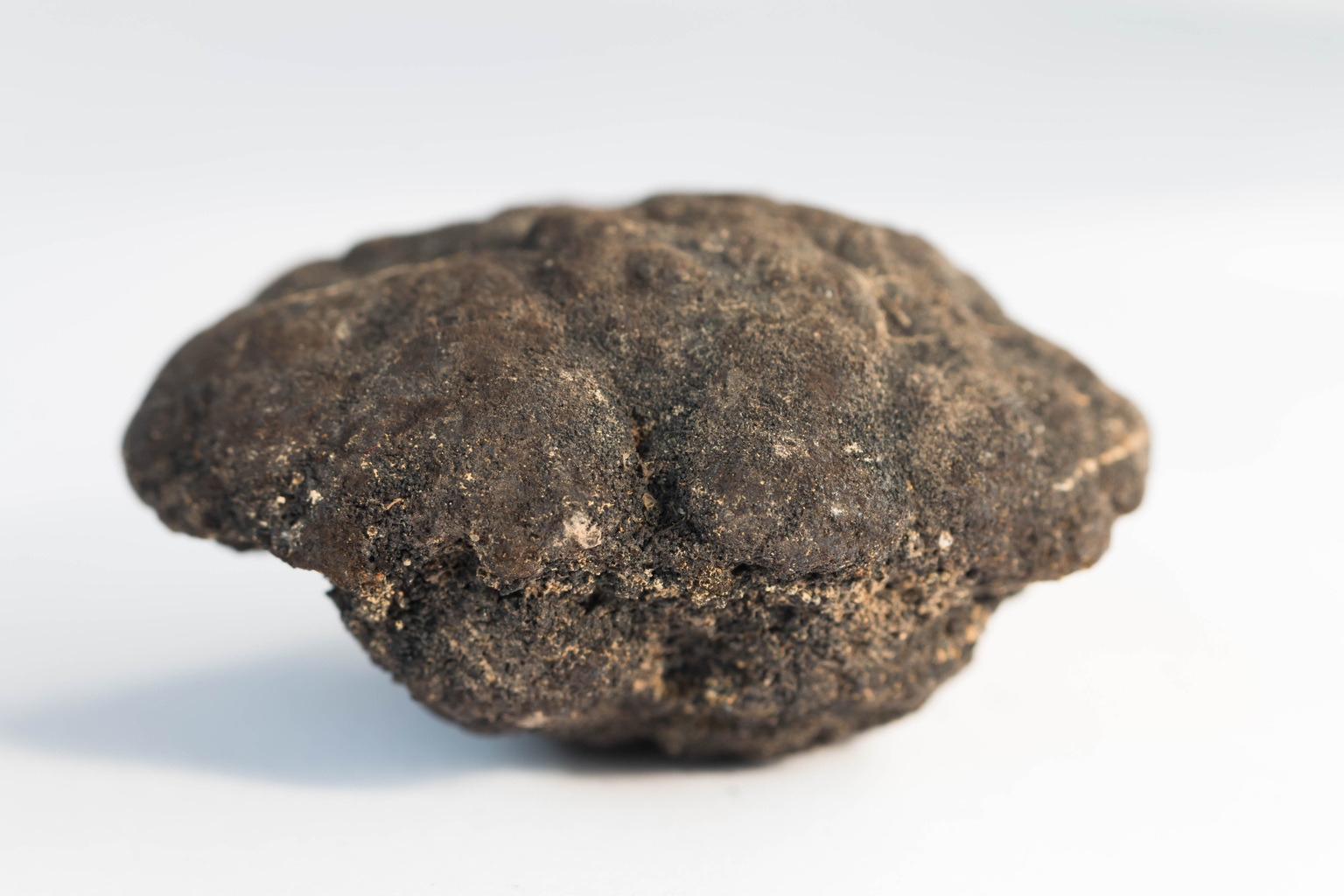
- Mineral Resource Potential: TMC possesses polymetallic nodules worth billions, rich in nickel, cobalt, copper, and manganese, all critical to the U.S., yet the lack of a commercial recovery permit hinders its ability to legally harvest these resources, limiting market potential.
- Regulatory Progress Optimism: TMC could secure the necessary commercial recovery permit within the next 12 months, transforming it from a speculative idea into a metal company with a defined revenue path, significantly enhancing its market position.
- Technical Readiness: TMC has demonstrated the effectiveness of its nodule collection technology, equipped on its vessel
Trade with 70% Backtested Accuracy
Stop guessing "Should I Buy TMC?" and start using high-conviction signals backed by rigorous historical data.
Sign up today to access powerful investing tools and make smarter, data-driven decisions.
Analyst Views on TMC
Wall Street analysts forecast TMC stock price to rise
3 Analyst Rating
3 Buy
0 Hold
0 Sell
Strong Buy
Current: 6.160

Low
6.50
Averages
8.33
High
11.00
Current: 6.160
Low
6.50
Averages
8.33
High
11.00
About TMC
TMC the metals company Inc. is a deep-sea minerals exploration company. The Company is focused on the collection and processing of polymetallic nodules found on the seafloor in international waters of the Clarion Clipperton Zone in the Pacific Ocean (CCZ), located approximately 1,300 nautical miles southwest of San Diego, California. The CCZ is a geological submarine fracture zone of abyssal plains and other formations in the Eastern Pacific Ocean, with a length of around 4,500 miles that spans approximately 1,737,000 square miles. These nodules contain high grades of four metals (nickel, copper, cobalt, manganese) which can be used as feedstock for battery cathode precursors (nickel, cobalt and manganese sulfates, or intermediate nickel-copper-cobalt matte) for electric vehicles (EV) and energy storage markets; copper cathode for EV wiring, energy transmission and other applications, and manganese silicate for manganese alloy production required for steel production.
About the author

Emily J. Thompson
Emily J. Thompson, a Chartered Financial Analyst (CFA) with 12 years in investment research, graduated with honors from the Wharton School. Specializing in industrial and technology stocks, she provides in-depth analysis for Intellectia’s earnings and market brief reports.
TMC Secures Compliance for Exploration License Application

- License Compliance: TMC's stock rose 5.3% in early trading after the NOAA confirmed that its application for an exploration license and commercial recovery permit fully complies with the Deep Seabed Hard Mineral Resources Act.
- Review Process Advancement: The consolidated application has now moved into the certification stage, followed by a draft environmental impact statement for public comment, with a final determination expected before the end of Q1 2027, ensuring smooth project progression.
- Expanded Resource Potential: TMC's application covers approximately 65,000 square kilometers for exploration and commercial recovery, significantly up from the initial 25,000 square kilometers in April 2025, with an estimated resource of 619 million metric tons of wet nodules and an additional 200 million tons of potential exploration upside.
- Deep-Sea Mining Outlook: As the license application progresses, TMC's path to success in deep-sea mining becomes clearer, potentially leading to substantial long-term gains and competitive advantages in the market.
See More
TMC USA Receives NOAA Compliance Ruling, Advances to Certification Stage
- Compliance Progress: TMC USA's subsidiary received a compliance ruling from NOAA, confirming that its application under the Deep Seabed Hard Mineral Resources Act meets all requirements, marking a significant step towards project certification and potential licensing.
- Environmental Impact Statement: Once certified, TMC will publish a draft Environmental Impact Statement (EIS) for public comment, and after the comment period, the EIS will be finalized, with NOAA deciding on the license issuance, expected to conclude by Q1 2027.
- Expanded Project Scope: The application now covers a 65,000-square-kilometer area for exploration and recovery, significantly larger than the initial 25,000 sq km, indicating TMC's confidence in the potential of polymetallic nodules, with a projected project value of $23.6 billion.
- Positive Market Reaction: TMC shares rose over 3% in opening trade and gained over 10% in pre-market, reflecting investor optimism about the company's future prospects, despite a 13% year-to-date decline, the stock has increased 73% over the past 12 months.
See More

Merger in Deep-Sea Mining Sparks Interest

- Merger Value: The definitive merger agreement between American Ocean Minerals and Odyssey Marine Exploration is valued at approximately $1 billion, resulting in a new entity that will trade on Nasdaq, potentially reshaping the deep-sea mining landscape.
- Leadership Advantage: Tom Albanese, the chairman of American Ocean Minerals, previously served as CEO of Rio Tinto, bringing substantial industry experience that will aid the new company in navigating regulatory and operational challenges in deep-sea mining.
- Resource Base Comparison: Post-merger, American Ocean Minerals will have access to 417 million metric tons of indicated resources and over 2 billion metric tons of inferred resources, while The Metals Company only reports 51 million metric tons of probable reserves, highlighting a significant disparity in resource scale that could influence market leadership.
- Investment Risk Advisory: While The Metals Company is more recognized among metal stocks, the merger positions American Ocean Minerals as a noteworthy emerging player; however, investors should carefully assess risks as neither company has commenced commercial operations.
See More

American Ocean Minerals and Odyssey Marine Exploration Announce Merger
- Merger Agreement: American Ocean Minerals and Odyssey Marine Exploration have announced a merger valued at approximately $1 billion, with the new entity set to trade on Nasdaq under the ticker AOMC, which is expected to enhance market competitiveness.
- Leadership Advantage: Tom Albanese, the chairman of American Ocean Minerals, previously served as CEO of Rio Tinto, and his extensive industry experience positions the company to effectively navigate the regulatory and operational challenges of the deep-sea mining sector, thereby strengthening its market position.
- Resource Base Comparison: Upon completion of the merger, American Ocean Minerals will have access to 417 million metric tons of indicated resources and over 2 billion metric tons of inferred resources, while The Metals Company only reports 51 million metric tons of probable reserves, highlighting a significant disparity in resource scale that could lead to industry leadership.
- Investment Risk Advisory: Although both American Ocean Minerals and The Metals Company show potential in the deep-sea mining sector, neither has commenced commercial operations, necessitating that investors possess a high risk tolerance to navigate the uncertainties of the market.
See More

The Future and Challenges of Deep-Sea Mining
- Deep-Sea Mining Potential: The Metals Company aims to establish mining operations underwater to produce critical metals like nickel, cobalt, copper, and manganese, essential for industries such as energy and defense, despite currently generating no revenue.
- Technological Advancements: The company is developing new technologies to improve upon past deep-sea mining efforts, facing even greater challenges and costs than traditional mining, which requires overcoming significant technical and economic barriers.
- Policy Support: In 2025, President Trump signed an executive order to support critical mineral production via deep-sea mining, and the U.S. has signed a treaty with Japan to collaborate on this initiative, highlighting governmental backing for the industry.
- Market Opportunities: With China being a dominant supplier of critical materials, deep-sea mining presents an opportunity for the U.S. and other nations to diversify their sources, positioning The Metals Company to benefit from the growing interest in this sector, although substantial work remains before achieving profitability.
See More

The Mining Company's Challenges and Opportunities in Deep-Sea Mining
- Financial Struggles: The Mining Company (NASDAQ: TMC) is currently operating at a loss without generating any revenue, heavily investing in exploration and evaluation, which poses significant risks for investors.
- Technological Advancement Potential: The company is developing new technologies to improve upon past deep-sea mining efforts, and while facing high construction and operational costs, the likelihood of success is gradually increasing.
- Enhanced Policy Support: In 2025, President Trump signed an executive order to support the production of critical minerals through deep-sea mining, and the U.S. has signed treaties with Japan, indicating growing policy backing for this initiative.
- Rising Market Demand: With increasing global demand for critical metals like nickel, cobalt, copper, and manganese, deep-sea mining is seen as an opportunity to diversify material sources, although substantial work remains before profitability can be achieved.
See More
TMC Secures Compliance for Exploration License Application
- License Compliance: TMC's stock rose 5.3% in early trading after the NOAA confirmed that its application for an exploration license and commercial recovery permit fully complies with the Deep Seabed Hard Mineral Resources Act.
- Review Process Advancement: The consolidated application has now moved into the certification stage, followed by a draft environmental impact statement for public comment, with a final determination expected before the end of Q1 2027, ensuring smooth project progression.
- Expanded Resource Potential: TMC's application covers approximately 65,000 square kilometers for exploration and commercial recovery, significantly up from the initial 25,000 square kilometers in April 2025, with an estimated resource of 619 million metric tons of wet nodules and an additional 200 million tons of potential exploration upside.
- Deep-Sea Mining Outlook: As the license application progresses, TMC's path to success in deep-sea mining becomes clearer, potentially leading to substantial long-term gains and competitive advantages in the market.
See More
TMC USA Receives NOAA Compliance Ruling, Advances to Certification Stage
- Compliance Progress: TMC USA's subsidiary received a compliance ruling from NOAA, confirming that its application under the Deep Seabed Hard Mineral Resources Act meets all requirements, marking a significant step towards project certification and potential licensing.
- Environmental Impact Statement: Once certified, TMC will publish a draft Environmental Impact Statement (EIS) for public comment, and after the comment period, the EIS will be finalized, with NOAA deciding on the license issuance, expected to conclude by Q1 2027.
- Expanded Project Scope: The application now covers a 65,000-square-kilometer area for exploration and recovery, significantly larger than the initial 25,000 sq km, indicating TMC's confidence in the potential of polymetallic nodules, with a projected project value of $23.6 billion.
- Positive Market Reaction: TMC shares rose over 3% in opening trade and gained over 10% in pre-market, reflecting investor optimism about the company's future prospects, despite a 13% year-to-date decline, the stock has increased 73% over the past 12 months.
See More
Merger in Deep-Sea Mining Sparks Interest
- Merger Value: The definitive merger agreement between American Ocean Minerals and Odyssey Marine Exploration is valued at approximately $1 billion, resulting in a new entity that will trade on Nasdaq, potentially reshaping the deep-sea mining landscape.
- Leadership Advantage: Tom Albanese, the chairman of American Ocean Minerals, previously served as CEO of Rio Tinto, bringing substantial industry experience that will aid the new company in navigating regulatory and operational challenges in deep-sea mining.
- Resource Base Comparison: Post-merger, American Ocean Minerals will have access to 417 million metric tons of indicated resources and over 2 billion metric tons of inferred resources, while The Metals Company only reports 51 million metric tons of probable reserves, highlighting a significant disparity in resource scale that could influence market leadership.
- Investment Risk Advisory: While The Metals Company is more recognized among metal stocks, the merger positions American Ocean Minerals as a noteworthy emerging player; however, investors should carefully assess risks as neither company has commenced commercial operations.
See More
American Ocean Minerals and Odyssey Marine Exploration Announce Merger
- Merger Agreement: American Ocean Minerals and Odyssey Marine Exploration have announced a merger valued at approximately $1 billion, with the new entity set to trade on Nasdaq under the ticker AOMC, which is expected to enhance market competitiveness.
- Leadership Advantage: Tom Albanese, the chairman of American Ocean Minerals, previously served as CEO of Rio Tinto, and his extensive industry experience positions the company to effectively navigate the regulatory and operational challenges of the deep-sea mining sector, thereby strengthening its market position.
- Resource Base Comparison: Upon completion of the merger, American Ocean Minerals will have access to 417 million metric tons of indicated resources and over 2 billion metric tons of inferred resources, while The Metals Company only reports 51 million metric tons of probable reserves, highlighting a significant disparity in resource scale that could lead to industry leadership.
- Investment Risk Advisory: Although both American Ocean Minerals and The Metals Company show potential in the deep-sea mining sector, neither has commenced commercial operations, necessitating that investors possess a high risk tolerance to navigate the uncertainties of the market.
See More
The Future and Challenges of Deep-Sea Mining
- Deep-Sea Mining Potential: The Metals Company aims to establish mining operations underwater to produce critical metals like nickel, cobalt, copper, and manganese, essential for industries such as energy and defense, despite currently generating no revenue.
- Technological Advancements: The company is developing new technologies to improve upon past deep-sea mining efforts, facing even greater challenges and costs than traditional mining, which requires overcoming significant technical and economic barriers.
- Policy Support: In 2025, President Trump signed an executive order to support critical mineral production via deep-sea mining, and the U.S. has signed a treaty with Japan to collaborate on this initiative, highlighting governmental backing for the industry.
- Market Opportunities: With China being a dominant supplier of critical materials, deep-sea mining presents an opportunity for the U.S. and other nations to diversify their sources, positioning The Metals Company to benefit from the growing interest in this sector, although substantial work remains before achieving profitability.
See More
The Mining Company's Challenges and Opportunities in Deep-Sea Mining
- Financial Struggles: The Mining Company (NASDAQ: TMC) is currently operating at a loss without generating any revenue, heavily investing in exploration and evaluation, which poses significant risks for investors.
- Technological Advancement Potential: The company is developing new technologies to improve upon past deep-sea mining efforts, and while facing high construction and operational costs, the likelihood of success is gradually increasing.
- Enhanced Policy Support: In 2025, President Trump signed an executive order to support the production of critical minerals through deep-sea mining, and the U.S. has signed treaties with Japan, indicating growing policy backing for this initiative.
- Rising Market Demand: With increasing global demand for critical metals like nickel, cobalt, copper, and manganese, deep-sea mining is seen as an opportunity to diversify material sources, although substantial work remains before profitability can be achieved.
See More