Tim Draper Bullish on Bitcoin's Future
Written by Emily J. Thompson, Senior Investment Analyst
Updated: 4 hours ago
0mins
Should l Buy TSLA?
Source: NASDAQ.COM
- Bitcoin Price Volatility: In 2026, Bitcoin's price fell from over $87,000 to around $74,000, influenced by inflation concerns, the Iran war, and large holder sell-offs, highlighting market instability.
- Draper's Investment Belief: As an early Bitcoin investor, Draper purchased 29,600 Bitcoins for $18.7 million in 2014 and remains bullish on its potential to reach $250,000 in the next 18 months, citing inflationary pressures and a weakening dollar as catalysts.
- Future of Blockchain: Draper believes Bitcoin and its blockchain technology will lead economic transformation by reducing intermediaries and enhancing transaction efficiency, emphasizing the critical role of blockchain in the future economy.
- Investor Caution: Despite Draper's historically successful predictions, the high volatility of Bitcoin warrants caution among investors, suggesting that Bitcoin could serve as a diversification option within an investment portfolio.
Trade with 70% Backtested Accuracy
Stop guessing "Should I Buy TSLA?" and start using high-conviction signals backed by rigorous historical data.
Sign up today to access powerful investing tools and make smarter, data-driven decisions.
Analyst Views on TSLA
Wall Street analysts forecast TSLA stock price to rise
30 Analyst Rating
12 Buy
11 Hold
7 Sell
Hold
Current: 392.500

Low
25.28
Averages
401.93
High
600.00
Current: 392.500
Low
25.28
Averages
401.93
High
600.00
About TSLA
Tesla, Inc. designs, develops, manufactures, sells and leases high-performance fully electric vehicles and energy generation and storage systems, and offers services related to its products. Its segments include automotive, and energy generation and storage. The automotive segment includes the design, development, manufacturing, sales and leasing of high-performance fully electric vehicles, and sales of automotive regulatory credits. It also includes sales of used vehicles, non-warranty maintenance services and collisions, part sales, paid supercharging, insurance services revenue and retail merchandise sales. The energy generation and storage segment include the design, manufacture, installation, sales and leasing of solar energy generation and energy storage products and related services and sales of solar energy systems incentives. Its consumer vehicles include the Model 3, Y, S, X and Cybertruck. Its lithium-ion battery energy storage products include Powerwall and Megapack.
About the author

Emily J. Thompson
Emily J. Thompson, a Chartered Financial Analyst (CFA) with 12 years in investment research, graduated with honors from the Wharton School. Specializing in industrial and technology stocks, she provides in-depth analysis for Intellectia’s earnings and market brief reports.
Tesla Q1 Earnings Preview: Key Metrics and Market Expectations

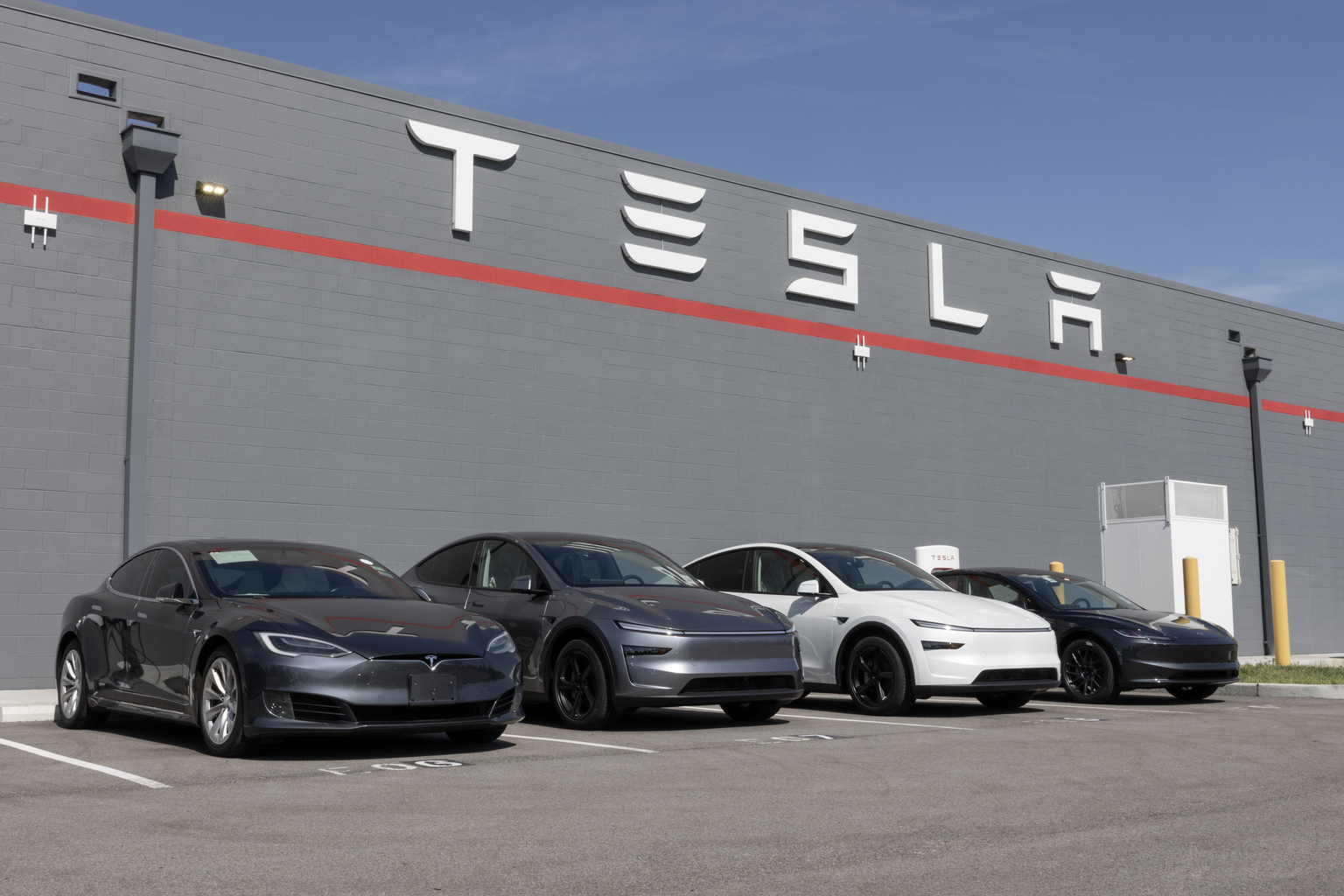
- Earnings Expectations: Tesla is projected to report Q1 revenue of $22.3 billion, with an automotive gross margin of 16.0%, earnings per share of $0.36, energy storage deployment of 8.8 GWh, and free cash flow of -$1.8 billion, indicating financial pressure amid a weaker start to the year.
- Delivery Data: The company delivered 358,023 vehicles in Q1, falling short of the 365,000 vehicle consensus estimate, despite producing 408,386 vehicles, highlighting a mismatch between production capacity and market demand.
- Capital Expenditure Concerns: Analysts express concerns that Tesla may push capital spending above $20 billion in 2026 due to investments in Terafab and other AI-related projects, which could impact the company's financial health and future growth potential.
- Market Reaction Expectations: Options trading suggests a potential 6% share price move following the earnings report, with investors keenly awaiting Elon Musk's presentation, particularly regarding the robotaxi rollout, which could influence Tesla's competitive position against rivals.
See More
Tesla Faces Margin Pressure and Cash Burn Ahead of Q1 Earnings
- Significant Margin Pressure: Jefferies raised Tesla's price target from $300 to $350, still implying an 11% downside from current levels, with Q1 revenue expected around $21.2 billion and a core automotive gross margin of only 15.5%, highlighting the profitability challenges the company faces.
- Increased Cash Burn: Tesla's capital expenditures are projected to exceed $19 billion this year, more than doubling from $9 billion last year, leading to a cash burn of $4.9 billion, which could negatively impact the company's short-term financial health.
- Widening Delivery and Production Gap: Tesla delivered 358,023 vehicles in Q1, showing year-over-year growth, but produced 408,386 vehicles, resulting in a delivery-production gap of over 50,000 units, indicating pressure on demand absorption that investors will closely monitor.
- Shift in Future Investment Focus: Tesla plans to direct most of its investments towards Cybercab production lines and Optimus robots rather than traditional EV models, with CEO Elon Musk stating that 2026 will be a “big capex year,” indicating the company's preparation for future technological transformations.
See More

Tesla's Quarterly Results Raise Demand Concerns
- Disappointing Performance: Tesla's latest quarterly results fell short of market expectations, raising investor concerns about the sustainability of future demand, which could negatively impact stock prices and investor confidence.
- Emerging Demand Issues: Analysts suggest that the decline in performance may be an early sign of deeper demand problems facing Tesla, which, if not addressed quickly, could have long-term implications for future sales.
- Critical Date Approaching: April 22, 2026, is viewed as a pivotal moment that could shift Tesla's overall narrative, prompting investors to closely monitor market dynamics and company strategy adjustments leading up to and following this date.
- Cautious Market Reaction: Based on market prices from April 10, 2026, fluctuations in Tesla's stock reflect investor caution regarding the company's future performance, potentially exacerbating market uncertainty in the short term.
See More

Rivian Automotive Faces Huge Growth Opportunities

- Market Potential: Rivian Automotive's market cap is currently around $21 billion, and if it could reach Tesla's valuation, there would be over 5,000% potential upside, indicating significant future growth potential in the EV market.
- Accelerated AI Investment: Rivian is ramping up investments in AI and autonomous driving technology, and while it cannot match Tesla's spending, its first AI Day impressed analysts, showcasing the company's commitment to future technologies.
- New Model Launch: Rivian plans to launch its first mass-market R2 SUV priced under $50,000 this year, which should help expand its production infrastructure and generate more driving data to enhance its AI models.
- Strategic Execution Challenges: Although Rivian is investing in several key areas, it still lags years behind Tesla, but if its AI and R2 SUV investments succeed, it could very well become the next Tesla.
See More
Latest Wall Street Ratings Overview


- Cybersecurity Investment Opportunity: Berenberg initiates coverage on Palo Alto Networks with a buy rating, highlighting its status as a 'best-in-class' player in cybersecurity, combining multiple growth engines and strong product breadth, which is expected to attract more investor interest in its sustained growth potential.
- Optimistic Tesla Outlook: Bank of America reiterates Tesla as a buy, anticipating that the upcoming Q1 earnings report will focus on its robotaxi deployments aimed at disrupting the rideshare market and capturing a portion of the $1 trillion market opportunity, showcasing its strategic advantage amid increasing competition.
- Packaging Industry Growth Potential: Raymond James upgrades Ball Corp to outperform, citing the company's strong performance in cost pass-throughs and structural support for the beverage sector, predicting it will achieve outsized growth compared to its packaging peers.
- Biopharma Market Prospects: Canaccord initiates AbbVie with a buy rating and a price target of $262, emphasizing its position as a 'core holding' and showcasing its strong growth potential and market appeal in the biopharmaceutical sector.
See More

Tim Draper Bullish on Bitcoin's Future
- Bitcoin Price Volatility: In 2026, Bitcoin's price fell from over $87,000 to around $74,000, influenced by inflation concerns, the Iran war, and large holder sell-offs, highlighting market instability.
- Draper's Investment Belief: As an early Bitcoin investor, Draper purchased 29,600 Bitcoins for $18.7 million in 2014 and remains bullish on its potential to reach $250,000 in the next 18 months, citing inflationary pressures and a weakening dollar as catalysts.
- Future of Blockchain: Draper believes Bitcoin and its blockchain technology will lead economic transformation by reducing intermediaries and enhancing transaction efficiency, emphasizing the critical role of blockchain in the future economy.
- Investor Caution: Despite Draper's historically successful predictions, the high volatility of Bitcoin warrants caution among investors, suggesting that Bitcoin could serve as a diversification option within an investment portfolio.
See More
Tesla Q1 Earnings Preview: Key Metrics and Market Expectations
- Earnings Expectations: Tesla is projected to report Q1 revenue of $22.3 billion, with an automotive gross margin of 16.0%, earnings per share of $0.36, energy storage deployment of 8.8 GWh, and free cash flow of -$1.8 billion, indicating financial pressure amid a weaker start to the year.
- Delivery Data: The company delivered 358,023 vehicles in Q1, falling short of the 365,000 vehicle consensus estimate, despite producing 408,386 vehicles, highlighting a mismatch between production capacity and market demand.
- Capital Expenditure Concerns: Analysts express concerns that Tesla may push capital spending above $20 billion in 2026 due to investments in Terafab and other AI-related projects, which could impact the company's financial health and future growth potential.
- Market Reaction Expectations: Options trading suggests a potential 6% share price move following the earnings report, with investors keenly awaiting Elon Musk's presentation, particularly regarding the robotaxi rollout, which could influence Tesla's competitive position against rivals.
See More
Tesla Faces Margin Pressure and Cash Burn Ahead of Q1 Earnings
- Significant Margin Pressure: Jefferies raised Tesla's price target from $300 to $350, still implying an 11% downside from current levels, with Q1 revenue expected around $21.2 billion and a core automotive gross margin of only 15.5%, highlighting the profitability challenges the company faces.
- Increased Cash Burn: Tesla's capital expenditures are projected to exceed $19 billion this year, more than doubling from $9 billion last year, leading to a cash burn of $4.9 billion, which could negatively impact the company's short-term financial health.
- Widening Delivery and Production Gap: Tesla delivered 358,023 vehicles in Q1, showing year-over-year growth, but produced 408,386 vehicles, resulting in a delivery-production gap of over 50,000 units, indicating pressure on demand absorption that investors will closely monitor.
- Shift in Future Investment Focus: Tesla plans to direct most of its investments towards Cybercab production lines and Optimus robots rather than traditional EV models, with CEO Elon Musk stating that 2026 will be a “big capex year,” indicating the company's preparation for future technological transformations.
See More
Tesla's Quarterly Results Raise Demand Concerns
- Disappointing Performance: Tesla's latest quarterly results fell short of market expectations, raising investor concerns about the sustainability of future demand, which could negatively impact stock prices and investor confidence.
- Emerging Demand Issues: Analysts suggest that the decline in performance may be an early sign of deeper demand problems facing Tesla, which, if not addressed quickly, could have long-term implications for future sales.
- Critical Date Approaching: April 22, 2026, is viewed as a pivotal moment that could shift Tesla's overall narrative, prompting investors to closely monitor market dynamics and company strategy adjustments leading up to and following this date.
- Cautious Market Reaction: Based on market prices from April 10, 2026, fluctuations in Tesla's stock reflect investor caution regarding the company's future performance, potentially exacerbating market uncertainty in the short term.
See More
Rivian Automotive Faces Huge Growth Opportunities
- Market Potential: Rivian Automotive's market cap is currently around $21 billion, and if it could reach Tesla's valuation, there would be over 5,000% potential upside, indicating significant future growth potential in the EV market.
- Accelerated AI Investment: Rivian is ramping up investments in AI and autonomous driving technology, and while it cannot match Tesla's spending, its first AI Day impressed analysts, showcasing the company's commitment to future technologies.
- New Model Launch: Rivian plans to launch its first mass-market R2 SUV priced under $50,000 this year, which should help expand its production infrastructure and generate more driving data to enhance its AI models.
- Strategic Execution Challenges: Although Rivian is investing in several key areas, it still lags years behind Tesla, but if its AI and R2 SUV investments succeed, it could very well become the next Tesla.
See More
Latest Wall Street Ratings Overview
- Cybersecurity Investment Opportunity: Berenberg initiates coverage on Palo Alto Networks with a buy rating, highlighting its status as a 'best-in-class' player in cybersecurity, combining multiple growth engines and strong product breadth, which is expected to attract more investor interest in its sustained growth potential.
- Optimistic Tesla Outlook: Bank of America reiterates Tesla as a buy, anticipating that the upcoming Q1 earnings report will focus on its robotaxi deployments aimed at disrupting the rideshare market and capturing a portion of the $1 trillion market opportunity, showcasing its strategic advantage amid increasing competition.
- Packaging Industry Growth Potential: Raymond James upgrades Ball Corp to outperform, citing the company's strong performance in cost pass-throughs and structural support for the beverage sector, predicting it will achieve outsized growth compared to its packaging peers.
- Biopharma Market Prospects: Canaccord initiates AbbVie with a buy rating and a price target of $262, emphasizing its position as a 'core holding' and showcasing its strong growth potential and market appeal in the biopharmaceutical sector.
See More
Tim Draper Bullish on Bitcoin's Future
- Bitcoin Price Volatility: In 2026, Bitcoin's price fell from over $87,000 to around $74,000, influenced by inflation concerns, the Iran war, and large holder sell-offs, highlighting market instability.
- Draper's Investment Belief: As an early Bitcoin investor, Draper purchased 29,600 Bitcoins for $18.7 million in 2014 and remains bullish on its potential to reach $250,000 in the next 18 months, citing inflationary pressures and a weakening dollar as catalysts.
- Future of Blockchain: Draper believes Bitcoin and its blockchain technology will lead economic transformation by reducing intermediaries and enhancing transaction efficiency, emphasizing the critical role of blockchain in the future economy.
- Investor Caution: Despite Draper's historically successful predictions, the high volatility of Bitcoin warrants caution among investors, suggesting that Bitcoin could serve as a diversification option within an investment portfolio.
See More