Three Consumer Goods Companies for Long-Term Investment
Written by Emily J. Thompson, Senior Investment Analyst
Updated: Mar 02 2026
0mins

Source: Fool
- On Holding's Growth Potential: On Holding achieved a 34% year-over-year net sales growth in 2025 and aims to double its net sales by 2026, demonstrating strong competitiveness and innovation in the athletic footwear market.
- Celsius's Market Position: Celsius holds a 20% market share in the U.S. energy drink sector and has established a 99.5% all-commodity volume through its partnership with PepsiCo, creating a distribution moat that is difficult for competitors to replicate.
- e.l.f. Beauty's Brand Advantage: e.l.f. Beauty has enhanced its cultural relevance and premium positioning through the acquisition of the Rhode brand, showcasing its strong appeal among younger consumers in the beauty market.
- Long-Term Investment Confidence: All three companies exhibit robust growth potential and market adaptability, making them suitable for long-term holding to navigate future economic fluctuations and market changes.
Trade with 70% Backtested Accuracy
Stop guessing "Should I Buy ONON?" and start using high-conviction signals backed by rigorous historical data.
Sign up today to access powerful investing tools and make smarter, data-driven decisions.
Analyst Views on ONON
Wall Street analysts forecast ONON stock price to rise
21 Analyst Rating
18 Buy
2 Hold
1 Sell
Strong Buy
Current: 37.110

Low
30.00
Averages
60.79
High
85.00
Current: 37.110
Low
30.00
Averages
60.79
High
85.00
About ONON
On Holding AG is a Switzerland-based company active in athletic sports accesories industry. The Company provides footwear and sports apparel and is engaged in developing and distributing performance sports products, through independent retailers and global distributors. The Company sells its products trough the internet and its own stores.
About the author

Emily J. Thompson
Emily J. Thompson, a Chartered Financial Analyst (CFA) with 12 years in investment research, graduated with honors from the Wharton School. Specializing in industrial and technology stocks, she provides in-depth analysis for Intellectia’s earnings and market brief reports.

Lululemon Settles Proxy Contest with Founder Chip Wilson


- Settlement Agreement: Lululemon has reached a settlement with founder Chip Wilson, effectively ending the proxy contest initiated in December, which signifies a stabilization of corporate governance and harmony within the company.
- New Board Members: As part of the agreement, Lululemon will appoint two of Wilson's nominees—former On co-CEO Marc Maurer and former ESPN Chief Marketing Officer Laura Gentile—by October, enhancing the board's diversity and expertise.
- Stock Price Surge: Following the settlement announcement, Lululemon's shares rose approximately 4% in early trading, reflecting market optimism regarding improved governance and future growth potential.
- Community Support Commitment: Wilson initially sought reimbursement for expenses related to the proxy contest but ultimately agreed to a donation from Lululemon to Kitsilano Beach in Vancouver to support local athletics, arts, and landscaping, demonstrating the company's commitment to community responsibility.
See More

S&P 500 Hits New Highs, Investment Opportunities Emerge


- S&P 500 Performance: The S&P 500 continues to reach new highs, yet the cyclically adjusted P/E ratio (CAPE) has hit its second-highest level ever, indicating that market valuations are becoming alarmingly high, prompting investors to be cautious in seeking undervalued stocks.
- Target's Recovery: Target reported a 6.7% year-over-year sales increase and a 5.6% rise in comparable sales in Q1 2026, showcasing resilience despite challenges; the new CEO's strategic changes and store renovations have boosted market confidence, leading to a 31% stock price increase this year.
- Carnival's Strong Growth: Carnival achieved $6.2 billion in revenue for Q1 2026, a 6% year-over-year increase, with earnings per share rising 50% to $0.19; despite rising oil prices, the company has recorded its highest booking levels ever, reflecting robust market demand.
- On's Brand Ascendancy: On experienced a 26% year-over-year sales increase in Q1 2026, with direct-to-consumer sales up 28%; despite inflationary pressures, the company's gross margin improved from 59.9% to 64.2%, and net income surged by 82.2%, highlighting its competitive edge in the premium athletic wear market.
See More

Jim Cramer Stock Recommendations Analysis


- Stock Performance Analysis: Jim Cramer highlights Boost Run's impressive year-to-date stock performance, indicating strong market interest that could attract more speculative investors.
- DoorDash Investment Advice: Cramer sees DoorDash as a buy despite competition from hardware stocks, suggesting that its market potential remains significant and could appeal to investors seeking diversification.
- Leidos Stock Outlook: Although Leidos' stock is underperforming, Cramer believes its contributions to security are noteworthy, recommending investors consider buying during this downturn for potential future gains.
- Flex Stock Potential: Cramer expresses optimism about Flex's prospects, suggesting it could rise by 50% in the future, indicating strong market confidence in its business model that may draw more investor attention.
See More

Analysis of AI 11 Investment Trends and Athletic Apparel
- AI 11 Investment Portfolio: The 'AI 11' investment basket proposed by Yardeni Research includes 11 stocks related to infrastructure build-out, such as Intel, AMD, and Taiwan Semiconductor, reflecting market interest in the semiconductor sector; despite high current valuations, the long-term trend remains attractive.
- Athletic Apparel Performance: Recent earnings reports from Under Armour, On Holdings, and Adidas indicate that while facing tariff pressures, On Holdings shows significant growth in the Asia-Pacific region, and direct-to-consumer sales outperform wholesale, demonstrating brand competitiveness in the market.
- Consumer Spending Trends: The athletic apparel industry faces challenges from slowing consumer spending, particularly in North America; although On Holdings and Adidas excel in pricing new products, the overall market must focus on pricing power and inventory management.
- Gambling Stocks Outlook: DraftKings and Flutter Entertainment are facing competition from prediction markets, with both stocks down over 50%; however, the uncertainty in the regulatory environment may impact their long-term profitability, requiring investors to carefully assess market dynamics.
See More
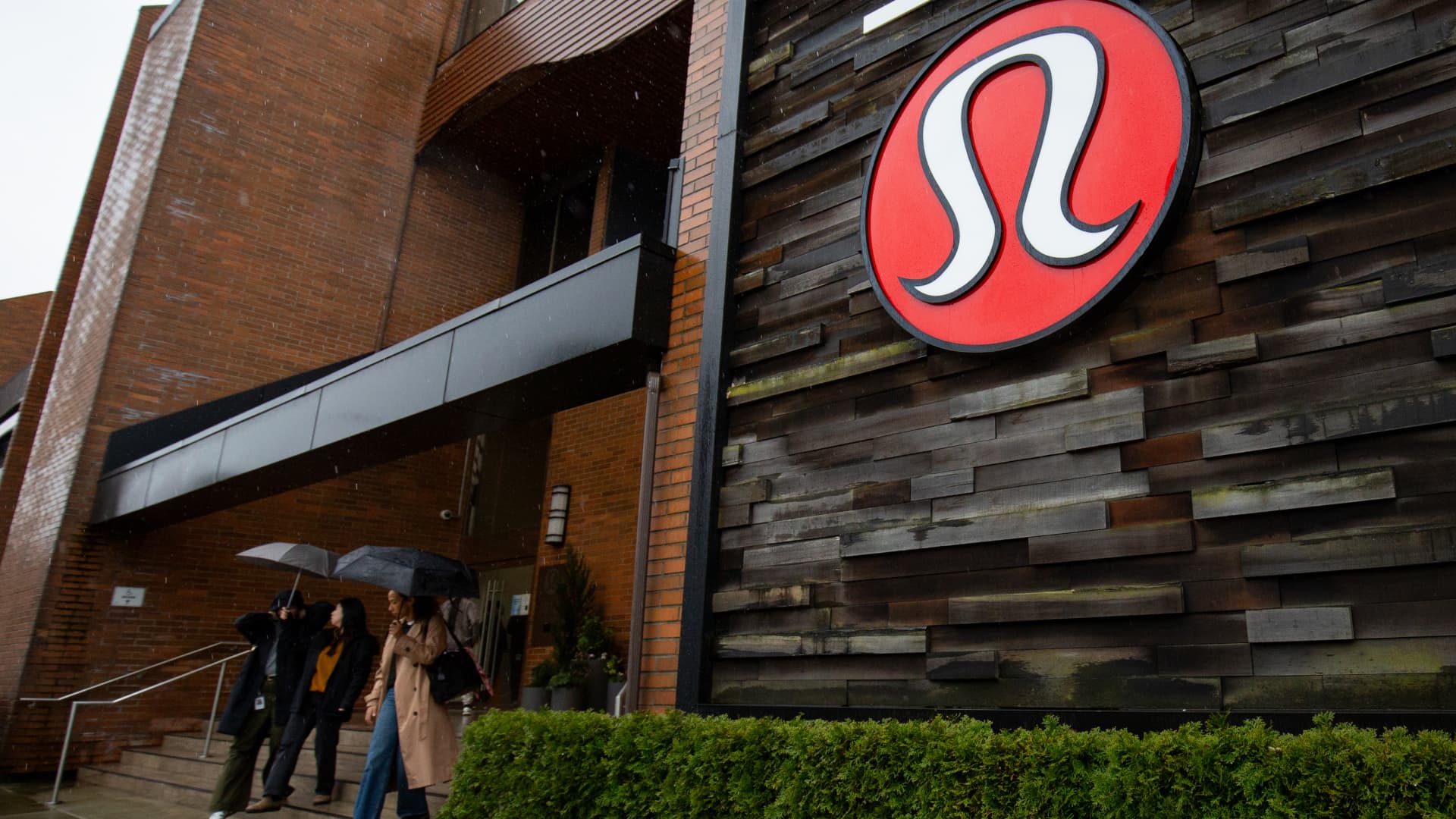
Lululemon's Proxy Fight with Founder Intensifies
- Shareholder Letter Response: Lululemon's letter to shareholders accuses founder Chip Wilson of holding 'outdated perspectives' and 'troubling conflicts of interest,' asserting that his board nominees would jeopardize the company's turnaround plan, demonstrating the company's firm stance on governance issues.
- Board Election Showdown: At the upcoming annual meeting, Lululemon will face a contest between Wilson's nominees and its own, including former Levi Strauss CEO Chip Bergh, reflecting strategic considerations in the leadership restructuring process.
- Increased Market Pressure: Lululemon has faced mounting pressure in the U.S. market over the past two years, particularly due to tariffs and weak consumer confidence, resulting in a nearly 43% drop in its stock price this year, highlighting the challenges the company faces in the competitive athleisure market.
- New CEO Appointment: Lululemon has appointed former Nike executive Heidi O'Neill as its new CEO, and while her appointment raises market concerns, the company is confident that her extensive experience will bring a turnaround for the brand, emphasizing her potential in rapid growth and brand revitalization.
See More
Nike Stock Continues to Decline, Outlook Worrisome

- Stock Price Decline: Nike (NKE) shares have continued to drift lower after a 16% drop in April, currently trading around $42, marking a 12-year low and approximately 34% below its early 2026 price.
- Revenue and Profit Pressure: In fiscal Q3 2026, Nike reported flat revenue at $11.3 billion, despite a 10% decline in fiscal 2025, while earnings per share fell 35% to $0.35, and net income dropped from $794 million to $520 million, indicating ongoing profitability challenges.
- Gross Margin Decline: Nike's gross margin contracted by 130 basis points to 40.2%, with North American tariffs exerting 300 basis points of pressure, marking the sixth consecutive quarter of year-over-year declines, highlighting significant cost challenges for the company.
- Attractive Dividend Yield: Despite the challenges, Nike's dividend yield has climbed to nearly 4%, and the company has raised its dividend for 24 consecutive years, returning approximately $609 million to shareholders in the latest quarter, reflecting a robust financial position.
See More
Lululemon Settles Proxy Contest with Founder Chip Wilson
- Settlement Agreement: Lululemon has reached a settlement with founder Chip Wilson, effectively ending the proxy contest initiated in December, which signifies a stabilization of corporate governance and harmony within the company.
- New Board Members: As part of the agreement, Lululemon will appoint two of Wilson's nominees—former On co-CEO Marc Maurer and former ESPN Chief Marketing Officer Laura Gentile—by October, enhancing the board's diversity and expertise.
- Stock Price Surge: Following the settlement announcement, Lululemon's shares rose approximately 4% in early trading, reflecting market optimism regarding improved governance and future growth potential.
- Community Support Commitment: Wilson initially sought reimbursement for expenses related to the proxy contest but ultimately agreed to a donation from Lululemon to Kitsilano Beach in Vancouver to support local athletics, arts, and landscaping, demonstrating the company's commitment to community responsibility.
See More
S&P 500 Hits New Highs, Investment Opportunities Emerge
- S&P 500 Performance: The S&P 500 continues to reach new highs, yet the cyclically adjusted P/E ratio (CAPE) has hit its second-highest level ever, indicating that market valuations are becoming alarmingly high, prompting investors to be cautious in seeking undervalued stocks.
- Target's Recovery: Target reported a 6.7% year-over-year sales increase and a 5.6% rise in comparable sales in Q1 2026, showcasing resilience despite challenges; the new CEO's strategic changes and store renovations have boosted market confidence, leading to a 31% stock price increase this year.
- Carnival's Strong Growth: Carnival achieved $6.2 billion in revenue for Q1 2026, a 6% year-over-year increase, with earnings per share rising 50% to $0.19; despite rising oil prices, the company has recorded its highest booking levels ever, reflecting robust market demand.
- On's Brand Ascendancy: On experienced a 26% year-over-year sales increase in Q1 2026, with direct-to-consumer sales up 28%; despite inflationary pressures, the company's gross margin improved from 59.9% to 64.2%, and net income surged by 82.2%, highlighting its competitive edge in the premium athletic wear market.
See More
Jim Cramer Stock Recommendations Analysis
- Stock Performance Analysis: Jim Cramer highlights Boost Run's impressive year-to-date stock performance, indicating strong market interest that could attract more speculative investors.
- DoorDash Investment Advice: Cramer sees DoorDash as a buy despite competition from hardware stocks, suggesting that its market potential remains significant and could appeal to investors seeking diversification.
- Leidos Stock Outlook: Although Leidos' stock is underperforming, Cramer believes its contributions to security are noteworthy, recommending investors consider buying during this downturn for potential future gains.
- Flex Stock Potential: Cramer expresses optimism about Flex's prospects, suggesting it could rise by 50% in the future, indicating strong market confidence in its business model that may draw more investor attention.
See More
Analysis of AI 11 Investment Trends and Athletic Apparel
- AI 11 Investment Portfolio: The 'AI 11' investment basket proposed by Yardeni Research includes 11 stocks related to infrastructure build-out, such as Intel, AMD, and Taiwan Semiconductor, reflecting market interest in the semiconductor sector; despite high current valuations, the long-term trend remains attractive.
- Athletic Apparel Performance: Recent earnings reports from Under Armour, On Holdings, and Adidas indicate that while facing tariff pressures, On Holdings shows significant growth in the Asia-Pacific region, and direct-to-consumer sales outperform wholesale, demonstrating brand competitiveness in the market.
- Consumer Spending Trends: The athletic apparel industry faces challenges from slowing consumer spending, particularly in North America; although On Holdings and Adidas excel in pricing new products, the overall market must focus on pricing power and inventory management.
- Gambling Stocks Outlook: DraftKings and Flutter Entertainment are facing competition from prediction markets, with both stocks down over 50%; however, the uncertainty in the regulatory environment may impact their long-term profitability, requiring investors to carefully assess market dynamics.
See More
Lululemon's Proxy Fight with Founder Intensifies
- Shareholder Letter Response: Lululemon's letter to shareholders accuses founder Chip Wilson of holding 'outdated perspectives' and 'troubling conflicts of interest,' asserting that his board nominees would jeopardize the company's turnaround plan, demonstrating the company's firm stance on governance issues.
- Board Election Showdown: At the upcoming annual meeting, Lululemon will face a contest between Wilson's nominees and its own, including former Levi Strauss CEO Chip Bergh, reflecting strategic considerations in the leadership restructuring process.
- Increased Market Pressure: Lululemon has faced mounting pressure in the U.S. market over the past two years, particularly due to tariffs and weak consumer confidence, resulting in a nearly 43% drop in its stock price this year, highlighting the challenges the company faces in the competitive athleisure market.
- New CEO Appointment: Lululemon has appointed former Nike executive Heidi O'Neill as its new CEO, and while her appointment raises market concerns, the company is confident that her extensive experience will bring a turnaround for the brand, emphasizing her potential in rapid growth and brand revitalization.
See More
Nike Stock Continues to Decline, Outlook Worrisome
- Stock Price Decline: Nike (NKE) shares have continued to drift lower after a 16% drop in April, currently trading around $42, marking a 12-year low and approximately 34% below its early 2026 price.
- Revenue and Profit Pressure: In fiscal Q3 2026, Nike reported flat revenue at $11.3 billion, despite a 10% decline in fiscal 2025, while earnings per share fell 35% to $0.35, and net income dropped from $794 million to $520 million, indicating ongoing profitability challenges.
- Gross Margin Decline: Nike's gross margin contracted by 130 basis points to 40.2%, with North American tariffs exerting 300 basis points of pressure, marking the sixth consecutive quarter of year-over-year declines, highlighting significant cost challenges for the company.
- Attractive Dividend Yield: Despite the challenges, Nike's dividend yield has climbed to nearly 4%, and the company has raised its dividend for 24 consecutive years, returning approximately $609 million to shareholders in the latest quarter, reflecting a robust financial position.
See More