Thoma Bravo and Google Cloud Form Strategic Partnership
Thoma Bravo and Google Cloud have launched a strategic partnership to help enterprise software companies accelerate their AI transformations. Through the partnership, Thoma Bravo's portfolio companies will receive streamlined access to Google Cloud's AI platform including its Gemini models and Gemini Enterprise platform for agentic AI; teams of Google forward deployed engineers to rapidly solve deep technical challenges; and new routes to market for SaaS companies through Google Cloud's Marketplace and co-sell programs. "This partnership will allow our portfolio companies to rapidly implement leading AI technology from Google Cloud, which will enable our companies to build and deliver the most innovative AI solutions for their customers," said Orlando Bravo, a Founder and Managing Partner at Thoma Bravo. "Through our partnership with Google, our portfolio companies will be in position to build the next generation of AI solutions for nearly every process, function, and industry across enterprises including human capital management, interconnected planning, procurement, aviation, manufacturing, financial services, healthcare, real estate, and almost every segment across cybersecurity solutions." Additionally, Thoma Bravo's cybersecurity portfolio will partner with Google Cloud to identify and mitigate rapidly evolving security risks with AI.
Trade with 70% Backtested Accuracy
Analyst Views on GOOG

About GOOG
About the author

Google's SpaceX Stake Could Yield $100B Post-IPO

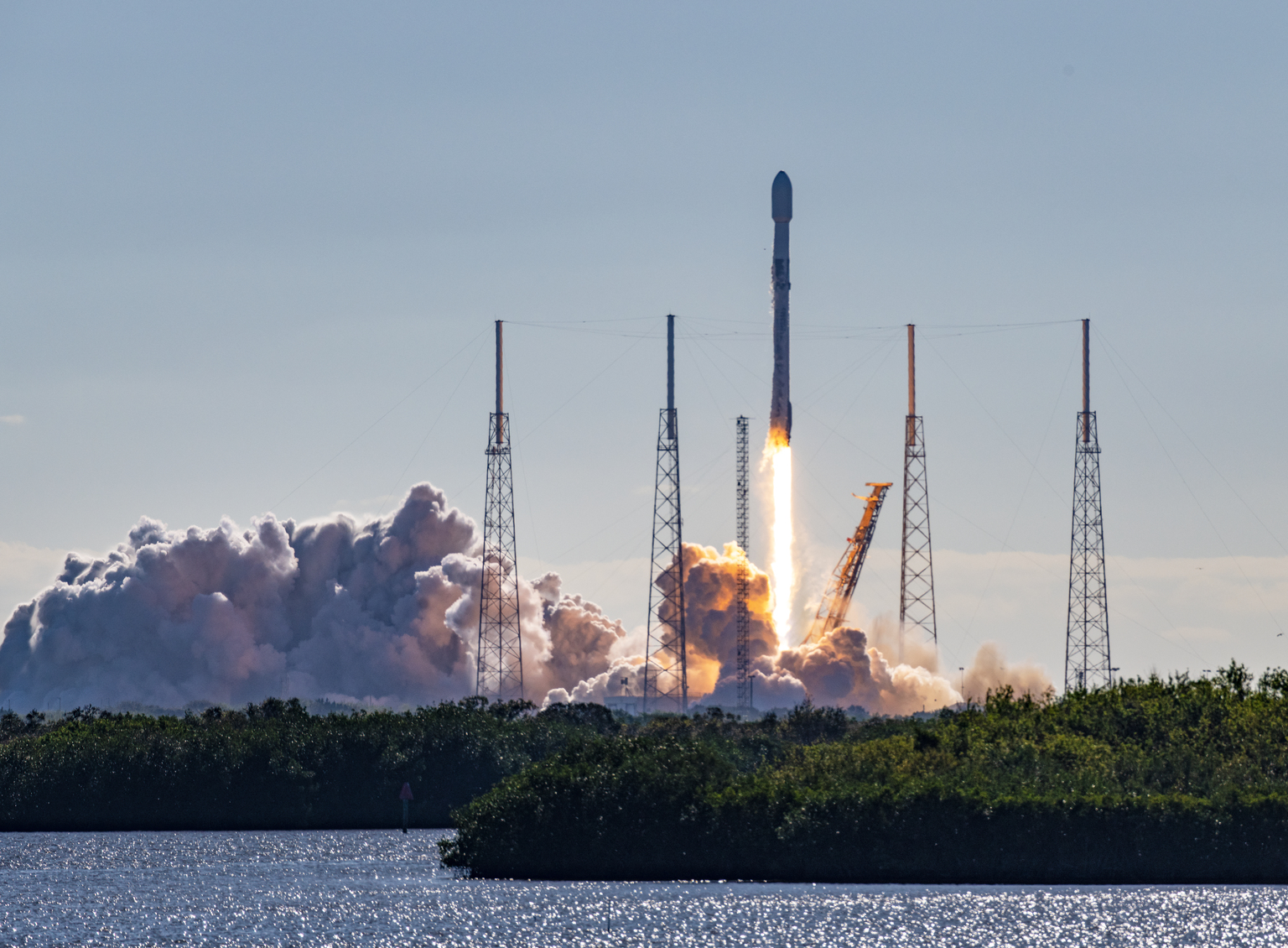
- Investment Return Potential: Google, holding a 6.11% stake in SpaceX, could see at least $100 billion in returns post-IPO, despite its stake being diluted to approximately 5% due to the SpaceX/xAI merger's impact.
- Record-Setting IPO Size: SpaceX aims for a June IPO that could raise at least $75 billion, making it the largest initial public offering on record, thereby enhancing the company's and its investors' market position.
- Creation of Billionaires: As the IPO approaches, early investors in SpaceX, including CEO Elon Musk and other executives, stand to gain significant wealth, with Musk's over 40% stake potentially making him the world's first trillionaire.
- Management Brain Drain Risk: Bloomberg raises concerns about potential brain drain among middle management post-IPO, especially given SpaceX's lean structure, where some executives may no longer need to work for financial stability, impacting future operational stability.
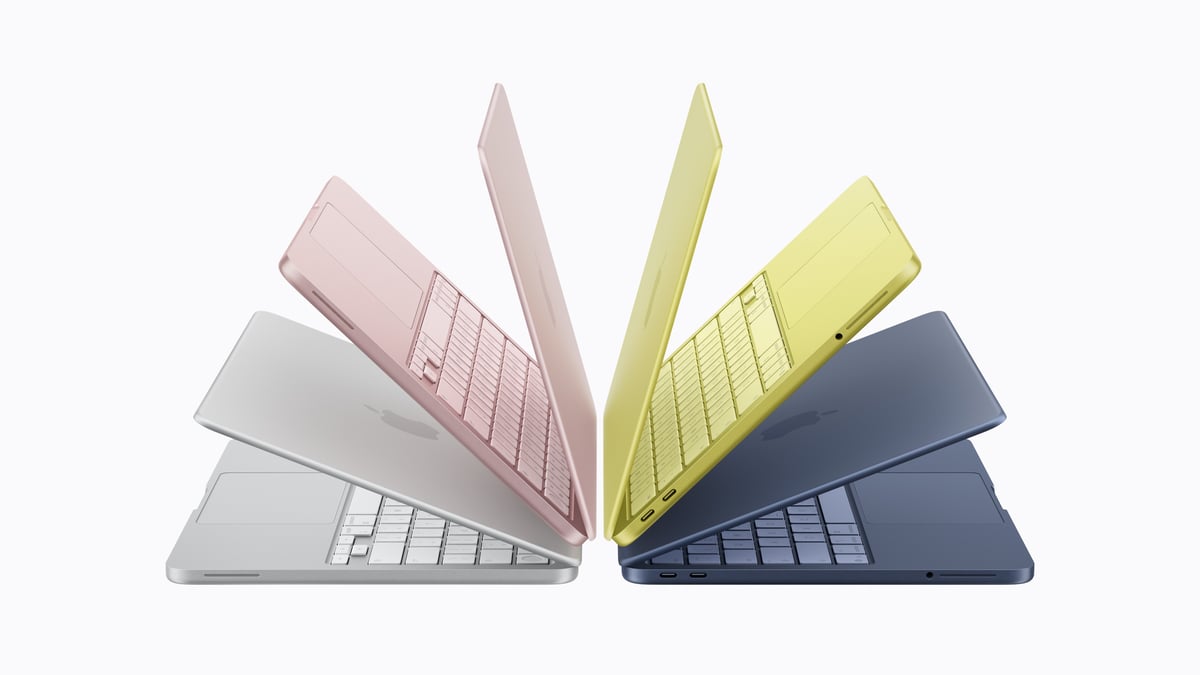
Apple Maintains Low Capital Expenditure in AI Race


- Earnings Momentum: In the fiscal Q1 of 2025, Apple reported a 16% year-over-year increase in net sales to $143.8 billion, driven by the iPhone 17 launch, which set a record with $85.3 billion in revenue, reflecting strong market demand and profitability.
- Strong Cash Flow: The company generated nearly $54 billion in operating cash flow during Q1, which not only funded its quarterly dividend but also allowed for a $25 billion stock repurchase, indicating robust financial health and commitment to shareholder returns.
- Capital Expenditure Advantage: Apple's capital expenditures for FY 2025 were only $12.7 billion, significantly lower than the over $100 billion projected by Amazon, Alphabet, and Meta, showcasing its capital-light strategy that effectively reduces financial burdens in the AI sector.
- Strategic Investment Focus: By partnering with companies like Alphabet, Apple mitigates direct investment risks in AI while maintaining competitiveness in its products and services, ensuring future growth potential and shareholder returns.

Apple's Q1 Operating Cash Flow Nears $54 Billion
- Outstanding Cash Flow: Apple's operating cash flow for Q1 of fiscal 2025 approached $54 billion, reflecting significant year-over-year growth that underscores the company's strong performance in product demand and profitability, thereby enhancing its financial flexibility.
- Capital Expenditure Strategy: In contrast to its peers, Apple's capital expenditures were only $12.7 billion, significantly lower than the over $100 billion projected by Amazon, Alphabet, and Meta, allowing Apple to engage in the AI market without sacrificing profitability due to its capital-light approach.
- Strong Product Sales: Fueled by the launch of the iPhone 17 family, Apple's net sales reached $143.8 billion in Q1, a 16% year-over-year increase, with iPhone revenue hitting an all-time quarterly high of $85.3 billion, demonstrating robust market demand and pricing power.
- Shareholder Return Plan: In Q1, Apple not only successfully paid its quarterly dividend but also repurchased approximately $25 billion in stock, indicating the company's commitment to maintaining strong cash flow while actively rewarding shareholders, thus boosting investor confidence.
NiSource Partners with Alphabet Subsidiary for Data Center

- Data Center Collaboration: NiSource has entered into a long-term energy agreement with an Alphabet subsidiary to support the development of a large-scale data center in northern Indiana, with services expected to commence in summer 2026, indicating a strategic move into the rapidly growing data center market.
- Expanded Agreement with Amazon: The expanded deal with Amazon Data Services will accelerate site energization, enabling earlier bill credits for residential customers, projected to save approximately $1.25 billion, thereby enhancing customer value and satisfaction.
- Generation Portfolio Plans: The company plans to establish a 340 MW generation portfolio and increase market capacity to support rapid data center growth while improving grid reliability and affordability, reflecting its commitment to sustainable energy solutions.
- Positive Stock Market Reaction: NiSource's shares rose about 3% following the announcement of the data center deals, demonstrating investor confidence in the company's future growth potential, with NI stock gaining over 13% this year, indicating a bullish market sentiment towards its business outlook.
Kering and Google to Launch Gucci Smart Glasses
- Smart Glasses Collaboration: Kering CEO Luca de Meo announced plans to collaborate with Google to launch Gucci-branded smart glasses, expected in 2027, aiming to enhance brand sales and market competitiveness through innovative products.
- Market Expansion Strategy: This partnership is part of Kering's broader strategy to expand its eyewear and jewelry lines, intending to attract younger consumers with smart glasses, thereby strengthening Gucci's influence in the luxury market.
- Industry Competition Analysis: Kering's smart glasses initiative will compete with other developers like Meta, EssilorLuxottica, Amazon, and Snap, which have already launched their own smart glasses products in the market.
- Technological Collaboration Prospects: The partnership with Google not only aims to elevate Gucci's brand image but may also drive further development in smart glasses technology, facilitating the digital transformation of the luxury goods sector.

Microsoft Faces AI Challenges as Shares Drop 20%


- AI Impact Assessment: Microsoft shares have dropped approximately 20% since the start of the year due to concerns over the impact of artificial intelligence on software-as-a-service (SaaS) companies and its AI infrastructure spending; while its enterprise software business remains relatively stable, the competitive cloud market and lack of top AI models and custom chips place it at a disadvantage.
- Collaboration with OpenAI: Although Microsoft's early partnership with OpenAI seemed wise during the AI boom, its reliance on these models has hindered its progress in developing custom AI chips, which remains in the early stages and has not effectively enhanced its market competitiveness.
- Alphabet's Advantage: Alphabet holds a significant edge in the AI space with its seventh-generation tensor processing units (TPUs), which provide cost advantages in AI model training and inference, and it has secured a $21 billion order from Anthropic, further solidifying its market position.
- Amazon's Dual Growth: As the largest cloud service provider, Amazon's custom chip business is rapidly growing, projected to reach a $20 billion run-rate, and its Trainium chips are expected to significantly reduce capital expenditures while boosting operating margins, positioning it strongly for future market potential with dual growth drivers in cloud computing and e-commerce.
Google's SpaceX Stake Could Yield $100B Post-IPO
- Investment Return Potential: Google, holding a 6.11% stake in SpaceX, could see at least $100 billion in returns post-IPO, despite its stake being diluted to approximately 5% due to the SpaceX/xAI merger's impact.
- Record-Setting IPO Size: SpaceX aims for a June IPO that could raise at least $75 billion, making it the largest initial public offering on record, thereby enhancing the company's and its investors' market position.
- Creation of Billionaires: As the IPO approaches, early investors in SpaceX, including CEO Elon Musk and other executives, stand to gain significant wealth, with Musk's over 40% stake potentially making him the world's first trillionaire.
- Management Brain Drain Risk: Bloomberg raises concerns about potential brain drain among middle management post-IPO, especially given SpaceX's lean structure, where some executives may no longer need to work for financial stability, impacting future operational stability.
Apple Maintains Low Capital Expenditure in AI Race
- Earnings Momentum: In the fiscal Q1 of 2025, Apple reported a 16% year-over-year increase in net sales to $143.8 billion, driven by the iPhone 17 launch, which set a record with $85.3 billion in revenue, reflecting strong market demand and profitability.
- Strong Cash Flow: The company generated nearly $54 billion in operating cash flow during Q1, which not only funded its quarterly dividend but also allowed for a $25 billion stock repurchase, indicating robust financial health and commitment to shareholder returns.
- Capital Expenditure Advantage: Apple's capital expenditures for FY 2025 were only $12.7 billion, significantly lower than the over $100 billion projected by Amazon, Alphabet, and Meta, showcasing its capital-light strategy that effectively reduces financial burdens in the AI sector.
- Strategic Investment Focus: By partnering with companies like Alphabet, Apple mitigates direct investment risks in AI while maintaining competitiveness in its products and services, ensuring future growth potential and shareholder returns.
Apple's Q1 Operating Cash Flow Nears $54 Billion
- Outstanding Cash Flow: Apple's operating cash flow for Q1 of fiscal 2025 approached $54 billion, reflecting significant year-over-year growth that underscores the company's strong performance in product demand and profitability, thereby enhancing its financial flexibility.
- Capital Expenditure Strategy: In contrast to its peers, Apple's capital expenditures were only $12.7 billion, significantly lower than the over $100 billion projected by Amazon, Alphabet, and Meta, allowing Apple to engage in the AI market without sacrificing profitability due to its capital-light approach.
- Strong Product Sales: Fueled by the launch of the iPhone 17 family, Apple's net sales reached $143.8 billion in Q1, a 16% year-over-year increase, with iPhone revenue hitting an all-time quarterly high of $85.3 billion, demonstrating robust market demand and pricing power.
- Shareholder Return Plan: In Q1, Apple not only successfully paid its quarterly dividend but also repurchased approximately $25 billion in stock, indicating the company's commitment to maintaining strong cash flow while actively rewarding shareholders, thus boosting investor confidence.
NiSource Partners with Alphabet Subsidiary for Data Center
- Data Center Collaboration: NiSource has entered into a long-term energy agreement with an Alphabet subsidiary to support the development of a large-scale data center in northern Indiana, with services expected to commence in summer 2026, indicating a strategic move into the rapidly growing data center market.
- Expanded Agreement with Amazon: The expanded deal with Amazon Data Services will accelerate site energization, enabling earlier bill credits for residential customers, projected to save approximately $1.25 billion, thereby enhancing customer value and satisfaction.
- Generation Portfolio Plans: The company plans to establish a 340 MW generation portfolio and increase market capacity to support rapid data center growth while improving grid reliability and affordability, reflecting its commitment to sustainable energy solutions.
- Positive Stock Market Reaction: NiSource's shares rose about 3% following the announcement of the data center deals, demonstrating investor confidence in the company's future growth potential, with NI stock gaining over 13% this year, indicating a bullish market sentiment towards its business outlook.
Kering and Google to Launch Gucci Smart Glasses
- Smart Glasses Collaboration: Kering CEO Luca de Meo announced plans to collaborate with Google to launch Gucci-branded smart glasses, expected in 2027, aiming to enhance brand sales and market competitiveness through innovative products.
- Market Expansion Strategy: This partnership is part of Kering's broader strategy to expand its eyewear and jewelry lines, intending to attract younger consumers with smart glasses, thereby strengthening Gucci's influence in the luxury market.
- Industry Competition Analysis: Kering's smart glasses initiative will compete with other developers like Meta, EssilorLuxottica, Amazon, and Snap, which have already launched their own smart glasses products in the market.
- Technological Collaboration Prospects: The partnership with Google not only aims to elevate Gucci's brand image but may also drive further development in smart glasses technology, facilitating the digital transformation of the luxury goods sector.
Microsoft Faces AI Challenges as Shares Drop 20%
- AI Impact Assessment: Microsoft shares have dropped approximately 20% since the start of the year due to concerns over the impact of artificial intelligence on software-as-a-service (SaaS) companies and its AI infrastructure spending; while its enterprise software business remains relatively stable, the competitive cloud market and lack of top AI models and custom chips place it at a disadvantage.
- Collaboration with OpenAI: Although Microsoft's early partnership with OpenAI seemed wise during the AI boom, its reliance on these models has hindered its progress in developing custom AI chips, which remains in the early stages and has not effectively enhanced its market competitiveness.
- Alphabet's Advantage: Alphabet holds a significant edge in the AI space with its seventh-generation tensor processing units (TPUs), which provide cost advantages in AI model training and inference, and it has secured a $21 billion order from Anthropic, further solidifying its market position.
- Amazon's Dual Growth: As the largest cloud service provider, Amazon's custom chip business is rapidly growing, projected to reach a $20 billion run-rate, and its Trainium chips are expected to significantly reduce capital expenditures while boosting operating margins, positioning it strongly for future market potential with dual growth drivers in cloud computing and e-commerce.