Burry Questions Huang on Nvidia's Future Amid Supply Chain Challenges
Written by Emily J. Thompson, Senior Investment Analyst
Updated: 1 hour ago
0mins
Should l Buy NVDA?
Source: stocktwits
- Interview Insights: In a nearly two-hour discussion, Dwarkesh Patel and Jensen Huang addressed Nvidia's AI software and hardware, chip export controls to China, and supply chain scaling challenges, revealing vulnerabilities in Nvidia's position within a complex market environment.
- Market Leadership Questioned: Burry highlighted Huang's vague responses regarding Nvidia's long-term dominance, suggesting that as AI software becomes easier to develop, Nvidia's proprietary software layer (CUDA) may lose its value, impacting its competitive edge.
- China Market Risks: Huang reacted sharply to Patel's concerns about chip export controls to China, labeling his arguments as
Trade with 70% Backtested Accuracy
Stop guessing "Should I Buy NVDA?" and start using high-conviction signals backed by rigorous historical data.
Sign up today to access powerful investing tools and make smarter, data-driven decisions.
Analyst Views on NVDA
Wall Street analysts forecast NVDA stock price to rise
41 Analyst Rating
39 Buy
1 Hold
1 Sell
Strong Buy
Current: 198.870

Low
200.00
Averages
264.97
High
352.00
Current: 198.870
Low
200.00
Averages
264.97
High
352.00
About NVDA
NVIDIA Corporation is an artificial intelligence (AI) infrastructure company. The Company is engaged in accelerated computing to help solve the challenging computational problems. Its segments include Compute & Networking and Graphics. The Compute & Networking segment includes its Data Center accelerated computing and networking platforms and AI solutions and software, and automotive platforms and autonomous and electric vehicle solutions, including software. The Graphics segment includes GeForce GPUs for gaming and personal computers (PCs), and Quadro/NVIDIA RTX GPUs for enterprise workstation graphics. Its technology stack includes the foundational NVIDIA CUDA development platform that runs on all NVIDIA GPUs, as well as hundreds of domain-specific software libraries, frameworks, algorithms, software development kits (SDKs), and application programming interfaces (APIs). Its platforms address four markets, which include Data Center, Gaming, Professional Visualization, and Automotive.
About the author

Emily J. Thompson
Emily J. Thompson, a Chartered Financial Analyst (CFA) with 12 years in investment research, graduated with honors from the Wharton School. Specializing in industrial and technology stocks, she provides in-depth analysis for Intellectia’s earnings and market brief reports.

Nvidia Drives Expansion in AI Market

- Significant Revenue Growth: Nvidia's sales in Q4 of fiscal 2026 reached $68.1 billion, a 73% increase year-over-year, driven primarily by strong demand for its graphics processing units, underscoring the company's critical role in AI infrastructure.
- Outstanding Annual Performance: For the full fiscal year 2026, Nvidia reported total revenue of $215.9 billion, marking a 65% increase from fiscal 2025, reflecting the company's robust performance and profitability in the rapidly growing AI market.
- Optimistic Future Outlook: CEO Jensen Huang projects that Nvidia will achieve $1 trillion in revenue by 2027, indicating a compound annual growth rate of 116%, which highlights the company's ongoing growth potential and market leadership in AI.
- Investment Value Highlighted: Despite increasing market concerns about tech stocks, Nvidia is viewed as the only buy among the
See More

Quantum Stocks Surge as Nvidia Launches New AI Tools
- Quantum Stock Surge: Quantum Computing's shares have risen nearly 34% this week, indicating strong performance in the quantum sector and reflecting increased market confidence in quantum technology.
- Nvidia's Support: Nvidia's newly launched AI model, Ising, focuses on quantum error correction and calibration, providing high-performance, scalable tools that significantly enhance the potential for quantum computing development.
- Open Source Advantage: As an open-source product, Ising allows users to utilize and modify it for free, which is strategically significant for cash-strapped quantum companies like Quantum Computing, helping to reduce R&D costs.
- Future Outlook: While the introduction of Ising won't instantly boost Quantum Computing's business, it equips the company with new tools from a leading hardware provider, leading investors to maintain an optimistic view on the future of quantum computing.
See More
Netflix Q1 Earnings Show Growth Deceleration

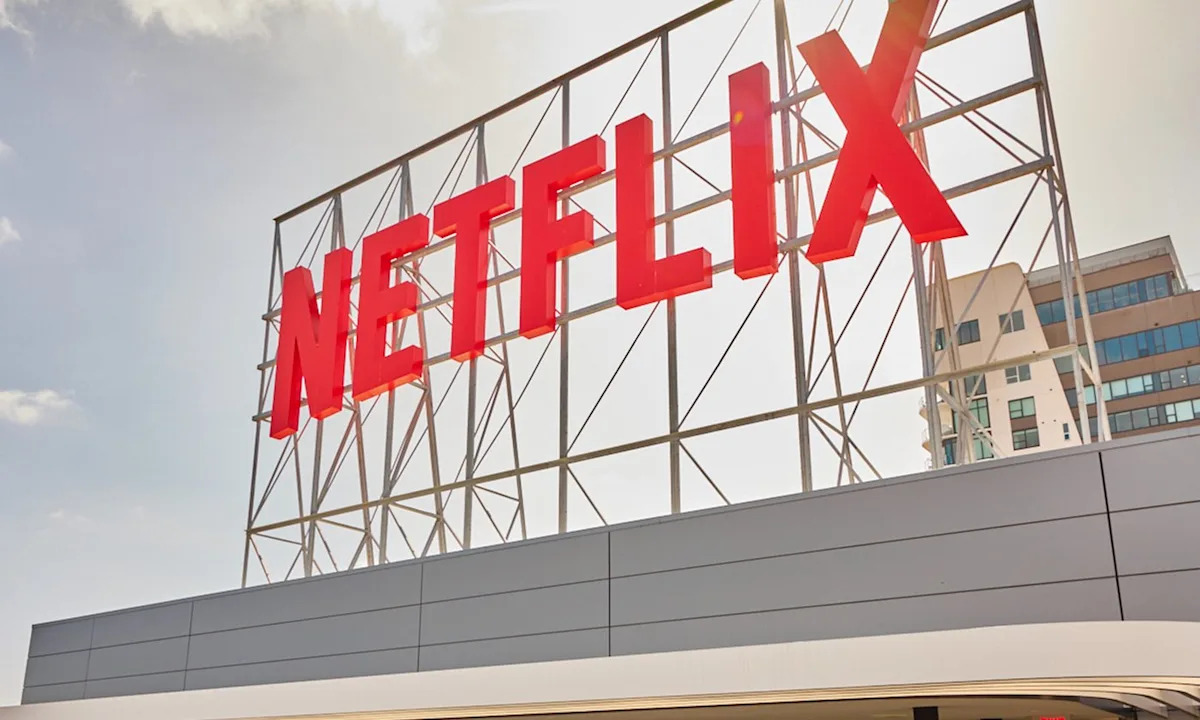
- Revenue Growth Slowdown: Netflix's Q1 revenue reached $12.3 billion, up 16.2% year-over-year, but this growth rate has decelerated from 17.6% in Q4 2025, indicating a weakening momentum under high valuation, which may affect investor confidence.
- Profitability Improvement: Despite the slowdown in revenue growth, Netflix's earnings per share surged from $0.66 to $1.23 year-over-year, demonstrating strong profitability; however, concerns about future growth could pressure the stock price.
- Cautious Future Outlook: Management's guidance for Q2 indicates a revenue growth forecast of just 13.5%, with full-year growth expectations set at 12% to 14%, reflecting the challenges the company faces in a highly competitive market environment.
- Valuation Risk: With a current P/E ratio of about 32, the market has high expectations for Netflix's sustained growth; however, in a competitive landscape, if the P/E were to contract to 22, the stock could drop to $68, implying a downside risk of approximately 30%.
See More

Burry Questions Huang on Nvidia's Future Amid Supply Chain Challenges
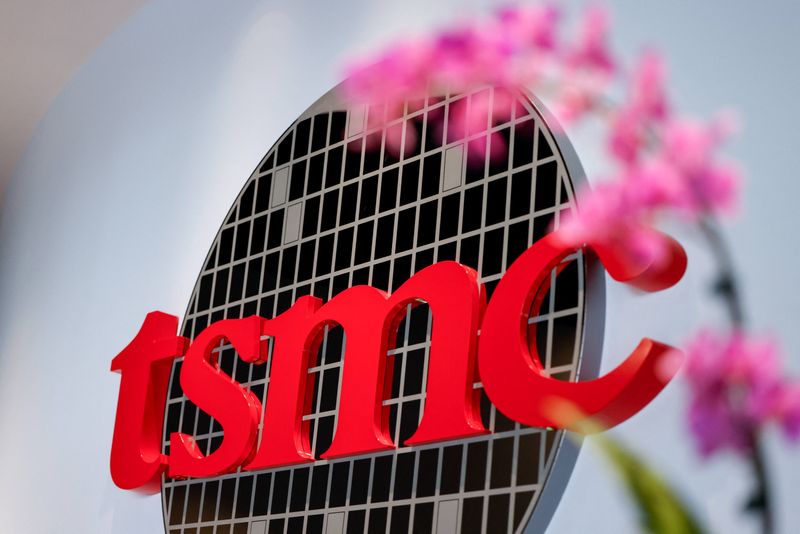
- Interview Insights: In a nearly two-hour discussion, Dwarkesh Patel and Jensen Huang addressed Nvidia's AI software and hardware, chip export controls to China, and supply chain scaling challenges, revealing vulnerabilities in Nvidia's position within a complex market environment.
- Market Leadership Questioned: Burry highlighted Huang's vague responses regarding Nvidia's long-term dominance, suggesting that as AI software becomes easier to develop, Nvidia's proprietary software layer (CUDA) may lose its value, impacting its competitive edge.
- China Market Risks: Huang reacted sharply to Patel's concerns about chip export controls to China, labeling his arguments as
See More
Nvidia's Earnings Report Shows Strong Growth
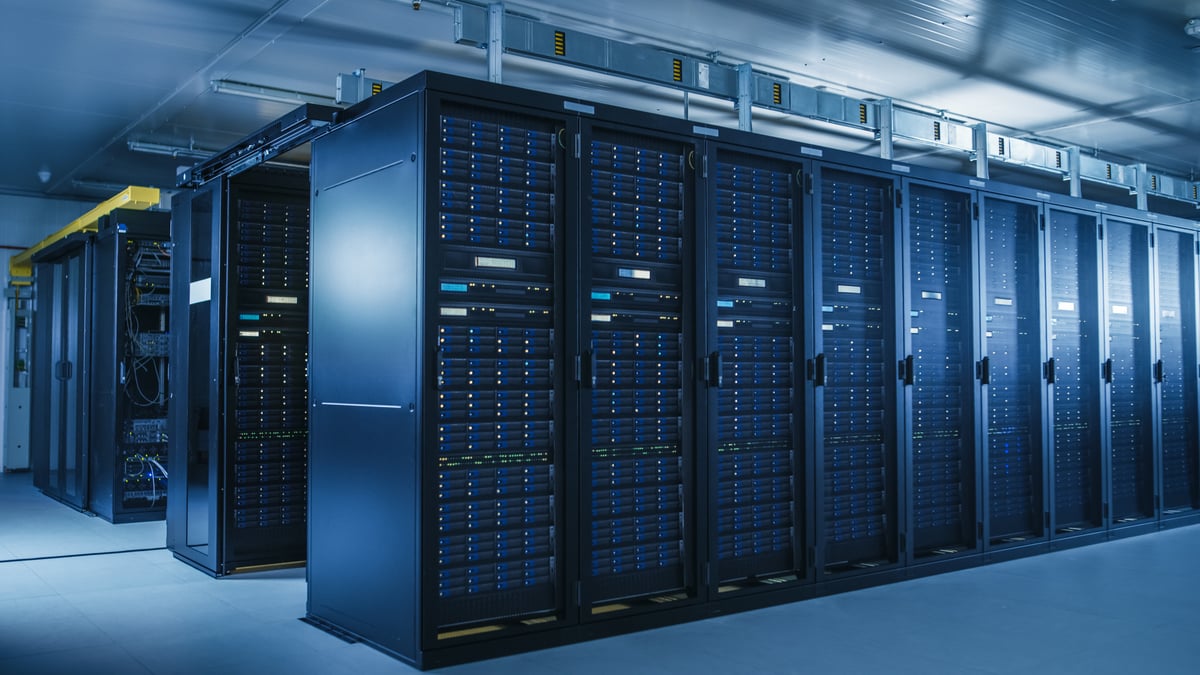
- Surge in Sales: Nvidia's fiscal fourth-quarter sales soared 73% year-over-year to $68.1 billion, primarily driven by massive spending from cloud providers, highlighting the company's robust growth potential in its data center business.
- Outstanding Cash Flow: The company reported free cash flow of $34.9 billion for the quarter and $96.6 billion for the full year, representing increases of 58% and 59% respectively from the previous year, indicating strong profitability and cash generation capabilities.
- Strong Gross Margin: Nvidia's adjusted gross margin exceeded 75%, showcasing the company's pricing power during the ramp-up of its new Blackwell architecture, further solidifying its competitive position in the market.
- Optimistic Future Outlook: The company projects total sales of about $78 billion for the next fiscal quarter, with CEO Jensen Huang emphasizing the close link between cloud infrastructure spending and real-time generative services, suggesting sustained growth in the AI era.
See More

Nvidia Reports $216 Billion Revenue for Fiscal 2026
- Significant Revenue Growth: Nvidia's total revenue for fiscal 2026 reached $216 billion, marking a 65% year-over-year increase, with fourth-quarter sales surging 73% year-over-year, indicating robust market demand driven by massive spending from cloud providers.
- Outstanding Cash Flow Performance: The company generated free cash flow of $34.9 billion in the fourth quarter and $96.6 billion for the full year, representing increases of 58% and 59% respectively from the previous year, showcasing strong profitability and cash generation capabilities.
- Rising Gross Margin: Nvidia's adjusted gross margin exceeded 75%, reflecting its strong pricing power as deliveries of the new Blackwell architecture ramp up, further solidifying its leadership position in the semiconductor industry.
- Optimistic Future Outlook: The company projects total sales of approximately $78 billion for Q1 of fiscal 2027, with CEO Jensen Huang emphasizing the direct link between cloud infrastructure investments and real-time generative services, suggesting that the advent of the AI era will drive sustained revenue growth for Nvidia.
See More
Nvidia Drives Expansion in AI Market
- Significant Revenue Growth: Nvidia's sales in Q4 of fiscal 2026 reached $68.1 billion, a 73% increase year-over-year, driven primarily by strong demand for its graphics processing units, underscoring the company's critical role in AI infrastructure.
- Outstanding Annual Performance: For the full fiscal year 2026, Nvidia reported total revenue of $215.9 billion, marking a 65% increase from fiscal 2025, reflecting the company's robust performance and profitability in the rapidly growing AI market.
- Optimistic Future Outlook: CEO Jensen Huang projects that Nvidia will achieve $1 trillion in revenue by 2027, indicating a compound annual growth rate of 116%, which highlights the company's ongoing growth potential and market leadership in AI.
- Investment Value Highlighted: Despite increasing market concerns about tech stocks, Nvidia is viewed as the only buy among the
See More
Quantum Stocks Surge as Nvidia Launches New AI Tools
- Quantum Stock Surge: Quantum Computing's shares have risen nearly 34% this week, indicating strong performance in the quantum sector and reflecting increased market confidence in quantum technology.
- Nvidia's Support: Nvidia's newly launched AI model, Ising, focuses on quantum error correction and calibration, providing high-performance, scalable tools that significantly enhance the potential for quantum computing development.
- Open Source Advantage: As an open-source product, Ising allows users to utilize and modify it for free, which is strategically significant for cash-strapped quantum companies like Quantum Computing, helping to reduce R&D costs.
- Future Outlook: While the introduction of Ising won't instantly boost Quantum Computing's business, it equips the company with new tools from a leading hardware provider, leading investors to maintain an optimistic view on the future of quantum computing.
See More
Netflix Q1 Earnings Show Growth Deceleration
- Revenue Growth Slowdown: Netflix's Q1 revenue reached $12.3 billion, up 16.2% year-over-year, but this growth rate has decelerated from 17.6% in Q4 2025, indicating a weakening momentum under high valuation, which may affect investor confidence.
- Profitability Improvement: Despite the slowdown in revenue growth, Netflix's earnings per share surged from $0.66 to $1.23 year-over-year, demonstrating strong profitability; however, concerns about future growth could pressure the stock price.
- Cautious Future Outlook: Management's guidance for Q2 indicates a revenue growth forecast of just 13.5%, with full-year growth expectations set at 12% to 14%, reflecting the challenges the company faces in a highly competitive market environment.
- Valuation Risk: With a current P/E ratio of about 32, the market has high expectations for Netflix's sustained growth; however, in a competitive landscape, if the P/E were to contract to 22, the stock could drop to $68, implying a downside risk of approximately 30%.
See More
Burry Questions Huang on Nvidia's Future Amid Supply Chain Challenges
- Interview Insights: In a nearly two-hour discussion, Dwarkesh Patel and Jensen Huang addressed Nvidia's AI software and hardware, chip export controls to China, and supply chain scaling challenges, revealing vulnerabilities in Nvidia's position within a complex market environment.
- Market Leadership Questioned: Burry highlighted Huang's vague responses regarding Nvidia's long-term dominance, suggesting that as AI software becomes easier to develop, Nvidia's proprietary software layer (CUDA) may lose its value, impacting its competitive edge.
- China Market Risks: Huang reacted sharply to Patel's concerns about chip export controls to China, labeling his arguments as
See More
Nvidia's Earnings Report Shows Strong Growth
- Surge in Sales: Nvidia's fiscal fourth-quarter sales soared 73% year-over-year to $68.1 billion, primarily driven by massive spending from cloud providers, highlighting the company's robust growth potential in its data center business.
- Outstanding Cash Flow: The company reported free cash flow of $34.9 billion for the quarter and $96.6 billion for the full year, representing increases of 58% and 59% respectively from the previous year, indicating strong profitability and cash generation capabilities.
- Strong Gross Margin: Nvidia's adjusted gross margin exceeded 75%, showcasing the company's pricing power during the ramp-up of its new Blackwell architecture, further solidifying its competitive position in the market.
- Optimistic Future Outlook: The company projects total sales of about $78 billion for the next fiscal quarter, with CEO Jensen Huang emphasizing the close link between cloud infrastructure spending and real-time generative services, suggesting sustained growth in the AI era.
See More
Nvidia Reports $216 Billion Revenue for Fiscal 2026
- Significant Revenue Growth: Nvidia's total revenue for fiscal 2026 reached $216 billion, marking a 65% year-over-year increase, with fourth-quarter sales surging 73% year-over-year, indicating robust market demand driven by massive spending from cloud providers.
- Outstanding Cash Flow Performance: The company generated free cash flow of $34.9 billion in the fourth quarter and $96.6 billion for the full year, representing increases of 58% and 59% respectively from the previous year, showcasing strong profitability and cash generation capabilities.
- Rising Gross Margin: Nvidia's adjusted gross margin exceeded 75%, reflecting its strong pricing power as deliveries of the new Blackwell architecture ramp up, further solidifying its leadership position in the semiconductor industry.
- Optimistic Future Outlook: The company projects total sales of approximately $78 billion for Q1 of fiscal 2027, with CEO Jensen Huang emphasizing the direct link between cloud infrastructure investments and real-time generative services, suggesting that the advent of the AI era will drive sustained revenue growth for Nvidia.
See More