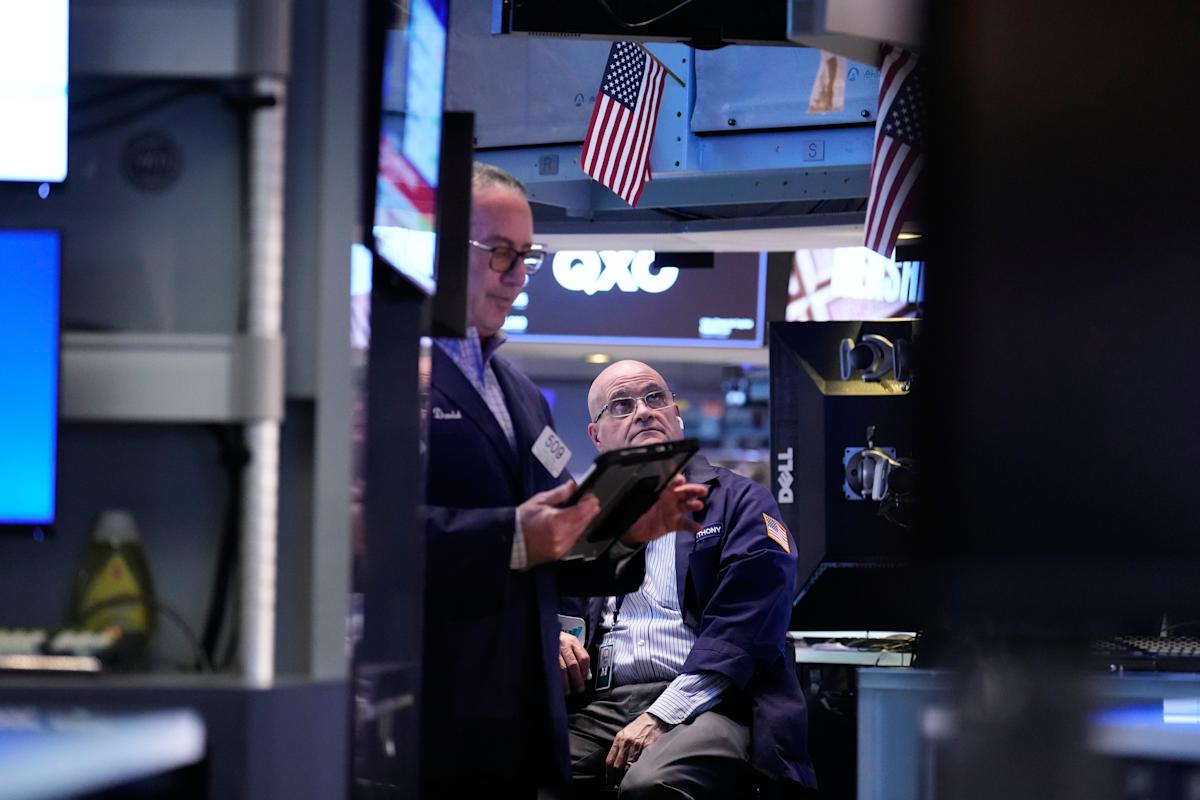
Tesla's Q1 2026 Performance Analysis
Written by Emily J. Thompson, Senior Investment Analyst
Updated: 1 hour ago
0mins
Should l Buy TSLA?
Source: seekingalpha
- Inventory Surge: Tesla's Q1 2026 report revealed an inventory increase to 50,363 vehicles, with production significantly exceeding deliveries, raising concerns about future demand and potentially impacting the company's short-term cash flow and profitability.
- Energy Storage Shortfall: The company's energy storage business fell short of analyst expectations by 38.9%, undermining its non-automotive growth narrative and potentially shaking investor confidence in Tesla's overall growth potential.
- Intensifying Competitive Pressure: Tesla faces fierce competition from rivals like BYD, threatening its market share, and the gradual expiration of EV incentives has forced the company to implement demand-stimulating discounts, which could further compress its margins.
- Uncertain Future Outlook: While analysts remain cautiously optimistic about Tesla's AI and robotics initiatives, the weak performance of its core automotive business raises doubts among investors regarding its
Trade with 70% Backtested Accuracy
Stop guessing "Should I Buy TSLA?" and start using high-conviction signals backed by rigorous historical data.
Sign up today to access powerful investing tools and make smarter, data-driven decisions.
Analyst Views on TSLA
Wall Street analysts forecast TSLA stock price to rise
30 Analyst Rating
12 Buy
11 Hold
7 Sell
Hold
Current: 346.650

Low
25.28
Averages
401.93
High
600.00
Current: 346.650
Low
25.28
Averages
401.93
High
600.00
About TSLA
Tesla, Inc. designs, develops, manufactures, sells and leases high-performance fully electric vehicles and energy generation and storage systems, and offers services related to its products. Its segments include automotive, and energy generation and storage. The automotive segment includes the design, development, manufacturing, sales and leasing of high-performance fully electric vehicles, and sales of automotive regulatory credits. It also includes sales of used vehicles, non-warranty maintenance services and collisions, part sales, paid supercharging, insurance services revenue and retail merchandise sales. The energy generation and storage segment include the design, manufacture, installation, sales and leasing of solar energy generation and energy storage products and related services and sales of solar energy systems incentives. Its consumer vehicles include the Model 3, Y, S, X and Cybertruck. Its lithium-ion battery energy storage products include Powerwall and Megapack.
About the author

Emily J. Thompson
Emily J. Thompson, a Chartered Financial Analyst (CFA) with 12 years in investment research, graduated with honors from the Wharton School. Specializing in industrial and technology stocks, she provides in-depth analysis for Intellectia’s earnings and market brief reports.
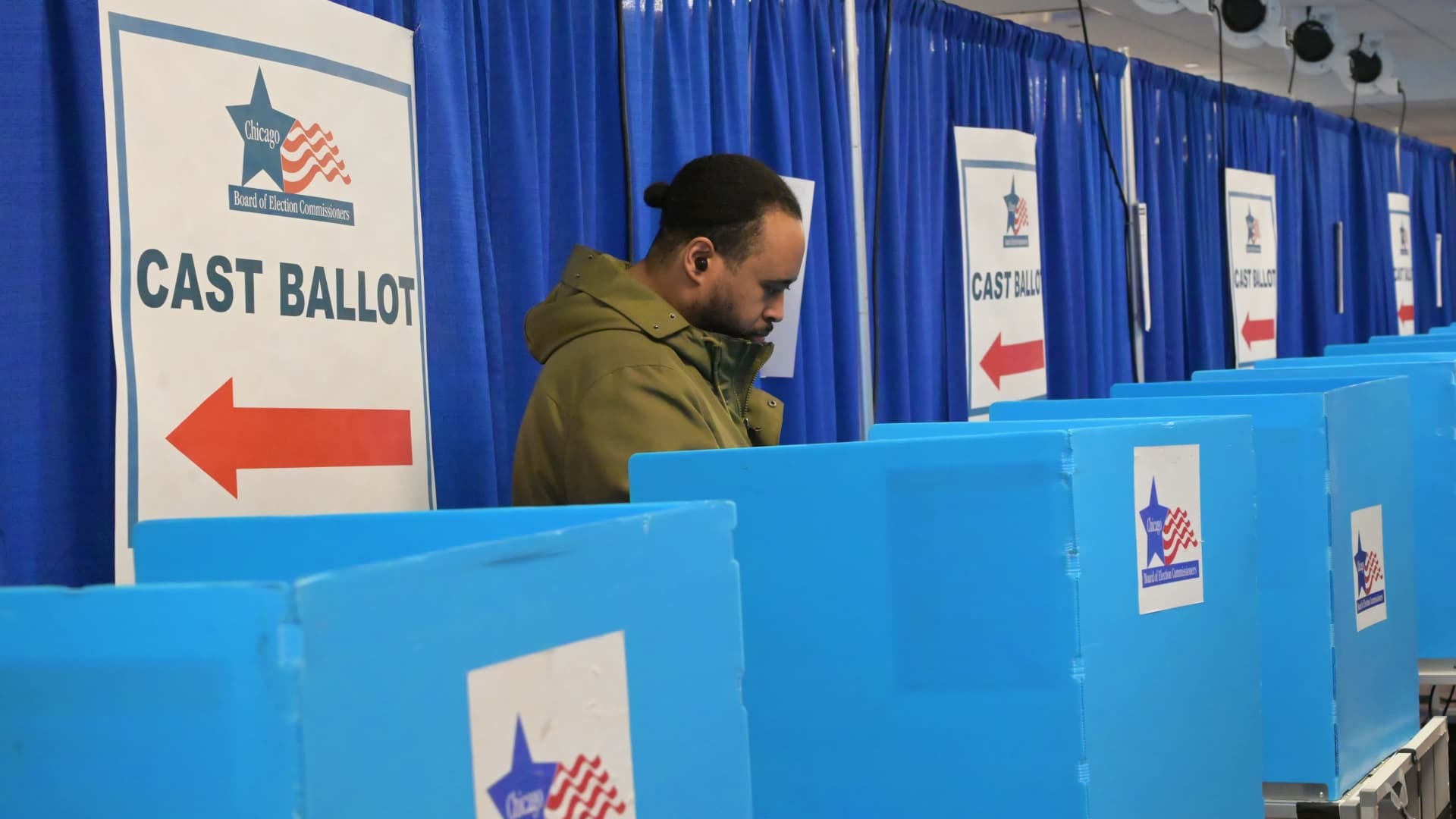
Illinois Primary Election Highlights Voter Trends

- Wisconsin Supreme Court Election: Democratic-backed Appeals Court Judge Chris Taylor secured a 20-point victory over conservative candidate Maria Lazar, solidifying a 5-2 liberal majority on the Wisconsin Supreme Court, indicating strong Democratic performance in key elections.
- Georgia Special Election Outcome: Republican Clayton Fuller won a special election for a House seat vacated by former GOP Rep. Marjorie Taylor Greene with a 12-point margin, although this victory does not fully compensate for the Democrats' strong showing in the district.
- Election Impact Analysis: The results pose significant pressure on Trump and the Republicans ahead of the 2026 midterm elections, potentially shifting the balance of power in Washington, especially given the narrow Republican majority in the House.
- Voter Trends: The Illinois primary election highlights voter preferences for major candidates, reflecting potential dynamics for the upcoming November general election, particularly regarding Senate and state legislature nominations.
See More
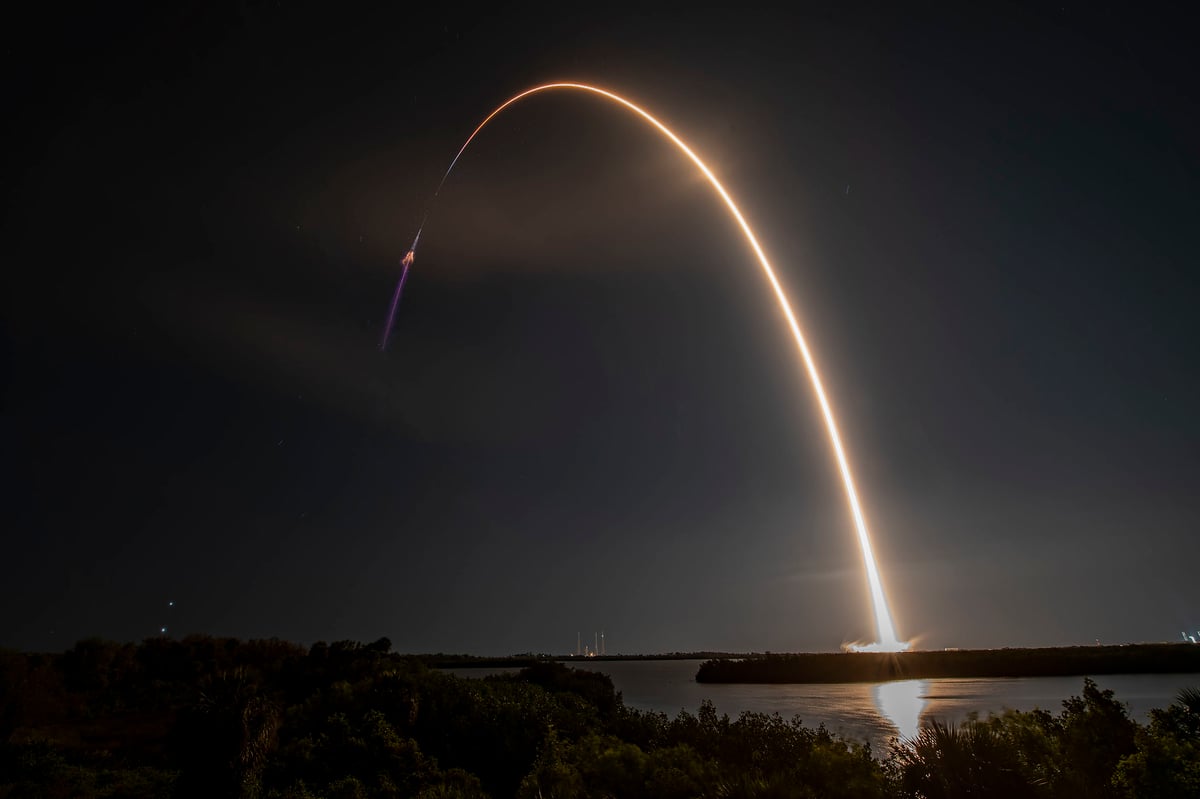
SpaceX Prepares for IPO, Valuation Could Reach $2 Trillion
- Massive IPO Potential: SpaceX is gearing up for an IPO with a potential valuation of up to $2 trillion, although CEO Elon Musk has pushed back on this figure, as the current valuation stands at $1.25 trillion, indicating strong market expectations for future growth.
- Significant Revenue Growth: The company is projected to generate $15 billion to $16 billion in revenue by 2025, up from $13.1 billion in 2024, with an EBITDA of around $8 billion; however, the high valuation introduces substantial risk.
- Market Competition Pressure: At a $2 trillion valuation, SpaceX would have a price-to-sales ratio of approximately 130, significantly higher than any S&P 500 company, suggesting that market expectations for its future performance are already excessively high, leading to considerable downside risk.
- Musk's Risk Factors: While Musk is known for his visionary leadership, his tendency to overpromise and shift focus away from unmet expectations diminishes investor trust in SpaceX, potentially impacting the IPO's market performance.
See More
Intel Unveils New AI Inference Architecture in Collaboration with SambaNova

- AI Inference Architecture Innovation: Intel's collaboration with SambaNova introduces the SN50 RDU, focusing on high-throughput and low-latency inference, combined with Xeon 6 processors, expected to launch in the second half of 2026, aimed at enhancing data center computing efficiency and performance.
- Strategic Partnerships: This announcement follows Intel's partnership with SpaceX, xAI, and Tesla, marking a significant move in silicon fabrication technology, potentially positioning Intel as the central foundry for Elon Musk's integrated AI and robotics initiatives.
- Positive Market Reaction: Intel's shares rose nearly 11% at the time of the announcement, reflecting investor optimism regarding the new architecture and its potential market impact, which is expected to bolster the company's competitiveness in the AI sector.
- Future Computing Needs: Intel executives noted that future workloads will require a heterogeneous mix of computing, and this collaboration will deliver a cost-effective inference architecture designed to meet customer needs at scale while remaining compatible with the x86 software stack used in modern data centers.
See More
Tesla's Q1 2026 Performance Analysis
- Inventory Surge: Tesla's Q1 2026 report revealed an inventory increase to 50,363 vehicles, with production significantly exceeding deliveries, raising concerns about future demand and potentially impacting the company's short-term cash flow and profitability.
- Energy Storage Shortfall: The company's energy storage business fell short of analyst expectations by 38.9%, undermining its non-automotive growth narrative and potentially shaking investor confidence in Tesla's overall growth potential.
- Intensifying Competitive Pressure: Tesla faces fierce competition from rivals like BYD, threatening its market share, and the gradual expiration of EV incentives has forced the company to implement demand-stimulating discounts, which could further compress its margins.
- Uncertain Future Outlook: While analysts remain cautiously optimistic about Tesla's AI and robotics initiatives, the weak performance of its core automotive business raises doubts among investors regarding its
See More
Tesla Sees Strong Retail Inflows Amid Stock Slump
- Retail Inflows: According to Vanda Research, Tesla has attracted $256 million in retail inflows over the past five days despite an 8% stock decline, indicating strong investor conviction in the company.
- Competitor Performance: In contrast to Tesla's stock slump, other 'Magnificent Seven' stocks like Nvidia, Meta, and Microsoft gained between 1% and 10% during the same period, suggesting a rebound in demand for these companies.
- Delivery Data Analysis: Tesla delivered 358,023 vehicles in Q1 2026, showing slight growth from Q1 2025 but falling short of the analyst estimate of 365,645 deliveries, highlighting challenges in meeting market expectations.
- Market Sentiment Shift: On Stocktwits, retail sentiment around Tesla shifted from 'extremely bearish' to 'bearish', with message volume remaining high, as investors express hope for a potential catalyst to improve stock performance.
See More

Revolutionizing Investment Mindsets and Strategies


- Habits and Identity: David Gardner quotes James Clear, emphasizing that habits are pathways to identity change, suggesting that investors shape their self-perception through daily actions, thereby enhancing long-term investment success.
- Investing to Predict the Future: Kleiner Perkins' idea that “we invest to predict the future” highlights how investors become more observant of market dynamics when they hold stocks, improving their foresight of future trends.
- Market Uncertainty: By referencing Shakespeare, Gardner points out the “stubbornness of fortune” in investing, stressing the importance of long-term holding and regular investing to navigate the uncertainties brought by market fluctuations.
- Responsible Questioning: Gardner discusses Warren Berger's perspective, emphasizing that in an age of information overload, investors should question with curiosity rather than antagonism to improve the quality of their investment decisions.
See More
Illinois Primary Election Highlights Voter Trends
- Wisconsin Supreme Court Election: Democratic-backed Appeals Court Judge Chris Taylor secured a 20-point victory over conservative candidate Maria Lazar, solidifying a 5-2 liberal majority on the Wisconsin Supreme Court, indicating strong Democratic performance in key elections.
- Georgia Special Election Outcome: Republican Clayton Fuller won a special election for a House seat vacated by former GOP Rep. Marjorie Taylor Greene with a 12-point margin, although this victory does not fully compensate for the Democrats' strong showing in the district.
- Election Impact Analysis: The results pose significant pressure on Trump and the Republicans ahead of the 2026 midterm elections, potentially shifting the balance of power in Washington, especially given the narrow Republican majority in the House.
- Voter Trends: The Illinois primary election highlights voter preferences for major candidates, reflecting potential dynamics for the upcoming November general election, particularly regarding Senate and state legislature nominations.
See More
SpaceX Prepares for IPO, Valuation Could Reach $2 Trillion
- Massive IPO Potential: SpaceX is gearing up for an IPO with a potential valuation of up to $2 trillion, although CEO Elon Musk has pushed back on this figure, as the current valuation stands at $1.25 trillion, indicating strong market expectations for future growth.
- Significant Revenue Growth: The company is projected to generate $15 billion to $16 billion in revenue by 2025, up from $13.1 billion in 2024, with an EBITDA of around $8 billion; however, the high valuation introduces substantial risk.
- Market Competition Pressure: At a $2 trillion valuation, SpaceX would have a price-to-sales ratio of approximately 130, significantly higher than any S&P 500 company, suggesting that market expectations for its future performance are already excessively high, leading to considerable downside risk.
- Musk's Risk Factors: While Musk is known for his visionary leadership, his tendency to overpromise and shift focus away from unmet expectations diminishes investor trust in SpaceX, potentially impacting the IPO's market performance.
See More
Intel Unveils New AI Inference Architecture in Collaboration with SambaNova
- AI Inference Architecture Innovation: Intel's collaboration with SambaNova introduces the SN50 RDU, focusing on high-throughput and low-latency inference, combined with Xeon 6 processors, expected to launch in the second half of 2026, aimed at enhancing data center computing efficiency and performance.
- Strategic Partnerships: This announcement follows Intel's partnership with SpaceX, xAI, and Tesla, marking a significant move in silicon fabrication technology, potentially positioning Intel as the central foundry for Elon Musk's integrated AI and robotics initiatives.
- Positive Market Reaction: Intel's shares rose nearly 11% at the time of the announcement, reflecting investor optimism regarding the new architecture and its potential market impact, which is expected to bolster the company's competitiveness in the AI sector.
- Future Computing Needs: Intel executives noted that future workloads will require a heterogeneous mix of computing, and this collaboration will deliver a cost-effective inference architecture designed to meet customer needs at scale while remaining compatible with the x86 software stack used in modern data centers.
See More
Tesla's Q1 2026 Performance Analysis
- Inventory Surge: Tesla's Q1 2026 report revealed an inventory increase to 50,363 vehicles, with production significantly exceeding deliveries, raising concerns about future demand and potentially impacting the company's short-term cash flow and profitability.
- Energy Storage Shortfall: The company's energy storage business fell short of analyst expectations by 38.9%, undermining its non-automotive growth narrative and potentially shaking investor confidence in Tesla's overall growth potential.
- Intensifying Competitive Pressure: Tesla faces fierce competition from rivals like BYD, threatening its market share, and the gradual expiration of EV incentives has forced the company to implement demand-stimulating discounts, which could further compress its margins.
- Uncertain Future Outlook: While analysts remain cautiously optimistic about Tesla's AI and robotics initiatives, the weak performance of its core automotive business raises doubts among investors regarding its
See More
Tesla Sees Strong Retail Inflows Amid Stock Slump
- Retail Inflows: According to Vanda Research, Tesla has attracted $256 million in retail inflows over the past five days despite an 8% stock decline, indicating strong investor conviction in the company.
- Competitor Performance: In contrast to Tesla's stock slump, other 'Magnificent Seven' stocks like Nvidia, Meta, and Microsoft gained between 1% and 10% during the same period, suggesting a rebound in demand for these companies.
- Delivery Data Analysis: Tesla delivered 358,023 vehicles in Q1 2026, showing slight growth from Q1 2025 but falling short of the analyst estimate of 365,645 deliveries, highlighting challenges in meeting market expectations.
- Market Sentiment Shift: On Stocktwits, retail sentiment around Tesla shifted from 'extremely bearish' to 'bearish', with message volume remaining high, as investors express hope for a potential catalyst to improve stock performance.
See More
Revolutionizing Investment Mindsets and Strategies
- Habits and Identity: David Gardner quotes James Clear, emphasizing that habits are pathways to identity change, suggesting that investors shape their self-perception through daily actions, thereby enhancing long-term investment success.
- Investing to Predict the Future: Kleiner Perkins' idea that “we invest to predict the future” highlights how investors become more observant of market dynamics when they hold stocks, improving their foresight of future trends.
- Market Uncertainty: By referencing Shakespeare, Gardner points out the “stubbornness of fortune” in investing, stressing the importance of long-term holding and regular investing to navigate the uncertainties brought by market fluctuations.
- Responsible Questioning: Gardner discusses Warren Berger's perspective, emphasizing that in an age of information overload, investors should question with curiosity rather than antagonism to improve the quality of their investment decisions.
See More