Tesla’s Chinese rival Nio cuts price for new Onvo-branded car
Written by Emily J. Thompson, Senior Investment Analyst
0mins


Source: Newsfilter
Onvo L60 Launch: Nio's new lower-priced brand Onvo has introduced its first vehicle, the L60 SUV, starting at 149,900 yuan ($21,210) with battery subscription options, aiming to compete against Tesla and other Chinese electric car manufacturers. Deliveries are set to begin on September 28.
Expansion Plans and Tariffs: Nio plans to focus on existing European markets despite increased tariffs on imported Chinese EVs, while also preparing for international expansion with future brands like Firefly. CEO William Li anticipates significant monthly deliveries for the L60 by December and aims to establish over 200 stores in China by year-end.
Trade with 70% Backtested Accuracy
Stop guessing "Should I Buy TSLA?" and start using high-conviction signals backed by rigorous historical data.
Sign up today to access powerful investing tools and make smarter, data-driven decisions.
Analyst Views on TSLA
Wall Street analysts forecast TSLA stock price to fall
30 Analyst Rating
12 Buy
11 Hold
7 Sell
Hold
Current: 405.050

Low
25.28
Averages
401.93
High
600.00
Current: 405.050
Low
25.28
Averages
401.93
High
600.00
About TSLA
Tesla, Inc. designs, develops, manufactures, sells and leases high-performance fully electric vehicles and energy generation and storage systems, and offers services related to its products. Its segments include automotive, and energy generation and storage. The automotive segment includes the design, development, manufacturing, sales and leasing of high-performance fully electric vehicles, and sales of automotive regulatory credits. It also includes sales of used vehicles, non-warranty maintenance services and collisions, part sales, paid supercharging, insurance services revenue and retail merchandise sales. The energy generation and storage segment include the design, manufacture, installation, sales and leasing of solar energy generation and energy storage products and related services and sales of solar energy systems incentives. Its consumer vehicles include the Model 3, Y, S, X and Cybertruck. Its lithium-ion battery energy storage products include Powerwall and Megapack.
About the author

Emily J. Thompson
Emily J. Thompson, a Chartered Financial Analyst (CFA) with 12 years in investment research, graduated with honors from the Wharton School. Specializing in industrial and technology stocks, she provides in-depth analysis for Intellectia’s earnings and market brief reports.
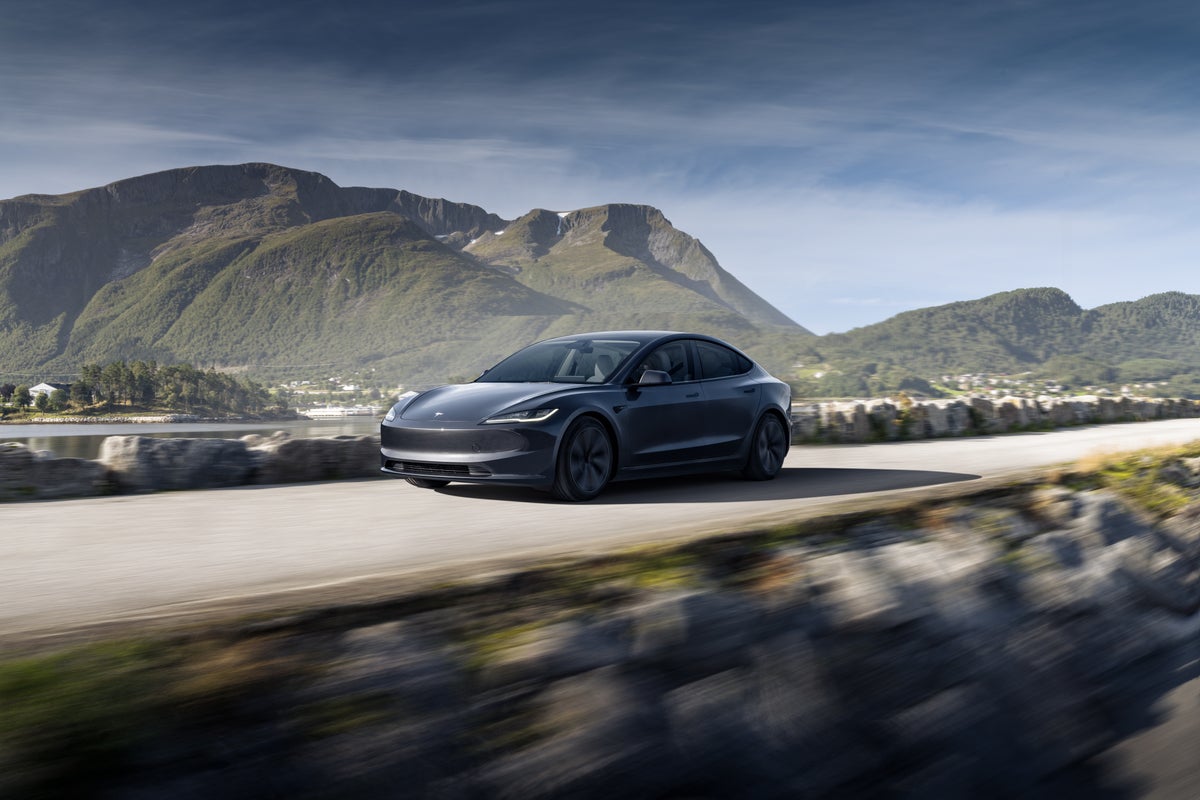
Tesla Q2 Delivery Estimates Raised Amid Challenges

- Analyst Estimates Raised: RBC, UBS, and Goldman Sachs project Tesla's Q2 deliveries to exceed 400,000 units, reflecting optimism about improving sales trends despite a 14% year-over-year decline from last year's 384,122 deliveries, indicating challenges during the company's transition.
- Impact of New Models: Tesla's discontinuation of Model S and X production in Q2 is seen as a strategic shift towards robotaxi and humanoid robot initiatives, which may pressure traditional vehicle sales, highlighting the company's balancing act between technological innovation and market demand.
- Market Sentiment Volatility: Investor sentiment has been affected by the NHTSA probe into a fatal Tesla crash, leading to a 6% drop in TSLA shares on Tuesday, reflecting uncertainty about the company's future performance, even as analysts remain optimistic about Q2 delivery expectations.
- Retail Investor Reactions: On Stocktwits, retail sentiment around TSLA remains in the 'extremely bearish' territory, with low message volume, yet discussions surged by 493% over the past 30 days, indicating investor concerns about the safety of Tesla's full self-driving technology.
See More
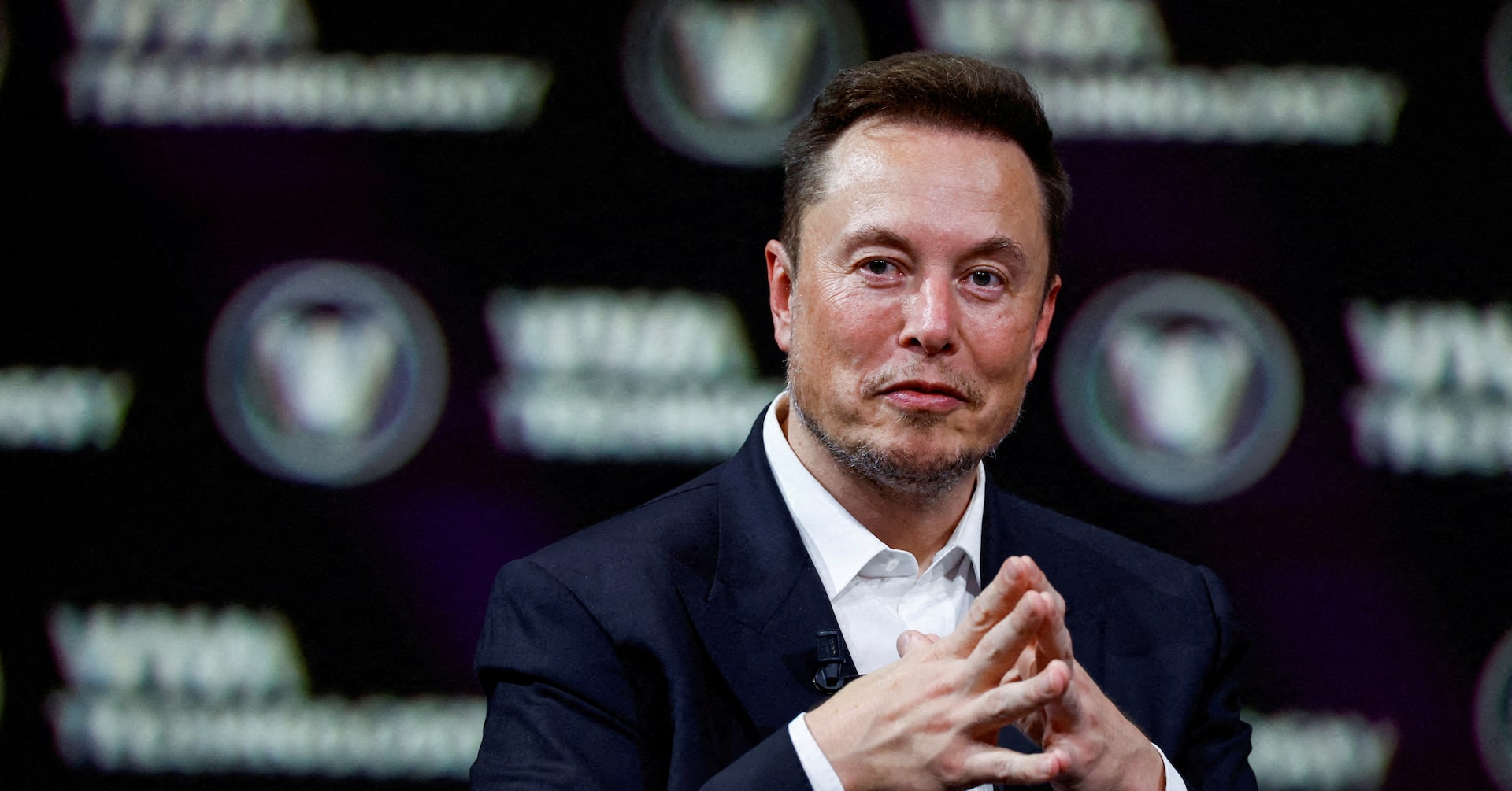
Finland May Approve Tesla's Self-Driving System Ahead of EU Decision
- Finland's Regulatory Update: Finland's transport authority indicated that it may approve Tesla's self-driving assistance system earlier than the anticipated EU-wide decision, paving the way for Tesla's further expansion in the European market.
- Netherlands' Lead Approval: The Netherlands became the first European country to grant provisional approval for Tesla's Full Self-Driving (FSD) system in April, marking a significant advancement for Tesla in Europe and potentially prompting other countries to follow suit.
- Cautious Reception Elsewhere: Countries like Estonia and Belgium have also allowed the technology, although some regulators have expressed caution regarding its safety, which may influence Tesla's promotional strategies in these markets.
- EU-Wide Rollout Potential: Should a qualified majority of member states support it, Tesla's FSD system could see a broader rollout across the EU, positively impacting Tesla's market share and future growth prospects.
See More

Reed Hastings' Departure Sparks Stock Volatility for Netflix


- Stock Decline: Since reporting first-quarter earnings on April 16, Netflix (NFLX) shares have fallen 32%, primarily due to the company's weak guidance projecting only 13.5% revenue growth for Q2, raising concerns about its future growth prospects.
- Founder Resignation: Co-founder and long-time CEO Reed Hastings will step down from the board on June 4, marking the first time he will not hold a formal position, which may trigger investor anxiety regarding the company's future leadership.
- Cultural Impact: Hastings is known for establishing a unique corporate culture that promotes high performers while generously severing low performers, and this culture may face challenges in his absence, potentially affecting company operations.
- Market Opportunities: Despite challenges in a maturing market, Netflix still has opportunities to expand its advertising business, venture into live sports, and tap into new entertainment markets like gaming and podcasts, with the current stock pullback presenting a potential buying opportunity for investors.
See More

Analysis of SpaceX's Stock Performance Post-IPO


- IPO Performance: SpaceX's IPO was priced at $135 per share, opening at $150 and rising to $155 by June 22, indicating an initial gain of over 20%, reflecting positive market sentiment regarding its future potential.
- Market Position: Currently the seventh-largest company globally with a market cap of $2 trillion, SpaceX's 2025 revenue is projected at $18.7 billion with an EBITDA of $6.6 billion, significantly lower than Amazon and TSMC, highlighting concerns over its high valuation.
- Revenue Source Analysis: The majority of SpaceX's revenue stems from its Starlink service, and while its rocketry business is ongoing, its future economic value growth hinges on successfully evolving into a true space exploration company, which is critical for attracting investor interest.
- Investor Decision Considerations: Investors must weigh whether to invest based on SpaceX's future potential or its near-term performance; those in favor of the former may find current prices appealing, while those focused on the latter might choose to wait.
See More

SpaceX's Financials and Size Mismatch

- IPO Performance Review: SpaceX's IPO was priced at $135 per share, opening at $150 and trading around $155 as of June 22, reflecting over a 20% increase from the offering price, which raises questions about the sustainability of this valuation amidst investor expectations for future growth.
- Market Position Analysis: Currently, SpaceX ranks as the seventh-largest company globally by market capitalization, trailing only Amazon and Taiwan Semiconductor, indicating a significant market presence, yet its relevance in the space exploration sector remains uncertain compared to these established giants, leading to cautious investor sentiment.
- Financial Data Comparison: In 2025, SpaceX reported revenues of $18.7 billion with an adjusted EBITDA of $6.6 billion, which starkly contrasts with the financial performance of Amazon and TSMC, highlighting concerns over SpaceX's profitability and raising red flags regarding its high valuation in the market.
- Investor Decision Considerations: Investors must decide whether to invest in SpaceX based on its future potential or its tangible short-term performance; if leaning towards the former, current prices may present a good entry point, but if favoring the latter, caution is advised regarding the stock's investment value.
See More
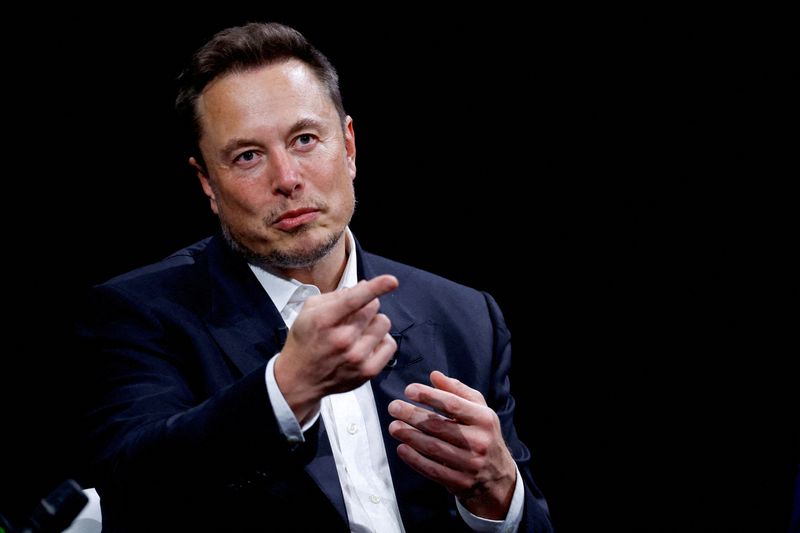
Rio Tinto Expects Rapid Growth in Lithium Business

- Lithium Production Goals: Rio Tinto aims to increase its lithium production capacity to 200,000 metric tons by 2028, with a target of at least 61,000 metric tons this year, reflecting the company's commitment to the lithium market and its growth potential in the electric vehicle and battery storage sectors.
- Acquisition Integration Progress: Following last year's acquisition of U.S.-based Arcadium, Rio has gained access to mines and processing facilities across four continents, and despite facing challenges from falling lithium prices, the company is integrating these assets to enhance its market competitiveness, particularly in partnerships with customers like Tesla.
- Low-Cost Asset Development: Rio is opening new mines in Argentina and Canada to ensure economic viability even if prices drop, indicating a long-term strategic positioning in the lithium market that prioritizes sustainable operations.
- Investment in Direct Lithium Extraction: Much of Rio's growth will hinge on investments in direct lithium extraction technology, with expectations to launch related projects in the coming years; while not aiming to be the largest lithium producer globally, Rio seeks to establish long-term relationships with customers through high-quality assets.
See More
Tesla Q2 Delivery Estimates Raised Amid Challenges
- Analyst Estimates Raised: RBC, UBS, and Goldman Sachs project Tesla's Q2 deliveries to exceed 400,000 units, reflecting optimism about improving sales trends despite a 14% year-over-year decline from last year's 384,122 deliveries, indicating challenges during the company's transition.
- Impact of New Models: Tesla's discontinuation of Model S and X production in Q2 is seen as a strategic shift towards robotaxi and humanoid robot initiatives, which may pressure traditional vehicle sales, highlighting the company's balancing act between technological innovation and market demand.
- Market Sentiment Volatility: Investor sentiment has been affected by the NHTSA probe into a fatal Tesla crash, leading to a 6% drop in TSLA shares on Tuesday, reflecting uncertainty about the company's future performance, even as analysts remain optimistic about Q2 delivery expectations.
- Retail Investor Reactions: On Stocktwits, retail sentiment around TSLA remains in the 'extremely bearish' territory, with low message volume, yet discussions surged by 493% over the past 30 days, indicating investor concerns about the safety of Tesla's full self-driving technology.
See More
Finland May Approve Tesla's Self-Driving System Ahead of EU Decision
- Finland's Regulatory Update: Finland's transport authority indicated that it may approve Tesla's self-driving assistance system earlier than the anticipated EU-wide decision, paving the way for Tesla's further expansion in the European market.
- Netherlands' Lead Approval: The Netherlands became the first European country to grant provisional approval for Tesla's Full Self-Driving (FSD) system in April, marking a significant advancement for Tesla in Europe and potentially prompting other countries to follow suit.
- Cautious Reception Elsewhere: Countries like Estonia and Belgium have also allowed the technology, although some regulators have expressed caution regarding its safety, which may influence Tesla's promotional strategies in these markets.
- EU-Wide Rollout Potential: Should a qualified majority of member states support it, Tesla's FSD system could see a broader rollout across the EU, positively impacting Tesla's market share and future growth prospects.
See More
Reed Hastings' Departure Sparks Stock Volatility for Netflix
- Stock Decline: Since reporting first-quarter earnings on April 16, Netflix (NFLX) shares have fallen 32%, primarily due to the company's weak guidance projecting only 13.5% revenue growth for Q2, raising concerns about its future growth prospects.
- Founder Resignation: Co-founder and long-time CEO Reed Hastings will step down from the board on June 4, marking the first time he will not hold a formal position, which may trigger investor anxiety regarding the company's future leadership.
- Cultural Impact: Hastings is known for establishing a unique corporate culture that promotes high performers while generously severing low performers, and this culture may face challenges in his absence, potentially affecting company operations.
- Market Opportunities: Despite challenges in a maturing market, Netflix still has opportunities to expand its advertising business, venture into live sports, and tap into new entertainment markets like gaming and podcasts, with the current stock pullback presenting a potential buying opportunity for investors.
See More
Analysis of SpaceX's Stock Performance Post-IPO
- IPO Performance: SpaceX's IPO was priced at $135 per share, opening at $150 and rising to $155 by June 22, indicating an initial gain of over 20%, reflecting positive market sentiment regarding its future potential.
- Market Position: Currently the seventh-largest company globally with a market cap of $2 trillion, SpaceX's 2025 revenue is projected at $18.7 billion with an EBITDA of $6.6 billion, significantly lower than Amazon and TSMC, highlighting concerns over its high valuation.
- Revenue Source Analysis: The majority of SpaceX's revenue stems from its Starlink service, and while its rocketry business is ongoing, its future economic value growth hinges on successfully evolving into a true space exploration company, which is critical for attracting investor interest.
- Investor Decision Considerations: Investors must weigh whether to invest based on SpaceX's future potential or its near-term performance; those in favor of the former may find current prices appealing, while those focused on the latter might choose to wait.
See More
SpaceX's Financials and Size Mismatch
- IPO Performance Review: SpaceX's IPO was priced at $135 per share, opening at $150 and trading around $155 as of June 22, reflecting over a 20% increase from the offering price, which raises questions about the sustainability of this valuation amidst investor expectations for future growth.
- Market Position Analysis: Currently, SpaceX ranks as the seventh-largest company globally by market capitalization, trailing only Amazon and Taiwan Semiconductor, indicating a significant market presence, yet its relevance in the space exploration sector remains uncertain compared to these established giants, leading to cautious investor sentiment.
- Financial Data Comparison: In 2025, SpaceX reported revenues of $18.7 billion with an adjusted EBITDA of $6.6 billion, which starkly contrasts with the financial performance of Amazon and TSMC, highlighting concerns over SpaceX's profitability and raising red flags regarding its high valuation in the market.
- Investor Decision Considerations: Investors must decide whether to invest in SpaceX based on its future potential or its tangible short-term performance; if leaning towards the former, current prices may present a good entry point, but if favoring the latter, caution is advised regarding the stock's investment value.
See More
Rio Tinto Expects Rapid Growth in Lithium Business
- Lithium Production Goals: Rio Tinto aims to increase its lithium production capacity to 200,000 metric tons by 2028, with a target of at least 61,000 metric tons this year, reflecting the company's commitment to the lithium market and its growth potential in the electric vehicle and battery storage sectors.
- Acquisition Integration Progress: Following last year's acquisition of U.S.-based Arcadium, Rio has gained access to mines and processing facilities across four continents, and despite facing challenges from falling lithium prices, the company is integrating these assets to enhance its market competitiveness, particularly in partnerships with customers like Tesla.
- Low-Cost Asset Development: Rio is opening new mines in Argentina and Canada to ensure economic viability even if prices drop, indicating a long-term strategic positioning in the lithium market that prioritizes sustainable operations.
- Investment in Direct Lithium Extraction: Much of Rio's growth will hinge on investments in direct lithium extraction technology, with expectations to launch related projects in the coming years; while not aiming to be the largest lithium producer globally, Rio seeks to establish long-term relationships with customers through high-quality assets.
See More