Tesla's Brand Image Declines Amid High Recognition
Written by Emily J. Thompson, Senior Investment Analyst
Updated: Mar 26 2026
0mins

Should l Buy TSLA?
Source: Yahoo Finance
- Brand Recognition vs. Trust Gap: Tesla, despite its high recognition in the EV sector, has a brand positivity score of -4, significantly lower than Toyota and Honda's scores of +20 and +16, indicating a critical lack of brand trust that could impact future sales and market share.
- Consumer Perception of FSD: When considering Tesla's Full Self-Driving technology, consumers are influenced not only by the technology itself but also by Elon Musk, with negative sentiment accounting for 14%, highlighting the close relationship between brand image and the leader's personal reputation.
- Safety Concerns and Opposition: Among feedback on FSD, 33% of consumers expressed safety concerns, while 17% indicated general dislike for Tesla, suggesting that these sentiments could affect potential customers' purchasing decisions and increase competitive pressure in the market.
- Risk of Brand Trust: As brand trust continues to lag while visibility remains high, Tesla faces increasing brand risk that could exacerbate its position in the EV market, particularly in an increasingly competitive landscape.
Trade with 70% Backtested Accuracy
Stop guessing "Should I Buy TSLA?" and start using high-conviction signals backed by rigorous historical data.
Sign up today to access powerful investing tools and make smarter, data-driven decisions.
Analyst Views on TSLA
Wall Street analysts forecast TSLA stock price to rise
30 Analyst Rating
12 Buy
11 Hold
7 Sell
Hold
Current: 392.500

Low
25.28
Averages
401.93
High
600.00
Current: 392.500
Low
25.28
Averages
401.93
High
600.00
About TSLA
Tesla, Inc. designs, develops, manufactures, sells and leases high-performance fully electric vehicles and energy generation and storage systems, and offers services related to its products. Its segments include automotive, and energy generation and storage. The automotive segment includes the design, development, manufacturing, sales and leasing of high-performance fully electric vehicles, and sales of automotive regulatory credits. It also includes sales of used vehicles, non-warranty maintenance services and collisions, part sales, paid supercharging, insurance services revenue and retail merchandise sales. The energy generation and storage segment include the design, manufacture, installation, sales and leasing of solar energy generation and energy storage products and related services and sales of solar energy systems incentives. Its consumer vehicles include the Model 3, Y, S, X and Cybertruck. Its lithium-ion battery energy storage products include Powerwall and Megapack.
About the author

Emily J. Thompson
Emily J. Thompson, a Chartered Financial Analyst (CFA) with 12 years in investment research, graduated with honors from the Wharton School. Specializing in industrial and technology stocks, she provides in-depth analysis for Intellectia’s earnings and market brief reports.
Tesla Q1 Earnings Preview: Key Metrics and Market Expectations

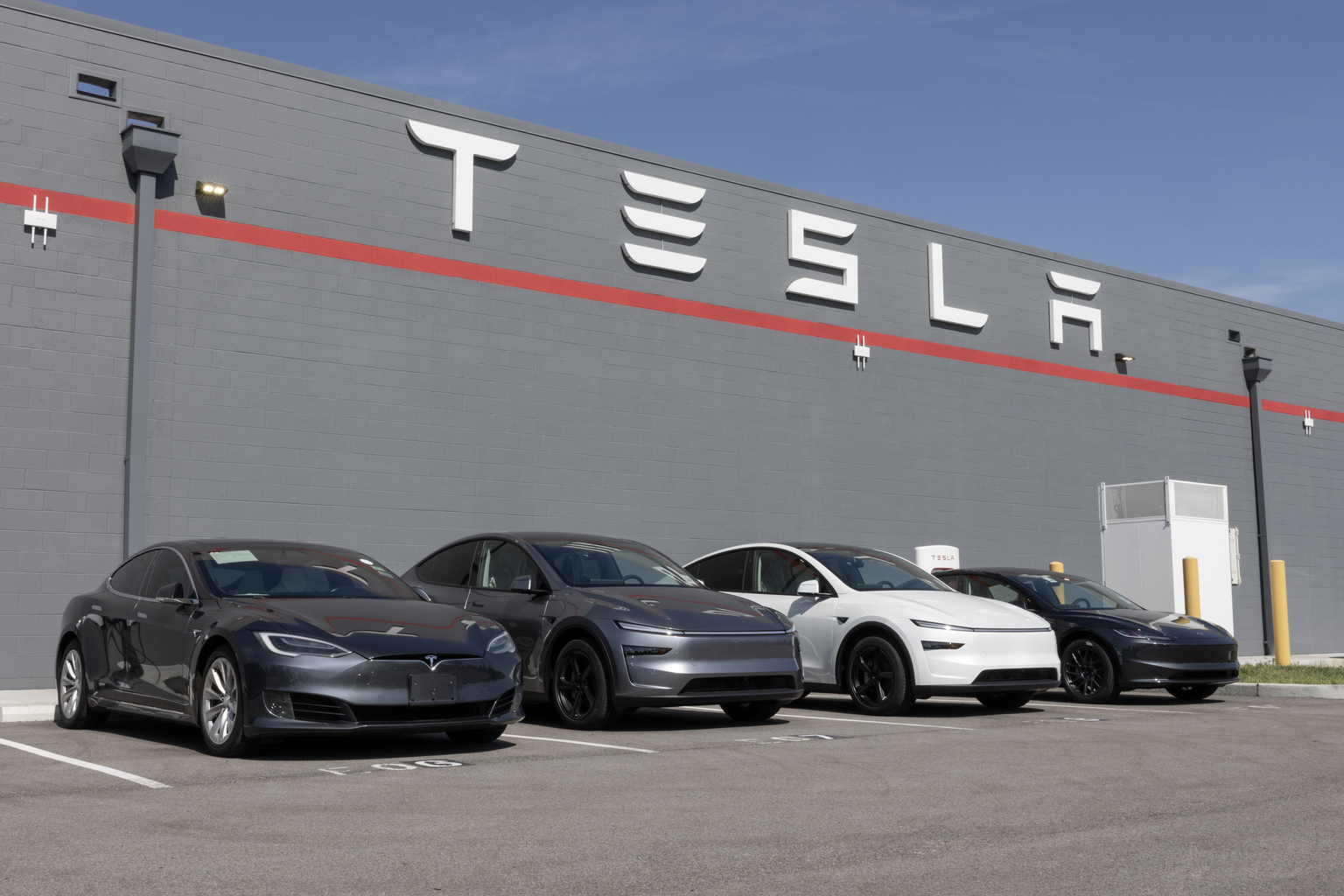
- Earnings Expectations: Tesla is projected to report Q1 revenue of $22.3 billion, with an automotive gross margin of 16.0%, earnings per share of $0.36, energy storage deployment of 8.8 GWh, and free cash flow of -$1.8 billion, indicating financial pressure amid a weaker start to the year.
- Delivery Data: The company delivered 358,023 vehicles in Q1, falling short of the 365,000 vehicle consensus estimate, despite producing 408,386 vehicles, highlighting a mismatch between production capacity and market demand.
- Capital Expenditure Concerns: Analysts express concerns that Tesla may push capital spending above $20 billion in 2026 due to investments in Terafab and other AI-related projects, which could impact the company's financial health and future growth potential.
- Market Reaction Expectations: Options trading suggests a potential 6% share price move following the earnings report, with investors keenly awaiting Elon Musk's presentation, particularly regarding the robotaxi rollout, which could influence Tesla's competitive position against rivals.
See More
Tesla Faces Margin Pressure and Cash Burn Ahead of Q1 Earnings
- Significant Margin Pressure: Jefferies raised Tesla's price target from $300 to $350, still implying an 11% downside from current levels, with Q1 revenue expected around $21.2 billion and a core automotive gross margin of only 15.5%, highlighting the profitability challenges the company faces.
- Increased Cash Burn: Tesla's capital expenditures are projected to exceed $19 billion this year, more than doubling from $9 billion last year, leading to a cash burn of $4.9 billion, which could negatively impact the company's short-term financial health.
- Widening Delivery and Production Gap: Tesla delivered 358,023 vehicles in Q1, showing year-over-year growth, but produced 408,386 vehicles, resulting in a delivery-production gap of over 50,000 units, indicating pressure on demand absorption that investors will closely monitor.
- Shift in Future Investment Focus: Tesla plans to direct most of its investments towards Cybercab production lines and Optimus robots rather than traditional EV models, with CEO Elon Musk stating that 2026 will be a “big capex year,” indicating the company's preparation for future technological transformations.
See More

Lucid Motors Faces Funding and Profitability Challenges

- Funding Situation: Lucid recently raised $1.05 billion through an agreement with Ayar Third Investment Company, a Saudi Public Investment Fund affiliate, including $550 million in convertible preferred stock, yet the stock has dropped over 20% since the announcement.
- Cash Flow Issues: Despite ending 2025 with approximately $1 billion in cash and $4.6 billion in liquidity, the fourth-quarter cash burn reached $1.25 billion, indicating a fragile financial position that may necessitate further capital raises to sustain operations.
- Production Challenges: Lucid faced a supplier disruption during the launch of its Gravity SUV, causing delivery delays; although the company reaffirmed its production guidance of 25,000 to 27,000 vehicles for 2023, this challenge could undermine market confidence.
- Shareholder Dilution Risk: Compared to rival Rivian, Lucid is diluting shareholders at a faster rate while making less progress on gross profitability, raising investor concerns about its ability to achieve profitability, especially with the need for additional funding looming.
See More

Market Volatility and Corporate Earnings Impact

- Tesla Earnings Preview: Tesla is expected to report its Q1 earnings after market close on April 22, with deliveries at 358,023 units falling short of the 370,000 analyst estimate, despite producing 408,386 vehicles, indicating ongoing competitiveness in the EV market; future commentary from CEO Elon Musk on the robotaxi and Optimus humanoid robot initiatives could significantly influence post-earnings stock price movements.
- Boeing Delivery Insights: Boeing is set to release its Q1 earnings tomorrow morning, reporting 149 net orders for the quarter, surpassing Airbus's 114 deliveries, although supply chain challenges loom; investors will closely monitor quarterly margin data and outlook guidance to assess demand and profitability in both commercial and defense sectors.
- ServiceNow Earnings Outlook: ServiceNow is scheduled to publish its quarterly results tomorrow, with its stock under pressure due to potential AI disruptions in the SaaS industry; however, the company anticipates subscription revenue between $3.65 billion and $3.655 billion, reflecting a 21.5% annual growth rate, indicating resilience in its market position.
- Overall Market Dynamics: While geopolitical and macroeconomic factors significantly impact market volatility, the upcoming corporate earnings reports will play a crucial role in shaping investor sentiment, particularly following the earnings releases of Tesla, Boeing, and ServiceNow, which could trigger ripple effects across the market.
See More
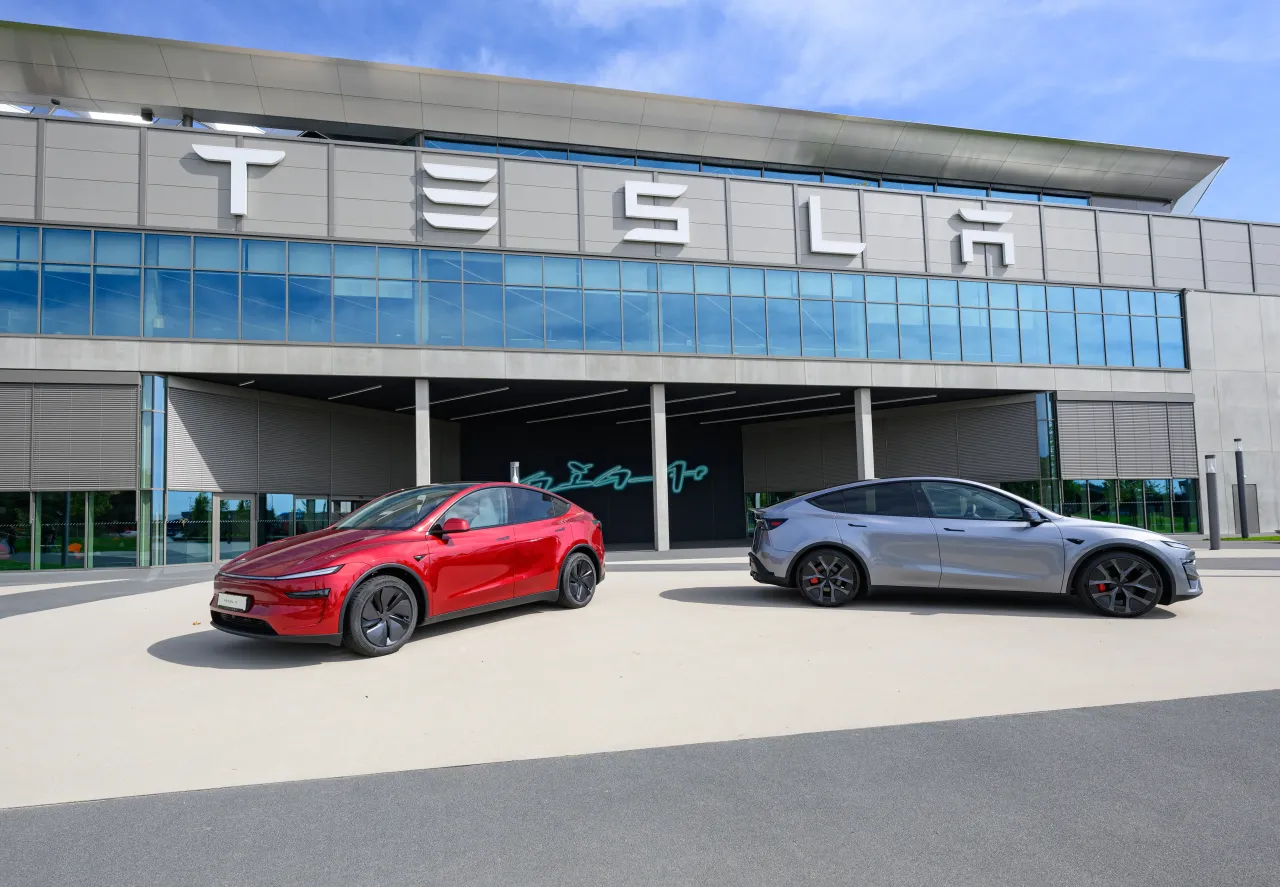
Tesla's Market Share Rises to 56% in California Amid EV Registration Decline

- Market Share Increase: Despite a 40.2% decline in overall EV registrations in California to 57,111 units, Tesla's market share rose to 56%, indicating its strong position in a competitive landscape.
- Registration Decline: According to the California New Car Dealers Association, Tesla's registrations fell to 31,958 vehicles in Q1, a 24% year-over-year drop, reflecting suppressed consumer demand due to the end of federal tax credits and rising purchase costs.
- Future Outlook: Total vehicle registrations in California are expected to decline to 1.74 million by 2026, primarily due to high transaction prices and low consumer confidence, which may exert pressure on Tesla's future sales.
- Retail Sentiment: Despite challenges, retail investor sentiment around Tesla remains in the 'extremely bullish' territory, with anticipation building for the upcoming Q1 earnings report, which is expected to show a 15% revenue increase to $22.34 billion compared to the same quarter last year.
See More
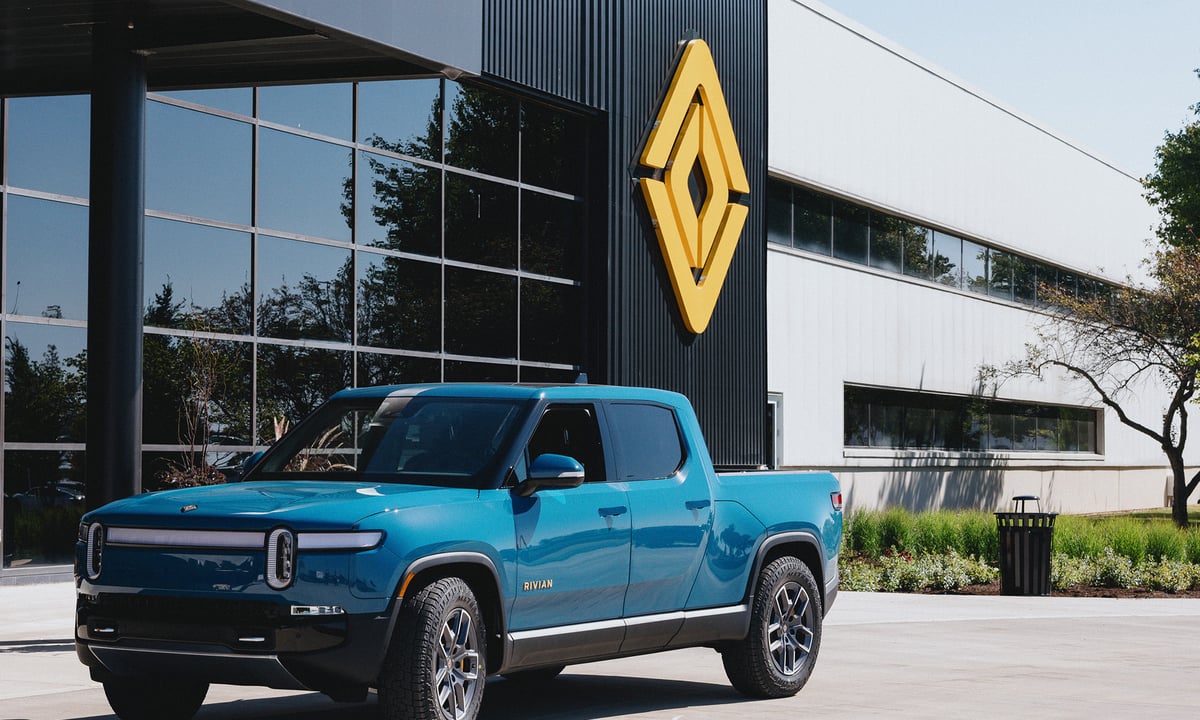
Rivian Could Deliver 1,000% Return Potential

- Growth Potential Analysis: Rivian's market cap stands at $21 billion with a current stock price of $17.15, and while its sales base pales in comparison to Tesla's, the company has invested billions in scaling production of its luxury models, R1T and R1S, demonstrating its growth capability.
- Strategic Turning Point: Rivian plans to begin deliveries of its first affordable SUV, the R2, in 2026, which, if successful, could serve as its equivalent to Tesla's Model Y, significantly boosting revenue and profitability metrics.
- AI Investment Strategy: Rivian is ramping up investments in artificial intelligence, intending to integrate it into production processes and self-driving technology; while results are yet to materialize, a $1.25 billion investment deal with Uber highlights its technology-driven market potential.
- Market Competition Outlook: Despite Tesla facing declining sales, Rivian is seizing the opportunity to enter the robotaxi market through its partnership with Uber, which is expected to provide substantial growth potential for its stock, attracting the attention of long-term investors.
See More
Tesla Q1 Earnings Preview: Key Metrics and Market Expectations
- Earnings Expectations: Tesla is projected to report Q1 revenue of $22.3 billion, with an automotive gross margin of 16.0%, earnings per share of $0.36, energy storage deployment of 8.8 GWh, and free cash flow of -$1.8 billion, indicating financial pressure amid a weaker start to the year.
- Delivery Data: The company delivered 358,023 vehicles in Q1, falling short of the 365,000 vehicle consensus estimate, despite producing 408,386 vehicles, highlighting a mismatch between production capacity and market demand.
- Capital Expenditure Concerns: Analysts express concerns that Tesla may push capital spending above $20 billion in 2026 due to investments in Terafab and other AI-related projects, which could impact the company's financial health and future growth potential.
- Market Reaction Expectations: Options trading suggests a potential 6% share price move following the earnings report, with investors keenly awaiting Elon Musk's presentation, particularly regarding the robotaxi rollout, which could influence Tesla's competitive position against rivals.
See More
Tesla Faces Margin Pressure and Cash Burn Ahead of Q1 Earnings
- Significant Margin Pressure: Jefferies raised Tesla's price target from $300 to $350, still implying an 11% downside from current levels, with Q1 revenue expected around $21.2 billion and a core automotive gross margin of only 15.5%, highlighting the profitability challenges the company faces.
- Increased Cash Burn: Tesla's capital expenditures are projected to exceed $19 billion this year, more than doubling from $9 billion last year, leading to a cash burn of $4.9 billion, which could negatively impact the company's short-term financial health.
- Widening Delivery and Production Gap: Tesla delivered 358,023 vehicles in Q1, showing year-over-year growth, but produced 408,386 vehicles, resulting in a delivery-production gap of over 50,000 units, indicating pressure on demand absorption that investors will closely monitor.
- Shift in Future Investment Focus: Tesla plans to direct most of its investments towards Cybercab production lines and Optimus robots rather than traditional EV models, with CEO Elon Musk stating that 2026 will be a “big capex year,” indicating the company's preparation for future technological transformations.
See More
Lucid Motors Faces Funding and Profitability Challenges
- Funding Situation: Lucid recently raised $1.05 billion through an agreement with Ayar Third Investment Company, a Saudi Public Investment Fund affiliate, including $550 million in convertible preferred stock, yet the stock has dropped over 20% since the announcement.
- Cash Flow Issues: Despite ending 2025 with approximately $1 billion in cash and $4.6 billion in liquidity, the fourth-quarter cash burn reached $1.25 billion, indicating a fragile financial position that may necessitate further capital raises to sustain operations.
- Production Challenges: Lucid faced a supplier disruption during the launch of its Gravity SUV, causing delivery delays; although the company reaffirmed its production guidance of 25,000 to 27,000 vehicles for 2023, this challenge could undermine market confidence.
- Shareholder Dilution Risk: Compared to rival Rivian, Lucid is diluting shareholders at a faster rate while making less progress on gross profitability, raising investor concerns about its ability to achieve profitability, especially with the need for additional funding looming.
See More
Market Volatility and Corporate Earnings Impact
- Tesla Earnings Preview: Tesla is expected to report its Q1 earnings after market close on April 22, with deliveries at 358,023 units falling short of the 370,000 analyst estimate, despite producing 408,386 vehicles, indicating ongoing competitiveness in the EV market; future commentary from CEO Elon Musk on the robotaxi and Optimus humanoid robot initiatives could significantly influence post-earnings stock price movements.
- Boeing Delivery Insights: Boeing is set to release its Q1 earnings tomorrow morning, reporting 149 net orders for the quarter, surpassing Airbus's 114 deliveries, although supply chain challenges loom; investors will closely monitor quarterly margin data and outlook guidance to assess demand and profitability in both commercial and defense sectors.
- ServiceNow Earnings Outlook: ServiceNow is scheduled to publish its quarterly results tomorrow, with its stock under pressure due to potential AI disruptions in the SaaS industry; however, the company anticipates subscription revenue between $3.65 billion and $3.655 billion, reflecting a 21.5% annual growth rate, indicating resilience in its market position.
- Overall Market Dynamics: While geopolitical and macroeconomic factors significantly impact market volatility, the upcoming corporate earnings reports will play a crucial role in shaping investor sentiment, particularly following the earnings releases of Tesla, Boeing, and ServiceNow, which could trigger ripple effects across the market.
See More
Tesla's Market Share Rises to 56% in California Amid EV Registration Decline
- Market Share Increase: Despite a 40.2% decline in overall EV registrations in California to 57,111 units, Tesla's market share rose to 56%, indicating its strong position in a competitive landscape.
- Registration Decline: According to the California New Car Dealers Association, Tesla's registrations fell to 31,958 vehicles in Q1, a 24% year-over-year drop, reflecting suppressed consumer demand due to the end of federal tax credits and rising purchase costs.
- Future Outlook: Total vehicle registrations in California are expected to decline to 1.74 million by 2026, primarily due to high transaction prices and low consumer confidence, which may exert pressure on Tesla's future sales.
- Retail Sentiment: Despite challenges, retail investor sentiment around Tesla remains in the 'extremely bullish' territory, with anticipation building for the upcoming Q1 earnings report, which is expected to show a 15% revenue increase to $22.34 billion compared to the same quarter last year.
See More
Rivian Could Deliver 1,000% Return Potential
- Growth Potential Analysis: Rivian's market cap stands at $21 billion with a current stock price of $17.15, and while its sales base pales in comparison to Tesla's, the company has invested billions in scaling production of its luxury models, R1T and R1S, demonstrating its growth capability.
- Strategic Turning Point: Rivian plans to begin deliveries of its first affordable SUV, the R2, in 2026, which, if successful, could serve as its equivalent to Tesla's Model Y, significantly boosting revenue and profitability metrics.
- AI Investment Strategy: Rivian is ramping up investments in artificial intelligence, intending to integrate it into production processes and self-driving technology; while results are yet to materialize, a $1.25 billion investment deal with Uber highlights its technology-driven market potential.
- Market Competition Outlook: Despite Tesla facing declining sales, Rivian is seizing the opportunity to enter the robotaxi market through its partnership with Uber, which is expected to provide substantial growth potential for its stock, attracting the attention of long-term investors.
See More