Tesla Semi Deliveries Set to Begin Amid Rising Oil Prices
Written by Emily J. Thompson, Senior Investment Analyst
Updated: Mar 23 2026
0mins


Should l Buy TSLA?
Source: stocktwits
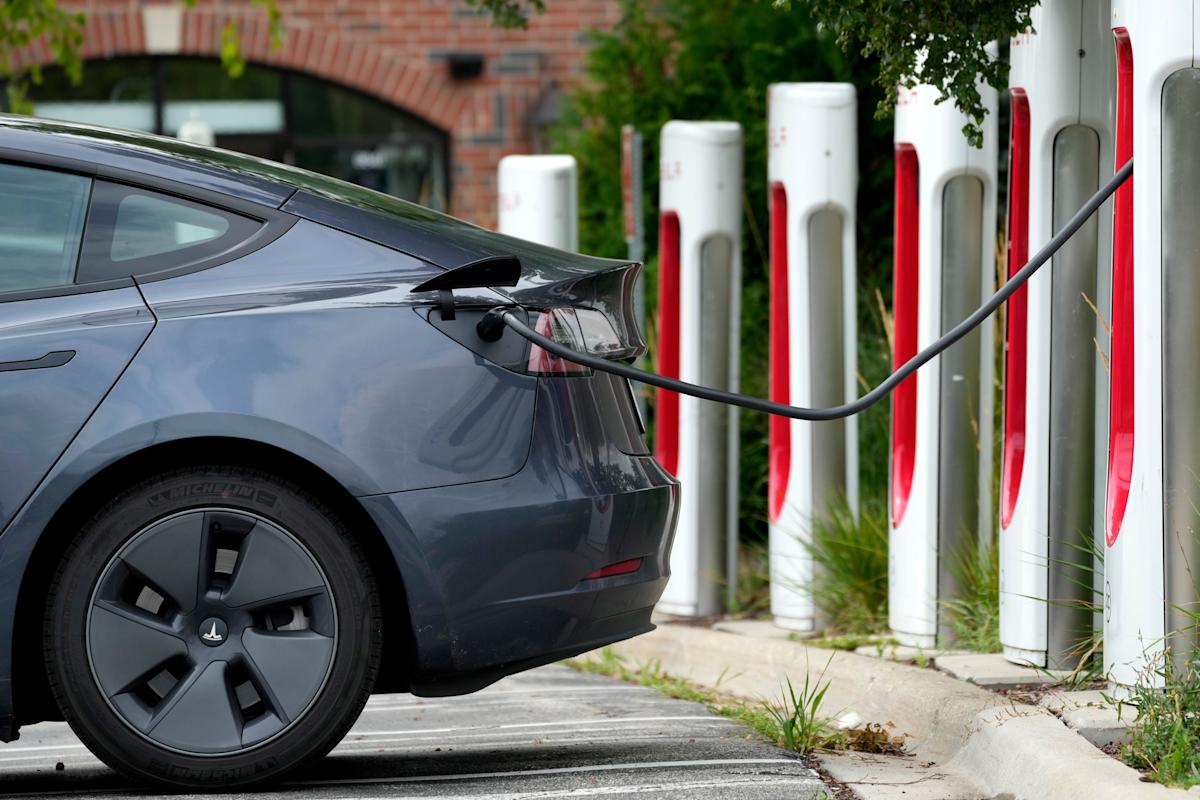
- Electrification Potential: Rising oil prices have highlighted the potential value of electrification and energy diversity, leading to increased attention on Tesla, although concerns about its service and parts distribution capabilities persist.
- Buy Rating and Price Target: Melius Research has assigned a ‘Buy’ rating to Tesla shares with a price target of $590, indicating a positive outlook for the company's future performance.
- Tesla Semi Deliveries: Deliveries of the Tesla Semi are slated to commence this year, marking an expansion into the commercial customer market, although its competitiveness in the trucking sector needs to be bolstered.
- Competitive Pressure: Compared to competitors like Paccar and Caterpillar, Tesla's lack of significant investment in post-delivery service may hinder its competitive position in the trucking market.
Trade with 70% Backtested Accuracy
Stop guessing "Should I Buy TSLA?" and start using high-conviction signals backed by rigorous historical data.
Sign up today to access powerful investing tools and make smarter, data-driven decisions.
Analyst Views on TSLA
Wall Street analysts forecast TSLA stock price to rise
30 Analyst Rating
12 Buy
11 Hold
7 Sell
Hold
Current: 373.720

Low
25.28
Averages
401.93
High
600.00
Current: 373.720
Low
25.28
Averages
401.93
High
600.00
About TSLA
Tesla, Inc. designs, develops, manufactures, sells and leases high-performance fully electric vehicles and energy generation and storage systems, and offers services related to its products. Its segments include automotive, and energy generation and storage. The automotive segment includes the design, development, manufacturing, sales and leasing of high-performance fully electric vehicles, and sales of automotive regulatory credits. It also includes sales of used vehicles, non-warranty maintenance services and collisions, part sales, paid supercharging, insurance services revenue and retail merchandise sales. The energy generation and storage segment include the design, manufacture, installation, sales and leasing of solar energy generation and energy storage products and related services and sales of solar energy systems incentives. Its consumer vehicles include the Model 3, Y, S, X and Cybertruck. Its lithium-ion battery energy storage products include Powerwall and Megapack.
About the author

Emily J. Thompson
Emily J. Thompson, a Chartered Financial Analyst (CFA) with 12 years in investment research, graduated with honors from the Wharton School. Specializing in industrial and technology stocks, she provides in-depth analysis for Intellectia’s earnings and market brief reports.

Tesla Surpasses Expectations with Earnings and Robotaxi Launch

- Earnings Beat: Tesla's Q1 revenue rose 16% year-over-year to $22.4 billion, exceeding analyst expectations, while its EPS also outperformed forecasts, and the $1.4 billion in free cash flow highlighted a significant improvement in financial health.
- Robotaxi Expansion: The launch of driverless Robotaxi services in Dallas and Houston marks Tesla's third city for this initiative, following Austin, representing a crucial step towards achieving nationwide Robotaxi operations, despite ongoing regulatory hurdles.
- Strategic Shift: Tesla is pivoting towards higher-margin businesses such as Robotaxis, humanoid robots, and AI, which could drive future profitability, even as its traditional car sales face challenges like declining market share and rising inventory levels.
- Market Challenges and Opportunities: While Tesla has made progress in Robotaxi deployment, it continues to face stiff competition from rivals like BYD and Volkswagen in the EV market, necessitating investor vigilance regarding its long-term growth potential amid stock volatility.
See More
Tesla Earnings Report Sparks Diverging Opinions
- EV Sales Surge: Tesla reported over 150% quarter-over-quarter growth in EV deliveries in EMEA, particularly in France and Germany, despite overall delivery figures missing Wall Street estimates, indicating a resurgence in demand and maintaining the company's competitive edge in the EV market.
- FSD Subscription Growth: The company's Full Self-Driving (FSD) subscriptions saw a 16.4% sequential increase and a 51% year-over-year rise, with declining churn rates as more drivers recognize the benefits of autonomy, further solidifying Tesla's position in the smart driving sector.
- Robotaxi Rollout Delays: Although CEO Elon Musk promised that robotaxis would be available to half of the U.S. population by 2025, only 13 unsupervised robotaxis are currently operational in Austin, reflecting a more cautious rollout strategy, with broader deployment expected in 2026.
- Increased Capital Expenditures: Tesla anticipates capital expenditures to reach at least $25 billion by 2026, primarily for hardware upgrades and the Terafab project, indicating financial pressure on the rapid deployment of robotaxis, which may lead to short-term stock price volatility.
See More
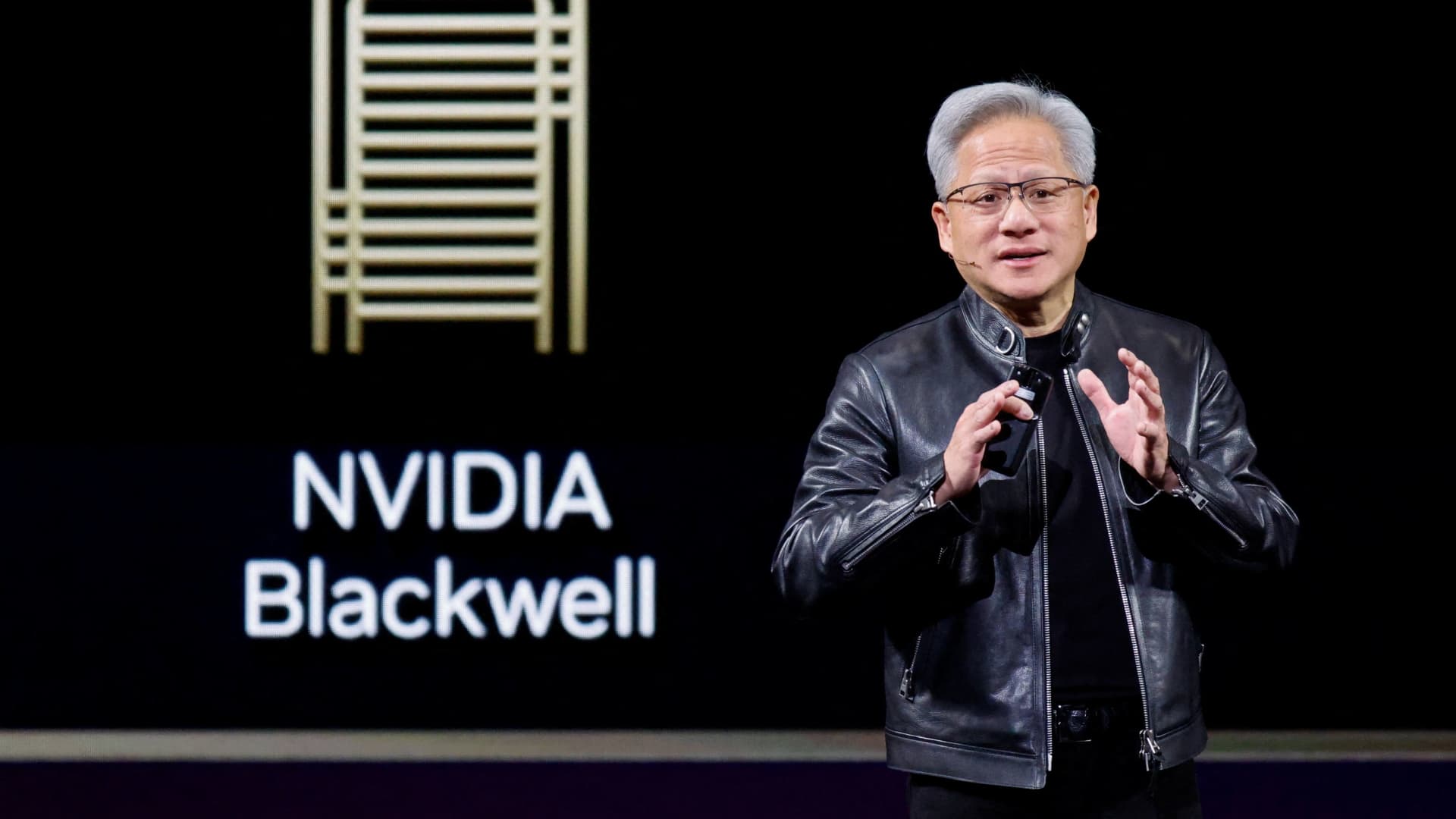
Major Wall Street Rating Updates on Monday


- Cohu Rating Reiteration: Jefferies reiterates its Buy rating on Cohu with a price target of $55, viewing the company as an emerging enabler of higher-complexity semiconductor testing, which could enhance its market position significantly.
- Rollins Upgrade: Rothschild & Co Redburn upgrades Rollins from Neutral to Buy, raising the price target from $51.90 to $66, indicating a 16% upside, as they see the current share price as an attractive entry point for investors.
- Nutrien Upgrade: Barclays upgrades Nutrien from Equal Weight to Overweight, increasing the price target from $80 to $85, anticipating continued strength in the nitrogen segment due to the Iran conflict, which positions the company favorably in the market.
- Galaxy Digital Initiation: Chardan initiates coverage of Galaxy Digital with a Buy rating, highlighting its attractive position in the digital asset ecosystem and potential for integration with traditional financial markets, which could drive future growth.
See More
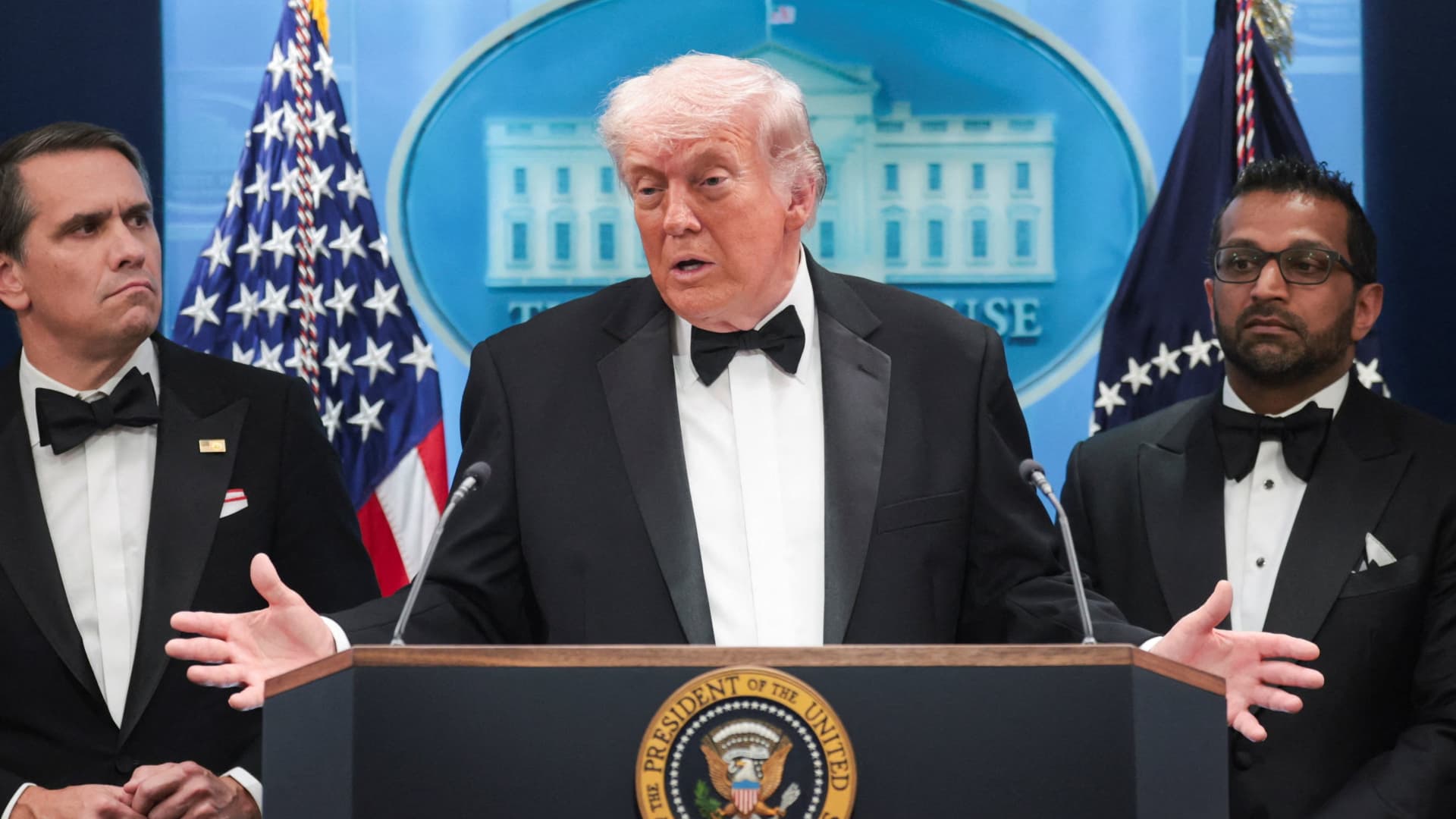
Chaos Erupts at White House Correspondents' Dinner Amid Security Incident

- White House Chaos: An armed man charged a security checkpoint during the White House Correspondents' Dinner, prompting evacuation of President Trump and officials, which has drawn widespread condemnation and highlights increasing political violence in the U.S.
- Investigation Closure: The Justice Department has ended its criminal investigation into Fed Chair Jerome Powell, clearing the way for Trump's nominee Kevin Warsh, which could significantly influence future monetary policy decisions.
- Iran Negotiation Halt: Trump canceled plans to send U.S. representatives to Pakistan for ceasefire talks, resulting in Brent crude prices surpassing $106 per barrel, exerting downward pressure on stock futures amid faltering peace talks.
- Tesla AI Testing: Tesla is beta testing xAI's Grok chatbot for in-vehicle voice commands, aiming to enhance driver experience, but safety experts warn that such features could distract drivers and compromise road safety.
See More
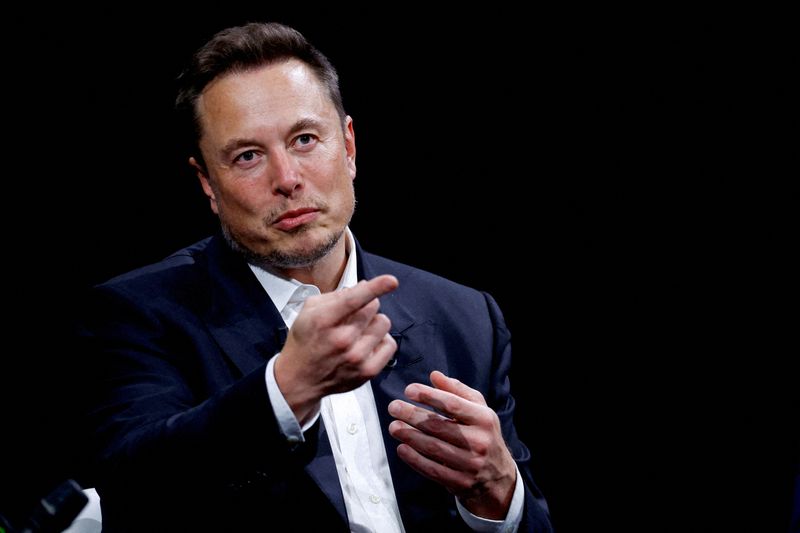
Trump's White House Dinner Chaos Incident

- White House Dinner Chaos: An armed man charged a security checkpoint during the White House Correspondents' Dinner, prompting the evacuation of Trump and other officials; Trump reported that one officer was shot but saved, highlighting the increasing political violence in the U.S.
- Iran Negotiation Cancellation: Trump canceled plans to send U.S. representatives to Pakistan for ceasefire talks with Iran, stating that Iran could initiate dialogue by calling, which led Brent crude prices to surpass $106 per barrel, exerting downward pressure on stock futures.
- Fed Investigation Closure: The Justice Department ended its criminal investigation into Fed Chair Powell, clearing the way for Trump's nominee Warsh to gain support for confirmation, while Powell now faces a decision on whether to remain as a Fed governor after his term ends.
- Musk vs. Altman Trial: The trial between Musk and OpenAI CEO Altman begins today in Oakland, California, with Musk alleging in a $134 billion lawsuit that OpenAI failed to uphold its promise, which could significantly impact the future business trajectories of both tech leaders.
See More
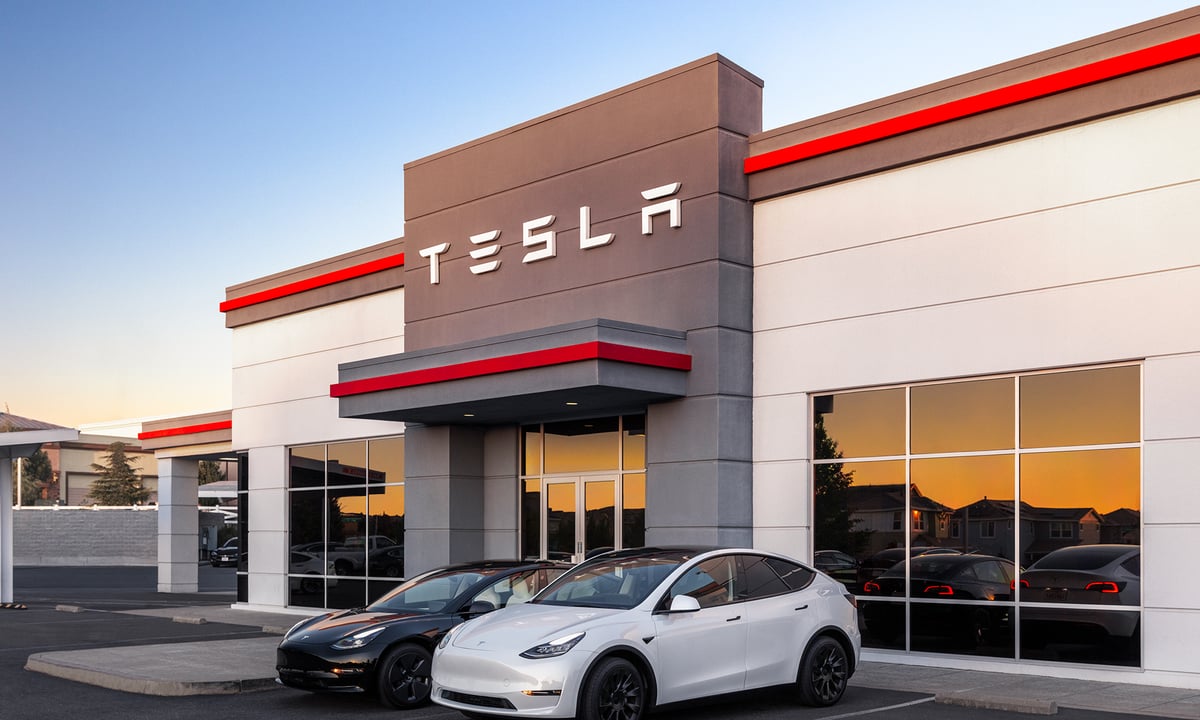
Tesla's Q1 Earnings Analysis: Mixed Signals
- Profitability Recovery: Tesla's gross profit per vehicle increased from $8,000 to $9,558 in the last quarter, indicating a recovery in profitability within its EV business, which positively impacts investor confidence despite still being below 2022 levels.
- Production and Delivery Gap: Tesla produced 408,386 electric vehicles in Q1 but delivered only 358,203, marking the largest production-to-delivery gap since 2019, reflecting logistical challenges and increased market competition that could affect future sales expectations.
- Capital Expenditure Plans: Tesla plans to invest over $25 billion by 2026 in projects like robotaxis and the Optimus robot, which, while raising market concerns, demonstrates the company's commitment to technological innovation and future growth.
- Competitive Market Pressure: Facing pressure from emerging competitors like BYD, Tesla's EV sales and market share are under threat; although the company maintains its leadership position in the EV market, it needs to strengthen its strategies to sustain its competitive advantage.
See More
Tesla Surpasses Expectations with Earnings and Robotaxi Launch
- Earnings Beat: Tesla's Q1 revenue rose 16% year-over-year to $22.4 billion, exceeding analyst expectations, while its EPS also outperformed forecasts, and the $1.4 billion in free cash flow highlighted a significant improvement in financial health.
- Robotaxi Expansion: The launch of driverless Robotaxi services in Dallas and Houston marks Tesla's third city for this initiative, following Austin, representing a crucial step towards achieving nationwide Robotaxi operations, despite ongoing regulatory hurdles.
- Strategic Shift: Tesla is pivoting towards higher-margin businesses such as Robotaxis, humanoid robots, and AI, which could drive future profitability, even as its traditional car sales face challenges like declining market share and rising inventory levels.
- Market Challenges and Opportunities: While Tesla has made progress in Robotaxi deployment, it continues to face stiff competition from rivals like BYD and Volkswagen in the EV market, necessitating investor vigilance regarding its long-term growth potential amid stock volatility.
See More
Tesla Earnings Report Sparks Diverging Opinions
- EV Sales Surge: Tesla reported over 150% quarter-over-quarter growth in EV deliveries in EMEA, particularly in France and Germany, despite overall delivery figures missing Wall Street estimates, indicating a resurgence in demand and maintaining the company's competitive edge in the EV market.
- FSD Subscription Growth: The company's Full Self-Driving (FSD) subscriptions saw a 16.4% sequential increase and a 51% year-over-year rise, with declining churn rates as more drivers recognize the benefits of autonomy, further solidifying Tesla's position in the smart driving sector.
- Robotaxi Rollout Delays: Although CEO Elon Musk promised that robotaxis would be available to half of the U.S. population by 2025, only 13 unsupervised robotaxis are currently operational in Austin, reflecting a more cautious rollout strategy, with broader deployment expected in 2026.
- Increased Capital Expenditures: Tesla anticipates capital expenditures to reach at least $25 billion by 2026, primarily for hardware upgrades and the Terafab project, indicating financial pressure on the rapid deployment of robotaxis, which may lead to short-term stock price volatility.
See More
Major Wall Street Rating Updates on Monday
- Cohu Rating Reiteration: Jefferies reiterates its Buy rating on Cohu with a price target of $55, viewing the company as an emerging enabler of higher-complexity semiconductor testing, which could enhance its market position significantly.
- Rollins Upgrade: Rothschild & Co Redburn upgrades Rollins from Neutral to Buy, raising the price target from $51.90 to $66, indicating a 16% upside, as they see the current share price as an attractive entry point for investors.
- Nutrien Upgrade: Barclays upgrades Nutrien from Equal Weight to Overweight, increasing the price target from $80 to $85, anticipating continued strength in the nitrogen segment due to the Iran conflict, which positions the company favorably in the market.
- Galaxy Digital Initiation: Chardan initiates coverage of Galaxy Digital with a Buy rating, highlighting its attractive position in the digital asset ecosystem and potential for integration with traditional financial markets, which could drive future growth.
See More
Chaos Erupts at White House Correspondents' Dinner Amid Security Incident
- White House Chaos: An armed man charged a security checkpoint during the White House Correspondents' Dinner, prompting evacuation of President Trump and officials, which has drawn widespread condemnation and highlights increasing political violence in the U.S.
- Investigation Closure: The Justice Department has ended its criminal investigation into Fed Chair Jerome Powell, clearing the way for Trump's nominee Kevin Warsh, which could significantly influence future monetary policy decisions.
- Iran Negotiation Halt: Trump canceled plans to send U.S. representatives to Pakistan for ceasefire talks, resulting in Brent crude prices surpassing $106 per barrel, exerting downward pressure on stock futures amid faltering peace talks.
- Tesla AI Testing: Tesla is beta testing xAI's Grok chatbot for in-vehicle voice commands, aiming to enhance driver experience, but safety experts warn that such features could distract drivers and compromise road safety.
See More
Trump's White House Dinner Chaos Incident
- White House Dinner Chaos: An armed man charged a security checkpoint during the White House Correspondents' Dinner, prompting the evacuation of Trump and other officials; Trump reported that one officer was shot but saved, highlighting the increasing political violence in the U.S.
- Iran Negotiation Cancellation: Trump canceled plans to send U.S. representatives to Pakistan for ceasefire talks with Iran, stating that Iran could initiate dialogue by calling, which led Brent crude prices to surpass $106 per barrel, exerting downward pressure on stock futures.
- Fed Investigation Closure: The Justice Department ended its criminal investigation into Fed Chair Powell, clearing the way for Trump's nominee Warsh to gain support for confirmation, while Powell now faces a decision on whether to remain as a Fed governor after his term ends.
- Musk vs. Altman Trial: The trial between Musk and OpenAI CEO Altman begins today in Oakland, California, with Musk alleging in a $134 billion lawsuit that OpenAI failed to uphold its promise, which could significantly impact the future business trajectories of both tech leaders.
See More
Tesla's Q1 Earnings Analysis: Mixed Signals
- Profitability Recovery: Tesla's gross profit per vehicle increased from $8,000 to $9,558 in the last quarter, indicating a recovery in profitability within its EV business, which positively impacts investor confidence despite still being below 2022 levels.
- Production and Delivery Gap: Tesla produced 408,386 electric vehicles in Q1 but delivered only 358,203, marking the largest production-to-delivery gap since 2019, reflecting logistical challenges and increased market competition that could affect future sales expectations.
- Capital Expenditure Plans: Tesla plans to invest over $25 billion by 2026 in projects like robotaxis and the Optimus robot, which, while raising market concerns, demonstrates the company's commitment to technological innovation and future growth.
- Competitive Market Pressure: Facing pressure from emerging competitors like BYD, Tesla's EV sales and market share are under threat; although the company maintains its leadership position in the EV market, it needs to strengthen its strategies to sustain its competitive advantage.
See More