Tesla Delivers 358,000 Vehicles in Q1


Institutional investors and professional traders rely on The Fly to keep up-to-the-second on breaking news in the electric vehicle and clean energy space, as well as which stocks in these sectors that the best analysts on Wall Street are saying to buy and sell.From the hotly-debated high-flier Tesla, Wall Street's newest darling Rivian, traditional-stalwarts turned EV-upstarts GMand Fordto the numerous SPAC-deal makers that have come public in this red-hot space, The Fly has you covered with "Charged," a weekly recap of the top stories and expert calls in the sector.Clickto check out Tesla's recent Media Buzz Sentiment as measured by TipRanks.TESLA DELIVERIES:Last week, Tesla stated, "In the first quarter, we produced over 408,000 vehicles, delivered over 358,000 vehicles and deployed 8.8 GWh of energy storage products." Tesla will post its financial results for the first quarter of 2026 after market close on Wednesday, April 22, the company noted.Wedbush noted Tesla Q1 delivery numbers came in slightly below the company's consensus delivery estimate. The firm says Europe remains a significant headwind, with Tesla still navigating a difficult regulatory environment for FSD approval and regional sales unlikely to rebound until regulators give the green light, something Wedbush believes will happen in the first half of 2026. China, by contrast, was a bright spot, with deliveries in the first two months of 2026 up 35% year-over-year. While the delivery numbers were quite underwhelming, this was not a shock to the firm given the current EV backdrop across geographies as the company shifts gears to focus more on its AI strategy. Wedbush has an Outperform rating on the shares with a price target of $600.RIVIAN DELIVERIES:On April 2, Rivian Automotive also announced production and delivery totals for the quarter ending March 31. The company produced 10,236 vehicles at its manufacturing facility in Normal, Illinois and delivered 10,365 vehicles during the same period. Production and delivery results for the quarter are in line with Rivian's outlook. Rivian is also reaffirming its 2026 delivery range guidance of 62,000 to 67,000 vehicles.UPGRADE ON VALUATION:DA Davidson upgraded Rivian to Neutral from Underperform with an unchanged price target of $14. The firm cited valuation for the upgrade following the stock's recent selloff. Much of the recent pullback is related to a "mixed-at-best investor reaction" to the pricing of early R2 trims, which is 55% higher than expected for some consumers, DA Davidson told investors. The firm believes this "not-insignificant gap" is one of the risks Rivian faces in delivering 20,000-25,000 R2 units this year.NIO DELIVERIES:Nioannounced its March and first quarter 2026 delivery results. The company delivered 35,486 vehicles in March, representing an increase of 136% year-over-year. The deliveries consisted of 22,490 vehicles from the company's smart electric vehicle brand Nio, 6,877 vehicles from the company's smart electric vehicle brand Onvo, and 6,119 vehicles from the company's small smart electric car brand Firefly. The company delivered 83,465 vehicles in the first quarter, representing an increase of 98.3% year-over-year. Cumulative deliveries reached 1,081,057 as of March 31.LI AUTO DELIVERIES:Li Autoannounced that it delivered 41,053 vehicles in March. As of March 31, Li Auto's cumulative deliveries reached 1,635,357. With the production bottleneck resolved, Li i6 monthly deliveries surpassed 24,000 units in March. The new Li L9 is expected to launch in the second quarter of 2026. As of March 31, the company had 517 retail stores in 160 cities, 552 servicing centers and Li Auto-authorized servicing shops operating in 223 cities. The company also had 4,057 super charging stations in operation equipped with 22,439 charging stalls in China.XPENG DELIVERIES:XPengannounced its vehicle delivery results for March and the first quarter of 2026. In March, XPeng delivered a total of 27,415 vehicles, representing an 80% increase over the prior month. In the first quarter, XPeng delivered 62,682 vehicles. On March 25, XPeng introduced a three-year strategy for Latin America and officially entered the Mexican market, marking a major milestone in its global expansion. Under this strategy, the company plans to launch both pure electric and range-extended electric models in 2027, laying the groundwork for broader market coverage and targeting a leading position in the region by 2028.
Trade with 70% Backtested Accuracy
Analyst Views on TSLA

About TSLA
About the author


Tesla Reportedly Developing All-New Electric SUV Amid Robotaxi Focus

- New Electric SUV Development: Tesla is reportedly developing an all-new, smaller, and more affordable electric SUV, which is expected to be priced significantly lower than the entry-level Model 3 at $34,000, thereby attracting a broader consumer base and enhancing market competitiveness.
- Shift in Production Location: Sources indicate that the SUV may be produced in China, a strategy that would allow Tesla to leverage advancements in electric vehicle technology in the region, further strengthening its competitive edge in the global market.
- Market Adaptability: The new model is designed to be adaptable for both human driving and autonomous driving, suggesting that Tesla may adopt a flexible strategy in the future autonomous vehicle market to meet evolving consumer demands.
- Increased Competitive Pressure: While Tesla has ambitious plans for autonomous driving and robotics, the aging of its traditional vehicle lineup and intense competition from Chinese EV manufacturers may compel Tesla to refocus on its automotive business to maintain its market leadership.

China's Robotics Industry Rapidly Advances
- Athletic Breakthrough: During a half-marathon in Beijing, over 100 domestically produced humanoid robots showcased remarkable athleticism, with the winning robot developed by Chinese smartphone giant Honor finishing in 50 minutes and 26 seconds, surpassing the current half-marathon world record and indicating significant technological advancement.
- Performance Improvement: Compared to last year's inaugural event plagued by technical failures, this year's robots successfully completed the race, overcoming previous challenges and highlighting China's rapid progress in robotics, which has garnered global attention.
- Strategic National Push: The event underscores China's national strategy to dominate the humanoid robotics industry, with the government implementing substantial industrial subsidies and infrastructure projects to bolster local firms' competitiveness and drive industry growth.
- Future Application Potential: Although the commercial deployment of humanoids is still in trial phases, their rapidly advancing physical capabilities signal a potential transformation in the labor market, with robots poised to take on high-risk tasks and find applications in industrial and defense sectors.

Tesla Plans to Launch All-New Electric SUV

- New Model Development: Tesla is developing an all-new, smaller, and more affordable electric SUV, which is expected to differ from the existing Model Y and could play a significant role in future autonomous driving strategies.
- Production Location Speculation: Sources indicate that the SUV may be produced in China, leveraging the country's advanced electric vehicle technology, which would provide Tesla with a significant competitive advantage in the market.
- Pricing Strategy: Tesla plans to price the new SUV below its entry-level Model 3, which starts at $34,000 in China, potentially attracting more consumers and expanding its market share.
- Market Competition Pressure: While Tesla focuses on the future of autonomous driving and robotics, it faces increasing pressure from traditional models, particularly from Chinese EV manufacturers, which may accelerate the launch of the new model.

Tesla Plans to Launch All-New Smaller Electric SUV
- New Model Development: Tesla is in discussions with suppliers about an all-new smaller electric SUV, which is expected to bridge the gap between its aging lineup and future driverless technology, with potential production in China to leverage the rapid growth of the local EV market.
- Market Positioning: The new SUV is targeted to be priced significantly lower than Tesla's entry-level Model 3, which starts at $34,000 in China, aiming to attract more consumers and enhance market competitiveness.
- Production Location Impact: If the new model is produced in China, Tesla could better align with advancements in Chinese electric vehicle technology, potentially providing a significant competitive edge in a market where rivals like Rivian and Lucid have yet to enter.
- Strategic Return: The development of this new model may signify Tesla's return to its automotive roots, focusing on traditional vehicle production alongside its ambitions in driverless technology and humanoid robots, helping it navigate increasing market competition.
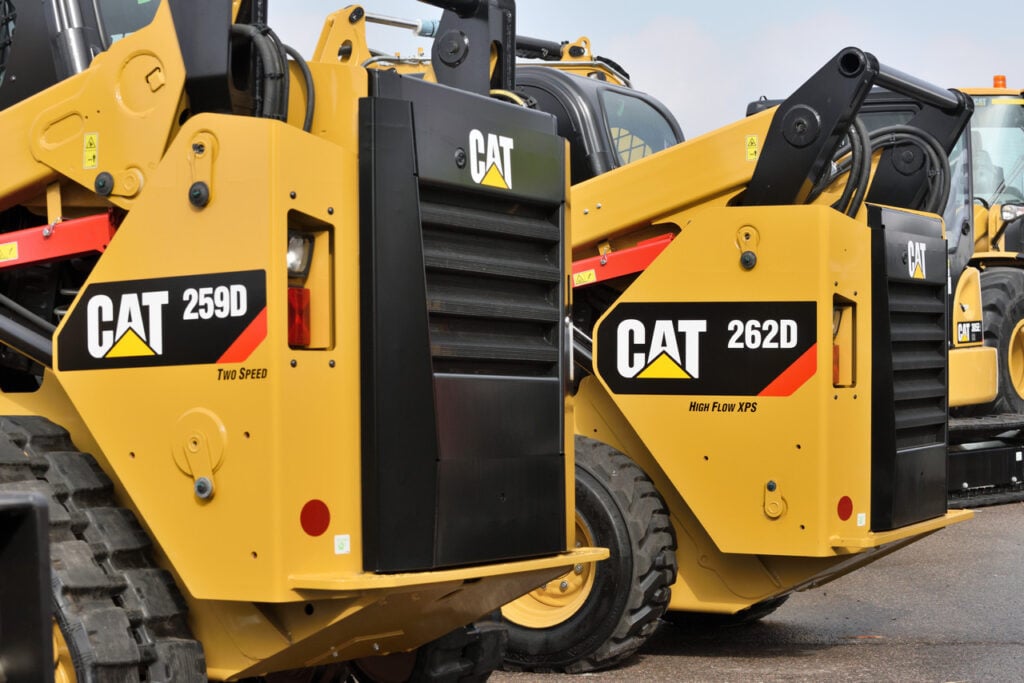
Caterpillar Acquires Self-Driving Tractor Startup Monarch

- Acquisition of Autonomous Tech: Caterpillar is reportedly acquiring self-driving electric tractor startup Monarch, which has faced layoffs and growth challenges, yet this move could provide Caterpillar with a significant boost in the electric vehicle sector.
- Intensifying Market Competition: Once dubbed the Tesla of agriculture, Monarch's transition of core EV and AV technology presents Caterpillar with an opportunity to enhance its competitive edge, particularly against rivals like Deere & Co.
- Deepening Tech Collaboration: Caterpillar's partnership with NVIDIA is accelerating the application of AI technologies, utilizing the NVIDIA Jetson Thor platform to enable real-time AI inference, thereby enhancing the intelligence of its construction and agricultural equipment.
- Negative Stock Reaction: Despite the acquisition not being officially announced, Caterpillar's stock has dropped 2.4% to $775.62, indicating investor caution regarding the initial reports, even as the stock has risen 30% year-to-date in 2026.
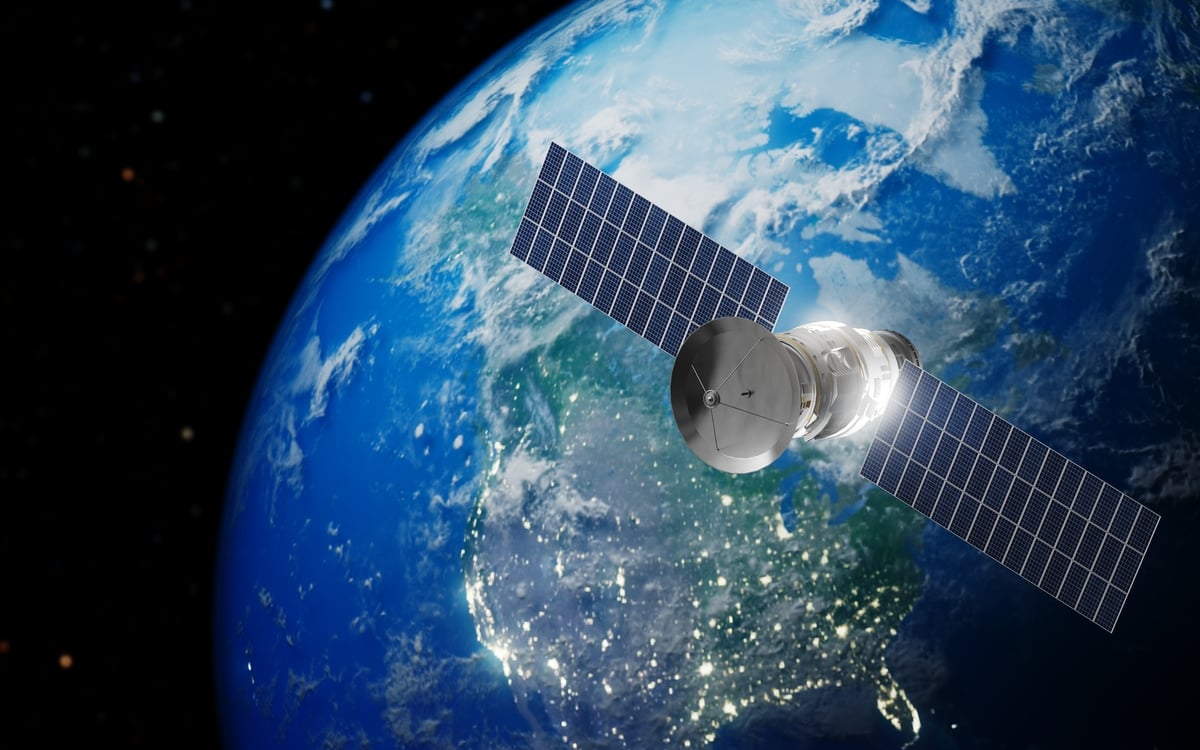
Analysis of SpaceX IPO Prospects and Investment Recommendations

- Valuation and Fundraising Goals: SpaceX aims for a $1.75 trillion valuation in its IPO, seeking to raise $75 billion, which would position it as the eighth most valuable company globally; however, such a high valuation necessitates substantial profits to justify it.
- Revenue and Profit Data: Reports indicate that SpaceX generated $15 billion to $16 billion in revenue in 2022, with around $8 billion in profit, and projections suggest that by 2026, its rocket launch and Starlink businesses could yield approximately $20 billion in revenue, highlighting its strong market potential.
- Market Risk Warning: While SpaceX's IPO may initially attract investors, a price-to-sales ratio of 87 suggests excessive optimism about future growth, as historically similar IPOs often surge initially before declining, posing risks for retail investors.
- Alternative Investment Options: For those interested in space exploration investments, it is advisable to consider space-themed exchange-traded funds (ETFs) like the Ark Space and Invesco Aerospace & Defense ETF, which mitigate risk through diversified holdings while outperforming the S&P 500.
Tesla Reportedly Developing All-New Electric SUV Amid Robotaxi Focus
- New Electric SUV Development: Tesla is reportedly developing an all-new, smaller, and more affordable electric SUV, which is expected to be priced significantly lower than the entry-level Model 3 at $34,000, thereby attracting a broader consumer base and enhancing market competitiveness.
- Shift in Production Location: Sources indicate that the SUV may be produced in China, a strategy that would allow Tesla to leverage advancements in electric vehicle technology in the region, further strengthening its competitive edge in the global market.
- Market Adaptability: The new model is designed to be adaptable for both human driving and autonomous driving, suggesting that Tesla may adopt a flexible strategy in the future autonomous vehicle market to meet evolving consumer demands.
- Increased Competitive Pressure: While Tesla has ambitious plans for autonomous driving and robotics, the aging of its traditional vehicle lineup and intense competition from Chinese EV manufacturers may compel Tesla to refocus on its automotive business to maintain its market leadership.
China's Robotics Industry Rapidly Advances
- Athletic Breakthrough: During a half-marathon in Beijing, over 100 domestically produced humanoid robots showcased remarkable athleticism, with the winning robot developed by Chinese smartphone giant Honor finishing in 50 minutes and 26 seconds, surpassing the current half-marathon world record and indicating significant technological advancement.
- Performance Improvement: Compared to last year's inaugural event plagued by technical failures, this year's robots successfully completed the race, overcoming previous challenges and highlighting China's rapid progress in robotics, which has garnered global attention.
- Strategic National Push: The event underscores China's national strategy to dominate the humanoid robotics industry, with the government implementing substantial industrial subsidies and infrastructure projects to bolster local firms' competitiveness and drive industry growth.
- Future Application Potential: Although the commercial deployment of humanoids is still in trial phases, their rapidly advancing physical capabilities signal a potential transformation in the labor market, with robots poised to take on high-risk tasks and find applications in industrial and defense sectors.
Tesla Plans to Launch All-New Electric SUV
- New Model Development: Tesla is developing an all-new, smaller, and more affordable electric SUV, which is expected to differ from the existing Model Y and could play a significant role in future autonomous driving strategies.
- Production Location Speculation: Sources indicate that the SUV may be produced in China, leveraging the country's advanced electric vehicle technology, which would provide Tesla with a significant competitive advantage in the market.
- Pricing Strategy: Tesla plans to price the new SUV below its entry-level Model 3, which starts at $34,000 in China, potentially attracting more consumers and expanding its market share.
- Market Competition Pressure: While Tesla focuses on the future of autonomous driving and robotics, it faces increasing pressure from traditional models, particularly from Chinese EV manufacturers, which may accelerate the launch of the new model.
Tesla Plans to Launch All-New Smaller Electric SUV
- New Model Development: Tesla is in discussions with suppliers about an all-new smaller electric SUV, which is expected to bridge the gap between its aging lineup and future driverless technology, with potential production in China to leverage the rapid growth of the local EV market.
- Market Positioning: The new SUV is targeted to be priced significantly lower than Tesla's entry-level Model 3, which starts at $34,000 in China, aiming to attract more consumers and enhance market competitiveness.
- Production Location Impact: If the new model is produced in China, Tesla could better align with advancements in Chinese electric vehicle technology, potentially providing a significant competitive edge in a market where rivals like Rivian and Lucid have yet to enter.
- Strategic Return: The development of this new model may signify Tesla's return to its automotive roots, focusing on traditional vehicle production alongside its ambitions in driverless technology and humanoid robots, helping it navigate increasing market competition.
Caterpillar Acquires Self-Driving Tractor Startup Monarch
- Acquisition of Autonomous Tech: Caterpillar is reportedly acquiring self-driving electric tractor startup Monarch, which has faced layoffs and growth challenges, yet this move could provide Caterpillar with a significant boost in the electric vehicle sector.
- Intensifying Market Competition: Once dubbed the Tesla of agriculture, Monarch's transition of core EV and AV technology presents Caterpillar with an opportunity to enhance its competitive edge, particularly against rivals like Deere & Co.
- Deepening Tech Collaboration: Caterpillar's partnership with NVIDIA is accelerating the application of AI technologies, utilizing the NVIDIA Jetson Thor platform to enable real-time AI inference, thereby enhancing the intelligence of its construction and agricultural equipment.
- Negative Stock Reaction: Despite the acquisition not being officially announced, Caterpillar's stock has dropped 2.4% to $775.62, indicating investor caution regarding the initial reports, even as the stock has risen 30% year-to-date in 2026.
Analysis of SpaceX IPO Prospects and Investment Recommendations
- Valuation and Fundraising Goals: SpaceX aims for a $1.75 trillion valuation in its IPO, seeking to raise $75 billion, which would position it as the eighth most valuable company globally; however, such a high valuation necessitates substantial profits to justify it.
- Revenue and Profit Data: Reports indicate that SpaceX generated $15 billion to $16 billion in revenue in 2022, with around $8 billion in profit, and projections suggest that by 2026, its rocket launch and Starlink businesses could yield approximately $20 billion in revenue, highlighting its strong market potential.
- Market Risk Warning: While SpaceX's IPO may initially attract investors, a price-to-sales ratio of 87 suggests excessive optimism about future growth, as historically similar IPOs often surge initially before declining, posing risks for retail investors.
- Alternative Investment Options: For those interested in space exploration investments, it is advisable to consider space-themed exchange-traded funds (ETFs) like the Ark Space and Invesco Aerospace & Defense ETF, which mitigate risk through diversified holdings while outperforming the S&P 500.